
Review · KATHMANDU
Kathmandu: 6-Day Limitless Langtang Trek
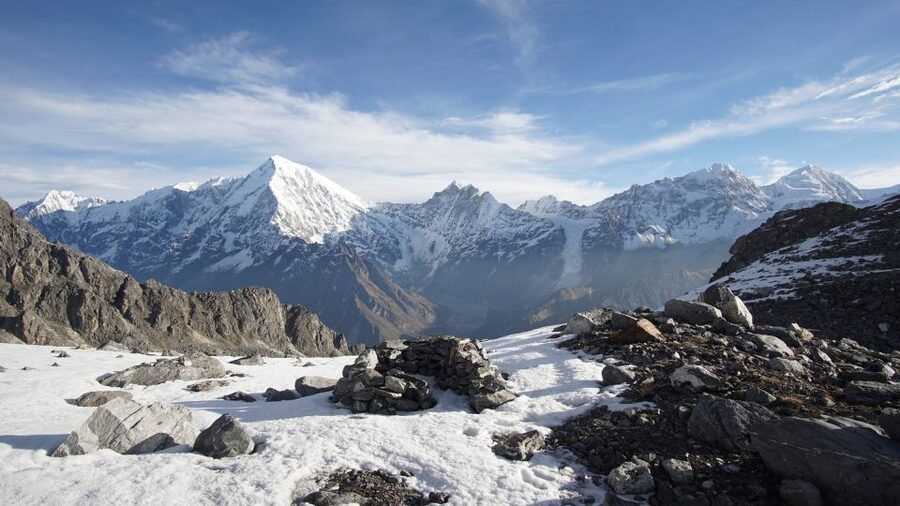
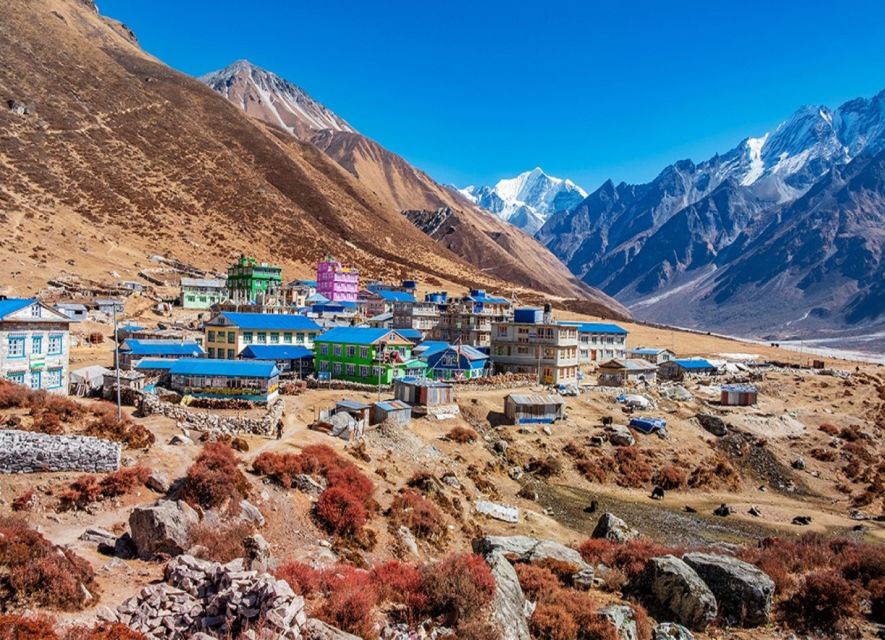
Langtang’s great appeal is how quickly the world changes after you leave Kathmandu. In a day, you trade city traffic for mountain roads, forest trails, river crossings, Tamang villages, and wide Himalayan views. The high point is Kyanjin Gompa, with the optional climb to Kyanjin Ri at 4,770 meters.
I like the mix of nature and village life, and I like that the route includes time at monasteries and a cheese factory rather than treating the mountains as scenery alone. The main caution is the pace: this is called a six-day trek, but some days can run close to eight hours, with steep climbs and a rapid gain in altitude.
- Six days from Kathmandu: The route includes transport from the capital, five nights in mountain accommodation, permits, paperwork, and an authorized guide.
- Kyanjin Gompa as the centerpiece: Stay high in the valley among snowy peaks, monasteries, local homes, and a cheese factory.
- Optional Kyanjin Ri climb: The ascent is demanding, but it can provide the trip’s widest mountain views and a memorable sunrise outing.
- Tamang culture along the trail: You’ll have opportunities to learn about local life, food, animals, and traditions from your guide and hosts.
- Private group format: You trek with your own group, while transport to and from the trailhead is shared according to the number of participants.
- Strong guide support: Guides such as Niraj, Mahesh Aryal, Bipin, Dipesh, and Ghanshyam have been praised for route knowledge, safety checks, and practical help.
Why Langtang Works for a Six-Day Himalayan Trek
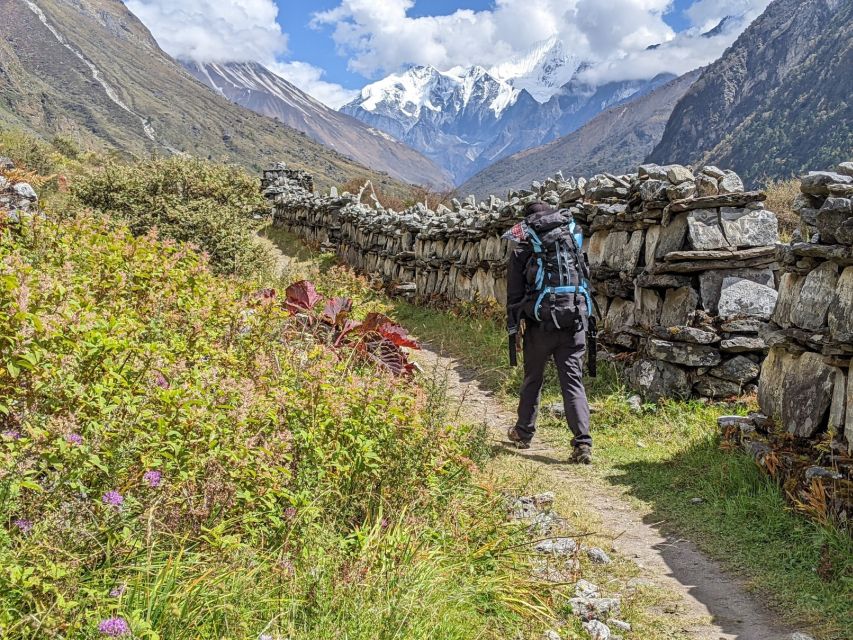
The Langtang Valley is a smart choice if you want a real Himalayan trek but do not have time for a longer route. You get mountain villages, high valley views, forests, waterfalls, monasteries, and a demanding viewpoint climb without committing to a multiweek expedition.
The route is described as moderate, but that word needs context. You’ll spend long periods walking uphill and downhill, often on uneven trails. One detailed account put the daily effort at around eight hours, and the jump from low valleys to Kyanjin Gompa means altitude deserves respect.
I would not treat this as a casual family walk. It can suit fit families, couples, solo trekkers, and first-time hikers, but you need to be comfortable walking for several hours a day. A guide can adjust the pace and help you decide whether Kyanjin Ri is sensible.
The private group arrangement is useful. You are not attached to a large tour party, so the pace can feel more personal. At the same time, transport is shared, so do not expect a private vehicle for every part of the journey.
Day One: Kathmandu to Syabrubesi and the Walk to Pahiro
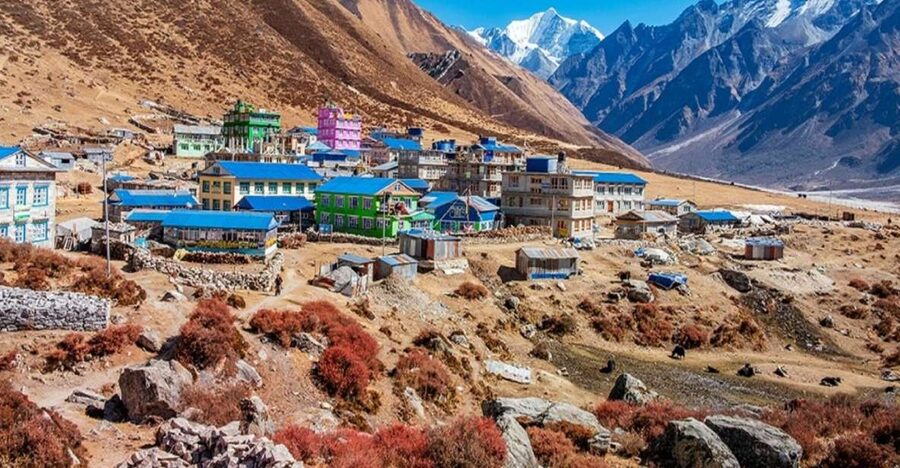
The first day combines a long road journey with a short introduction to the trail. From Kathmandu, you drive for about six hours toward Syabrubesi on winding mountain roads. The views begin before the walking does, with hills, river valleys, and scattered settlements along the route.
After reaching the trailhead area, you walk for roughly two hours through forest and beside the Langtang River. This is a gentle start compared with the days ahead, but the road trip can make the day feel longer than the distance suggests.
The overnight stop is Pahiro at about 1,550 meters. The itinerary describes the trailhead as Syabrubesi and the overnight stay as Pahiro, then refers to the following day as Pahiro to Ghoda Tabela. Confirm the exact starting point and walking distance with your guide before departure, since road and trail arrangements can affect the first day.
The value of this opening day is practical rather than dramatic. You get out of Kathmandu, begin seeing the river that shapes the valley, and sleep at a low altitude before moving higher.
More Langtang treks around Kathmandu:
- Langtang Valley Trek
★ 5.0 · 140 reviews - Langtang Valley Trek
★ 5.0 · 61 reviews - Langtang Valley Trek
★ 5.0 · 50 reviews
Day Two: Forests, Waterfalls, and Ghoda Tabela
The trail from Pahiro toward Ghoda Tabela takes about six hours. Expect a steady walk through forest, with waterfalls, river sounds, and occasional village views. This is one of the days when the trek feels most connected to the natural setting rather than focused on a single famous viewpoint.
Ghoda Tabela sits at about 2,900 meters. That is a meaningful rise from Pahiro, so you may notice the altitude even if the walking itself feels manageable. Keep your pace steady and drink regularly. The route is not a race, and the next morning brings an even higher section.
This is also a good day to ask questions. Guides have helped explain local animals, yak keeping, Nepalese sports, plants, and other parts of mountain life. That sort of conversation can turn a long walk into a better understanding of the valley.
Accommodation is described as private for the five trek nights, but mountain lodges remain simple. You should bring a sleeping bag, towel, flashlight, warm clothing, and personal supplies. Hot showers, battery charging, bottled or boiled water, laundry, and similar extras cost more.
Day Three: Entering the High Valley at Kyanjin Gompa
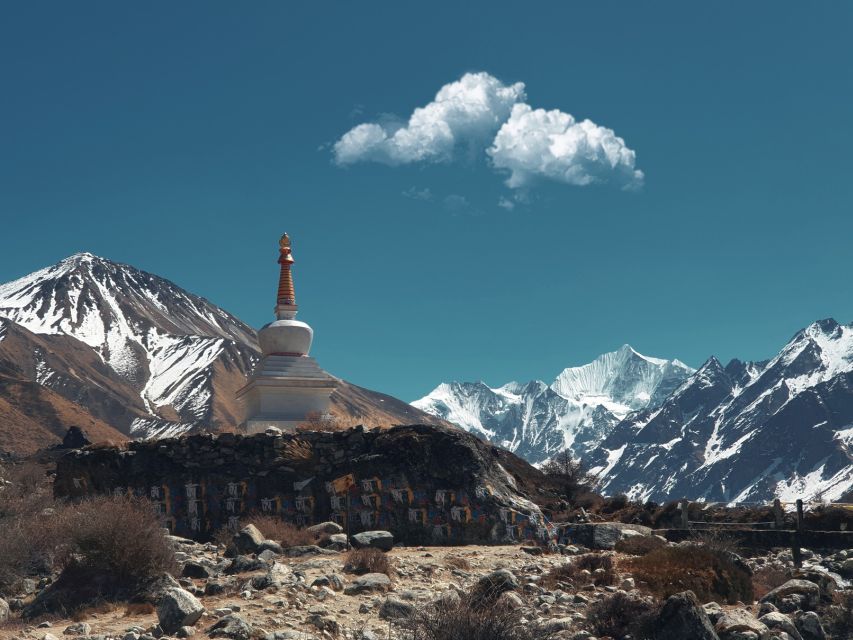
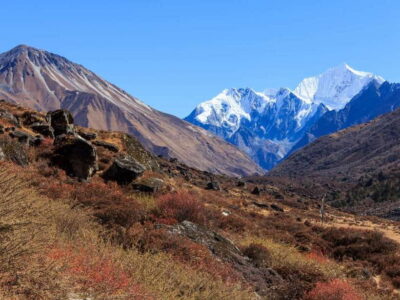
The walk from Ghoda Tabela to Kyanjin Gompa takes about six hours and brings the trek into its most memorable section. The views open toward snow-covered peaks, and the valley begins to feel more remote and spacious.
Kyanjin Gompa sits at roughly 3,870 meters. This is the altitude point that shapes the whole trek. You may feel fine on arrival, or you may need a slower afternoon and an early night. Do not plan on treating the village as just another overnight stop.
There is plenty to make the stay worthwhile. You can explore the settlement, visit a monastery, see the cheese factory, and talk with local people from the Tamang community. The setting is spiritual as well as scenic, with a quiet atmosphere that contrasts sharply with Kathmandu.
The guide’s role matters most here. Mahesh Aryal, Niraj, Bipin, Dipesh, and Ghanshyam are among the guides associated with this experience, and the strongest practical feedback centers on regular check-ins, clear plans, and help when a backpack or steep trail becomes difficult.
At the end of the day, a good guide should tell you what lies ahead, explain the optional Kyanjin Ri climb, and help you judge the route according to your condition rather than pride.
Day Four: Kyanjin Ri and the Return Toward Thangsyap
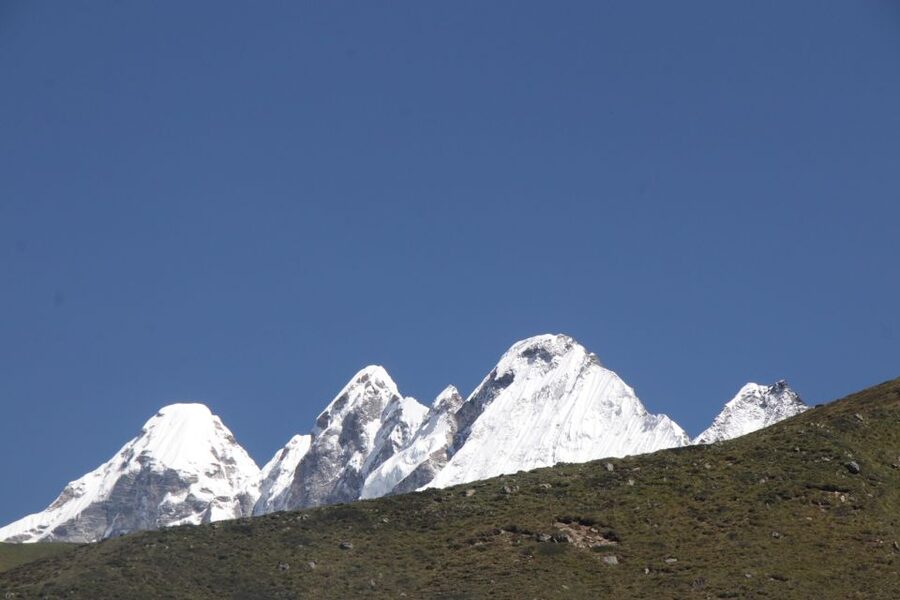
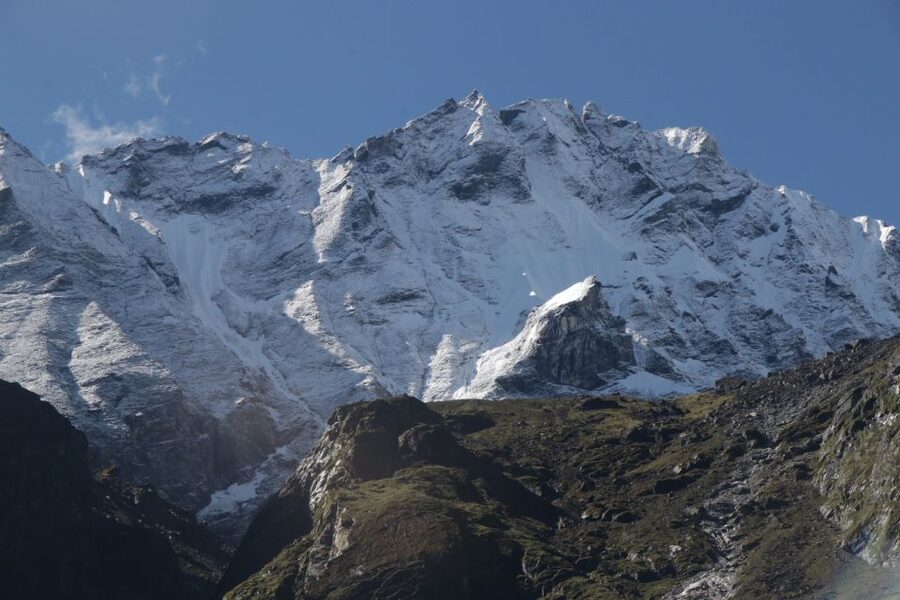
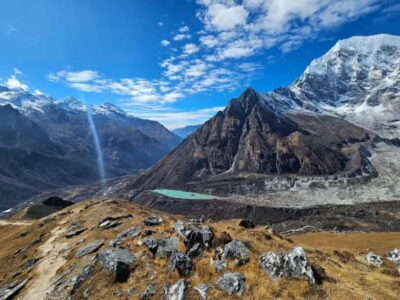
Day four is the physical centerpiece. The itinerary allows an ascent from the Kyanjin area toward Kyanjin Ri, listed at 4,770 meters. It is an uphill climb with panoramic views across the snowy peaks and the glacial valley.
This ascent is optional, and that is important. You can have a strong Langtang experience without reaching the top. The climb can be hard, especially after several days of walking and a night at high altitude. If you feel unwell, turning around is the sensible choice.
The return follows the same route before continuing toward Thangsyap at about 3,200 meters. The schedule can look confusing because you climb high and then descend to a lower overnight stop on the same day. Ask your guide to confirm the exact timing and route for your departure morning.
An early start may be used for sunrise, and one account singled out the view from Kyanjin Ri as the highlight of the trek. Sunrise at altitude can be cold, so gloves, a jacket, a hat, sunglasses, and sunscreen are not optional extras in practice.
Thangsyap offers a useful change after the high point. Descending can feel easier on your lungs, but it can be tiring on your knees. Trekking poles are not listed among the required items, so ask the company if you want to use them.
More six-day treks around Kathmandu
- Kathmandu: 6 Days Langtang Valley Trek with Kyanjin Ri
★ 5.0 · 7 reviews - From Kathmandu: 6-Day Langtang Valley Guided Trek
★ 5.0 · 2 reviews - Kathmandu: Langtang Valley 6-Day all inclusive Guided Trek
★ 5.0 · 2 reviews - Singalila Ridge Trek from Darjeeling – 6 Days
★ 5.0 · 56 reviews
Day Five: Descending Beside the Langtang River
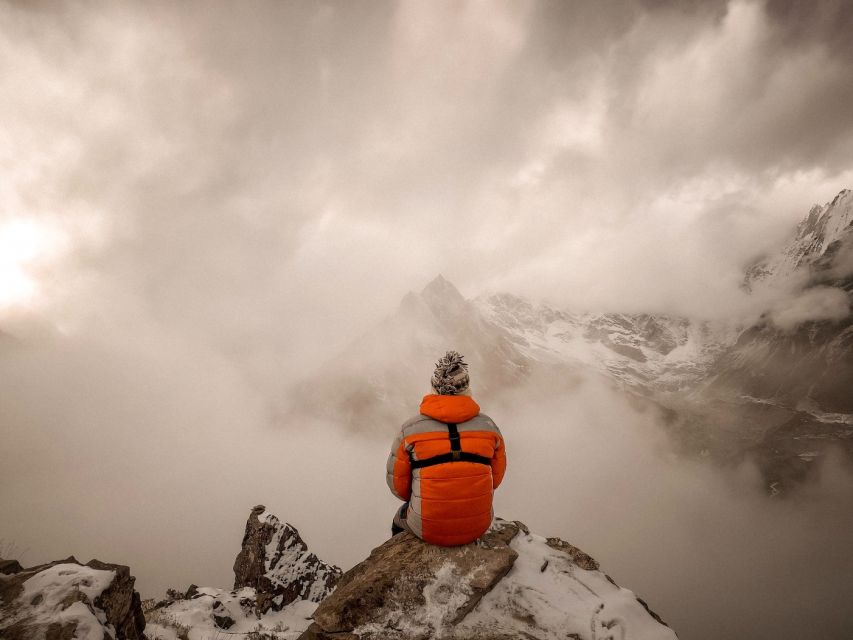
The fifth day takes you from Thangsyap back to Syabrubesi at about 1,550 meters. You retrace much of the route, descending through forest and beside the Langtang River.
The scenery changes as you lose altitude. High peaks remain part of the view, but the trail becomes greener and the air feels less thin. This is a day for noticing details you may have missed on the way up, including village life, waterfalls, and the rhythm of the river.
A return walk is not as fresh as the first pass, and the day may feel long after the Kyanjin Ri climb. Still, descending on foot gives you a proper sense of the valley’s scale. You see how quickly the environment shifts between low forest and high mountain terrain.
Syabrubesi is the final mountain overnight. It also gives you a chance to organize your luggage before the road trip back to Kathmandu. A luggage storage facility is included, which is useful if you do not want to carry everything into the mountains.
Day Six: Shared Transport Back to Kathmandu
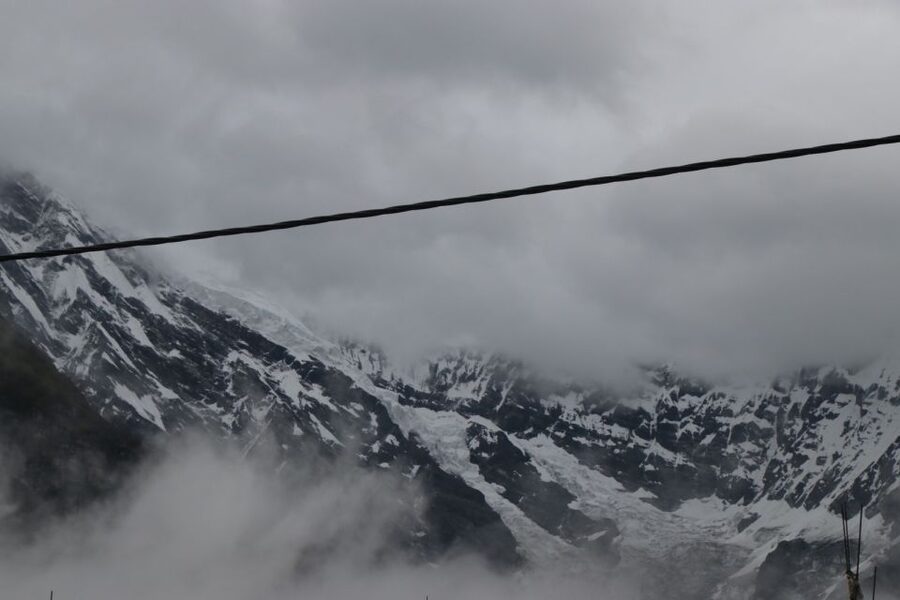
The final day is a return by shared bus from Syabrubesi to Kathmandu. The drive takes you back over the same winding mountain roads, with a chance to reflect on the change from city to high valley and back again.
Shared transport keeps the package price low, but it can also mean less control over departure timing and comfort. If you value flexibility, ask how the shared vehicle is arranged for your group. The transport is covered according to the stated itinerary and number of participants.
The schedule ends in Kathmandu. Extra accommodation there or in Pokhara is not included if you arrive early, depart late, or return from the mountains ahead of schedule for a reason outside the planned itinerary.
What the $181 Price Really Covers
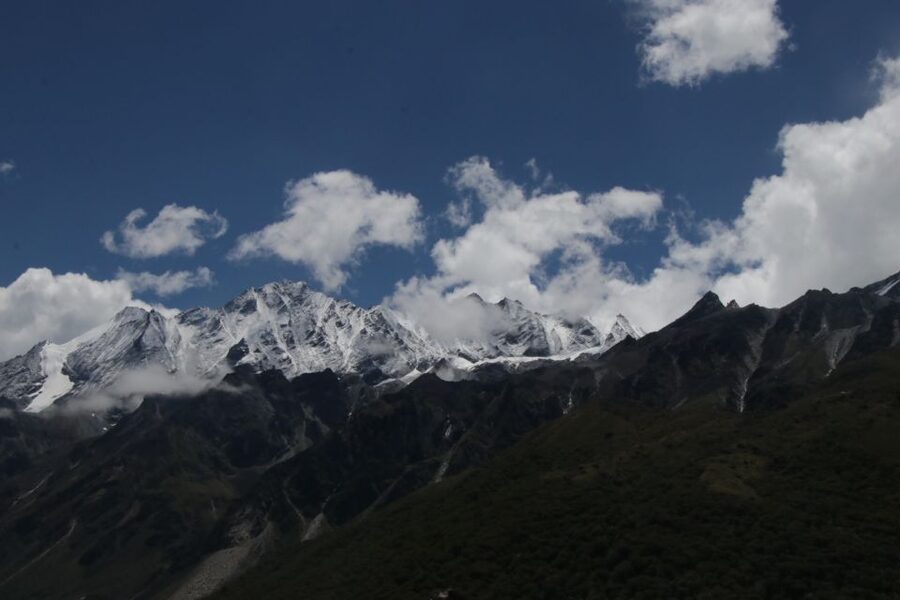
At $181 per person, this is an unusually low price for a six-day guided Nepal trek, but the inclusions explain much of the value. The package covers hotel pickup and drop-off, an authorized English-speaking guide, permits, necessary paperwork, the Trekkers’ Information Management System fee, government tax, five nights of private accommodation, and transport listed in the plan.
A full package also includes breakfast, lunch, and dinner during the trek. Check that you are booking the full meal option if food is important to your budget, since the description separates meals from the general inclusions.
Staff expenses are covered, including meals, accommodation, salary, equipment, insurance, and transport. Porter service is extra. This matters because one participant found porter help useful for carrying a larger backpack, while another guide helped directly when the pack became difficult.
You still need to budget for drinks, water, showers, phone calls, laundry, battery charging, bar bills, extra porters, travel and rescue insurance, international flights, and the Nepalese visa fee. Warm clothing and sleeping equipment may also require a purchase or rental if you do not already own them.
The price is best for someone who already understands the difference between a guided trek package and an all-inclusive holiday. It covers the main structure of the journey, but personal comfort costs remain your responsibility.
Guides, Communication, and Day-to-Day Support
The guide is the part of this trip most likely to shape your experience. Good support on a mountain route means more than pointing along the path. You want clear plans, regular checks on how you feel, help with lodge arrangements, and honest advice about optional climbs.
Mahesh Aryal has been praised for explaining the plan each evening and the next day’s route, knowing the lodges, and helping with backpacks. Niraj has been valued for friendliness and support, including on a higher summit attempt. Bipin has been described as organized and helpful with food and lodge details.
Dipesh is associated with a calm first-trek experience, while Ghanshyam has been especially helpful for a solo woman who wanted to feel safe. These details point to a useful question before departure: ask which guide is assigned to your group and whether a porter can be added.
Guiding is available in English, Hindi, and Nepali. The private group format also gives you more room to discuss pace and rest stops than a large fixed party would.
Who Should Book This Trek
You should consider this route if you want:
- A short Himalayan trek with six scheduled days
- Mountain scenery without a long expedition
- A combination of forests, villages, monasteries, and high viewpoints
- A private group with a guide
- The option to attempt a challenging summit viewpoint
- A first trekking experience with practical support
You should think carefully if you dislike long walking days, steep paths, shared road transport, basic mountain accommodation, or cold nights. Pregnant women should not book this activity, according to the stated restrictions.
Fitness matters, but experience matters less. Several first-time trekkers have completed the route with support. You do not need to be an expert, but you do need patience, warm gear, and a willingness to stop short of Kyanjin Ri if your body says no.
Free cancellation is available up to 24 hours before departure, and you can reserve now and pay later. Starting times depend on availability, so confirm those details before you finalize your plans.
Should You Book the Six-Day Langtang Trek?
I would book this if you want a compact, culture-focused Himalayan trek and accept that six days means a brisk schedule. The mix of Tamang villages, river trails, Kyanjin Gompa, monasteries, and snowy viewpoints gives you far more than a simple mountain walk.
I would not book it if you want a relaxed itinerary with plenty of spare days for altitude adjustment. The climb to Kyanjin Ri is optional, and the route can be adjusted to individual pace, but the fixed six-day outline still involves long days and a quick rise to 3,870 meters.
For the price, the package offers strong practical value, especially with permits, meals in the full package, transport, staff costs, and a guide included. Add insurance, personal expenses, and possibly a porter to your budget. If you prepare for cold nights and treat the high climb as an option rather than a test, this can be a memorable first taste of trekking in Nepal.
FAQ
How long is the Langtang trek?
The planned duration is six days, including travel from Kathmandu to Syabrubesi, five nights during the trek, and the return drive to Kathmandu.
What is the highest point on the itinerary?
Kyanjin Ri is listed at 4,770 meters, or 15,649 feet. The climb is optional because it is a demanding uphill section.
Is food included?
Breakfast, lunch, and dinner are included during the trek with the Full Package option. Drinks, bottled or boiled water, and personal snacks are not included.
Is a porter included?
No. The guide is included, but porter service costs extra. Extra porters are also listed under personal expenses.
What languages does the guide speak?
Guiding is available in English, Hindi, and Nepali.
What should I bring?
Bring your passport or ID card, towel, sunscreen, gloves, sleeping bag, flashlight, hiking shoes, jacket, hat, trekking gear, and sunglasses.
Can I cancel the booking?
You can cancel up to 24 hours in advance for a full refund. The activity also offers a reserve now and pay later option.
New treks around Kathmandu
- Kathmandu or Pokhara: 5-Day Annapurna Base Camp (ABC) Trek★ 4.5 · 2 reviews
- Pokhara: 2 Day Ghorepani & Poon Hill Private Trekking★ 4.9 · 8 reviews
- From Kathmandu: 6-Day Langtang Valley Guided Trek★ 5.0 · 2 reviews
- Pokhara: 5-Day Annapurna Base Camp (ABC) Trek★ 5.0 · 9 reviews
- Kathmandu: Langtang Valley 6-Day all inclusive Guided Trek★ 5.0 · 2 reviews
- Kathmandu: 6 Days Langtang Valley Trek with Kyanjin Ri★ 5.0 · 7 reviews
- Kathmandu: 9- Day Annapurna Circuit Trek★ 5.0 · 2 reviews
- Sundarijal-Chisapani-Nagarkot Trek with Changunarayan★ 4.8 · 3 reviews
Langtang Valley Treks, side by side.
Trekking in Annapurna/Langtang/Everest/Upper Mustang regions
Read our review →
Kathmandu: 6 Days Langtang Valley Trek with Kyanjin Ri
Read our review →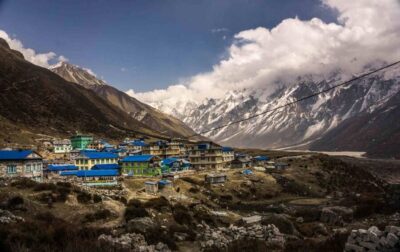
Kathmandu: Langtang Valley 6-Day all inclusive Guided Trek
Read our review →Lists this trek appears in