
Review · INDONESIA
Yogyakarta: Selogriyo Temple Tour & Java Rice Terrace Trek
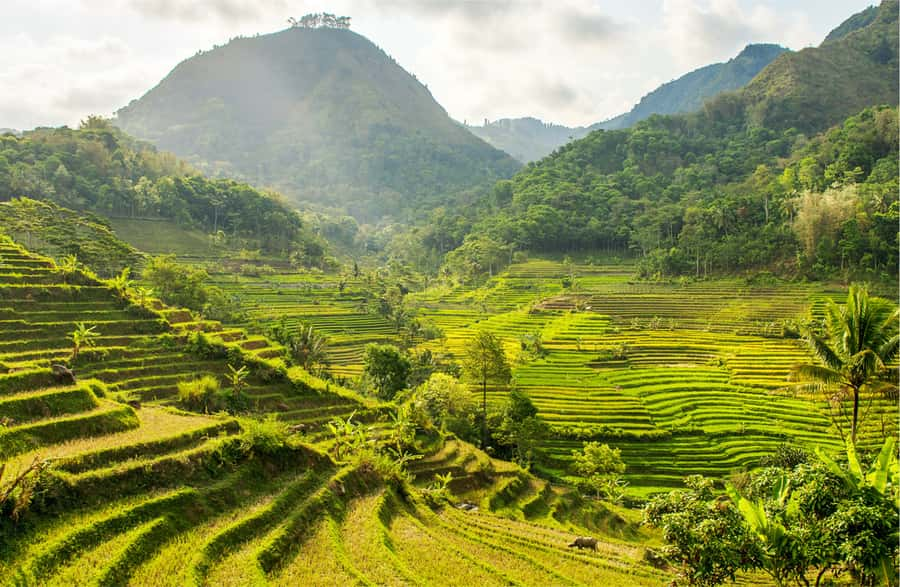
Selogriyo Temple sits at the end of a beautiful rural walk, not beside a coach park. You approach it through Java’s working rice terraces, where farmers grow paddy, beans, corn, ginger, tobacco, coffee, and other crops. I like the quiet setting and the way guides such as Yuni, Haidar, and Atok turn a simple walk into a lesson about village life.
I also like the easy hotel pickup and the chance to see a less-visited side of Java without arranging transport yourself. The main caution is the walk: it is described as moderate, and muddy shoes, uneven ground, heat, or rain can make it harder than the word trek suggests. The temple itself is small, so you book this for the setting and countryside, not for a vast monument.
Key points at a glance
- Two hours from Yogyakarta: The drive is long enough to make included transport useful, while the trip from Borobudur takes about one hour.
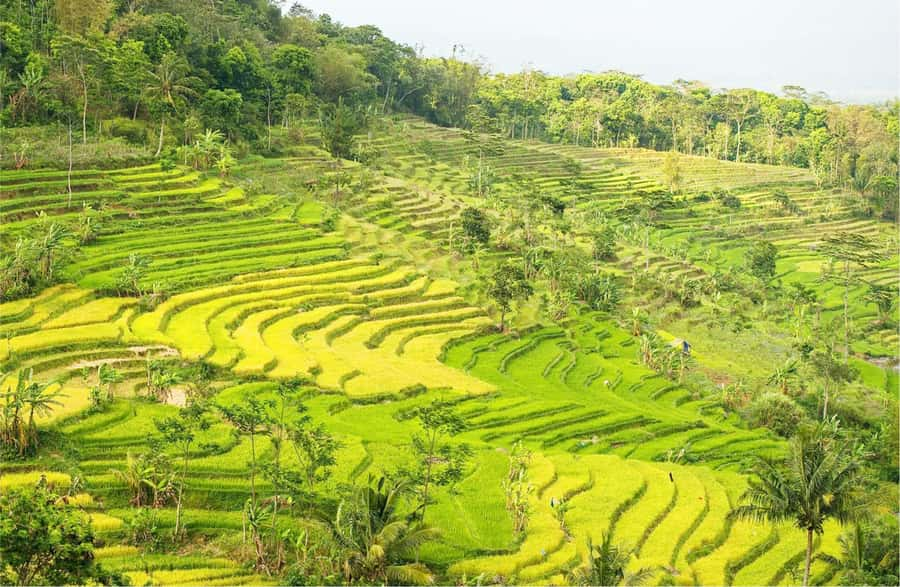
- Rice terraces are the main event: You walk among working fields and learn how crops grow through different seasons.
- A small Hindu temple in a quiet place: Selogriyo is modest in size but rewarding for its hilltop setting, sculptures, and peaceful grounds.
- Guides add real value: Yuni, Haidar, Atok, Kin, Aulion, and Arief have been praised for local stories, plant knowledge, photography, and careful driving.
- Small-group format: The group is limited to 15 people, and low-season departures may become private tours.
- Bring cash and sturdy shoes: Local drinks, snacks, or extra stops may cost more, and the path can become muddy.
Why Selogriyo works as a day away from Yogyakarta
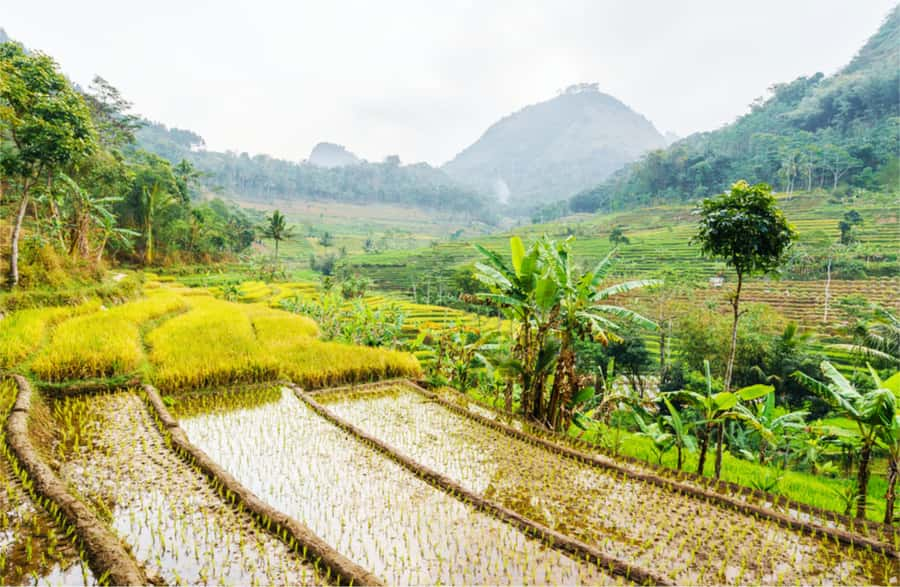
Yogyakarta gives you famous temples, busy streets, and plenty of cultural sights. Selogriyo gives you breathing room. The trip heads into the hills, where the scenery changes from city traffic to village roads, farms, and green slopes.
That change is the point. You are not simply ticking off another monument. You are seeing how people work the land around it. The temple is part of a living rural setting, not an isolated object behind a ticket booth.
The ride takes around two hours from Yogyakarta, so this is not the best choice if you dislike time in a car. Still, pickup and drop-off remove the need to find a driver, negotiate a route, or work out how to reach a remote site. From the Borobudur area, the drive is about one hour, making the tour easier to fit beside a stay near the temple.
The price is $55 per person. I see that as fair value if you are traveling alone, as a couple, or in a small group and would otherwise need to hire a car and guide separately. The fee covers transport, entrance, parking, donation, and an English-speaking guide. You are also paying for local interpretation, not just a vehicle and a walk.
More Rice Terrace Treks in Indonesia:
- Selogriyo Temple and Trekking Java Rice Terraces, hidden waterfall -Nature Java
★ 5.0 · 179 reviews - Ubud: Rice Terrace, Holy Water Temple & Waterfalls Trek Tour
★ 4.9 · 115 reviews - Mount Batur Sunrise Trekking and Rice Terrace Adventure
★ 5.0 · 111 reviews
The drive into Java’s farming country
Your driver collects you at your accommodation and takes you toward Selogriyo. The journey is part of the experience because the guides often talk about Java, local customs, politics, farming, and everyday village life along the way.
Yuni has been praised for sharing childhood stories and for identifying plants with unusual ease. Haidar is known for explaining village life and rice cultivation in a clear, friendly way. Atok is often described as both a careful driver and an outgoing guide. Other guides include Kin, Aulion, Arief, Febrian, Thomas, and Ipung.
Guide assignments can change, so you should not book on the assumption that one particular person is guaranteed. Still, the repeated praise for several guides suggests that the operator has a strong local team. A good guide matters here because the fields can look like a simple green scene unless someone explains what you are seeing.
The transport has also received a 97 percent perfect score for its service. That is useful reassurance on a rural outing with a long approach road. The drive back gives you a chance to rest after walking, though the full six-hour schedule can feel short if you want a very slow visit.
Walking through the rice terraces
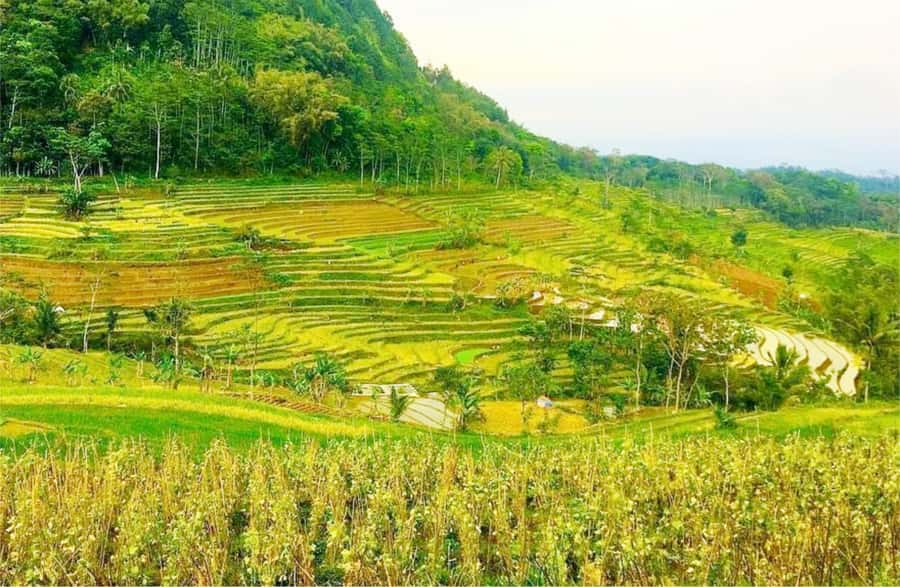
The walk begins before the temple becomes visible. You follow paths through terraces and cultivated plots, with the exact route depending on conditions and your guide.
This is where the tour earns its price. You may see rice at different stages of growth, along with beans, corn, tobacco, papayas, ginger, coffee, coconut, and other plants. Guides have also pointed out small animals and explained the process from seedlings to harvest.
The agricultural detail gives the walk a useful purpose. Instead of only admiring the green hills, you learn how farmers use the same ground across changing seasons. During a dry period, for example, fields may hold crops other than rice. That simple fact helps you read the countryside instead of treating it as a postcard.
Some guides offer a choice between an easier path and a more adventurous route through the fields. Ask what the conditions are like on the day, especially after rain. The path has been called easy by some people and quite a hike by others, which tells you that fitness, weather, and route choice matter.
Wear shoes with a good grip. Sandals may be fine for some sections, but the ground can be slippery or muddy. Comfortable clothing, sunscreen, and water are sensible. Cash is also worth carrying for drinks, snacks, or a local café stop.
Take your time with photographs. The best part of the walk is not one single viewpoint, but the changing angle of terraces, trees, farm plots, and hills. Guides such as Yuni and Arief have been praised for taking photos, which helps solo visitors and couples who want more than self-timer pictures.
Reaching the small Hindu temple
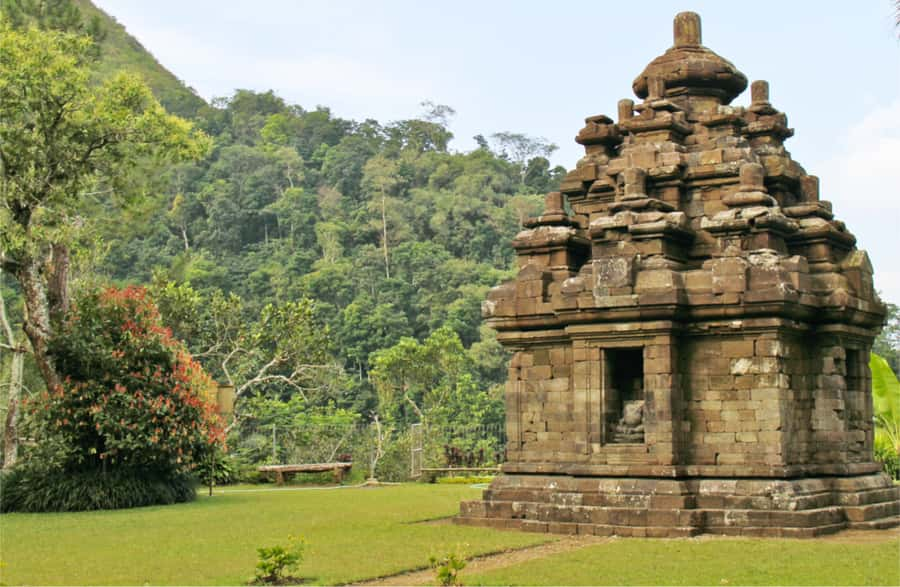
Selogriyo Temple, also called Candi Selogriyo, is a small Hindu site on a hilltop. It is not comparable in scale to Borobudur or Prambanan, and you should adjust your expectations before booking.
Its appeal comes from the approach. After walking through farms and quiet paths, you reach a compact ancient temple surrounded by gardens and hills. The shift from working fields to carved stone gives the stop a pleasing sense of arrival.
Your guide explains the temple’s structure, Hindu sculptures, and place in the area. The setting lets you look across the green slopes and pause in relative silence. Several visits have had very few people around, and some departures have found the site almost empty.
That quiet can be more valuable than size. You have room to study the details, take photographs, and listen without competing with a crowd. If you want a grand monument filled with galleries and dozens of carvings, choose a different outing. If you want a small religious site reached on foot through the countryside, Selogriyo makes a strong choice.
The temple is also a good place to notice how the surroundings shape the visit. The garden, hill, farms, and village paths are not background decoration. They are what make this temple feel separate from the usual temple circuit.
More treks around Indonesia:
- Bali: Mount Batur Sunrise Trek With Guide and Breakfast
★ 4.8 · 3,461 reviews - Mount Batur Sunrise Trekking Private All Inclusive
★ 5.0 · 906 reviews - Mount Batur Sunrise Trekking Private Tour with Breakfast and Hotel Transfer
★ 5.0 · 885 reviews - Private Mount Batur Sunrise Trekking Tour
★ 5.0 · 634 reviews
Tea, coffee, and the road back
The return often includes a stop for local drinks or food, though the exact stop can vary. Guides have taken people to cafés for coffee, ginger tea, lemongrass tea, redwood tea, blue pea tea, and fried cassava.
One stop near Selogriyo has been especially useful for slowing the pace after the walk. You may simply sit with a drink, or you may get a closer look at local preparation. One guide arranged for a visitor to try pouring coffee, while another bought local food for the ride.
Treat these additions as pleasant possibilities, not guaranteed inclusions. The tour includes the main entrance, donation, parking, guide, and transport, but extra food and drinks may cost more. This is why you should bring cash.
Some guides also make extra stops when time and interest allow. Past outings have included a batik shop, civet coffee, a local restaurant, a waterfall, or another rice field. These are useful if you want a broader local day, but they can also make the schedule less predictable. Tell your guide early if you need to return by a firm time.
What the six-hour schedule feels like
Six hours sounds generous, but the drive takes up a large share of the day. From Yogyakarta, expect roughly two hours each way, with the walking and temple visit in the middle. From Borobudur, the shorter approach leaves more room for a relaxed visit.
This timing suits you if you want one focused countryside outing. It does not suit you if you want a long hike, an extended farm visit, and several major sights in one day. The tour is best understood as a half-day experience with a substantial transfer.
Pickup is included from accommodation in Yogyakarta, with the experience also described as available from the Borobudur area. Confirm your pickup point when booking, since the exact meeting details affect the day’s timing.
The small-group limit is 15 people. In quieter periods, the tour may operate as a private outing for one person or a couple. That can make a real difference, since you may be able to choose the easier or more adventurous route, stop longer for photographs, or ask more questions.
Who will enjoy this walk most
I would choose this trip if you want a slower, more local side of Java. It suits people who care about farms, village life, plants, religious sites, and scenery more than big-ticket attractions.
It is also a good fit for solo visitors. A guide can handle the transport, explain the setting, and take photographs. Several guides are comfortable adjusting the pace and conversation to the person they are with.
Families and couples can enjoy it too, but everyone should be ready for moderate walking. The route is not presented as a technical hike, yet it is not a flat stroll from a parking lot to a temple. Young children, older adults, or anyone with trouble on uneven ground should ask about current path conditions before committing.
You will get more from the tour if you ask questions. Ask how rice is planted, what grows in the dry season, how local people use plants, or what the temple sculptures mean. The guides have enough local experience to make those questions worthwhile.
Practical drawbacks to consider
The biggest drawback is the long drive from Yogyakarta. If you have only one day in the city and want to see Borobudur or Prambanan, this outing may compete with more famous sights.
Weather also matters. In the rainy season, clouds can block distant mountain views and paths can turn muddy. One visit lost the mountain view to heavy rain but still found the countryside enjoyable. That is a fair description of the risk: the walk remains worthwhile, but the views are not guaranteed.
The temple is small. Some people may feel the walk is the true attraction and the temple is the reward at the end, rather than the other way around. I think that is the right way to frame it.
Finally, guide style can shape the experience. The strongest guides are warm, curious, and eager to explain local life, but English ability may vary by individual. The tour is still built around an English-speaking guide, and the named guides have generally been praised for clear conversation.
Is the $55 price good value?
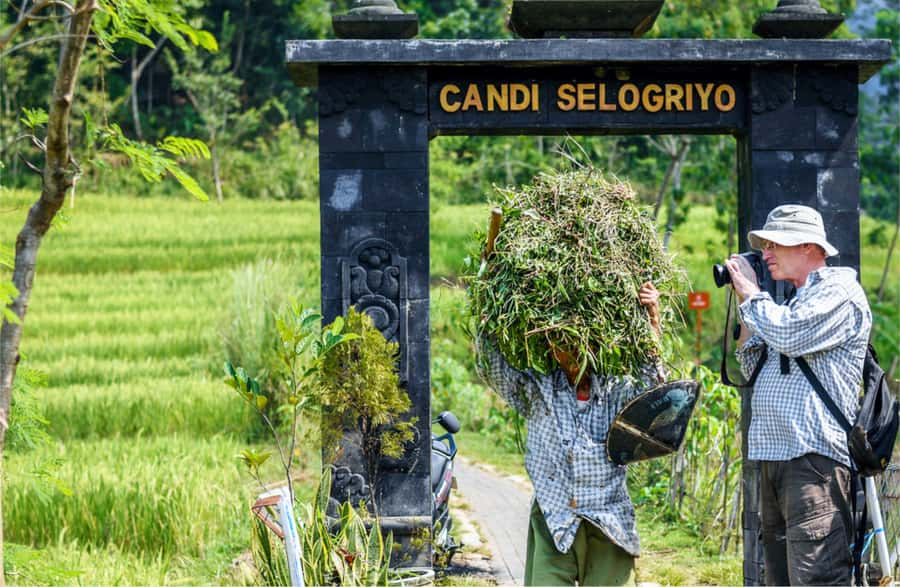
For a remote countryside visit, $55 is a sensible price when you use the included transport and guide. You receive hotel pickup and return, entrance and donation fees, parking, and an English-speaking guide. Hiring a car for a two-hour rural journey and arranging access to the temple on your own could be less convenient, even if you found a lower base price.
The value is strongest for solo visitors and couples because the guide’s local knowledge becomes part of the day. It is also good for people who want to learn about crops and village life rather than simply take photographs.
If you are traveling with a larger private group, compare the total cost with a custom driver arrangement. The small-group format limits the party to 15, but the real benefit comes from having someone explain what you see and manage the remote transport.
Should you book Selogriyo Temple and the rice terraces?
Book it if you want quiet countryside, working farms, and a small temple with a memorable approach. The guides, especially names such as Yuni, Haidar, Atok, Kin, Aulion, and Arief, add stories about crops, culture, and village life that turn the walk into more than a scenic outing.
Skip it if you want a large monument, a short transfer, or a guaranteed mountain panorama. For everyone else, this is one of the better ways to spend a day outside Yogyakarta. Bring shoes you can get muddy, keep some cash handy, and allow the rural pace to be the attraction.
FAQ
How long does the Selogriyo Temple tour last?
The activity lasts about six hours, including transport, the rice terrace walk, the temple visit, and the return journey.
How far is Selogriyo Temple from Yogyakarta?
The journey takes about two hours from Yogyakarta city. From the Borobudur area, the drive takes about one hour.
Is hotel pickup included?
Yes. Pickup and drop-off are included from accommodation in Yogyakarta, and the experience is also described as available from the Borobudur area.
How difficult is the walk?
The tour involves a moderate amount of walking. Some people find the route easy, while others describe it as a proper hike. Uneven or muddy conditions may affect the difficulty.
What should I bring?
Bring comfortable shoes, comfortable clothes, sunscreen, and cash. Shoes with good grip are especially useful because the path may be muddy.
Is Selogriyo Temple a large monument?
No. Selogriyo is a small Hindu temple. Its main appeal is the quiet hilltop setting, the surrounding gardens, the sculptures, and the walk through the rice terraces.
Is the tour private or shared?
It is offered as a small-group tour limited to 15 participants. During quieter periods, it may operate as a private tour for one person or a small party.
New treks around Indonesia
- Pergasingan Hill Trek: Unveiling the Beauty of Sembalun★ 5.0 · 5 reviews
- Padang: Lubuk Hitam Waterfall Guided Trekking Tour★ 5.0 · 2 reviews
- Oke Rinjani 2-Day Trek – Summit senaru Climb & Amazing Views★ 5.0 · 3 reviews
- North Bali: Explore Munduk Waterfall Trekking Experience★ 4.9 · 12 reviews
- Munduk Jungle Trek: Twin Lakes View, Temple and Waterfall★ 5.0 · 2 reviews
- Munduk : Jungle Trekking,Canoeing,waterfall &authentic lunch★ 5.0 · 10 reviews
- Mt. Merapi Majesty: Soft Trek and Botanic Village Tour★ 5.0 · 5 reviews
- Munduk Jungle Trek to Banyumala & Pucak Manik – Private★ 5.0 · 29 reviews
Rice Terrace Treks, side by side.
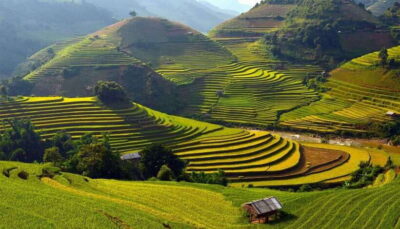
Sa Pa: Muong Hoa Valley Trek and Local Ethnic Villages
Read our review →
Explore Sapa by TrekkingAdventures, Mountain,Rice fields
Read our review →
Selogriyo Temple and Trekking Java Rice Terraces, hidden waterfall -Nature Java
Read our review →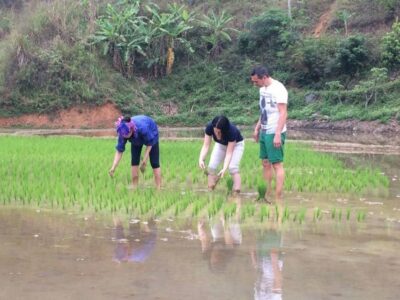
Sa Pa: 6-Hours Muong Hoa Valley Trek with Local Ethnic guide
Read our review →
Daily Tour: Sapa Trekking in Muong Hoa valley, Bamboo forest
Read our review →
Ubud: Rice Terrace, Holy Water Temple & Waterfalls Trek Tour
Read our review →
Mount Batur Sunrise Trekking and Rice Terrace Adventure
Read our review →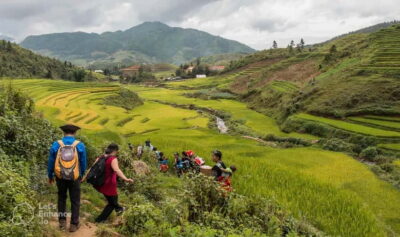
1-Day Sapa Long Trek – Rice Field Terrace, Ethnic Culture
Read our review →Lists this trek appears in