
Review · INDONESIA
Oke Rinjani 2-Day Trek – Summit senaru Climb & Amazing Views
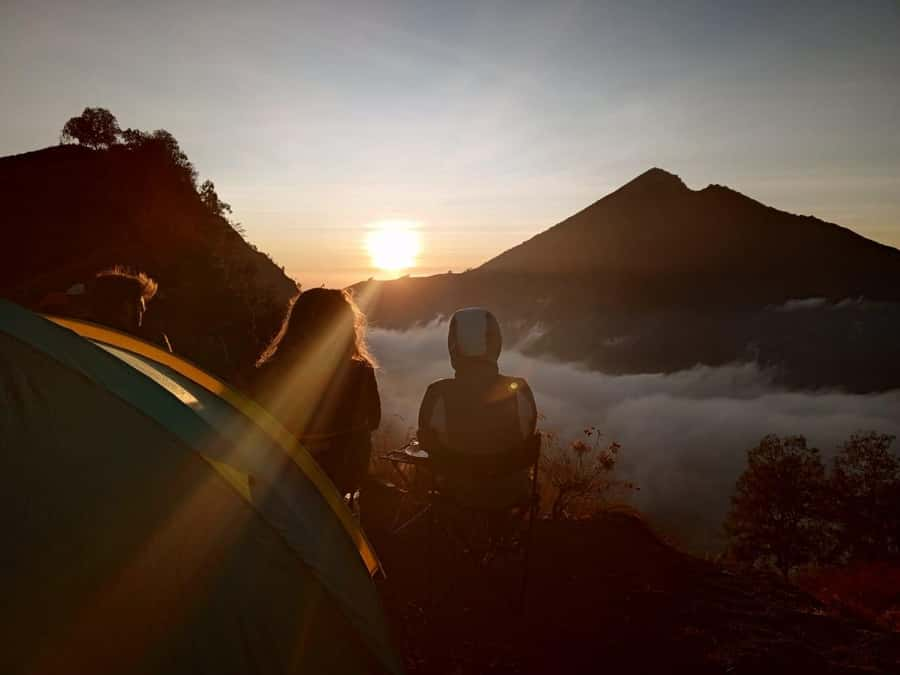
Rinjani saves its best moments for the hours when most people are still asleep. This two-day Senaru trek takes you to the crater rim for sunset, then up to the second summit for sunrise over Segara Anak Lake and the sea. I like the route’s clear rhythm: forest, camp, summit, forest again. I also like that porters carry the tent, food, and cooking gear, so you can focus on the climb.
The trade-off is simple: this is a hard hike, not a gentle nature walk. The uphill route to camp is long and steep, the predawn summit push is tiring, and night temperatures can fall to 5 to 10°C. Bring warm layers, gloves, and shoes with good tread, especially for the loose and slippery return sections.
Key points to know before booking
- Sunset at 2,641 meters: Camp on Pelawangan Senaru with wide views toward Segara Anak Lake.
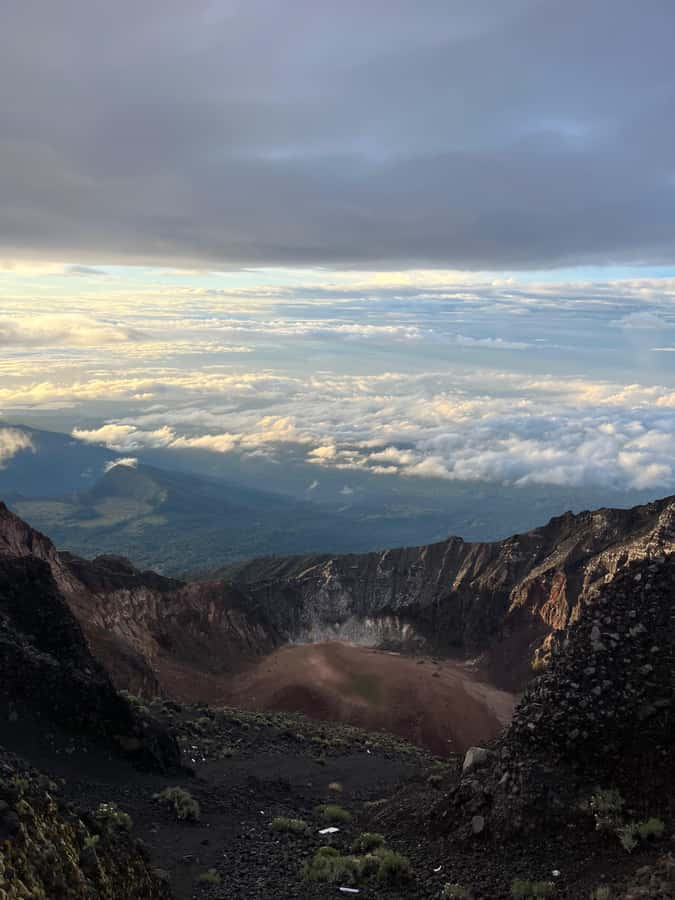
- A pre-dawn second summit climb: Start with hot tea or coffee and reach roughly 2,700 meters for sunrise.
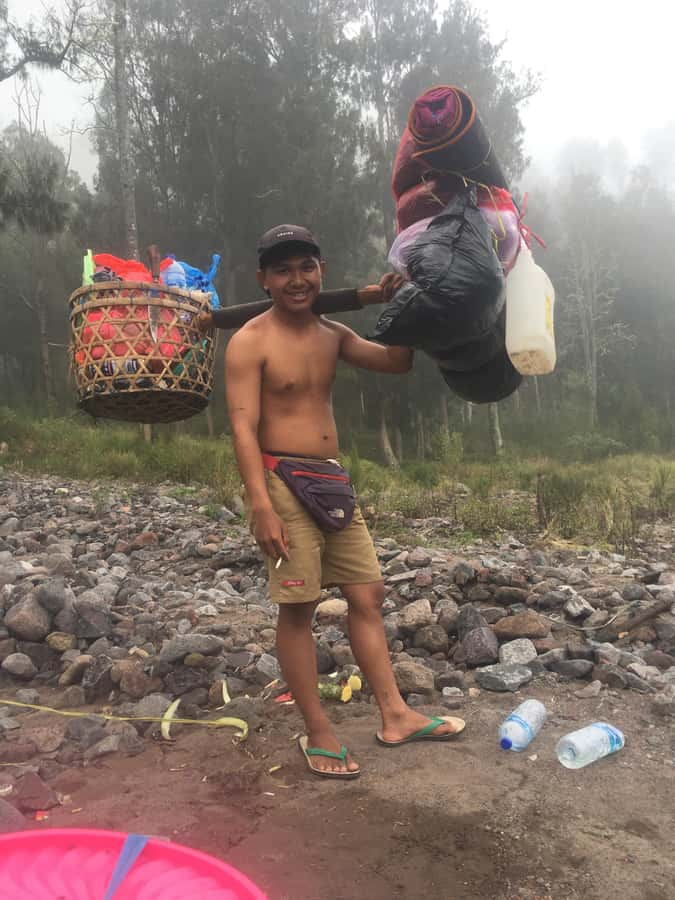
- Porters carry the heavy camp load: You carry a daypack, while the team handles tents, sleeping gear, cooking equipment, and food.
- A forest-heavy route: The hike begins and ends in tropical forest, with shade, birds, plant life, and a cooler feel than the exposed upper trail.
- A useful package for $171: Transport, guide, porters, camping gear, four cooked meals, and drinks are included, but park fees and the health check cost extra.
What the $171 price really covers
At $171 per person, this trek is priced as a managed mountain outing rather than a bare-bones guide hire. You get return transport from your hotel in Senaru, Senggigi, Mataram, or Bangsal Harbor, plus an English-speaking mountain guide and professional porters.
The included equipment covers a sleeping tent, toilet tent, sleeping bag, mattress, and tissues. That matters on Rinjani, where carrying your own shelter and sleeping kit would add a lot of weight to an already demanding climb.
Food is another strong part of the package. Four freshly cooked meals are included, along with drinking water, tea, and coffee. The service details say to expect about three liters of mineral water per person each day. Dinner may be nasi, and breakfast can include pancakes, which is welcome fuel before the descent.
You still need to budget for the national park entrance fee of IDR 200,000 per day and the mandatory health check of IDR 15,000. The package price also excludes personal trekking gear, though jackets, trousers, headlamps, poles, daypacks, trekking shoes, and other items can be rented at the Oke Rinjani office.
That makes the price good value if you need transport and camping equipment. If you already own everything and can arrange your own transport, a simpler trek may cost less. The convenience here is having one team arrange the heavy work, meals, camp, and return ride.
More Rinjani treks around Indonesia:
- Mount Rinjani Trek 3D-2N To Summit – Lake – Hotspring
★ 4.7 · 111 reviews - Rinjani trekking 2D 1N RIM
★ 5.0 · 94 reviews - Mount Rinjani 2-Day Trek to Senaru Crater Rim
★ 4.8 · 89 reviews
Day one, leaving Senaru for the forest
The day begins with an early hotel pickup in Senaru. You have a light breakfast at your hotel, then register for the trek before setting out. If you need rented gear, the office is also the place to check sizes and equipment before walking into the park.
The first part of the route passes through dense tropical forest. The trail is divided into Pos 1, Pos 2, and Pos 3, giving the day some useful markers. These posts are more than names on a schedule. They break a long ascent into smaller targets, which helps when the path keeps climbing.
You will want comfortable hiking shoes with firm soles. One person managed the route in sneakers, but proper hiking footwear is a wiser choice. On the way back, loose ground and wet sections can make poor tread a real problem. Gaiters are recommended, especially if you dislike dirt and small stones getting into your shoes.
The forest offers shade and a cooler setting than the exposed crater rim. It is also one of the most appealing parts of this route for anyone who likes walking among trees rather than spending the whole trek on bare volcanic ground. You might hear birds and see varied plant life, though the experience is still a strenuous climb.
Lunch is served at Pos 3. This is a useful pause before the hardest part of the day. Eat enough to keep going, drink steadily, and do not wait until you feel thirsty. Porters carry the cooking equipment and camping supplies, while you keep your personal items in a daypack.
The final climb to Pelawangan Senaru
After Pos 3, the trail continues upward toward Pelawangan Senaru at 2,641 meters. This is where the physical side of the trek becomes very clear. The route is uphill for much of the day, and the incline can feel relentless for anyone unused to mountain walking.
Your guide sets the pace and helps the group manage the climb. The porters move with the gear and prepare the camp, but you should not mistake that support for an easy hike. One of the most useful choices you can make is to keep your daypack light. Carry water, warm clothing, rain protection if needed, snacks, medication, and a headlamp, but leave spare weight behind.
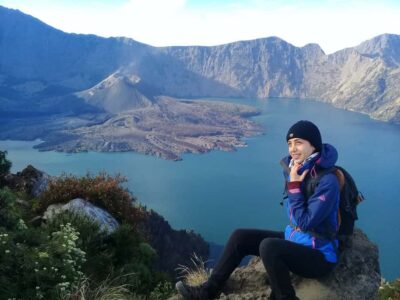
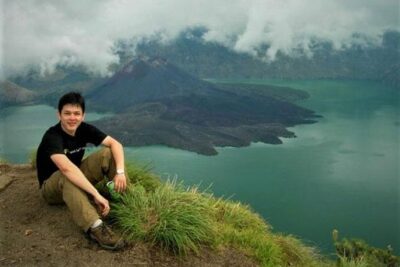
Arrival at the crater rim is the reward for the long ascent. The camp sits above the clouds, with views toward Segara Anak Lake. At sunset, the lake and volcanic setting take on changing colors as the light fades. This is the quiet highlight of day one, and it gives you a reason to pause rather than rush straight into dinner.
The views depend on weather. In clear conditions, the sightline is broad and dramatic. In poor weather, cloud can cover much of the scene. That is a real consideration, though the mountain remains worthwhile for the forest walk and the sense of reaching a high camp.
A cold night with a useful camp setup
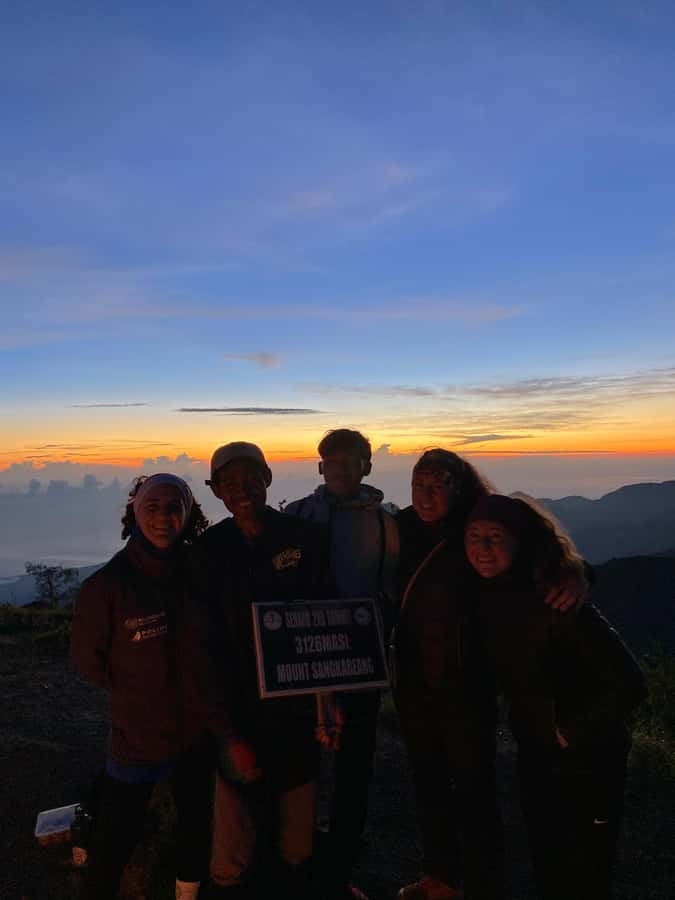
The camp includes a sleeping tent, sleeping bag, mattress, and a toilet tent. That is basic mountain comfort, not a hotel room. You should expect a cold night, uneven ground, and limited privacy compared with a normal room.
Temperatures may drop to 5 to 10°C. A warm jacket and windproof outer layer are essential, and gloves are especially useful. Cold hands were a specific problem near the summit, so do not rely on a thin sweatshirt. A hat, dry socks, and long trousers will also make the night easier.
Dinner is freshly prepared by the trekking team. Nasi has been served, and the food is meant to replace some of the energy used during the climb. Tea and coffee are available, and the guide gives a safety briefing before the early start.
Try to organize your summit clothes and headlamp before sleeping. The pre-dawn wake-up comes early, and fumbling through a daypack in the dark is no fun. Keep your phone and battery pack protected from the cold, since you will want a charged camera or phone for the morning views.
More two-day treks around Indonesia
- 2 Days and 1 Night Ethical Jungle Trek
★ 5.0 · 229 reviews - 2D1N Senaru Crater Rim Trekking
★ 5.0 · 178 reviews - 2 Days 1 Night Ethical Jungle Trekking
★ 5.0 · 153 reviews - ORANGUTAN TREK (2D/1N) by EcoTravel Bukit Lawang
★ 5.0 · 122 reviews
Day two, walking before sunrise
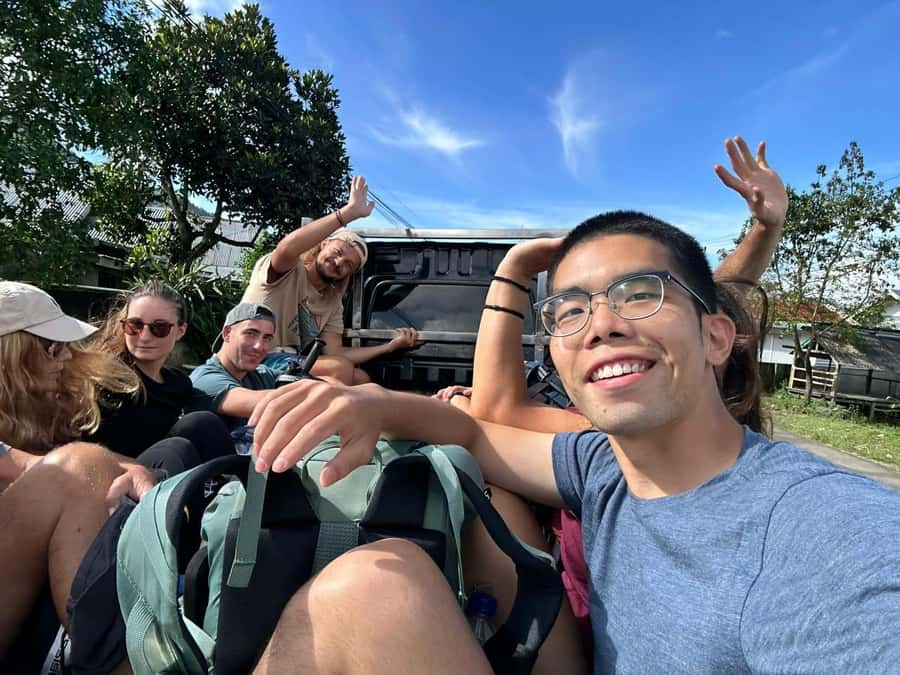
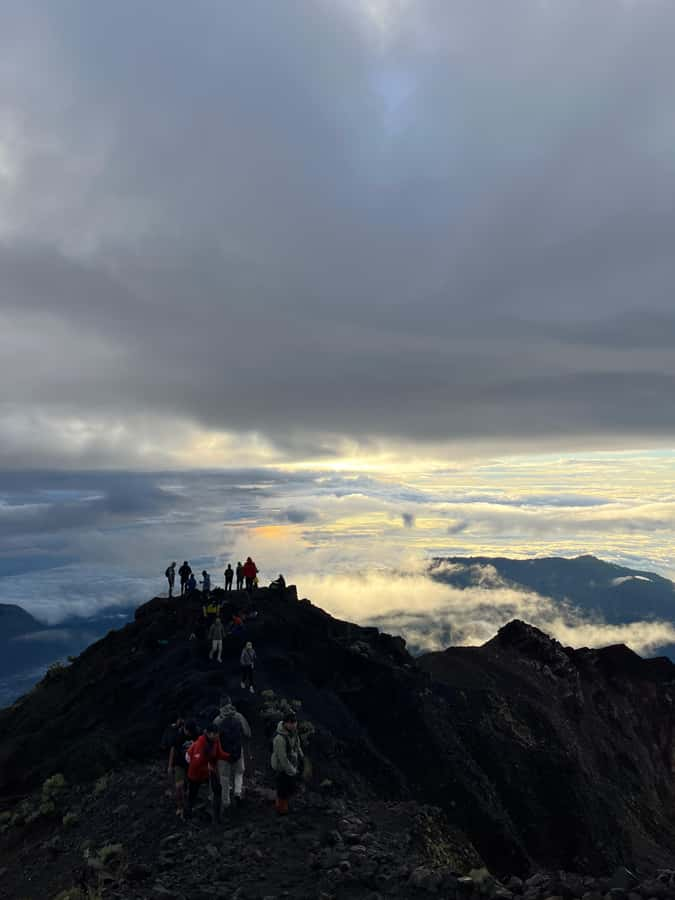
You wake before dawn for hot tea or coffee, then begin the climb to the second summit at roughly 2,700 meters. This is the toughest section for many people because it comes after day one’s long ascent and starts in darkness.
A headlamp or flashlight is required. Keep your pace steady and avoid trying to match the fastest person in the group. The goal is to reach the top safely for the first light, not to turn the climb into a race.
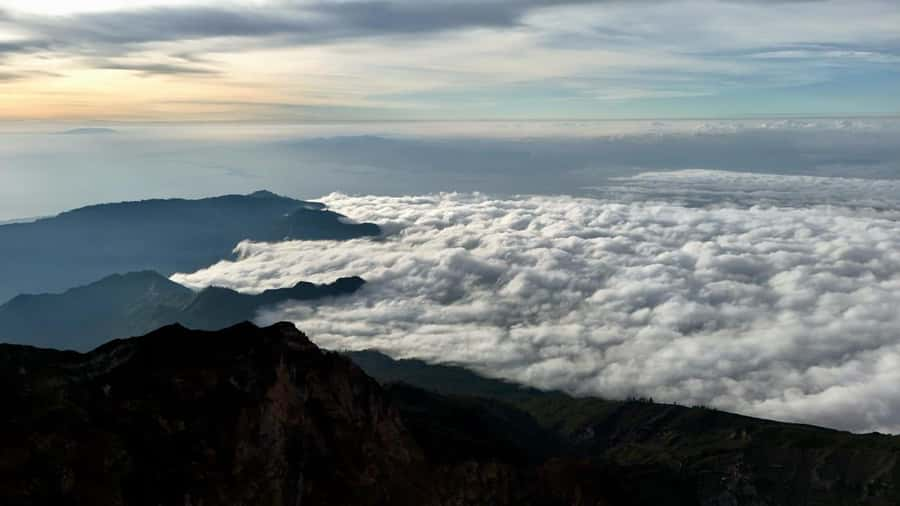
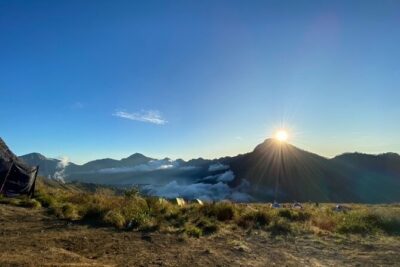
The second summit offers sunrise views toward the sea, the lake, and the volcano. Morning light changes quickly, so you may get only a short window for the clearest pictures. Gloves matter here, as the cold can be sharp while you are standing still with a camera.
This sunrise is the emotional high point of the trip. Day one gives you the sunset setting, but the second morning adds effort and timing. You earn the view by walking uphill before daylight, which makes the first light feel more personal than a viewpoint reached by road.
Weather remains the big variable. Clouds or rain can reduce the view, and the climb can feel harder in bad conditions. The guide and crew continue to support you, but no operator can guarantee clear skies.
Returning to camp, then back through the forest
After the summit, you return to camp for breakfast. This is a good time to eat properly and refill your water before the long descent. Your legs may feel tired and stiff, but the route now goes down through the forest toward Senaru.
Do not underestimate the descent. Going downhill can be hard on knees, and loose ground can cause slips. Hiking shoes with strong tread are worth the weight. Trekking poles are also available to rent and may help with balance, especially if rain has affected the trail.
The return route brings back the tropical forest scenery from a different direction. The shade is welcome after the exposed upper section, and the descent gives you more time to notice the plants and sounds around the trail. Keep your daypack secure, and place your phone and camera where you can reach them without stopping in awkward spots.
At the end of the trek, transport takes you back to your hotel or an arranged location. Drop-off is available toward Senggigi, Mataram, or Bangsal Harbor, which is useful if this trek connects with a wider Lombok itinerary.
What to pack for comfort and safety
You do not need to bring camping equipment, but you do need to prepare for cold, dark, wet, and steep conditions. My basic packing list would be:
- Warm clothing and a windproof jacket
- Gloves, hat, and long hiking trousers
- Hiking shoes with good grip
- Headlamp or flashlight with working batteries
- Small daypack
- Personal medication and toiletries
- Biodegradable sunscreen
- Water bottle or space for the supplied drinking water
- Energy bars or snacks
- Phone, power bank, and camera
- Cash, passport or a copy, and hand sanitizer or tissues
Sandals or flip-flops are useful around camp, but they are not a substitute for hiking shoes. You can rent trekking shoes, jackets, trousers, poles, headlamps, and other gear at the office. Check sizes before departure, since the available boot sizes may not cover every men’s size.
Alcohol and drugs are not allowed. Keep your valuables and personal items in your own daypack, unless you arrange an extra porter for them.
Who will enjoy this trek most
This trip suits a fit beginner or an intermediate hiker who wants a short Rinjani program with a major mountain reward. You do not need years of climbing experience, but you do need to handle a full uphill day followed by a pre-dawn summit push.
I would choose it if you care most about sunset, sunrise, forest scenery, and the experience of sleeping at the crater rim. It is also a practical choice if you want the team to handle tents, food, and transport.
I would think twice if you dislike steep climbs, cold nights, basic camping, or early starts. The route is not suitable for very young children, and the supplied age information is inconsistent, listing restrictions for children under 3, 4, 5, and 6 years and for people over 70 and over 95. Confirm the current age rule directly before paying.
The team communicates in English, and WhatsApp or email is available for questions. Tips for guides and porters are not required in the stated price, but they are appreciated for the work involved.
Should you book the Oke Rinjani two-day trek?
Book it if you want a demanding but well-supported route with both crater-rim sunset and second-summit sunrise. The strongest reasons are the porters, cooked meals, supplied camp, return transport, and the chance to leave most heavy equipment behind.
Do not book it expecting an easy overnight walk. The climb to Pelawangan Senaru is tough, the summit start is cold and dark, and the scenery can change with the weather. Bring real hiking shoes, gloves, a headlamp, and warm clothing, then use the guide’s pacing rather than forcing a fast climb.
At $171, this is a sensible package for someone who values support and simple logistics. For a prepared hiker who wants Rinjani’s high points without carrying a full camp, Oke Rinjani offers a strong two-day option.
FAQ
How long is the Oke Rinjani trek?
The experience lasts two days and one night. Day one goes from Senaru Village to Pelawangan Senaru, and day two includes the second summit and the descent to Senaru.
What altitude does the trek reach?
The crater-rim camp at Pelawangan Senaru is at about 2,641 meters. The second summit is at roughly 2,700 meters.
Is camping equipment included?
Yes. The package includes a tent, toilet tent, sleeping bag, mattress, and tissues.
Are meals and drinking water included?
Yes. Four freshly cooked meals, tea, coffee, and drinking water are included. The service information specifies about three liters of mineral water per person each day.
What fees are not included?
The national park entrance fee is IDR 200,000 per day. A mandatory health check costs IDR 15,000. Personal trekking gear and tips are also not included.
Can I rent hiking gear?
Yes. Jackets, headlamps, trekking poles, small daypacks, trekking shoes, and long trousers are available to rent at the Oke Rinjani office, subject to available sizes.
Where does the transport pick up and drop off?
Pickup is available from hotels in Senaru, Senggigi, Mataram, or around Bangsal Harbor. After the trek, transport returns you to your hotel or an arranged location in Senggigi, Mataram, or Bangsal.
New treks around Indonesia
- Pergasingan Hill Trek: Unveiling the Beauty of Sembalun★ 5.0 · 5 reviews
- Padang: Lubuk Hitam Waterfall Guided Trekking Tour★ 5.0 · 2 reviews
- North Bali: Explore Munduk Waterfall Trekking Experience★ 4.9 · 12 reviews
- Munduk Jungle Trek: Twin Lakes View, Temple and Waterfall★ 5.0 · 2 reviews
- Munduk : Jungle Trekking,Canoeing,waterfall &authentic lunch★ 5.0 · 10 reviews
- Mt. Merapi Majesty: Soft Trek and Botanic Village Tour★ 5.0 · 5 reviews
- Munduk Jungle Trek to Banyumala & Pucak Manik – Private★ 5.0 · 29 reviews
- Mount Rinjani Trekking 2D/1N Summit Sunrise & Sunset Views★ 4.7 · 67 reviews
Mount Rinjani Treks, side by side.
Mount Rinjani Trek 3D-2N To Summit – Lake – Hotspring
Read our review →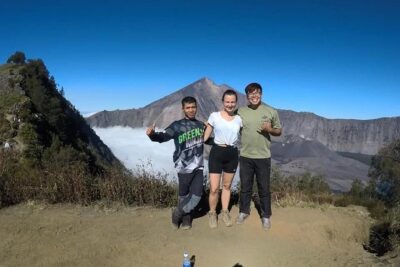
3D/2N Rinjani trekking summit,lake and hot springs.
Read our review →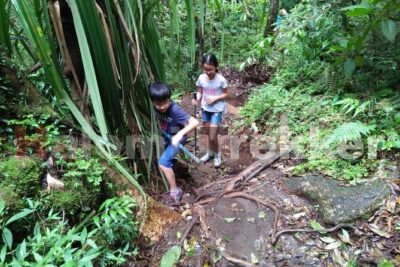
Mt Rinjani Trekking 2 Days 1 Night (Senaru Crater Rim)
Read our review →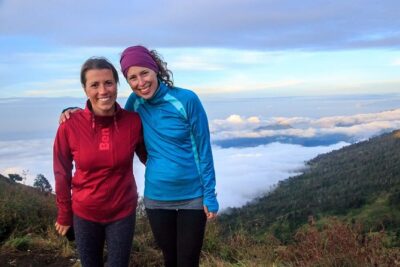
Rinjani Trekking 3 Days 2 Nights (Sembalun – Senaru)
Read our review →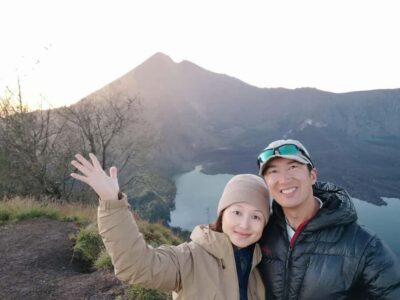
Mount Rinjani Trekking 2D/1N Summit Sunrise & Sunset Views
Read our review →Lists this trek appears in