
Review · BOLIVIA
Sucre: 1-Day Trek in the Crater of Maragua and Inca Trails
The best part of this day is the mix: an old Inca road, striking folded mountains, Jalqa villages, and actual dinosaur footprints, all within reach of Sucre. You spend much of the day outside, but private transport fills the gaps between the walking sections.
I like the downhill Inca trail, which gives you a good hike without turning the day into an endurance test. I also like the chance to learn about Jalqa weaving and village life rather than simply stopping for photographs. The main drawback is the rough road travel. The older jeep and bumpy stretches can test your patience, especially after several hours on foot.
- A 12th-century Inca trail: Walk from the colonial chapel of Chataquilla on an ancient route with broad mountain views.
- Maragua Crater and La Garganta del Diablo: See the unusual folded rock formations and eat a vegetarian lunch near the crater.
- Dinosaur footprints: Spend about two hours at one of the day’s most unusual stops.
- Jalqa culture: If a weaver is available, you can learn how traditional textiles are made and what they mean locally.
- A full private day from Sucre: Hotel pickup, transport, guide, entrance fees, lunch, and drop-off are included for $94.
- Moderate but high-altitude walking: Most trekking takes place between 2,800 and 3,000 meters, with about five hours of walking spread across the day.
Why this Sucre day trip is worth your time
Sucre is known for its white colonial center, but the countryside around it gives you a much stronger sense of Chuquisaca’s past and present. This excursion takes you into a setting shaped by ancient roads, folded red and gray rock, small villages, Indigenous traditions, and prehistoric life.
That range is what makes the day work. You are not spending ten hours on one long trail. Instead, you walk in sections and use a private jeep or SUV to reach the next place. The result is a busy day, but one with plenty of variety.
The $94 price includes hotel pickup and drop-off, private transport, a live English- or Spanish-speaking guide, lunch, and $10 in entrance fees for the Inca trail, Maragua, and dinosaur footprints. That is a fair package for a long private excursion, particularly if you value having your own transport and a guide who can explain the area rather than simply point out viewpoints.
The rating is high, but you should read the practical details carefully. This is a ten-hour outing, much of it at altitude, and the road is not always smooth. You need hiking shoes, sun protection, water, and a good tolerance for a long day.
Leaving Sucre for Chataquilla
Pickup begins around 8:30 in the morning at your Sucre hotel. You are asked to wait in the lobby about five minutes before the scheduled time, though the departure can shift with the weather.
The drive to Chataquilla takes about an hour. This is not wasted time. It moves you from the city into the rural setting where the walk begins, though the condition of the road means the journey can feel slow. One recent account specifically noted an older jeep and bumpy roads. That is useful to know before you book: the transport is private and practical, not polished or luxurious.
Chataquilla is home to a colonial chapel and serves as the starting point for the main walk. You have about 30 minutes here for a visit, guided explanation, and photographs. The chapel gives the day an appealing opening contrast, linking colonial-era Bolivia with the far older route that follows.
More volcano treks around the world:
- Mount Etna: Trek to 3000m with cable car and 4×4
★ 4.6 · 3,823 reviews - Mount Etna: Summit Crater Trek with Cable Car
★ 4.8 · 1,875 reviews - La Palma: Tajogaite Volcano Guided Trek
★ 4.8 · 1,810 reviews
Walking the ancient Inca road
From Chataquilla, you begin the two to two-and-a-half-hour walk along the Inca trail. The exact timing depends on the pace of your group and conditions, but the overall walk is described as manageable and largely downhill.
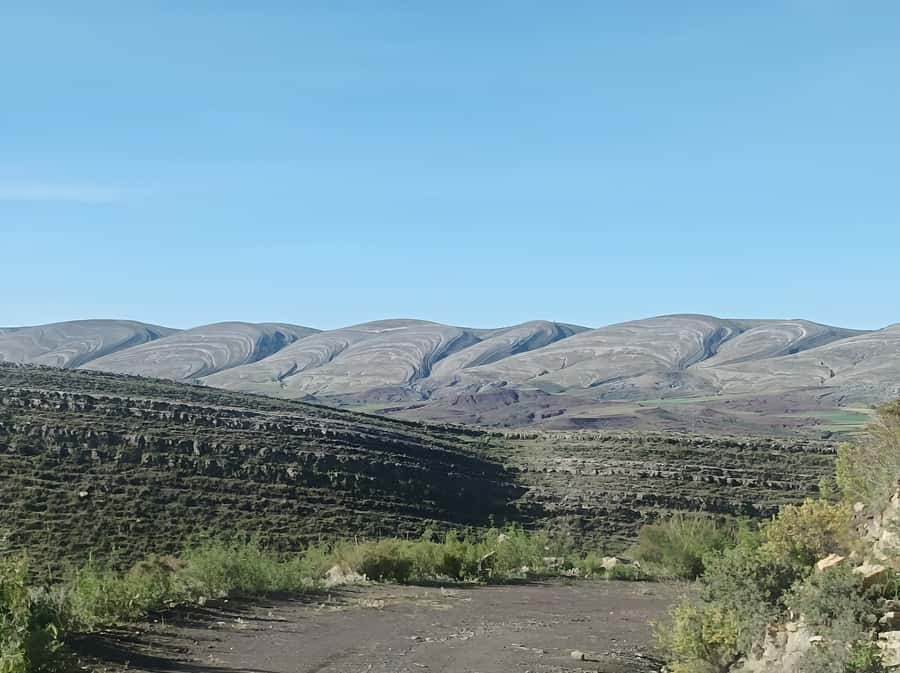
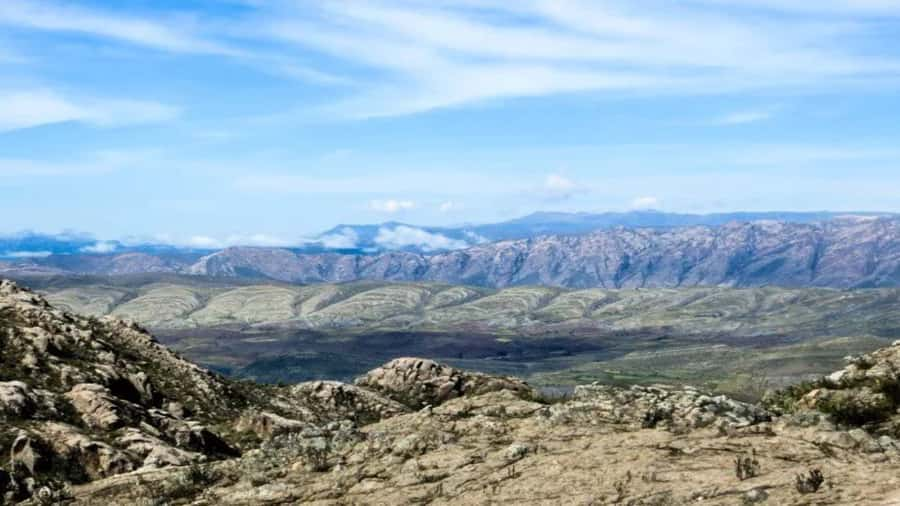
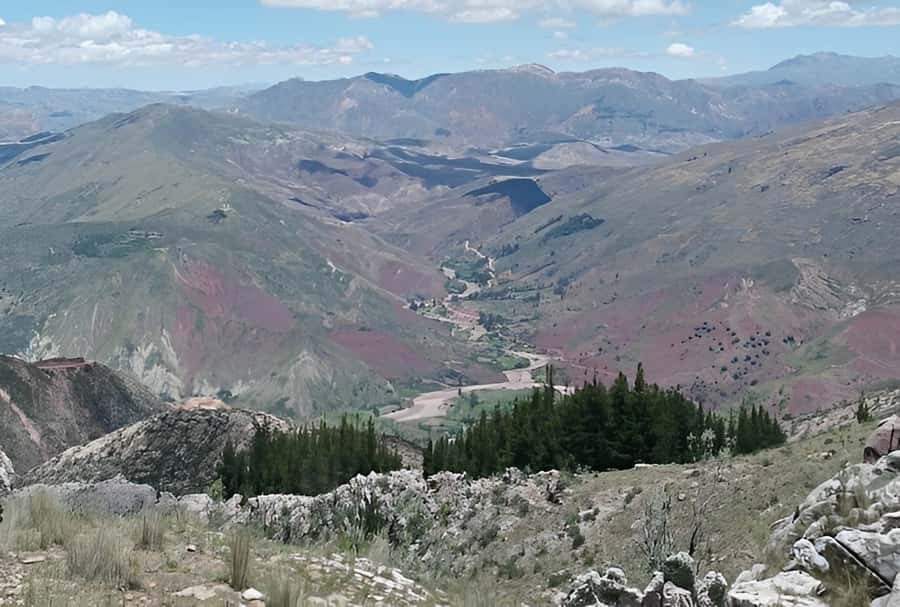
This section is the heart of the day. The route is associated with a 12th-century Inca pathway, so you are walking through a place where travel once depended on stone routes rather than vehicles. The setting changes as you go, with folded hills and colorful rock around you. Several people have singled out the scenery here as the strongest part of the excursion.
You should not confuse this with a technical mountain trek. The walk is described as good exercise without being too difficult, but the altitude still matters. Most of the trekking takes place between 2,800 and 3,000 meters. Even a downhill route can leave you tired when the air is thin and the sun is strong.
Wear shoes with a firm sole. Sandals and smooth city trainers are poor choices for an uneven trail. Bring sunscreen, a hat if you use one, and more water than you think you need. Water is not included, and breakfast and snacks are also your responsibility.
Chaunaca and the road to Maragua
At the end of the Inca trail, you reach the area of Chaunaca. The stop is short, about 15 minutes, with a guided visit before you continue by vehicle.
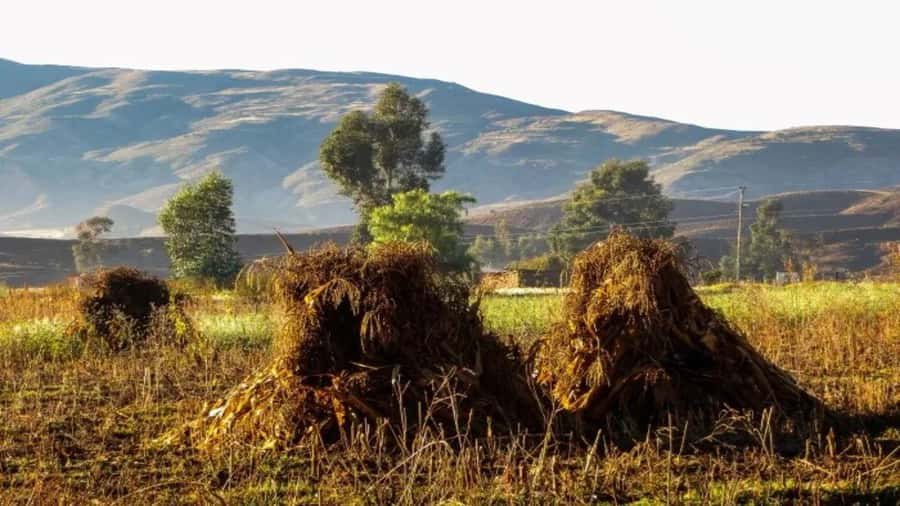
Chaunaca helps place the scenery in a human setting. The day is not only about dramatic rock. It also introduces the villages and Jalqa culture of the region. If a local weaver is available, she may explain the textile tradition and the work behind the patterns. This part cannot be guaranteed, but it is worth asking your guide about it.
The drive from Chaunaca toward Maragua takes about 40 minutes. Again, expect rough sections. Private transport gives you a much easier day than walking every connection, but it does not remove the realities of rural roads.
Seeing Maragua Crater and La Garganta del Diablo
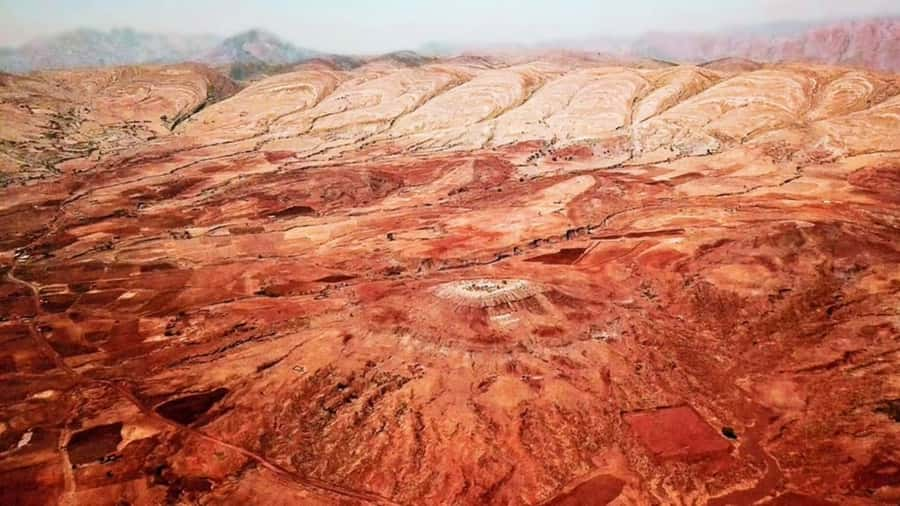
Maragua Crater is one of the day’s visual high points. The name suggests a neat circular crater, but the appeal is really the unusual folded rock and strong bands of color around the area. You have around 45 minutes for a guided visit and some walking.
The rock formation called La Garganta del Diablo, or the Devil’s Throat, adds a more focused stop. You visit this formation as part of the Maragua section, with time to look around rather than simply pause for a quick photograph.
Lunch is a vegetarian meal served in the Maragua area. That is included in the price, and the food has been described as tasty and satisfying. If you have dietary needs beyond vegetarian food, the supplied information does not confirm what alternatives are available, so ask when booking.
This is a good point to slow down. The day includes a lot of movement, and the combination of a proper meal and a short break makes the afternoon more comfortable. Still, do not expect a long restaurant-style lunch. The full schedule continues to the dinosaur footprints afterward.
More one-day treks around the world
- From Sapa: 1-Day Guided Trek to Lao Chai & Ta Van with Lunch
★ 4.9 · 416 reviews - Sapa 1 Day Long Trek: Trek to Hau Thao and Sa Seng Villages
★ 4.6 · 344 reviews - Doi Inthanon National Park with Nature Trail Trekking 1-Day Tour
★ 4.5 · 230 reviews - 1-day Authentik trek & Panorama valley views
★ 5.0 · 189 reviews
Two hours with the dinosaur footprints
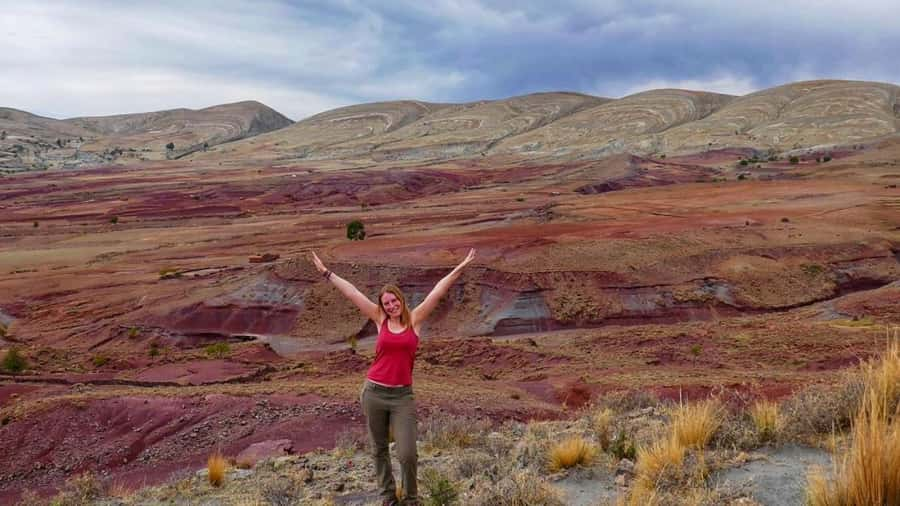
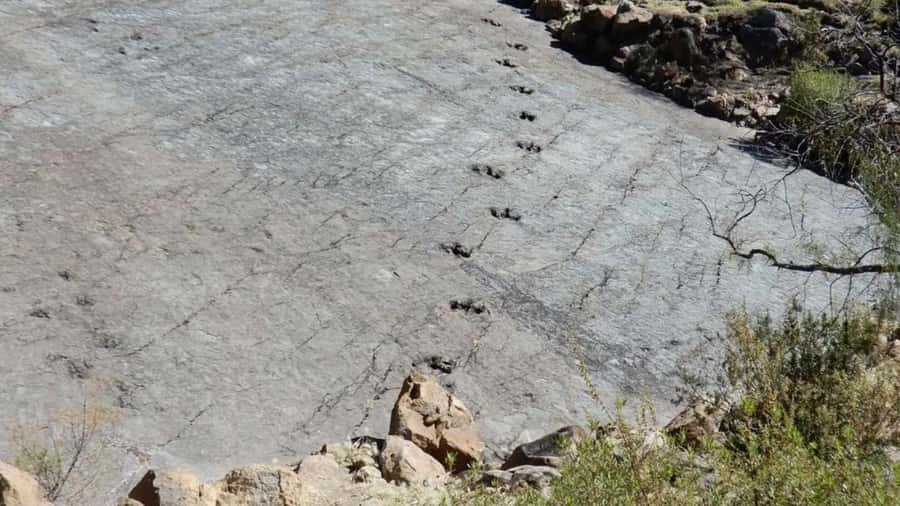
The afternoon visit to the dinosaur footprints lasts about two hours. This is more than a token stop, and it gives the prehistoric side of the region proper attention.
The footprints are especially memorable because they are not presented as a museum display. They are part of the countryside you are exploring. The tour description connects the ancient paths and surrounding terrain with creatures that passed through this area long before the Inca road existed.
Your guide is important here. A good explanation turns marks in rock into something you can understand, rather than a quick look followed by confusion. Guides who have led this experience, including Pablo, Walter, Lizandro, Lee, and Dinelsa, have been praised for explaining local plants, animals, Indigenous life, history, and the geology around the route. Guide assignments can change, so you should not book expecting one particular person.
The two-hour visit also means you should save some energy. By this stage, you have already walked the Inca trail, visited Maragua, and spent time in vehicles. The footprint section is not necessarily the hardest walking, but fatigue can make uneven ground feel harder than it did in the morning.
Returning to Sucre after a long day
The drive back to Sucre takes about two hours. With the morning drive and the transport between stops, you spend a substantial portion of the day in the vehicle. That is the tradeoff for seeing several distant places without committing to a multi-day trek.
Most people should expect to return in the evening. The stated duration is ten hours, but weather and road conditions can affect the schedule. The tour operates in rain or shine, and the departure time may change when conditions require it.
Bring a waterproof bag for electronics and other items. A flashlight is also on the recommended packing list. The information provided does not specify exactly when you will need it, but it is sensible equipment for a full day in remote areas and changing weather.
What the guide adds to the experience
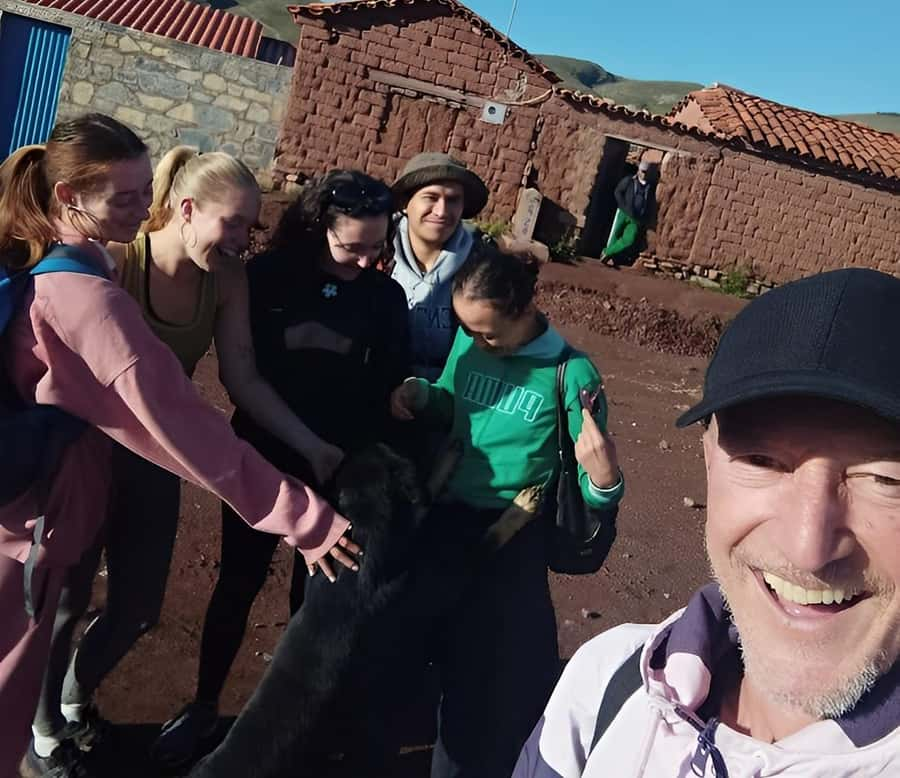
This excursion is much better with a guide who explains what you are seeing. The route has several layers: colonial religion at Chataquilla, Inca engineering, present-day Jalqa communities, unusual geology, and dinosaur tracks. Without context, you would still see beautiful scenery, but you would miss much of the meaning.
The guide language is English or Spanish. Pablo has been specifically praised for speaking English, French, and Spanish, and for explaining plants, animals, local history, and Indigenous life. Other guides, including Walter, Lizandro, and Dinelsa, have been described as friendly, clear, and considerate.
That does not mean the guiding style is identical on every departure. If detailed cultural explanation is important to you, mention it when booking and confirm the language you need. The provider is Jalq’a Tours, and the excursion is designed around local culture rather than only scenic stops.
Price, comfort, and the real tradeoff
At $94 per person, this is not the cheapest way to see the area, but the inclusions make the price easier to justify. You receive:
- Hotel pickup and drop-off in Sucre
- Private transportation
- An English- or Spanish-speaking guide
- Lunch
- Entry fees totaling $10
- A first aid kit
The biggest value is flexibility. You do not need to arrange separate transport to Chataquilla, Chaunaca, Maragua, or the dinosaur footprints. You also avoid trying to connect rural roads by public transport, which would be difficult within one day.
Comfort is where the price has limits. The vehicle may be old, and the roads can be bumpy. This is a working rural excursion, not a luxury sightseeing circuit. If you need smooth roads, air-conditioned transport, or a slow schedule, this is probably not the right day out.
Who should book this experience
I would choose this tour if you have limited time in Sucre and want to combine nature, culture, archaeology, and paleontology in one day. It is particularly useful for people who want a substantial walk but do not want a multi-day trek.
You should have reasonable fitness and be comfortable walking for roughly five hours in total, even though the walking is split into sections. The altitude range of 2,800 to 3,000 meters can make the effort feel greater than the distance suggests.
This is not suitable for children under nine, pregnant women, wheelchair users, or people with mobility impairments. The terrain, vehicle transfers, and walking sections make that restriction practical rather than minor.
The experience also suits independent-minded visitors who want a private vehicle and a guide but still care about local life. The Jalqa weaving element is not guaranteed, yet it gives the day an important human connection when available.
What to bring for the 10-hour outing
Pack lightly, but do not leave out the basics:
- Hiking shoes with good grip
- Plenty of water
- Sunscreen
- Snacks and breakfast if you need food before lunch
- A passport or accepted copy
- A flashlight
- A waterproof bag
- Extra layers for changing weather
The tour runs in rain or shine. A waterproof bag matters because phones and cameras are vulnerable during a long day outdoors, even if the forecast looks good. Since the departure time may change with weather, keep your morning flexible.
Free cancellation is available up to 24 hours before departure, and you can reserve now and pay later. Those terms help if your Sucre plans are still shifting, but they do not change the physical demands of the day.
Should you book the Maragua Crater trek?
Yes, if you want one of Sucre’s strongest full-day excursions and can handle altitude, rough roads, and a long schedule. The combination of the Inca trail, Maragua’s folded rock, Jalqa culture, and dinosaur footprints gives you far more than a single viewpoint.
Book it with realistic expectations. You are paying for access, local guiding, private transport, lunch, and a varied route, not luxury comfort. If you bring water, proper shoes, sun protection, and enough energy for the return drive, this is a memorable and unusually complete day from Sucre.
FAQ
How long does the Sucre to Maragua Crater tour last?
The tour lasts about 10 hours, beginning with hotel pickup at around 8:30 in the morning and ending with your return to Sucre.
How much walking is involved?
Approximately five hours of the day is spent walking, divided between the Inca trail, Maragua Crater, and the dinosaur footprint area. The Inca trail section takes about two to two-and-a-half hours.
What altitude should I expect?
Most of the trekking takes place between 2,800 and 3,000 meters above sea level.
Is lunch included?
Yes. A vegetarian lunch is included and is served in the Maragua area.
Is the tour available in English?
Yes. The live guide can speak English or Spanish. The information provided also identifies Pablo as a guide who speaks English, French, and Spanish, although a specific guide cannot be guaranteed.
What should I bring?
Bring hiking shoes, sunscreen, water, snacks if needed, a passport or copy, a flashlight, and a waterproof bag. Breakfast, water, and snacks are not included.
Who cannot join this tour?
The activity is not suitable for children under nine, pregnant women, wheelchair users, or people with mobility impairments.
New treks around the world
- Sapa: 2-Day Local Guided Valley Trek with Night Homestay★ 5.0 · 27 reviews
- SAPA: 1-DAY TREKKING TOUR WITH LOCALS, LUNCH & RICE FIELDS★ 4.7 · 18 reviews
- Sapa: 2-Day Local Guided Valley Trek with Night Homestay★ 4.8 · 5 reviews
- Santa Marta: Trekking in Minca Complete Waterfall Circuit★ 4.4 · 28 reviews
- Santiago: Longueira, Pico de Antónia & Monte Tchota Trek★ 4.8 · 10 reviews
- Santiago: Trek from Serra Malagueta to Rabelados Community★ 5.0 · 16 reviews
- Santiago Island: Serra Malagueta & Tarrafal Beach Trek Tour★ 4.8 · 61 reviews
- Santa Marta: Multi-Day Trek to The Lost City★ 4.8 · 40 reviews
Volcano Treks, side by side.
Mount Etna: Trek to 3000m with cable car and 4×4
Read our review →
Mount Etna: Summit Crater Trek with Cable Car
Read our review →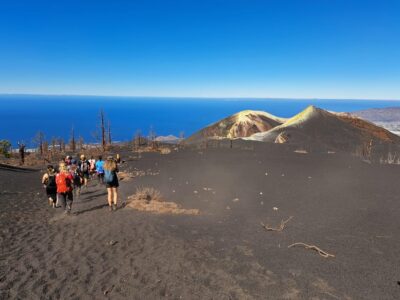
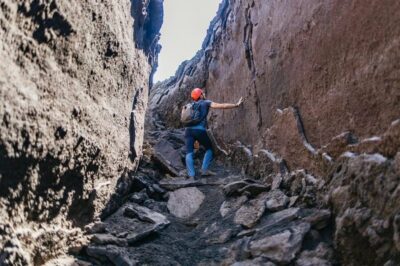
Etna: summit craters trekking with volcano guide 3350mt
Read our review →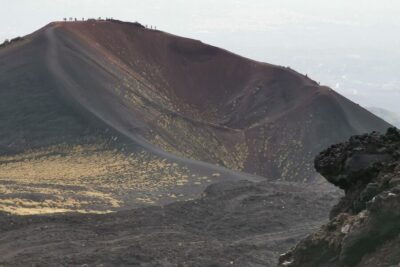
Catania: Mount Etna Trekking Tour Beyond the Tourist Trails
Read our review →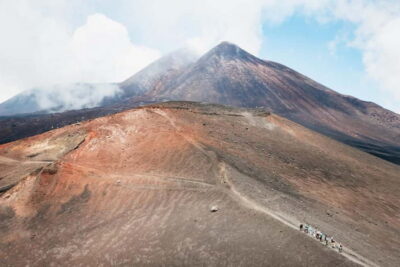
Mount Etna: Guided Trek 3,000 Meters to the Summit
Read our review →
Etna Sunset Tour: Volcano trek, Cave & tasting from Catania
Read our review →
Lists this trek appears in