
Review · ITALY
Catania: Mount Etna Trekking Tour Beyond the Tourist Trails
Mount Etna is at its best away from the cable cars and crowded viewpoints. This seven-hour hike reaches about 2,400 meters, crossing old craters, recent lava flows, black volcanic slopes, and the vast Valle del Bove with a naturalist guide explaining what you are seeing.
I especially like the small-group format and the practical gear supply. Antonio, Renato, Marco, and Maria are praised for patient pacing, clear explanations, and thoughtful touches such as helping you choose boots, arranging a Sicilian sandwich stop, and sharing dinner tips for Catania. The drawback is real: the climb can be hard, and wind, rain, snow, or cloud can change the route and limit views.
Key points
- A route beyond the main tourist paths: Walk from the Silvestri Craters toward the 2001 lava flow and higher volcanic terrain.
- A 550-meter altitude difference: This is a proper mountain hike, not simply a scenic drive with short walks.
- Valle del Bove views: Look across one of Etna’s most dramatic volcanic formations toward the Ionian coast.
- Useful equipment included: Borrow trekking shoes, poles, warm layers, and rain gear if needed.
- A playful volcanic-sand descent: The way down can feel like controlled sliding on a steep black beach.
- A cave visit depends on conditions: Strong tremors or recent eruptions can make the lava cave off-limits.
Why this Etna hike feels different
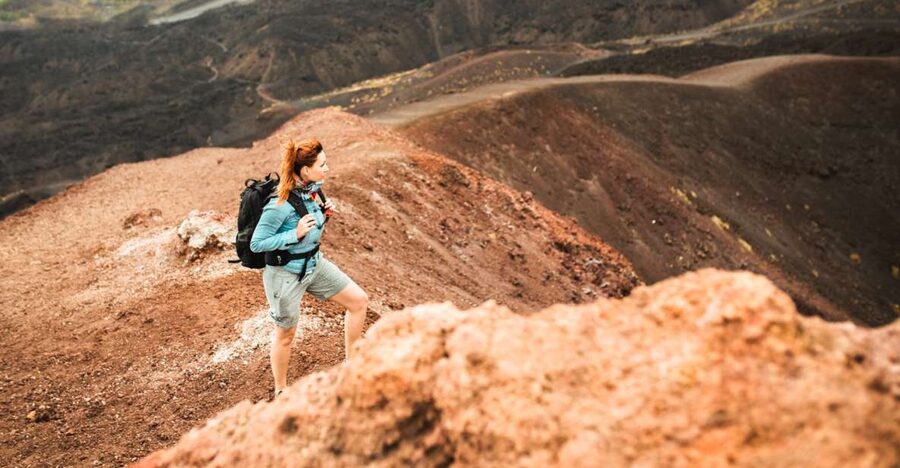
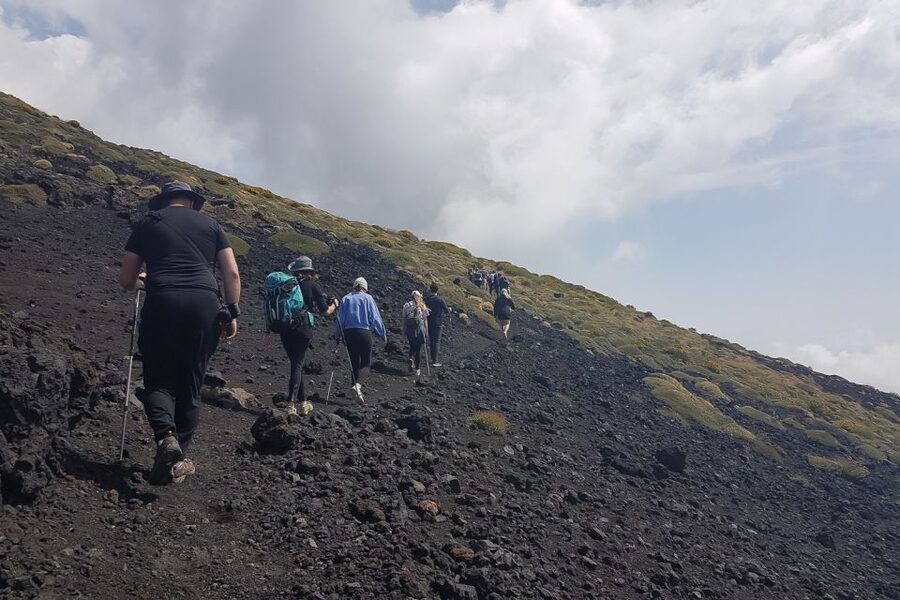
Many Mount Etna outings take you to a viewpoint, point out a crater, and return you to the bus. This one gives you a longer walk and a better sense of how the volcano is put together. You move through several kinds of volcanic ground, from old crater rims to rough lava fields and loose ash.
The route begins around 1,850 meters and gains roughly 550 meters. That number matters. You do not need to be an athlete, but you should be comfortable walking uphill for several hours on uneven ground. One section offers a more level option if you need a break from climbing, but this remains a serious outing.
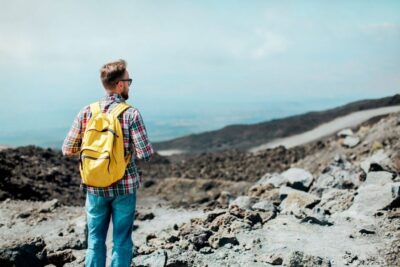
The setting also changes the experience. At times, Etna feels stripped down to black rock, ash, wind, and sky. At other points, the Ionian coastline opens below you. Your guide helps connect those views to eruptions, lava movement, crater formation, and the effect Etna has had on nearby towns.
The tour has a 4.9 rating from 1,596 reviews, and the strongest praise centers on the guides. Antonio is often singled out for his geology explanations, good humor, and care with slower walkers. Renato receives similar praise for his volcano knowledge, local advice, and calm handling of changing weather. That personal attention is important on a mountain where conditions can shift quickly.
More volcano treks around Italy:
- Mount Etna: Trek to 3000m with cable car and 4×4
★ 4.6 · 3,823 reviews - Mount Etna: Summit Crater Trek with Cable Car
★ 4.8 · 1,875 reviews - Etna: summit craters trekking with volcano guide 3350mt
★ 4.7 · 1,712 reviews
From Catania to Trecastagni: a useful first stop
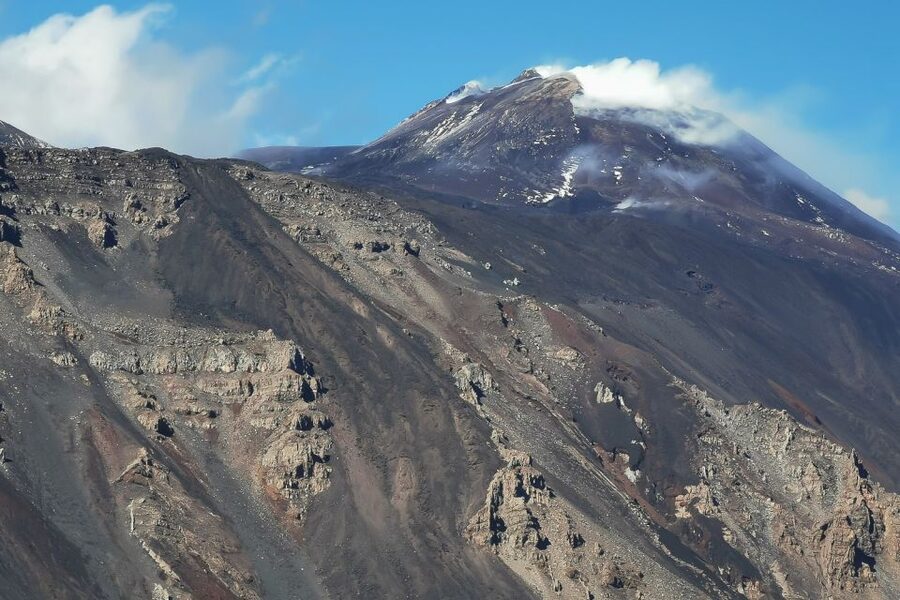
The meeting point is at the McDonald’s in central Catania, with city-center pickup and drop-off. Hotel pickup is not included, so you need to reach the stated meeting point yourself. The drive toward Etna takes about 30 minutes before the group pauses in Trecastagni.
This stop is more useful than it may sound. You can buy water and a locally prepared sandwich for lunch, grab coffee or breakfast, and make sure you have the basics before heading higher. Food and drinks are not included in the $81 price, so bring enough money for this stop.
Trecastagni also gives you a short look at an ordinary Sicilian town before the volcanic scenery takes over. It is a quick pause, not a sightseeing visit, but it keeps the day from feeling like a straight transfer from city to mountain.
After the stop, the group continues by van for about 30 minutes. A safety briefing and equipment check take place before the hike begins. If your clothing or footwear is not suitable, the company can provide hiking shoes, trekking poles, an extra warm jacket, and a rain jacket.
Silvestri Craters and the 2001 lava flow
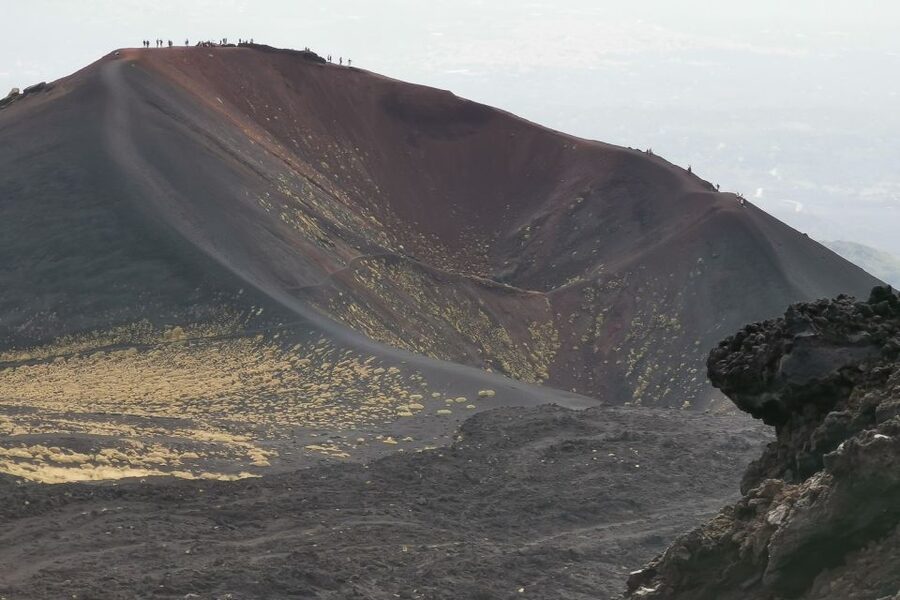
The first mountain stop is the Silvestri Craters, reached at roughly 1,850 meters. These small volcanic formations were created by earlier eruptions and make an easy introduction to Etna’s active character.
The appeal here is not just the crater shape. The black, loose volcanic material lets you see how quickly the ground can change from firm rock to sliding ash. Your guide can explain the difference between an older crater, a lava flow, and the active southeastern crater visible from higher ground.
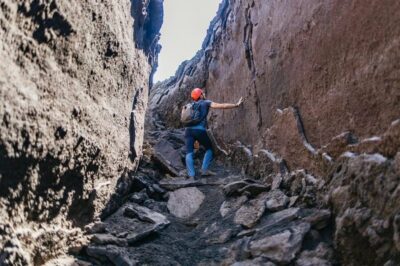
The group then moves toward the 2001 lava flow. Recent lava gives Etna a more immediate presence than a distant crater view. It also shows why a guide is valuable. Lava fields can look simple from a distance, but the surface may be jagged, unstable, or difficult to cross without knowing the safest line.
The first walking portion lasts around 20 minutes in the listed schedule, but the day’s main hike continues from here. Do not read the short stop time as a short outing. The Silvestri Craters are the opening chapter, not the main climb.
Three hours beside Valle del Bove
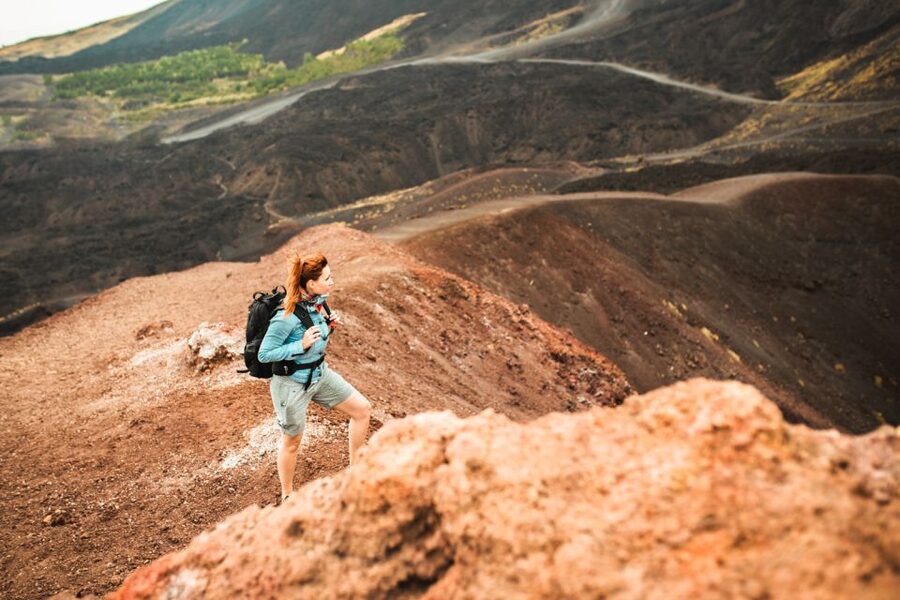
The longest part of the day takes place around Valle del Bove, a huge volcanic amphitheater formed by a major collapse thousands of years ago. Its broad interior and dark lava slopes show Etna on a much larger scale than the small craters near the road.
You walk along rugged edges and open volcanic ground for about three hours, with stops for views and explanations. This is where the tour earns its beyond-the-tourist-trails title. The route is designed to get you away from the busiest paths, though it is not a wilderness expedition. Other walkers may still be present, especially in good weather.
The climb can feel tougher than expected. Loose ash shifts under your boots, and the altitude makes each uphill section more demanding. Several people who enjoyed the day still described the hike as hard work. If you are not used to physical activity, expect a real challenge rather than a casual stroll.
The guides seem to handle this part well. They stop for water, photographs, and short explanations, and they adjust the pace when needed. That matters in a small group because you are not simply trying to keep up with a large crowd. Antonio in particular is praised for supporting slower walkers without making them feel singled out.
Views depend heavily on conditions. On a clear day, you can look across Valle del Bove toward the active southeastern crater and down to the Ionian coast. On a cloudy or rainy day, you may see far less, but the volcano can feel more dramatic and wild. One outing took place in streaming rain, yet the soft volcanic descent became the most enjoyable part of the day.
More treks around Italy:
- Mount Etna: Guided Trek 3,000 Meters to the Summit
★ 4.8 · 1,407 reviews - Stromboli: Sunset Trekking at Sciara del Fuoco
★ 4.6 · 1,372 reviews - Etna Sunset Tour: Volcano trek, Cave & tasting from Catania
★ 4.8 · 1,290 reviews - From Catania: trek on Mount Etna, Lava Cave & tasting Tour
★ 4.8 · 563 reviews
Lunch above Sicily
The lunch break takes place around 2,400 meters. You eat the sandwich bought in Trecastagni while looking across Valle del Bove and, when visibility allows, toward the Ionian coastline.
This is not a restaurant stop, so keep your expectations practical. You are carrying a simple packed lunch and sitting in an exposed mountain setting. The reward is the view, not comfort. Wind can be strong, and temperatures are much lower than in Catania, even during warmer months.
I recommend buying water and food before the climb rather than hoping to find something at the mountain stop. The guides can help with local sandwich choices, and vegetarian options have been available. Bring a little extra food if you tend to get hungry during uphill walks, since no meal is included in the tour price.
The high point is also a good place to check your clothing. A sunny morning in Catania can give you a false idea of conditions on Etna. In autumn and winter, cold wind is a regular concern. In winter, snow may change the route entirely.
The volcanic-sand descent
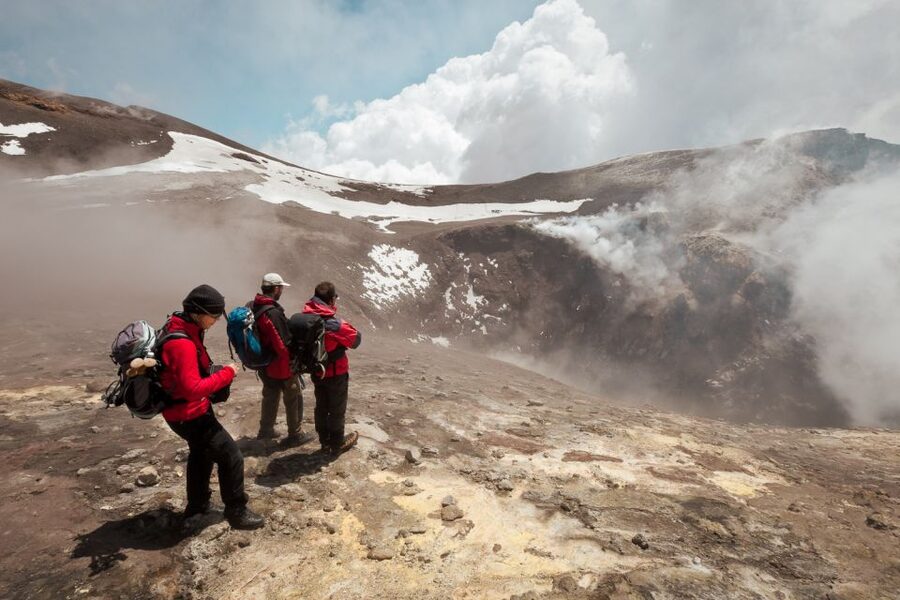
The way down is one of the most memorable parts. Instead of simply retracing the climb, the group uses a steep section of soft volcanic ash sometimes described as a lava-sand beach.
You step, slide, and sometimes half-run down the slope. It is fun, but it is not completely effortless. Loose ash can get into shoes and socks, and the steep angle can test your balance. Use the poles if you need extra control, and wear the provided footwear if you do not want to fill your own shoes with black grit.
This descent also gives your legs a break from steady uphill work, though it can be tiring in a different way. The guides keep the section controlled and help the group choose a safe line. Good shoes and long socks are especially useful here.
The volcanic sand is a fine example of why this tour feels more active than a standard Etna outing. You are not only looking at the volcano. You are feeling the ground shift beneath your feet.
A lava cave, weather permitting
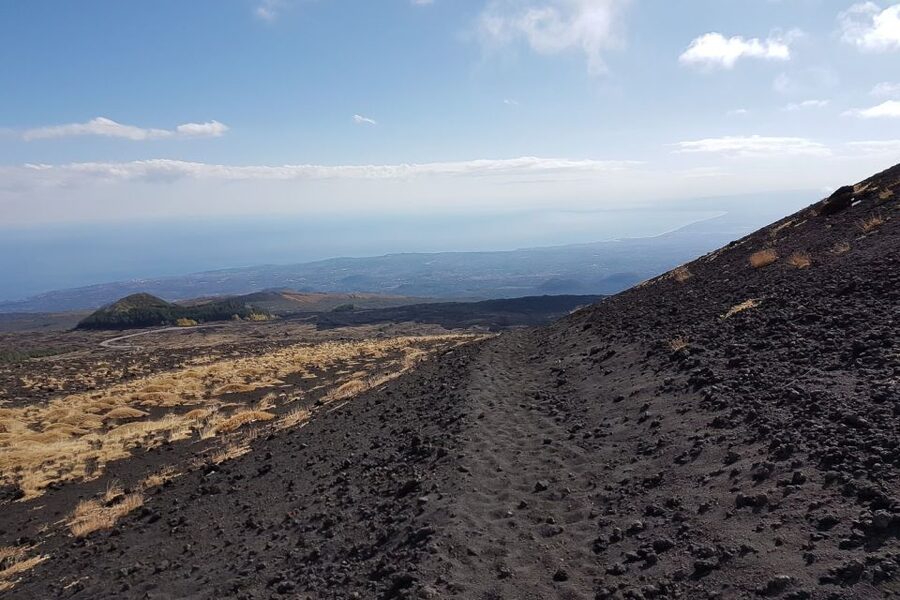
The tour also includes a visit to a lava flow cave. These caves form when the outer surface of flowing lava cools while hotter material continues moving underneath. The remaining tunnel becomes a dark, cooled-basalt passage.
This is a genuinely different experience from walking around a crater. You get a close look at what happened below the surface, not just what remains on top. The cave visit does require suitable conditions, though. High tremors or an eruption can make the cave unsafe, even after the eruption has ended.
That condition is worth taking seriously. The cave is an included feature, not a guarantee. If volcanic activity or local safety rules prevent entry, the route may focus on other parts of Etna instead.
Rifugio Sapienza and the ride back
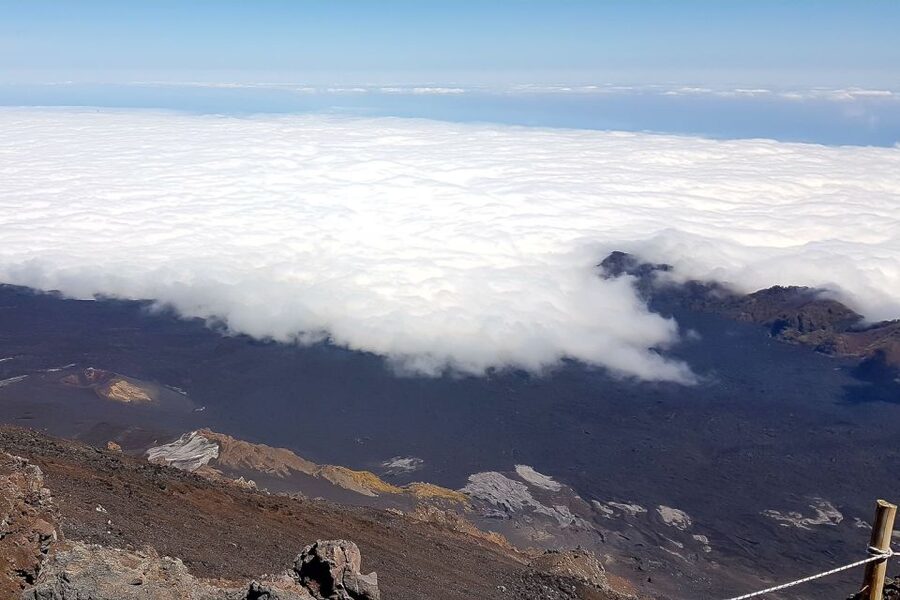
After the hike, the group stops at Rifugio Sapienza for about 30 minutes. This is a chance to buy coffee, local snacks, or small souvenirs and warm up before the drive back.
The stop is not a substitute for lunch, and purchases are extra. It is best viewed as a comfortable end to a demanding day. Afterward, the van ride to Catania takes about an hour, with drop-off at the original city-center meeting point.
The full experience lasts seven hours, including driving, the Trecastagni stop, the hike, lunch, and the Rifugio Sapienza break. That is a good length for a day trip from Catania. You see a lot without committing to a full expedition, but you should not expect a relaxed sightseeing schedule.
Is $81 good value?
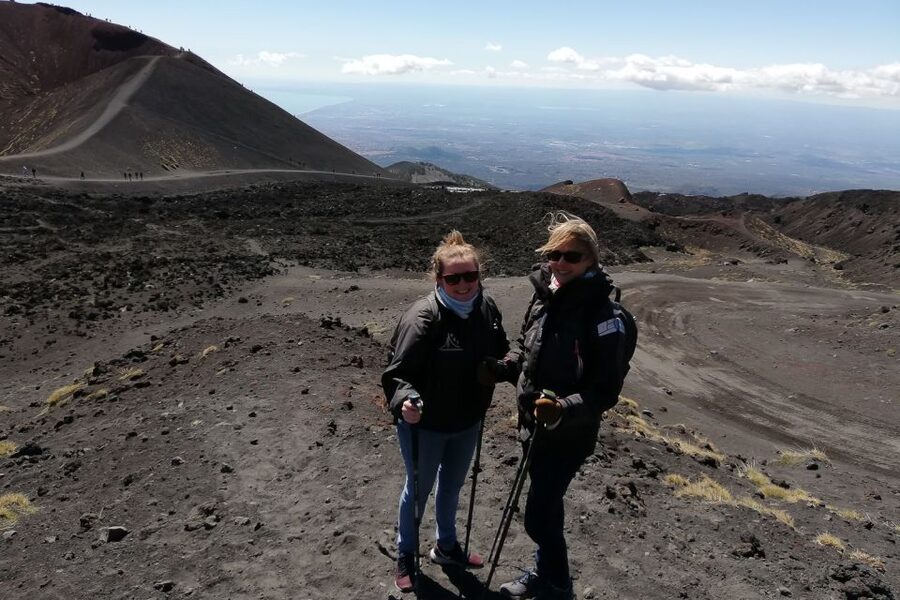
At $81 per person, this tour offers solid value if you want to walk seriously on Etna. The price covers transport from central Catania, a naturalist guide, the hike, and loan equipment such as shoes, poles, warm layers, and rain protection.
A self-guided visit could cost less if you already have a car, mountain clothing, and a clear route. But the savings may not be as large once you account for fuel, parking, equipment, and the difficulty of choosing a safe path through changing volcanic terrain.
The guide is the main reason to pay for this experience. Antonio and Renato are praised for explaining geology in plain language, answering questions about Sicily, and offering restaurant and sightseeing advice for the rest of your trip. The small group, normally limited to eight participants, also makes it easier to ask questions and get help with equipment or pacing.
The transport score is 86 percent perfect, which is strong but not flawless. The main value is not luxury transport. It is having a driver, a route, a safety plan, and a mountain expert handling the day.
Who should book this Etna trek?
I would choose this for an active adult who wants more than a quick crater stop and likes learning how a volcano works. It suits solo visitors particularly well because the small group and friendly guides make the day social without feeling like a mass excursion.
It is also a good choice if you do not own proper mountain gear. Borrowed shoes, jackets, gloves, poles, and even a small backpack have helped people arrive underprepared and still manage the hike.
I would not choose it for children under 10, pregnant women, anyone with heart or respiratory problems, people prone to altitude sickness, or anyone with limited mobility. The company also says it is not suitable for people with a low fitness level. That warning should guide your decision.
Bring comfortable shoes if you have them, plus a hat, sunscreen, a jacket, and spare socks. Dry socks are particularly useful if you hike through snow or wet conditions. Large bags, luggage, laptops, and other unnecessary items are not allowed, so pack light.
Should you book this Mount Etna tour?
Book it if you want a proper walk, volcanic scenery away from the busiest routes, and a guide who can explain what you are seeing. The strongest reasons are the 2,400-meter viewpoint, Valle del Bove, the playful ash descent, and the practical gear loan.
Skip it if you want a short, easy outing, guaranteed sunshine, or a visit close to Etna’s summit. The weather can close in, the route can change, the cave may be unavailable, and the uphill sections require effort.
For the right person, this is one of the better ways to meet Etna: not from behind a bus window, but with ash under your boots and a guide pointing out how the mountain keeps changing.
FAQ
How long does the Mount Etna trekking tour last?
The experience lasts seven hours, including transport from Catania, the Trecastagni stop, hiking, breaks, and the return drive.
Where does the tour start and finish?
Pickup and drop-off take place in Catania city center at the listed McDonald’s meeting point. Hotel pickup is not included.
How high does the hike go?
The route begins at about 1,850 meters and climbs to approximately 2,400 meters. The active altitude difference is about 550 meters.
Is food included?
No. Food and drinks are not included, but you can buy water and a locally prepared sandwich in Trecastagni before the hike.
What equipment is provided?
The tour provides trekking shoes, trekking poles, an extra warm jacket, and a rain jacket. Reviews also describe access to gloves and extra layers when conditions require them.
Can I enter the lava cave?
The cave visit is possible when conditions are safe. High tremors or an eruption can prevent entry, even if the eruption has ended.
What happens if there is snow?
The route may change during winter because of snow. Bring suitable clothing, and consider packing spare socks for wet or snowy conditions.
Is the hike difficult?
It is a real uphill hike with an altitude difference of about 550 meters. The company does not recommend it for people with a low fitness level, mobility impairments, heart or respiratory problems, altitude sickness, or for pregnant women.
Can I cancel the booking?
You can cancel up to 24 hours in advance for a full refund. The reserve-now, pay-later option allows you to hold a place without paying immediately.
New treks around Italy
- Motta Camastra: River Trekking Tour in the Alcantara Gorges★ 4.4 · 15 reviews
- River Trekking Gole Alcantara★ 5.0 · 11 reviews
- Portofino Park Trekking- Discover San Fruttuoso Bay★ 5.0 · 3 reviews
- Private Cinque Terre Trekking Tour★ 5.0 · 3 reviews
- Piano Provenzana: Guided Mt. Etna Snowshoeing Trek★ 5.0 · 3 reviews
- Palermo: Monte Gallo Trekking Tour with Picnic★ 5.0 · 2 reviews
- Etna Southern Slope Guided Easy Trek★ 4.8 · 36 reviews
- Mount Etna: Private Trek on the North Slope Craters★ 5.0 · 4 reviews
Volcano Treks, side by side.
Mount Etna: Trek to 3000m with cable car and 4×4
Read our review →
Mount Etna: Summit Crater Trek with Cable Car
Read our review →
Etna: summit craters trekking with volcano guide 3350mt
Read our review →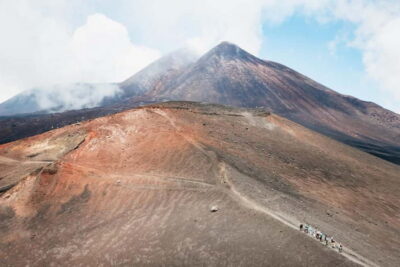
Mount Etna: Guided Trek 3,000 Meters to the Summit
Read our review →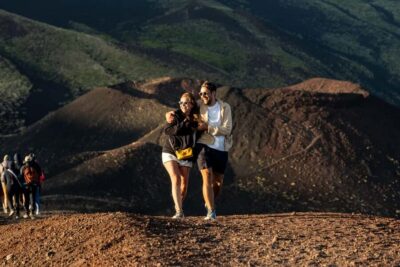
Etna Sunset Tour: Volcano trek, Cave & tasting from Catania
Read our review →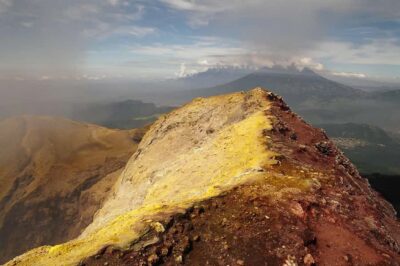
From Catania: trek on Mount Etna, Lava Cave & tasting Tour
Read our review →Lists this trek appears in