Review · HANOI
From Hanoi: 3-Day Sapa Trek with Guide, Homestay and Meals
Sapa’s best moments come on foot, high above the roads and market streets. This three-day trip carries you from Cat Cat Village into the rice terraces of Muong Hoa Valley, then on to H’mong, Dzay, and Red Dzao communities. You get mountain views, village paths, and a night in a local homestay instead of simply passing through town.
I like the varied walking route, which includes waterfalls, rice paddies, a bamboo forest, and village lanes. I also like the chance to spend an evening with a Dzay family in Ta Van, with dinner and perhaps a little cooking before local music at a nearby bar. Guides named Su and Mu have earned especially warm praise for their care and guidance.
The main catch is the pace. The walks cover roughly 9 to 15 kilometers, and parts of the route can be steep or slippery. The $138 price includes meals, a guide, Sapa transport, entrance fees, a hotel night, and a homestay, but the Hanoi to Sapa bus costs extra.
Key points to know before you go
- Cat Cat begins the trip with a short but hilly walk to a waterfall and old French-built power station.
- Day two is the main test, with about 12 kilometers through Y Linh Ho, Lao Chai, and Ta Van.
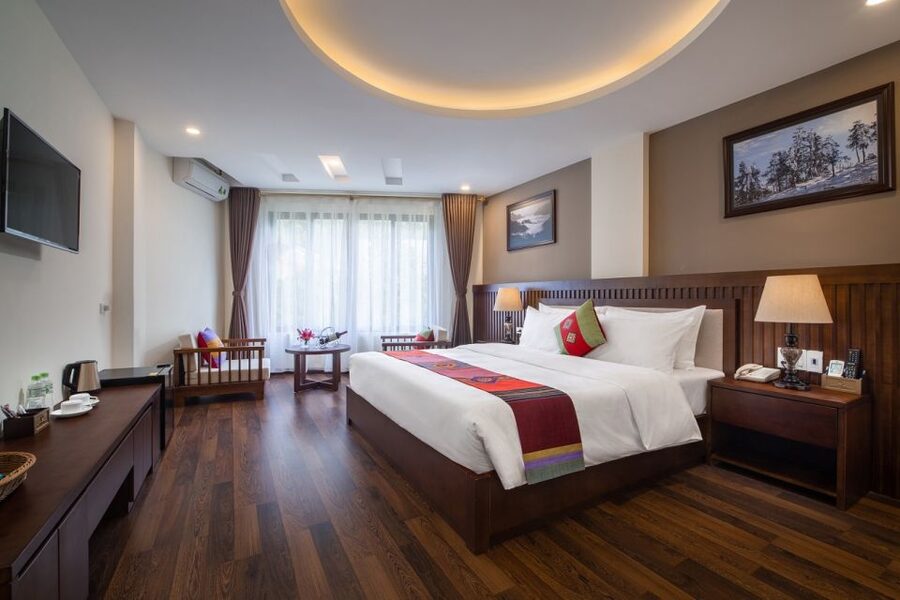
- The Ta Van homestay is basic, but it gives you a closer look at family life in a mountain village.
- You meet several ethnic communities, including Black H’mong, Dzay, and Red Dzao people.
- Meals are included throughout the three days, while drinks and the Hanoi to Sapa transfer cost extra.
- Winter fog can change the views, especially from December through March, so bring warm layers.
Why this Sapa trip works well for active visitors

This is not a quick photo stop in Sapa. It is a compact walking trip built around the valleys and villages outside town. You travel from Hanoi by bus, spend time on marked village routes with a guide, and sleep in both a hotel and a homestay.
That mix gives you a better sense of the area than staying in Sapa town alone. You see how the scenery changes from town streets to steep valley paths and rice terraces. You also have time to learn about several ethnic groups instead of meeting only one community.
I especially like the balance between organized transport and outdoor time. The guide handles the route, village entrances, local transfers, and meal arrangements. You can focus on walking and watching the scenery instead of trying to connect separate taxis, meals, and overnight stays.
The tour is best for adults and older children who are comfortable walking for several hours. Children under six, wheelchair users, and people with mobility limits should not take part. The long walk on day two is the important detail to consider before booking.
More Homestay and Village Treks in Hanoi
- Hanoi – Sapa 2 Days 1 Night Overnight At Homestay
★ 5.0 · 899 reviews - From Hanoi: 2-Day Sapa Trekking Trip with Homestay & Meals
★ 4.8 · 704 reviews - 2-Day Sa Pa Ethnic Homestay Tour & Trek with Limousine Bus
★ 4.8 · 440 reviews
Day one: Hanoi to Sapa and the Cat Cat waterfall
The day starts early, with pickup from central Hanoi accommodations around 6:00 to 6:30 in the morning if you book the shuttle bus. The ride heads toward Lao Cai, with rest stops along the way, before reaching Sapa at about 1:00 p.m.
The bus ride takes a large part of the morning, so you should think of day one as a travel day with an afternoon walk. At Sapa, you meet the guide, eat lunch with local Vietnamese dishes, and then set out for Cat Cat Village.
The walk is about 3.5 kilometers and takes around two hours. Cat Cat is associated with the Black H’mong community and sits near the bottom of a valley below Fansipan. The route heads downhill toward a waterfall and a hydraulic power station built by the French.
This section gives you a quick introduction to the area. You see traditional clothing, village life, a bridge, and rushing water in one short outing. It is also a good warm-up for the longer walks that follow.
There is one practical issue: the route returns uphill toward the pickup point. The distance is not great, but the hills can make it feel more demanding than a flat village stroll. Wear shoes with a good grip, not casual sneakers with smooth soles.
You return to Sapa around 4:30 p.m. Dinner and the night are in a hotel in town. This is a useful first night because you have a proper room after the bus journey, and you can take part in evening activities in Sapa if you still have energy.
Day two: 12 kilometers through Muong Hoa Valley

Day two is the heart of the trip. After breakfast, you check out of the Sapa hotel and begin the longer route through Y Linh Ho, Lao Chai, and Ta Van.
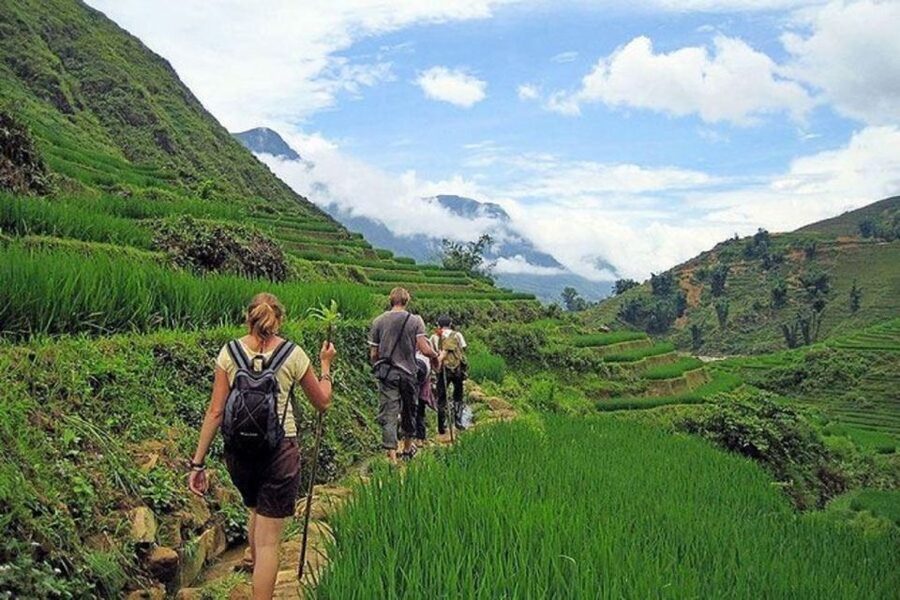
The walk follows rice terraces and the Muong Hoa Stream toward Lao Chai, a Black H’mong village. The route covers about 12 kilometers and takes roughly four hours, with lunch included during the day. The scenery is the main reason to choose this tour: terraces climb the hillsides, and the Hoang Lien Son mountain area opens around the valley.
The exact condition of the path will depend on weather. Sapa can be foggy from December through March, and rain can make village tracks slick. Even on clear days, you should expect uneven ground and some uphill or downhill sections.
Lao Chai gives the walk a cultural focus. Your guide explains local traditions and the lives of the ethnic communities in the area. That context matters because the terraces are not simply a scenic backdrop. They are part of the working countryside you are walking through.
Lunch is served with a local family and includes Vietnamese dishes. Meals are one of the useful inclusions here. You do not need to spend time searching for food during the trek, and eating in a family setting keeps the day connected to the villages.
In the late afternoon, you reach Ta Van, home of the Dzay ethnic group. You check into a bungalow-style homestay and meet the family. The setting gives you a slower evening than the first night in Sapa.
You may be able to help prepare local dishes with the family before dinner. Later, a nearby local bar offers music and a chance to socialize with other people on the route. This part is optional in spirit, and you may prefer a quiet evening after the long walk.
The homestay is basic, with simple facilities. That is important to understand before you book. You are choosing a more direct village experience, not hotel comfort. Bring warm clothing, since mountain evenings can feel cool, especially in the foggy season.
Day three: bamboo forest, Giang Ta Chai, and the return to Hanoi
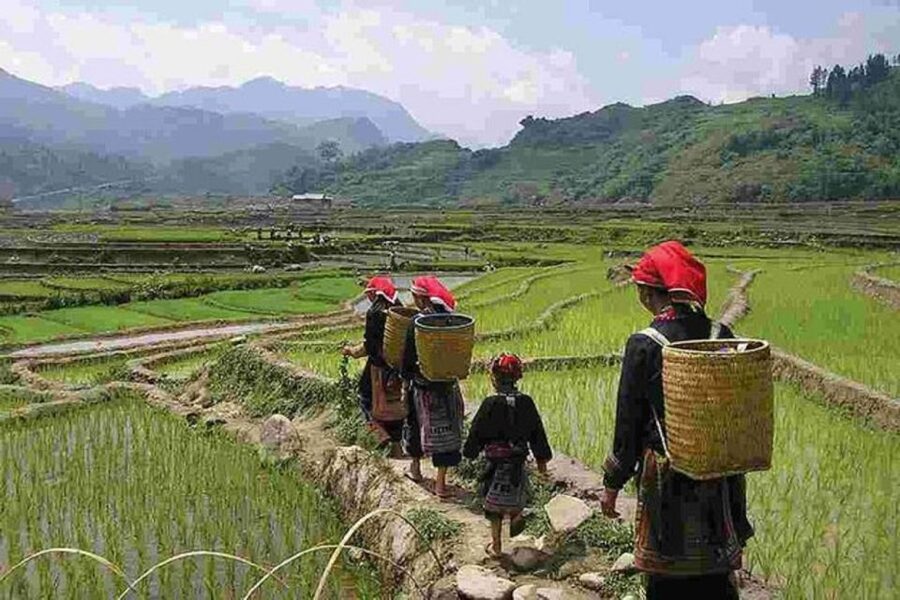
After breakfast prepared by the family, you begin the final walk at around 8:45 a.m. This section is shorter, about 3 kilometers, and lasts roughly three and a half hours.
The route passes rice paddies and a bamboo forest before reaching a viewpoint over Giang Ta Chai village. Giang Ta Chai is associated with the Red Dzao people, giving you another chance to learn about a different ethnic community.
The walk crosses the Giang Ta Chai Bridge and ends near the main road, where a bus collects the group for the return to Sapa. This is a good final route because it is less demanding than day two but still includes terraces, forest, and a broad mountain view.
Back in Sapa, you have lunch from about 12:30 to 1:30 p.m. Then you have time to rest until roughly 2:45. That pause is welcome before the long bus journey south and east toward Hanoi.
The return bus leaves around 3:30 p.m. and makes two rest stops. Arrival in Hanoi is expected around 9:30 to 9:45 p.m. You make your own way back to your hotel from there, so do not count on a direct drop-off at your room unless your arrangements allow for it.
More Homestay and Village Treks in Vietnam
- Hanoi – Sapa 3 Day 2 Night Trekking With Hotel & Homestay
★ 5.0 · 389 reviews - Hanoi – Sapa 2 Days 1 Night Overnight At Local Homestay
★ 5.0 · 233 reviews - From Hanoi: 2-Day Luxury Sapa Trekking Tour with Homestay
★ 4.4 · 49 reviews - Hanoi- SaPa: 3-Day Homestay Trek to Explore Ethnic cultures
★ 4.5 · 29 reviews
What the ethnic village visits add

The cultural side of this experience is strongest when paired with the walking. You visit areas connected with Black H’mong, Dzay, and Red Dzao communities, and the guide explains local customs and daily life along the route.
You should approach the villages with respect. This is a lived-in rural area, not a staged attraction. The guide helps you understand what you are seeing, while the homestay offers a little more time with one local family than a short roadside stop would.
The three communities also give the trip variety. Cat Cat introduces you to the Black H’mong near Sapa. Lao Chai continues that connection, while Ta Van brings you to the Dzay community. Giang Ta Chai adds the Red Dzao perspective on the final morning.
I would not book this solely for cultural sightseeing, since the walking is central to every day. But if you want scenery and local contact in the same trip, the combination makes sense.
Meals, rooms, and what the $138 covers
At $138 per person, the cost is reasonable if you value convenience and a full package. The price includes all meals, an English-speaking guide, transport within Sapa, village entrance fees, one night in a hotel, and one night at the homestay.
The included meals are especially helpful on the walking days. You get breakfast, lunch, and dinner according to the schedule, with local Vietnamese dishes served along the way. Drinks are not included, so keep money available for water and other purchases.
The biggest extra cost is getting from Hanoi to Sapa and back. The shuttle bus adds $15 per person for the return journey, while a limousine option costs $20 per person for both ways. A solo guest who wants a private room pays a further $30 supplement.
That means the advertised price is not the final transport-inclusive amount. Still, the overall package remains useful for anyone who would otherwise need to arrange a bus, guide, village transport, meals, rooms, and entrance fees separately.
Guides, walking gear, and weather

The guide can make a major difference on a route like this. Su and Mu are names connected with especially positive feedback, with praise focused on good care, clear guidance, and looking after the group. The tour is conducted in English, and an English audio guide is also included.
Bring trekking shoes, sunscreen, sunglasses, insect repellent, and a hat or cap. Warm clothing and a scarf matter even if Hanoi feels hot when you leave. Mountain weather can shift, and fog is common in Sapa from December through March.
Carry your passport or another ID card. Bring Vietnamese Dong because banking services in Sapa can be unreliable, although US dollars, euros, and Australian dollars are accepted. You should also bring any medication you need, since the town has pharmacies but may not have every item you require.
The stated walking distances range from about 9 to 15 kilometers, with day two at roughly 12 kilometers. If you dislike steep paths, have knee problems, or rarely walk for several hours, this is not the right place to test your limits.
Who should book this three-day Sapa trek?
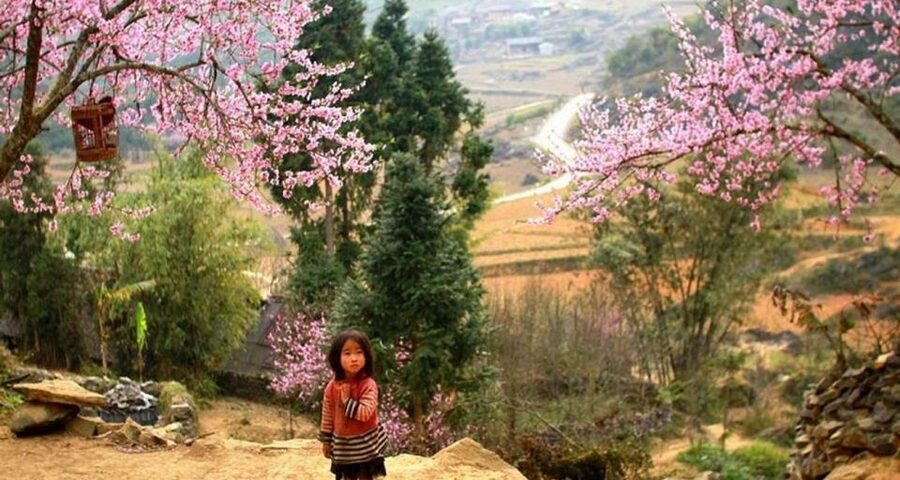
Book it if you want a practical first taste of Sapa’s countryside without giving up a guide, meals, or arranged transport in the valley. It suits active visitors who want rice terraces, village life, and a basic homestay in one short trip from Hanoi.
It also works well for people who value a mix of comfort and simplicity. You get a hotel on the first night, then a more modest homestay in Ta Van. That two-night contrast helps you enjoy the village experience without spending the entire trip in basic conditions.
You should think twice if you need polished accommodation, private transport throughout, or a slow walking pace. The Hanoi bus makes the schedule long, and the second day is a real hike rather than a gentle stroll.
Free cancellation is available up to 24 hours before departure, and you can reserve now and pay later. That gives you some flexibility, but you still need to check the weather and your fitness before committing.
Should you book it?
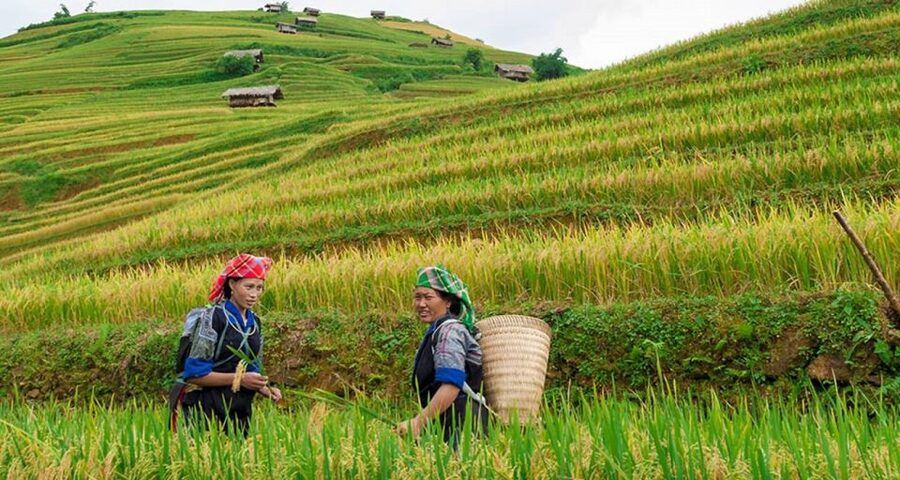
I would book this trip for an active three-day escape centered on Sapa’s valleys rather than its town. The best parts are the changing routes, the three ethnic communities, the included meals, and the night with a Dzay family in Ta Van.
I would skip it if your priority is luxury or easy sightseeing. For everyone else, especially first-time visitors who want a guided route and a clear plan, the package offers good value. Bring proper shoes, warm layers, cash, and realistic expectations about the homestay, and you will be ready for the parts that make Sapa special.
FAQ
Is transportation from Hanoi included?
No. Hanoi to Sapa return transport costs extra. A shuttle bus costs $15 per person, and a limousine costs $20 per person for both ways.
How long is the trek each day?
Day one includes a 3.5-kilometer trek lasting about two hours. Day two covers about 12 kilometers and takes around four hours. Day three covers about 3 kilometers and lasts about three and a half hours.
Where do I sleep?
You spend the first night in a hotel in Sapa and the second night in a basic bungalow-style homestay in Ta Van Village.
Are meals included?
Yes. Breakfast, lunch, and dinner are included according to the schedule. Drinks are not included.
Which ethnic communities do I visit?
The route includes Cat Cat and Lao Chai, associated with the Black H’mong, Ta Van, home of the Dzay people, and Giang Ta Chai, associated with the Red Dzao.
Is the tour suitable for children?
Children under six should not take part. The long walks are also not recommended for senior citizens.
What should I bring?
Bring your passport or ID card, warm clothes, a scarf, hat or cap, trekking shoes, sunglasses, sunscreen, insect repellent, and any medication you need.
Can I cancel the booking?
Yes. You can cancel up to 24 hours in advance for a full refund. You can also reserve now and pay later.
More three-day treks around Hanoi
- Sapa 3 Days 2 Nights Trekking Tour (1 Night In Ta Van Village, 1 Night In Hotel)
★ 5.0 · 699 reviews - 3-Day Trekking Adventure of Sapa from Hanoi – Stay Ta Van Village
★ 5.0 · 611 reviews - From Hanoi: Trek and Stay: 3-Day Sapa Highlands Adventure
★ 4.6 · 152 reviews - Sapa 3 Days 2 Nights Trekking Tour From Hanoi (2 Nights in Hotel)
★ 5.0 · 112 reviews
New treks around Hanoi
- Hanoi- SaPa: 3-Day Homestay Trek to Explore Ethnic cultures★ 4.5 · 29 reviews
- Hanoi: 3-Day Sapa Trek with Homestay★ 5.0 · 4 reviews
- From Hanoi: Mai Chau Valley & Hill Tribes 2-Day Trek Tour★ 4.8 · 5 reviews
- From Hanoi: 3-Day Sapa Trekking with Limousine Transfer★ 4.3 · 30 reviews
- From Hanoi: 2-Day Luxury Sapa Trekking Tour with Homestay★ 4.4 · 49 reviews
- From Hanoi: 2 Day Sapa Trekking To Village & Bungalow, Meals★ 4.3 · 3 reviews
- From Hanoi: 1-day Sapa Trekking Tour With Overnight Bus★ 4.2 · 32 reviews
- 2 Nights At Sapa Homestay – Trekking & Fansipan Visit★ 5.0 · 2 reviews
Homestay and Village Treks, side by side.
From Hanoi: 2-Day Sapa Trekking Trip with Homestay & Meals
Read our review →
Number one top rated ethical cultural trekking and homestay by ETHOS
Read our review →
2-Day Sa Pa Ethnic Homestay Tour & Trek with Limousine Bus
Read our review →
Hanoi – Sapa 3 Day 2 Night Trekking With Hotel & Homestay
Read our review →
Sa Pa: 2-Day Trekking Trip with Ethnic Minority Homestay
Read our review →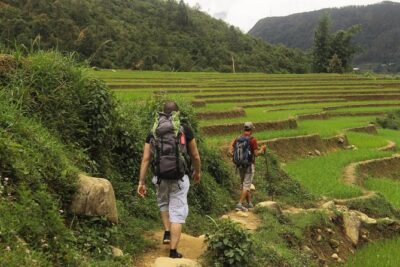
Sapa : 2-Day Trek & Heartwarming Homestay with an Ethnic Family
Read our review →