Review · HANOI
2 Nights At Sapa Homestay – Trekking & Fansipan Visit
Sapa’s best moments come on foot, and this trip gives you two full nights in village homestays rather than a quick viewpoint stop. You cross a suspension bridge, follow the Muong Hoa Stream, walk between rice terraces, and sleep with local families in Lao Chai San and Ta Van. Fansipan at 3,143 meters adds a high-altitude finale, reached by cable car rather than a hard summit climb.
I like the change of setting each night and the mix of H’Mong and Day culture. I also like the practical transport: a limousine bus links Hanoi and Sapa, with a local English-speaking guide taking over for the walks. The main caution is the pace. The first two days include long treks, and the homestay setup means a single mattress rather than a private room.
Key points at a glance
- Two village nights: Sleep in Lao Chai San and Ta Van, with different local settings and hosts.
- Muong Hoa on foot: Walk beside streams, rice terraces, waterfalls, bamboo forest, and village paths.
- Fansipan choice: Add the cable car to reach the 3,143-meter summit without a summit trek.
- Good transport value: The price includes return limousine bus travel from Hanoi, local transfers, guides, and meals.
- Three days of food: You receive three lunches, two dinners, and two breakfasts, with picnic lunch on the longest walking day.
- Named guide contacts: Viet handled trip communication for one booking, while Xoa guided another Sapa visit, though the assigned guide can vary.
What the $115 price really covers
At $115 per person, this is a useful bundle for a short Sapa trip from Hanoi. You get return limousine transport, two homestay nights, a local English-speaking guide, meals, entrance tickets, and transfers around Sapa. Paying separately for each part can be more tiring and may not save much, especially when you add the long road journey from Hanoi.
The price does not include the Fansipan cable car. That costs 850,000 VND per person, paid separately. This is a large extra charge compared with the tour price, so include it in your budget before booking. Drinks are also extra, as are tips, travel insurance, and personal purchases.
The accommodation is simple. You receive a single mattress at a homestay, not a private room. That is part of the point: you trade hotel privacy for an evening with a local host and a closer look at village life. Still, you should pack with modest expectations. The information provided does not promise private bathrooms, hotel-style facilities, or air-conditioning.
One booking account described the accommodation as a luxury hotel, but the stated plan is two nights at homestays in Lao Chai San and Ta Van. I would confirm the exact accommodation arrangement with the local supplier before paying, especially if private facilities matter to you.
More Homestay and Village Treks in Hanoi
- Hanoi – Sapa 2 Days 1 Night Overnight At Homestay
★ 5.0 · 899 reviews - From Hanoi: 2-Day Sapa Trekking Trip with Homestay & Meals
★ 4.8 · 704 reviews - 2-Day Sa Pa Ethnic Homestay Tour & Trek with Limousine Bus
★ 4.8 · 440 reviews
Hanoi to Sapa by limousine bus
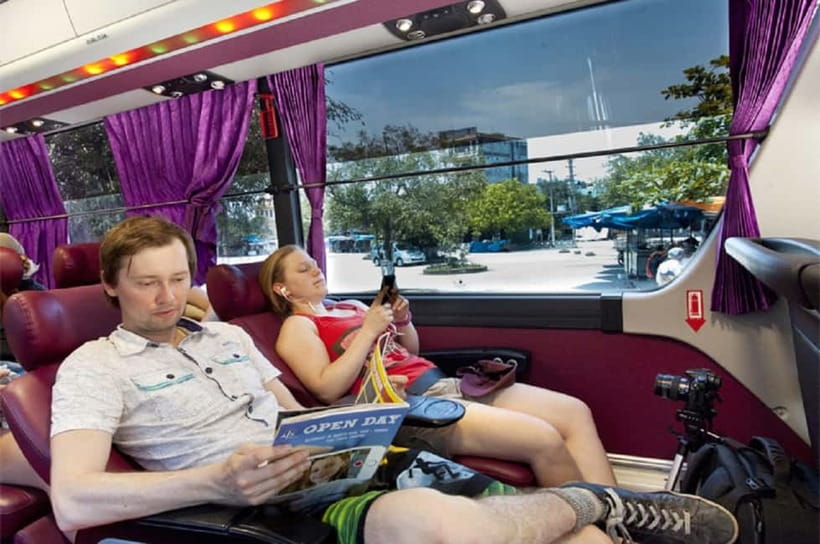
Your day begins early, with check-in at 204 Tran Quang Khai Street from about 6:15 a.m. The bus takes roughly five hours to Sapa and makes three short breaks. A complimentary bottle of water is included.
The limousine is a sensible choice for this schedule. You avoid arranging a separate train, transfer, or local bus, and you arrive in time for lunch and an afternoon walk. The tradeoff is the early start and a long road journey before your first trek. If you are coming from another part of Hanoi, allow extra time to reach the meeting point.
The meeting point can vary with the option booked, so check the final instructions carefully. You also need to leave your phone number so the local supplier can contact you directly about the trip. One booking was coordinated by Viet, and another specifically praised a guide named Xoa. Those names are useful points of contact, but the person assigned to your departure may be different.
You arrive in Sapa at about 1 p.m. A company representative meets you, explains the plan, and takes you to lunch. After that, you have a little time before the walking begins.
Day one: Y Linh Ho to Lao Chai San
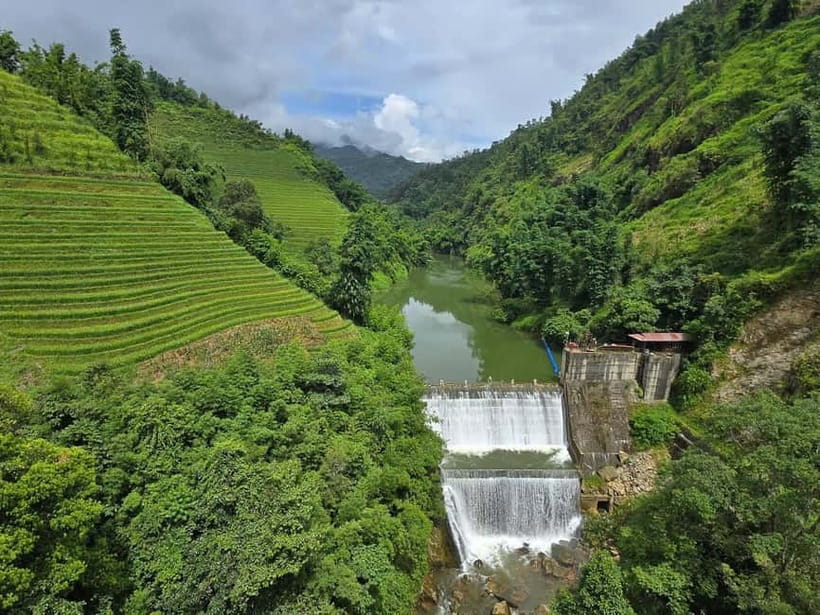
At about 2:30 p.m., the first trek begins near Y Linh Ho. The route heads toward Lao Chai San, a Black H’Mong village, through the Muong Hoa Valley.
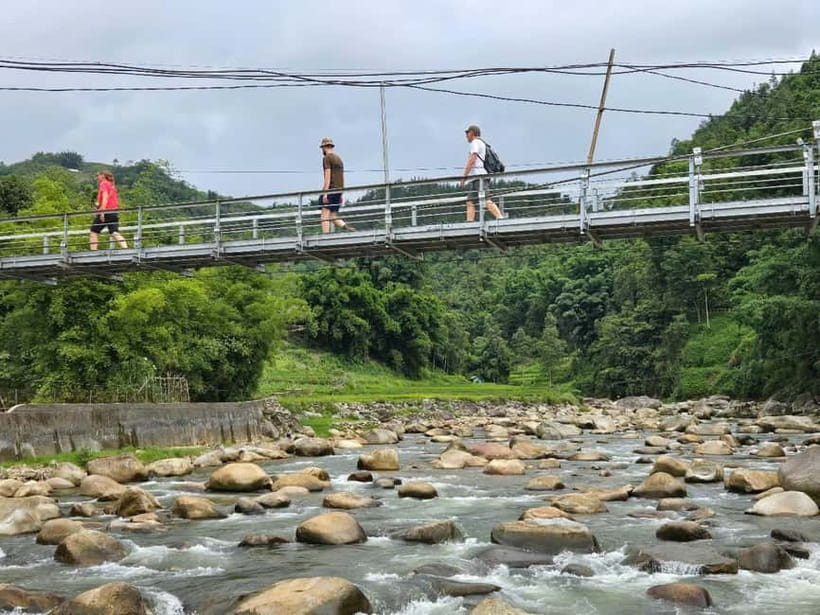
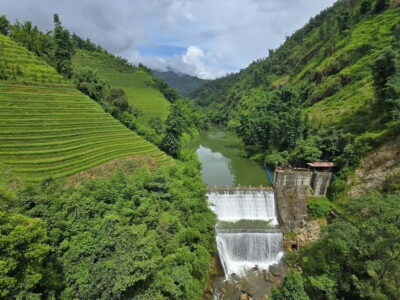
This is a strong opening because you move straight from the road into the countryside. The walk follows the Muong Hoa Stream and passes rice terraces, a suspension bridge, and a waterfall. You then climb toward the homestay, so the day is not a gentle stroll after lunch. The description calls it a long trek, and you should take that seriously.
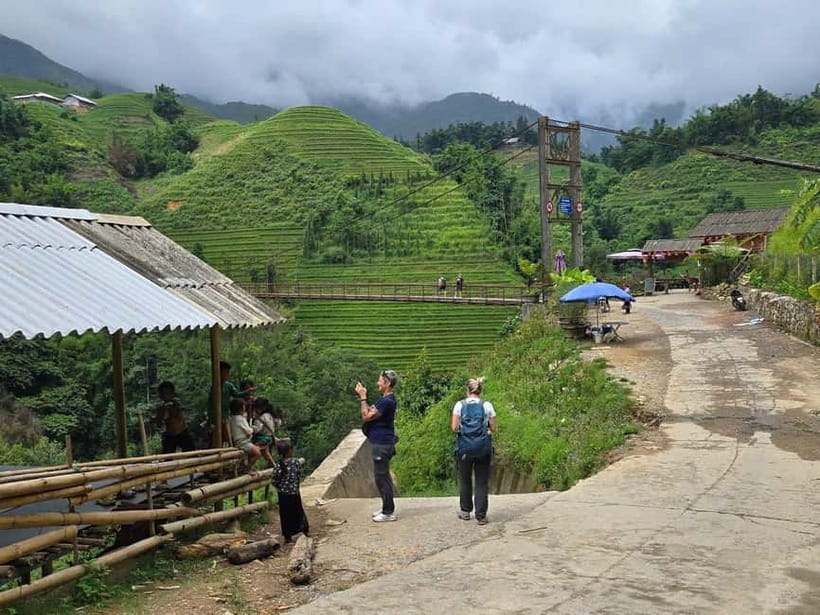
The terraces are the main visual reward. Their appearance changes with the season, but the route gives you a close view of the slopes and the way village paths connect homes, fields, and streams. You are not simply driven to a photo stop. You walk through the area with a local guide who can help explain H’Mong culture and point out details you might miss alone.
The suspension bridge adds a little excitement, while the waterfall gives you a natural pause before the climb. Bring shoes with a good grip, since streamside paths and steep sections can be awkward in wet weather. Comfortable clothes are listed as essential, and an umbrella, hat, sunglasses, and insect repellent are also wise additions.
At the Lao Chai San homestay, you can wash up and settle into your mattress. Dinner is prepared with the host, and you may join the cooking if you wish. This is a nice touch for anyone who wants more than a bed and a meal. The evening is described as quiet, which suits the setting. Do not expect nightlife or a packed schedule after the trek.
Day two: rice terraces and Ta Van village
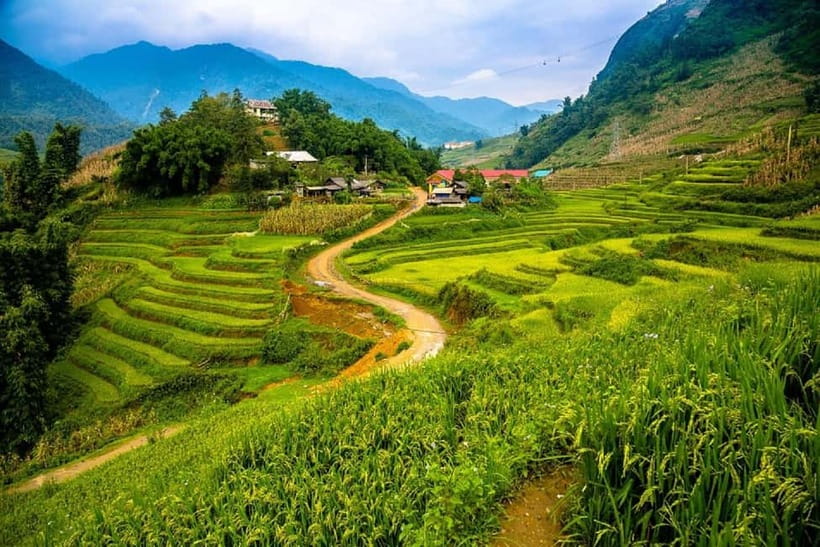
Breakfast is served early, with pancakes, honey, and fruit. Then the guide leads you through another long walk across the Muong Hoa Valley.
Day two is the main walking day. You follow the stream, pass terrace fields, meet local people, and stop for photographs. The route is valuable because it gives you time to see the valley at walking speed. You are also less rushed than on a day trip from Hanoi, where much of the day disappears on the road.
A picnic lunch is prepared by the guide. That keeps you on the trail rather than sending you back to a restaurant, but it also means you should carry what you need during the walk. Drinks are not included, so bring money for water or other purchases.
You reach Ta Van at about 3 p.m. The second homestay gives the trip a useful change of scene. Instead of repeating the first night, you sleep in another village with a different local setting and a chance to learn about Day culture. The itinerary also places H’Mong and Day communities within the wider Sapa experience, so this is the strongest part of the trip for cultural comparison.
After arrival, you can rest, swim in the nearby stream, or sit with a beer and look across the mountains. Beer and other drinks are at your own expense. The slower afternoon matters because the morning trek is substantial. It gives you room to enjoy the homestay instead of treating it as a place to collapse for the night.
Dinner is cooked by the host. As on night one, expect a local home setting rather than hotel service. If you want privacy, ask about the sleeping arrangement before booking. The listed package provides a single mattress, and a private room is not included.
More Homestay and Village Treks in Vietnam
- Hanoi – Sapa 3 Day 2 Night Trekking With Hotel & Homestay
★ 5.0 · 389 reviews - Hanoi – Sapa 2 Days 1 Night Overnight At Local Homestay
★ 5.0 · 233 reviews - From Hanoi: 2-Day Luxury Sapa Trekking Tour with Homestay
★ 4.4 · 49 reviews - Hanoi- SaPa: 3-Day Homestay Trek to Explore Ethnic cultures
★ 4.5 · 29 reviews
Day three: bamboo forest, Giang Ta Chai, and the road home
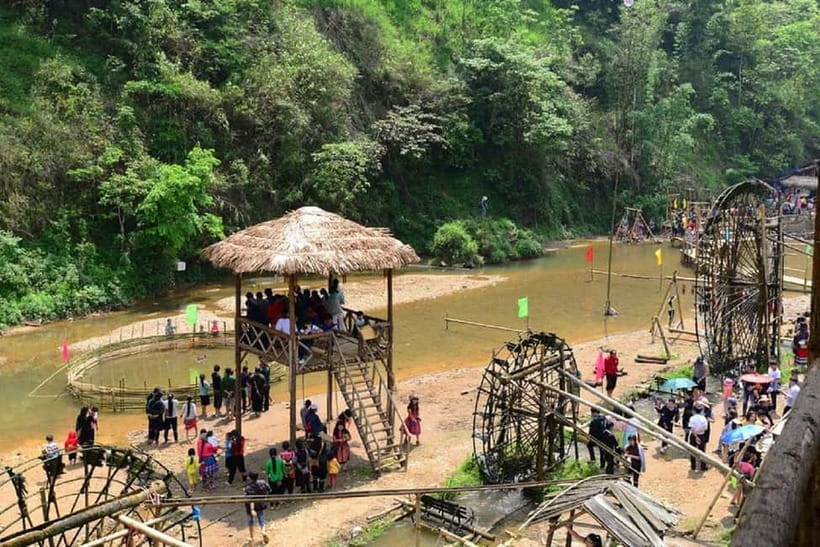
Breakfast comes at about 7:30 a.m. The morning route passes rice paddies and bamboo forest before reaching a panoramic view of Giang Ta Chai village.
The highlight is the Giang Ta Chai Suspension Bridge. From there, a bus returns you to Sapa for lunch and a shower before the journey back to Hanoi. This arrangement is practical. You get one last walk, but you do not need to carry on trekking all the way to the bus departure point with no chance to freshen up.
The third day is shorter on foot than the second, yet the return to Hanoi makes it a long travel day. You leave Sapa after lunch, stop three times along the road, and arrive back at 204 Tran Quang Khai at about 9 p.m. You arrange your own onward transport from the meeting point.
That final transfer is worth planning for. The tour ends at the meeting point, not at your hotel, and the return is late. Keep your phone charged and arrange a taxi or other ride in advance if you do not know Hanoi well.
Adding Fansipan by cable car
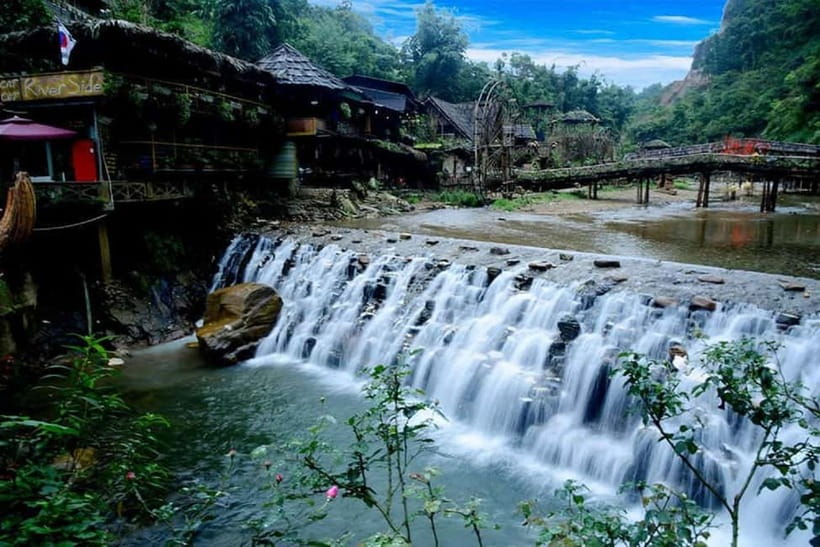
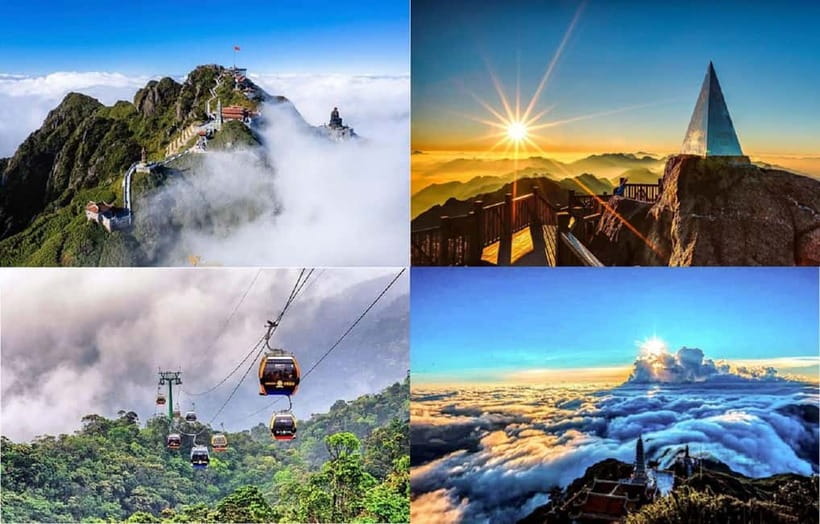
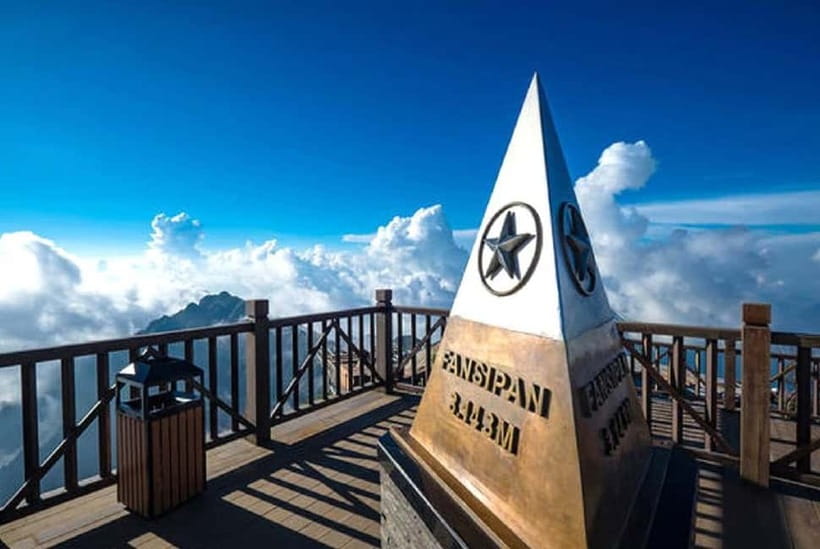
Fansipan is offered as an alternative to the regular day-three trekking plan. After breakfast at Ta Van, a car and guide take you to the cable car station. You ride up to Fansipan Peak, at 3,143 meters, then return by car to Sapa for lunch and the trip to Hanoi.
This option changes the character of the final day. You replace the Giang Ta Chai morning trek with a high mountain visit. The cable car lets you reach the summit area without a demanding climb, making Fansipan accessible to people who want the height and views but do not want an additional mountain hike.
The cable car costs 850,000 VND per person and is not part of the $115 price. Check the weather before deciding. The appeal is being above the clouds, but mountain visibility can change. On a clear day, the height is the main event. In cloud, the experience may be more atmospheric than panoramic.
You should also note the schedule. Visiting Fansipan, eating lunch, showering, and catching the return bus all happen on day three. The plan is workable, but there is less spare time than on the standard trek. Tell the supplier in advance that you want this option so the car, guide, and timing can be arranged.
Food, guides, and the human side of the trip
Meals are included as three lunches, two dinners, and two breakfasts. The food plan is well matched to the route: lunch in Sapa on arrival, dinner at the first homestay, picnic lunch on the longest walking day, dinner at Ta Van, and breakfast before each morning departure.
The food is not presented as a cooking course or a restaurant tour. Its value is that meals take place within the rhythm of the homestays. You can join the cooking on the first evening, and the hosts prepare dinner on both nights.
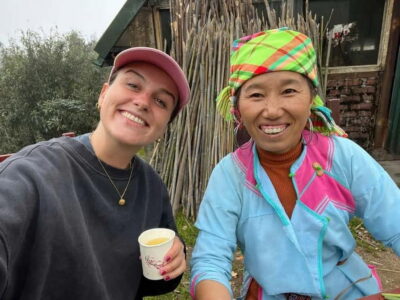
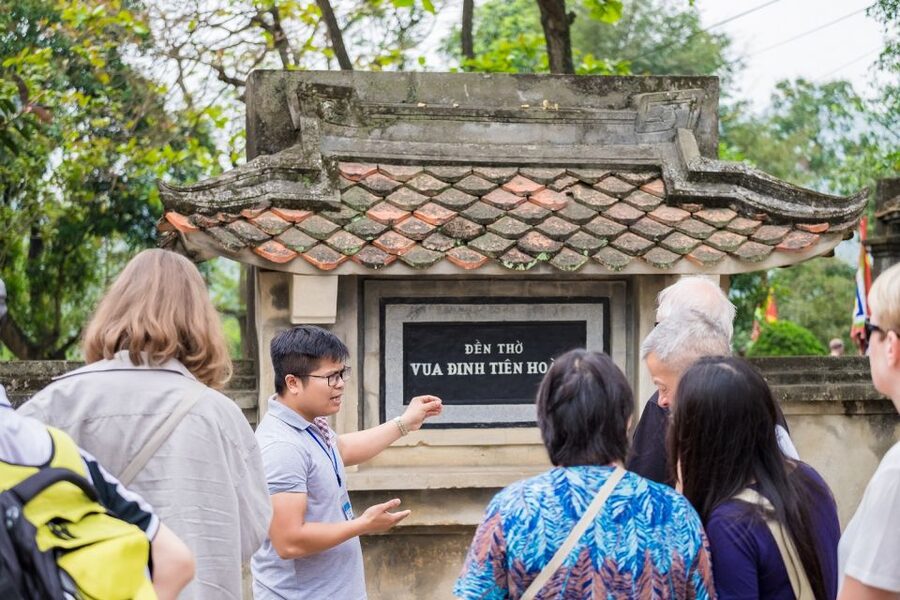
A local English-speaking guide leads the walks. That matters in Sapa, where the paths include village lanes, terraces, streams, and climbs rather than one marked trail. The guide also helps with cultural context and local contact. Viet is named as a trip contact, and Xoa is named as a Sapa guide, but you should treat those as examples rather than a guarantee of who will lead your departure.
The strongest praise connected with the experience is practical: communication worked, the trip ran smoothly, and the Sapa guide helped explain the area. Those are important qualities on a trip with several moving parts. You still need to ask questions before departure if you have dietary needs, mobility concerns, or specific room expectations, since those details are not given.
Who should book this Sapa experience?
I would choose this trip if you want a compact introduction to Sapa with real walking, local homestays, and organized transport from Hanoi. It suits adults who can manage long treks and who are comfortable with basic accommodation.
It is less suitable if you want a private hotel room, a relaxed resort schedule, or a carefully controlled walking distance. Children under 12, people over 70, and pregnant women are specifically excluded. The route includes long walks, stream crossings, suspension bridges, and climbs, so you should also think honestly about your fitness even if you fall outside those categories.
It works well for first-time visitors because you do not need to coordinate the bus, local transfers, guide, meals, and village route yourself. It also works for people who want to add Fansipan without organizing a separate mountain excursion.
The trip has a useful balance: the guide handles the logistics, while you still get quiet evenings and time around local homes. That balance is harder to find on a standard Sapa day tour.
Small details that make the trip easier
Pack light. You will move between two homestays and walk for several hours, so a small overnight bag is easier than a large suitcase.
Bring comfortable walking clothes, sturdy shoes, a hat, sunglasses, insect repellent, and an umbrella. Weather can shift quickly in the mountains, and the route includes open terraces as well as shaded paths.
Keep cash available for drinks, tips, personal expenses, the Fansipan cable car, and your ride after returning to Hanoi. A holiday surcharge of 700,000 VND per person applies on April 30, May 1, September 1, 2, and 3, December 24 and 31, and January 1. That charge is paid directly to the guide.
You can cancel up to 24 hours in advance for a full refund, and the reserve-now, pay-later option keeps your plans flexible. Pets are not allowed. The operating language is English.
Should you book it?
Book this trip if your priority is walking through Sapa rather than simply seeing it from a bus. The two homestays, Muong Hoa routes, local meals, and guide support give you a fuller experience than a quick city visit. The return limousine and included meals also make $115 a fair price for a tightly scheduled three-day trip.
Think twice if long treks, shared sleeping arrangements, or a late return to Hanoi will cause problems. Add the 850,000 VND cable car cost if Fansipan is essential, and confirm the homestay facilities before booking. For an active visitor who wants village scenery, cultural contact, and simple logistics, this is a strong Sapa introduction.
FAQ
How long is the trip from Hanoi?
The experience lasts three days and two nights. The limousine bus takes about five hours from Hanoi to Sapa and returns to Hanoi at about 9 p.m. on day three.
Where do I sleep?
You spend one night in a homestay in Lao Chai San and one night in a homestay in Ta Van. Accommodation is provided as a single mattress. A private room is not included.
Is the Fansipan cable car included?
No. The round-trip cable car costs 850,000 VND per person and is paid separately. It replaces the regular day-three trekking option.
What meals are included?
The package includes three lunches, two dinners, and two breakfasts. Drinks are not included. The day-two lunch is a picnic prepared by the guide.
Is the experience suitable for children or older people?
It is not suitable for children under 12 or people over 70. Pregnant women are also excluded. The route includes long treks, climbs, streams, terraces, and suspension bridges.
What should I bring?
Bring comfortable clothes, suitable walking shoes, an umbrella, a hat, sunglasses, and insect repellent. You should also carry money for drinks, tips, personal expenses, the Fansipan cable car, and any holiday surcharge.
More Fansipan treks around Hanoi
- From Hanoi: 2-Day Sapa-Fansipan Peak & Trek & Ha Giang Bus
★ 4.8 · 52 reviews - From Hanoi: 3 Days Luxury Sapa Trek & Fansipan Peak with Dcar
★ 5.0 · 43 reviews - 1 day Fansipan Trekking
★ 5.0 · 180 reviews - 2 Days Fansipan Trekking
★ 5.0 · 84 reviews
New treks around Hanoi
- Hanoi- SaPa: 3-Day Homestay Trek to Explore Ethnic cultures★ 4.5 · 29 reviews
- Hanoi: 3-Day Sapa Trek with Homestay★ 5.0 · 4 reviews
- From Hanoi: Mai Chau Valley & Hill Tribes 2-Day Trek Tour★ 4.8 · 5 reviews
- From Hanoi: 3-Day Sapa Trekking with Limousine Transfer★ 4.3 · 30 reviews
- From Hanoi: 2-Day Luxury Sapa Trekking Tour with Homestay★ 4.4 · 49 reviews
- From Hanoi: 2 Day Sapa Trekking To Village & Bungalow, Meals★ 4.3 · 3 reviews
- From Hanoi: 1-day Sapa Trekking Tour With Overnight Bus★ 4.2 · 32 reviews
- From Hanoi: 3-Day Sapa Trek with Guide, Homestay and Meals★ 4.6 · 5 reviews
Fansipan Treks, side by side.


From Hanoi: 2-Day Sapa-Fansipan Peak & Trek & Ha Giang Bus
Read our review →
From Hanoi: 3 Days Luxury Sapa Trek & Fansipan Peak with Dcar
Read our review →
2-Day Fansipan Mountain Trek – Indochina’s Highest Peak
Read our review →
2 Night Lao Chai-Ta Van Homestay- Trekking & Fansipan Visit
Read our review →