
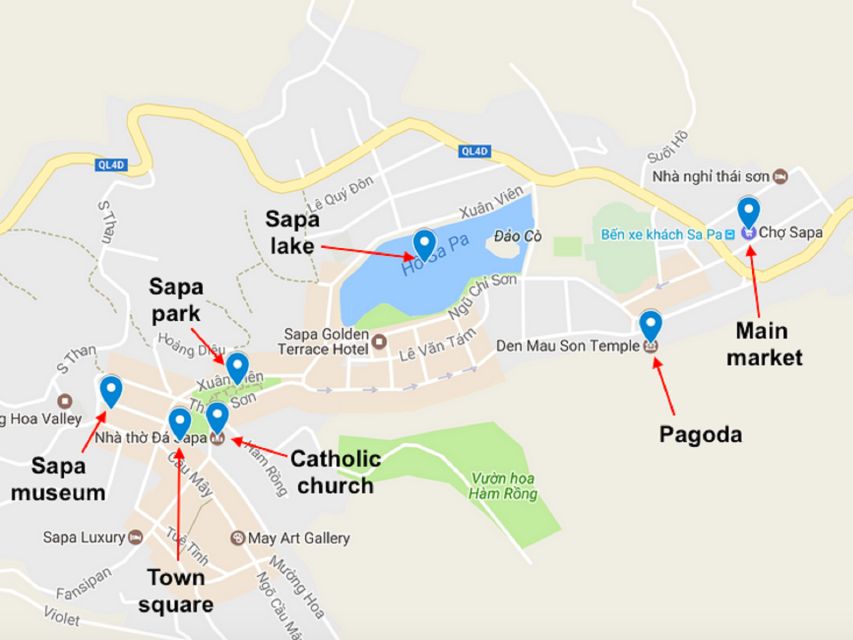
Review · HANOI
From Hanoi: 3-Day Sapa Trekking with Limousine Transfer
Sapa makes its strongest impression on foot. This three-day trip takes you from Hanoi to mountain villages, rice terraces, and remote hill-tribe communities, with a hard 12 to 15 kilometer trek on the second day. The reward is a closer look at rural northern Vietnam, far beyond the main streets of Sapa.
I like the comfortable limousine transfer and the chance to see several villages without arranging separate transport. I also like the human touch: guides such as Me and Trang have been praised for clear English, local insight, humor, and good route choices. The main drawback is the pace. Day two is a serious walk, and rainy weather can make it much harder.
Key points to know before booking
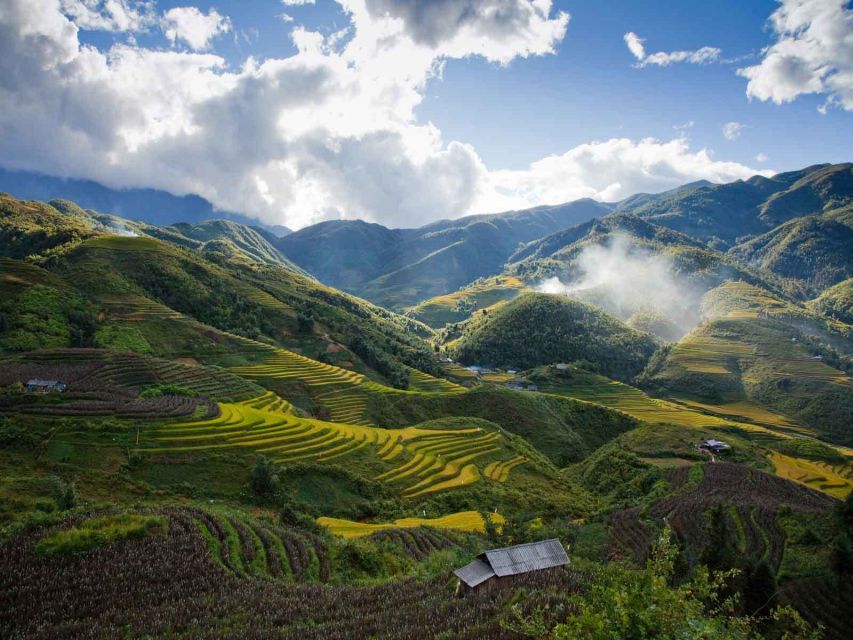
- The second day is the physical test: Expect 12 to 15 kilometers over uneven ground and rice terraces.
- The limousine saves energy: The vehicle takes about 5.5 hours from Hanoi, with a couple of breaks before reaching Sapa.
- You visit several ethnic communities: The route includes Black H’mong, Dzao, and Tay communities.
- Cat Cat is the gentle introduction: The first afternoon covers about 4 kilometers in roughly two hours.
- Accommodation depends on your choice: You receive two nights in a hotel or a homestay with only basic facilities.
- The price covers a lot: At $199 per person, you get transport, lodging, a guide, entrance fees, two breakfasts, and three lunches, but dinners, drinks, and Fansipan tickets cost extra.
The long road from Hanoi to Sapa
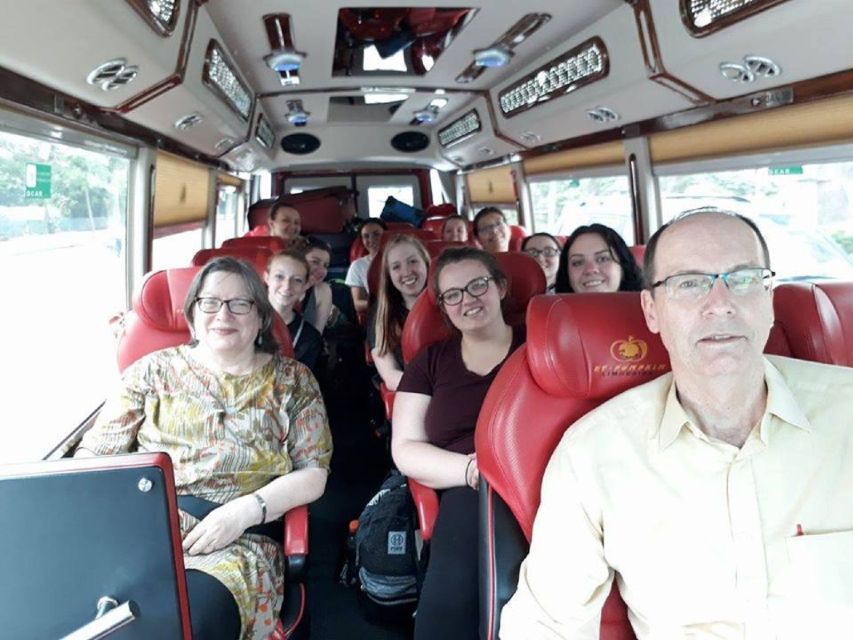
Your trip begins at 31 P. Lò Sũ, with Old Quarter hotel pickup available. Departure is scheduled between 6:45 and 7:00 in the morning, so you will need an early start and a little patience if Hanoi traffic slows the first part of the journey.
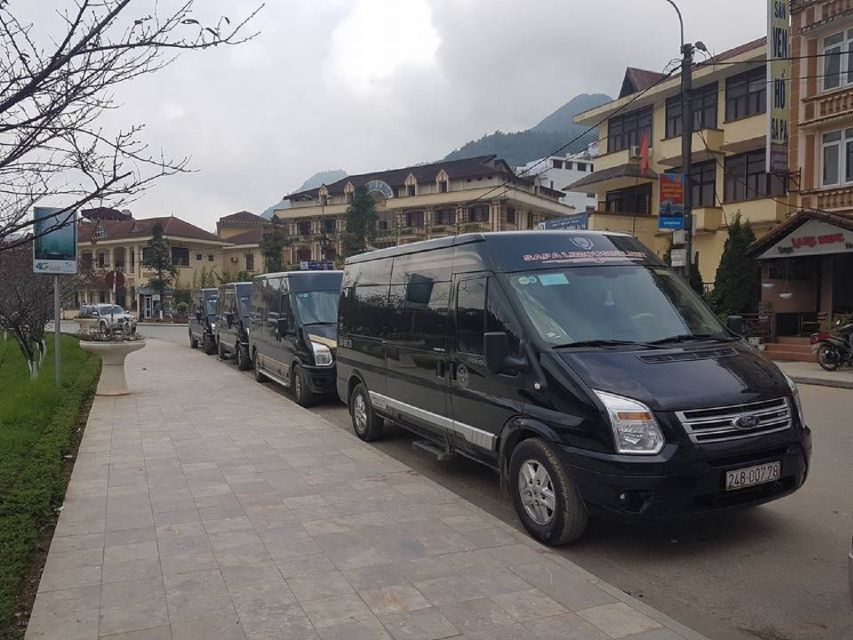
The modern, air-conditioned limousine takes about 5.5 hours. That is still a long ride, but it is more comfortable than a basic minibus and gives you a chance to save your legs for the walking ahead. The vehicle stops a couple of times before reaching Sapa at about 12:30 p.m.
This transfer is one of the tour’s practical strengths. Independent transport to Sapa can be tiring to arrange, and a direct ride keeps the trip simple. Still, do not think of limousine as a quick shuttle. You will spend much of the first day sitting in a vehicle, so bring water, snacks if you want them, and something warm for the changing mountain weather.
The group may be small, which helps with the walking sections and makes it easier to hear your English-speaking guide. Confirmation is subject to availability and may arrive within 48 hours of booking. A minimum of two people per booking is required.
More three-day treks around Hanoi
- Sapa 3 Days 2 Nights Trekking Tour (1 Night In Ta Van Village, 1 Night In Hotel)
★ 5.0 · 699 reviews - 3-Day Trekking Adventure of Sapa from Hanoi – Stay Ta Van Village
★ 5.0 · 611 reviews - Hanoi – Sapa 3 Day 2 Night Trekking With Hotel & Homestay
★ 5.0 · 389 reviews
First taste of Sapa and its hill communities
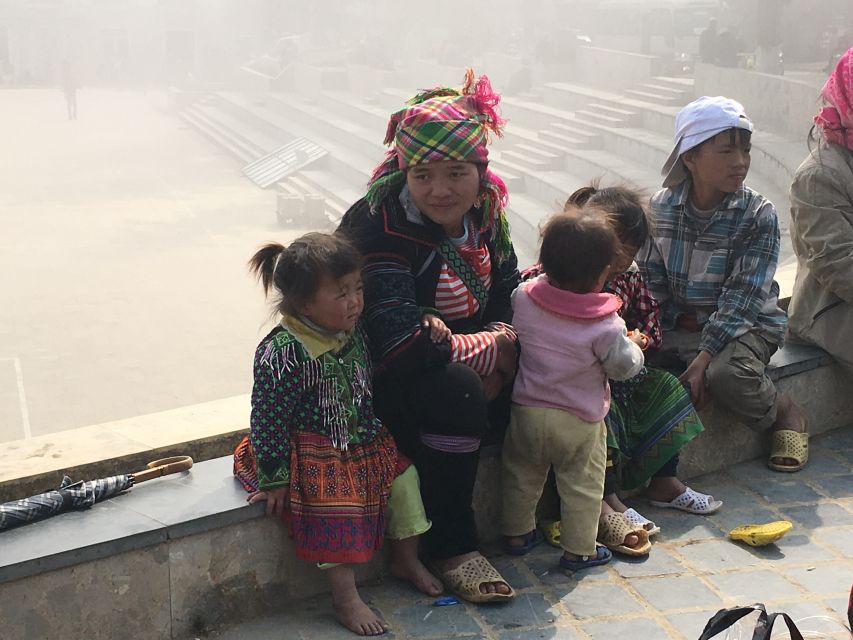
After arriving in Sapa, you meet members of local ethnic communities, including H’mong, Dzao, and Tay people. Their traditional clothing adds color to the welcome, but the more useful part is the chance to begin understanding who lives in the region before you start walking through their villages.
You then have a Vietnamese lunch before checking into your hotel or homestay. Three lunches are included across the trip, while dinners and drinks are not. That detail matters because you will need to budget separately for two evening meals and any beverages.
The accommodation depends on the option you select. A hotel should suit you if a private, more familiar base matters after a long day. The homestay option offers a closer connection with local life, but the facilities are specifically described as basic. Choose it for the setting and social side, not for polished comfort.
Cat Cat Village and the two-hour afternoon walk
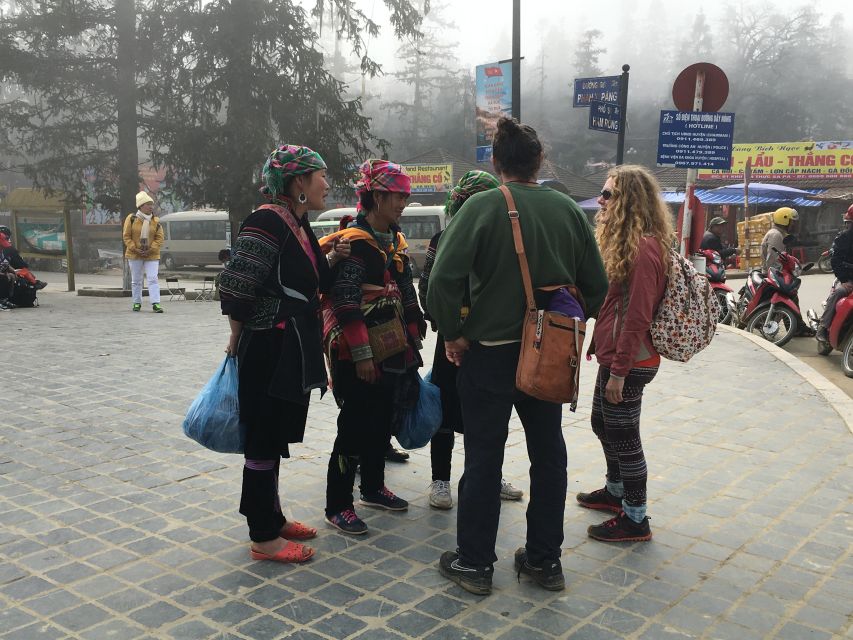
At about 2:30 p.m., you set out for Cat Cat village, home to the Black H’mong community. The village sits near the foot of Mount Fansipan, Vietnam’s highest mountain, giving the walk a dramatic mountain setting even before the harder trek begins.
The route covers about 4 kilometers and takes roughly two hours. It is described as an easy trek, though you should still wear proper walking shoes. The path drops into the valley, so you will deal with some downhill sections and uneven surfaces rather than a flat town stroll.
Your local guide explains daily life in the village and points out details you might miss on your own. This is where the tour shifts from sightseeing to context. You are not only looking at mountain scenery; you are learning how local communities live and work in the area.
After the walk, you transfer back to Sapa for dinner on your own. The rest of the evening is free, giving you time to walk through town or rest before the demanding second day. Since dinner is not included, ask your guide or hotel for help if you want a simple local meal.
Day two: rice terraces and remote villages

The second day is the heart of this trip. After breakfast, you begin a challenging trek of 12 to 15 kilometers. The route first follows rice terraces for about 5 kilometers toward Lao Chai, a Black H’mong village.
This walk asks more from you than the Cat Cat outing. The route length is substantial, and mountain paths can be slippery after rain. Your shoes need real grip, and lightweight clothing is more useful than city clothes. Bring sunscreen, insect repellent, water, and any medication you require.
From Lao Chai, the route continues to Ta Van, associated here with the Dzao community. You receive a guided visit, time for photographs, and views along the way. The village sections are valuable because they show how different communities share the same mountain region while keeping distinct customs and clothing traditions.
The final part reaches Y Linh Ho and Ban Ho, areas presented as less visited and closer to ordinary hill-tribe life. That is the strongest reason to accept the physical effort. You are not spending the entire day at a single famous viewpoint. You are walking between communities and seeing how the setting changes as the route moves farther from Sapa.
The exact order and walking time may shift with conditions. The supplied schedule describes Ta Van as part of a roughly four-hour stop, but the full second-day trek is listed at 12 to 15 kilometers. Treat the longer distance as the reliable figure when deciding if you are fit enough.
Guides Me and Trang have received especially strong praise for clear English, humor, local information, and thoughtful hiking routes. Those qualities matter here. On a long walk, a guide who can explain the area and manage the pace is much more useful than someone who simply points out photo stops.
More treks around Hanoi:
- From Hanoi: 2-Day Sapa Trekking Trip with Homestay & Meals
★ 4.8 · 704 reviews - 2-Day Sa Pa Ethnic Homestay Tour & Trek with Limousine Bus
★ 4.8 · 440 reviews - From Hanoi: 2-Day Sapa Trek Tour – Luxury Limousine Transfer
★ 4.1 · 249 reviews - From Hanoi: Trek and Stay: 3-Day Sapa Highlands Adventure
★ 4.6 · 152 reviews
What the villages add to the trip
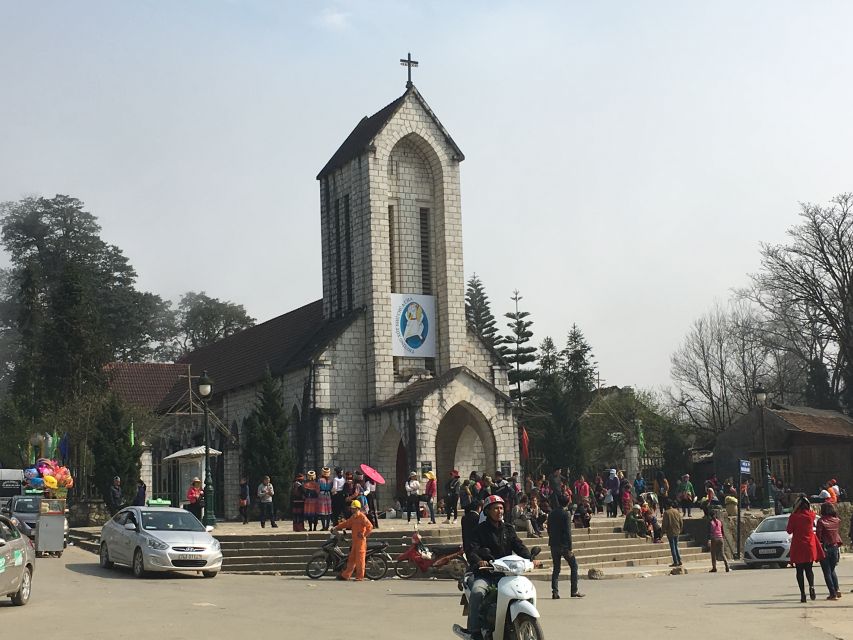
Sapa is often sold through mountain views, but the villages give the region its real character. You encounter Black H’mong, Dzao, and Tay communities, and the guide helps place their clothing, customs, and daily routines in context.
Keep your expectations grounded. This is a short tour, not a full cultural study, and the schedule covers a wide area in limited time. You will see and learn about several groups, but you will not have unlimited time in each village.
The route also gives you a better sense of distance. A drive to a village can make a community feel like a photo stop. Walking between places shows the connection between homes, terraces, valleys, and roads. That is why the second day is more than a fitness challenge.
Be respectful with photographs and follow your guide’s advice around homes and local people. The tour provides access, but it should not turn daily life into a stage show.
Your free morning and the Fansipan choice

Day three starts with breakfast and a free morning in Sapa. This is a useful part of the schedule because you do not have to rush straight into another trek after the previous day’s distance.
You can explore Sapa town independently or consider visiting Fansipan Peak. Fansipan tickets and the visit are not included, so you buy them separately and ask the hotel receptionist for help. The itinerary does not provide a guided Fansipan excursion, and the time available depends on your chosen plan.
This option works best for people who want some control over the final morning. You can use it for town time, a quiet breakfast, or a paid mountain visit. If your legs are tired, taking it easy is sensible. The tour is already full of walking, and you do not gain much by forcing in another demanding activity.
You check out at 11:30 a.m. and have lunch before beginning the return journey at about 2:30 p.m. Arrival back at the Hanoi meeting point is expected around 9 p.m. That final ride is long, so plan no important evening appointment after the tour.
Is $199 good value?
At $199 per person, the price is reasonable if you want transport and the main arrangements handled for you. The package includes pickup and drop-off, two nights of accommodation, a modern limousine, a local English-speaking guide, entrance tickets to the included sites, two breakfasts, and three lunches.
The value improves if you would otherwise need to arrange a return transfer, village access, lodging, and a guide separately. The tour also avoids the hassle of figuring out how to connect Cat Cat, Lao Chai, Ta Van, Y Linh Ho, and Ban Ho.
The price does not cover dinner, drinks, or Fansipan tickets. You should also bring Vietnamese Dong because banking services in Sapa can be unpredictable. U.S. dollars, Euros, and Australian dollars are also accepted in Sapa, but local currency is the more practical choice for small purchases.
Your accommodation choice affects the value. A hotel may make the package feel better suited to you if you want reliable comfort after hiking. A basic homestay may offer a more local setting, but you should be comfortable with limited amenities.
Weather, footwear, and what to pack

Sapa weather changes quickly because of the altitude. September through March can be cold, with fog especially possible in December, January, February, and March. Warm clothing is useful even if Hanoi feels mild when you leave.
Pack trekking shoes, not casual sneakers. The second-day route can be difficult in rain, and smooth soles are a poor match for wet paths. Also bring:
- Comfortable walking clothes
- Sunglasses and a sun hat
- Sunscreen and insect repellent
- Warm layers, including a scarf and hat
- Passport or another ID card
- Any special medication you need
- Vietnamese Dong for local spending
Pets and smoking are not allowed on the activity. The tour is not suitable for wheelchair users, people with mobility difficulties, or children under six. Those limits make sense given the uneven trails and the length of the second-day walk.
The cancellation terms are flexible: you can cancel up to 24 hours in advance for a full refund, and the reserve-now-pay-later option lets you hold a place without paying immediately. Availability still needs confirmation, so do not assume your booking is final until the operator confirms it.
Who should choose this Sapa trip?
I would choose this tour if you want a strong introduction to Sapa without planning every transfer yourself. It suits you if you enjoy long walks, local villages, changing mountain weather, and a full schedule with a little free time around the edges.
It is especially useful for a first visit. The guide, included meals, village entry, and limousine transport remove several decisions that can otherwise take time. The English-language guiding is another practical advantage, and the praised work of Me and Trang suggests that guide quality can add real value to the experience.
I would think twice if you dislike long vehicle journeys, need high-end accommodation, or prefer gentle walks. The 4-kilometer Cat Cat route is manageable for many people, but day two is not a casual stroll. Rain can make the route more difficult, and the homestay option is basic.
Should you book it?
Book this Sapa trip if you want several village visits, a serious day of trekking, and a comfortable transfer from Hanoi bundled into one plan. The best parts are the varied route, the contact with H’mong, Dzao, and Tay communities, and the local guides who can make the walking meaningful.
Skip it if your priority is luxury, a relaxed pace, or a Fansipan visit included in the price. Before booking, select your accommodation carefully, pack for cold and wet conditions, and make an honest assessment of your fitness. For the right walker, $199 buys a well-organized three-day look at the Sapa region rather than just a quick mountain photo stop.
FAQ
Where does the Sapa tour start?
The main meeting point is 31 P. Lò Sũ in Hanoi. Hotel pickup is available in Hanoi’s Old Quarter.
How long is the transfer from Hanoi to Sapa?
The limousine transfer takes about 5.5 hours. It includes a couple of breaks and reaches Sapa at approximately 12:30 p.m. on the first day.
What type of vehicle is used?
You travel by modern, air-conditioned limousine minivan.
How difficult is the trekking?
The first afternoon includes an easy trek of about 4 kilometers over roughly two hours. The second day is challenging and covers approximately 12 to 15 kilometers. Rain can make the paths harder.
Which villages are included?
The route includes Cat Cat, Lao Chai, Ta Van, Y Linh Ho, and Ban Ho. You also meet members of H’mong, Dzao, and Tay communities.
Is accommodation included?
Yes. Two nights are included in either a hotel or a homestay, depending on the option you choose. The homestay provides only basic amenities.
Are meals included?
Two breakfasts and three lunches are included. Dinner and drinks are not included.
Are Fansipan tickets included?
No. Fansipan tickets and a Fansipan tour are not included. You can arrange a visit independently during the free morning on day three, with help from the hotel receptionist.
Is the tour suitable for children or people with mobility difficulties?
The tour is not suitable for children under six, wheelchair users, or people with mobility difficulties. The long and sometimes difficult trekking route requires comfortable walking shoes and reasonable fitness.
New treks around Hanoi
- Hanoi- SaPa: 3-Day Homestay Trek to Explore Ethnic cultures★ 4.5 · 29 reviews
- Hanoi: 3-Day Sapa Trek with Homestay★ 5.0 · 4 reviews
- From Hanoi: Mai Chau Valley & Hill Tribes 2-Day Trek Tour★ 4.8 · 5 reviews
- From Hanoi: 2-Day Luxury Sapa Trekking Tour with Homestay★ 4.4 · 49 reviews
- From Hanoi: 2 Day Sapa Trekking To Village & Bungalow, Meals★ 4.3 · 3 reviews
- From Hanoi: 1-day Sapa Trekking Tour With Overnight Bus★ 4.2 · 32 reviews
- From Hanoi: 3-Day Sapa Trek with Guide, Homestay and Meals★ 4.6 · 5 reviews
- 2 Nights At Sapa Homestay – Trekking & Fansipan Visit★ 5.0 · 2 reviews
Hanoi Trekking Tours, side by side.
From Hanoi: 2-Day Sapa Trekking Trip with Homestay & Meals
Read our review →
Sapa 3 Days 2 Nights Trekking Tour (1 Night In Ta Van Village, 1 Night In Hotel)
Read our review →
3-Day Trekking Adventure of Sapa from Hanoi – Stay Ta Van Village
Read our review →
2-Day Sa Pa Ethnic Homestay Tour & Trek with Limousine Bus
Read our review →
Hanoi – Sapa 3 Day 2 Night Trekking With Hotel & Homestay
Read our review →
From Hanoi: 2-Day Sapa Trek Tour – Luxury Limousine Transfer
Read our review →
From Hanoi: Trek and Stay: 3-Day Sapa Highlands Adventure
Read our review →
2-Day Trekking Adventure of Sapa from Hanoi with Night Bus
Read our review →Lists this trek appears in