
Review · SAPA
2-Day Fansipan Mountain Trek – Indochina’s Highest Peak
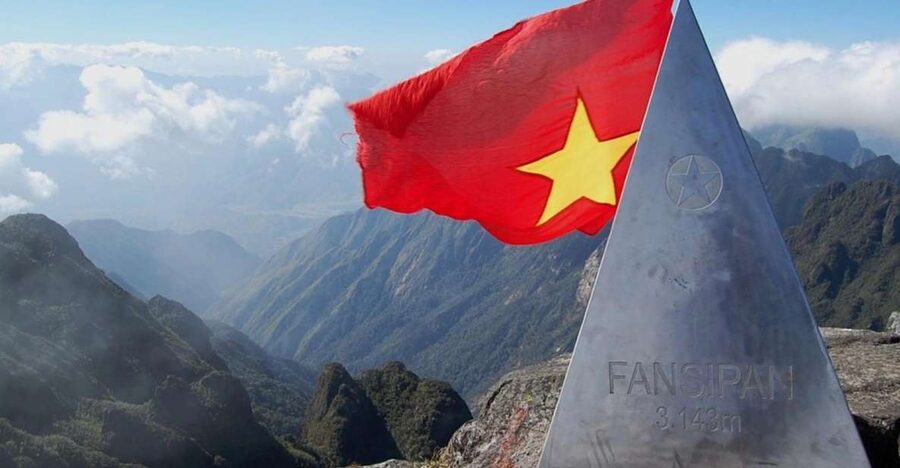
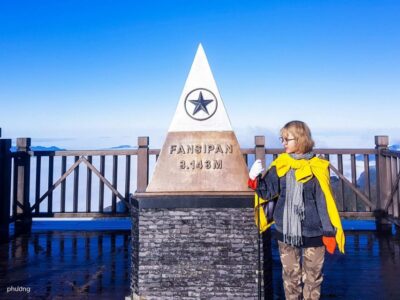
Fansipan is not a gentle hill with a big sign at the top. This is a 26-kilometer mountain trek through forest, streams, boulders, ladders, and steep steps, ending at Vietnam’s highest point at 3,143 meters. The reward is a sunrise above the clouds, with views toward Sa Pa, Lai Chau, and even China’s Yunnan Province.
I like two things right away: the local porter carries your food and sleeping bag, and the guide gives the climb a human side by explaining Black Hmong, Red Dao, and Giay customs. I also like the early summit timing, which can put you at the top before the cable-car crowds arrive. The main drawback is simple: the route is hard, and the hut or tent at 2,800 meters is basic and may feel cold at night.
Key points before you book
- A real summit trek: You climb from Tram Ton to 3,143 meters over two days, rather than taking the cable car up.
- Sunrise at the top: Breakfast is at 5:00 AM, with the summit planned for about 7:30 AM.
- Local support: A porter from the Black Hmong community carries food and sleeping bags.
- Simple mountain night: Expect a sleeping bag, hut, or tent at 2,800 meters, not a comfortable hotel room.
- Good value at $120: The price includes meals, permits, transport, a guide, porter service, water, and a hot shower.
- A tough return: If your legs are finished, you can ask the guide about taking the cable car down, at an extra cost.
Why Fansipan is worth the effort
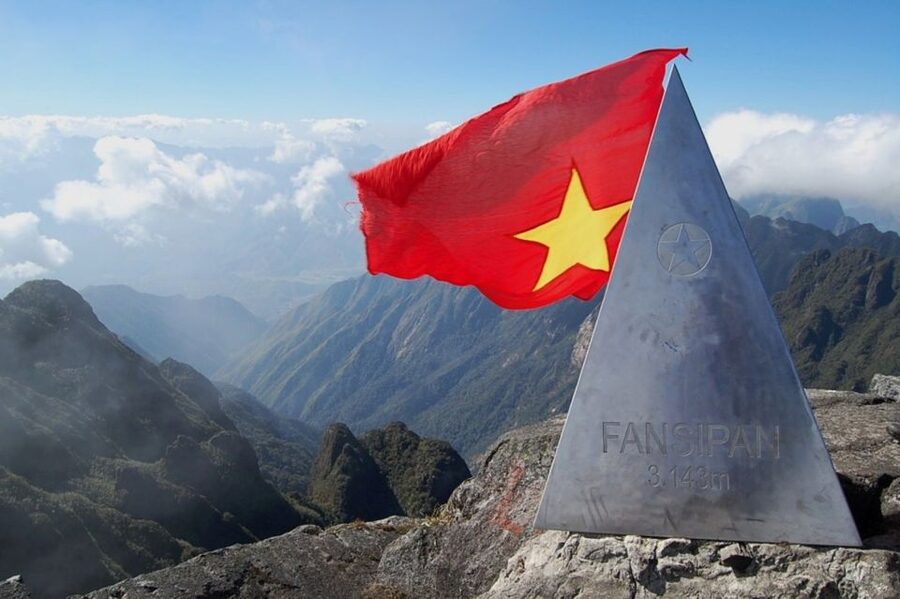
Fansipan is the highest mountain in Vietnam, reaching 3,143 meters in the Hoang Lien Son range. That fact alone attracts plenty of people, but the better reason to go on foot is the change in surroundings as you climb.
The route begins in forest near Tram Ton Pass. You pass pine and bamboo, cross streams, and gradually leave thicker vegetation behind. Near the summit, the plants become smaller and less frequent. That change gives the climb a clear rhythm. You can feel the mountain getting higher, not simply watch the numbers on a sign.
The summit views depend on weather, but a clear morning can reveal the valleys around Sa Pa and Lai Chau Province. You may also see mountains in Yunnan, China. The planned arrival at about 7:30 AM is useful because morning light can be superb, and the summit may feel quieter than it does later in the day.
I especially like that this is not only a physical challenge. Your guide can explain local groups such as the Black Hmong, Red Dao, and Giay, whose communities are part of the Sa Pa area. That context makes the walk more meaningful than a race to a summit marker.
More Fansipan treks around Sa Pa:
- 1 day Fansipan Trekking
★ 5.0 · 180 reviews - 2 Days Fansipan Trekking
★ 5.0 · 84 reviews - From Sa Pa: Full Day Trek of Fansipan Mountain
★ 4.3 · 10 reviews
Starting in Sa Pa and meeting your porter
The meeting point is the Vietnam Nomadtrails office at No. 013 Tue Tinh Street in Sa Pa. The supplied schedule gives both 7:00 AM and 8:00 AM as possible arrival times, so confirm the exact start time before you go. The office provides a hot shower and a place to store large luggage.
That luggage storage matters. You should carry only what you need for the mountain, while leaving your main bags in Sa Pa. You also get some time to rest or explore town before the drive to Tram Ton at about 9:00 AM.
At the trailhead, you meet the porter who carries food and your sleeping bag. The porter is from the Black Hmong community. This arrangement makes the climb more manageable, but you still need to carry your own day bag, water, clothing, and personal items.
Do not assume every person in the support team will speak much English. English is the stated guide language, but communication with the porter may be limited. One useful approach is to ask your guide early about the pace, rest stops, weather, and the sleeping arrangements.
Day one from Tram Ton to 2,800 meters
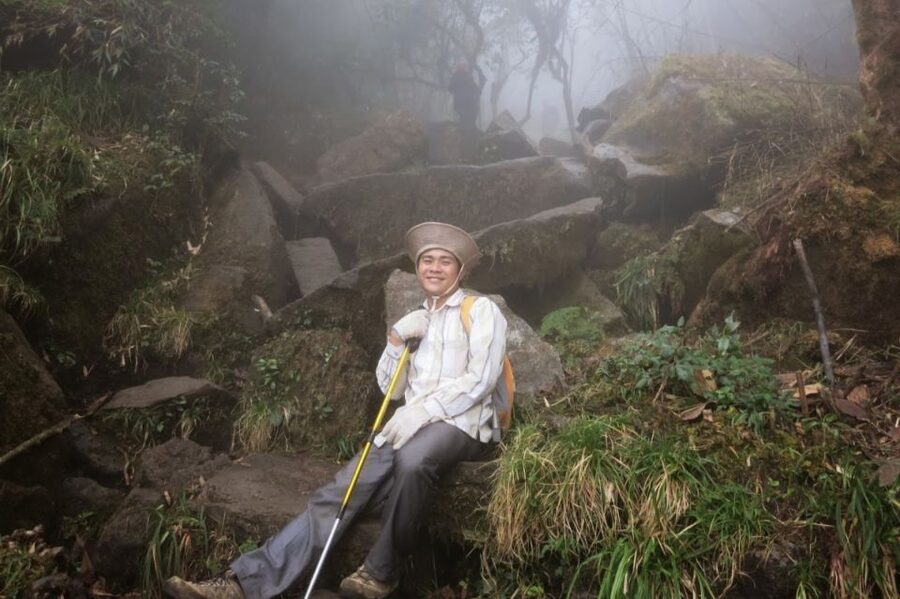
The first day takes you from Tram Ton to roughly 2,800 meters. Around midday, you reach about 2,200 meters for a picnic lunch prepared by the guide and porter.
The route passes through pine and bamboo forest, with streams and cooler air along the way. The forest sections offer shade, but the climb remains demanding. You will encounter steep ground, rocks, boulders, steps, and ladders. The distance is about 26 kilometers for the full trek, so this is not a short walk with a little uphill work.
A good guide makes a real difference here. Sinh has been praised for checking regularly that people are all right, pointing out interesting places, stopping for views, and taking photographs. Cha has also been singled out for being friendly and answering questions while handling steep sections with ease. Guide quality can vary by departure, but these details show what to look for: patience, clear pacing, and attention to your condition.
The lunch stop at 2,200 meters is more than a meal break. It gives you a chance to eat before the steeper push toward camp. The food has received particularly strong praise, with meals described as varied and suited to the region. Still, mountain cooking takes place in rustic conditions, so keep your expectations practical rather than restaurant-like.
You reach the sleeping point around 4:00 PM. That leaves some time to rest or look around before dinner at about 6:30 PM. An early night is sensible because day two begins before sunrise.
Sleeping at 2,800 meters
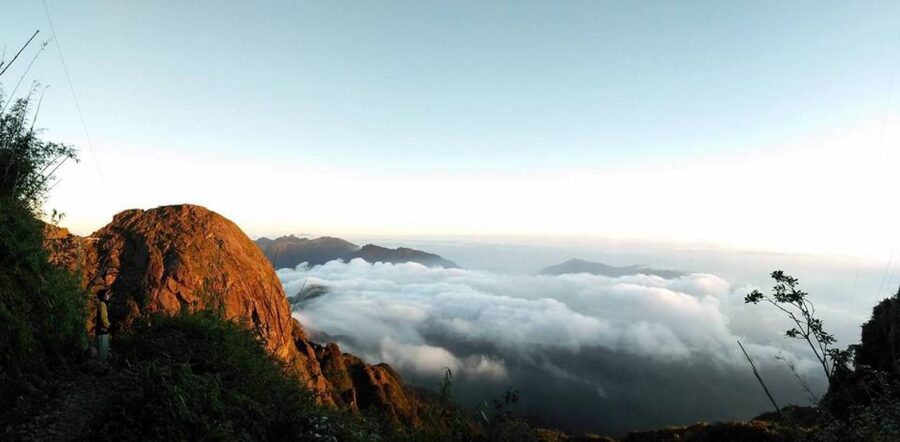
The overnight setup may be a hut, tent, or sleeping-bag arrangement. It is basic. You are there to rest before the summit push, not to enjoy a polished camp with private facilities.
Night temperatures have dropped to around zero degrees in some conditions. One person found the supplied sleeping bag insufficient and wished for extra blankets. I would bring warm layers, dry socks, a hat, gloves, and a compact thermal layer if you have one. The exact sleeping setup and warmth can depend on conditions, so ask at the office what is being used for your departure.
The camp can also be noisy. People may arrive or move around while you are trying to sleep, and the tour cannot control every activity at a shared mountain base. Earplugs could help, though they are not a substitute for proper warmth.
Dinner is included and served around 6:30 PM. Previous meals have earned some of the strongest praise connected with this trek. Guides may prepare several dishes, giving you a welcome taste of northern Vietnam after a long climb. Tell the operator about allergies or vegetarian requirements before departure.
More two-day treks around Sa Pa
- EXPLORE SAPA: 2D1N TREKKING & HMONG CULTURE WITH DINH
★ 4.9 · 191 reviews - Sa Pa: 2-Day Trekking Trip with Ethnic Minority Homestay
★ 4.7 · 145 reviews - Sapa : 2-Day Trek & Heartwarming Homestay with an Ethnic Family
★ 5.0 · 143 reviews - SAPA: 2-DAY 1-NIGHT TREKKING & CULTURE WITH HMONG GUIDE LINH
★ 4.9 · 126 reviews
The pre-dawn climb to Fansipan’s summit
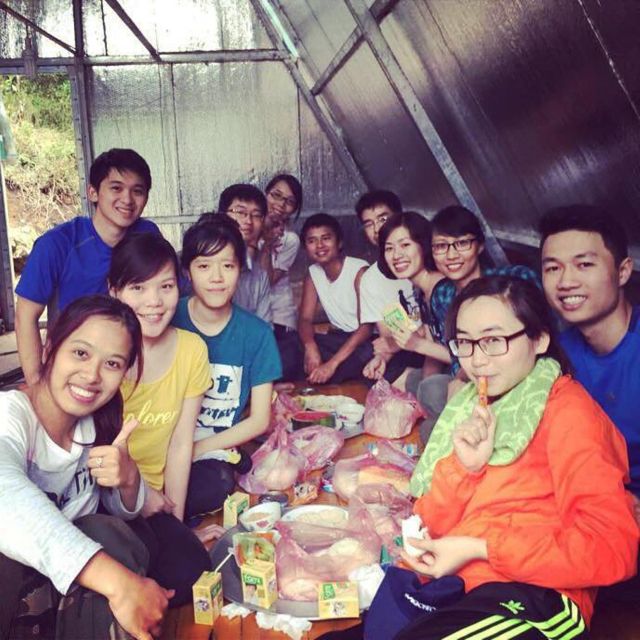
Breakfast starts at 5:00 AM, with hot tea or coffee. You then continue through bamboo forest toward the summit. The vegetation thins as you climb, and the final stretch can feel much more exposed and strenuous than the lower forest.
The target is the summit at about 7:30 AM. The timing gives you a chance to watch sunrise over the valleys of Sa Pa and Lai Chau. Clouds may cover some views, and mountain weather can change quickly, but the early start is still one of the best parts of the plan.
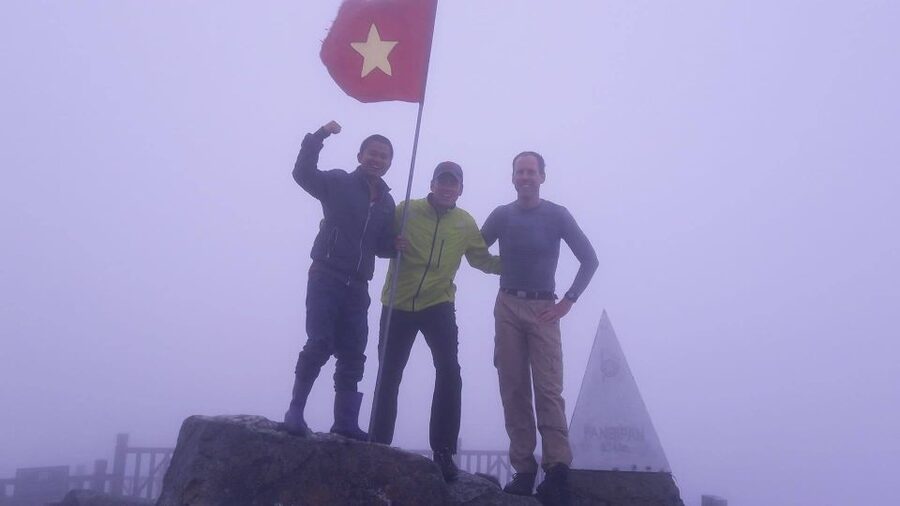
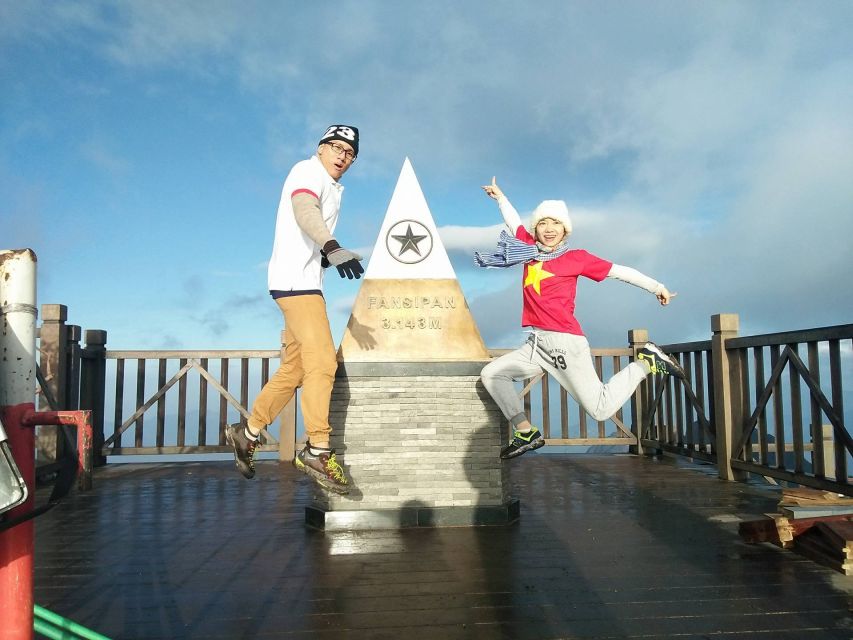
At the top, you have reached 3,143 meters, the highest point in Vietnam. Take time to enjoy the achievement, but remember that reaching the marker is only half of day two. The descent begins around 8:00 AM.
The summit section includes steep steps and rocky terrain. If your legs are tired, the descent can be harder than the climb. Ask your guide about the cable car option before you are in serious trouble. The information supplied gives two prices, 800,000 VND for a cable-car ticket and about 700,000 VND for a descent arranged by the guide, so confirm the current amount before relying on this option.
The long descent back to Tram Ton
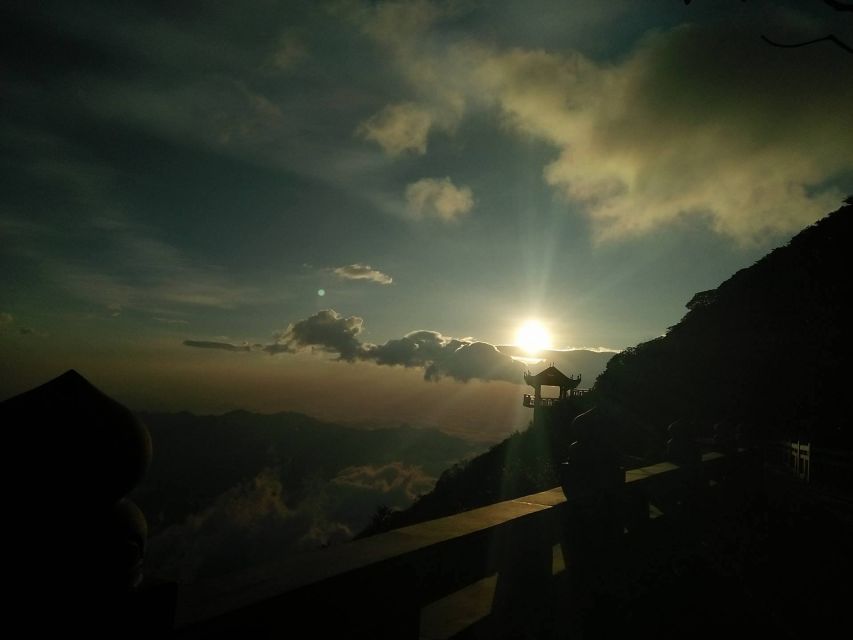
After the summit, you retrace the route toward Tram Ton. A picnic lunch is served on the way down, which is welcome because you still have several hours of walking ahead.
Descending sounds easier than climbing, but steep steps, loose rocks, and ladders can punish knees and ankles. Trekking poles would be useful, although they are not listed among the inclusions. Good shoes with a firm sole are essential. Sandals and worn sneakers are poor choices for this route.
You should reach Tram Ton between 3:30 and 4:30 PM. A vehicle then takes you back to Sa Pa, where another hot shower is available at the office. That shower may sound like a small detail, but after two days on the mountain, it is one of the most practical benefits of the arrangement.
Your onward bus or train to Hanoi is not included. You pay for transport from Sa Pa yourself, so leave enough time and do not schedule a tight connection immediately after the return.
What the $120 price really covers
At $120 per person, the tour offers solid value if you want a supported trek rather than an independent attempt. The fee includes an English-speaking guide, entrance fee, permit, transport to and from Tram Ton, two lunches, one dinner, one breakfast, 1.5 liters of water per day, a porter, sleeping equipment, and hot showers before and after the trek.
The porter service is especially useful. Carrying food and sleeping bags up the mountain is real work, and it lets you save energy for the steep route. The guide also handles the permit and helps with timing, meals, and the route.
The price does not include drinks, VAT, travel insurance, the cable car, or transport from Sa Pa to Hanoi. There is also a $70 Lunar New Year surcharge from January 26 to February 2, 2025, according to the supplied details. A solo traveler pays $230 for a private tour, rather than the standard shared price.
I would compare this cost with the effort saved by having food, permits, transport, and equipment arranged. The value is good for someone who wants a guided summit attempt without organizing every part independently. It is less attractive if you mainly want the view and do not care about hiking, since the cable car is the easier choice.
Who should take this trek
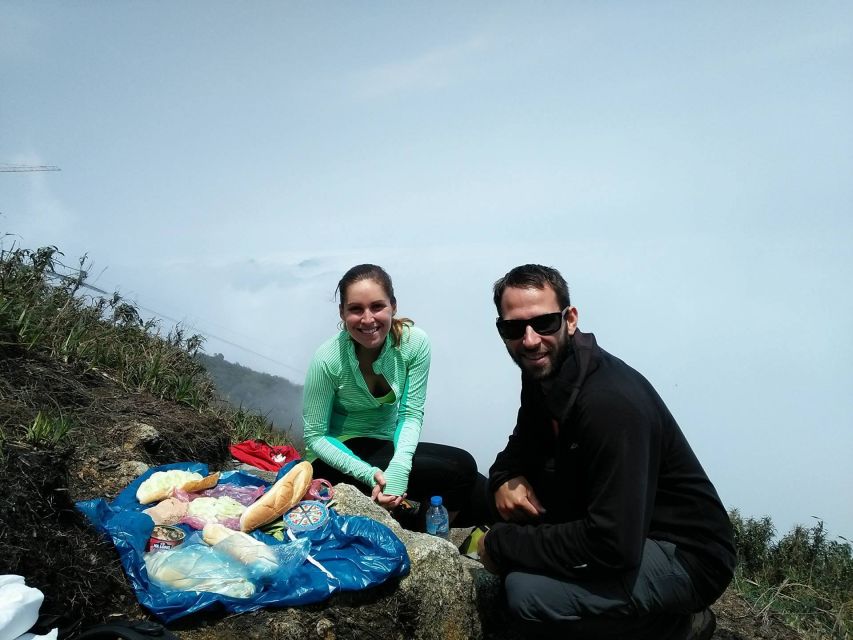
This trip suits fit adults who are comfortable walking for long hours on steep, uneven ground. It can be done by older hikers with good fitness, but the route should not be treated casually. One 60-year-old father completed it with his adult child, yet that does not make it easy for everyone in that age group.
The operator advises elderly people not to take the long trek, and the activity is not suitable for children under 17 or people with disabilities. You should also consider how you handle cold nights, basic accommodation, early starts, and changing weather.
I would choose this trek if you want a real mountain day, local cultural context, and the satisfaction of walking to the highest point in Vietnam. I would not choose it if you dislike steep trails, shared sleeping areas, or the possibility of a cold night in simple conditions.
Practical advice for a smoother climb
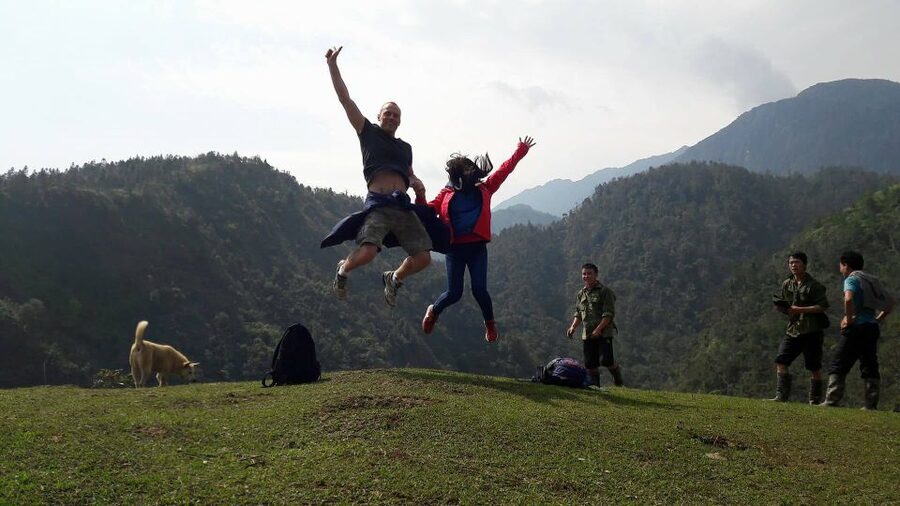
Wear broken-in hiking shoes with strong grip. Bring layers rather than one heavy coat, because you may warm up while walking and cool down quickly at camp.
Carry a small daypack with personal medication, sunscreen, a rain layer, tissues, a headlamp, and extra snacks. The included water is 1.5 liters per day, but you should ask how much additional water is available and decide if you need more.
Tell the operator about food allergies or vegetarian needs before the trek. Meals are included, but the kitchen is working in a remote setting and needs warning in advance.
Keep your main luggage at the Sa Pa office. Pack for the mountain, not for the whole holiday. Your porter carries food and sleeping bags, but you remain responsible for your own day-to-day items.
Finally, pace yourself from the first hour. The guide may stop for views and photos, but you should speak up if you need a slower pace, more water, or a longer rest. The strongest part of this trip is not speed. It is arriving at the summit with enough energy to enjoy it.
Should you book the Fansipan trek?
Book it if standing on Vietnam’s highest peak matters to you and you want the challenge handled with a guide, porter, meals, permits, and transport. The local support, strong food, sunrise timing, and post-hike shower make the $120 price reasonable.
Skip it if you mainly want a quick summit photo, need comfortable accommodation, or have concerns about a 26-kilometer route with steep rocks, ladders, and cold sleeping conditions. In that case, the cable car is a better fit.
For the right person, this is a demanding but memorable way to meet Fansipan: slowly, on foot, with forest under your boots and Sa Pa far below.
FAQ
Where does the Fansipan trek start?
You meet at the Vietnam Nomadtrails office at No. 013 Tue Tinh Street in Sa Pa town, Lao Cai, Vietnam. Transport then takes you to Tram Ton Pass, the trailhead.
How high is Fansipan?
Fansipan reaches 3,143 meters and is the highest peak in Vietnam.
What meals are included?
The tour includes two lunches, one dinner, and one breakfast. Breakfast is served at about 5:00 AM on day two, with hot tea or coffee.
Where do you sleep?
Accommodation consists of a sleeping bag, hut, or tent near 2,800 meters. The setup is basic, and temperatures can fall to around zero degrees.
Can I take the cable car down?
Yes. If you are too tired to descend on foot, you can ask the guide to arrange a cable-car ticket. The supplied information lists an additional cost of about 700,000 VND for the descent and also lists a cable-car ticket price of 800,000 VND, so confirm the current fare.
Is transport from Sa Pa to Hanoi included?
No. The tour returns you to Sa Pa, but your bus or train from Sa Pa to Hanoi is your own expense.
New treks around Sa Pa
- Sapa: 2-Day Local Guided Valley Trek with Night Homestay★ 5.0 · 27 reviews
- SAPA: 1-DAY TREKKING TOUR WITH LOCALS, LUNCH & RICE FIELDS★ 4.7 · 18 reviews
- Sapa: 2-Day Local Guided Valley Trek with Night Homestay★ 4.8 · 5 reviews
- Sa Pa: Fansipan Peak One Day Trek with Local Guide★ 5.0 · 7 reviews
- Red Dao Village Trek and Herbal Bath★ 4.7 · 3 reviews
- Private Hoang Lien National Park & Tribal Village Trek★ 4.7 · 30 reviews
- Sapa: Private Muong Hoa Valley and Homestay Trekking 2-Day★ 4.8 · 4 reviews
- From Sapa: Muong Hoa Valley View & Village Trek 1-Day★ 5.0 · 21 reviews
Fansipan Treks, side by side.
From Hanoi: 2-Day Sapa-Fansipan Peak & Trek & Ha Giang Bus
Read our review →
From Hanoi: 3 Days Luxury Sapa Trek & Fansipan Peak with Dcar
Read our review →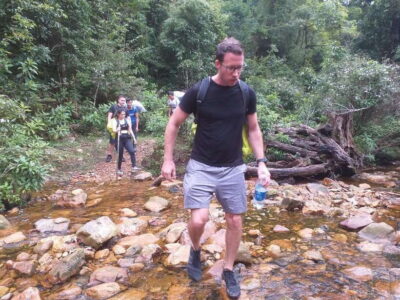
2 Night Lao Chai-Ta Van Homestay- Trekking & Fansipan Visit
Read our review →
Sa Pa: Fansipan Peak One Day Trek with Local Guide
Read our review →
From Hanoi: 2-Days Sapa Trek Lao Chai/Cat Cat, Fansipan Peak
Read our review →Lists this trek appears in