
Review · SAPA
1 day Fansipan Trekking
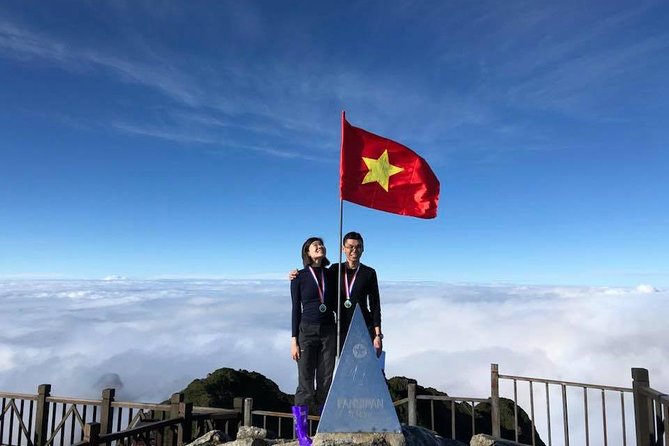
Fansipan is not a gentle scenic walk. It is a full-day mountain push from Tram Ton Pass to the 3,143-meter summit, with about 1,600 to 1,700 meters of climbing over roughly 24 kilometers round trip. I like that the private format lets your guide set the pace, and that transport, lunch, water, entry fees, insurance, and even a summit medal and certificate are included.
I also like the practical support. Guides such as Cho, Choo, Sinh, Chi, and Ms Ho have been praised for patience, careful footing advice, and encouragement when the trail gets steep. The catch is clear: this is a very hard hike, not a casual day out, and the cable car down costs extra.
Key points to know before booking
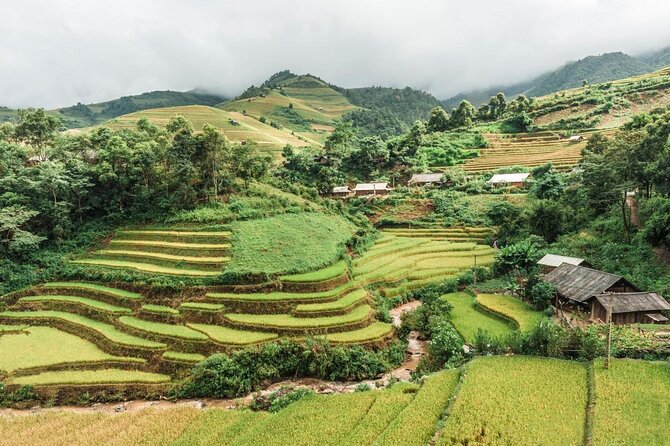
- A serious 10 to 12-hour climb: You gain up to 1,700 meters and cover about 24 kilometers on foot.
- Private guiding: Only your group joins, so the guide can adapt the pace and breaks to you.
- A 6:00 am start: Hotel pickup takes you to Tram Ton Pass, the trailhead at about 2,000 meters.
- Useful inclusions: Picnic lunch, 1.5 liters of water, transport, entry fees, insurance, medal, and certificate are covered.
- Cable car choice: You can walk back down the same route or pay separately for the cable car.
- Best for fit hikers: The final section is particularly steep, and strong physical fitness is required.
Fansipan is a mountain day, not a sightseeing stroll
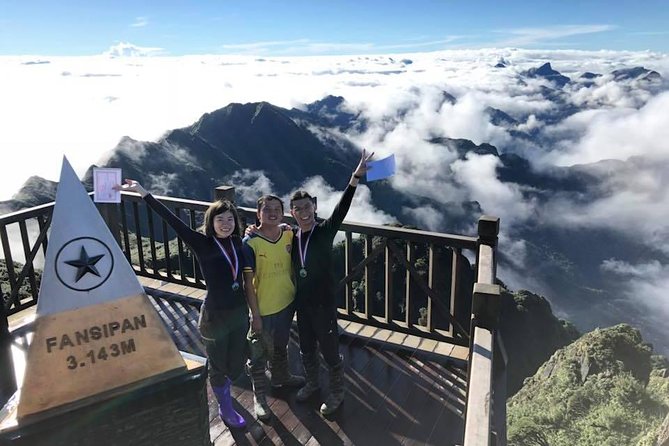
Fansipan rises to 3,143 meters and is the highest peak in the Indochina peninsula. From Sapa, it can look like an easy box to tick, especially because a cable car serves the summit area. This tour is a different proposition. You earn the summit on foot.
The advertised route runs from Tram Ton Pass to Fansipan and back, about 24 kilometers in total. You climb from roughly 2,000 meters to the summit, gaining around 1,600 to 1,700 meters. The walking time is usually given as 10 to 12 hours, though the full activity can stretch to 13 hours depending on pace, breaks, and conditions.
I would take the physical demands seriously. Several people with recent marathon experience still found the climb tough, and some groups needed more than seven hours just to reach the top. That does not mean you need to be an athlete, but you should be comfortable with long uphill walks and repeated steep sections.
The private setup is a real advantage. You are not tied to the pace of a large group, and guides have adjusted the day for slower walkers, frequent rests, and different fitness levels. It remains a hard hike, but you are less likely to feel pushed along by strangers.
More Fansipan treks around Sapa:
- 2 Days Fansipan Trekking
★ 5.0 · 84 reviews - 2-Day Fansipan Mountain Trek – Indochina’s Highest Peak
★ 4.3 · 42 reviews - From Sa Pa: Full Day Trek of Fansipan Mountain
★ 4.3 · 10 reviews
The 6:00 am ride to Tram Ton Pass
The day begins early. You arrange your own breakfast, then leave Sapa at about 6:00 am by car. If you are booking alone, transport may be by scooter instead. Tram Ton Pass sits at approximately 2,000 meters and marks the start of the walking route.
Round-trip hotel transfers are included, which removes one small but annoying part of the morning. You do not need to find a taxi before sunrise or work out how to reach the trailhead. The return transfer brings you back to the meeting point after the hike, though the exact end time depends on how quickly your group moves.
The vehicle arrangement has received particularly positive attention. A clean, comfortable pickup has been used for some departures, and the transport team has also helped with onward plans. If you have a night bus or train later, tell the operator in advance, but do not schedule anything too tightly after a 10 to 12-hour mountain day.
Start with a proper breakfast. The included food begins later on the trail, and you will need energy before the first climb. Bring extra snacks if you normally eat between meals, since the included 1.5 liters of water and picnic lunch are helpful but not a substitute for your own preferred supplies.
Bamboo, old trees, streams, and the first long climb
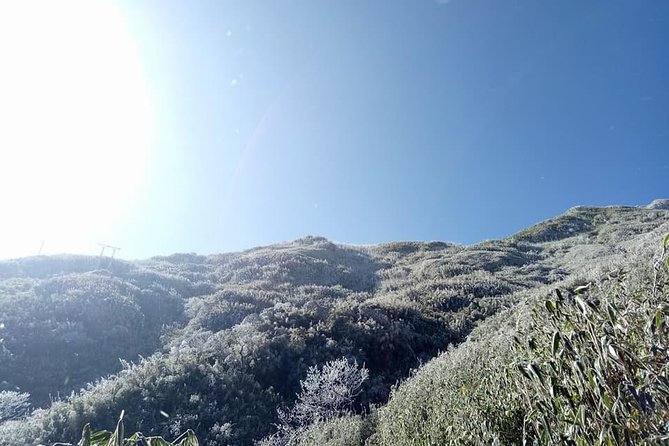
From Tram Ton Pass, the path heads through bamboo and older forest, with flowers and streams along the way. This opening section gives you changing scenery rather than one long exposed staircase. You may also hear about plants, animals, and local details from your guide as you walk.
The forest does not make the route easy. You are climbing almost continuously, and the total distance begins to matter well before the summit. The guide’s job is more than pointing toward the peak. Guides including Sinh, Cho, Choo, and Ms Ho have been praised for showing careful ways around slippery or muddy patches, keeping a steady pace, and offering encouragement when the legs start to fade.
Trail conditions can change with the weather. One important practical point is footwear. You need shoes with a firm grip, not casual sneakers with smooth soles. Rain protection is also sensible. Raincoats have been provided on some outings and kept by participants, but I would confirm this before depending on it.
The route is a better fit for someone who enjoys the act of hiking than for someone focused only on the summit photograph. The forest, streams, flowers, and changing views are part of the reward. If clouds cover the upper mountain, the walk can still be worthwhile, but you should not book it only for guaranteed wide views.
The 2,800-meter lunch stop
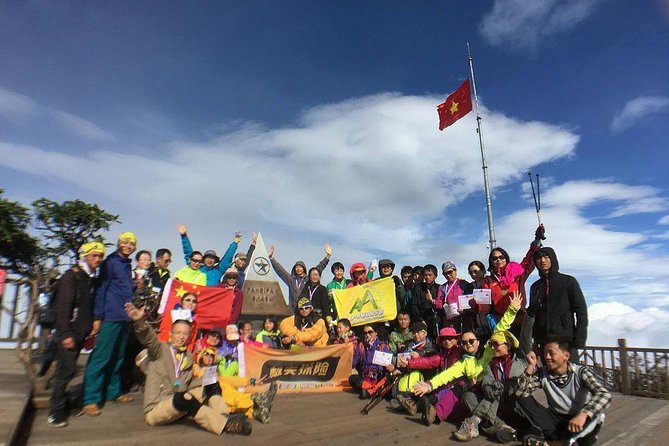
Lunch is served around the camping site at approximately 2,800 meters. This is a useful pause because the hardest part of the climb is still ahead, and a mountain lunch gives you time to recover before the final push.
The picnic lunch is included, along with 1.5 liters of water. Meals have been described as tasty, and vegetarian diets have been accommodated. Tell the operator about dietary needs before the hike so the food can be arranged properly.
Do not treat the lunch stop as a long rest day. You are already high, and the summit section still involves serious climbing. Use the break to eat, drink, adjust layers, and check your feet. A few minutes spent dealing with hot spots or wet socks can save a great deal of discomfort later.
The altitude also becomes more noticeable here. A participant described symptoms of altitude sickness during the climb. I cannot predict how your body will react, so take any warning signs seriously and tell the guide promptly. Good fitness helps with the effort, but it does not guarantee an easy response to altitude.
More one-day treks around Sapa
- From Sapa: 1-Day Guided Trek to Lao Chai & Ta Van with Lunch
★ 4.9 · 416 reviews - Sapa 1 Day Long Trek: Trek to Hau Thao and Sa Seng Villages
★ 4.6 · 344 reviews - 1-day Authentik trek & Panorama valley views
★ 5.0 · 189 reviews - Sapa 1 day trek with local guide to the village by Comlam
★ 5.0 · 148 reviews
The final steep section to 3,143 meters
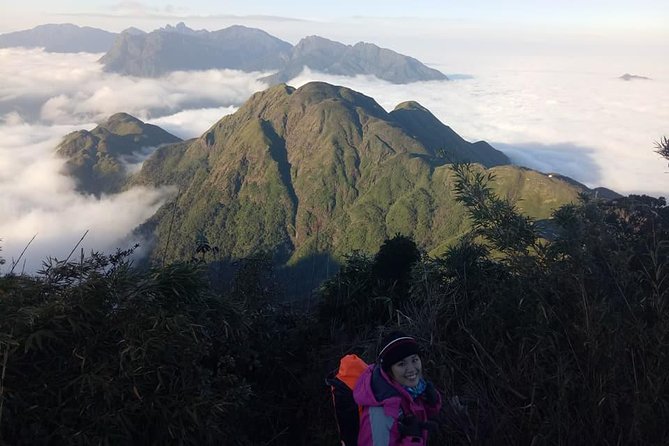
The last third is where many hikers feel the route change. The climb becomes steep quickly, and breaks become more frequent. One estimate puts the ascent at about five hours for a fast group with breaks, while other groups have taken seven hours or more. Both figures can be realistic because pace makes a major difference.
This is where the private guide matters most. You can stop without holding up a busload of people, and the guide can stay close on awkward ground. Guides such as Cho and Chay have been praised for patience and safety, while Ms Ho has helped hikers by explaining plants and local details along the way.
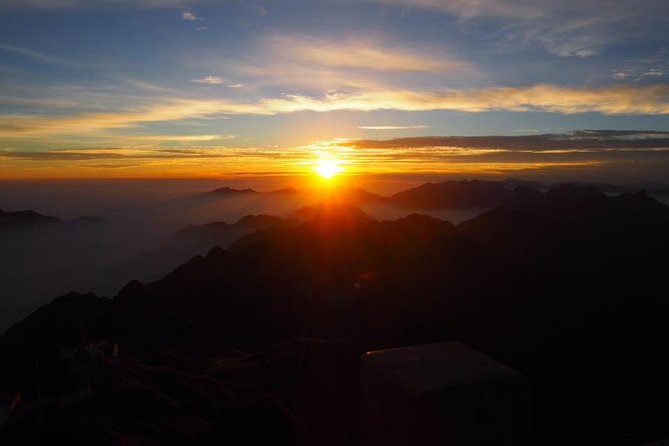
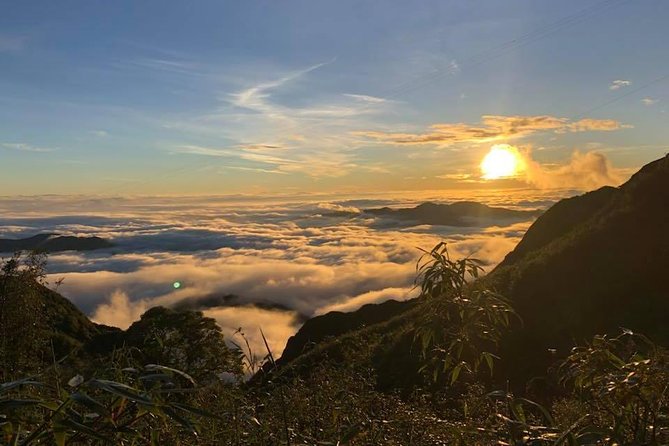
The summit may appear through cloud, or you may get clear views over Sapa and the surrounding mountains. Conditions are not guaranteed. One group reached the top in cold weather around 7 degrees Celsius, while another had cloud cover but still found the climb worthwhile.
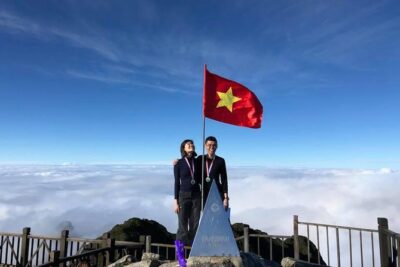
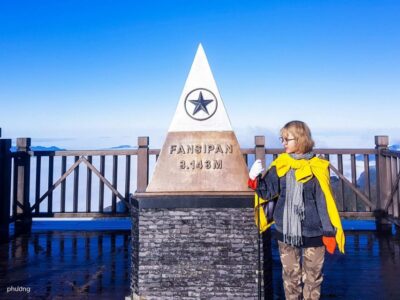
At the top, the medal and certificate provide a simple souvenir of the effort. The more valuable reward is the sense that you reached Fansipan by your own legs. This is especially satisfying if you have come to Sapa mainly for a physical challenge rather than a cable car outing.
Walking down or paying for the cable car
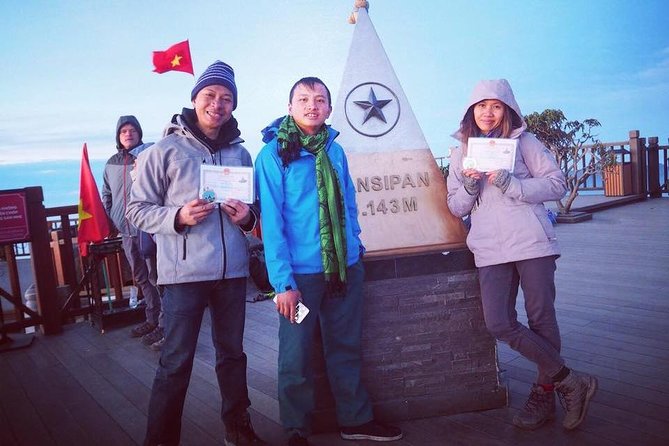
The tour includes the climb and the return route, but the cable car ticket is not included. You can either descend on foot along the same trail or arrange the cable car down for an additional fee.
Walking down keeps the day fully on foot and avoids another cost, but it adds many hours and puts strain on tired knees. The descent can also be awkward on steep or slippery ground. If your priority is completing the climb without turning the day into an even longer endurance test, the cable car is a sensible upgrade.
Several groups have taken the cable car after reaching the summit and found the process manageable with directions from the guide. If you choose this option, ask exactly where to go and how the ticket works before leaving the summit area. You are responsible for that extra fare.
The cable car choice also affects your return timing. Walking back follows the same route and can extend the day considerably. Taking the cable car gives you a faster finish, followed by the included transfer back to Sapa.
What the $80 price really covers
At $80 per person, this is not simply a guide fee. The price includes an English-speaking guide, hotel transfers, the entrance fee, picnic lunch, 1.5 liters of water, insurance, and the medal and certificate. For a private group, that is a useful bundle.
The strongest value comes from the logistics. You do not need to arrange transport to Tram Ton Pass, find the trail entrance, carry a full day’s food, or manage the route alone. A good guide also adds practical value by pacing the walk and helping you handle steep or slippery sections.
The price does not include tips, personal expenses, or the cable car. Budget for the cable car if you think you will want an easier descent. You should also bring your own snacks and any extra drink you normally need, especially if you are a slow walker.
Group discounts are available, which can make the cost more attractive for friends or families booking together. Since the activity is private, the price may feel more reasonable when shared across two or more people than when booked alone.
The experience has a 99 percent recommendation rate and a five-star rating based on 180 ratings, with more than five bookings recorded in the last month. Those figures suggest strong satisfaction, but they do not change the central fact: the tour earns its value through effort.
Guides, communication, and the private format
The operator is Sapa Original Trek, with Mr Tinh handling arrangements for many bookings. Communication has been prompt in the experiences provided, including reminders, pickup coordination, and advice before the hike.
Guide names vary. You might be assigned Cho, Choo, Sinh, Chi, Chay, Ms Ho, or another English-speaking local guide. The most useful quality is not a fixed personality or a particular name. It is the ability to keep you safe, read your pace, explain the route, and stay calm when the climb gets hard.
The private format means only your group participates. That gives you room to stop for photographs, catch your breath, or move more quickly when you feel strong. It also makes this a better choice than a large group if members of your party have different walking speeds.
Some operators have gone beyond the basic transfer. A driver has helped with a shower after the hike, taken people to a bus station, and offered local directions. These extras are not guaranteed parts of the tour, so regard them as possible help rather than promised inclusions.
Who should book this Fansipan trek?
Book it if you want to reach Fansipan on foot and are ready for a long, steep day. It suits hikers with strong fitness, people who enjoy demanding climbs, and visitors who value a private guide over a cheaper large-group departure.
It can also work for a fit parent and adult child, provided both understand the effort involved. The guide can slow the pace and add breaks, but nobody can remove the 24-kilometer route or the elevation gain.
Think twice if you dislike steep inclines, have limited hiking experience, or want a relaxed mountain outing. The cable car offers an easier way to see the summit, while this tour is about the climb itself. Anyone concerned about altitude should be particularly cautious and discuss symptoms with the guide as soon as they appear.
Free cancellation is available up to 24 hours before the 6:00 am start time. Changes or cancellations inside that period are not accepted for a refund.
Should you book it?
I would book this trek if the sentence I want to climb Fansipan matters more to you than I want to see Fansipan. The private guide, included transport, lunch, water, entry fee, and flexible pace make the $80 cost reasonable for a demanding full-day outing.
Choose the cable car down if you want to protect your knees or keep the day from becoming even longer. If you are fit, patient, and prepared for steep ground, this is a strong way to experience Fansipan with real effort behind the summit certificate.
FAQ
How long does the Fansipan trek take?
The trek takes approximately 10 to 12 hours, though the full activity can last up to 13 hours. Timing depends on your group’s pace, rest breaks, and conditions on the trail.
What time does the tour start?
Pickup and departure are scheduled for 6:00 am. You should eat breakfast before leaving because breakfast is not included.
How far is the walking route?
The route covers about 12 kilometers each way, or approximately 24 kilometers round trip. The trail climbs from Tram Ton Pass at around 2,000 meters to Fansipan’s 3,143-meter summit.
Is the cable car included?
No. The cable car ticket is an extra cost. You can use it for the descent or walk back down along the same route.
What is included in the tour price?
The price includes an English-speaking guide, picnic lunch, 1.5 liters of water, transport by car, or scooter if one person is traveling, the entrance fee, insurance, a medal, and a certificate.
Is this a private tour?
Yes. Only your group participates, and an English-speaking guide leads the hike. The tour requires a strong level of physical fitness.
New treks around Sapa
- Sapa: 2-Day Local Guided Valley Trek with Night Homestay★ 5.0 · 27 reviews
- SAPA: 1-DAY TREKKING TOUR WITH LOCALS, LUNCH & RICE FIELDS★ 4.7 · 18 reviews
- Sapa: 2-Day Local Guided Valley Trek with Night Homestay★ 4.8 · 5 reviews
- Sa Pa: Fansipan Peak One Day Trek with Local Guide★ 5.0 · 7 reviews
- Red Dao Village Trek and Herbal Bath★ 4.7 · 3 reviews
- Private Hoang Lien National Park & Tribal Village Trek★ 4.7 · 30 reviews
- Sapa: Private Muong Hoa Valley and Homestay Trekking 2-Day★ 4.8 · 4 reviews
- From Sapa: Muong Hoa Valley View & Village Trek 1-Day★ 5.0 · 21 reviews
Fansipan Treks, side by side.
From Hanoi: 2-Day Sapa-Fansipan Peak & Trek & Ha Giang Bus
Read our review →
From Hanoi: 3 Days Luxury Sapa Trek & Fansipan Peak with Dcar
Read our review →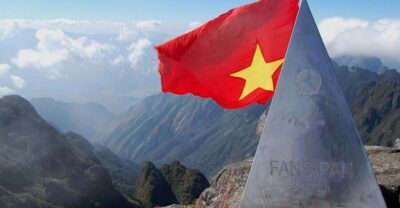
2-Day Fansipan Mountain Trek – Indochina’s Highest Peak
Read our review →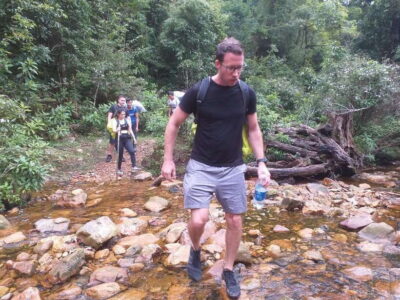
2 Night Lao Chai-Ta Van Homestay- Trekking & Fansipan Visit
Read our review →
Sa Pa: Fansipan Peak One Day Trek with Local Guide
Read our review →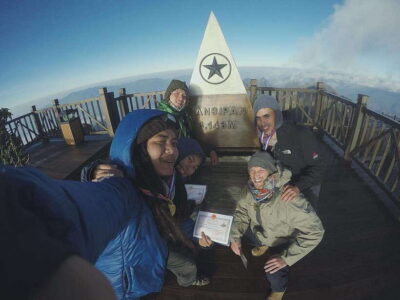
Lists this trek appears in