
Review · SAPA
Fansipan Trekking – 1 Day
Fansipan is not a gentle hill walk. This is a 24-kilometer mountain trek from Tram Ton Pass to Vietnam’s highest summit and back, with roughly 1,400 to 1,600 meters of climbing. You start before breakfast, cross forest and rough ground, eat lunch at a high camping site, and may reach the top around midday.
I like the small private-group format, which gives your guide room to set the pace. I also like the local connection: guide Mr Cho is described as a member of a local tribe who climbs Fansipan several times a week and shares stories about the forest and his life. The main catch is simple: this is a very hard day, not a casual Sapa outing.
Key points before you book
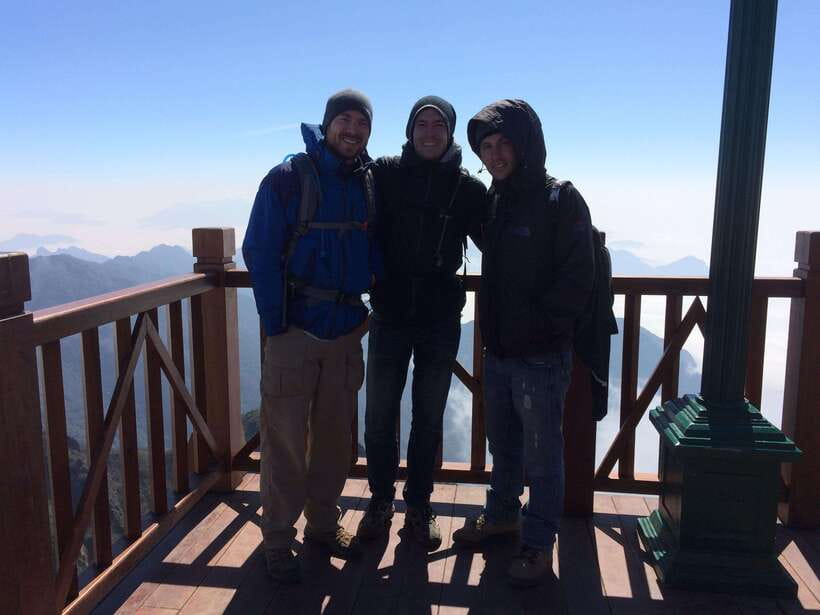
- 24 kilometers on foot: The route covers about 12 kilometers each way, usually in 10 to 12 hours.
- Early start from Sapa: Pickup is around 5:30 or 6:00 in the morning from hotels in central Sapa.
- High-altitude finish: Fansipan reaches 3,143 meters, with cold, quick-changing weather even in summer.
- Picnic lunch at 2,800 meters: Your guide carries bread, fried chicken, eggs, vegetables, fruit, and snacks.
- Cable car escape route: You may buy your own cable car ticket down to Sapa instead of trekking back.
- Best for strong hikers: Children under 14, pregnant women, and people over 70 should not book this activity.
Reaching Fansipan the hard way
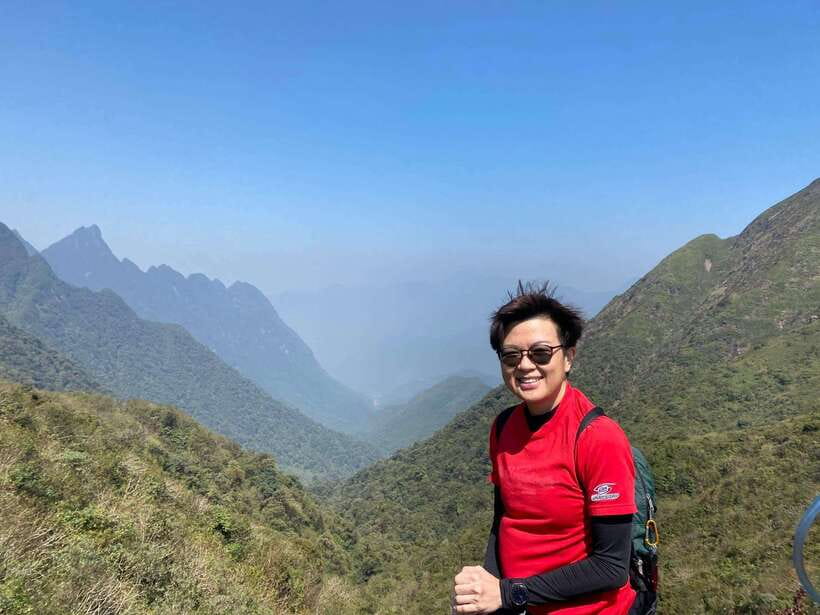
Most visitors see Fansipan from a cable car or from Sapa’s streets. This tour takes the old-fashioned route. You leave Sapa by car, or by scooter if you are alone, and reach Tram Ton Pass at about 2,000 meters above sea level. That is where the walking begins.
The summit is only one part of the challenge. You must gain another 1,400 to 1,600 meters and then decide whether your legs can handle the same route in reverse. The distance is about 12 kilometers each way, making this one of the toughest single-day activities around Sapa.
I like that the tour makes the difficulty clear. You are not being sold a short scenic walk with a dramatic name. You are signing up for a full mountain day, often lasting 10 to 12 hours. A quick, strong hiker may move faster, but you should plan your whole day around this outing.
The private format helps. Your guide can watch your pace and wait when needed rather than forcing you to match a large group. Still, a private guide does not make the trail easy. You need stamina, steady footing, and the mental patience to keep climbing after the first few hours.
More Fansipan treks around Sa Pa:
- 1 day Fansipan Trekking
★ 5.0 · 180 reviews - 2 Days Fansipan Trekking
★ 5.0 · 84 reviews - 2-Day Fansipan Mountain Trek – Indochina’s Highest Peak
★ 4.3 · 42 reviews
5:30 AM pickup and the road to Tram Ton Pass
Pickup is scheduled for around 5:30 or 6:00 AM at hotels in central Sapa. Hotels and homestays in surrounding villages are not included in the pickup area, so check your address before booking. If you are traveling alone, transport may be by scooter rather than car.
The ride to Tram Ton Pass gets you above much of the built-up area before the hike starts. At approximately 2,000 meters, you begin with a useful advantage, but you are still facing a long climb to the summit.
An early departure matters for two reasons. First, it gives you the best chance of reaching the top before the day becomes too late. Second, it leaves some daylight for the return. The stated finish in Sapa is around 5:00 to 6:00 PM if you walk back, though your exact time depends on your speed and the weather.
Bring cash, even though the main package is paid for in advance. The cable car is not included, and you pay for that separately if you choose to descend that way.
Bamboo forest, old trees, flowers, and streams
The route from Tram Ton Pass leads through bamboo and old forest. You can expect changing ground, tree roots, streams, and sections where the trail feels more like a mountain route than a maintained park path. Colorful flowers add interest, but this is still a physical climb first and a sightseeing walk second.
A local English-speaking guide adds value here. Mr Cho is identified as a local tribal guide who climbs Fansipan several times a week. That sort of regular route knowledge is useful on a long day, especially when conditions change quickly.
You can also expect some local context along the way. Mr Cho has shared information about the forest and his own life, which gives the trek a more personal feel than simply following signs toward a summit. The guide is there to manage the route, carry the picnic lunch, and keep the day moving, but you should still ask questions if you want more detail about the plants, forest, or local communities.
The trail is not described as dangerous in wet weather, but rain can make the day harder. Wear proper hiking shoes, not smooth-soled trainers. A bamboo walking stick may be available in the forest, and the tour information suggests you can find one along the route. A stick can help with balance on uneven ground, though it is no substitute for good footwear.
Lunch at 2,800 meters
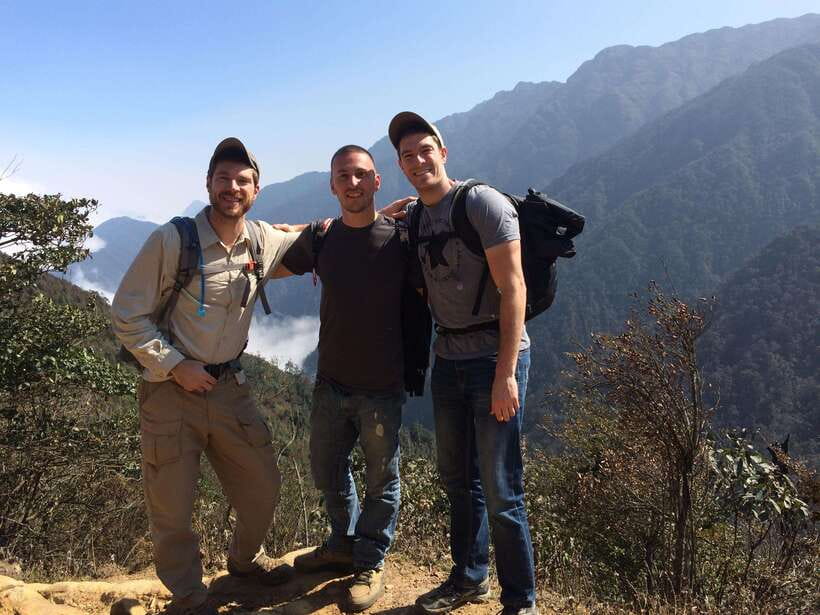
The picnic lunch is served around a camping site at roughly 2,800 meters. Your guide carries it, which saves you from packing a full meal on top of your water and clothing.
The standard food includes bread, fried chicken, eggs, tomato, cucumber, two kinds of fresh fruit, and small Vietnamese snacks. This is practical mountain food rather than a hot restaurant meal. You can request a change if you have allergies or need vegetarian food, but you should provide those details when booking.
Lunch timing depends on your pace. The group may reach the camping site at a different hour than planned, so carry a snack of your own if you know you need regular food. The tour provides 1.5 liters of water per person, but you carry it yourself. For a 10 to 12-hour trek, that supply may feel tight, so ask about additional water before setting off if you normally drink heavily during exercise.
The lunch stop is also an important rest point. Do not treat it as a long break if you still need to reach the summit and return before dark. Eat enough, adjust your layers, and check your rain gear before moving on.
More one-day treks around Sa Pa
- From Sapa: 1-Day Guided Trek to Lao Chai & Ta Van with Lunch
★ 4.9 · 416 reviews - Sapa 1 Day Long Trek: Trek to Hau Thao and Sa Seng Villages
★ 4.6 · 344 reviews - 1-day Authentik trek & Panorama valley views
★ 5.0 · 189 reviews - Sapa 1 day trek with local guide to the village by Comlam
★ 5.0 · 148 reviews
The final climb to Vietnam’s highest point
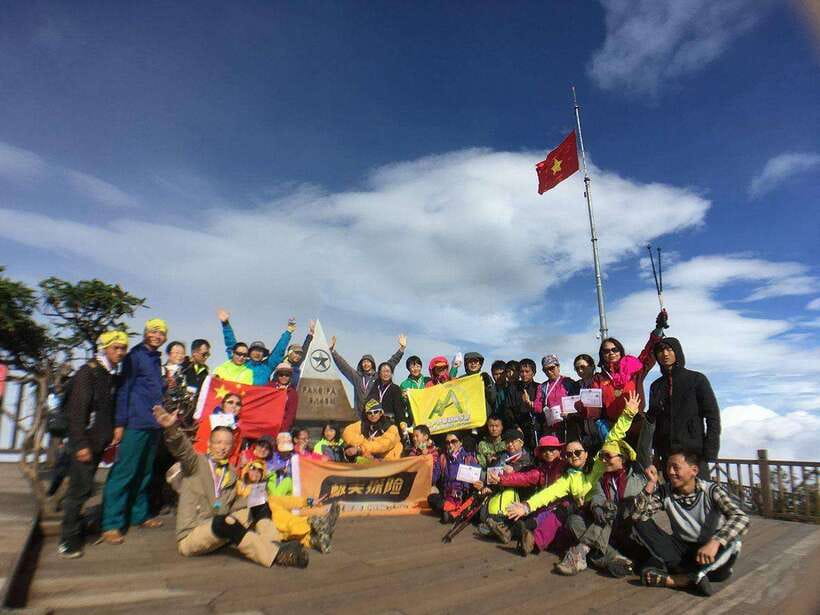
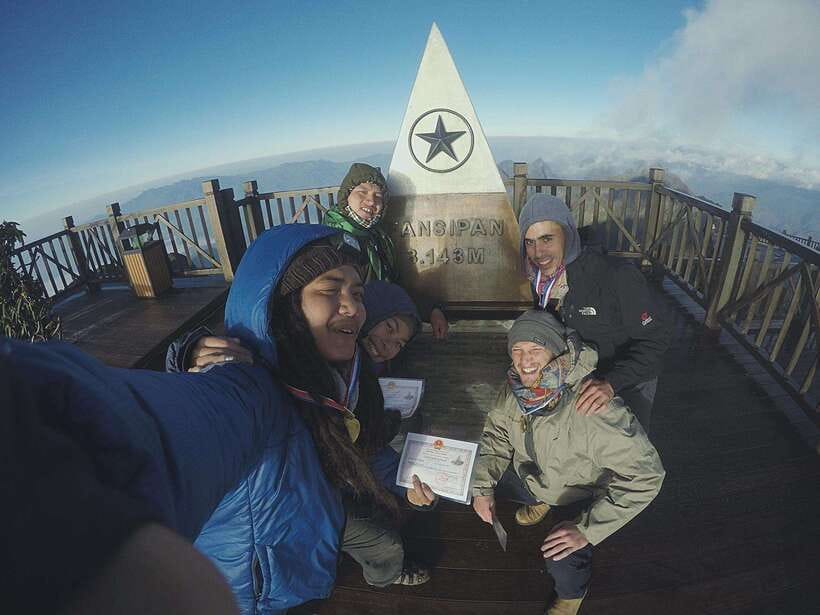
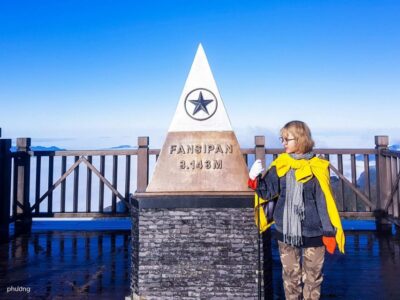
Fansipan rises to 3,143 meters and is the highest mountain in Vietnam and on the Indochina peninsula. The summit is the reward, but the final approach can feel long because you have already spent hours climbing.
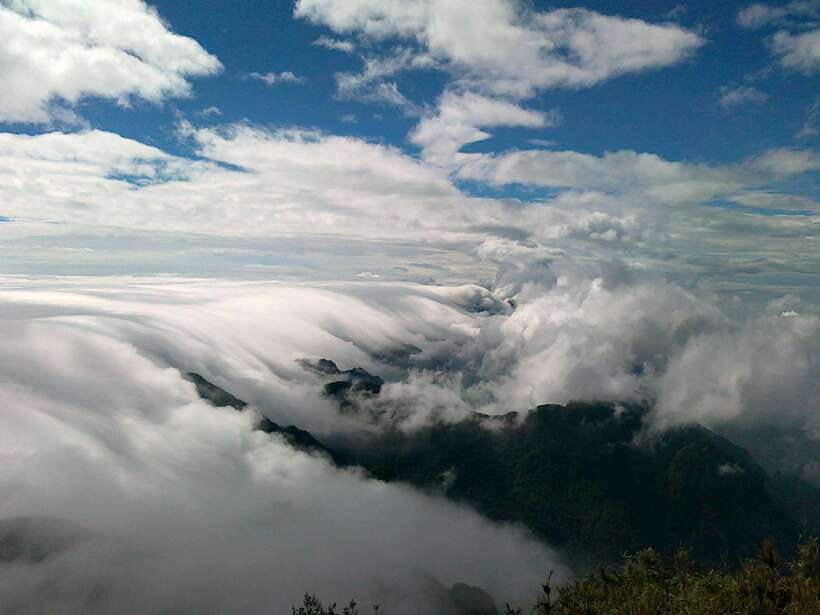
The expected arrival time is around noon or 1:00 PM, depending on your speed. From the top, you may see Sapa and the mountains along the Vietnam-China border. Clear weather gives you the best chance of wide views and strong photographs, but mountain conditions are not guaranteed.
This is where the weather can change your experience. From November through April, temperatures are listed at roughly minus 2 to 12 degrees Celsius. Conditions may be sunny, misty, or lightly rainy. From May through October, temperatures are listed at about 5 to 15 degrees, with possible heavy rain and mist.
Summer does not mean warm summit conditions. Fansipan can still feel cold at altitude, and wet clothing can become uncomfortable fast. Pack warm layers even if Sapa feels mild when you leave. A waterproof bag protects your phone, documents, and spare clothes.
At the summit, you can take photos, rest, and enjoy the views. Do not linger too long if your plan is to walk back. The guide may encourage a steady pace, and that is sensible. One account describes the guide moving ahead and waiting regularly, which could motivate a strong hiker but feel discouraging if you are struggling. Tell the guide early if you need to slow down or take a break.
Walking back or taking the cable car
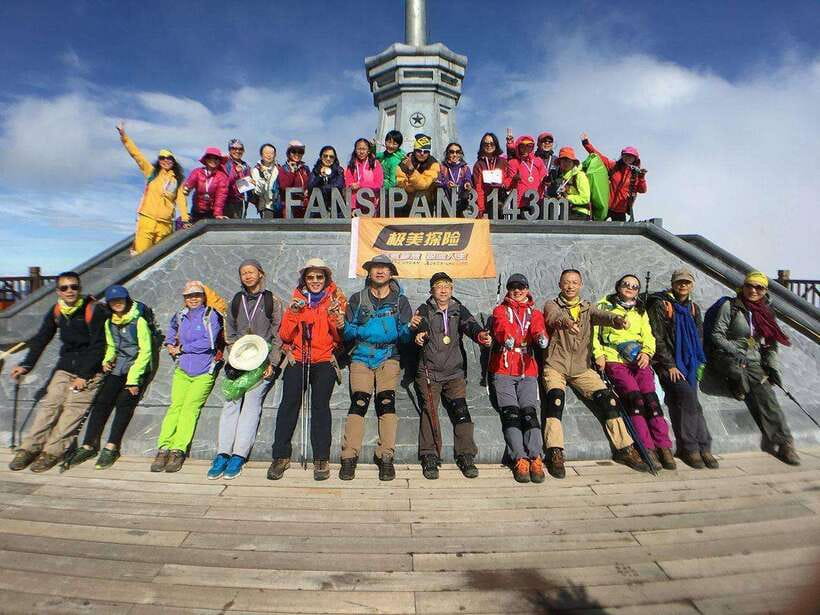
You have two ways to finish the day. The demanding option is to walk back along the same route to Tram Ton Pass, where your car or scooter takes you to Sapa. This usually gets you back around 5:00 to 6:00 PM, depending on your pace.
The alternative is to buy a cable car ticket yourself and descend to Sapa. The cable car can cut several hours from the return and may get you back around 2:00 to 3:00 PM, again depending on your summit arrival and the operating schedule. The ticket is not part of the tour price.
This choice changes the character of the day. Walking both ways gives you the full physical challenge and keeps the route consistent from start to finish. Taking the cable car is a smart backup if your knees, feet, or energy are failing. It is also useful if mist or rain makes the return less appealing.
Do not assume you can decide at the last second without considering timing. Ask the operator about the cable car arrangement and ticket price before departure, since that cost is separate. If you are determined to complete the full trek, understand that the return can be as tiring as the climb. One account describes roughly six and a half hours to reach the summit, including lunch, followed by about five and a half hours back down.
What the $77 price covers
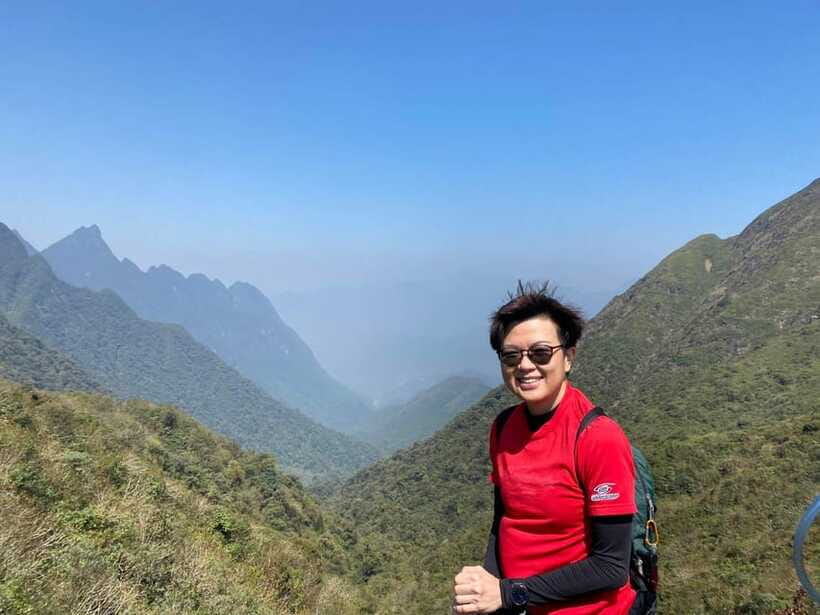
At $77 per person, the tour includes an English-speaking guide, picnic lunch, 1.5 liters of water, transport from central Sapa, entrance fees, insurance, and a medal and certificate. The private-group setup is the most important value point. You are paying for personal guiding and transport as well as the hike itself.
The package also includes entry to Fansipan Mountain, so you are not handling the main entrance fee separately. The medal and certificate are small extras, but they make a pleasant souvenir after a difficult day.
The price does not include the cable car. That matters because the cable car is the practical backup for anyone who finds the return too demanding. Budget for it separately if you want that option available.
You also provide personal equipment. Warm clothes, hiking shoes, rain gear, sunscreen, gloves, a hat, long trousers, toilet paper, a headlamp, and a waterproof bag are all listed as useful items. You carry your own backpack and water, so keep the load sensible.
Weather, clothing, and physical demands
The temperature range tells you more than the calendar does. Fansipan can be cold in winter and still cold in summer. Rain is possible throughout the year, and the weather can shift quickly.
Use layers rather than one heavy coat. A warm base layer, insulating layer, and waterproof outer layer give you more control. Pack gloves and spare socks. Wet feet can turn a hard day into a miserable one.
A headlamp is listed among the things to bring. The planned schedule aims to finish before dark, but delays can happen on a long route. A headlamp is light and useful insurance.
This trek is not suitable for children under 14, pregnant women, or people over 70. Those restrictions are sensible given the distance, elevation gain, uneven trail, and long return. The trip is best for a fit adult who already knows that a full-day hike is within their ability.
The tour has a perfect five-star rating from three recorded reviews, with especially strong praise for the organization, pickup and drop-off, and the guides’ care. That is encouraging, but the small number of ratings means you should focus more on the clear physical demands than on the score.
Who should book this Fansipan trek?
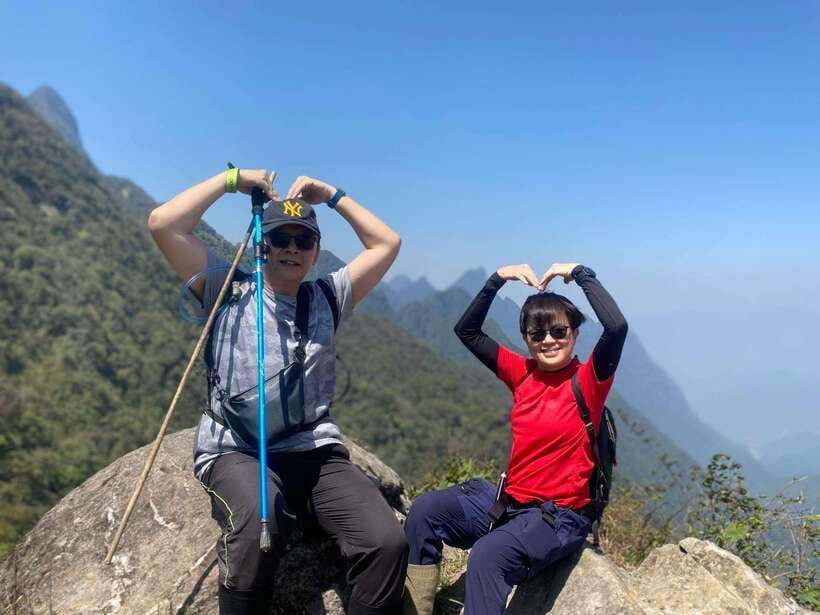
I would choose this trip if you want to climb Fansipan under your own power and are prepared to spend nearly the whole day on your feet. It suits strong hikers who value a local guide, a private group, and a route through forest rather than a quick summit visit by cable car.
I would not choose it for a relaxed holiday morning, a first-ever mountain walk, or a fixed sightseeing schedule. The 24-kilometer distance leaves little room for delays, and the weather may reduce the views.
The activity is also a good fit if you want flexibility at the summit. You can attempt the full return on foot, or pay for the cable car down if your energy runs out. That choice gives you a useful safety valve, though you should not rely on it without confirming the arrangements.
Should you book it?
Book this Fansipan trek if the challenge itself is the point. You get an early pickup, a local English-speaking guide, a private group, food, water, transport, entrance fees, and the chance to reach Vietnam’s highest mountain by a demanding forest route.
Skip it if you want an easy mountain visit or dislike cold, rain, steep ground, and long hours on foot. Before paying, send complete registration details for every participant, including name, date of birth, gender, passport number, and nationality. Add any food allergies or vegetarian needs at the same time.
For a strong hiker with realistic expectations, the $77 price offers solid value. Just pack for cold weather, keep the cable car option in mind, and respect the fact that this is a serious one-day trek.
FAQ
How long does the Fansipan trekking tour take?
The activity lasts about 12 hours. The full walking route covers approximately 24 kilometers, with an estimated 10 to 12 hours of trekking.
Where does the hike start?
Transport takes you from Sapa to Tram Ton Pass, at about 2,000 meters above sea level. The trek begins there and finishes back at Tram Ton Pass if you walk both ways.
What time is pickup from Sapa?
Pickup is scheduled for around 5:30 or 6:00 AM from hotels in central Sapa. Pickup is not provided from hotels or homestays in surrounding villages.
Is lunch included?
Yes. A picnic lunch is included, with bread, fried chicken, eggs, tomato, cucumber, two kinds of fresh fruit, and small Vietnamese snacks. Dietary requirements should be provided in advance.
Is water included?
Yes. The tour provides 1.5 liters of water per person. You carry the water yourself in your backpack.
Can I take the cable car down from Fansipan?
Yes. You may take the cable car from the summit to Sapa, but the cable car ticket is not included and must be paid for separately.
Who should not take this trek?
The activity is not suitable for children under 14, pregnant women, or people over 70. It is also a poor match for anyone unprepared for a 24-kilometer route and a 1,400 to 1,600-meter climb.
New treks around Sa Pa
- Sapa: 2-Day Local Guided Valley Trek with Night Homestay★ 5.0 · 27 reviews
- SAPA: 1-DAY TREKKING TOUR WITH LOCALS, LUNCH & RICE FIELDS★ 4.7 · 18 reviews
- Sapa: 2-Day Local Guided Valley Trek with Night Homestay★ 4.8 · 5 reviews
- Sa Pa: Fansipan Peak One Day Trek with Local Guide★ 5.0 · 7 reviews
- Red Dao Village Trek and Herbal Bath★ 4.7 · 3 reviews
- Private Hoang Lien National Park & Tribal Village Trek★ 4.7 · 30 reviews
- Sapa: Private Muong Hoa Valley and Homestay Trekking 2-Day★ 4.8 · 4 reviews
- From Sapa: Muong Hoa Valley View & Village Trek 1-Day★ 5.0 · 21 reviews
Fansipan Treks, side by side.
From Hanoi: 2-Day Sapa-Fansipan Peak & Trek & Ha Giang Bus
Read our review →
From Hanoi: 3 Days Luxury Sapa Trek & Fansipan Peak with Dcar
Read our review →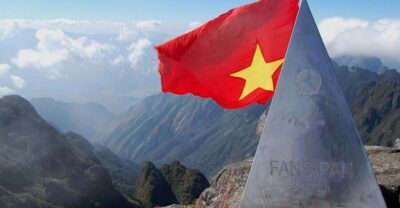
2-Day Fansipan Mountain Trek – Indochina’s Highest Peak
Read our review →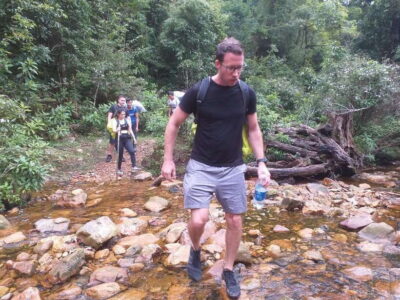
2 Night Lao Chai-Ta Van Homestay- Trekking & Fansipan Visit
Read our review →
Sa Pa: Fansipan Peak One Day Trek with Local Guide
Read our review →Lists this trek appears in