
Review · MEXICO
From CDMX: Trekking to Iztaccihuatl Volcano accompanied by a mountaineer
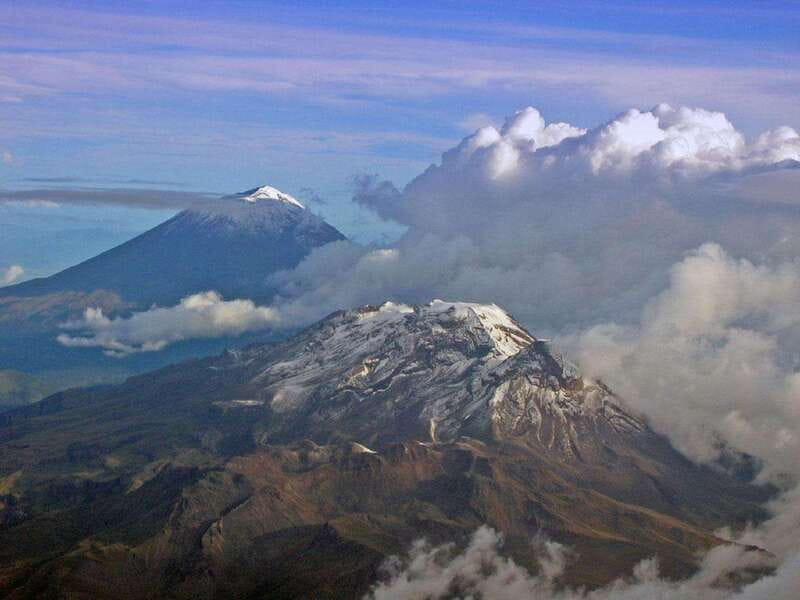
Iztaccíhuatl gives you a real taste of high-altitude mountaineering without committing to a summit climb. From La Joya, you hike the volcano’s slope through Iztaccíhuatl-Popocatépetl National Park, with views toward villages, the Valley of Mexico, and nearby volcanic peaks. I like the 4,300-meter high point and the chance to experience serious mountain air in a single day from Mexico City.
I also like the historic stop at Paso de Cortés, where Hernán Cortés and his men passed in 1519, plus the care shown by guides such as Fabricio on some departures. The main drawback is value: at $153 per person, the service can feel thin if your guide gives little explanation or the day runs mainly as transport followed by a hike.
Key points before you book
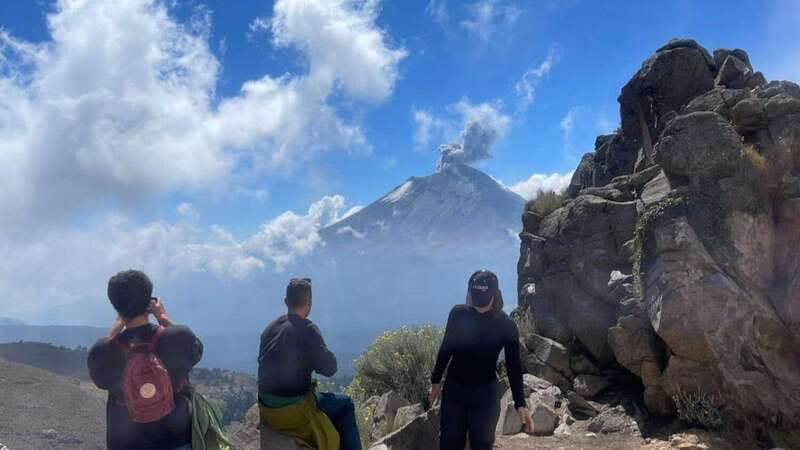
- Reach up to 4,300 meters: This is a high-altitude hike, not a casual park walk.
- Start at La Joya: The trail begins on Iztaccíhuatl’s slope, with uneven ground and changing conditions.
- Pause at Paso de Cortés: You get mountain views and a brief link to the 1519 route toward Mexico-Tenochtitlan.
- Allow 11 hours door to door: About 105 minutes each way is spent on the road from Mexico City, before counting the shorter transfer.
- Expect roughly three hours on foot: The pace depends on the group’s physical level and the guide’s safety judgment.
- Bring proof of legal stay: A passport, digital copy, original, or photocopy is required.
Why Iztaccíhuatl makes a strong day trip
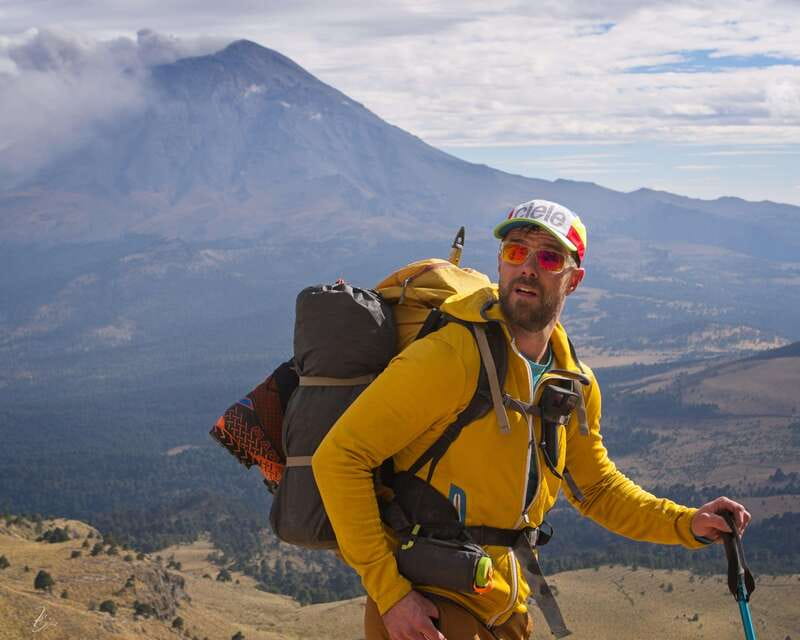
Iztaccíhuatl, often called the Sleeping Woman because of its profile, is one of Mexico’s famous volcanoes. This excursion does not take you to the summit. Instead, it brings you high onto the mountain, where the air gets thinner, the trail gets rougher, and the views become the main reward.
I like this format for people who want a serious mountain outing but do not have the time, technical gear, or training for a full ascent. You still feel the change in altitude. Reaching 4,300 meters is enough to make every uphill section matter, especially if you are coming straight from Mexico City’s lower elevation.
The setting changes with the season. Snow may appear at some times of year, while other sections show local plants and mountain wildlife. The supplied details do not promise a particular amount of snow or any specific animals, so treat those as possible parts of the view rather than guaranteed sights.
The high point is also the main physical warning. At this height, a short climb can feel much harder than it looks. If you have respiratory or heart problems, are pregnant, use a wheelchair, or have limited mobility, this outing is not suitable. Children under 16 cannot join.
More volcano treks around the world:
- Mount Etna: Trek to 3000m with cable car and 4×4
★ 4.6 · 3,823 reviews - Mount Etna: Summit Crater Trek with Cable Car
★ 4.8 · 1,875 reviews - La Palma: Tajogaite Volcano Guided Trek
★ 4.8 · 1,810 reviews
The early departure from Mexico City
The standard meeting point is at Calle Isabel la Católica 61-A in Mexico City’s Historic Center, with an early meeting time of 6:20 a.m. Pickup may be available depending on the option you select, but you should check exactly what your reservation includes before assuming you will be collected at your hotel.
The first road journey takes about 105 minutes. That is a fair amount of time in a vehicle, but it is what makes the national park possible as a day trip. You leave the city behind, then continue toward the mountain pass and the park.
Bring water and food with you. Meals and drinks are not included, and no meal stop is specified. You do not want to start a high-altitude hike hungry, especially when the day already includes a long ride in each direction.
A passport is also essential. Immigration rules require every participant to show proof of legal stay in Mexico. An original passport, digital version, or photocopy is accepted according to the activity information, but I would carry the original or a clear copy and keep it protected from rain or dirt.
Paso de Cortés and the 1519 route
The first meaningful stop is Paso de Cortés, reached after the initial drive. The name carries a direct connection to the Spanish conquest: Hernán Cortés and his forces passed through this area in 1519 on their way toward Mexico-Tenochtitlan.
You make a short stop here for photographs, a safety briefing, and views of the surrounding volcanoes. The scheduled pause is about 15 minutes, so think of it as a chance to get your bearings, listen to the guide, and take in the setting rather than a long history talk.
This stop matters because it gives the mountain scenery a human story. You are not just looking at peaks from a roadside. You are standing near an old route into the Valley of Mexico, with Iztaccíhuatl and Popocatépetl shaping the view.
The quality of the explanation may depend heavily on your guide. One departure was criticized because the guide offered little information about the area and did not clearly explain practical matters such as toilet locations or the timetable. I would ask those questions at Paso de Cortés before the hike begins.
From La Joya onto the volcano
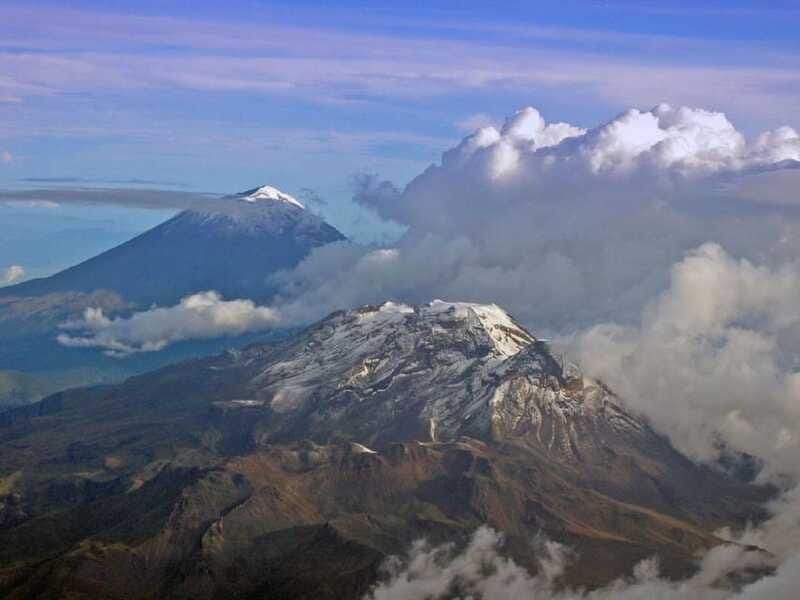
After Paso de Cortés, the vehicle continues for roughly 30 minutes toward La Joya. La Joya is the trail access point for the walk, although the schedule also lists short pass-through periods there before and after the national park visit. In practical terms, this is where you prepare to leave the vehicle and start walking.
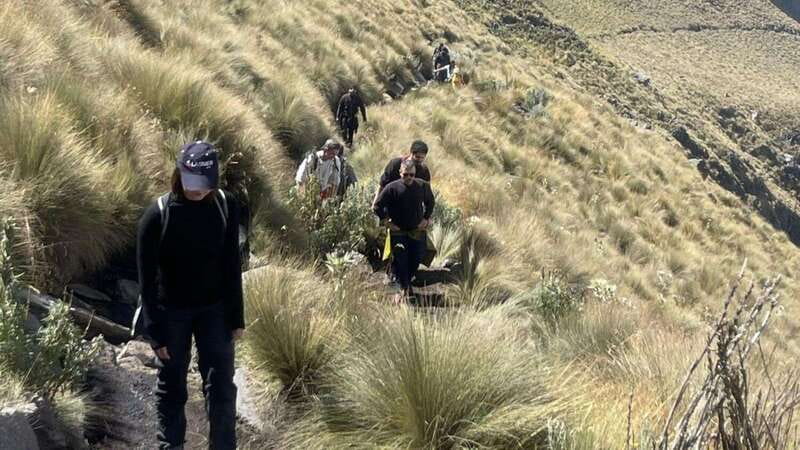
The trail runs across uneven mountain ground. The pace is adjusted to the physical level of the group, which is helpful, but it also means the exact distance and effort can vary. A strong group may move faster, while a mixed group may take more time for rest and safety checks.
You are not signing up for a professional climbing expedition. Still, the activity asks for good physical condition because of the walking, loose or uneven ground, and altitude. Comfortable shoes and comfortable clothes are required basics, but the information does not say that hiking boots, poles, crampons, or other equipment are supplied.
That missing equipment detail is important. Hiking equipment is not included, so you should not assume the operator will provide specialist gear. Ask before booking if you think you need anything beyond ordinary walking clothes and shoes, especially if snow or poor weather is possible during your visit.
More treks around the world:
- Bali: Mount Batur Sunrise Trek With Guide and Breakfast
★ 4.8 · 3,461 reviews - From Chania: Full-Day Samaria Gorge Trek Excursion & Guide
★ 4.6 · 3,191 reviews - Etna: summit craters trekking with volcano guide 3350mt
★ 4.7 · 1,712 reviews - From Rethymno: Samaria Gorge Full-Day Trek, Pickup & Guide
★ 4.5 · 1,610 reviews
Three hours in Iztaccíhuatl-Popocatépetl National Park
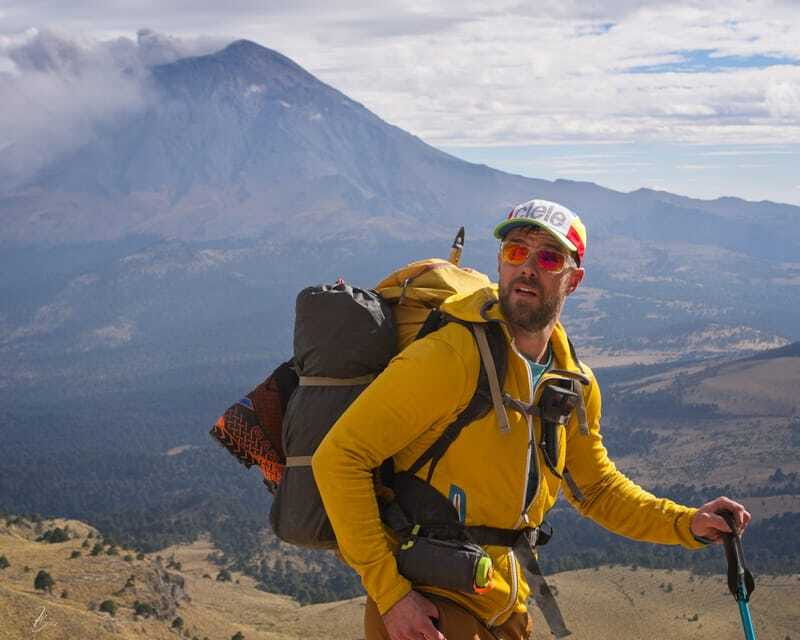
The main park visit lasts about three hours and combines a guided walk with scenic stops. This is the heart of the day. You climb the slope, breathe thin mountain air, and watch the views open toward nearby villages and the Valley of Mexico.
I like the fact that the walk is not just a photo stop beside a road. You have time to test your endurance and see the mountain change as you gain height. The quiet is part of the appeal. Away from Mexico City, the experience becomes less about checking off a viewpoint and more about managing your pace on the trail.
The hike may include seasonal snow, local plant life, and views of the neighboring volcanoes. Weather can change the character of the outing quickly. A clear day can bring broad views and strong photographs, while clouds, wind, or poor visibility can limit what you see.
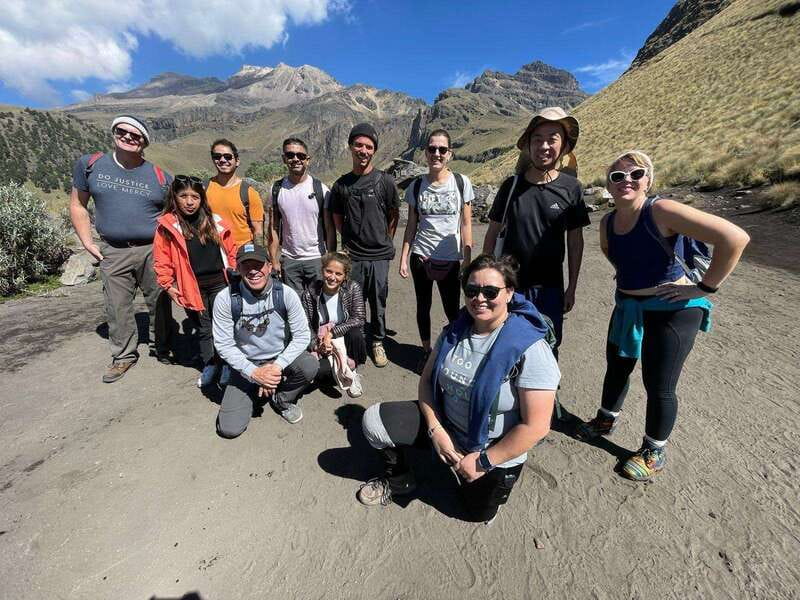
The guide’s role is especially important here. The activity is led in English or Spanish by a mountaineering guide, and the instructions emphasize following the guide’s advice. A good guide should help the group keep a sensible pace, notice signs that someone is struggling, and make the route feel orderly.
At least one guide named in the available feedback is Fabricio. The comments about his departure describe a pleasant morning walk and recommend the experience, while other feedback praises the care given to everyone during the hike. That makes the guide a genuine part of the value, not just a person driving the van.
Still, expectations should be realistic. This is not presented as a specialist mountaineering course, summit attempt, or technical climbing lesson. If you want detailed geology, extensive cultural interpretation, or instruction in climbing skills, ask before booking. The tour’s strongest feature is access to the mountain and the guided physical challenge.
What the altitude feels like
The stated high point is 4,300 meters above sea level. That number is not decorative. Altitude can affect your breathing, stamina, and comfort even if you are normally fit.
You should walk slowly, drink water, and tell the guide if you feel unwell. The group’s pace is meant to reflect its overall physical level, so do not treat the outing as a race. Reaching a little less high while staying safe is better than pushing beyond your limits for a photograph.
The activity specifically asks you to consider your lung capacity. That warning is useful, especially for anyone who has not hiked at altitude before. People with respiratory problems or heart conditions should not book this activity, and it is also unsuitable for pregnant people.
The weather can force a change of plan. The outing may be rescheduled or canceled in poor conditions. That is frustrating if you have arranged a tight Mexico City schedule, but it is the right approach for a high mountain route.
Transport, timing, and the real value of $153
The advertised price is $153 per person. It includes round-trip transport from the meeting point, an expert mountaineering guide, and entry to the national nature reserve. Meals, drinks, and hiking equipment cost extra or must be arranged by you.
The full day lasts about 11 hours, but only around three hours are assigned to the main walk. The road time is substantial: about 105 minutes outward, a 30-minute transfer toward La Joya, and about 105 minutes back to Mexico City, with the exact sequence depending on traffic and operations.
I see two ways to judge the price. If you value the convenience of leaving Mexico City with transport, park access, and a guide already arranged, $153 can be reasonable. The logistics would be awkward to organize independently, especially when you need to reach a high trailhead and follow park rules.
If you mainly want a short hike and expect rich commentary, regular timetable updates, and hands-on service throughout the day, the price may feel high. One person found the experience closer to a bus ride with limited explanation and considered it fair at about $40 but expensive at $100. That is a clear warning to compare your expectations with the actual inclusions.
The strongest value comes when the guide is attentive and the weather is clear. The weakest value comes when the mountain views are obscured, the transport takes most of the day, and the interpretation is minimal. I would book for the access and the physical experience, not for a polished sightseeing program.
What to pack for a safer, better day
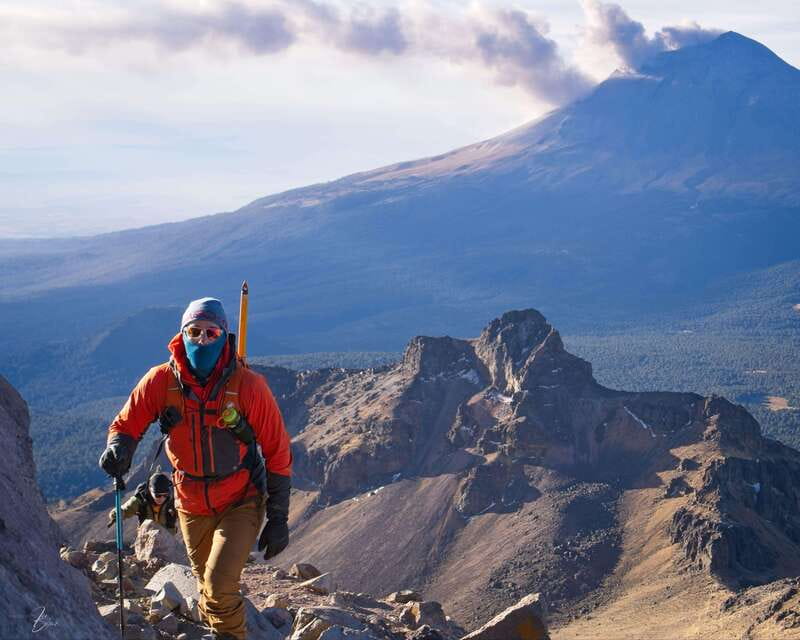
Start with comfortable shoes that can handle uneven terrain. Ordinary casual footwear may be uncomfortable or unstable on a mountain trail, although the activity does not specify a required boot type.
Wear comfortable layers. Conditions can shift between the vehicle, the pass, and the higher trail, and the information notes possible seasonal snow. Bring food and drinks because neither is included.
Carry your passport or an accepted copy. You also need to respect the park rules: smoking, littering, and making fires are not allowed.
A phone or camera is worthwhile because the views are one of the main reasons to come. Keep it secure, though, and do not let photographs distract you from footing or instructions. The mountain deserves attention as much as your camera roll does.
Who should book this hike
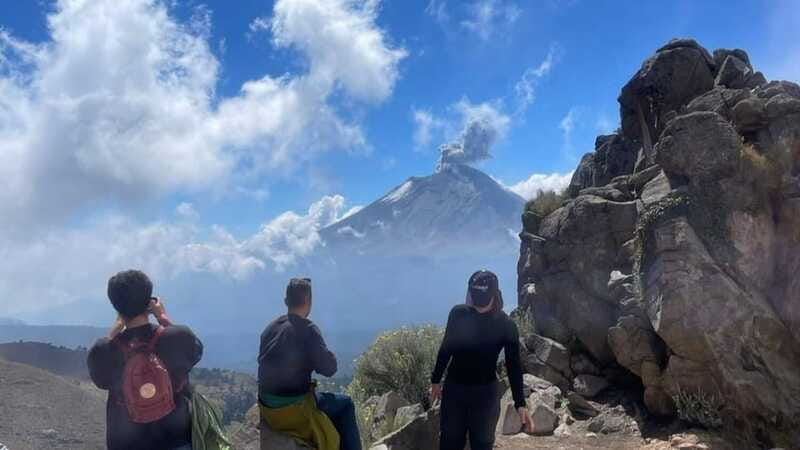
I would recommend it to fit adults and older teenagers who want a demanding outdoor day near Mexico City. It suits you if you enjoy walking for several hours, accept a slow pace at altitude, and would rather see the volcano from its upper slopes than spend the day in a city museum.
It is also a good choice if you want an introduction to mountain conditions without attempting the summit. The guide, transport, and reserve access remove much of the planning work.
I would not choose it for a relaxed family outing, a casual scenic drive, or a visitor with strict mobility limits. The trail is uneven, the altitude is serious, and children under 16 are excluded. I would also avoid it if you need a guaranteed schedule or clear weather, since conditions can change the plan.
Should you book the Iztaccíhuatl hike?
Book this experience if you want high-altitude walking, volcano views, and a full outdoor day rather than a museum-style tour. The best parts are the setting at Paso de Cortés, the three-hour mountain walk, the possible climb to 4,300 meters, and the care a good guide can provide.
Think twice if you expect constant commentary, a detailed historical lesson, included meals, or specialist hiking equipment. At $153, the tour depends greatly on the guide and the weather. For a fit adult who values access and does not mind a long ride, it can be a memorable test of endurance. For anyone seeking easy sightseeing, it is the wrong mountain.
FAQ
Where does the tour meet in Mexico City?
The meeting point is Calle Isabel la Católica 61-A in the Historic Center of Mexico City. The stated meeting time is 6:20 a.m. Pickup may be available depending on the selected option.
How long does the experience last?
The full experience lasts about 11 hours. The main guided visit in Iztaccíhuatl-Popocatépetl National Park lasts about three hours, with additional time for transport, the Paso de Cortés stop, and transfers.
How high does the hike go?
The route ascends to as much as 4,300 meters above sea level. Your lung capacity and fitness matter at this altitude, and the pace depends on the physical level of the group.
Is this a summit climb?
No. The activity takes you onto the slope of Iztaccíhuatl and does not describe a summit attempt. It is a guided mountain hike rather than a professional climbing expedition.
What languages are available?
The live guide service is available in English and Spanish. Private groups are also available.
What is included in the price?
The $153 price includes round-trip transportation from the meeting point, an expert mountaineering guide, and access to the national nature reserve. Meals, beverages, and hiking equipment are not included.
Can children join the hike?
No. Children under 16 years of age are not allowed to participate. The activity is also not suitable for pregnant people, wheelchair users, people with mobility impairments, or people with heart or respiratory problems.
New treks around the world
- Sapa: 2-Day Local Guided Valley Trek with Night Homestay★ 5.0 · 27 reviews
- SAPA: 1-DAY TREKKING TOUR WITH LOCALS, LUNCH & RICE FIELDS★ 4.7 · 18 reviews
- Sapa: 2-Day Local Guided Valley Trek with Night Homestay★ 4.8 · 5 reviews
- Santa Marta: Trekking in Minca Complete Waterfall Circuit★ 4.4 · 28 reviews
- Santiago: Longueira, Pico de Antónia & Monte Tchota Trek★ 4.8 · 10 reviews
- Santiago: Trek from Serra Malagueta to Rabelados Community★ 5.0 · 16 reviews
- Santiago Island: Serra Malagueta & Tarrafal Beach Trek Tour★ 4.8 · 61 reviews
- Santa Marta: Multi-Day Trek to The Lost City★ 4.8 · 40 reviews
Volcano Treks, side by side.
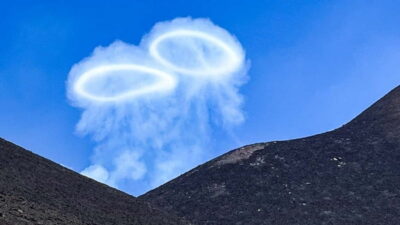
Mount Etna: Trek to 3000m with cable car and 4×4
Read our review →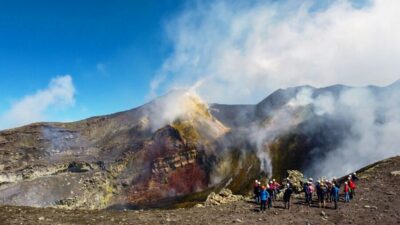
Mount Etna: Summit Crater Trek with Cable Car
Read our review →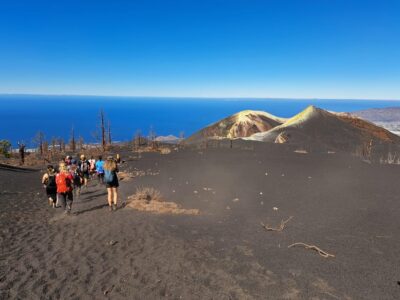
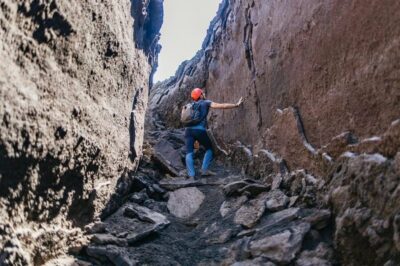
Etna: summit craters trekking with volcano guide 3350mt
Read our review →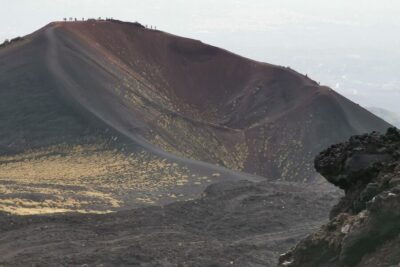
Catania: Mount Etna Trekking Tour Beyond the Tourist Trails
Read our review →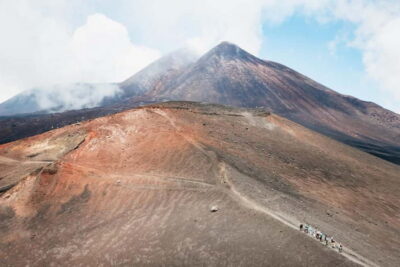
Mount Etna: Guided Trek 3,000 Meters to the Summit
Read our review →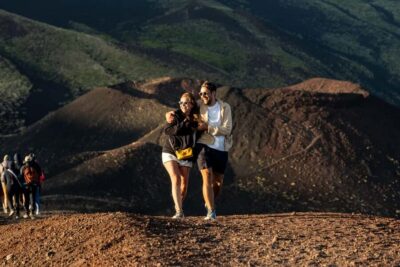
Etna Sunset Tour: Volcano trek, Cave & tasting from Catania
Read our review →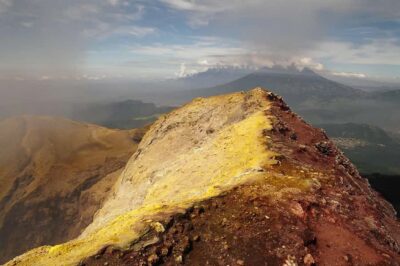
Lists this trek appears in