
Review · SAPA
2D1N Buffalo trek by Hmong Sister House and Trekking
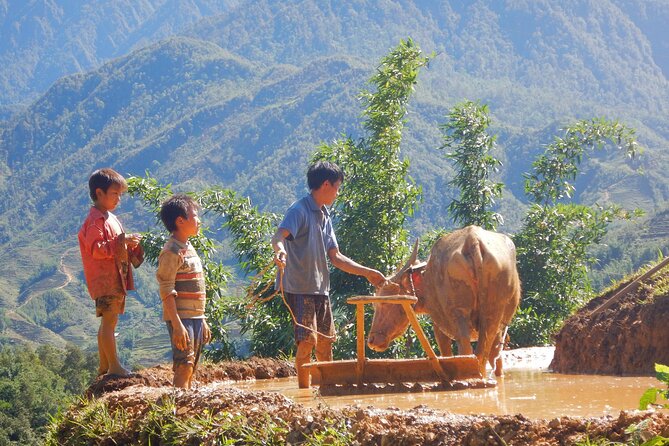
The most memorable part of this two-day Sapa trek is the overnight stay at a buffalo house high in the mountains, where Zizi’s mother lives. You walk the sort of route Hmong families use to care for livestock, passing terraced fields, forest, village homes, and animals living close to people.
I like the personal scale of the experience, since this is a private trip for your group rather than a large walking convoy. I also like the human side: guide Li can explain her own childhood and how Hmong life has changed, turning the trail into something more meaningful than a mountain photo stop.
The main consideration is physical effort. You need moderate fitness, and the route is not designed as a gentle sightseeing stroll. Weather can also affect the trip, and the overnight stay is simple by design.
Key points to know before booking
- The buffalo house is the overnight centerpiece: You stay with Zizi’s mother in an authentic Hmong family setting high in the mountains.
- Guide Li adds personal context: She can share stories about her own childhood, family, and Hmong life past and present.
- The route visits several communities: You walk through Hmong villages, then reach a Red Dao village on the second day.
- Your morning starts at Zizi’s homestay: Pickup from the bus station is arranged around 7 a.m., with luggage storage, breakfast, and a hot shower before trekking.
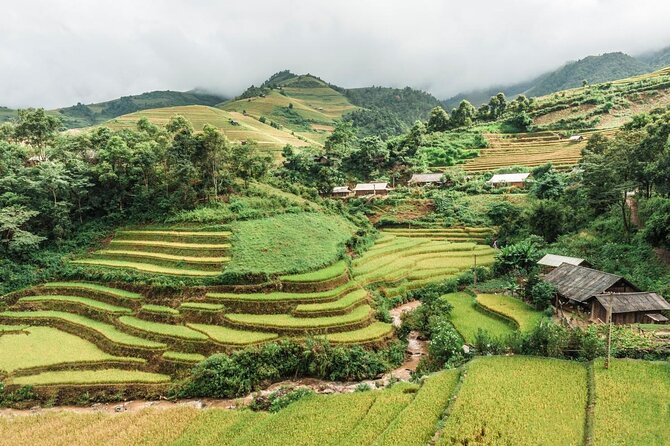
- The trek mixes scenery and daily life: Expect forests, rice terraces, farmers, livestock, homes, and a waterfall rather than a list of formal attractions.
- It suits a private group with moderate fitness: The price is $110 per person, and the route can be customized on request.
Why the buffalo house makes this Sapa trek different
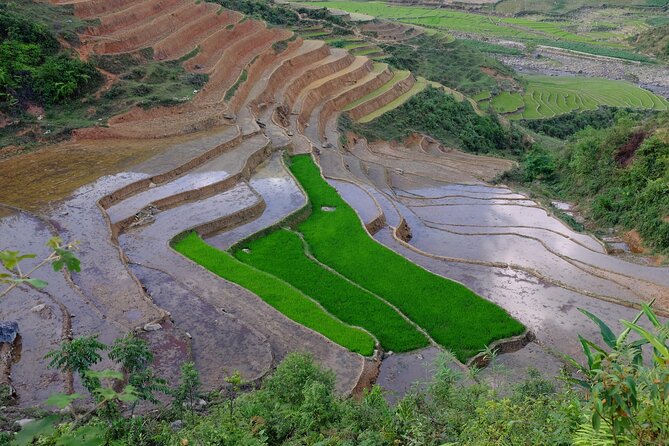
Sapa has no shortage of walks through rice terraces. What gives this outing its character is the reason for the route: you are following a Hmong path used to reach livestock and a family buffalo house, not simply walking from one viewpoint to the next.
That distinction matters. The mountains are still the main attraction, but the walk is tied to work, family, and village life. You see the setting as a lived-in place, not just a backdrop for photographs. Animals share space with residents, farmers work the fields, and the trail connects homes and communities.
The overnight stay with Zizi’s mother adds another layer. You are not returning to town after a few hours of sightseeing. You spend the night in an authentic family Hmong house, in a remote mountain setting, before walking down toward new villages the following day.
I would choose this trip for contact with local life rather than for comfort or speed. The word house is important. This is a family-style mountain stay, not a conventional hotel, and the attraction is the setting and connection rather than polished facilities.
More two-day treks around Sapa
- EXPLORE SAPA: 2D1N TREKKING & HMONG CULTURE WITH DINH
★ 4.9 · 191 reviews - Sa Pa: 2-Day Trekking Trip with Ethnic Minority Homestay
★ 4.7 · 145 reviews - Sapa : 2-Day Trek & Heartwarming Homestay with an Ethnic Family
★ 5.0 · 143 reviews
Starting in Sapa: breakfast, luggage, and a clean beginning
The first morning is arranged to make the transition from bus travel to trekking easier. A car picks you up from the bus station at about 7 a.m. and takes you to Zizi’s homestay in Ta Van, where you can leave your luggage.
You also have time for a hot shower and breakfast cooked by Zizi. That is a useful touch if you have arrived on an overnight bus or early morning service. Instead of beginning a mountain walk tired, hungry, and carrying everything you brought to Sapa, you can freshen up, eat, and take only what you need for the trek.
The meeting point is Hmong Sister House and Trekking in Ta Van, Muong Hoa, Sa Pa, Lao Cai. The activity finishes back at that meeting point, so plan your onward transport around returning there rather than assuming you will end in central Sapa.
The pickup wording refers specifically to the bus station and to a pickup around 7 a.m. If you arrive by another method or need a different collection point, ask about it when booking. The provider also says the route can be customized on request, which may help with timing and the style of trek you want.
Day one: Hau Thao, Hmong villages, and the climb into the forest
The walking begins from Hau Thao village. From there, the route leads through villages where you can see traditional Hmong life in the mountain area. This is a good place to slow down and look at ordinary details: homes, footpaths, livestock, and the way village life fits around steep terrain.
The description highlights the number of animals living alongside people. That may appeal to you if you want a walk with a strong local character rather than a purely scenic route. It also means the experience is not tightly staged. You are moving through working communities, so the day may feel less predictable than a standard attraction with fixed stops.
As the route continues, you head through terraced rice paddies and forest. The terraces are among Sapa’s most recognizable sights, but the timing and weather can change their appearance. At one point you might see farmers at work, while at another the forest and mountain trail take over.
The path brings you higher into the mountains. The supplied information does not give a precise distance, elevation gain, or walking time, so you should not assume an easy half-day outing. The requirement for moderate physical fitness is worth taking seriously. Uneven trails and uphill walking are part of the appeal, but they are also the reason this trip may not suit anyone looking for a low-effort excursion.
Lunch is prepared by the guide. That keeps the day moving and fits the remote setting, where you are walking between villages rather than stopping at a restaurant. Ask about any dietary needs before setting out, since the available information confirms a guide-prepared lunch but does not specify the menu.
Reaching the buffalo house with Zizi’s mother
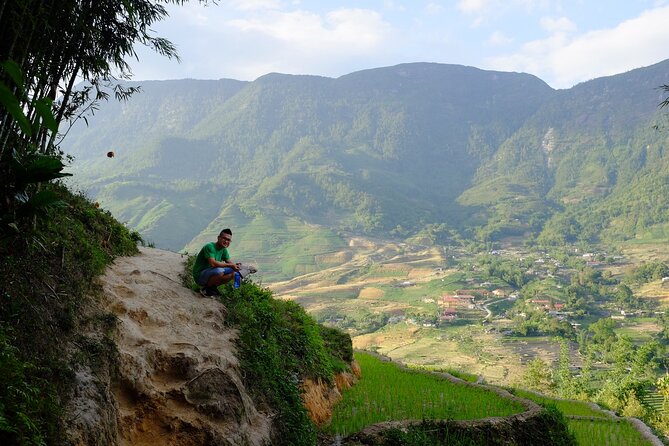
The high point of day one is reaching the buffalo house where Zizi’s mother lives. The house is connected to the care of livestock and to the family’s life in the mountains, giving the overnight stay a clear purpose.
I like this part because it puts the scenery in context. Rice terraces and forests are beautiful, but you understand them better when you see how families move through them, work in them, and use the surrounding land. The buffalo house is not just a place to sleep. It is part of the story of how Hmong families care for animals and maintain homes away from the main town.
Guide Li is an important part of this experience. A detailed account of the trip describes her explaining her own childhood and how people, including herself, lived in the past and live now. That kind of first-person explanation can help you understand change in the area without turning the walk into a formal lecture.
The stay is best approached with an open mind. The information promises an authentic family Hmong house, but it does not list hotel-style facilities, room arrangements, or private bathrooms. You should be comfortable with a simple homestay and with the possibility that convenience takes second place to location and local contact.
More treks around Sapa:
- Sa Pa: Muong Hoa Valley Trek and Local Ethnic Villages
★ 4.6 · 864 reviews - Sapa: Eco Adventure Terrace Fields and Local Villages Trek
★ 4.9 · 636 reviews - Number one top rated ethical cultural trekking and homestay by ETHOS
★ 5.0 · 456 reviews - From Sapa: 1-Day Guided Trek to Lao Chai & Ta Van with Lunch
★ 4.9 · 416 reviews
Day two: sunrise, rice fields, and a Red Dao village
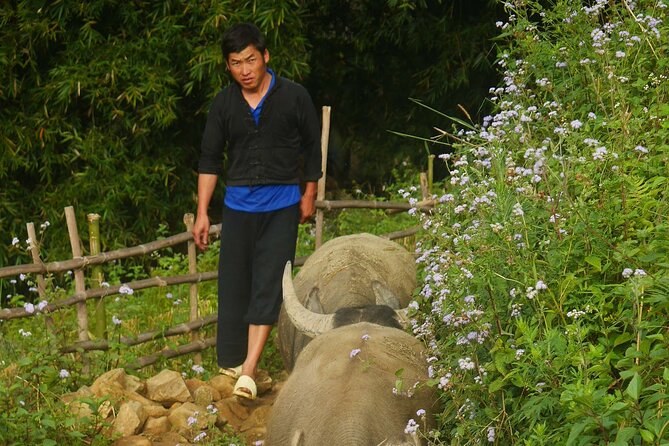
The second morning begins slowly with sunrise and breakfast. You then say goodbye to the family and trek down from the mountain area.
The descent offers a different view from the climb. Early in the morning, you may see farmers working in the rice fields, when the day is already underway in the villages. This is one of the strongest details of the route because it places you close to daily work rather than only offering a scenic overlook.
You then reach a Red Dao village. Hmong and Red Dao communities are both part of the cultural fabric of the Sapa region, but they have distinct traditions and identities. The route gives you a chance to see a second community during the same outing instead of focusing on only one village group.
The supplied itinerary also includes a waterfall later in the day. It does not provide the waterfall’s name or the exact walking time to it, so I would treat it as a natural stop along the route rather than plan around a specific landmark. The combination of descent, village paths, and water makes day two feel different from the first day’s climb into the forest.
You return to the meeting point at Hmong Sister House and Trekking. Since the activity lasts approximately two days, confirm your return timing before arranging a bus or other fixed departure from Sapa.
What the $110 price buys you
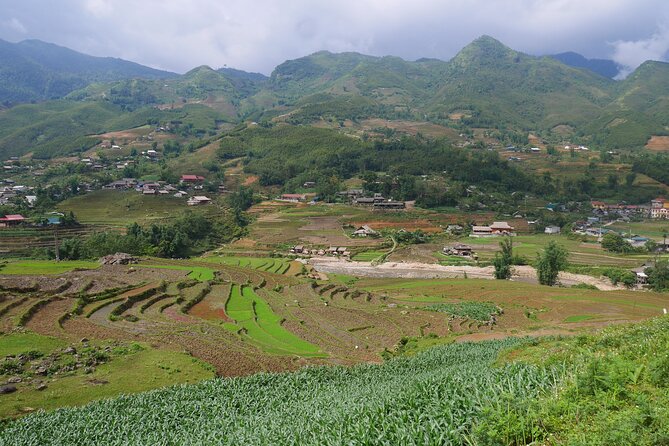
At $110 per person, this is not the cheapest way to see Sapa’s terraces. The value comes from the amount of time and personal access built into the trip: transport from the bus station, luggage storage at the homestay, breakfast before walking, a guide, a guide-prepared lunch, an overnight family stay, and a second day on the trail.
You are also paying for a private experience. Only your group participates, which can make a real difference on a narrow mountain path. You can walk at a more suitable pace, ask questions without competing with a large crowd, and discuss a possible route adjustment with the provider.
The price makes the most sense if you value local contact and a less conventional route. It makes less sense if you mainly want a short viewpoint visit, a soft bed, or a tightly timed sightseeing package.
The trip is booked an average of 85 days ahead, so planning early is sensible if your dates are fixed. That does not guarantee every date will sell out, but it signals that you should not leave a private two-day trek until the last minute during a popular travel period.
How demanding is the walking?
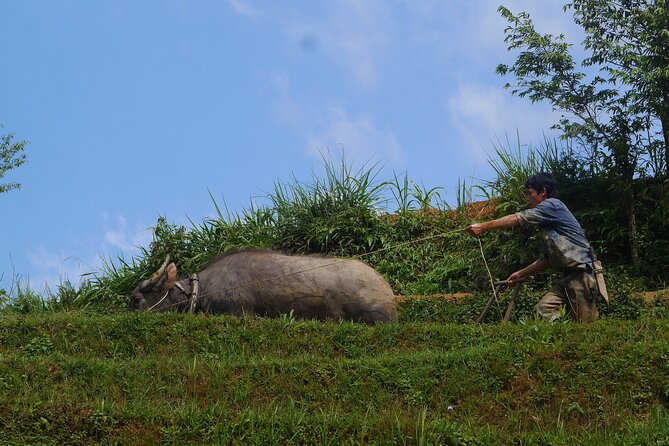
The official guidance calls for moderate physical fitness. That is the clearest practical warning, and you should use it when deciding.
The route includes a climb through villages, fields, and forest on day one, followed by a trek down on day two. The exact distance and trail conditions are not provided. Your experience may also depend on weather, since rain can make mountain paths harder and the activity requires good weather.
I would bring sturdy walking shoes, light clothing suitable for changing mountain conditions, and only a small overnight bag. The luggage storage at Zizi’s homestay means you do not need to carry your full travel pack, but the provider does not specify what bedding, towels, or other homestay supplies are included. Ask directly if you need those details.
This is not a route I would choose for anyone who dislikes uneven ground, uphill walking, or basic accommodation. For a reasonably fit person who enjoys walking and wants village contact, the effort is part of the reward.
Who will get the most from this experience?
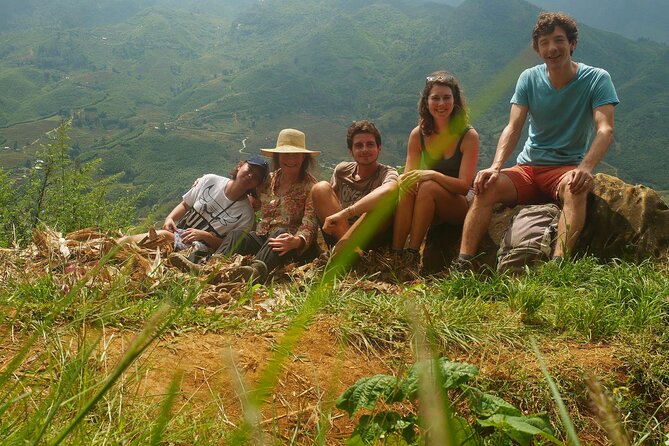
I would recommend the trek to you if you want to:
- Spend a night in a family Hmong house rather than return to town
- See working villages and farmers, not only scenic viewpoints
- Learn about Hmong life through a local English-speaking guide
- Walk with a private group instead of joining a large departure
- Combine Hmong and Red Dao communities in one two-day route
- Accept a simple overnight stay and a moderate physical challenge
It may be less suitable if you need a detailed accessibility plan, since the available information only confirms moderate fitness and does not describe trail access. Service animals are allowed, but the provider does not give further information about how an animal would manage the mountain route or overnight stay, so ask before booking.
Families or mixed-ability groups should also discuss the route in advance. The private format and possible customization may help, but the information does not promise a shorter or easier version.
Weather, cancellation, and practical booking advice
Good weather is required. If poor weather cancels the experience, you are offered another date or a full refund.
You can cancel for a full refund up to 24 hours before the start time. Cancellations or changes made less than 24 hours before the experience are not accepted for a refund, and the cutoff uses local time.
I would confirm three things before paying: the exact pickup plan from the bus station, what to bring for the family overnight stay, and the expected walking difficulty for your dates. The provider says the trek can be customized on request, so mention any timing, food, or fitness concerns early rather than after arrival.
Should you book the Buffalo trek?
Book it if you want Sapa with fewer formal stops and more attention to family life, livestock, farming, and the trail between villages. The buffalo house, the stories from guide Li, and the chance to stay with Zizi’s mother give the trip a personal focus that a standard day walk may not provide.
Skip it if you want guaranteed hotel comforts, exact walking distances, or an easy excursion with little uphill effort. For the right person, $110 buys two days of walking, a private guide, meals and transport details that simplify the start, and an overnight connection to Hmong mountain life. That is solid value, provided you are ready for the physical work and simple setting.
FAQ
How long does the Buffalo trek last?
The experience lasts approximately two days and includes one overnight stay in an authentic family Hmong house.
Where does the trek start?
The meeting point is Hmong Sister House and Trekking in Ta Van, Muong Hoa, Sa Pa, Lao Cai, Vietnam.
Where does the activity finish?
The trek ends back at the meeting point at Hmong Sister House and Trekking.
Is pickup included?
Pickup is offered from the bus station at around 7 a.m. on the first day, followed by transport to Zizi’s homestay.
Can I leave my luggage somewhere?
Yes. You can leave your luggage at Zizi’s homestay before beginning the trek.
Is breakfast included?
Breakfast is provided at Zizi’s homestay before the trek and again on the second morning before you leave the family house.
What communities does the route visit?
The route passes through Hmong villages and reaches a Red Dao village on the second day.
Is this a private tour?
Yes. Only your group participates in the activity.
How physically difficult is the trek?
You should have a moderate level of physical fitness. The route includes trekking through villages, rice terraces, forest, and mountain paths.
Can the trek be changed?
The trek can be customized on request. Ask the provider about possible changes before booking.
What happens if bad weather cancels the trek?
You are offered a different date or a full refund if the experience is canceled because of poor weather.
Can I cancel for a refund?
You can cancel up to 24 hours before the start time for a full refund. Cancellations or changes made less than 24 hours before the start time are not refunded.
New treks around Sapa
- Sapa: 2-Day Local Guided Valley Trek with Night Homestay★ 5.0 · 27 reviews
- SAPA: 1-DAY TREKKING TOUR WITH LOCALS, LUNCH & RICE FIELDS★ 4.7 · 18 reviews
- Sapa: 2-Day Local Guided Valley Trek with Night Homestay★ 4.8 · 5 reviews
- Sa Pa: Fansipan Peak One Day Trek with Local Guide★ 5.0 · 7 reviews
- Red Dao Village Trek and Herbal Bath★ 4.7 · 3 reviews
- Private Hoang Lien National Park & Tribal Village Trek★ 4.7 · 30 reviews
- Sapa: Private Muong Hoa Valley and Homestay Trekking 2-Day★ 4.8 · 4 reviews
- From Sapa: Muong Hoa Valley View & Village Trek 1-Day★ 5.0 · 21 reviews
Sapa Trekking Tours, side by side.
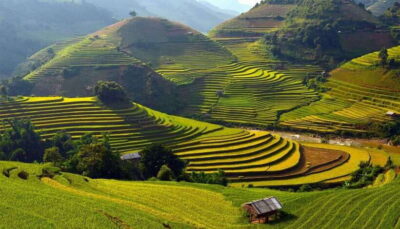
Sa Pa: Muong Hoa Valley Trek and Local Ethnic Villages
Read our review →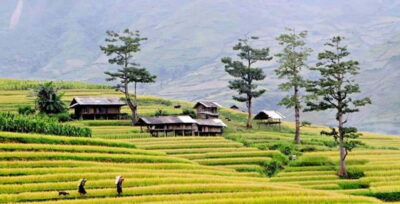
Sapa: Eco Adventure Terrace Fields and Local Villages Trek
Read our review →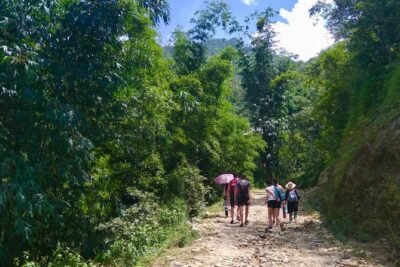
Number one top rated ethical cultural trekking and homestay by ETHOS
Read our review →
From Sapa: 1-Day Guided Trek to Lao Chai & Ta Van with Lunch
Read our review →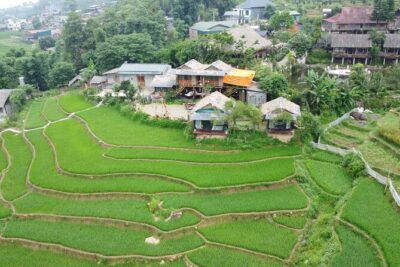
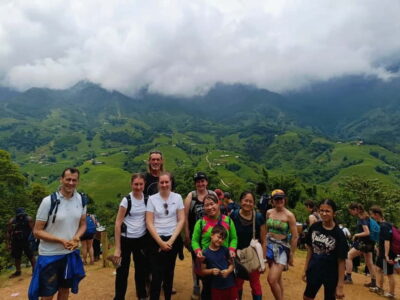
Sapa 1 Day Long Trek: Trek to Hau Thao and Sa Seng Villages
Read our review →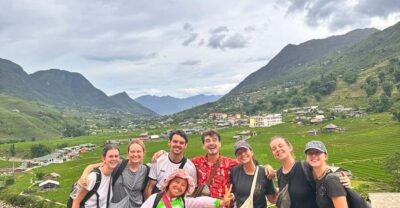
Explore Sapa by TrekkingAdventures, Mountain,Rice fields
Read our review →
EXPLORE SAPA: 2D1N TREKKING & HMONG CULTURE WITH DINH
Read our review →Lists this trek appears in