
Review · KENYA
Conquer Mount Kenya: Mt Kenya Trekking via Chogoria 4-5 days
Mount Kenya’s Chogoria route gives you the mountain in changing acts: thick forest, open moorland, cold high camps, and a pre-dawn climb to Point Lenana at 4,985 metres. I like the striking variety of the terrain and the night beside Lake Ellis, where the mountain scenery feels far removed from ordinary Kenya. I also like that a cook, guide, and porters handle the camp work and meals.
The main caution is that the advertised $847 price does not include the national park fee, which adds $280 for a four-day trip or $350 for five days at the stated $70 daily rate. You should also confirm the exact route and final price before paying, since one recent booking raised concerns about late price changes and unclear route planning.
Key points to know before you book
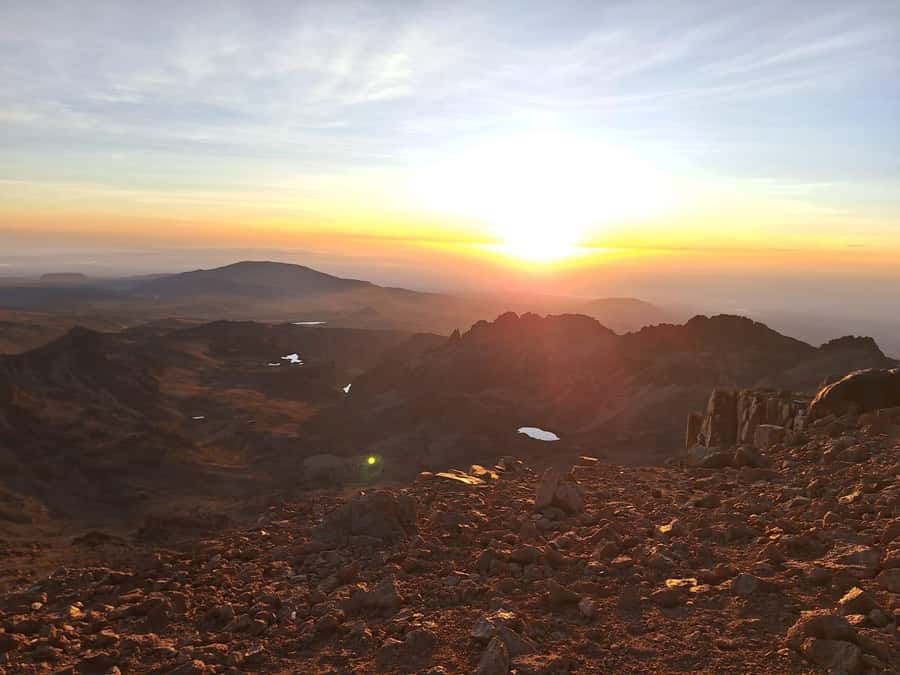
- Point Lenana at 4,985 metres: Reach Mount Kenya’s highest accessible trekking summit before sunrise, then descend after the sky brightens.
- Nithi Falls on day one: The first hiking day includes a waterfall stop before the route climbs toward Lake Ellis.
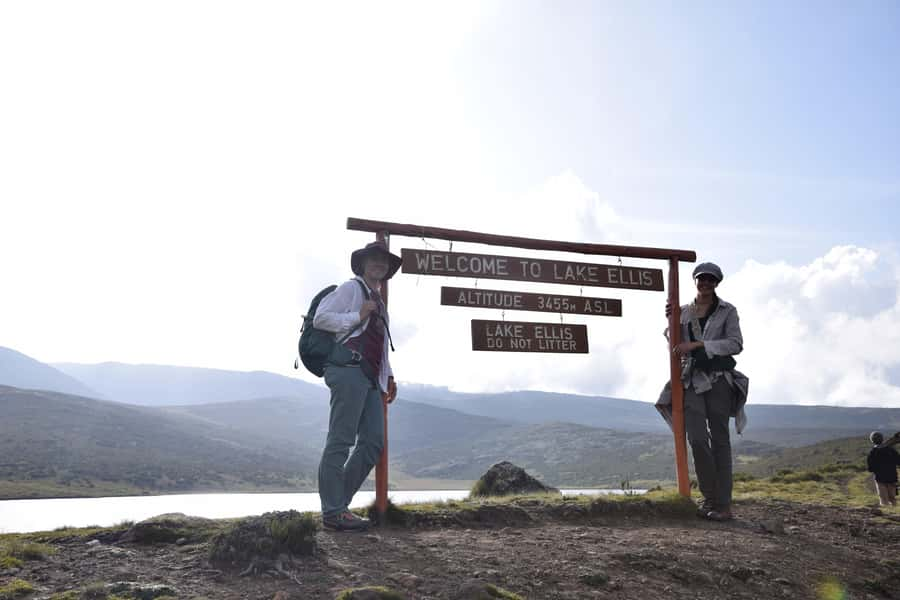
- Lake Ellis at 3,550 metres: Camp beside a scenic mountain lake on the opening night.
- Minto’s Hut at 4,200 metres: Spend the second night high above the forest, with sunset views and a tougher climb.
- Private support team: An English-speaking guide, cook, and porters carry camping equipment and food.
- Chogoria to Sirimon traverse: Start on one side of the mountain and finish at a different gate, with transport from Nairobi included.
Why the Chogoria route is a fine choice for Mount Kenya
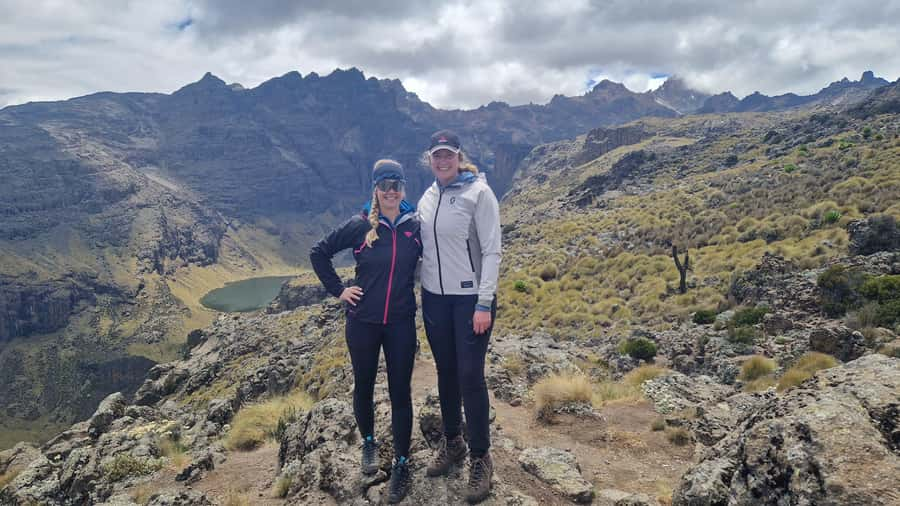
Mount Kenya is Africa’s second-highest mountain, and this trek is about far more than reaching one summit point. The Chogoria approach gives you a strong sense of ascent because the surroundings change steadily as you gain height.
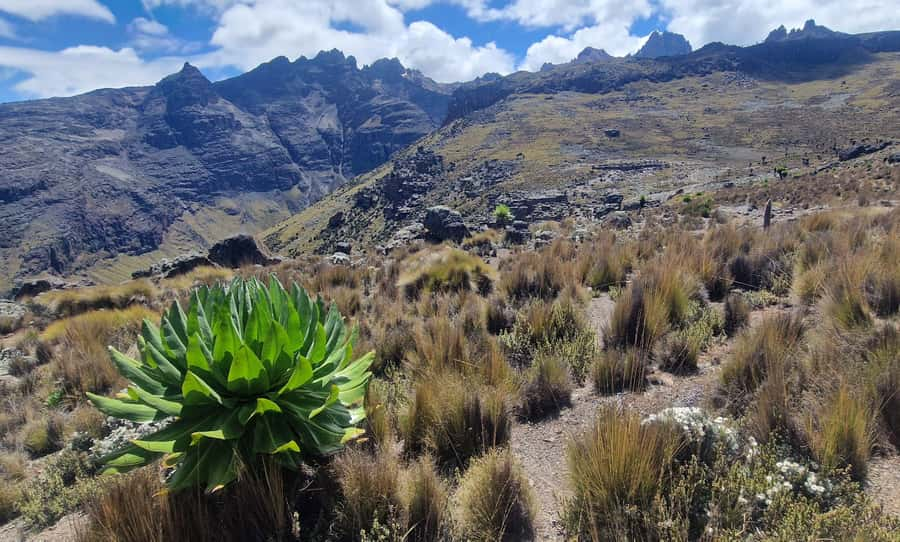
You begin among montane forest, move into broad moorland, and finish in a high, cold zone where the vegetation is sparse and the air is thin. That variety helps keep the walking interesting, especially on a four-day trip when each day has a clear job.
The route finishes at Point Lenana, not the technical climbing summits of Batian or Nelion. That distinction matters. You are signing up for a strenuous high-altitude trek, not a rock-climbing expedition. You still need good fitness and careful pacing, but the published route is designed around trekking with a guide and support crew.
I especially like the combination of a one-way traverse and a sunrise summit attempt. Starting at Chogoria Gate and descending toward Sirimon Gate means you are not simply walking back over the same ground. The route also gives you a proper mountain-camp rhythm, with food, rest, and an early start built around the altitude.
More five-day treks around the world
- Annapurna base camp trek 5 Days
★ 5.0 · 252 reviews - Kathmandu to Annapurna Base Camp (ABC) 5-Day Trek
★ 5.0 · 102 reviews - Machu Picchu: 5-Day Salkantay Trek with Panoramic Train
★ 5.0 · 79 reviews
Day one: Chogoria Gate, Nithi Falls, and Lake Ellis
The day begins with transport from Chogoria town to Chogoria Gate. The package also includes round-trip transport from Nairobi, with hotel pickup and drop-off, so the driving connection is part of the plan rather than something you must arrange separately.
After lunch, you start walking. Nithi Falls is the first major point of interest, and it gives the opening day a welcome sense of occasion. Water rushing through thick vegetation is a pleasant contrast to the colder, more exposed ground waiting higher up.
From the falls, the route continues toward Lake Ellis, at about 3,550 metres. This is not a gentle warm-up followed by a short camp walk. You are already climbing on the first day, and the altitude begins to matter as you approach the lake.
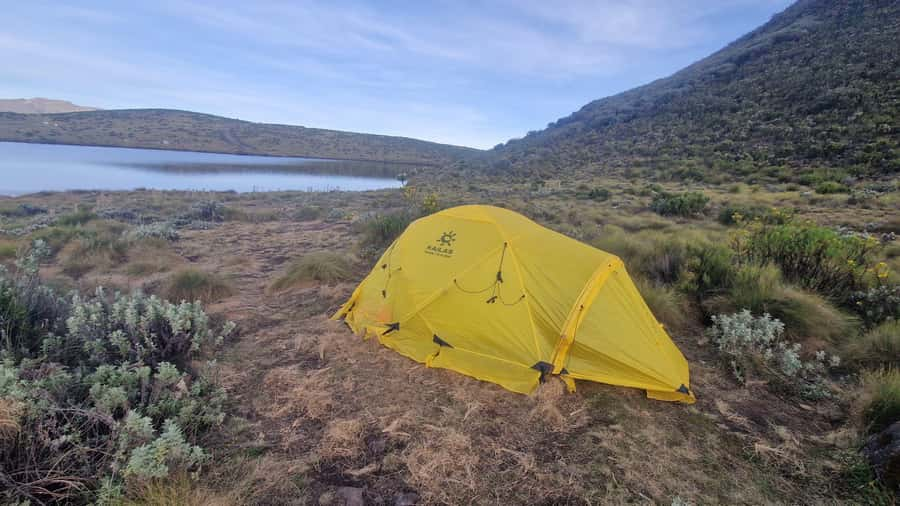
Lake Ellis is one of the most appealing overnight stops on the trip. You camp beside a mountain lake with broad views around you, then settle in for the night under the stars. The setting gives you something memorable before the hardest part of the trek begins.
The practical issue is time and energy. Since the first day includes a drive, lunch, a waterfall visit, and a climb to 3,550 metres, you should arrive ready to walk. Bring warm clothing in your daypack, not buried in a porter’s load. Temperatures can change sharply as the route rises.
Day two: Moorland and Minto’s Hut at 4,200 metres
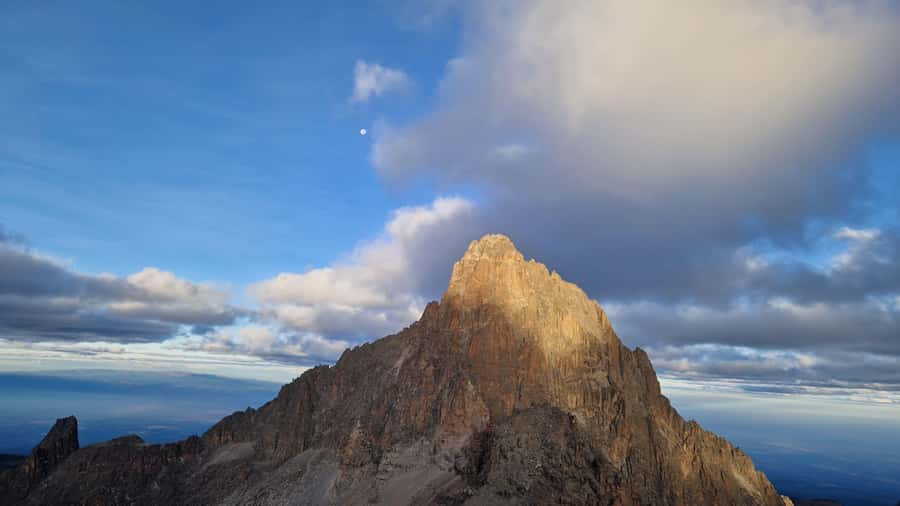
Day two is the main acclimatization and climbing day. After breakfast, you head toward Minto’s Hut at roughly 4,200 metres.
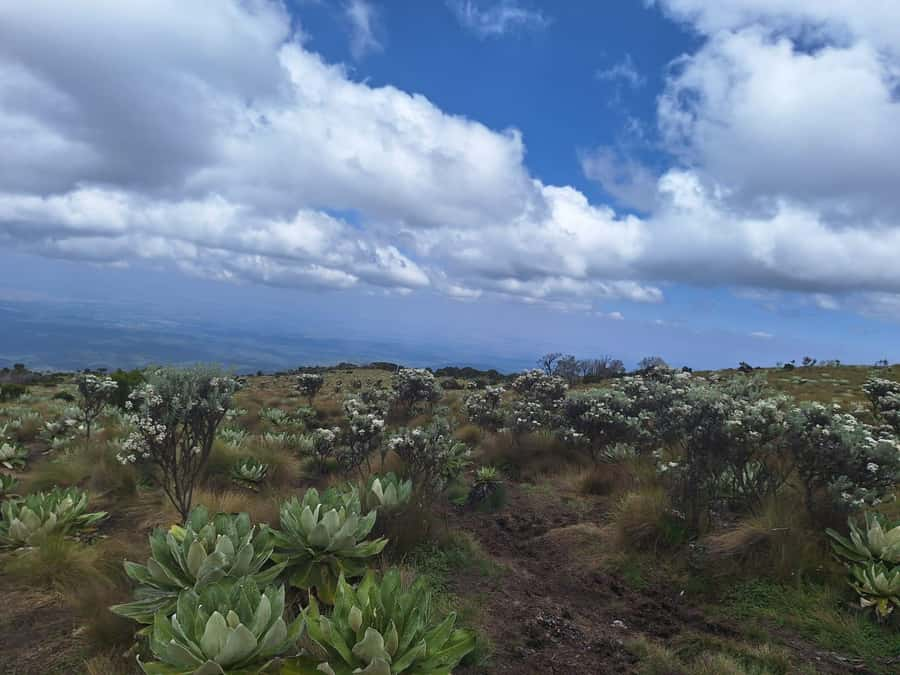
The notable change is from forest to moorland. You leave behind thicker vegetation and enter a more open, unusual high-altitude setting. This is one reason the Chogoria approach earns its place among Mount Kenya’s classic routes: the mountain does not reveal itself all at once.
The climb to Minto’s Hut is described as challenging, and you should treat that word seriously. At 4,200 metres, even a modest slope can feel demanding. Walk slowly, drink regularly, and let the guide set a sensible pace. A private group can be useful here because the day can be managed around the group’s fitness and altitude response.
Reaching Minto’s Hut is a major milestone. The campsite gives you sunset views and a high mountain setting before the summit start. It is also a night when a good sleeping system matters. The supplied equipment and camp arrangements cover the basic mountain stay, but you remain responsible for bringing suitable warm clothing and personal hiking gear.
Do not expect day two to feel like a scenic stroll. The moorland is beautiful, but the altitude, cold, and steady climb will test you. If you choose the shorter four-day option, this day is part of a compact schedule, so your legs need to be ready from the start.
Day three: the pre-dawn push to Point Lenana
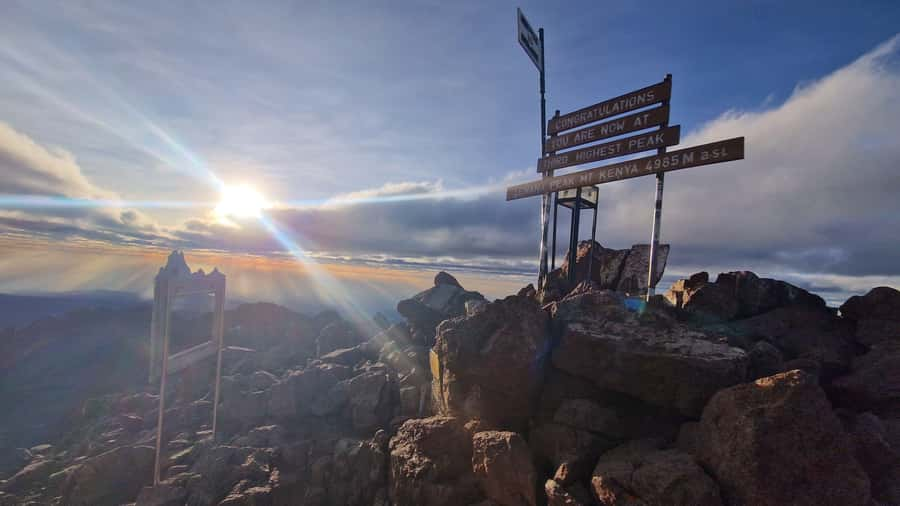
The summit morning begins before dawn. You climb in darkness toward Point Lenana, using the early start to arrive as the sky begins to brighten.
This is the emotional high point of the trip. At 4,985 metres, Point Lenana is a serious altitude achievement, even though it is reached by trekking rather than technical climbing. The sunrise is the reward: light spreads across the sky and turns the surrounding peaks and valleys into a wide mountain panorama.
The cold is a major part of the morning. Pack gloves, warm layers, and sunglasses where you can reach them quickly. Sunglasses also help once daylight returns, and sunscreen is essential at high altitude. The supplied list includes both, along with warm clothing and hiking shoes.
After the summit, you descend to Shipton Camp for breakfast. That order may feel unusual, but it suits the early start. You reach the high point first, then stop for food and recovery before continuing down.
The descent continues through changing terrain to Old Moses Camp, where you spend the final night on the mountain. This is a long day with both ascent and descent, so do not judge it only by the summit distance. The downhill sections can be tiring after a night start, and your knees may notice the effort more than your lungs.
Still, the day has a satisfying shape. You reach the summit, eat at Shipton Camp, then keep moving toward a lower camp. By the time you arrive at Old Moses, the hardest altitude work is behind you.
More treks around the world:
- Mount Etna: Trek to 3000m with cable car and 4×4
★ 4.6 · 3,823 reviews - Bali: Mount Batur Sunrise Trek With Guide and Breakfast
★ 4.8 · 3,461 reviews - From Chania: Full-Day Samaria Gorge Trek Excursion & Guide
★ 4.6 · 3,191 reviews - Mount Etna: Summit Crater Trek with Cable Car
★ 4.8 · 1,875 reviews
Day four: down to Sirimon Gate
The final day is a scenic walk down the slopes of Mount Kenya toward Sirimon Gate. The air should feel easier as you lose height, though tired legs can make the last stretch feel longer than expected.
The descent gives you one more look at the changing ecosystems. You move away from the high terrain and toward lower slopes, retracing some of the mountain’s natural transitions in reverse.
Finishing at Sirimon Gate gives the trek a clear sense of completion. You started at Chogoria and crossed the mountain to another exit, rather than simply returning to the first gate. The included transport then supports the trip back toward Nairobi.
The four-day plan is efficient, but efficiency comes with pressure. You have less time for rest and altitude adjustment. The five-day choice may suit you better if you prefer a slower pace or want more room to manage the physical demands. The exact five-day schedule is not provided, so ask for its daily distances, camp locations, and summit timing before booking.
What the guide, cook, and porters add
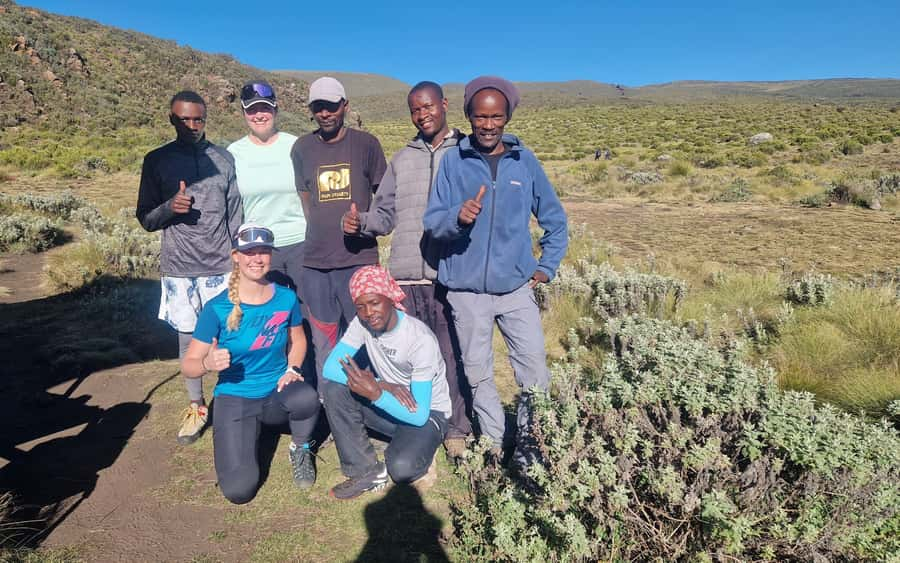
The support team is one of the strongest practical features here. The guide leads the route and provides mountain support, while the cook prepares three fresh meals each day, plus snacks, tea, and coffee. Porters carry camping equipment and food.
That arrangement changes the nature of the trek. You still do the walking, but you are not carrying the full weight of the camp or planning every meal at altitude. For a high mountain route, that can make a real difference to comfort and energy.
The available feedback gives particular credit to the guide, cook, and porter team, as well as to the company’s quick responses to questions. No individual guide names are provided, so you should request the names and roles of your actual team before departure.
Food is included three times daily, with drinks and snacks listed as part of the service. Personal preferences and dietary needs are not described, so discuss those before you set out. The same applies to sleeping arrangements, camping equipment, and the balance between cabins and tents.
How much value do you get for $847?
The base price is $847 per person. At first glance, that is not a small amount, but the package covers several costly and useful parts of a mountain trip: a professional guide, cook, porters, meals, mountain accommodation, park transport, Nairobi hotel transfers, emergency hospital transport, and basic first aid support.
The national park entry fee is extra at $70 per person per day. That means the stated total rises to about $1,127 for four days or $1,197 for five days, before any other personal expenses. Confirm whether the park fee is calculated by the scheduled number of days and ask for the full final cost in writing.
The value is strongest if you want a supported private trek and would otherwise need to arrange transport, food, porters, and mountain logistics separately. It is less attractive if you already have equipment, transport, and an independent support plan.
There is one important booking lesson. A recent booking praised the organization and fast answers, but also called for fuel-related price changes to be passed on before payment and for the route plan to be explained more clearly in advance. I would ask two direct questions: Is $847 the final operator price, and what exactly is included in the four-day or five-day route?
Fitness, altitude, and what to pack
You should be fit enough for several consecutive days of uphill and downhill walking. The trip is not suitable for children under 18, pregnant women, wheelchair users, or people with heart problems. It is also not intended for anyone afraid of heights.
Altitude is the central physical concern. The route reaches 3,550 metres at Lake Ellis, 4,200 metres at Minto’s Hut, and 4,985 metres at Point Lenana. A guide and emergency support are valuable, but they do not remove the need to move slowly and report symptoms early.
Bring:
- Passport or ID card
- Warm clothing
- Hiking shoes
- Sunglasses
- Sunscreen
- Comfortable clothing
- A change of clothes
The listed gear requirements are fairly short, so ask what camping equipment is supplied and what you must bring personally. Keep your warm layer, water, snacks, and sun protection accessible during the walking day.
The operator provides emergency transport to a hospital, a basic first aid kit, and emergency support. Those are useful safeguards, but you should still make your own health decision before booking.
Who should choose this Mount Kenya trek?
I would recommend this trip to a fit adult who wants a supported mountain trek with a clear summit goal and strong scenery along the way. It suits you especially well if you like the idea of camping beside a lake, walking through several ecological zones, and reaching a high point before sunrise.
The private-group format is helpful if you prefer to travel with your own companions or want the walking pace shaped around your group. The English-speaking service also keeps communication straightforward.
I would be more cautious if you have limited hiking experience, dislike cold nights, or want a relaxed holiday with little physical strain. The four-day option is compact, and the summit morning starts in darkness after two high camps. In that case, compare the five-day plan and request its full schedule before choosing.
Free cancellation is available up to 24 hours before departure, and you can reserve now and pay later. Those policies offer some flexibility, but they do not replace the need to confirm the route and total cost.
Should you book it?
Book this trek if Point Lenana, changing mountain terrain, and a fully supported climb are your priorities. The Chogoria to Sirimon route gives you Nithi Falls, Lake Ellis, Minto’s Hut, a sunrise summit, and a one-way crossing in a compact format.
Before paying, confirm the five-day itinerary if you need more acclimatization time, check the extra park fees, and get the final price and route in writing. If those details are clear and you are ready for the altitude, this is a strong way to experience Mount Kenya without managing every camp and meal yourself.
FAQ
How long is the Mount Kenya trek?
You can choose a four-day or five-day trek. The detailed schedule provided covers a four-day route from Chogoria Gate to Sirimon Gate.
Where does the trek start and finish?
The four-day route starts at Chogoria Gate and finishes at Sirimon Gate.
Does the trek reach Mount Kenya’s summit?
It reaches Point Lenana, at 4,985 metres above sea level. The summit attempt takes place before dawn so you can arrive for sunrise.
Is transport from Nairobi included?
Yes. Round-trip transport to and from Nairobi, including hotel pickup and drop-off, is included.
Are meals included?
Yes. The package includes three freshly cooked meals per day, along with snacks, tea, and coffee.
Are a guide and porters included?
Yes. An experienced professional guide, cook, and porters are included. The porters carry camping equipment and food.
How much are the national park fees?
The park entry fee is listed as $70 per person per day and is not included in the $847 tour price.
What should I bring?
Bring a passport or ID card, warm clothing, sunglasses, a change of clothes, hiking shoes, sunscreen, and comfortable clothing.
New treks around the world
- Sapa: 2-Day Local Guided Valley Trek with Night Homestay★ 5.0 · 27 reviews
- SAPA: 1-DAY TREKKING TOUR WITH LOCALS, LUNCH & RICE FIELDS★ 4.7 · 18 reviews
- Sapa: 2-Day Local Guided Valley Trek with Night Homestay★ 4.8 · 5 reviews
- Santa Marta: Trekking in Minca Complete Waterfall Circuit★ 4.4 · 28 reviews
- Santiago: Longueira, Pico de Antónia & Monte Tchota Trek★ 4.8 · 10 reviews
- Santiago: Trek from Serra Malagueta to Rabelados Community★ 5.0 · 16 reviews
- Santiago Island: Serra Malagueta & Tarrafal Beach Trek Tour★ 4.8 · 61 reviews
- Santa Marta: Multi-Day Trek to The Lost City★ 4.8 · 40 reviews