
Review · CUSCO
Machu Picchu: 5-Day Salkantay Trek with Panoramic Train
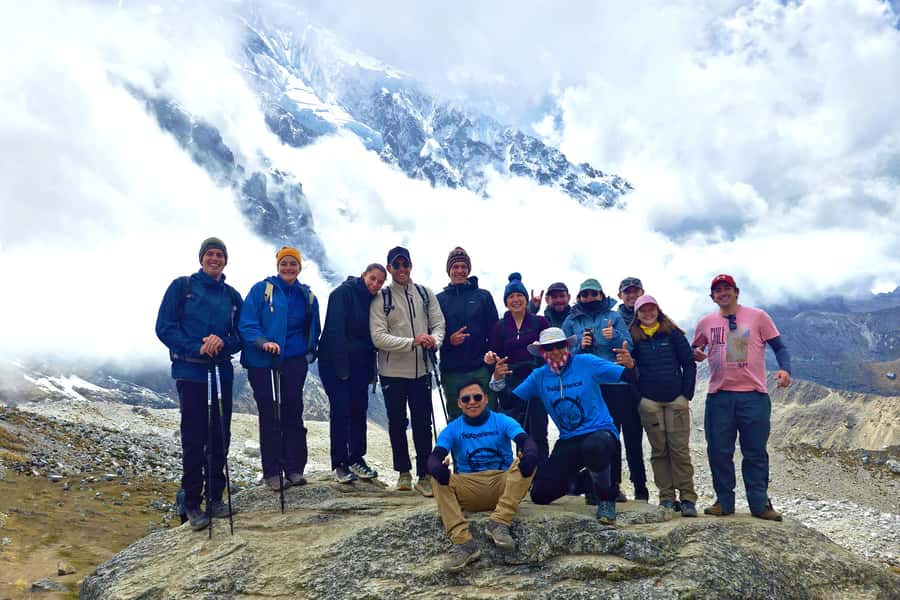
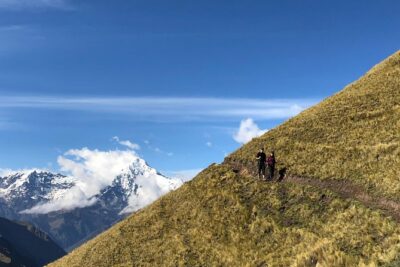
The best part of this five-day Salkantay trek is the changing scenery. You begin among high, cold mountains, pass glacial water and snowy peaks, then walk into coffee country and warm cloud forest before reaching Machu Picchu by foot.
I like the small group of up to 16, which gives the guides room to adjust the pace. I also like the food and camp setup: fresh meals, hot drinks, a Pachamanca feast, a comfortable glamping night, and a tent at Llactapata facing Machu Picchu.
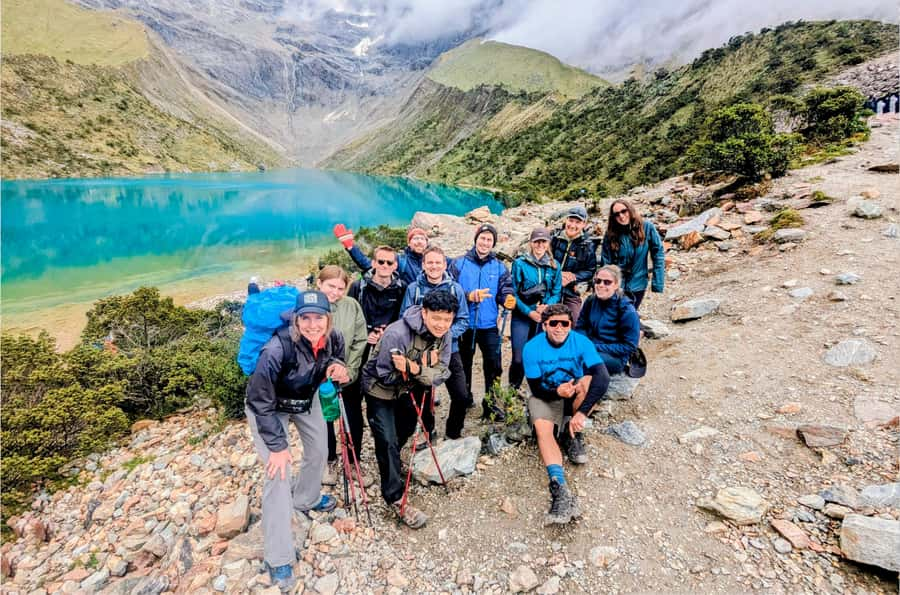
The main caution is altitude. Day one reaches 4,200 meters at Humantay Lake, and the pass rises to 4,630 meters on day two. This is a serious hike, not a sightseeing stroll, and the non-refundable booking makes preparation especially important.
Key points to know before you book
- Humantay Lake comes early: You face a demanding uphill walk soon after a 4:30 a.m. pickup.
- Salkantay Pass is the physical high point: At 4,630 meters, cold air and altitude can make the climb tough.
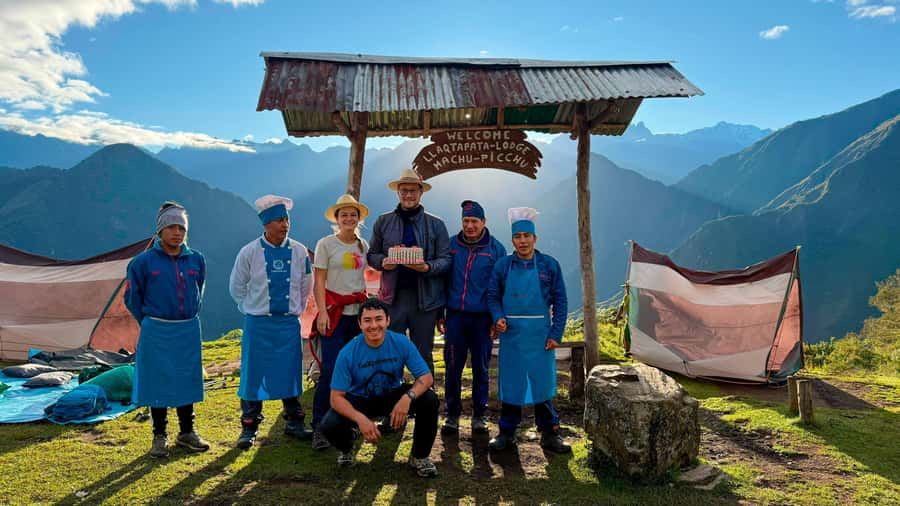
- The overnight at Llactapata is special: Your tent looks toward Machu Picchu before you reach the citadel.
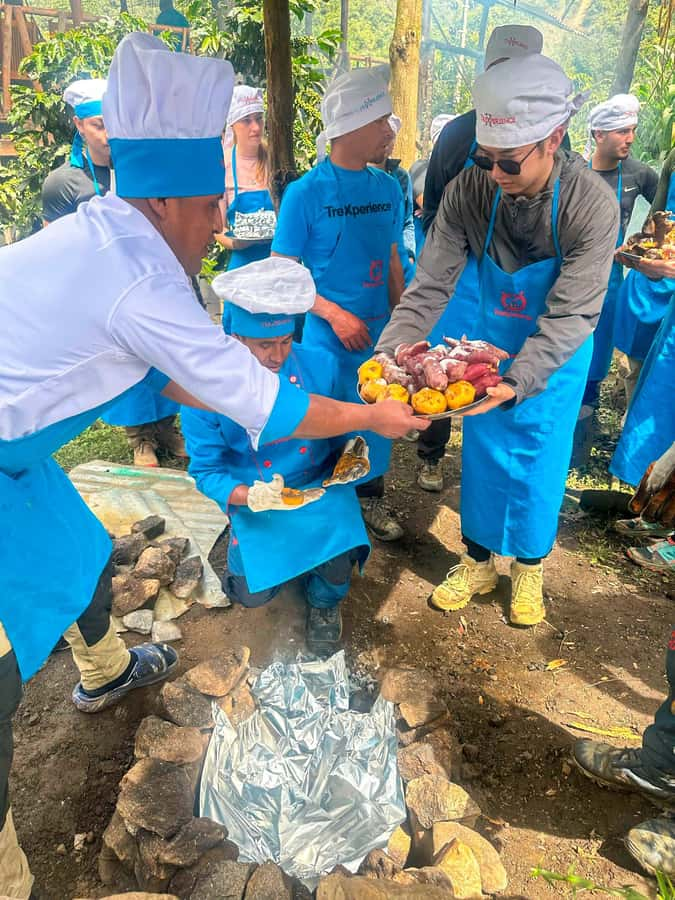
- Food is a major strength: Chefs prepare full meals, snacks, hot drinks, Pachamanca, and fresh coffee.
- The route changes completely: Snowy mountain country gives way to waterfalls, plantations, orchids, and jungle vegetation.
- The return is comfortable: After Machu Picchu, you ride a Vistadome or 360° train to Ollantaytambo, then continue by private van to Cusco.
Why this Salkantay route is worth considering
At $655 per person, this trip offers more than a basic trek and transfer. The price covers a professional guide, entrance fees, transport, meals, camping equipment, a hotel night, porters and muleteers for camping gear, the Machu Picchu bus, and the panoramic train back toward Cusco.
That bundle matters. A trek like this has many moving pieces, and the crew handles the food, camps, bags, tickets, and transport while you concentrate on walking. You receive a duffle bag with a 7-kilogram limit, a sleeping pad, pillow, rain poncho, hand towels, water, and daily snacks.
I would not call it an easy bargain for every budget. You still need to rent or bring a sleeping bag, and optional Huayna Picchu or Machu Picchu Mountain tickets cost extra and must be booked ahead. Still, for five days of guided hiking and a comfortable return by train, the package offers solid value.
The support team is a big part of that value. Guides including Cesar, Roger, José, Miguel, and others have earned strong praise for encouragement, history, organization, and attention to altitude problems. Cooks and horsemen also receive repeated credit for keeping meals and bags moving along the route.
More Inca Trail treks around Cusco:
- Salkantay Trek Challenge – 3 Days / 2 Nights
★ 5.0 · 101 reviews - Choquequirao Trek 4 days and 3 nights
★ 5.0 · 81 reviews - Ancascocha Trek To Machu Picchu 4 Days And 3 Nights
★ 5.0 · 77 reviews
Day one, from Cusco to Humantay Lake and high camp
Your day starts early, with hotel or Airbnb pickup near Cusco’s historic center around 4:30 a.m. The three-hour drive to Mollepata gives you time to rest before breakfast and the trek briefing.
From the trailhead, you hike for about three hours to Humantay Lake at 4,200 meters. The lake’s turquoise water sits below steep mountain slopes, and the setting gives you an immediate sense of why this route is more than a way to reach Machu Picchu.
The catch is the altitude. You may be walking hard before your body has adjusted to the thinner air. One person described altitude sickness on the first day and found acetazolamide helpful, but you should discuss altitude medication with a medical professional before the trip. Your guide carries oxygen and a first-aid kit, but those are safety measures, not a substitute for preparation.
After time at the lake, you descend to Soraypampa for lunch. That downhill section is welcome after the climb, though your legs are not finished. A gentler two-hour ascent takes you to the Salkantay glamp campsite at about 4,150 meters.
The glamping setup gives you more comfort than a basic tent. You can expect a warm dinner, a sleeping pad and pillow, and a night beneath a very clear mountain sky. The high camp is cold, so warm layers, a hat, and a properly rated sleeping bag matter. A sleeping bag can be rented, but it is not included.
Day two, crossing Salkantay Pass at 4,630 meters
Fresh coffee or coca tea starts the morning before the hardest climb of the trip. The route rises toward Salkantay Pass, the highest point at 4,630 meters.
This is where honest pacing helps. The air is thin, and you may need frequent pauses even if you are fit at sea level. Guides such as Cesar and José have been praised for helping people manage difficult sections, keeping morale up, and adjusting to different walking speeds.
At the top, you get wide views of the high Andes and a nearby glacial lake. The moment is rewarding, but do not rush it. Drink water, keep a warm layer handy, and follow the guide’s advice if you feel dizzy, sick, or unusually short of breath.
After the pass comes a long descent. Lunch at Wayracmachay breaks up the day, then the trail continues downward through dramatic changes in vegetation. The cold, open mountain country gradually gives way to cloud forest, with warmer air and more plant life.
By evening, you reach Collpapampa at about 2,770 meters. The Andean huts are simpler than the glamping camp but offer a comfortable place to sleep after a demanding day. This overnight also shows why the Salkantay route feels varied: you are no longer in a high-altitude world, yet the mountain journey is still unfolding.
Day three, Pachamanca, coffee, and the Llactapata view
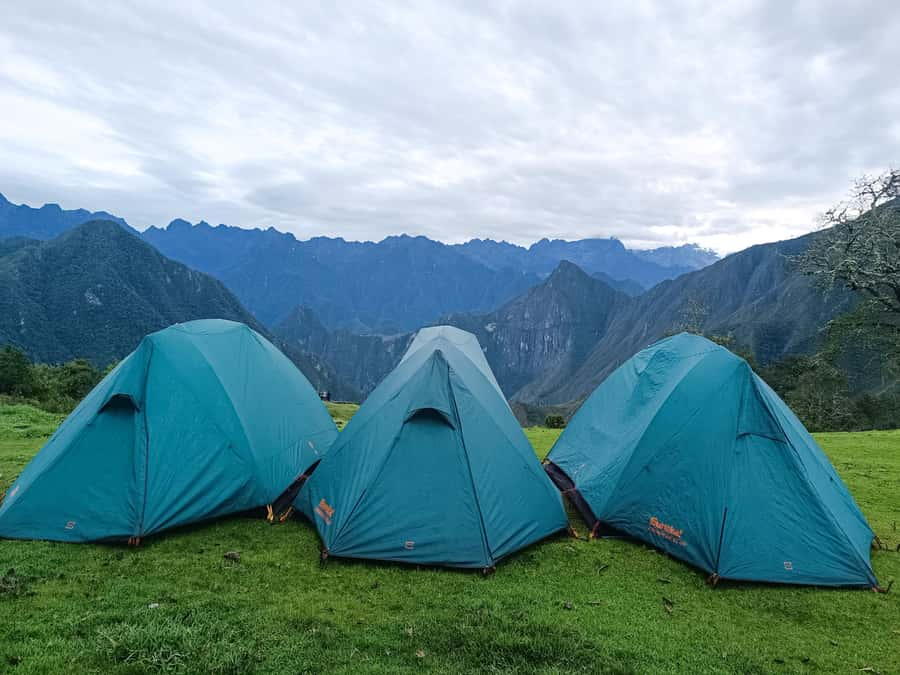
Day three is a highlight for anyone who wants culture as well as scenery. After breakfast, the trail follows wooden bridges and passes waterfalls, plantations, and small communities before reaching Lucmabamba at about 2,000 meters.
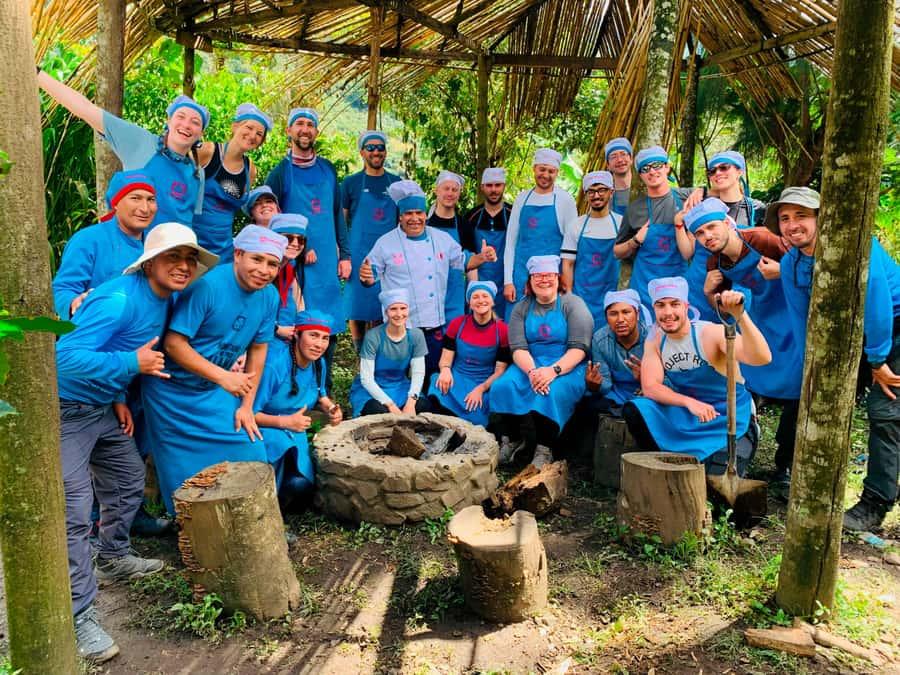
Here, you take part in a traditional Pachamanca meal. Food is cooked in an earth oven, making the experience more than a standard lunch stop. The cooking class connects the walk to local food traditions, and the full meals on this trek have been a consistent strength.
The coffee experience adds another useful local touch. You visit coffee farms, learn about the crop, and taste freshly brewed coffee. If you enjoy food and farming, this may be one of the most memorable parts of the trip because it gives the route a human connection instead of treating the valley as scenery alone.
The afternoon brings another three-hour hike along an Inca Trail section to Llactapata at around 2,750 meters. The climb can feel demanding after the morning activities, and one practical suggestion is to confirm the day’s exact order with your guide. Some hikers may prefer completing more walking before the Pachamanca meal.
Llactapata is the reward. From camp, you get your first striking view of Machu Picchu. The citadel is still distant, but seeing it from across the mountains gives the next day a clear purpose. You sleep in a tent with the ruins in sight, a memorable contrast to the crowded citadel visit still ahead.
More train journeys around Cusco
- Cusco: 4-Day Lares Trek to Machu Picchu with Panoramic Train
★ 4.9 · 20 reviews - Cusco: 4-Day Salkantay Trek to Machu Picchu, Panoramic Train
★ 4.3 · 17 reviews - Tour with the Mountain Train, Trek to Mystic Forest and Castle
★ 5.0 · 101 reviews - 5-Day Classic Salkantay Trek to Machu Picchu return by Train
★ 5.0 · 3 reviews
Day four, from Llactapata to Aguas Calientes
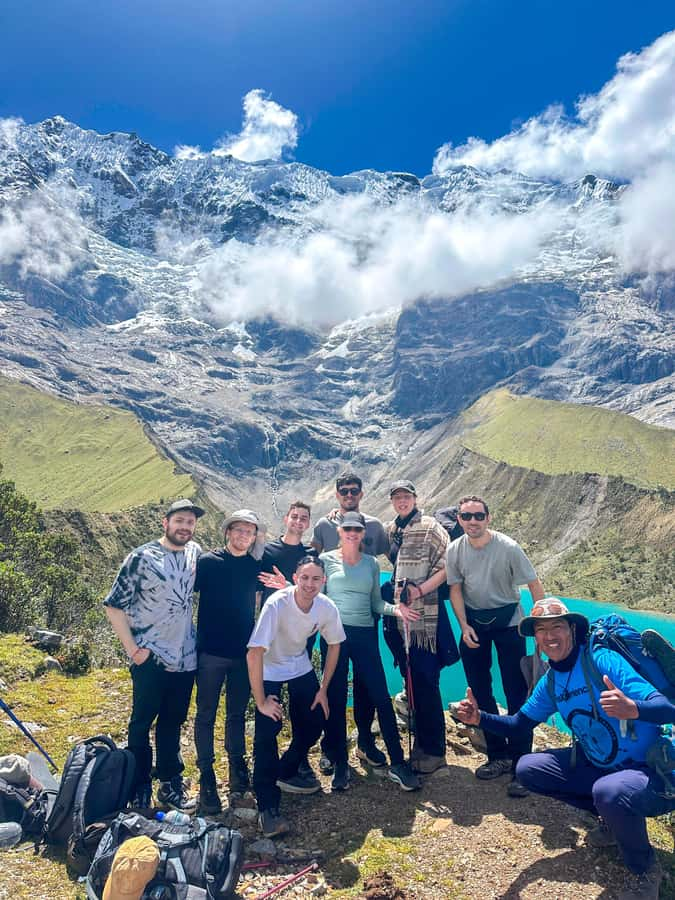
Wake early enough to look toward Machu Picchu from camp and have coffee before descending. The two-hour walk to the hydroelectric station is mostly downhill, though uneven ground can still test tired knees.
At the station, you enjoy a final brunch with the trekking team. From there, the route follows the railway and the Urubamba River for about three hours toward Aguas Calientes.
This section is less strenuous than the pass but should not be underestimated. You have already walked several long days, and the railway path can feel repetitive after the mountain scenery. The river and vegetation keep it pleasant, and the route offers a gradual transition from remote hiking to the busy gateway town.
A stop at Mandor Botanical Gardens adds interest. The gardens are known for orchids and birdlife, giving you a chance to slow down and notice the plants of the warmer valley. It is a good counterpoint to the bare highlands of the first two days.
In Aguas Calientes, you check into a three-star hotel. The evening is yours to rest, explore the town, or visit the hot springs. Dinner at a local restaurant is included in the wider trip plan, but bring some cash for personal purchases and any expenses outside the listed package. Several practical tips point to the same advice: cash is useful in Peru.
Day five, Machu Picchu and the panoramic train
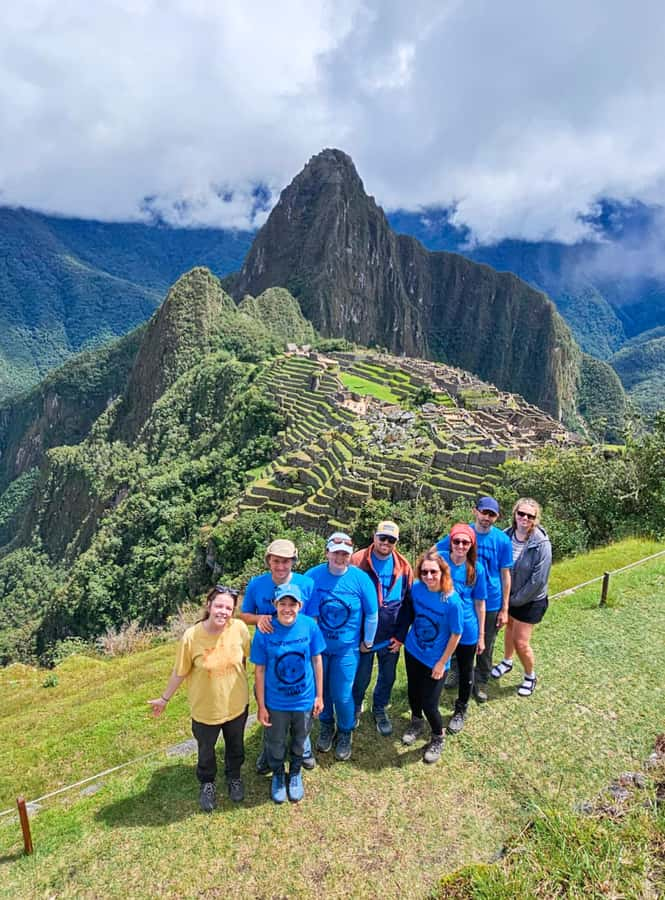
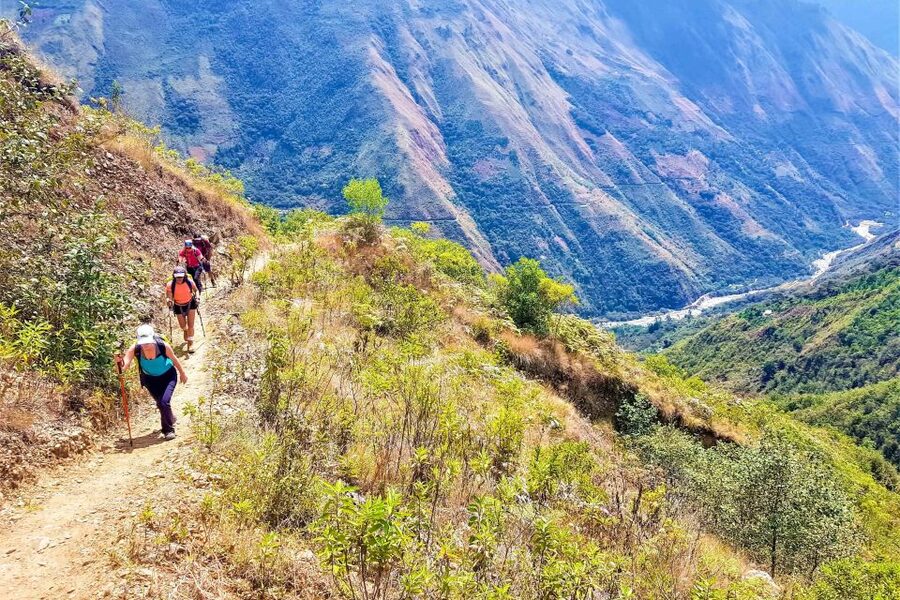
The final morning begins with an early breakfast and one of the first buses up to Machu Picchu. The early start helps you reach the citadel before the day becomes more crowded, though sunrise conditions can depend on clouds and weather.
A guide leads a two to three-hour tour of Machu Picchu. This is important. The ruins make more sense when you understand their terraces, buildings, mountain position, and Inca setting, rather than simply walking from viewpoint to viewpoint.
After the guided visit, you have time to explore on your own. Huayna Picchu and Machu Picchu Mountain are possible add-ons, but neither pass is included. Both must be booked ahead, so do not assume you can decide at the gate.
You return to Aguas Calientes for lunch, then board the panoramic Vistadome or 360° train to Ollantaytambo. Large windows make the journey part of the farewell rather than a dull transfer. A private van continues to Cusco, with arrival expected around 7:30 p.m.
That final return is convenient, but it makes day five long. Plan a quiet evening after reaching Cusco instead of scheduling another activity.
Food, camps, and the practical comforts
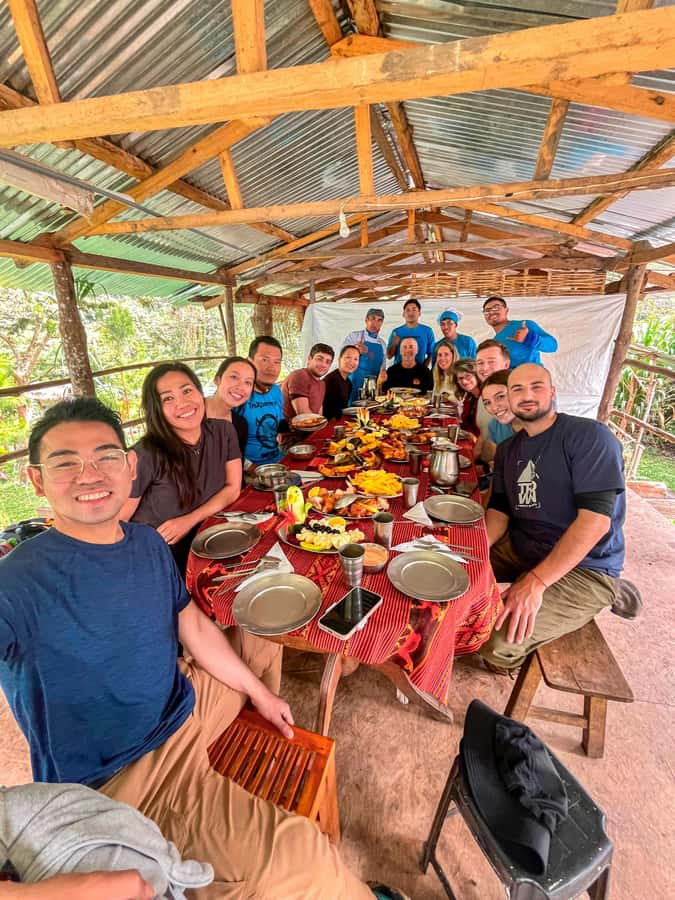
Food is one of the strongest reasons to choose this organized trek. The package includes four breakfasts, three lunches, three dinners, water, and daily snacks. Experienced chefs prepare meals along the route, and vegetarian options are available if you request them at booking.
Past meals have included several dishes at a sitting, along with hot drinks and snacks during the walk. That matters because a hard trek is easier when you are not relying only on packaged food.
The sleeping arrangements change with the route:
- Two nights are spent camping.
- One night is glamping at high altitude.
- One night is in a three-star hotel in Aguas Calientes.
A duffle bag, carried with help from muleteers, can hold up to 7 kilograms. You should carry a comfortable daypack no larger than 25 liters because larger bags cannot enter Machu Picchu.
You will need to provide or rent a sleeping bag, inflatable mattress, and trekking poles if you want them. Bring hiking shoes, rain gear, warm layers, sun protection, insect repellent, toiletries, personal medicine, cash, a head torch, and extra batteries.
Fitness, altitude, and who should book
You need a genuine willingness to walk. One section includes a 25-kilometer day, and the route contains steep climbs, long descents, high altitude, and uneven trails. The guides can support different speeds, and one guide allowed a slower participant to walk ahead or take space without pressure, but this remains a physical trip.
I would choose it if you are comfortable with long walks and want a route with more variety than the classic Inca Trail. It suits people who value mountain views, local food, cultural stops, and a small group more than a soft adventure.
It is not suitable for pregnant women, people with serious back or heart problems, people with mobility impairments, or wheelchair users. Children must be accompanied by an adult.
The group limit of 16 helps. A smaller party makes it easier to ask questions, manage breaks, and speak directly with the guide. English and Spanish guiding are available.
What I would watch before paying
The biggest issue is the non-refundable cancellation policy. Make sure your dates, passport details, health, and travel insurance are in order before booking.
You must provide your passport name, passport number, expiration date, and country at booking. Carry your passport on the trek. Student card holders should also bring the card if they intend to use it.
The tour includes safety equipment such as a satellite phone, oxygen tank, and first-aid kit. That is reassuring, especially on the high sections, but it does not remove the need to acclimatize in Cusco and take altitude symptoms seriously.
You should also ask your guide about the exact daily pace, meal timing, and sleeping bag rental before departure. Those small details can make a major difference after the first long climb.
Should you book this Salkantay trek?
Book it if you want a guided, well-supported route that combines high Andes scenery, cloud forest, local food, and Machu Picchu in one five-day plan. The Llactapata camp, Pachamanca meal, coffee visit, and panoramic train make it feel more varied than a simple hike followed by a rushed citadel visit.
Think twice if you dislike early starts, cold camping, long walking days, or altitude. This is not the easiest way to see Machu Picchu, but it may be one of the most rewarding for an active person who wants the journey to matter as much as the destination.
FAQ
How long is the Salkantay trek?
The experience lasts five days, with pickup in Cusco around 4:30 a.m. on day one and an expected return to Cusco around 7:30 p.m. on day five.
What is the highest point of the trek?
Salkantay Pass is the highest point at 4,630 meters. Humantay Lake is reached at about 4,200 meters on the first day.
Is pickup included?
Yes. Hotel or Airbnb pickup and drop-off are included for locations near Cusco’s historic center.
What accommodation is included?
The package includes two nights camping, one night of glamping at the Salkantay campsite, and one night in a three-star hotel in Aguas Calientes.
Is food included?
Yes. Four breakfasts, three lunches, three dinners, water, and daily snacks are included. Dietary options are available if you advise the company when booking.
Is the sleeping bag included?
No. A sleeping bag can be rented. An inflatable mattress and trekking poles can also be rented but are not included.
Is the train back to Cusco included?
Yes. The return includes a panoramic Vistadome or 360° train to Ollantaytambo, followed by a private van to Cusco.
Can I hike Huayna Picchu or Machu Picchu Mountain?
You can, but the pass for either mountain is not included. You must book the desired pass in advance.
What size daypack can I take into Machu Picchu?
A lightweight backpack no larger than 25 liters is recommended. Larger backpacks cannot be taken into Machu Picchu.
More five-day treks around Cusco
- Ausangate Trek 5 Days
★ 5.0 · 74 reviews - 5-Day Salkantay Trek to Machupicchu Sky Lodge Dome
★ 4.0 · 6 reviews - Cusco: 5-Day Salkantay Ultimate Trek to Machu Picchu
★ 5.0 · 3 reviews - Annapurna base camp trek 5 Days
★ 5.0 · 252 reviews
New treks around Cusco
- Salkantay Humantay lake trek with Domes-2d-1n★ 5.0 · 2 reviews
- Salkantay Trek to Machu Picchu 5D/4N or 4D/3N by glamping★ 4.4 · 35 reviews
- Rainbow Mountain Trek 1 Day★ 5.0 · 2 reviews
- Rainbow Mountain and Red Valley Hike trek adventure★ 4.5 · 2 reviews
- Tour Pallay Punchu Trek Full Day★ 4.2 · 3 reviews
- Cusco: Machu Picchu Inca Trail 4-Day Trek★ 5.0 · 2 reviews
- From Cusco: Salkantay Trek to Machu Picchu 5D/4N or 4D/3N★ 5.0 · 3 reviews
- Cusco: 4-Day Salkantay Trek to Machu Picchu, Panoramic Train★ 4.3 · 17 reviews
Machu Picchu and Inca Trail Treks, side by side.
Ancascocha Trek To Machu Picchu 4 Days And 3 Nights
Read our review →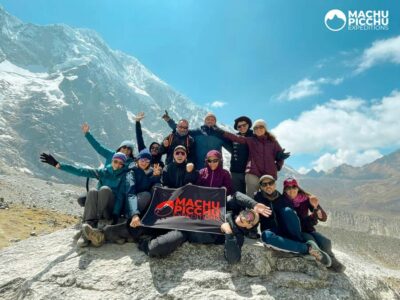
Salkantay Trek to Machu Picchu 5D/4N or 4D/3N by glamping
Read our review →
4 days/3 nights: Inka Jungle Trek to Machu Picchu
Read our review →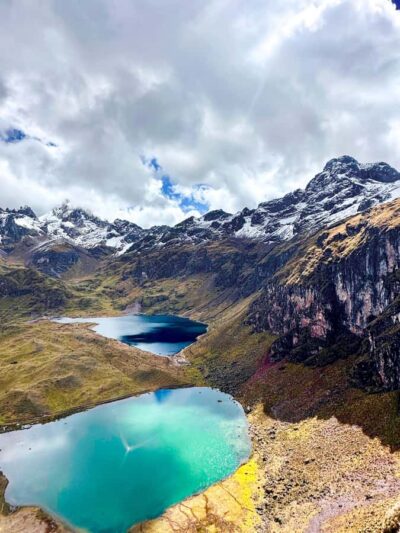
Cusco: 4-Day Lares Trek to Machu Picchu with Panoramic Train
Read our review →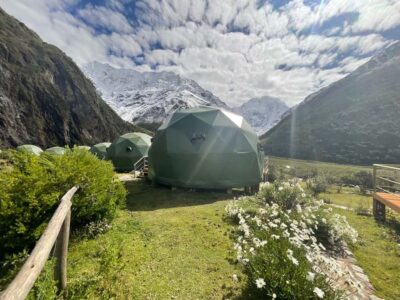
5-Day Salkantay Trek to Machupicchu Sky Lodge Dome
Read our review →
From Cusco: 5-Night Trip with Salkantay Trek & Machu Picchu
Read our review →Lists this trek appears in