
Review · CUSCO
From Cusco: Salkantay Trek to Machu Picchu 5D/4N or 4D/3N
The Salkantay Trek earns its keep with a dramatic change of scenery. In five days, you move from high Andean peaks and the turquoise waters of Humantay Lake to rainforest paths, hot springs, and Machu Picchu. The hardest moment comes at the 4,630-meter Salkantay Pass, followed by a long descent into warmer country.
I like the thoughtful support on the trail: a horse carries up to 6 kilos of your belongings, while a chef prepares breakfast, lunch, and dinner. I also like the choice between a four-day and five-day route, plus the chance to see Llactapata before walking into Aguas Calientes.
The main caution is cost clarity. The advertised $50 price is not the full trip cost, since you still need to budget for Machu Picchu, transport options, Humantay Lake, buses, and some meals. Ticket availability also needs attention well before you arrive.
Key points to know before you book
- Humantay Lake comes early: You reach the 4,200-meter lake on the first day, after a three-hour hike to Soraypampa and lunch.
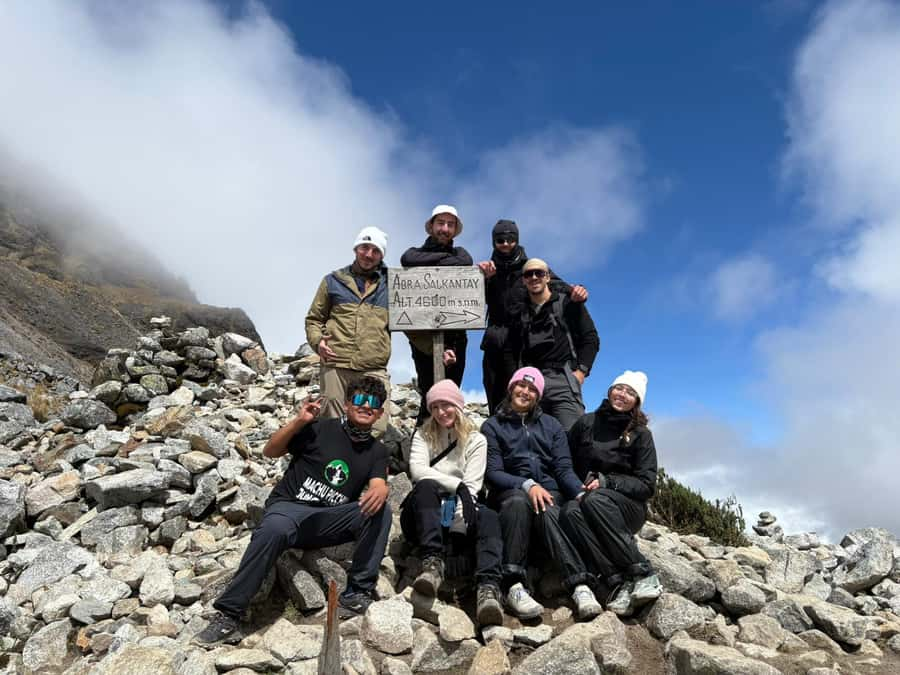
- The Salkantay Pass is the physical test: Day two reaches 4,630 meters before a long descent to Chayllay or Collpapampa.
- The route changes climate fast: Snowy high country gives way to rainforest, plantations, waterfalls, and wooden bridges.
- Five days adds recovery time: The longer option includes Cocalmayo hot springs and three nights in cabins before your hotel night in Aguas Calientes.
- Machu Picchu circuits matter: Circuit 2A or 2B offers the fullest visit, while Circuits 3B and 1B cover less of the site.
- The $50 figure is only a starting point: Add the required and optional fees before comparing value with other treks.
A trek built around changing scenery
This is not a simple walk to Machu Picchu. The Salkantay route gives you several distinct Peru experiences in one trip, but it asks you to work for them.
You leave Cusco around 4:30 a.m. and spend about three hours in a private vehicle reaching the trailhead area near Mollepata. Breakfast comes before the walking begins. That early start is useful because the first day has both altitude and a demanding climb to Humantay Lake.
The trip is offered in four or five days. The five-day version gives you more time on the route and includes the hot springs at Cocalmayo. The four-day version cuts out part of the final schedule and saves one night, but it still includes the main high-altitude section and Machu Picchu.
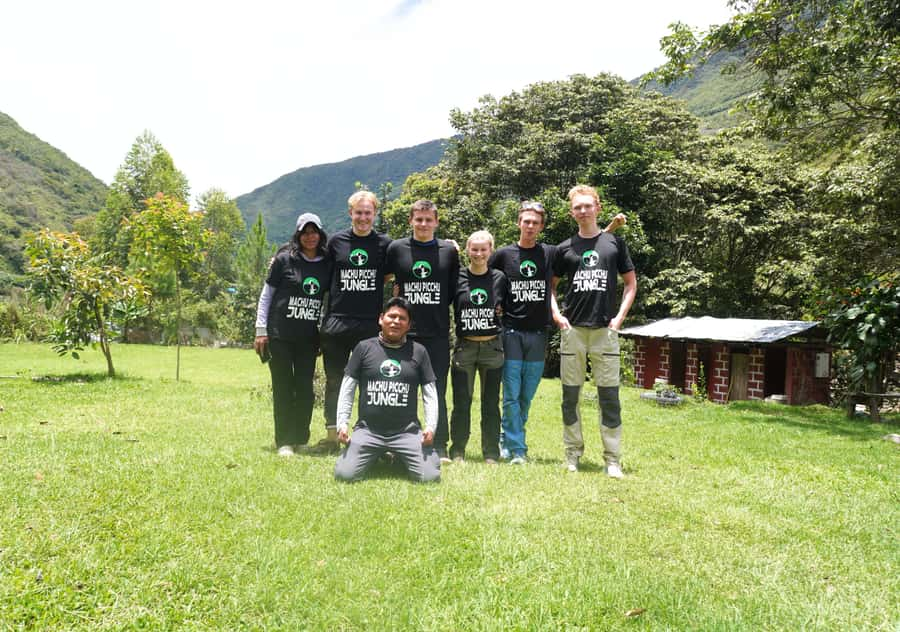
The tour is described as a private group experience, with English, Portuguese, and Spanish available. The named guide Fernandez, chef Edgar, and assistant Eulogio are part of the operating team. Fernandez is the person you will rely on for pacing, route guidance, and help during the tougher sections. Edgar handles the cooking, and Eulogio helps with practical trail needs.
More Inca Trail treks around Cusco:
- Salkantay Trek Challenge – 3 Days / 2 Nights
★ 5.0 · 101 reviews - Choquequirao Trek 4 days and 3 nights
★ 5.0 · 81 reviews - Machu Picchu: 5-Day Salkantay Trek with Panoramic Train
★ 5.0 · 79 reviews
Day one: Cusco to Humantay Lake
Your day begins before sunrise. After pickup in Cusco’s historic center, you travel by van through the Cusipata area, stop for breakfast, and continue toward the trailhead.
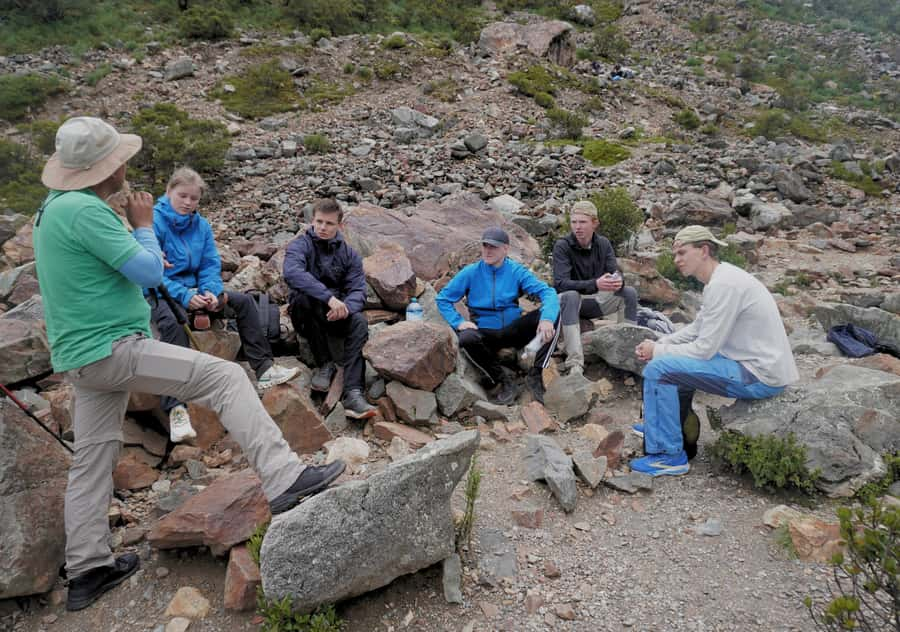
The first walking section takes about three hours and leads to Soraypampa at roughly 3,800 meters. This is already high country, so your first morning is not a gentle warm-up. Take the first part slowly, drink water, and do not treat the breakfast stop as a quick formality.
After lunch, you walk for about two hours to Humantay Lake, at approximately 4,200 meters. The water is the visual prize of the day, with steep mountain slopes surrounding the bright turquoise surface. You have time for photographs and views before returning toward camp.
The descent and continuation to camp take another two hours. Dinner follows at the cabins, and the evening may be spent under a clear Andean sky. The cabins are a useful comfort here, since the cold and altitude make a basic tent-only night less appealing.
Humantay Lake is beautiful, but do not underestimate this day. You are combining a long drive, a high-altitude climb, a lake visit, and more walking afterward. Comfortable shoes, rain gear, sunscreen, and water are not optional extras in practice.
Day two: Salkantay Pass and the long descent
Day two is the route’s big physical challenge. You wake with coca tea or coffee, eat breakfast, and begin a three-hour climb toward the Salkantay Pass.
At 4,630 meters, the pass gives you the high mountain views that define the trek. You also visit a nearby lake before starting the descent. The air can feel thin at this height, and the trail is far more demanding than the lower rainforest sections later in the trip.
After about three hours downhill, you stop at Wayracmachay for lunch. The day is not finished. Another three-hour descent takes you through changing climates and scenery to Chayllay or Collpapampa, at about 2,770 meters.
This is where the route begins to feel very different. Temperatures become warmer, and the setting shifts away from exposed high peaks. You finish near a local village and stay at camp.
I would judge your fitness by this day, not by the easier walks listed elsewhere. The pass itself is only one part of the work. The long descent can be tiring on knees and ankles, especially after the climb. Trekking poles are available to rent for $10 for the full trip, and they are worth considering if you find downhill walking difficult.
Day three: Rainforest paths and Cocalmayo
The route drops into the rainforest around Santa Teresa. This section offers a welcome change after the cold, high pass.
You walk across wooden bridges and past waterfalls and plantations growing bananas, passion fruit, and avocados. The trail leads toward La Playa, where lunch is served. This is a more relaxed walking day in terms of altitude, but it can still be tiring after the previous day’s ascent and descent.
The five-day option includes a visit to the Cocalmayo hot springs. The entrance fee is PEN 10, and transport costs depend on how many people are going. The springs give your legs a chance to recover before the final approach to Machu Picchu.
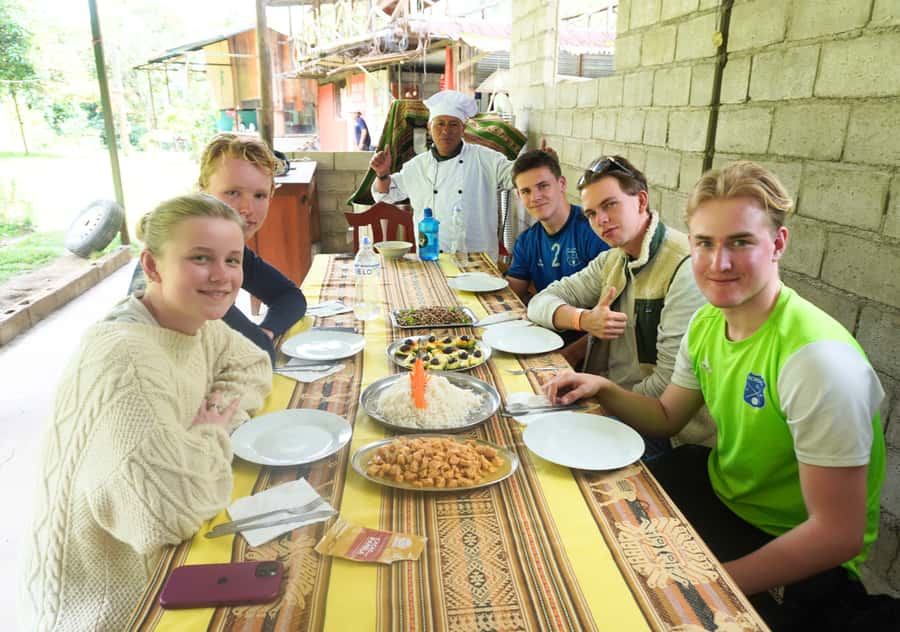
After the bath, you return to camp for dinner and a group bonfire. Coca tea is served in the mornings, and afternoon tea includes popcorn, cookies, chocolate, and coffee. Those small food stops matter on a trek, since meals are spaced around long walking periods.
The four-day route changes here. The five-day schedule includes three nights in cabins, while the four-day option includes two cabin nights. At La Playa, people on the four-day plan say goodbye to those continuing on the longer version, and transport from La Playa to Hidroeléctrica is an extra cost for four-day participants.
More treks around Cusco:
- From Cusco: 7 Lakes Ausangate Trek with Breakfast and Lunch
★ 4.8 · 360 reviews - Cusco: Full-Day Rainbow Mountain & Red Valley Trekking Tour
★ 4.5 · 121 reviews - From Cusco: Rainbow Mountain Trek
★ 4.5 · 98 reviews - Ancascocha Trek To Machu Picchu 4 Days And 3 Nights
★ 5.0 · 77 reviews
Day four: Llactapata and the walk to Aguas Calientes
The five-day route continues from Lucmabamba toward Llactapata. After breakfast, you climb for about two hours along a section connected with the original Inca Trail.
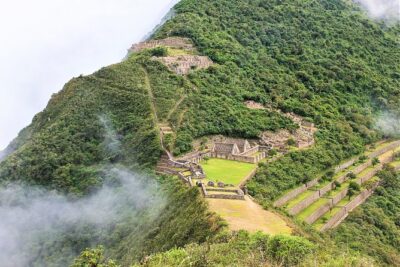
Llactapata sits at roughly 2,700 meters and gives you a view toward Machu Picchu. This is more than a scenic rest stop. It provides a useful first look at the citadel before your main visit, and it puts the archaeological setting into perspective.
From Llactapata, you descend for about two hours to Hidroeléctrica for lunch. Then comes the final walk to Aguas Calientes. The route follows the valley toward the town, and you check into a hotel before dinner with the group at about 7 p.m.
The long walk to Aguas Calientes is one reason to think carefully about the five-day option. You get the extra archaeological stop and more time on foot, but you also finish several days of sustained walking before reaching your hotel.
Your duffel bag can be carried by horse during the trek, up to the stated 6-kilo limit. From Lucmabamba to Aguas Calientes, luggage transport is not included. You can pay to send the bag by car or carry it yourself, so pack the day’s essentials separately.
Day five: Machu Picchu at the end of the trail
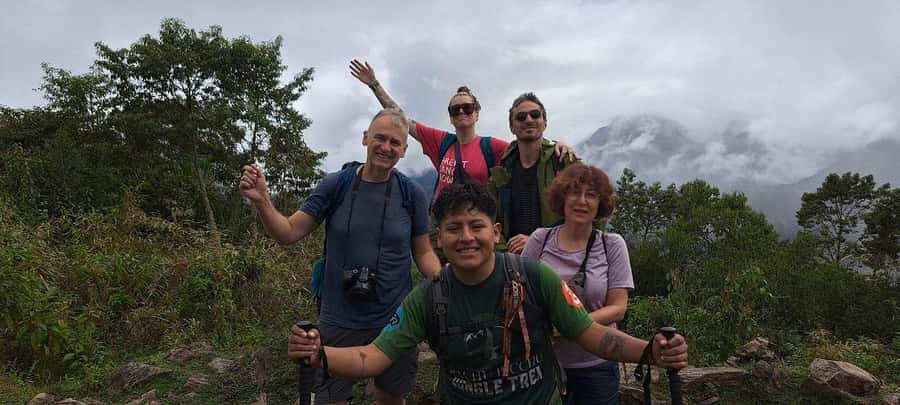
The final morning starts early. After breakfast in Aguas Calientes, you climb stairs for about an hour to Machu Picchu’s main gate and aim to arrive around 6:30 a.m.
You receive about two and a half hours of guided time inside the citadel. The included Machu Picchu tour is tied to Circuit 2A or 2B when available. These are the most complete choices listed for this experience.
You must check your assigned circuit before booking. Circuit 2A or 2B is the best fit if you want the fullest standard visit. Circuit 3B covers the lower section, middle viewpoint, and sacred temples. Circuit 1B focuses on the upper terrace and classic photograph, so it offers less of the site.
The operator handles the reservation according to government availability, but the ticket itself requires separate payment. The information provided gives two different figures, PEN 152 or USD 60, so confirm the current amount at the briefing. If a ticket is not secured online, you may need to buy one in Aguas Calientes in person with your passport. Up to 1,000 tickets are sold there per day, and a missed ticket can add days to your plans without adding meals or lodging.
You can walk down from Machu Picchu or pay for the bus. The bus is listed at $12 each way. After your visit, your return depends on your reservation.
Returning to Cusco by car or train
The car return requires walking back to Hidroeléctrica. Return transport leaves between 6 a.m. and 9 a.m. at the latest, so you need to follow the timing given by the operator.
The train option is more comfortable and flexible, but it costs extra. You choose a train from Aguas Calientes to Ollantaytambo, then continue by local vehicle to Cusco. The information does not set a single train price, so ask for the exact fare before paying.
This choice changes the feel of the final day. The car route keeps costs lower but adds a walk after Machu Picchu. The train saves energy and time, which may be worth paying for after four or five days on foot.
What the price really includes
The $50 per person price looks extremely low for a multi-day trek, so treat it as a starting figure, not the final bill.
Included services are substantial: pickup in Cusco’s historic center, private transport to the trailhead, a professional guide, chef and cooking equipment, meals during the trek, cabins, one hotel night in Aguas Calientes, a duffel bag, and a horse for 6 kilos of belongings. Vegetarian and vegan meals are available without an added charge.
For five days, you receive four breakfasts, four lunches, and four dinners. The four-day option includes three of each. The first breakfast, final lunch, and final dinner are not included.
You should also budget for:
- Machu Picchu entrance, listed as PEN 152 or USD 60 in the supplied information
- Humantay Lake entrance, PEN 20
- Machu Picchu bus, $12 up and $12 down
- Sleeping bag rental, $15
- Trekking pole rental, $10
- Cocalmayo entrance and transport on the five-day route
- Transport from La Playa to Hidroeléctrica on the four-day route
- Duffel transport from Lucmabamba to Aguas Calientes
- Train transport, if selected
Once these extras are added, the value depends on what you want included. The meals, cook, cabins, horse support, and hotel night make the package useful for a budget trekker who wants organized support. It is less attractive if you expected the advertised price to cover every major ticket and transfer.
Food, sleeping arrangements, and practical comfort
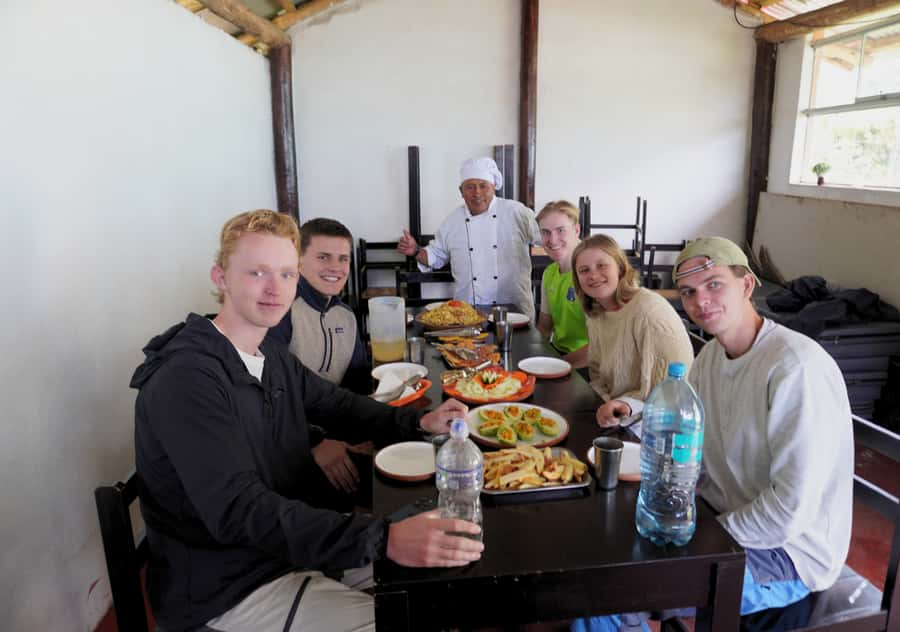
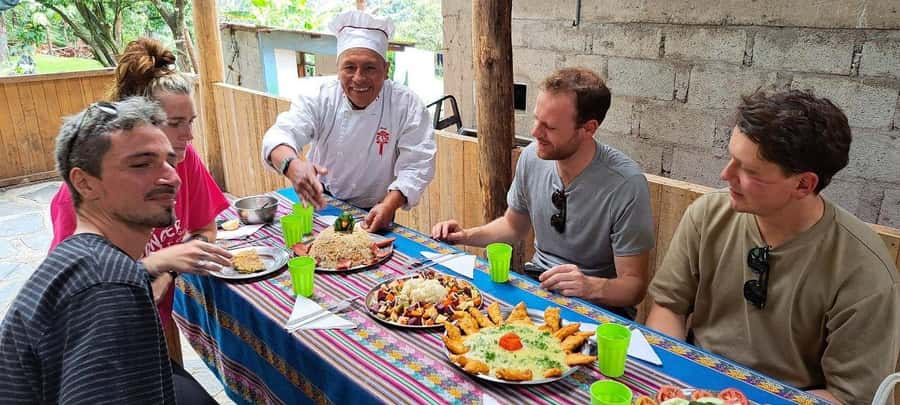
Edgar prepares the meals with professional cooking equipment, and the schedule includes three afternoon tea stops with snacks and hot drinks. Coca tea is available in the morning at camp. This is a real advantage on a demanding route, since you do not need to organize trail meals yourself.
You sleep in cabins for two nights on the four-day trip and three nights on the five-day trip. The final night is in a hotel in Aguas Calientes. Sleeping bags are not included, so bring your own or rent one for $15.
The duffel service helps keep your daypack lighter, but the 6-kilo limit matters. Keep your passport, water, rain gear, sunscreen, medication, camera, and a change of clothes with you. Weather can shift from cold mountain conditions to warm, wet rainforest conditions in a single trip.
The required briefing takes place at 6 p.m. one day before departure at the operator’s office in Cusco. Bring your passport and provide passport details early, since the Machu Picchu reservation depends on them.
Who should choose the four-day or five-day route?
Choose five days if you want the most complete version of the route, time at Cocalmayo, the Llactapata visit, and a slower move from the high mountains into the rainforest. You still walk a lot, but the extra night spreads the experience out.
Choose four days if your schedule is tight and you want the main Salkantay and Machu Picchu experience with fewer nights. You should be comfortable with a more compressed schedule and the additional transport arrangements around La Playa and Hidroeléctrica.
This trek suits you if you want a physically active route with changing scenery, organized meals, and staff support. It is not the right choice if you want a relaxed Machu Picchu visit with minimal walking. The 4,630-meter pass and the long first two days require preparation.
The tour has a strong practical side. Fernandez guides the route, Edgar cooks, and Eulogio helps keep the group moving. Those personal roles matter more here than polished extras because the trip depends on steady support over several days.
Should you book this Salkantay Trek?
Book it if you want Humantay Lake, Salkantay Pass, rainforest trails, Llactapata, and Machu Picchu in one organized trip. I would favor the five-day version if you have the time and want the hot springs and a less rushed schedule.
Before paying, confirm the actual Machu Picchu circuit, ticket cost, return transport, and all extra fees. If Circuit 2A or 2B is important to you, do not assume it is guaranteed until the operator confirms availability.
The strongest value comes from the support system: meals, cooking staff, cabins, a hotel, guide service, and luggage help. The biggest risk is misunderstanding the low starting price or leaving ticket arrangements too late. Get those details in writing, then this can be a demanding but very rewarding route to Machu Picchu.
FAQ
How long is the Salkantay Trek to Machu Picchu?
You can choose a four-day, three-night trip or a five-day, four-night trip. The full schedule includes walking from the high Andes to Aguas Calientes and a Machu Picchu visit.
What altitude does the trek reach?
The route reaches the Salkantay Pass at about 4,630 meters. Humantay Lake is approximately 4,200 meters, and Soraypampa is around 3,800 meters.
Is Humantay Lake included?
The trek visits Humantay Lake, but the entrance fee is not included. The listed fee is PEN 20 per person.
Which Machu Picchu circuit is included?
The included guided visit is planned for Circuit 2A or 2B when available. Circuit availability depends on the Peruvian government reservation system, so confirm the assigned circuit before booking.
Are Machu Picchu tickets included in the price?
The reservation is handled according to availability, but the ticket requires separate payment. The supplied information lists PEN 152 or USD 60, so confirm the current price at the pre-trip briefing.
Are meals included?
The five-day option includes four breakfasts, four lunches, and four dinners. The four-day option includes three breakfasts, three lunches, and three dinners. The first breakfast, last lunch, and last dinner are not included.
Is accommodation included?
Yes. The five-day route includes three nights in cabins and one night in a hotel in Aguas Calientes. The four-day route includes two nights in cabins and one hotel night in Aguas Calientes.
Can I rent trekking equipment?
Yes. A sleeping bag is listed at $15 for the full trip, and trekking poles are listed at $10 for the full trip..calc
New treks around Cusco
- Salkantay Humantay lake trek with Domes-2d-1n★ 5.0 · 2 reviews
- Salkantay Trek to Machu Picchu 5D/4N or 4D/3N by glamping★ 4.4 · 35 reviews
- Rainbow Mountain Trek 1 Day★ 5.0 · 2 reviews
- Rainbow Mountain and Red Valley Hike trek adventure★ 4.5 · 2 reviews
- Tour Pallay Punchu Trek Full Day★ 4.2 · 3 reviews
- Cusco: Machu Picchu Inca Trail 4-Day Trek★ 5.0 · 2 reviews
- Cusco: 4-Day Salkantay Trek to Machu Picchu, Panoramic Train★ 4.3 · 17 reviews
- Cusco: 4-Day Lares Trek to Machu Picchu with Panoramic Train★ 4.9 · 20 reviews
Machu Picchu and Inca Trail Treks, side by side.
Machu Picchu: 5-Day Salkantay Trek with Panoramic Train
Read our review →
Ancascocha Trek To Machu Picchu 4 Days And 3 Nights
Read our review →
Salkantay Trek to Machu Picchu 5D/4N or 4D/3N by glamping
Read our review →
4 days/3 nights: Inka Jungle Trek to Machu Picchu
Read our review →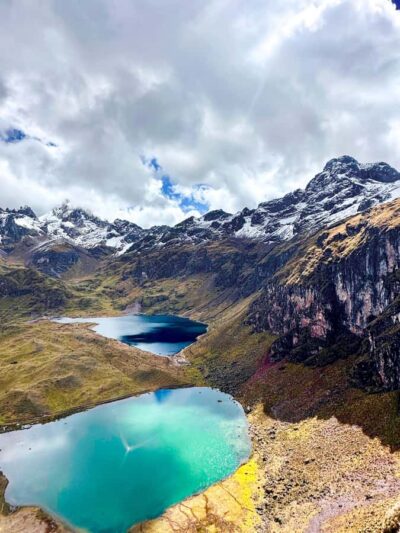
Cusco: 4-Day Lares Trek to Machu Picchu with Panoramic Train
Read our review →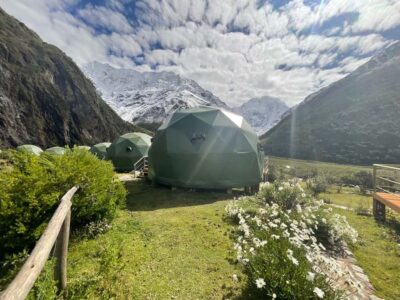
5-Day Salkantay Trek to Machupicchu Sky Lodge Dome
Read our review →Lists this trek appears in