
Review · CUSCO
Cusco: 4-Day Salkantay Trek to Machu Picchu, Panoramic Train
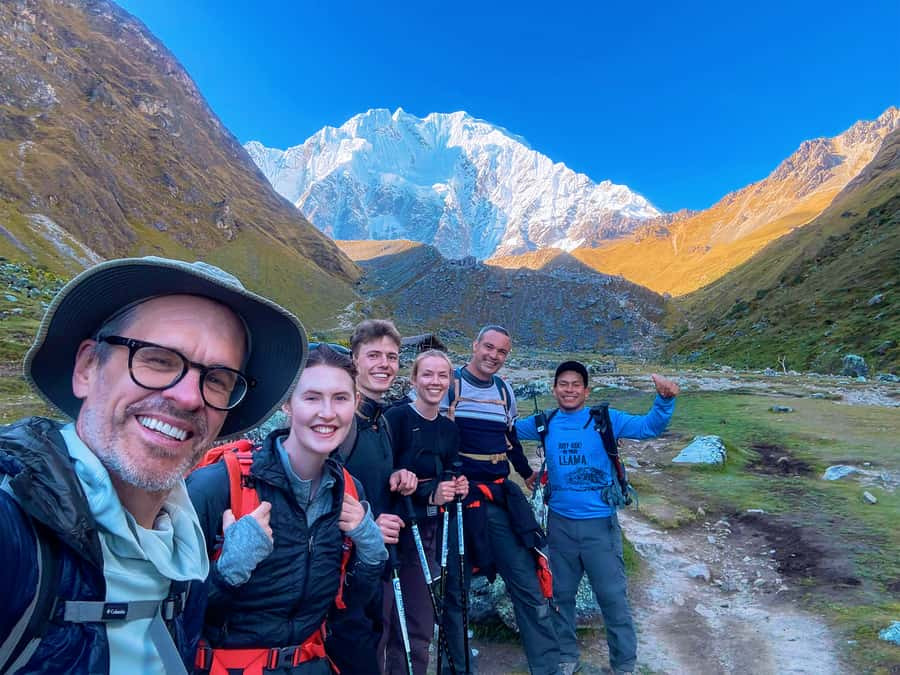
The great appeal here is the sharp change in scenery: you begin among snow peaks and turquoise water, cross the high Salkantay Pass, then walk down into warm cloud forest before reaching Machu Picchu. I like the small group of up to 16 and the mix of outdoor comfort, local food, and practical support.
I also like that the hardest night comes before the pass, giving you a higher camp for acclimatization, and that the return is by a panoramic train rather than a long ride. The main caution is the demanding second day at altitude, plus basic conditions at the Collpapampa huts, where hot showers may cost extra and facilities can be rough.
Key points to know before booking
- 4,630-meter Salkantay Pass: The highest point comes on day two, after a two-hour uphill walk.
- Humantay Lake early on: You reach the turquoise lake before settling into the first camp.
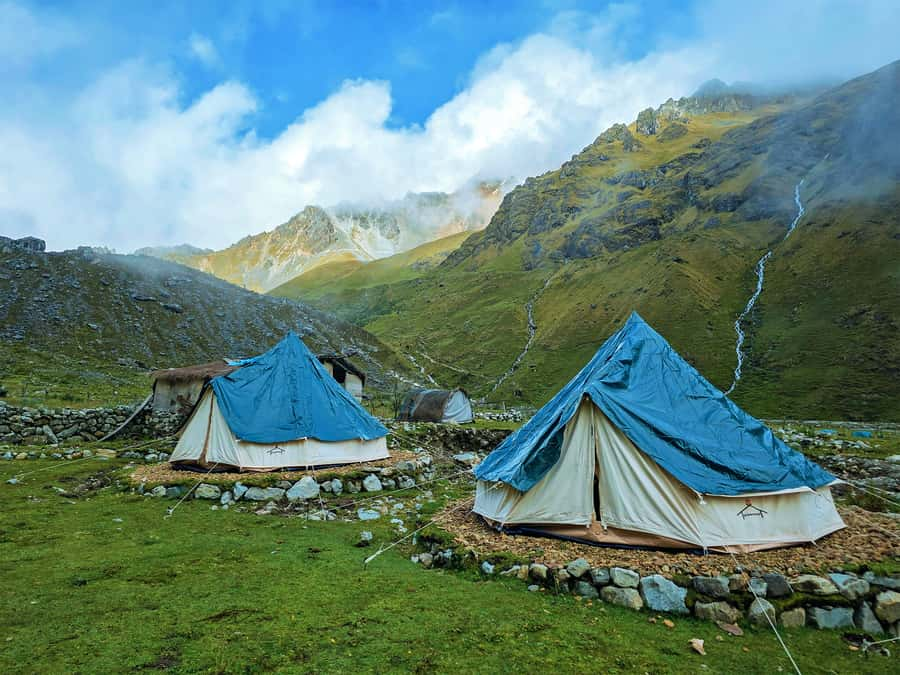
- Three different sleeping styles: Expect glamping tents, simple Andean huts, and a 3-star hotel.
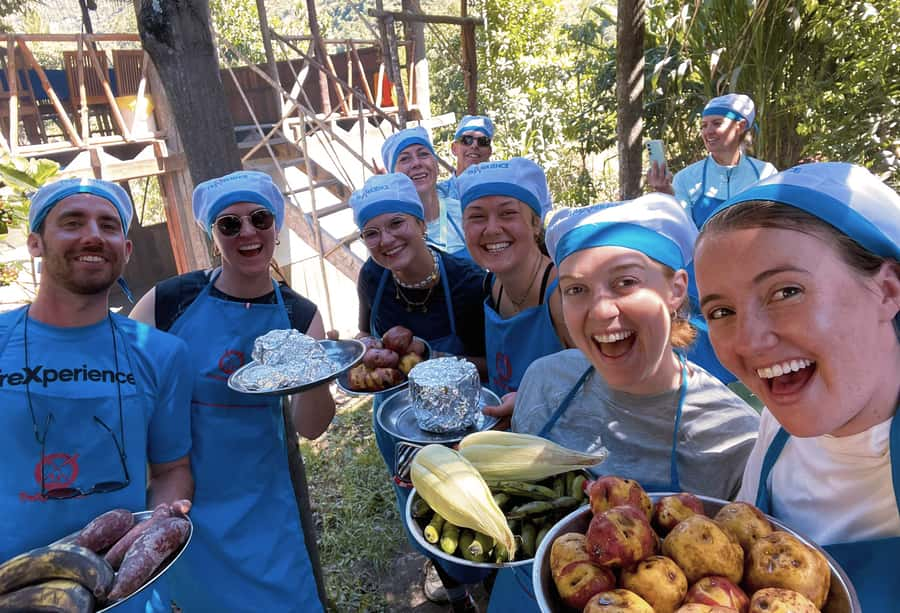
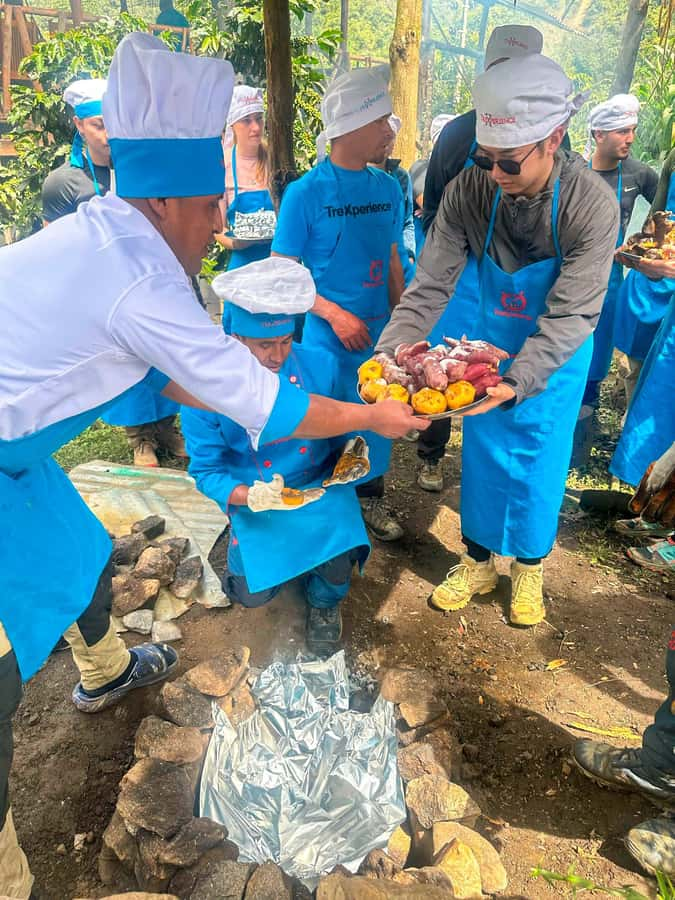
- Food is part of the experience: Trail meals, a Pachamanca barbecue, and a coffee-making session are included.
- A comfortable finish: You explore Machu Picchu on day four and return by Vistadome or 360° panoramic train.
- Plan carefully: The activity is non-refundable, and you should confirm Machu Picchu circuit and ticket details before paying.
Why this four-day route works
The Salkantay Trek gives you a fuller physical challenge than a direct train visit to Machu Picchu, but it avoids turning the whole trip into a rough camping expedition. You walk through several climate zones, sleep in three distinct types of accommodation, and finish with the most famous sight in Peru.
At $552 per person, the price includes much more than the hiking itself. Transport from Cusco, trail meals, a guide, camps, the Aguas Calientes hotel, Machu Picchu transport, and the panoramic train are all bundled together. You also get a duffle bag allowance of up to 7 kilograms, daily snacks, water, a sleeping pad, pillow, rain poncho, hand towels, and safety equipment.
That package can offer solid value if you need the full logistics arranged. The comparison to make is not simply tour price versus trail price. You would otherwise need to organize early transport, multiple sleeping places, meals, a guide, Machu Picchu access, and the train home. Still, check the ticket wording closely before booking, since the details distinguish between included entrance arrangements and advance booking for Machu Picchu or Huayna Picchu tickets.
The group limit of 16 matters. On a four-day hike, a very large group can create long waits and split the pace. A small group gives the guide a better chance to notice who needs a break, especially on the high pass and during the long descent.
More Inca Trail treks around Cusco:
- Salkantay Trek Challenge – 3 Days / 2 Nights
★ 5.0 · 101 reviews - Choquequirao Trek 4 days and 3 nights
★ 5.0 · 81 reviews - Machu Picchu: 5-Day Salkantay Trek with Panoramic Train
★ 5.0 · 79 reviews
Day one: Humantay Lake and the first glamping night
Your day begins early, with pickup around 4:30 a.m. from accommodation in Cusco’s historic center. That is a tough start, but it gets you into the mountains early and leaves time for the first hike. If your hotel is outside the Cusco district, you need to meet the group at a designated point near the main square.
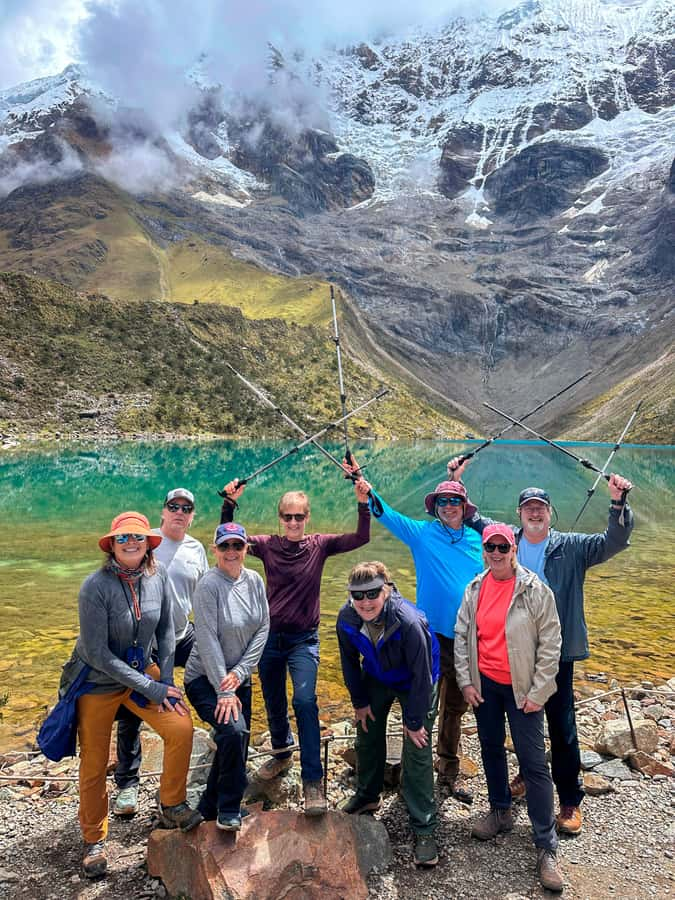
The drive passes through Andean valleys toward Mollepata, where breakfast is served. From there, you continue to Challacancha and begin walking toward Humantay Lake. The lake is one of the visual highlights of the trip, with clear turquoise water beneath the surrounding mountain peaks.
The walk to Humantay is not a gentle stroll. The elevation makes the uphill section feel harder than its distance suggests, particularly if you have only just arrived in Cusco. Go slowly, use the breaks, and keep your water close. Comfortable hiking shoes, sun protection, and rain gear all belong in your daypack.
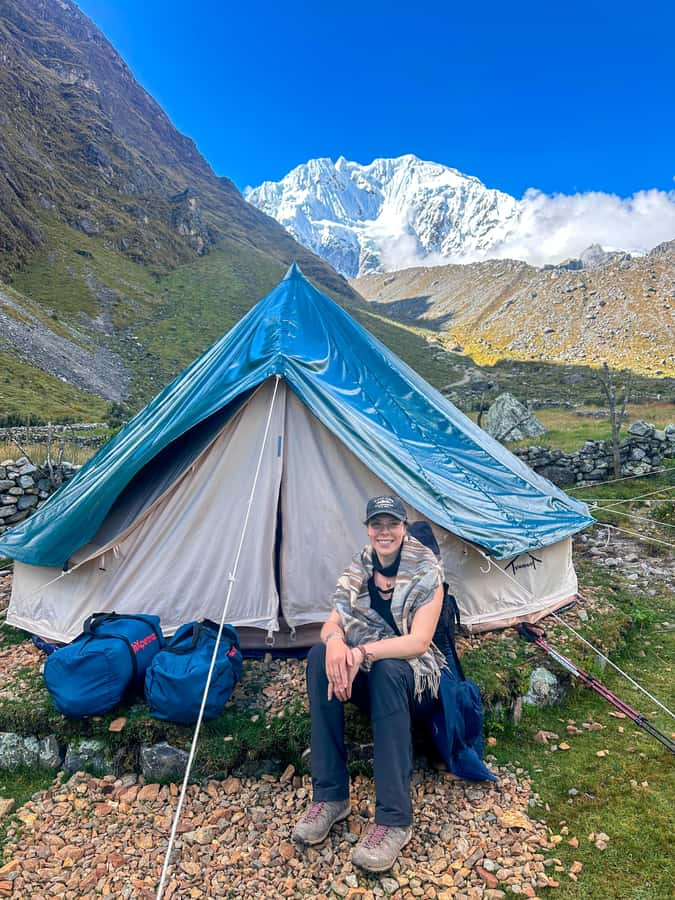
After visiting the lake, you descend to Soraypampa for lunch. This change in direction is welcome after the climb, though you still have more walking ahead. The route continues to the Salkantaypampa glamping camp, where you sleep in a furnished tent and eat a warm dinner.
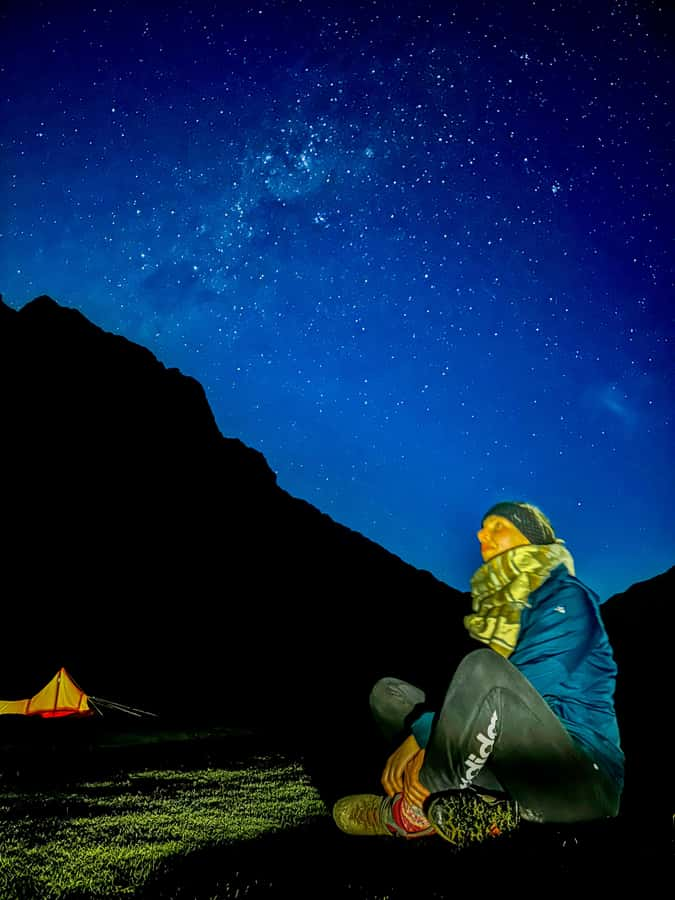
The first night is designed to give you more comfort than traditional tent camping. You still sleep in a mountain setting, but a provided pillow and sleeping pad reduce the amount of gear you need to carry. At night, the high Andes can feel very cold, so bring warm layers even if Cusco was mild.
Day two: The Salkantay Pass at 4,630 meters
This is the hardest and most important day. Coffee or coca tea is brought to your tent in the morning, followed by breakfast before you start the two-hour ascent to the Salkantay Pass.
At 4,630 meters, the pass is serious high-altitude hiking. The reward is a broad view of snow-covered peaks and the lake below Salkantay Mountain. You do not need to race. A steady pace is safer and more enjoyable than trying to keep up with the fastest person in the group.
The tour’s higher first camp is a useful design choice. Sleeping at greater height before reaching the pass may help your body adjust, though it cannot remove the risk of altitude sickness. Take any symptoms seriously and tell your guide. The trip carries a satellite phone, first-aid kit, and oxygen tank, but those are safety measures, not a substitute for pacing and communication.
After the pass, you descend for about three hours to Wayracmachay for lunch. The descent is easier on your breathing but can be tiring on your knees. Hiking poles are available to rent and are worth considering if you are more comfortable with support on steep ground.
The scenery then changes quickly as you continue for another three hours into cloud forest. High, open slopes give way to flowers, orchids, and hummingbirds. This is one reason I prefer the Salkantay route to a short Machu Picchu visit. The journey itself keeps changing rather than offering one repeated view.
By evening, you reach Collpapampa and sleep in Andean huts. This is the least polished accommodation of the three nights. The huts and bathrooms may be in basic condition, and a warm shower can require an extra fee. Pack patience, a small towel, hand sanitizer, and a change of dry clothes.
The contrast is worth knowing in advance. The glamping camp and hotel provide more comfort, but Collpapampa is a practical overnight stop after a long day. If a clean, dependable shower matters greatly to you, this night may feel like the weak point of the trip.
Day three: Pachamanca, coffee, and the road to Aguas Calientes
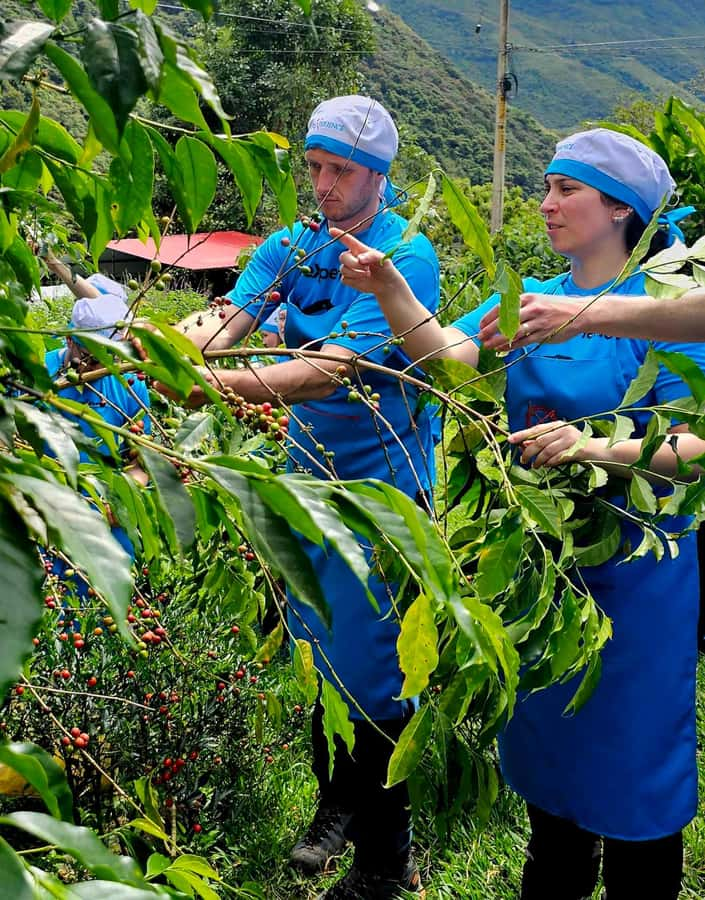
Day three begins with breakfast and a three-hour walk to Lucmabamba. By now, the route is warmer and greener, and the physical feel is different from the cold pass above. You should expect insects in this lower area, so insect repellent belongs in your pack.
Lucmabamba is where the food and culture become central to the day. A traditional Pachamanca barbecue is prepared underground with hot stones. Vegetables, fruits, and meats cook slowly in the earth, creating a meal that feels tied to the Andean setting rather than added as a quick tourist stop.
You also visit a local coffee farm and follow the process from bean to cup. You get to prepare your own fresh espresso. This is a fine hands-on break after the morning hike, and it gives the day a local focus beyond simply moving toward Machu Picchu.
After the meal and coffee activity, transport takes you to Hidroeléctrica. From there, you walk for about three hours to Aguas Calientes. The route is long, but the road and rail corridor make it a different kind of walking from the mountain sections.
At Aguas Calientes, you check into a 3-star hotel, eat dinner at a local restaurant, and prepare for an early start. This hotel night is important. After two demanding trail days and a long final walk, a proper bed and breakfast are more than a luxury. They give you a better chance of enjoying Machu Picchu the next morning.
More train journeys around Cusco
- Cusco: 4-Day Lares Trek to Machu Picchu with Panoramic Train
★ 4.9 · 20 reviews - Tour with the Mountain Train, Trek to Mystic Forest and Castle
★ 5.0 · 101 reviews - 5-Day Classic Salkantay Trek to Machu Picchu return by Train
★ 5.0 · 3 reviews
Day four: Machu Picchu before the return train
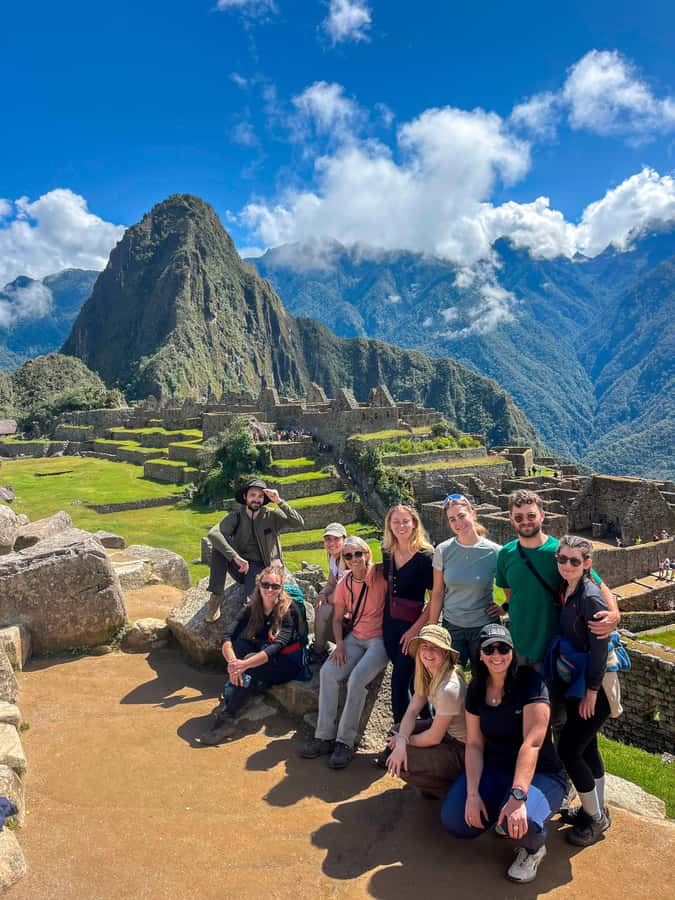
You rise early for one of the first buses to Machu Picchu. The early timing can mean less heat and a better chance to see morning light over the mountains. Your guide then leads a two to three-hour visit through the citadel and explains its key areas, history, and unanswered questions.
Circuit 2 is the default route. If that circuit sells out, circuit 1 or 3 may be assigned. If you want Huayna Picchu or Machu Picchu Mountain, arrange those tickets well ahead of time. They are not simply added at the gate when you arrive.
The guided visit gives structure to a huge site. Machu Picchu can feel confusing if you walk in without context, especially when you are trying to understand how the terraces, temples, and buildings fit together. The guide also helps you spend your limited time on the main areas rather than wandering without a plan.
Afterward, you return to Aguas Calientes for lunch, which is not included. Keep money available for this meal and for any small purchases. Then you board either the Vistadome or 360° panoramic train for the scenic trip back toward Cusco, where the team transfers you to your hotel.
The train is a fitting final touch. You have spent three days walking, and the broad windows let you watch the route pass without another strenuous section. Confirm which train service is assigned, since the package uses either the Vistadome or 360° panoramic option.
Guides, meals, and the human side of the trek
The strongest part of this kind of trip is often the crew, and the guide support here appears to be a real strength. Guides named Alex, José, Filio, Roger, and William have been singled out for clear planning, cultural explanations, patience, and attention to slower walkers. Assignments can change, so do not assume one particular guide will lead your departure.
The cooking teams also receive unusually warm praise. Chefs including Félix, Zenobio, Ismael, and Dionissios have prepared varied local meals with enough substance for long hiking days. The included food covers three breakfasts, three lunches, and three dinners, along with water and daily snacks.
That matters more than it may sound. On a high-altitude trek, a weak meal can make the next climb miserable. Fresh food and several options are especially useful if you have dietary restrictions, but you must state special requirements when booking.
The team also manages the duffle bags, so you carry only what you need during the walking portions. The limit is 7 kilograms, or about 11 pounds. Pack your main clothing and toiletries in that bag, then keep passport, water, rain gear, sun protection, snacks, camera, and warm layers in your daypack.
Fitness, gear, and practical limits
You should be comfortable hiking for several hours on uneven mountain paths. The second day includes a two-hour climb to 4,630 meters, a three-hour descent, lunch, and another three-hour walk into the cloud forest. The other days are also active, with the first day including Humantay Lake and the third day combining a hike, transport, and a three-hour walk to Aguas Calientes.
Bring hiking shoes, comfortable clothes, hiking pants, sun protection, sunglasses, a hat, sunscreen, rain gear, insect repellent, toiletries, and a flashlight. Weather can shift quickly in the mountains, so layers are more useful than one heavy outfit.
Sleeping bags, air mattresses, and trekking poles are not included, but they can be rented. A student card may be useful if a reduced entry rate applies to your booking, though you should provide passport details when reserving.
This trip is not suitable for pregnant people, wheelchair users, or people with mobility, heart, or back problems. Children must be accompanied by a responsible adult. Smoking, alcohol, drugs, weapons, littering, feeding animals, and making fires are not allowed.
The activity is non-refundable, so check your dates, fitness, passport information, dietary needs, Machu Picchu circuit, and optional mountain tickets before committing. That is especially important here because the trip has a fixed four-day structure and early departures.
Should you book this Salkantay Trek?
Book this if you want Machu Picchu to be the finish of a real mountain journey, not the only event of your Peru trip. You get dramatic altitude, changing vegetation, local food activities, small-group guidance, and a comfortable final night before the citadel.
I would recommend it most to active visitors who can handle a long, high-altitude second day and who appreciate a mix of comfort and basic conditions. You will sleep well on one night and simply get by on another. That contrast is part of the deal.
Choose a different plan if you want easy walking, private accommodation every night, or a flexible cancellation policy. Also think twice if altitude has already caused you problems or if you do not want a 4:30 a.m. pickup.
For the right walker, $552 is a strong package price because it joins the hard-to-arrange pieces into one trip and finishes with a panoramic train. Go in prepared for the pass, bring realistic expectations for Collpapampa, and confirm the Machu Picchu ticket details before booking.
FAQ
How difficult is the Salkantay Trek?
The trek includes several long hiking days, with the hardest section on day two. You climb for about two hours to the 4,630-meter Salkantay Pass, descend for three hours, and then walk another three hours into the cloud forest.
What accommodation is included?
You spend one night in a glamping tent at Salkantay Camp, one night in Andean huts at Collpapampa, and one night in a 3-star hotel in Aguas Calientes. The hotel includes breakfast.
Is food included during the trek?
Yes. The package includes three breakfasts, three lunches, three dinners, water, and daily snacks. It also includes a Pachamanca barbecue and a coffee experience. Tell the provider about dietary requirements when booking.
Is the Machu Picchu entrance ticket included?
The activity information lists entrance arrangements for Machu Picchu, but it also says Machu Picchu tickets should be booked ahead. Confirm exactly which ticket is included before payment. Circuit 2 is the default, with circuit 1 or 3 used if necessary.
Can I visit Huayna Picchu or Machu Picchu Mountain?
Optional hikes to Huayna Picchu or Machu Picchu Mountain are available with advance booking. Huayna Picchu tickets are not included as a standard extra and should be arranged ahead of time.
What train takes me back to Cusco?
The return is by either the Vistadome or 360° panoramic train. After arriving back from the Machu Picchu area, the team transfers you to your Cusco hotel.
More four-day treks around Cusco
- Ancascocha Trek To Machu Picchu 4 Days And 3 Nights
★ 5.0 · 77 reviews - Cusco: Machu Picchu Inca Trail 4-Day Trek
★ 5.0 · 2 reviews - Pokhara: 4-Day Ghorepani, Poonhill & Ghandruk Mountain Trek
★ 5.0 · 132 reviews - TOUR PACKAGE (jungle trekking, taxi, Room) 4 DAYS 3 NIGHTS in BUKIT LAWANG
★ 5.0 · 118 reviews
New treks around Cusco
- Salkantay Humantay lake trek with Domes-2d-1n★ 5.0 · 2 reviews
- Salkantay Trek to Machu Picchu 5D/4N or 4D/3N by glamping★ 4.4 · 35 reviews
- Rainbow Mountain Trek 1 Day★ 5.0 · 2 reviews
- Rainbow Mountain and Red Valley Hike trek adventure★ 4.5 · 2 reviews
- Tour Pallay Punchu Trek Full Day★ 4.2 · 3 reviews
- Cusco: Machu Picchu Inca Trail 4-Day Trek★ 5.0 · 2 reviews
- From Cusco: Salkantay Trek to Machu Picchu 5D/4N or 4D/3N★ 5.0 · 3 reviews
- Cusco: 4-Day Lares Trek to Machu Picchu with Panoramic Train★ 4.9 · 20 reviews
Machu Picchu and Inca Trail Treks, side by side.
Machu Picchu: 5-Day Salkantay Trek with Panoramic Train
Read our review →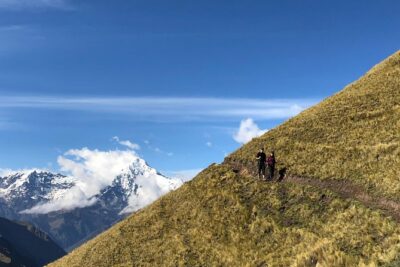
Ancascocha Trek To Machu Picchu 4 Days And 3 Nights
Read our review →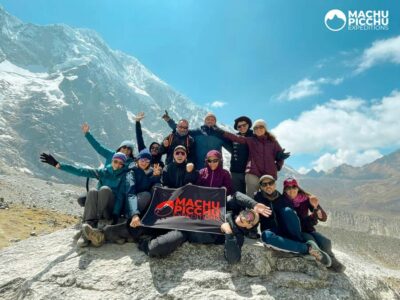
Salkantay Trek to Machu Picchu 5D/4N or 4D/3N by glamping
Read our review →
4 days/3 nights: Inka Jungle Trek to Machu Picchu
Read our review →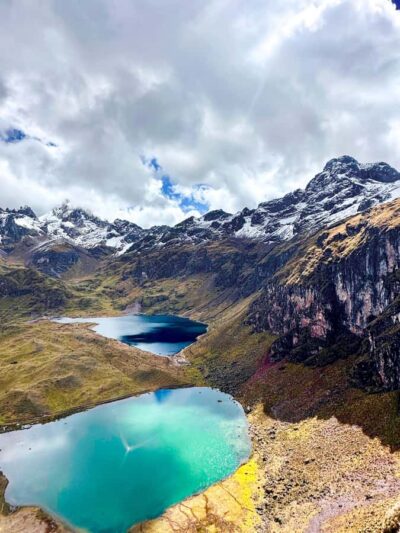
Cusco: 4-Day Lares Trek to Machu Picchu with Panoramic Train
Read our review →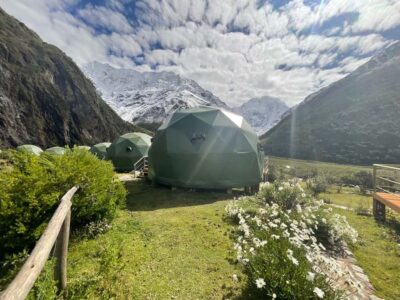
5-Day Salkantay Trek to Machupicchu Sky Lodge Dome
Read our review →Lists this trek appears in