Review · HANOI
Hanoi – Sapa 3 Day 2 Night Trekking With Hotel & Homestay
Sapa’s best feature is the way village walks connect rice terraces, mountain scenery, and daily life in one compact trip. This tour takes you from Hanoi by sleeper bus, then puts you on foot through H’mong and Red Dao villages, with one night in town and one night in Ta Van.
I like the practical setup: your large luggage stays behind while you hike with a small bag, and the package includes transport, rooms, meals, a guide, and entrance fees. I also like the small maximum group of 15, which gives the guide a better chance to manage the walking pace. The tradeoff is that the schedule is active and some paths can be slippery, while the homestay is closer to a simple lodge than a family home.
Key points at a glance
- VIP cabin bus from Hanoi: Depart around 6:00 to 6:30 in the morning and return to Hanoi around 22:00 to 22:30 on the final day.
- Two different overnight stays: One night at a central three-star hotel in Sapa, followed by one night in a private room at a Ta Van homestay.
- Village-to-village trekking: Walk through Cat Cat, Y Linh Ho, Lao Chai, Ta Van, Giang Ta Chai, and Su Pan.
- Seven meals included: Two breakfasts, three lunches, and two dinners, with drinks extra.
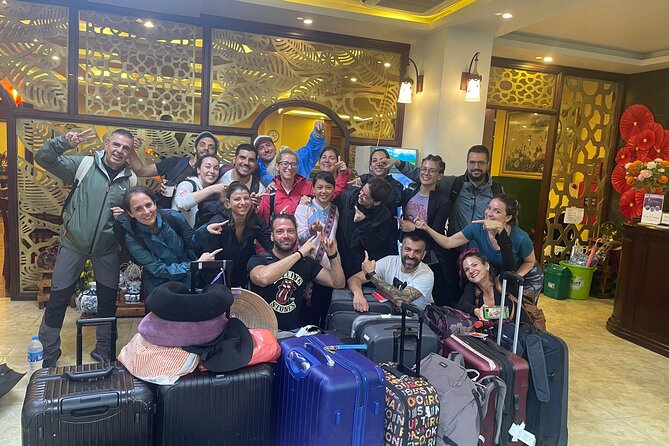
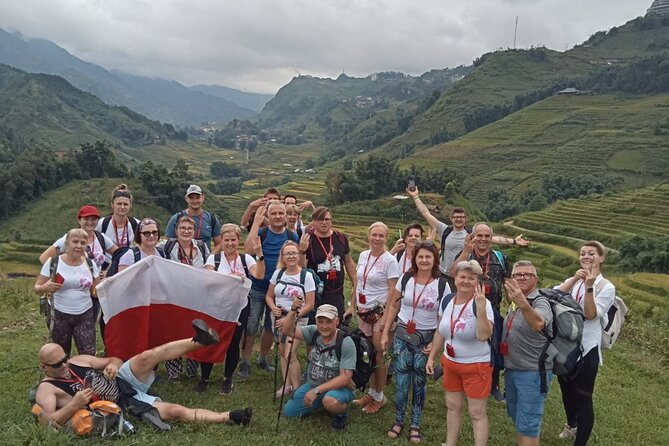
- Small group format: The group is capped at 15 people, with a local English-speaking guide.
- Plan for wet paths: The walking is manageable for fit visitors, but mud and slippery sections can change the feel of the trek.
What the three-day Sapa route is really like
This is not a quick photo stop in Sapa. It is a transport-and-trekking package that gives you a broad look at the area in three days, with enough time to sleep in both town and the countryside.
The route moves through several communities rather than staying on one marked attraction. You see H’mong villages at Cat Cat, Lao Chai, and Su Pan, as well as Red Dao communities around Giang Ta Chai. The appeal is not only the views. It is the chance to see homes, paths, fields, local products, and ordinary village movement at close range.
The advertised price is $125 per person. I consider that a fair convenience price if you value having the Hanoi transfers, two nights of accommodation, seven meals, guide service, and admission fees arranged together. It may not be the cheapest way to book Sapa locally, and the simple accommodation means you should judge the price mainly by the amount of transport and planning it removes.
The departure point is the G8 Open Tour office on Ly Thai To in Hanoi’s Old Quarter. Pickup is also offered from hotels in the Old Quarter for the initial shuttle to the meeting point. The group limit is 15, which is small enough to feel personal without promising a private hike.
More Homestay and Village Treks in Hanoi
- Hanoi – Sapa 2 Days 1 Night Overnight At Homestay
★ 5.0 · 899 reviews - From Hanoi: 2-Day Sapa Trekking Trip with Homestay & Meals
★ 4.8 · 704 reviews - 2-Day Sa Pa Ethnic Homestay Tour & Trek with Limousine Bus
★ 4.8 · 440 reviews
Day one: Hanoi to Sapa, then Cat Cat Village
Your first morning starts early, with pickup between 6:00 and 6:30. The shuttle takes you to the bus departure point, where you board the VIP cabin bus for Sapa. You arrive around 13:00 to 13:30, then transfer onward into town.
That timing gives you a useful first afternoon, but it also makes day one a long travel day. You have already spent several hours on the road before the walk begins, so do not expect a slow, restful start.
The afternoon visit goes to Cat Cat Village, a H’mong community close to Sapa. The guide introduces local customs and habits, and the route includes village scenery, a waterfall area, and mountain views. Cat Cat is one of the more accessible village visits around Sapa, so it works well as a first walk after the bus ride.
You stay at a central three-star hotel that night. The central location matters because you have free time after dinner to visit Sapa’s stone church and night market. This is a good chance to buy traditional products and get your bearings before the longer walks begin.
Accommodation quality can make or break a short tour. The hotel has received especially strong praise for its rooms, food, and fit with the schedule. I would enjoy this part as a reset: a proper room, breakfast at the hotel, and a town setting before moving into the countryside.
Day two: Y Linh Ho, Lao Chai, and Ta Van
Breakfast is served at the hotel from 7:00 to 8:00. After checking out, you leave your main luggage in the hotel lounge and carry only a small bag with important items. This is one of the smartest details in the plan. A village trek is far more pleasant without a full suitcase or large backpack.
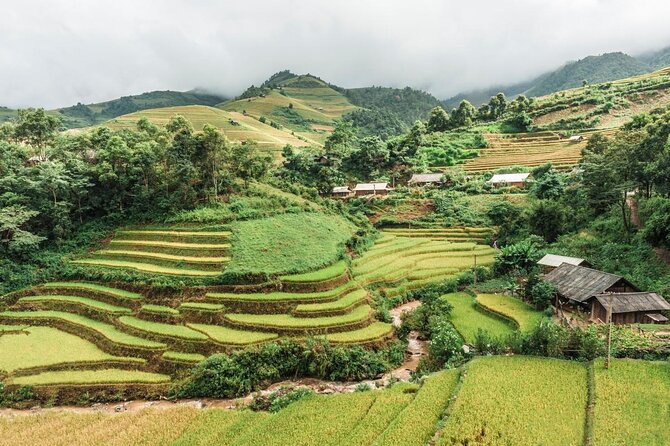
The day’s walking begins around 8:00 and heads toward Y Linh Ho. The route then continues toward Lao Chai, a village set among terraced rice fields between the Hoang Lien Son range and Ham Rong Mountain. The terraces are the main visual reward here, but their appearance depends heavily on weather and season.
Good weather matters in Sapa. Cloud, rain, and mist can soften the views or hide the mountain ridges entirely. I would check the forecast before booking if clear photographs and wide views are important to you. Poor weather does not cancel the cultural side of the walk, but it can reduce the scenery that makes this route special.
From Lao Chai, the route follows Muong Hoa Stream for about 2 kilometers before reaching Ta Van Village. The walk combines mountain paths, forest views, water, and terraced fields. One account of the route describes roughly six miles of walking on the first major trekking day, so you should prepare for a real walk, not a short village stroll.
Lunch is served at the homestay in Ta Van, followed by check-in. The accommodation is described as a private room, though you should set your expectations carefully. It may feel more like a basic lodge or small cabin than a strict family homestay with a host household. If you want a polished hotel room each night, this arrangement may feel plain.
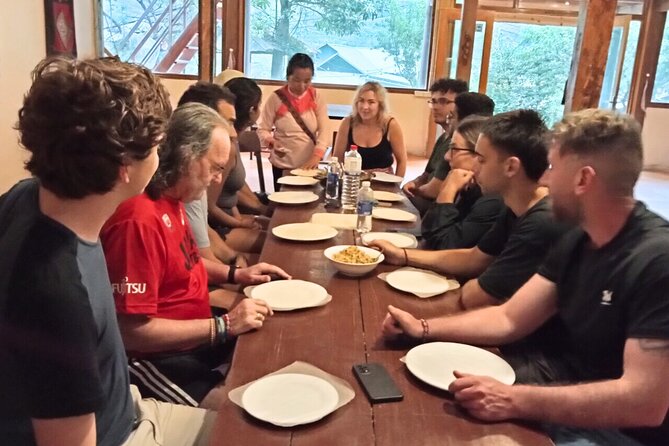
The homestay includes a cooking class, which adds a useful local touch to an otherwise simple overnight stay. Dinner is also included. Food at the hotel has been praised more strongly than food at the homestay, so I would treat the evening meal as part of the cultural setting rather than expect restaurant-level cooking.
Day three: Giang Ta Chai and Su Pan
Breakfast comes at the homestay from 7:30 to 8:30, followed by checkout. The morning route covers about 8 kilometers and visits Giang Ta Chai and Su Pan.
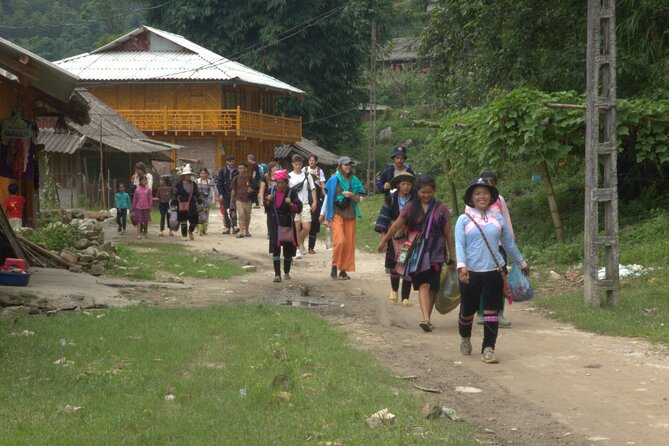
Giang Ta Chai is associated with the Red Dao people and offers another side of Sapa’s village life. Moving from H’mong communities to Red Dao areas gives the trip more range than a single-village outing. You get to compare the settings, clothing traditions, and village patterns introduced by the guide.
The route continues to Su Pan, a group of four small villages associated with Black H’mong and Red Dao communities. The villages sit on rocky slopes overlooking the surrounding scenery. This final walk is long enough to feel like a proper second trekking day, but it is shorter than the previous day for many people.
Lunch is served at a local restaurant in Su Pan around 12:30. At about 13:30, a bus collects you and returns you to the Sapa hotel, listed as Sapa Retreat Condotel. You then have time to rest, take a quick 30-minute foot massage, or shop for souvenirs before boarding the bus back to Hanoi.
The return journey reaches Hanoi’s Old Quarter around 22:00 to 22:30. The drop-off is at the bus station, so you make your own way back to your hotel. That late arrival is worth factoring into your next morning’s plans.
More Homestay and Village Treks in Vietnam
- Hanoi – Sapa 2 Days 1 Night Overnight At Local Homestay
★ 5.0 · 233 reviews - From Hanoi: 2-Day Luxury Sapa Trekking Tour with Homestay
★ 4.4 · 49 reviews - Hanoi- SaPa: 3-Day Homestay Trek to Explore Ethnic cultures
★ 4.5 · 29 reviews - Hanoi: 2-Day Sa Pa Guided Village & Homestay Trekking Tour
★ 4.1 · 13 reviews
Walking conditions and fitness
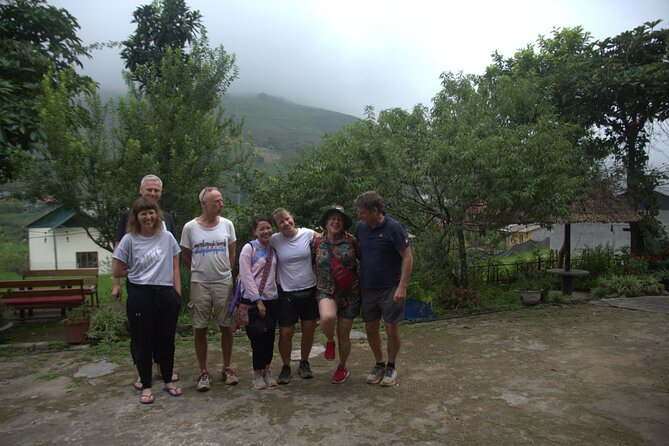
You should have a strong level of physical fitness for this experience. The supplied details describe one day of about six miles and another of about four miles, while the final itinerary also gives an 8-kilometer route on day three. Exact distances may vary with the route and local conditions, but the message is clear: you will spend substantial time walking.
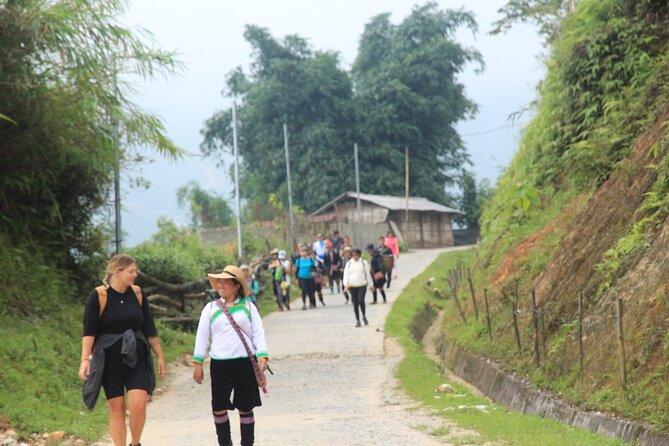
The paths can be slippery, especially in wet weather. Bring shoes with firm grip, clothing that can handle mud, and a small bag that leaves your hands free. Since you leave large luggage behind, pack only the essentials for the homestay night and the trek.
The walking is not presented as extreme mountaineering. It is better understood as a series of village and hillside walks over uneven ground. Still, the early starts, long bus rides, hills, and wet paths can add up.
I would recommend this tour to people who enjoy being active but do not need a technical hiking challenge. If you want an easy sightseeing circuit with little walking, choose a different Sapa plan. If you like moving from village to village and are happy with basic accommodation, this route gives you a useful amount of time outdoors.
What is included, and what is not
The package includes:
- One night in a central three-star hotel
- One night in a private room at a Ta Van homestay
- A local English-speaking guide in Sapa
- Round-trip VIP cabin bus transport
- Entrance tickets
- A cooking class
- Two breakfasts
- Three lunches
- Two dinners
Drinks with meals are not included. That is a small extra cost, but you should carry some spending money for drinks, souvenirs, and anything you buy during free time in Sapa.
The guide is an important part of the experience. A local guide can explain the differences between the H’mong and Red Dao communities and help you understand what you are seeing rather than simply pointing out a field or house. Information flow can vary, so ask direct questions about walking time, meal timing, luggage, and the next transfer if anything is unclear.
Value, comfort, and the main compromises
At $125, you are paying for a tightly arranged package rather than just a guided walk. The bus from Hanoi is a major part of the value because reaching Sapa independently takes planning, and the VIP cabin format is more comfortable than a standard seat for the long ride.
The hotel night also gives you a useful comfort break. The second night is more basic, and the homestay label should not lead you to expect a fully domestic stay. The private room offers privacy, but the setting is still simple.
Food is another mixed point. The hotel meals have been especially well received, while the homestay food may feel more average. Since seven meals are included, the package keeps daily costs predictable, but you have less choice than you would when arranging every meal yourself.
Some visitors feel the same route can cost less when booked locally. That may be true, especially if you are already in Sapa and can arrange transport and a guide on the ground. The extra money here buys advance planning, Hanoi transfers, accommodation, meals, and a fixed route. I would book it for convenience, not because it is guaranteed to be the cheapest option.
The tour has a 99 percent recommendation rate and a 4.9 rating from 389 ratings, which points to strong overall satisfaction. Even so, the practical complaints are useful: ask questions when details are not clear, check the weather, and keep expectations modest about the homestay and meal quality.
Who should book this Sapa trek?
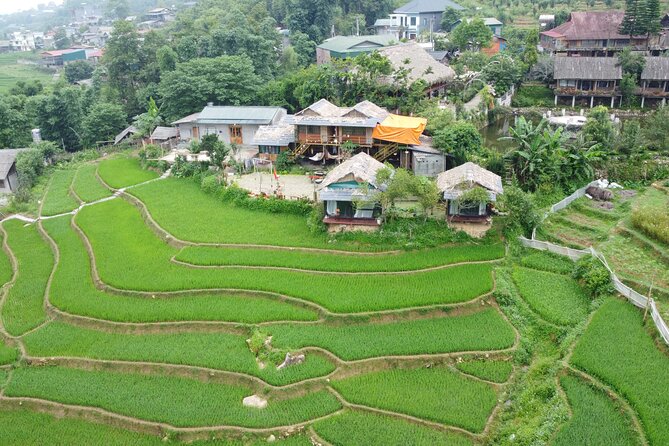
I would choose this tour if you have only three days, are staying in Hanoi, and want Sapa handled as one package. It suits people who want both town comfort and countryside walking, plus a local guide who can connect the villages and scenery.
It is also a good fit if you prefer a small group but do not need a private guide. The maximum of 15 people gives the trip a more personal scale than a large coach tour.
I would hesitate if you dislike long bus journeys, need hotel-standard accommodation every night, or want full control over restaurants and walking times. I would also think twice if rainy weather would spoil the trip for you, since poor visibility and slippery paths can affect both comfort and views.
Free cancellation is available up to 24 hours before the start time. The activity confirms at booking, accepts service animals, and operates near public transport, but the physical demands remain the main issue to consider.
Should you book it?
Book this tour if you want an efficient Hanoi to Sapa package with village walks, seven included meals, a central hotel, a simple countryside overnight stay, and a small group. Its strongest points are the range of villages, the sensible luggage arrangement, the good hotel night, and the convenience of the VIP bus.
Skip it if you are seeking a luxury stay, a quiet private trek, or the lowest possible local price. Go in ready for early starts, uneven paths, uncertain weather, and a basic homestay, and the $125 price makes reasonable sense for the amount of transport and planning included.
FAQ
How long is the tour?
The experience lasts three days and includes two nights, one at a three-star hotel in Sapa and one at a private room in Ta Van Village.
Where does the tour start and end?
The listed meeting point is the G8 Open Tour office on Ly Thai To in Hanoi’s Old Quarter. The tour ends at the same office area after the bus returns to Hanoi.
Is pickup available from Hanoi hotels?
Yes. A small shuttle bus picks up from hotels in Hanoi’s Old Quarter between 6:00 and 6:30 before taking you to the bus departure point.
How many meals are included?
Seven meals are included: two breakfasts, three lunches, and two dinners. Drinks are not included.
What villages does the trek visit?
The route includes Cat Cat, Y Linh Ho, Lao Chai, Ta Van, Giang Ta Chai, and Su Pan.
How large is the group?
The tour has a maximum of 15 participants.
Do I need to be fit for the trek?
Yes. The tour information says participants should have a strong physical fitness level. The routes include several kilometers of walking, and some sections can be slippery.
More three-day treks around Hanoi
- 3-Day Trekking Adventure of Sapa from Hanoi – Stay Ta Van Village
★ 5.0 · 611 reviews - From Hanoi: Trek and Stay: 3-Day Sapa Highlands Adventure
★ 4.6 · 152 reviews - Sapa 3 Days 2 Nights Trekking Tour From Hanoi (2 Nights in Hotel)
★ 5.0 · 112 reviews - From Hanoi: 3 Days Luxury Sapa Trek & Fansipan Peak with Dcar
★ 5.0 · 43 reviews
More evening departures around Hanoi
- Sapa 3 Days 2 Nights Trekking Tour (1 Night In Ta Van Village, 1 Night In Hotel)
★ 5.0 · 699 reviews - 2-Day Trekking Adventure of Sapa from Hanoi with Night Bus
★ 5.0 · 134 reviews - Sapa Trekking Tour 2 Days 1 Night By Bus
★ 5.0 · 86 reviews - Stromboli: Sunset Trekking at Sciara del Fuoco
★ 4.6 · 1,372 reviews
New treks around Hanoi
- Hanoi- SaPa: 3-Day Homestay Trek to Explore Ethnic cultures★ 4.5 · 29 reviews
- Hanoi: 3-Day Sapa Trek with Homestay★ 5.0 · 4 reviews
- From Hanoi: Mai Chau Valley & Hill Tribes 2-Day Trek Tour★ 4.8 · 5 reviews
- From Hanoi: 3-Day Sapa Trekking with Limousine Transfer★ 4.3 · 30 reviews
- From Hanoi: 2-Day Luxury Sapa Trekking Tour with Homestay★ 4.4 · 49 reviews
- From Hanoi: 2 Day Sapa Trekking To Village & Bungalow, Meals★ 4.3 · 3 reviews
- From Hanoi: 1-day Sapa Trekking Tour With Overnight Bus★ 4.2 · 32 reviews
- 2 Nights At Sapa Homestay – Trekking & Fansipan Visit★ 5.0 · 2 reviews
Homestay and Village Treks, side by side.
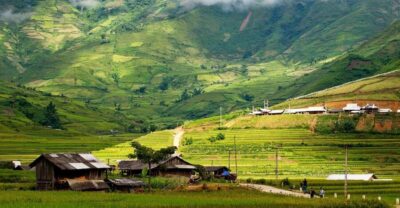
From Hanoi: 2-Day Sapa Trekking Trip with Homestay & Meals
Read our review →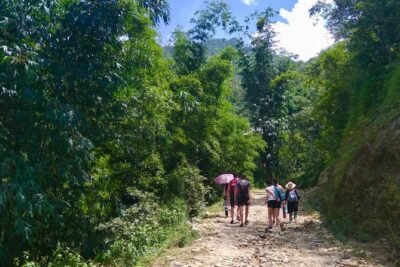
Number one top rated ethical cultural trekking and homestay by ETHOS
Read our review →
2-Day Sa Pa Ethnic Homestay Tour & Trek with Limousine Bus
Read our review →
Sa Pa: 2-Day Trekking Trip with Ethnic Minority Homestay
Read our review →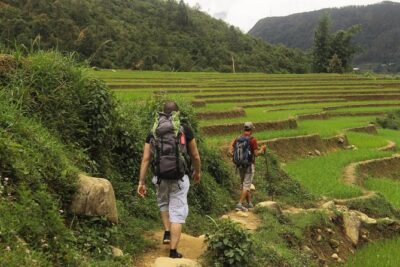
Sapa : 2-Day Trek & Heartwarming Homestay with an Ethnic Family
Read our review →
3 Day Trek in the Atlas Mountains and Berber Villages from Marrakech
Read our review →