
Review · CHILE
San Pedro de Atacama: Desert Tour with Canyoning & Trekking
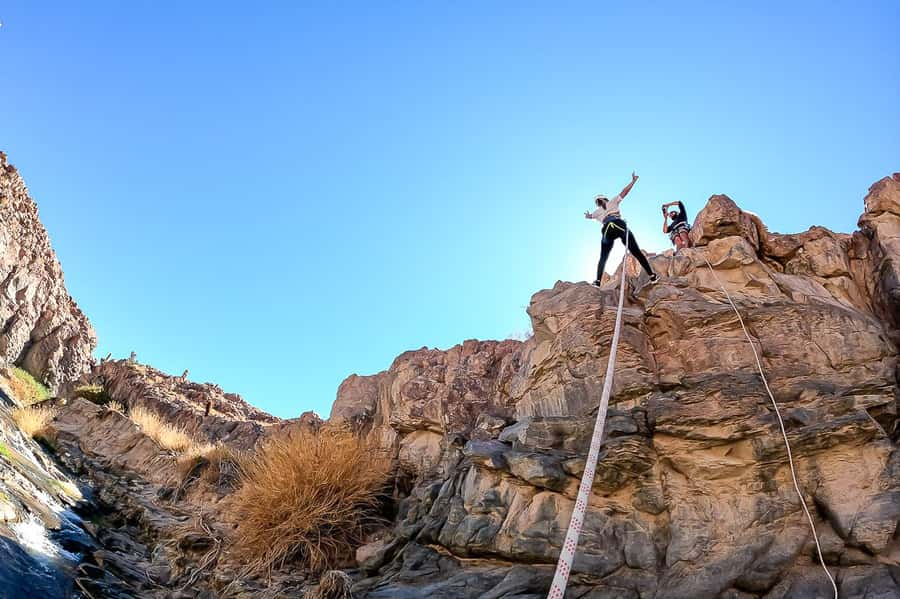
The best part of this six-hour outing is the surprise of finding running water in one of the driest places on Earth. After a 25-minute ride from San Pedro de Atacama, you trek into a canyon, learn the ropes, and rappel down waterfalls into clear pools. Four rappels give the day real adventure, not just a scenic drive and a short walk.
I like the mix of active canyoning and Andean scenery, and I like that the walk includes information about local Indigenous culture, plants, and animals. Guides Gary and Sebastian have helped first-timers feel secure, even when they arrived worried about their fitness. The main catch is simple: this is not a sightseeing bus tour. A medium-difficulty hike, climbing equipment, swimming, and exposure to heights make it unsuitable for children under 15, pregnant women, people with limited mobility, or anyone with vertigo.
Key points to know before you book
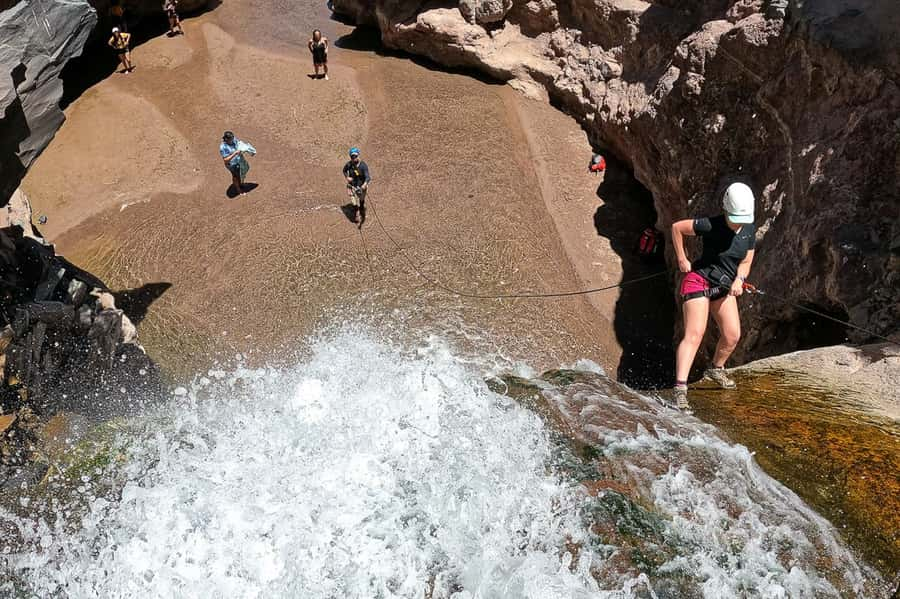
- Four waterfall rappels: You use ropes, a helmet, harness, and walking stick to work through canyon walls and waterfalls.
- A rare water-filled Atacama setting: The route ends at a beach beside the waterfalls, with time to cool off in the river.
- A medium-difficulty approach hike: The adventure begins on an archaeological trail before the technical canyon section.
- Small groups of up to 15: That gives the guide a better chance to explain each move and watch the group.
- A six-hour day with pickup: Hotel pickup and drop-off in San Pedro are included, along with a snack.
- Bring a full change of clothes: Swimwear, towel, sunscreen, sunglasses, a hat, and water shoes are all useful here.
Why this Atacama outing feels different
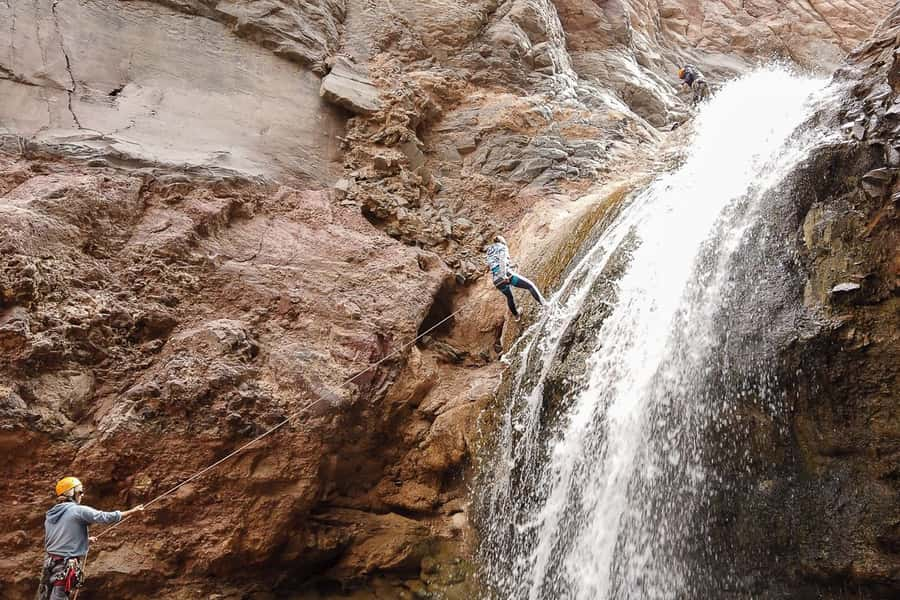
Many trips around San Pedro focus on looking at the desert from a viewpoint. This one asks you to move through it. You walk, scramble, rappel, jump into pools, and follow the canyon until the scenery closes around you.
That change in pace matters. The Atacama is famous for its dry salt flats, volcanoes, and broad open views, but canyoning shows you another side of the region. Water has cut narrow passages through the rock, creating pools and waterfalls that feel almost out of place against the surrounding dryness.
You also get a look at the Andean altiplano as the vehicle climbs above 4,000 meters in altitude. The trip description presents the route as a way to see several types of Atacama terrain, from the archaeological trail and open desert to steep canyon walls and wet river sections. You should expect strong sun, dry air, and big changes in footing rather than a relaxed stroll.
The activity costs $189 per person. That is a serious price for a half-day tour, but the package includes transport, a mountaineering guide, technical equipment, four rappels, a snack, and hotel pickup and drop-off. If you want a simple scenic outing, cheaper options may make more sense. If you want a guided technical activity that combines trekking, climbing, swimming, and cultural explanation, the price is easier to justify.
More treks around the world:
- Mount Etna: Trek to 3000m with cable car and 4×4
★ 4.6 · 3,823 reviews - Bali: Mount Batur Sunrise Trek With Guide and Breakfast
★ 4.8 · 3,461 reviews - From Chania: Full-Day Samaria Gorge Trek Excursion & Guide
★ 4.6 · 3,191 reviews
The 25-minute ride from San Pedro
Pickup begins in San Pedro de Atacama, making this easy to fit into a stay without arranging a separate meeting point. The vehicle transfer takes about 25 minutes, using a jeep or SUV.
The short ride is useful because the real work begins soon after you leave town. You do not spend most of the day sitting in a vehicle. Instead, the drive gets you from the town to the more remote setting where the trail and canyon section begin.
The group is limited to 15 people. That is not a private tour, but it is small enough for the guide to give individual help with the harness and rope work. It also means the pace can be affected by the slowest person in the group, especially during the four rappels. For an activity like this, that is a fair trade for having proper supervision.
Recent outings have been led by Gary and Sebastian. Their roles go beyond managing ropes. Sebastian has explained Indigenous culture and plant life along the route, while both guides have been described as friendly, clear in English, and attentive to safety. The available guide languages are English, Spanish, Portuguese, and German.
The archaeological trail comes first
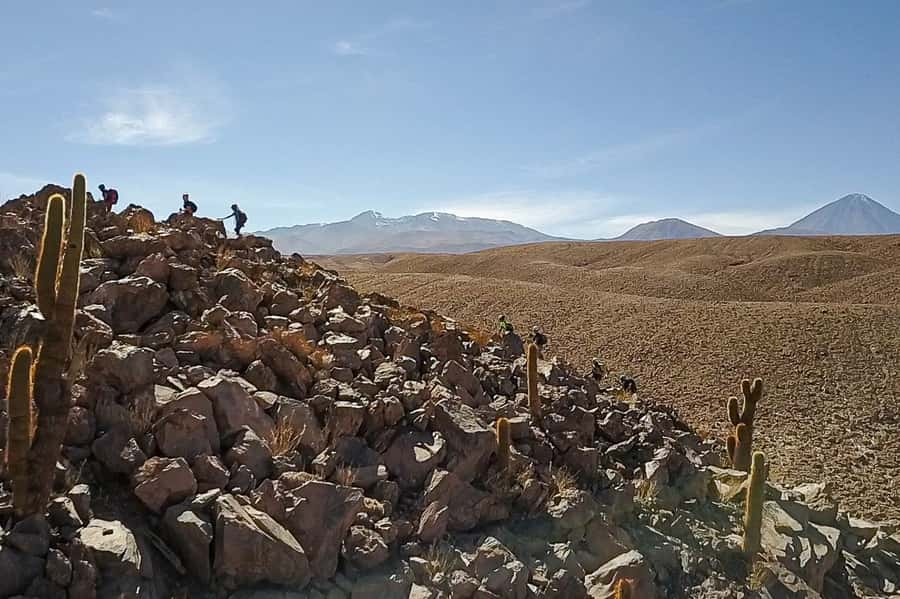
Before you reach the canyon entrance, you walk along an archaeological trail of medium difficulty. This opening section gives you time to get used to the altitude, the dry air, and the uneven ground.
The trail is not just a warm-up. Guides use the walk to explain the area, including local culture, plants, animals, and the history connected to the land. That context gives the canyon more meaning. You are not simply being delivered to a rope course in the desert. You are walking through a place shaped by people, water, geology, and high-altitude conditions.
Medium difficulty can mean different things to different people. The information provided does not give a distance or exact elevation gain, so you should not assume a flat path. Wear outdoor clothing and shoes suited to rough ground. A walking stick is included with the protective equipment, which should help on the approach and return.
The altitude deserves attention. The route rises to more than 4,000 meters in the Andean altiplano. Even fit people may find exertion harder at that height. You do not need to arrive as a climber, but you should be comfortable with a physically active outing and prepared to follow the guide’s pace.
Learning to rappel at the canyon entrance
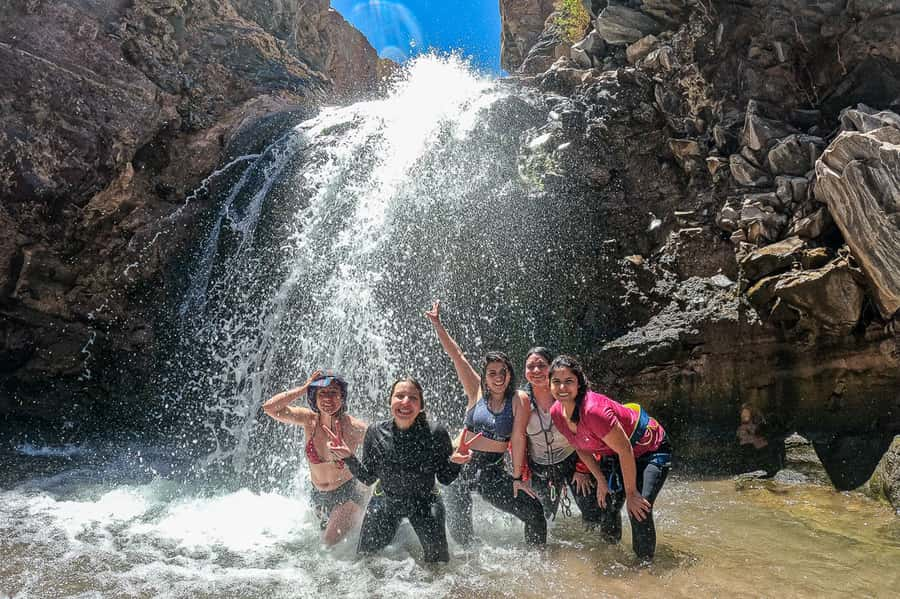
At the canyon entrance, the mountaineering guide explains the rappel technique. This is the point where the day shifts from trekking to technical movement.
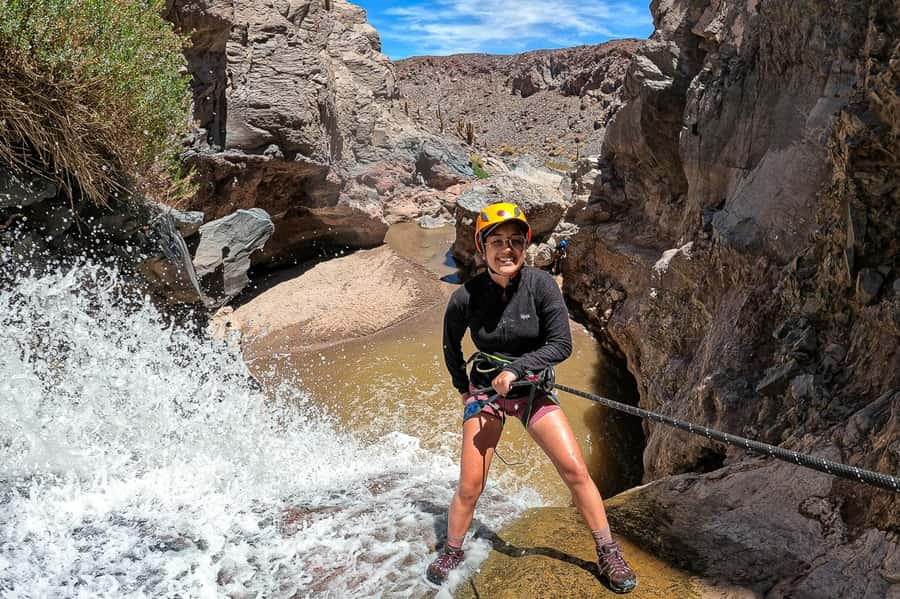
You use a helmet and harness, with ropes and climbing equipment supplied. The guide shows you how to position your body and control your descent. The activity description also says you advance through obstacles with the help of your body, ropes, and climbing equipment. That suggests a hands-on route rather than a single simple descent.
For a first-timer, this instruction is one of the most valuable parts of the tour. You do not need to arrive with canyoning experience. Recent departures included people trying it for the first time, and the guides were able to make the rappels manageable. Still, first-time does not mean effortless. You need to listen closely, trust the equipment, and accept that the pace may be deliberate.
The setting adds a little drama. You are not practicing on a dry wall beside town. You are preparing to descend waterfalls and cliffs inside a desert canyon. That is exciting, but it also makes comfort with heights important. The tour specifically excludes people with vertigo, and that is worth taking seriously.
Same mountains, a different route up:
- Mount Etna: Summit Crater Trek with Cable Car
★ 4.8 · 1,875 reviews - La Palma: Tajogaite Volcano Guided Trek
★ 4.8 · 1,810 reviews - Etna: summit craters trekking with volcano guide 3350mt
★ 4.7 · 1,712 reviews - From Rethymno: Samaria Gorge Full-Day Trek, Pickup & Guide
★ 4.5 · 1,610 reviews
Four rappels through waterfalls and rock
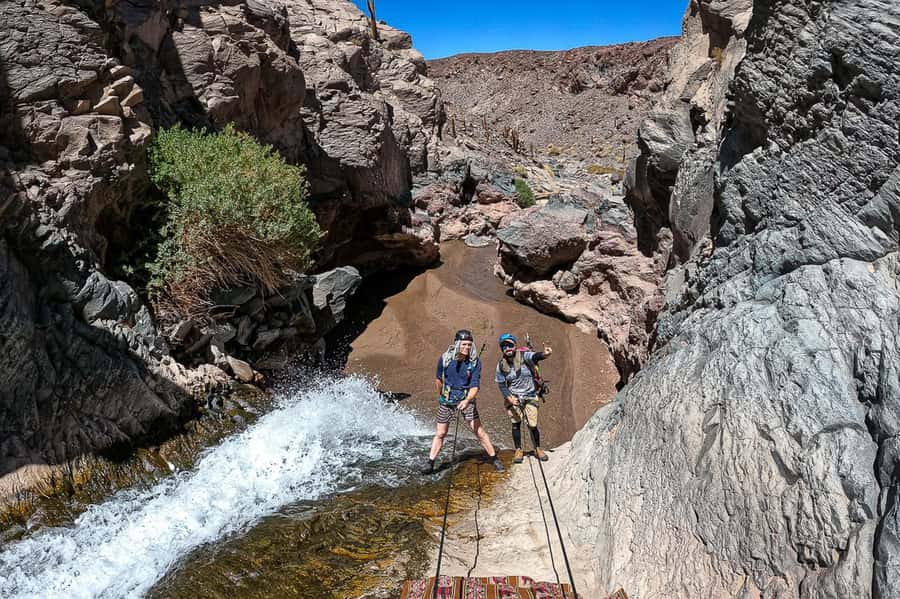
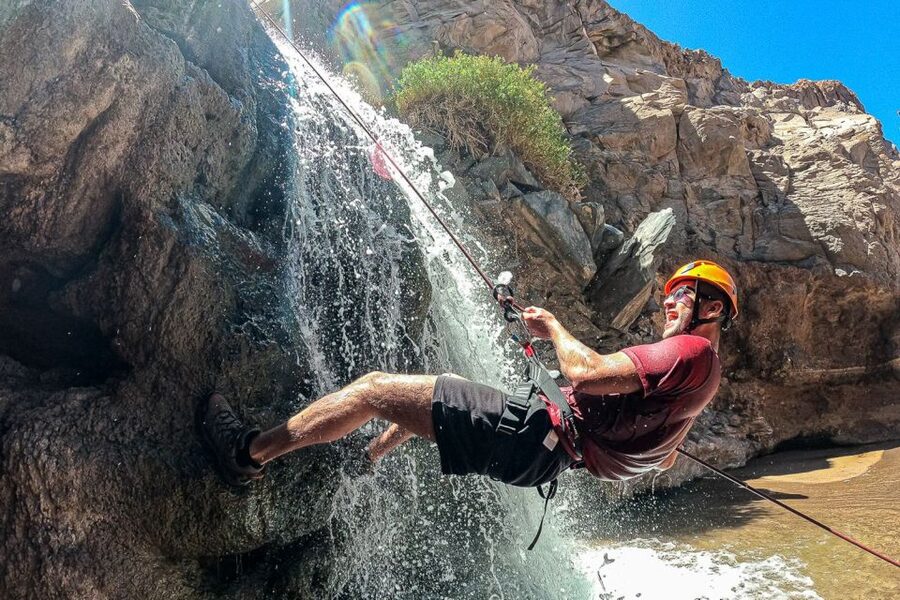
The central section includes four rappels. You descend waterfalls and canyon walls, moving over rock and into pools of clear water. The route also includes jumps from rocks of different heights into the pools.
The jumps are a notable detail, but do not treat them as a test of bravery. The guide controls the activity, and you should follow instructions about where and how to enter the water. The supplied details do not state the height of each jump, so you should expect variety rather than one fixed leap.
The combination of rope descents and jumps keeps the route varied. One moment you are leaning back into a harness, and the next you are moving through water or negotiating a rock obstacle. This is why the tour feels more substantial than a short rappel session.
You should also expect to get wet. Bring swimwear, water shoes, a towel, and a complete change of clothes. Sunscreen, sunglasses, and a hat are important in the exposed desert, while outdoor clothing helps during the walk and between water sections.
There is a practical balance here. The water provides relief from the heat and makes the canyon memorable, but wet clothing can become uncomfortable during the return. Pack your dry clothes where they will stay protected, and use water shoes rather than relying on smooth-soled footwear.
The waterfall beach and the walk back
After the technical sections, you reach a beach beside the waterfalls. This is the natural pause in the day, giving you time to rest and refresh in the river.
I like this part because it lets the setting speak for itself. You have just moved through narrow canyon walls, and then the route opens into a place where you can stop beside the water. In a region known for extreme dryness, a river and waterfalls make a powerful contrast.
A snack is included, but you should not confuse that with a full meal. Eat a proper breakfast before pickup, especially if you know you need regular food during active outings. Carrying water is also sensible, even though the tour includes a water-based section. The provided information does not specify a water allowance.
The return walk takes you back to the starting point. You will still be outdoors, in the sun, and possibly damp, so a dry layer is more than a nice extra. The day then ends with transport back to San Pedro.
What makes the scenery worth the effort
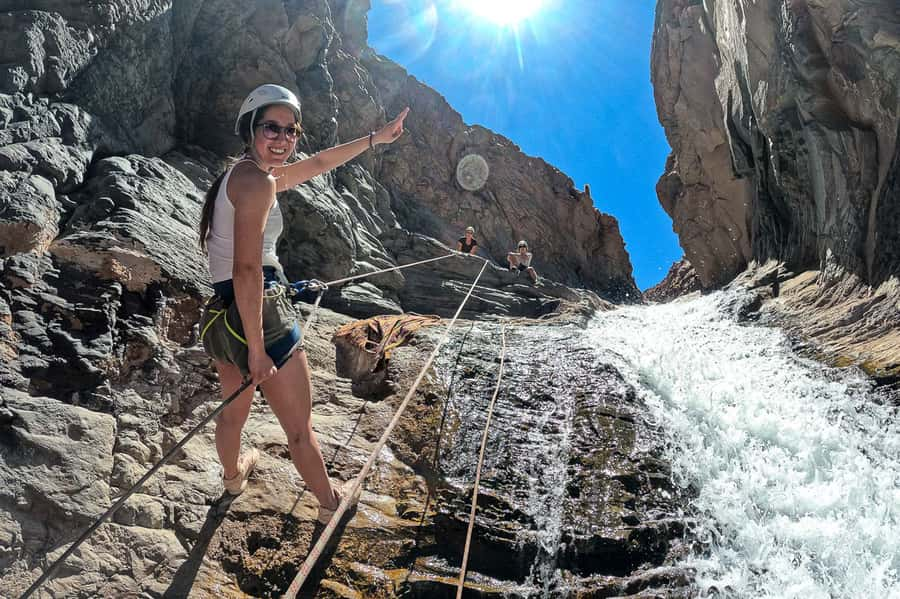
The views are not limited to one dramatic canyon. Along the route, you see the changing character of the Atacama, with the Andean volcanoes forming part of the wider setting.
The contrast is the real attraction. Broad volcanic views make the canyon feel small, while the canyon itself gives you close views of rock, water, and vegetation. The route lets you experience the desert at several distances: far-off mountains, open altiplano, archaeological remains, and the immediate texture of wet stone.
Bring a camera if you can protect it from water. The activity specifically includes time to photograph the canyons and extreme scenery, but a phone in an unprotected pocket would be a poor choice during rappels and jumps. A waterproof case or a camera you can secure is the safer approach.
The tour also gives you access to a part of the Atacama that is not visible from standard roadside viewpoints. That does not make it automatically better than a classic desert excursion. It makes it different. You trade passive viewing and a broad schedule for physical effort and a closer connection to the terrain.
Who will enjoy this tour most
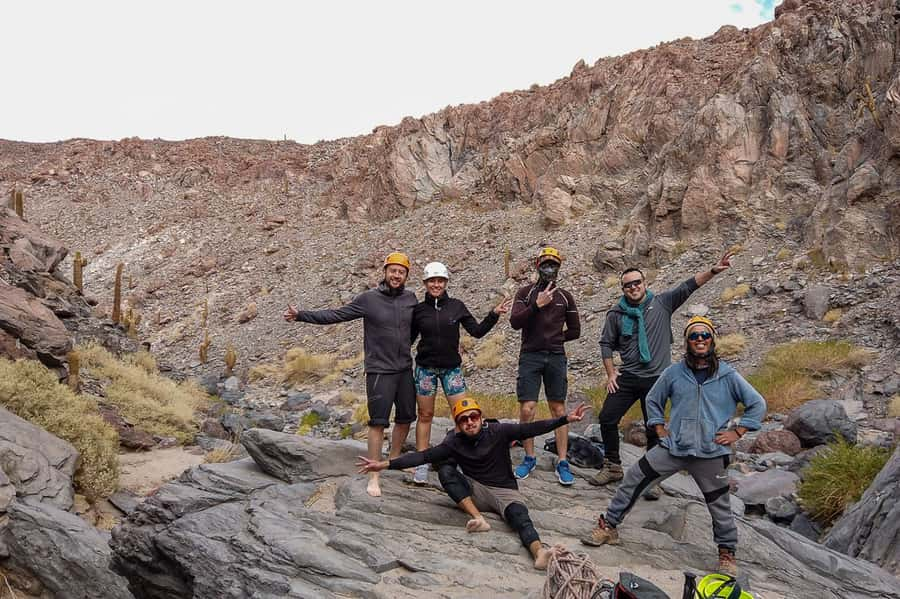
This is a strong choice if you want to combine adventure with local explanation. It suits active visitors aged 15 and over who are comfortable walking on uneven ground, getting wet, and working around heights.
You do not need previous canyoning experience. The guides teach the rappel technique and provide the equipment. Still, you should be honest about your comfort level. If you dislike heights, have vertigo, or want to keep your clothes dry, this is the wrong outing.
The group size also helps first-timers. With up to 15 participants, the guide can give instructions and safety checks without handling a huge crowd. The experience will not have the privacy of a private departure, and waiting can occur while other people complete a rappel, but that pause is part of safe group operation.
The tour is not suitable for children under 15, pregnant women, or people with mobility impairments. Schedules can change because of weather and other climatic conditions, so keep some flexibility in your San Pedro plans.
What to pack for the six-hour outing
The packing list is practical and should be taken seriously:
- Swimwear and a full change of clothes
- Towel and water shoes
- Sunglasses, hat, and sunscreen
- Outdoor clothing suitable for walking
- Passport or identity card, with a copy accepted
A secure day bag is useful, but do not bring anything you cannot protect from water. The tour includes a helmet, harness, walking stick, and the other protection equipment needed for the rappels. You do not need to bring your own climbing gear.
Smoking in the vehicle is not allowed, and alcohol and drugs are prohibited. Alcoholic drinks cannot be taken in the vehicle. Pets are also not allowed, and the rules prohibit feeding animals and nudity.
Is $189 a fair price?
At $189, this is not a budget activity. The value depends on what you want from a day outside San Pedro.
The price covers hotel pickup and drop-off, a specialized guide, four rappels, protective equipment, and a snack. It also includes the planning and safety work needed for a route that combines a hike, water, cliffs, and rope systems. That is more involved than paying for a basic transport-and-viewpoint tour.
I would consider it good value for someone who wants one active day and may not otherwise have access to canyoning equipment or a qualified guide. The cultural information from guides such as Gary and Sebastian adds another layer, particularly during the archaeological walk.
I would not choose it simply because it is a way to see the Atacama. There are easier ways to see the desert. Choose it because you want to take part in the setting, not just look at it through a vehicle window.
Free cancellation is available up to 24 hours before the activity, and you can reserve now and pay later. Those terms are useful when weather may affect the schedule, but the climatic warning still matters. Do not plan a tight connection or an important same-day commitment around the exact finish time.
Should you book this canyoning tour?
Book it if you want a physical, unusual day in the Atacama, especially if you are willing to try canyoning for the first time under instruction. The mix of four rappels, waterfall pools, an archaeological trail, Andean volcano views, and local cultural information gives the day more substance than a single thrill activity.
Skip it if you want a gentle outing, dislike heights, have mobility concerns, or cannot manage wet clothes and uneven walking. For the right person, the $189 cost buys access to a side of the desert you would not see from the usual viewpoints. Bring dry clothes, listen carefully to the guides, and leave room in your schedule for weather-related changes.
FAQ
How long does the canyoning and trekking tour last?
The activity lasts six hours, including the excursion from San Pedro de Atacama and the return to town.
Where does the tour begin?
Pickup is in San Pedro de Atacama, with hotel pickup and drop-off included.
How long is the drive to the activity area?
The jeep or SUV transfer takes about 25 minutes.
How many rappels are included?
The tour includes four rappels through waterfalls and canyon walls.
Do I need previous canyoning experience?
No previous experience is stated as a requirement. The mountaineering guide teaches the rappel technique before you enter the canyon.
What equipment is provided?
The tour provides a helmet, harness, walking stick, and protection equipment for the activity.
What should I bring?
Bring sunglasses, a hat, swimwear, a change of clothes, a towel, sunscreen, water shoes, outdoor clothing, and a passport or identity card. A copy of the identity document is accepted.
New treks around the world
- Sapa: 2-Day Local Guided Valley Trek with Night Homestay★ 5.0 · 27 reviews
- SAPA: 1-DAY TREKKING TOUR WITH LOCALS, LUNCH & RICE FIELDS★ 4.7 · 18 reviews
- Sapa: 2-Day Local Guided Valley Trek with Night Homestay★ 4.8 · 5 reviews
- Santa Marta: Trekking in Minca Complete Waterfall Circuit★ 4.4 · 28 reviews
- Santiago: Longueira, Pico de Antónia & Monte Tchota Trek★ 4.8 · 10 reviews
- Santiago: Trek from Serra Malagueta to Rabelados Community★ 5.0 · 16 reviews
- Santiago Island: Serra Malagueta & Tarrafal Beach Trek Tour★ 4.8 · 61 reviews
- Santa Marta: Multi-Day Trek to The Lost City★ 4.8 · 40 reviews
Chile Trekking Tours, side by side.
Puerto Natales: Base of the Towers Trekking Experience
Read our review →
Puerto Natales: Base Torres Small Group Trekking
Read our review →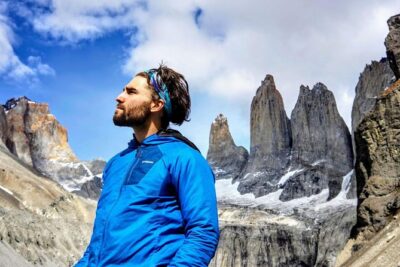
Trekking Base Torres – Torres del Paine trek from Puerto Natales
Read our review →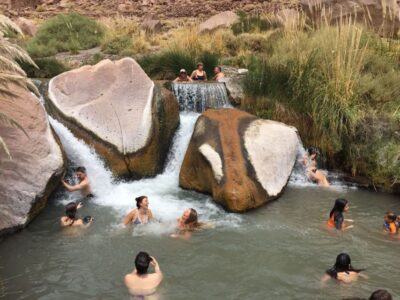
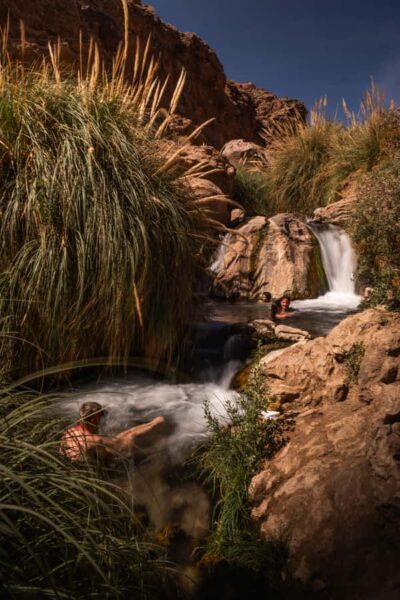
San Pedro de Atacama: Canyon Swimming Pools Trekking Trip
Read our review →
Cerro Castillo: Patagonia Mountain Trekking to the Lagoon
Read our review →Lists this trek appears in