
Review · LUANG NAMTHA
Nalan Trail Kmu Ethnic Experience – 2days forest trek with homestay.
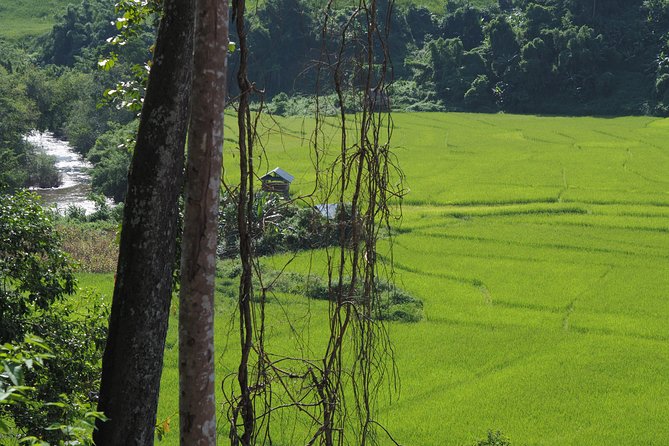
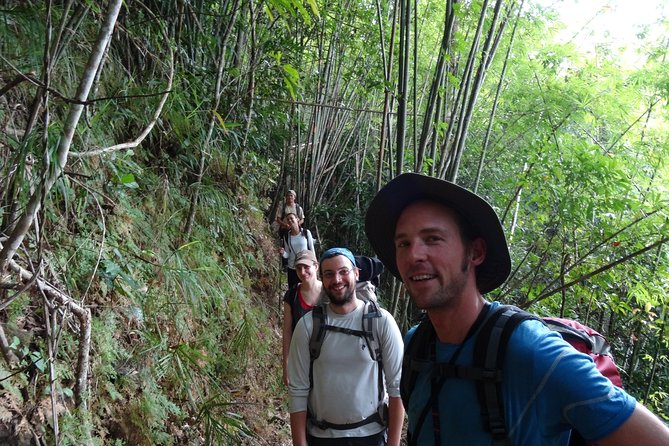
The heart of this trip is not a viewpoint or a quick photo stop. It is the walk itself, through bamboo forest and mountain valleys toward villages inside northern Laos’s Nam Ha National Park. You learn how forest plants and other goods help local families eat and work, then spend the night with a family or beside a clear river.
I like the small group limit of eight, which should make the hike feel more personal and give you room to ask questions. I also like that your $115 includes two lunches, dinner, breakfast, sleeping gear, and several community and conservation fees. That is a fair package for a two-day outing.
The main catch is the physical demand. This is a six-hour walking day on both days, with an uphill start, and you need moderate fitness. Facilities are simple, too. Bring the right clothes, mosquito spray, a torch, and rain protection in the wet season.
Key points at a glance
- Bamboo forest start: The first morning begins with a 30-minute minivan ride, followed by about an hour climbing through secondary forest.
- Two kinds of overnight stay: You may sleep in a local family homestay or alongside the river, where swimming may be possible.
- Local food and forest skills: Your guide explains how villagers use plants and other forest goods for daily needs.
- Small groups: A maximum of eight people gives the outing a more intimate feel than a large coach tour.
- Guide-led interpretation: Guide Peng, also referred to as ChanPeng in the tour response, has been praised for explaining native plants and herbs and for adding a local market visit before the walk.
- Good value at $115: Meals, sleeping gear, transport from the agency to the trailhead, and several local funds are included.
Starting in Luang Namtha at 8:00 a.m.
You meet at The Hiker Travel Agency on 17A Main Street in Phonexay Village, Luang Namtha. The start time is 8:00 a.m., so plan to arrive ready for the trail rather than treating the morning as a slow breakfast period.
The initial drive takes about 30 minutes by minivan. That short transfer matters because it moves you from town to the trailhead without asking you to spend the first hours walking along roads or through built-up areas.
If your guide is Peng, also identified as ChanPeng, you may get a useful introduction to local life before hiking. He has been noted for taking visitors through a local market and explaining native plants and herbs during the walk. That combination is valuable: the market gives you a quick look at everyday food and trade, while the forest walk shows where some local knowledge begins.
The group can include no more than eight people. That is small enough for questions and conversation, but it is still a group hike, not a private trek. If you prefer a completely flexible pace or want to stop for long periods to take photographs, ask about the group arrangements before you set out.
More Homestay and Village Treks in Laos:
- The Wild Explorer – 3 days forest trek with homestay and camping
★ 4.5 · 22 reviews - Hunter Trails, 3 days difficult trekking with Camping & Homestay
★ 5.0 · 15 reviews - Nam Ha NPA 3 Day Wildlife Jungle Camp and Village Homestay Trek
★ 5.0 · 11 reviews
Day one: climbing through secondary forest
The first serious section is uphill. You walk for about an hour through secondary forest, so you should expect a real climb rather than a flat nature stroll. The route then descends, with the rest of the day continuing through forest and toward villages in the national park.
The description gives the first day about six hours of activity. That is a useful figure to take seriously. Six hours on a marked or guided forest route can feel very different from six hours on a city walking tour, especially when the ground is damp or uneven. You should be comfortable walking for much of the day and managing changes in elevation.
The bamboo forest is one of the most appealing parts of the route. Bamboo is not simply scenery here. Your guide explains how people use materials and plants from the forest for food and daily life. This makes the walk more meaningful than a basic exercise in reaching a village. You begin to see the forest as a source of practical resources, not just a pretty backdrop.
Plant interpretation can also make the pace feel more varied. A guide such as Peng can point out native plants and herbs, explain their uses, and connect what you see to village life. The quality of this part depends on the guide, but the experience is designed around that local knowledge.
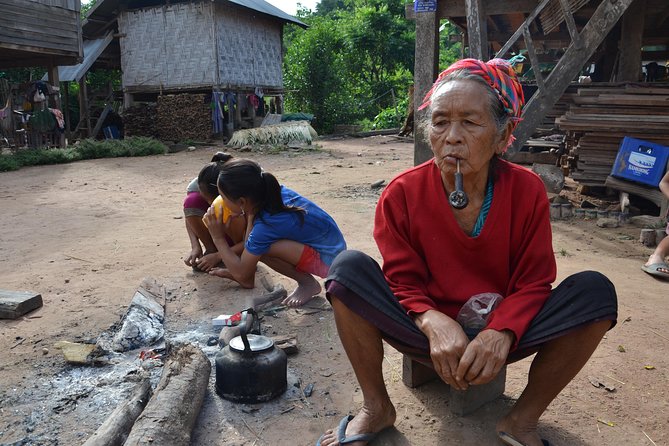
The route leads along a mountain valley and toward different hill-tribe communities. You are not simply passing through a protected area and returning to town. You are walking toward places where people live and work, with a chance to observe how the day is organized in rural northern Laos.
That also calls for care. Keep your manner quiet and respectful when entering villages. This is a community-based experience, not a staged show. You may see ordinary work and household routines, so give people space and follow your guide’s advice about photographs.
Villages, forest knowledge, and the value of a local guide
The village visits are the strongest reason to choose this trip over a standard day hike. A forest trail can be beautiful, but the connection to local communities gives the route a clearer purpose. You see how the mountain valley, forest, and villages fit together in daily life.
I especially like the way the tour links three subjects: plants, food, and people. A guide who explains herbs while walking can help you understand why conservation matters to the communities living near the national park. The price also includes a community-based tourism fund, a tribal village visit fee, and a forest conservation fund. Those charges are built into the booking rather than left for you to sort out locally.
You should keep your expectations realistic. The information does not promise a formal cultural performance, a museum, or a long lecture about every community. The appeal is simpler: walk into villages, observe local routines, and learn from a guide who knows the forest and the area.
The small group helps here. With up to eight people, the guide can usually speak to the group without shouting, and you have a better chance to ask about a plant, a tool, or a village custom. It is still wise to listen more than you speak. Rural communities are not attractions built for visitors.
Choosing the night: homestay or riverbank lodging

The overnight arrangement is one of the trip’s unusual features. You may stay with a local family in a homestay, or you may sleep alongside the river. The exact option appears to depend on the tour arrangements and conditions.
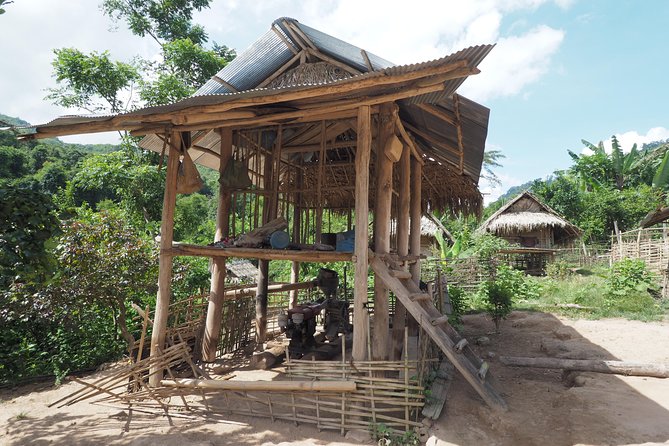
The homestay gives you the closer cultural experience. You are staying in the village rather than simply visiting for an hour. That can help you understand the rhythm of local life, especially if you watch families prepare for the next working day.
The riverbank option has a different appeal. You may be able to swim in clear water or sit near the river in a quiet setting. A swim is not guaranteed, and you should judge the conditions for yourself, but the possibility gives the overnight stop a welcome break from the trail.
Sleeping gear is included, which makes the $115 price easier to justify. Still, this is not a hotel night. You should pack with basic conditions in mind and bring a change of clothes and warm clothing. The tour specifically advises bringing a torch, and that is practical advice for any simple overnight stay.
The information does not specify private rooms, bedding standards, or bathroom arrangements. If those details matter to you, ask The Hiker before booking. The two choices sound appealing, but neither should be approached with city-hotel expectations.
More two-day treks around Laos
- Nong Khiaw: 2-Day Trekking,Hmong village,Home Stay&Kayaking
★ 4.9 · 17 reviews - Mt Toubkal Ascent Express Trek 2 Days 1 Nights
★ 4.7 · 962 reviews - Hanoi – Sapa 2 Days 1 Night Overnight At Homestay
★ 5.0 · 899 reviews - Chiang Mai: 2-Day Jungle Trek with Elephant Farm & Raft Ride
★ 4.7 · 881 reviews
Day two: river, villages, and a second six-hour walk

Day two starts early. You may take a cold shower or swim in the river, or walk through the villages while local families prepare for work. This is a fine reason not to sleep late. The quiet morning gives you a different view of the communities than you get during the previous day’s arrival.
You then have time to relax and drink coffee before continuing. That small pause matters after a full day on foot. It also keeps the morning from becoming a rushed march back to town.
The second day is listed at about six hours, so you should expect another substantial walking day. The route continues through the valley and nearby villages, with more chances to see local life and the surrounding forest. The program is not a quick morning visit followed by a long drive.
If you enjoy learning through conversation, this is where the guide can make a major difference. A guide who remembers the names and uses of native plants can turn repeated forest walking into a series of small discoveries. If your main interest is speed, difficult terrain, or reaching a dramatic summit, this may not be the right trip. The focus is cultural contact and forest knowledge, not a hard-core mountain challenge.
At the end, the activity returns to the meeting point at The Hiker Travel Agency in Luang Namtha. The return point is convenient if you are staying in town, since you do not need to arrange a separate pickup from a remote endpoint.
What the $115 price really covers
At $115 per person, this is not just a two-day walk. The price includes the minivan transfer to the trailhead, breakfast, dinner, two lunches, sleeping gear, admission fees, and the community and conservation funds.
Those inclusions give the tour solid value. Meals alone do not make a trip worthwhile, but here they are part of a package that also supports access to villages and the protected forest. You are paying for a guide-led route, an overnight stay, local food, and the practical arrangements needed to connect the park with nearby communities.
Group discounts may be available, which could make it more appealing for families or friends traveling together. The maximum group size of eight is another value point. You are not paying for a large operation with dozens of people moving down the same trail.
Some costs remain yours. You need to bring or arrange a backpack, hiking boots, hat, sunscreen, mosquito spray, torch, extra clothing, warm clothes, pocket money, and a raincoat during the wet season. These are not minor details. A missing torch or rain layer can make a basic overnight trip far less comfortable.
The price is strongest for people who already have suitable walking gear and want a simple community-based experience. If you need to buy boots, rainwear, and a full pack for this one outing, your real cost will be higher.
Packing for a two-day forest trek
Use footwear that you can walk in for six hours and that gives you a secure footing. The tour specifically asks you to bring hiking boots, so ordinary casual shoes are not the sensible choice.
Pack light, but do not skip the basics:
- A small backpack
- Hiking boots
- Hat and sunscreen
- Mosquito spray
- Torch
- Change of clothes
- Warm clothing
- Pocket money
- Raincoat during the wet season
The tour provides sleeping gear, so you do not need to carry a full sleeping setup. Meals are also included, but you should still carry anything personal that you need during a long walking day.
A raincoat is especially important in wet weather. Forest paths can become uncomfortable quickly when your clothing stays damp. The route also includes an early start and a possible river swim, so a dry change of clothes is useful even if you decide not to swim.
A mobile ticket is available, which simplifies check-in at the agency. Confirmation is received when you book. The tour requires good weather, and poor conditions can lead to a new date or a full refund.
Fitness, comfort, and the right kind of visitor
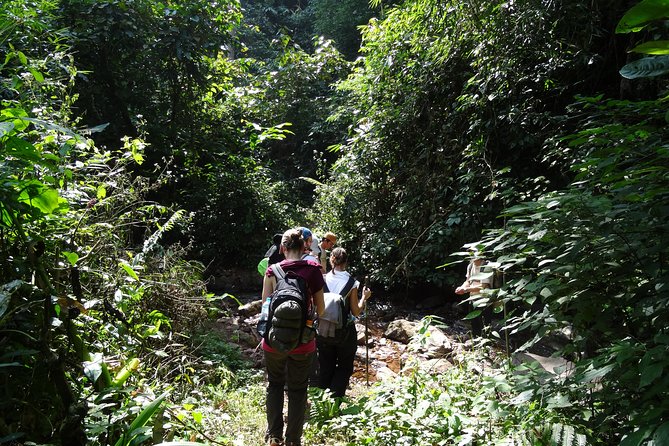
You need moderate physical fitness. The main reason is the combination of duration and terrain: six hours on day one, six hours on day two, an uphill opening section, and a descent through forest.
You do not need to be an expert trekker based on the information provided, but you should be comfortable with a long day of walking. If you have trouble with hills or uneven ground, ask for more detail about the route before paying.
I would choose this for you if you want:
- Forest walking with a cultural purpose
- A small group rather than a large tour
- Direct contact with village life
- Simple overnight conditions
- Local plants, herbs, and food knowledge
- A trip that contributes to community and conservation funds
I would think twice if you want a polished lodge, private facilities, a gentle stroll, or a tightly scheduled sightseeing program. The experience asks you to trade comfort for access, and that is a fair trade only if you want the village and forest setting.
The 5.0 rating from 21 reviews and 100 percent recommendation figure suggest a strong record, but those numbers should not hide the basic nature of the trip. The most praised elements are the guide’s plant knowledge, the quality of the two-day walk, and the local market introduction. Those are the parts to value most, not luxury or convenience.
Booking timing and cancellation basics
The tour is booked, on average, 55 days ahead. That does not mean you must book exactly that early, but it is a useful sign that planning ahead may help, especially if you have fixed dates in Luang Namtha.
You can cancel for a full refund up to 24 hours before the start time. Cancellations or changes made less than 24 hours before the 8:00 a.m. departure are not refunded or accepted.
The trip depends on good weather and a minimum number of people. If poor weather or low numbers cause cancellation, you are offered another date or experience, or a full refund. Cutoff times use local time in Laos.
Should you book the Nam Ha trek?
Book it if you want two full days of walking, village contact, and practical insight into how people use the forest. The guide-led plant explanations, small group, river option, and included community funds make this more meaningful than a basic hike.
Skip it if you want guaranteed private accommodation, easy terrain, or a short nature outing. At $115, it is good value for an active visitor who packs properly and accepts simple conditions. I would give it extra consideration if you can join a small group and if Peng or ChanPeng is guiding, since his plant and herb explanations are a major part of what makes the route worthwhile.
FAQ
Where does the tour start?
It starts at The Hiker Travel Agency at 17A Main Street, Phonexay Village, Luang Namtha 03000, Laos.
What time does the tour begin?
The start time is 8:00 a.m.
How long does the experience last?
The experience lasts two days, with about six hours of activity on each day.
How many people can join the tour?
The maximum group size is eight travelers.
What level of fitness is needed?
A moderate level of physical fitness is required. The first day includes about an hour of uphill walking through secondary forest, followed by a longer forest route.
Where do you sleep?
You will either stay with a local family in a homestay or sleep alongside the river, depending on the arrangements for the trip.
Can you swim during the experience?
You may be able to swim in the clear river, and you may also take a cold shower. Swimming is presented as an option, not a guaranteed activity.
What meals are included?
Breakfast, dinner, and two lunches are included.
What equipment is included?
Sleeping gear is included. You need to bring a backpack, hiking boots, hat, sunscreen, mosquito spray, torch, clothing, warm clothes, pocket money, and a raincoat during the wet season.
Can you cancel for a refund?
You can cancel up to 24 hours before the start time for a full refund. Poor weather or failure to meet the minimum number of travelers may also result in a new date, another experience, or a full refund.
New treks around Laos
- Nong Khiaw: 2-Day Trekking,Hmong village,Home Stay&Kayaking★ 4.9 · 17 reviews
- Luang Prabang: Nong Khiaw 3-Day Trekking & camping, Homstay★ 5.0 · 9 reviews
- Luang Prabang Trekking LongLao to Kuang si falls full day★ 4.7 · 7 reviews
- Luang Prabang: Mountain Trek & Local Villages Overnight Tour★ 5.0 · 7 reviews
- Luang Prabang: 3-Day Cultural Remote Trek With Homestay★ 4.9 · 9 reviews
- Luang Prabang: Full Day Trek to Kuang Si Waterfall & Village★ 4.6 · 20 reviews
- Luang Prabang Thin Pha Trail & Tad Sae Falls Trek★ 4.6 · 17 reviews
- Nam Ha NPA 3 Day Wildlife Jungle Camp and Village Homestay Trek★ 5.0 · 11 reviews
Homestay and Village Treks, side by side.
From Hanoi: 2-Day Sapa Trekking Trip with Homestay & Meals
Read our review →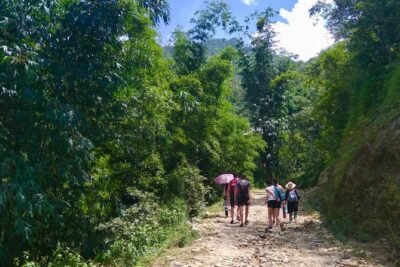
Number one top rated ethical cultural trekking and homestay by ETHOS
Read our review →
2-Day Sa Pa Ethnic Homestay Tour & Trek with Limousine Bus
Read our review →
Hanoi – Sapa 3 Day 2 Night Trekking With Hotel & Homestay
Read our review →
Sa Pa: 2-Day Trekking Trip with Ethnic Minority Homestay
Read our review →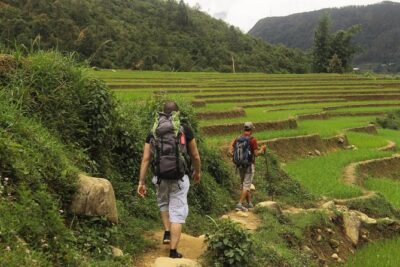
Sapa : 2-Day Trek & Heartwarming Homestay with an Ethnic Family
Read our review →
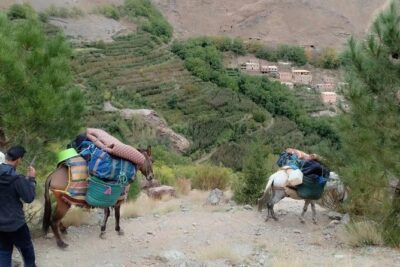
3 Day Trek in the Atlas Mountains and Berber Villages from Marrakech
Read our review →Lists this trek appears in