
Review · NEW ZEALAND
Llama Trek (Taster) – Kowhai River Valley and Native Woodland Tour
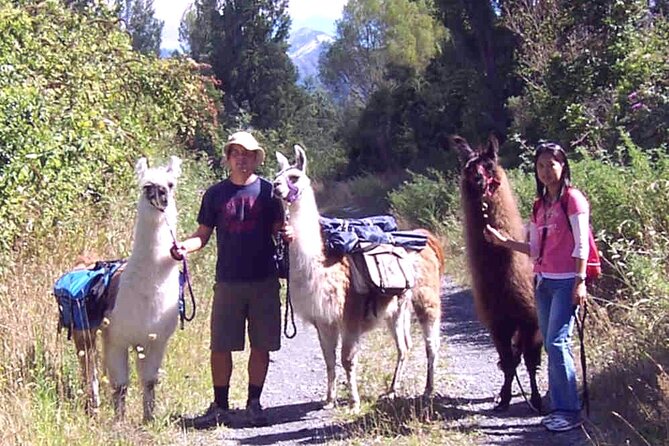
The most memorable part of this Kaikoura outing is not simply seeing llamas. You get to lead them along the Kowhai River, watching their habits up close while native birds call from the protected woodland around you. It is part easy walk, part animal lesson, and part New Zealand nature outing.
I like two things right away: the small maximum group of five, and the setting beside the river rather than in a fenced farm area. I also like that Kevin explains llama behavior in plain terms and lets you take an active role. The one thing to consider is that this is a hands-on trek, not a ride or a quiet viewing session, so you need to be ready to walk and help manage the animals.
Key points to know before you book
- Lead the llamas yourself: You are an active participant, with the chance to get close, touch, and help guide the animals.
- Walk beside the Kowhai River: The route uses riverbanks and riverbed, with protected native woodland around you.
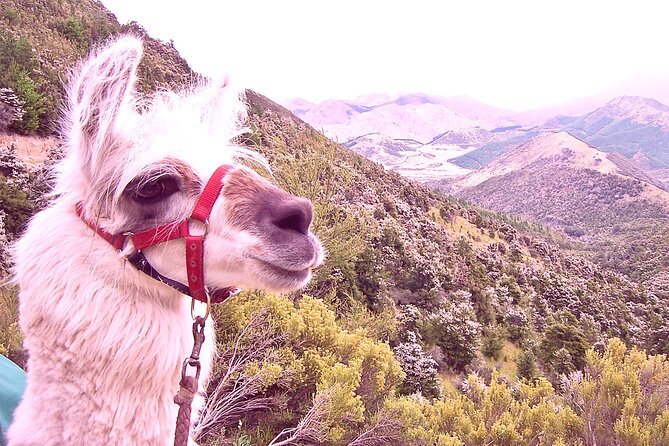
- Listen for native birds: Bird calls and other wildlife sounds are part of the outing, and wildlife can often be seen from the raised riverbanks.
- Keep the group personal: The tour takes no more than five people, useful for families and anyone who prefers a quieter guide-led activity.
- Plan for a gentle but active walk: The trek lasts about 1 hour 30 minutes and is described as easy, though you should expect to participate.
- Book with a flexible backup in mind: You can cancel for a full refund up to 24 hours before the start time, but late changes are not accepted.
Meeting the llamas beside the Kowhai River
The experience begins at 12 Kowhai Ford Road in Kaikoura Flat. You return to the same meeting point at the end, so the outing is simple to fit into a day in Kaikoura.
This is a small-group activity, with no more than five people. That matters here. Llama trekking works best when the guide can watch how each person handles the animal, answer questions, and keep the pace comfortable. A large group would make the close contact feel less personal. With five or fewer, you have a better chance to spend real time beside the llamas instead of standing at the back of a crowd.
The opening part focuses on getting comfortable with the animals. You will learn how they behave and what to expect as you walk with them. Kevin is the named guide associated with this experience, and his role is more than simply leading the way. He explains llama behavior, gives you practical direction, and helps you understand why the animals stop, snack, or change pace.
That last point is worth knowing. Llamas are not clockwork walking partners. They like to eat, and the outing has a relaxed rhythm. The animal may pause for a snack, which becomes part of the fun rather than a problem. If you want a tightly timed walk with a fixed pace, this may feel slow. If you enjoy animal character and small surprises, it adds charm.
More treks around the world:
- Mount Etna: Trek to 3000m with cable car and 4×4
★ 4.6 · 3,823 reviews - Bali: Mount Batur Sunrise Trek With Guide and Breakfast
★ 4.8 · 3,461 reviews - From Chania: Full-Day Samaria Gorge Trek Excursion & Guide
★ 4.6 · 3,191 reviews
Walking the riverbanks and riverbed
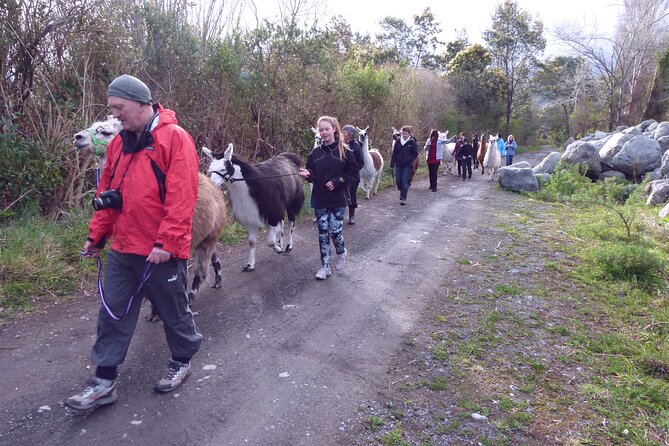
The main route follows the Kowhai River banks and riverbed. The setting gives the trek more interest than a simple pasture walk. You are moving through a natural area, with water, woodland, and open river spaces changing the feel of the walk as you go.
The riverbanks are especially useful for spotting wildlife. From these raised areas, you can look and listen across the surrounding woodland. The constant sound of native birds is one of the strongest features of the outing. You may also see other wildlife, although no particular species or sightings can be guaranteed.
I like this combination of animal time and place. You are not asked to choose between a llama activity and a nature walk. You get both at a modest scale. The llamas give you something engaging to focus on, while the woodland and river keep the setting from feeling repetitive.
The route includes riverbed terrain, so you should expect a real outdoor walk rather than a fully paved attraction. The activity is described as easy, and nothing in the experience is presented as hard or frightening. Still, you should wear practical clothing and shoes suitable for walking outdoors. The exact conditions can affect how comfortable the river sections feel.
The outing lasts about 90 minutes. That is long enough to settle into the rhythm of walking with the animals, but short enough to fit around other Kaikoura plans. You will not spend most of a day on the trek, which makes it a useful choice for families or people building a busy schedule.
What handling the llamas is really like
The best reason to book is the close contact. You do not only watch the llamas from a distance. You may touch them, help lead them, and learn how they respond to people.
The activity asks you to participate, but it is not described as difficult or scary. The guide explains what to do and helps you understand the animals. That makes this a good introduction for someone who has never handled a llama before.
You will also need to accept that the llamas set part of the pace. They are amusing, curious, and frequently interested in eating. Their habits give the walk a light, funny quality, but they also mean you should not expect a perfectly smooth procession from start to finish.
I would especially recommend this for families with children old enough to follow instructions and take part calmly. The information provided says most people can participate, but it does not give a specific minimum age. For that reason, you should check any age concerns before booking rather than assume the activity suits very young children.
It also works well for anyone who has limited time in Kaikoura but wants an experience that feels different from a standard sightseeing stop. The taster format gives you a real introduction to llama trekking without asking you to commit to a longer excursion.
Native woodland, birds, and a quieter side of Kaikoura
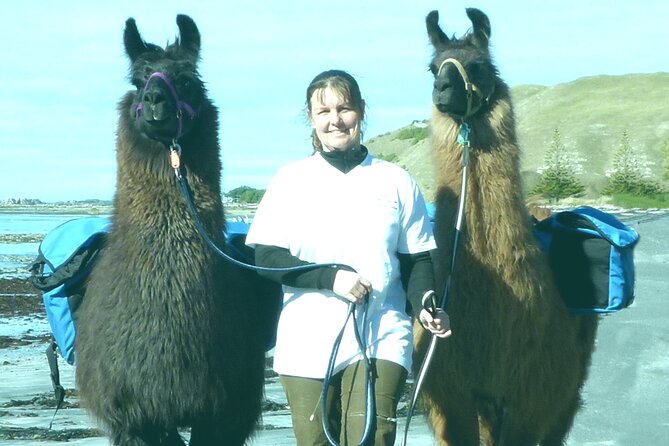
Kaikoura is well known for wildlife experiences, but this outing offers a different kind of encounter. Instead of focusing on one major sighting, you spend time in a protected woodland and river setting, with wildlife sounds around you throughout the walk.
The native birds are not just background decoration. They help shape the mood of the trek. You hear them as you move along the riverbanks, and you may see wildlife from the higher parts of the route. The setting rewards attention, so I would avoid treating this as a quick photo stop. Keep your eyes open and listen as you walk.
There is also value in the pace. A llama trek gives you a reason to move slowly. You are not rushing from one viewpoint to another. You are watching the animals, noticing the river, and taking in the woodland as you go.
The nature element does have limits. This is not presented as a specialist birding tour, and there is no promise of particular species or close wildlife sightings. If your main goal is to identify birds or see a specific animal, you may need a more focused activity. If you want a gentle outdoor outing where wildlife is part of the setting, the mix works well.
Same mountains, a different route up:
- Mount Etna: Summit Crater Trek with Cable Car
★ 4.8 · 1,875 reviews - La Palma: Tajogaite Volcano Guided Trek
★ 4.8 · 1,810 reviews - Etna: summit craters trekking with volcano guide 3350mt
★ 4.7 · 1,712 reviews - From Rethymno: Samaria Gorge Full-Day Trek, Pickup & Guide
★ 4.5 · 1,610 reviews
Why the small group changes the experience
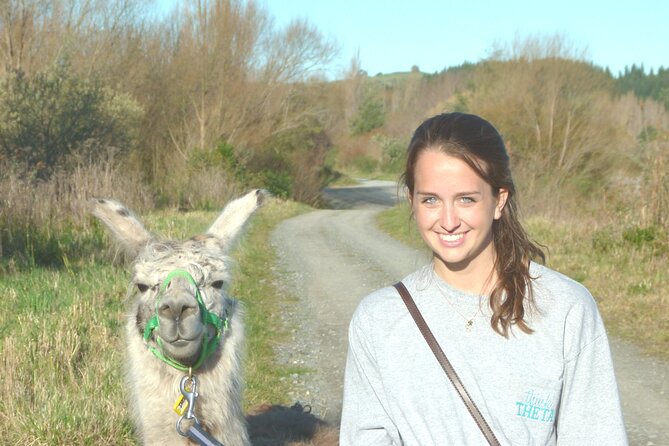
A maximum of five people is one of the strongest practical features. Small groups reduce waiting and make it easier to hear the guide. They also give each person more space to interact with the llamas.
That matters for anyone who wants to ask questions about behavior. The guide can explain why a llama pauses, how to approach it, or what to do while walking. You are less likely to feel like one person in a long line.
Small groups can also suit families, couples, and solo visitors who prefer a calm outing. The tradeoff is that availability may be limited. The activity requires a minimum number of participants, and if that number is not reached, the operator may offer another date or experience, or provide a full refund.
The listed price is $83.16 per person. I see the value in it if you want more than a short animal encounter. You receive about 90 minutes, direct contact with the llamas, a guide-led nature walk, and a setting that combines river, woodland, and wildlife. The price may feel high if you only want to take a few pictures, but the hands-on role makes it different from simply visiting animals.
Group discounts are available, which may improve the cost for families or larger parties. The maximum group size remains five, so it is worth checking how the discount applies to your booking.
Access, transport, and timing
The meeting point is 12 Kowhai Ford Road, Kaikoura Flat, Kaikoura 7371. The activity ends at the same place, which avoids arranging a separate return transfer.
The location is near public transportation, although the available information does not give a specific route or timetable. You should confirm your transport plan before setting off, especially if you are not driving.
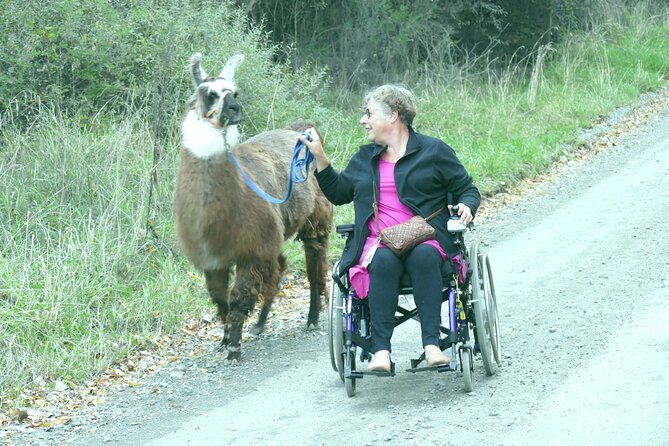
Strollers can be used for about 80 percent of the trek. The remaining section can be avoided so you can complete the activity. This is helpful, but it does not mean the full route is stroller-friendly. If you need a stroller for the whole outing, ask about the route before booking.
Service animals are allowed. Most people can participate, but the walk still includes riverbanks and riverbed, so consider your own comfort with outdoor terrain. The activity is gentle, not completely passive.
Confirmation is normally provided when you book. If you book within two days of the start date, confirmation may take up to 48 hours and depends on availability. I would avoid leaving this particular outing until the last minute if it is important to your Kaikoura plans.
How to prepare for the 90-minute trek
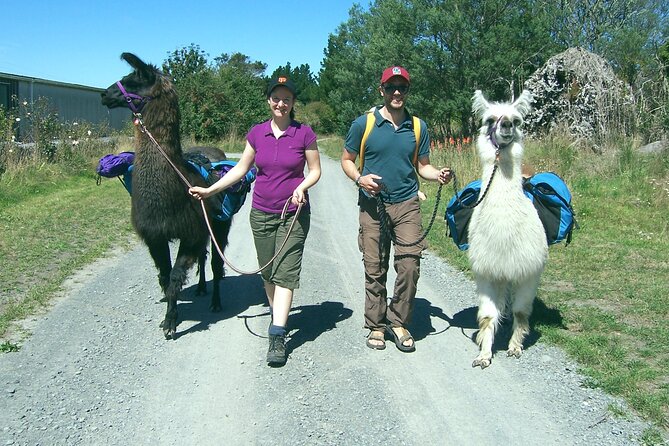
Wear comfortable clothes and shoes that you do not mind using outdoors. The route is easy, but the riverbank and riverbed setting calls for sensible footwear rather than city shoes.
Bring patience. The llamas may stop to eat, and their pace may not match your own. That is not a flaw in the outing. It is the nature of walking with animals, and it is one reason the experience feels more personal than a standard guided walk.
Give yourself enough time to reach 12 Kowhai Ford Road and be ready at the stated start time. Since the tour returns to the same meeting point, you can plan the rest of your day around a fixed 90-minute block.
You may also want to keep your expectations realistic about wildlife. Native birds and other animals are part of the environment, but sightings are not guaranteed. The llamas are the reliable focus, while the woodland and river add the chance for extra nature moments.
The cancellation terms are fair but firm. Cancel at least 24 hours before the local start time for a full refund. If you cancel later, make a late change, or fail to meet the required timing, you will not receive a refund. If the operator cancels because the minimum number is not met, you can choose another date or experience, or receive a full refund.
Who should book this Kaikoura experience
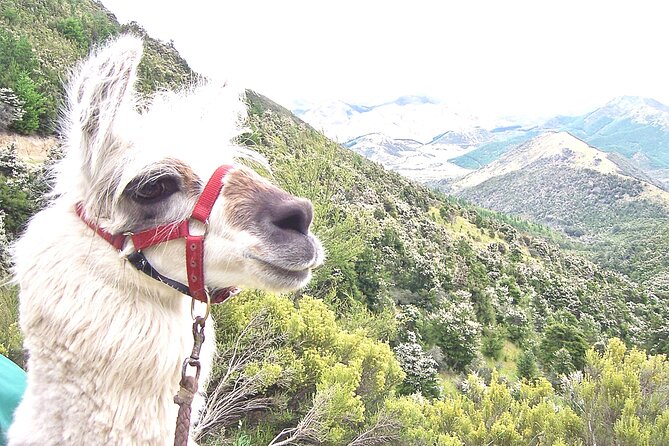
I would choose this trek if you want an activity that is personal, gentle, and unusual. It suits people who like animals but also want to spend time outdoors, rather than simply viewing llamas in one spot.
It is a particularly good fit for:
- Families wanting a short hands-on activity
- Couples looking for something different from a standard walk
- Solo visitors who prefer a small group
- First-time llama handlers
- People with only part of a day available
- Nature lovers who enjoy bird sounds and woodland settings
I would think twice if you dislike unpredictable animal behavior or want a fast, strenuous hike. This is not a fitness challenge, and it is not a guaranteed wildlife-spotting trip. The charm comes from the llamas setting the mood and pace.
Should you book the Llama Trek Taster?
Book it if you want direct contact with llamas, a relaxed walk beside the Kowhai River, and a small group where you can ask questions and take part. The combination of protected woodland, native bird sounds, and animal handling gives the 90-minute outing more substance than its short duration suggests.
Skip it if you prefer a fully paved route, a strict schedule, or wildlife sightings that are guaranteed. For everyone else, the $83.16 price is reasonable for a guided, hands-on experience with no more than five people, especially if you use the group discount. The taster is short, friendly, and distinctively Kaikoura.
FAQ
Where does the Llama Trek Taster start?
It starts at 12 Kowhai Ford Road, Kaikoura Flat, Kaikoura 7371, New Zealand.
Where does the experience end?
The activity ends back at the meeting point on Kowhai Ford Road.
How long does the llama trek last?
The trek lasts approximately 1 hour 30 minutes.
How many people can join the tour?
The maximum group size is five travelers.
Are strollers and service animals allowed?
Service animals are allowed. About 80 percent of the trek is stroller accessible, and the remaining section can be avoided to complete the route.
Can I cancel for a full refund?
Yes. You can cancel at least 24 hours before the experience start time for a full refund. Cancellations or changes made less than 24 hours before the start time are not accepted for a refund.
New treks around the world
- Sapa: 2-Day Local Guided Valley Trek with Night Homestay★ 5.0 · 27 reviews
- SAPA: 1-DAY TREKKING TOUR WITH LOCALS, LUNCH & RICE FIELDS★ 4.7 · 18 reviews
- Sapa: 2-Day Local Guided Valley Trek with Night Homestay★ 4.8 · 5 reviews
- Santa Marta: Trekking in Minca Complete Waterfall Circuit★ 4.4 · 28 reviews
- Santiago: Longueira, Pico de Antónia & Monte Tchota Trek★ 4.8 · 10 reviews
- Santiago: Trek from Serra Malagueta to Rabelados Community★ 5.0 · 16 reviews
- Santiago Island: Serra Malagueta & Tarrafal Beach Trek Tour★ 4.8 · 61 reviews
- Santa Marta: Multi-Day Trek to The Lost City★ 4.8 · 40 reviews