
Review · SAPA
In Sapa: 1 Day Mountain Trek, Visit beautiful villages
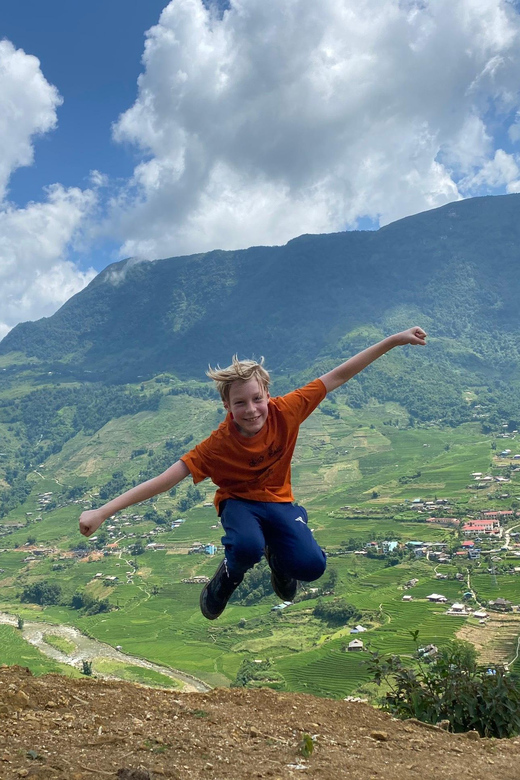
Sa Seng Mountain gives this trek its best opening: after a steep climb, you look across Muong Hoa Valley, its rice terraces, winding stream, and the high peak of Fansipan. The route then drops into Black Hmong villages, where daily work matters more than postcard posing.
I like the small groups of up to 10, which make it easier for guides such as Mao, Sung, Soso, or Moa to adjust the pace. I also like the family-run lunch and the chance to hear about Hmong marriage customs, rice farming, and house building from a guide with local ties. The catch is simple: this is not an easy stroll. Steep, uneven, and muddy sections can turn the advertised long walk into a proper six-hour hike.
Key points at a glance
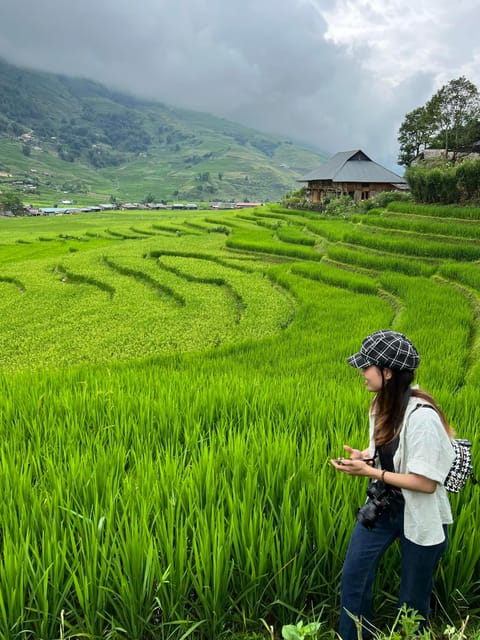
- Sa Seng summit views: See Fansipan, Sapa town, Muong Hoa Valley, and some of northern Vietnam’s most famous rice terraces.
- Three village settings: Walk through Hang Da, Hau Thao, and toward Giang Ta Chai on quieter mountain paths.
- Black Hmong culture: Learn about marriage traditions, farming, house construction, hemp clothing, and village life.
- Family-style lunch: Eat at a small local restaurant rather than stopping at a large tourist venue.
- Small-group pacing: Groups are limited to 10, with guides able to slow down for tougher sections.
- Real hiking conditions: Bring sturdy shoes, cash, and patience for mud, steep steps, and occasional local sellers.
Why this route is different from a simple Sapa walk
Sapa offers plenty of short walks, but this outing gives you a full day in the hills. The route combines a high viewpoint with village paths and working rice fields, so you get both the grand view and the close-up details.
The cultural part is not limited to a quick photo stop. Your guide explains how Black Hmong families work the rice fields, build homes, and approach marriage. At the right time of year, you may see planting or harvesting in Hau Thao. You might also see water buffalo, cows, and pigs, animals that remain central to local households.
That makes the day more useful than a scenic walk alone. You can look at a terrace and understand a little more about the work behind it.
The price is $24 per person, including lunch, village entry fees, a small bottle of water, a trekking stick, and transport back to Sapa. For a 10-hour outing with a local guide and a meal, that is strong value. You will still need cash for anything extra, including possible purchases from village sellers, and you should not expect a private tour at this price.
More one-day treks around Sa Pa
- From Sapa: 1-Day Guided Trek to Lao Chai & Ta Van with Lunch
★ 4.9 · 416 reviews - Sapa 1 Day Long Trek: Trek to Hau Thao and Sa Seng Villages
★ 4.6 · 344 reviews - 1-day Authentik trek & Panorama valley views
★ 5.0 · 189 reviews
The 9:00 start and the climb to Sa Seng
The day begins at 9:00 with pickup at your accommodation, followed by a short introduction. The route then heads onto a small trail and climbs about 1 kilometer uphill.
The first hour is the demanding part. It is described as a hard trek, and the later comments about steep ground, large steps, and slippery descents back that up. If you have a reasonable level of fitness, the climb is manageable, but you should not treat the word easy as a promise of flat walking.
A trekking stick is included, which helps on loose or wet ground. Wear shoes with a firm sole and good grip. Trainers with smooth soles are a poor choice if rain has passed through the hills.
This opening climb earns its reward. From the top of Sa Seng Mountain, you can see Fansipan, at 3,143 meters, the highest mountain in Indochina, along with Sapa town and the broad Muong Hoa Valley. The rice terraces are the star here. Their appearance changes with the season, from flooded and reflective to green, then golden around harvest time.
Cloud can cover Fansipan and soften the views. That is part of mountain weather, not a failure of the route. A cloudy day can still make the valley feel quiet and atmospheric, but clear weather gives you the best chance of seeing the full sweep.
Down toward Hang Da and the working hills
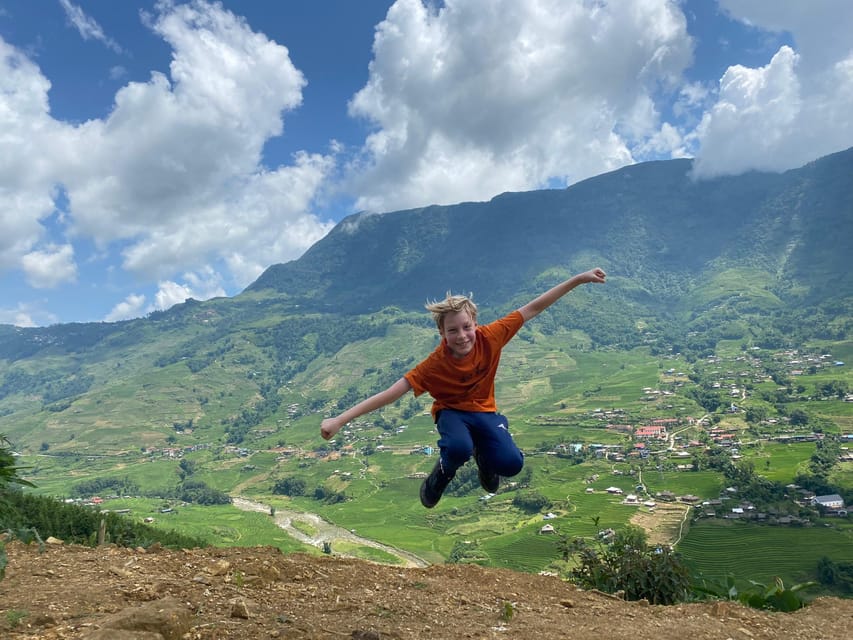
After the summit, the route follows the mountainside down toward Hang Da, a village of the Black Hmong people. The change from open viewpoints to village paths gives the day a good rhythm.
The descent can be harder than the climb. Wet earth and uneven steps require care, especially if your knees are not fond of long downhill walks. Keep your pace steady and stay close enough to hear the guide’s instructions.
This section also brings you closer to ordinary village life. Look for livestock such as buffalo, cows, and pigs. These are not staged attractions. They are useful animals tied to farming, transport, food, and household income.
You may see local people working in or near the fields, depending on the season. The setting feels more genuine because the route passes through places where people live and work, rather than moving from one prepared viewpoint to another.
One point to keep in mind is the presence of local women selling handmade goods. You may find them friendly and interesting, but some people find it tiring when sellers walk alongside the group. A polite but firm decision before the walk helps. You do not need to buy something simply because someone has accompanied you.
Lunch at a small family-run restaurant
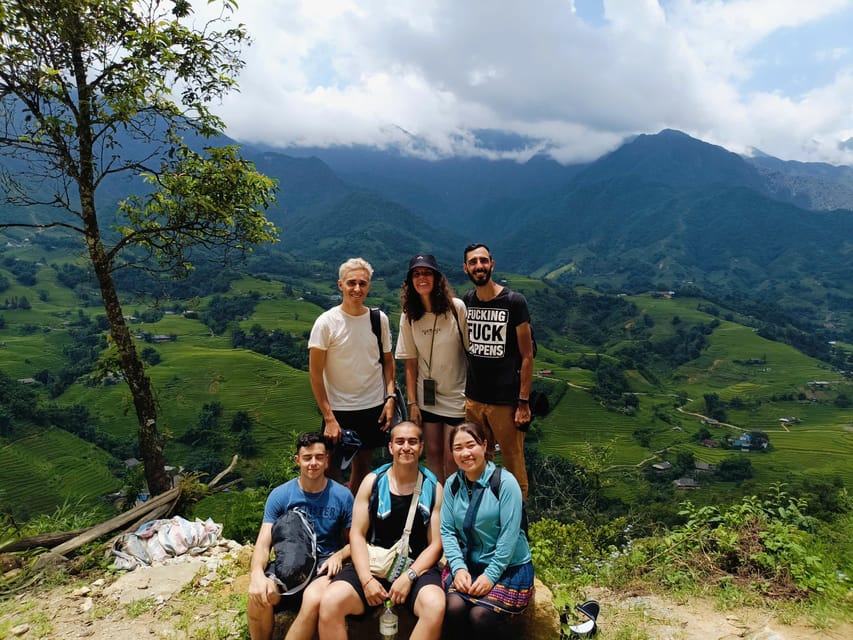
Lunch comes at a small restaurant operated by a local family. The meal is traditional and included in the price, giving you a chance to eat without searching for a restaurant or carrying a full packed meal.
This stop matters for practical reasons. You get a proper break after the steepest section, and the meal supports a local household rather than a large commercial venue. The food is described as homemade and fresh, but the exact dishes are not specified, so do not book this expecting a particular menu.
The schedule also makes lunch a useful reset. You have already completed the summit climb and descent, but the afternoon still includes more walking. Use the time to drink water, check your shoes, and make sure you have enough cash for the rest of the day.
Only one small bottle of water is included per person. For a 10-hour trek, bring extra water if you normally drink a lot, though the tour information specifically tells you to bring cash rather than listing a larger water supply.
More treks around Sa Pa:
- Sa Pa: Muong Hoa Valley Trek and Local Ethnic Villages
★ 4.6 · 864 reviews - Sapa: Eco Adventure Terrace Fields and Local Villages Trek
★ 4.9 · 636 reviews - Number one top rated ethical cultural trekking and homestay by ETHOS
★ 5.0 · 456 reviews - Sa Pa Full Day Trekking Tour
★ 5.0 · 414 reviews
Hau Thao and a closer look at Black Hmong life
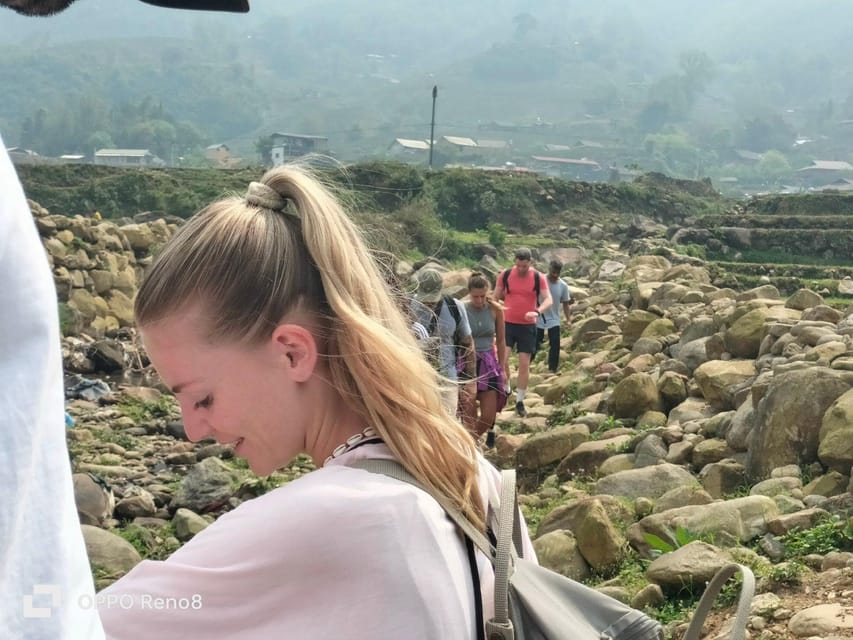
After lunch, the route follows a smaller road down toward Hau Thao, another Black Hmong village. This is where the cultural side of the day comes into clearer focus.
Your guide explains Hmong marriage traditions, the work involved in rice fields, and techniques used to build houses. These subjects give you a way to read what you see. A home is not just a rustic building, and a terrace is not just a pretty stripe on a hillside. Each reflects work, family needs, weather, and local skills.
The timing of your visit affects what is happening in the fields. During planting or harvest, you may see people working directly in the rice terraces. At other times, the fields may be quiet. The tour cannot control the farming calendar, but the guide can still explain how the system works.
Some cultural details connected with the area include hemp clothing and plant-based dyes. Seeing these crafts depends on the homes or families visited that day, so treat them as a possible extra rather than a fixed stop.
The best approach is to ask questions and listen. Guides from nearby villages, including guides named Mao, Sung, Soso, and Moa on different departures, have been praised for explaining local customs clearly and keeping the mood relaxed. Your assigned guide may be someone else, so confirm the name after booking if that matters to you.
The final walk to Giang Ta Chai
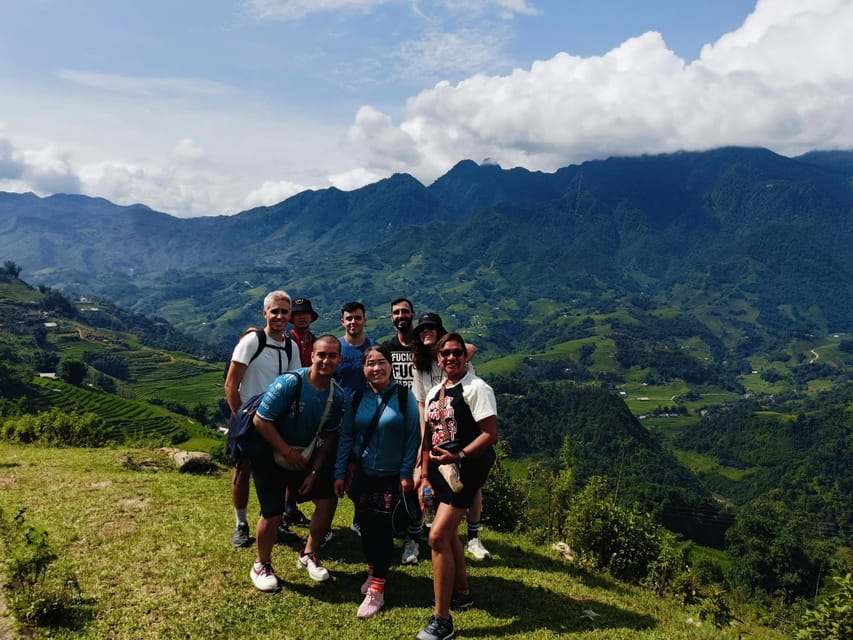
At about 15:30, you walk toward Giang Ta Chai, where transport waits on the main road. This final section brings the total walking distance to roughly 12 to 14 kilometers for some departures, with around six hours spent on foot.
That figure helps set expectations. Ten hours is the total activity time, not ten hours of nonstop hiking. It includes pickup, the climb, the lunch break, village visits, and the return drive. Still, your legs will know they have had a full day.
The path toward Giang Ta Chai gives you one last stretch of rural scenery before the vehicle takes you back to Sapa. It is a practical ending because you do not have to retrace the entire route uphill. Transport back to Sapa is included, although the exact drop-off arrangement can vary, so confirm where you will be left if you need to reach a train, bus, or hotel by a strict time.
Past departures have generally been described as well organized, with pickup and transport running smoothly. One caution is worth keeping: mountain pickup points can feel less tidy than city transfers. Allow some flexibility rather than arranging an immediate connection after the tour.
How hard is the trek?
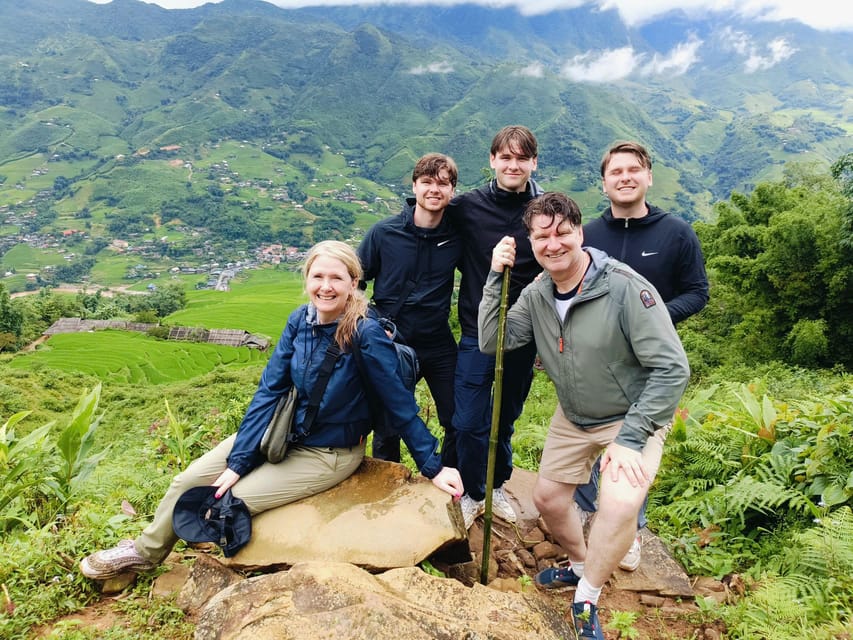
The difficulty depends on weather, fitness, and your comfort with rough ground. The first uphill kilometer is hard, and the descent from Sa Seng can be slippery. Some sections require large steps or careful footing.
I would rate it as a moderate mountain hike, not an easy village stroll. People who regularly walk on hills should find it manageable at a steady pace. If you have mobility limitations, use a wheelchair, or prefer level paths, this is the wrong outing.
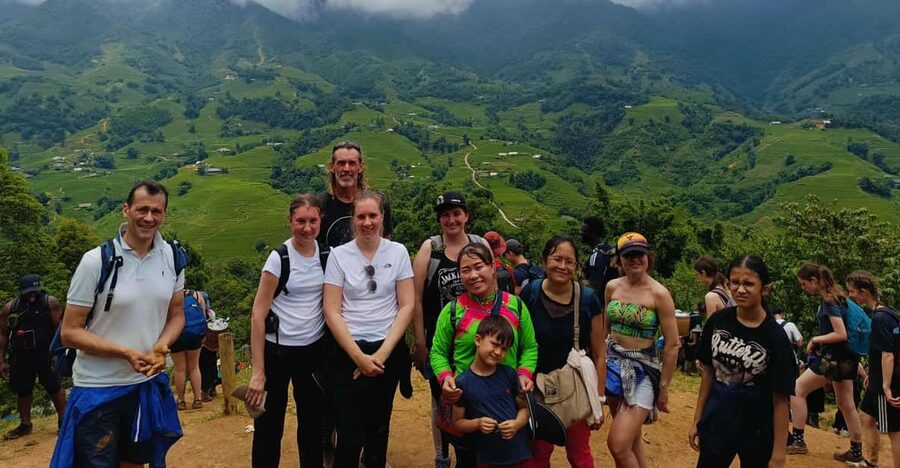
The small group helps. With no more than 10 people, the guide can watch the back of the group and adjust the speed. Several departures had only four to six people, which can make the day feel almost like a private walk. That is especially useful when one person wants to stop for photos or needs more time on the slippery parts.
Good preparation is simple:
- Wear sturdy shoes with grip.
- Bring cash.
- Carry extra water if needed.
- Pack a light rain layer because conditions can change.
- Keep your hands free where possible for balance.
- Bring a swimsuit only if your confirmed program includes a waterfall stop, since that detail is not part of the stated route.
The tour is not suitable for wheelchair users, people with mobility impairments, or people over 95 years old. The practical age limit matters less than your ability to manage steep, uneven paths.
Guide quality and the value of a small group
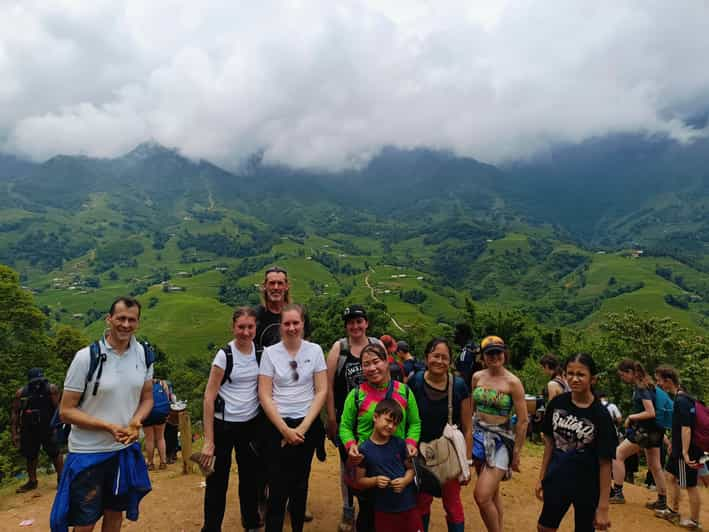
The guide can make or break a cultural trek. Here, the guide is expected to speak English or Vietnamese and to lead the group through terrain that is not always obvious.
Names connected with highly praised departures include Mao, Mama Mao, Sung, Soso, and Moa. They have been described as warm, funny, attentive, and able to explain local customs in clear English. Do not assume you will receive a particular guide, but you can expect the guide to be central to the experience rather than just someone who points out the route.
A good guide also protects the pace. On a long day, the person at the front needs to notice when the group is spreading out, when the ground becomes slick, and when a viewpoint deserves a pause. That matters more here than polished commentary.
The group limit of 10 is one of the strongest features for the price. A large coach group would make narrow paths and village visits less pleasant. A smaller party gives you more time to ask questions and makes it easier to keep the walk social without losing the quiet parts.
Pickup, meeting point, and practical details
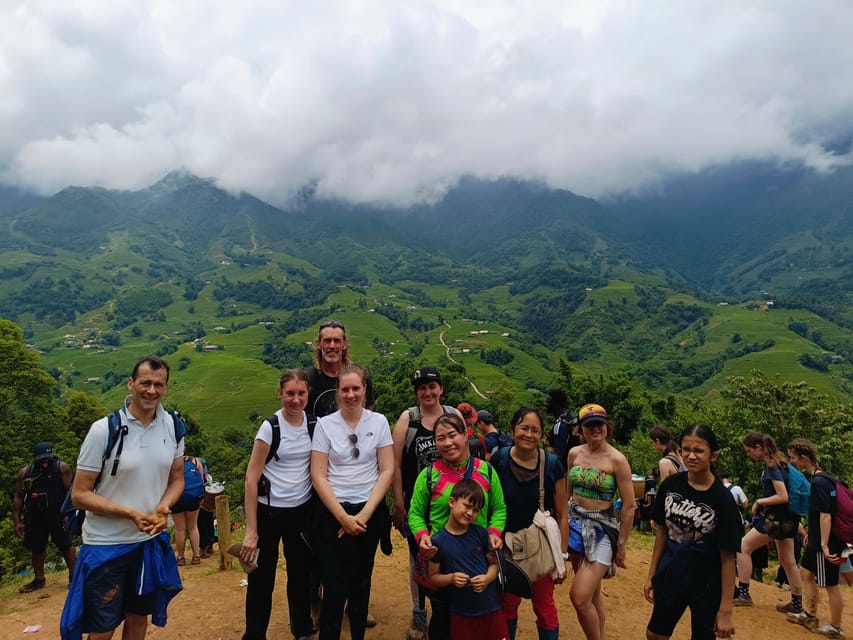
The tour information says pickup is at your accommodation at 9:00. It also gives Sapa TT Homestay as a meeting point, about 2.3 kilometers from central Sapa, for trekking departures connected with Ta Van or Hau Thao.
Because those details do not perfectly match every hotel situation, confirm the exact pickup point before the morning of the trek. If you need to go to Sapa TT Homestay, you can reach it by taxi, motorbike, or on foot. Arriving 30 minutes early allows time for check-in, luggage storage, and a briefing.
The activity is offered by Viet Nam Explore Travel. Transport receives a 97 percent perfect score in the available rating information, and the overall experience carries a 5 out of 5 rating from 50 reviews. Those figures suggest a strong track record, but mountain transport and weather still call for a little patience.
Free cancellation is available up to 24 hours before departure, and you can reserve now and pay later. The activity lasts 10 hours, with starting times subject to availability.
Is $24 good value?
At $24, the tour gives you far more than a viewpoint transfer. The fee covers a local guide, lunch, village entry fees, a trekking stick, one bottle of water, and transport back to Sapa.
The strongest value comes from combining three things in one day: a high mountain view, a long village walk, and cultural explanation. Booking separate transport and a guide for the same route would likely require more planning, even without the meal and entry costs.
The price does not cover anything not listed, so bring cash for drinks, souvenirs, or personal purchases. The possible selling along the route also means you should decide in advance how you want to handle shopping.
Should you book this Sapa trek?
Book it if you want a full day on foot, care about meeting local people, and are comfortable with steep and sometimes muddy paths. It is especially suited to someone with limited time in Sapa who wants more than a short photo stop.
Skip it if you need a gentle walk, guaranteed clear views, or a tightly timed return. The route is demanding in places, and clouds or rain can change the feel of the day.
For most active visitors, the combination of Sa Seng views, Muong Hoa terraces, a local lunch, and Black Hmong village life makes $24 a fair deal. Bring proper shoes, arrive ready to work a little, and let the guide set a sensible pace.
FAQ
How long does the Sapa mountain trek last?
The activity lasts 10 hours, beginning around 9:00 and ending after transport returns you to Sapa.
How far do you walk?
Some departures cover about 12 to 14 kilometers, with roughly six hours of trekking included in the day.
Which villages does the route visit?
The route goes through Hang Da and Hau Thao, then continues toward Giang Ta Chai, where transport waits on the main road.
Will I see Fansipan?
From the top of Sa Seng Mountain, you can see Fansipan, which is 3,143 meters high, along with Sapa town and Muong Hoa Valley. Cloudy weather may limit the view.
Is lunch included?
Yes. A traditional lunch at a small family-run restaurant is included.
What language does the guide speak?
Guides are available in English and Vietnamese.
How large is the group?
The group is limited to 10 participants. Some departures may be smaller.
Where does the tour meet?
The tour information describes pickup at your accommodation at 9:00. Sapa TT Homestay is also given as a meeting point about 2.3 kilometers from central Sapa, so confirm the exact arrangement before departure.
What should I bring?
Bring cash and sturdy walking shoes. Extra water and rain protection are sensible for a 10-hour mountain outing. Weapons and sharp objects are not allowed.
New treks around Sa Pa
- Sapa: 2-Day Local Guided Valley Trek with Night Homestay★ 5.0 · 27 reviews
- SAPA: 1-DAY TREKKING TOUR WITH LOCALS, LUNCH & RICE FIELDS★ 4.7 · 18 reviews
- Sapa: 2-Day Local Guided Valley Trek with Night Homestay★ 4.8 · 5 reviews
- Sa Pa: Fansipan Peak One Day Trek with Local Guide★ 5.0 · 7 reviews
- Red Dao Village Trek and Herbal Bath★ 4.7 · 3 reviews
- Private Hoang Lien National Park & Tribal Village Trek★ 4.7 · 30 reviews
- Sapa: Private Muong Hoa Valley and Homestay Trekking 2-Day★ 4.8 · 4 reviews
- From Sapa: Muong Hoa Valley View & Village Trek 1-Day★ 5.0 · 21 reviews
Sapa Trekking Tours, side by side.
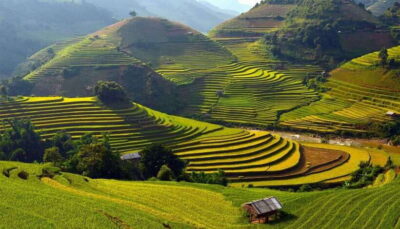
Sa Pa: Muong Hoa Valley Trek and Local Ethnic Villages
Read our review →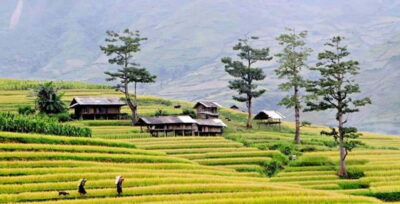
Sapa: Eco Adventure Terrace Fields and Local Villages Trek
Read our review →
Number one top rated ethical cultural trekking and homestay by ETHOS
Read our review →
From Sapa: 1-Day Guided Trek to Lao Chai & Ta Van with Lunch
Read our review →
Sapa 1 Day Long Trek: Trek to Hau Thao and Sa Seng Villages
Read our review →
Explore Sapa by TrekkingAdventures, Mountain,Rice fields
Read our review →
EXPLORE SAPA: 2D1N TREKKING & HMONG CULTURE WITH DINH
Read our review →Lists this trek appears in