
Review · SAPA
From Sapa: Terrace Fields and Local Villages Trek with Lunch
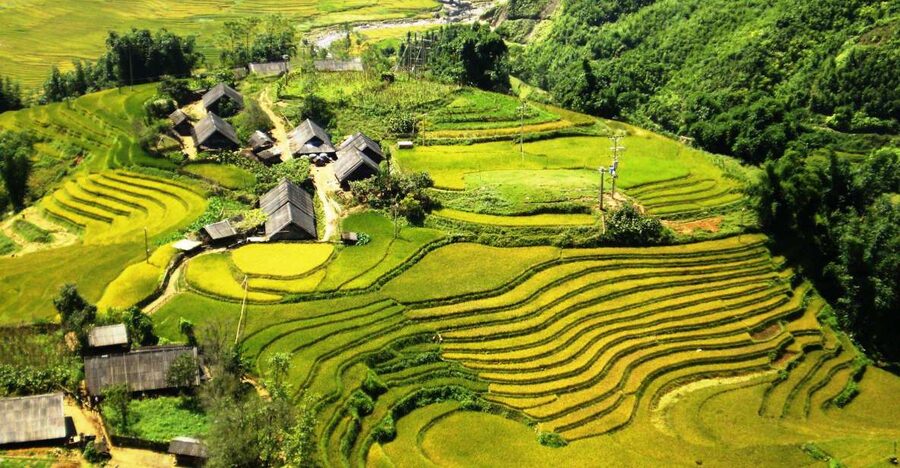
Sapa’s best views begin where the town ends: on foot, among terraced rice fields, corn plots, bamboo, and small villages. This seven-hour route takes you toward Lai Chai with a local ethnic minority guide, then finishes with lunch and a shuttle back to town. I like the direct contact with local life, and I like that transport back is included after a tiring walk. The main catch is the footing, especially in fog or rain.
I also like the 30 to 45 minute hotel pickup walk, which gives you an unhurried look at Sapa before the trek starts. A guide named Mao has been praised for answering questions, showing her home and family, and helping on slippery ground. Plan for a real hike, not a gentle stroll, and bring suitable shoes.
Key points to know before you book
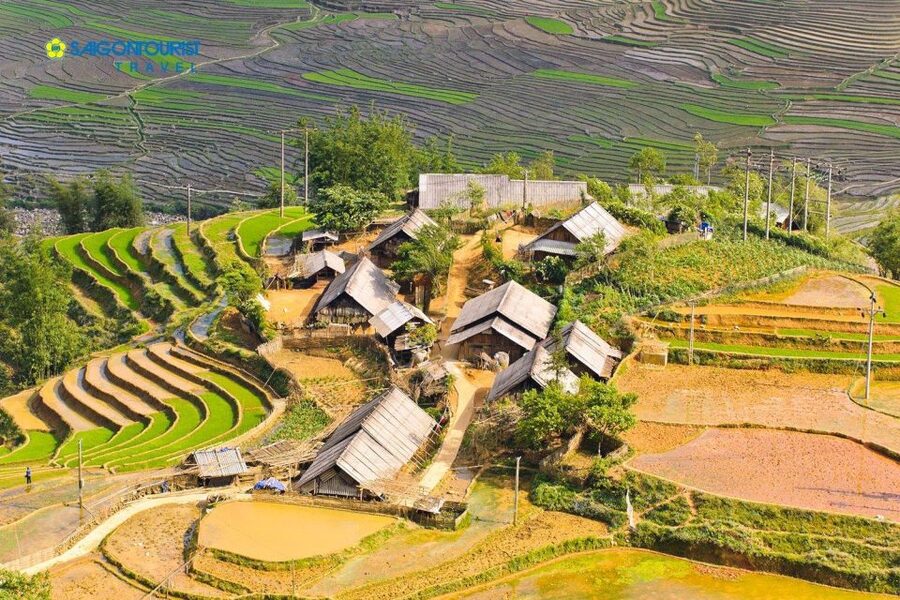
- The route can cover about 11 kilometers: One reported outing included bamboo forest, rice terraces, and village paths over roughly that distance.
- Pickup doubles as a town walk: Your guide visits hotels on foot, so collection may take 30 to 45 minutes.
- Lai Chai adds a local focus: The route leads beyond Sapa’s center into a small village on the tribal hill.
- Wet weather changes the hike: Mud, fog, slippery paths, and steep-feeling footing can make the walk much harder.
- Lunch is included, drinks are not: Eat at a local restaurant after the trek and carry money for beverages.
- The price is low for a full day: At $22 per person, the package includes the guide, village fees, lunch, pickup, and return shuttle.
Leaving Sapa town on foot
The day begins between 8:00 and 8:45 in the lobby of your Sapa Town hotel. Do not expect every pickup to happen at 8:00 sharp. The guide walks from hotel to hotel, and the collection round can take 30 to 45 minutes depending on where you are staying.
That slower start has a useful side effect. You see Sapa’s streets and daily routine before heading into the fields. It is a simple way to get your bearings without adding another sightseeing stop. The tradeoff is that your walking day starts with waiting and town streets, not with an immediate mountain view.
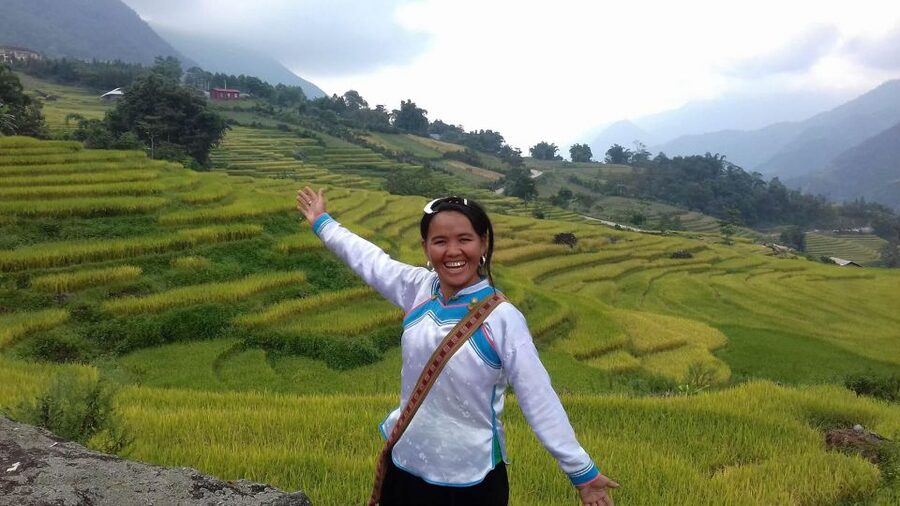
Your guide speaks English and comes from a local ethnic minority community. That matters here. Sapa is not only a place for photographs of rice terraces. It is home to distinct communities with their own customs, habits, and village life. A local guide can explain what you are seeing in a way a guide from outside the area may not.
The exact group size is not given, so you should not book this expecting either a private walk or a large coach-style outing. The experience is built around a guided trek, with the route and pace affected by weather and the condition of the paths.
More treks around Sa Pa:
- Sa Pa: Muong Hoa Valley Trek and Local Ethnic Villages
★ 4.6 · 864 reviews - Sapa: Eco Adventure Terrace Fields and Local Villages Trek
★ 4.9 · 636 reviews - Number one top rated ethical cultural trekking and homestay by ETHOS
★ 5.0 · 456 reviews
Rice, corn, and potato terraces beyond the center
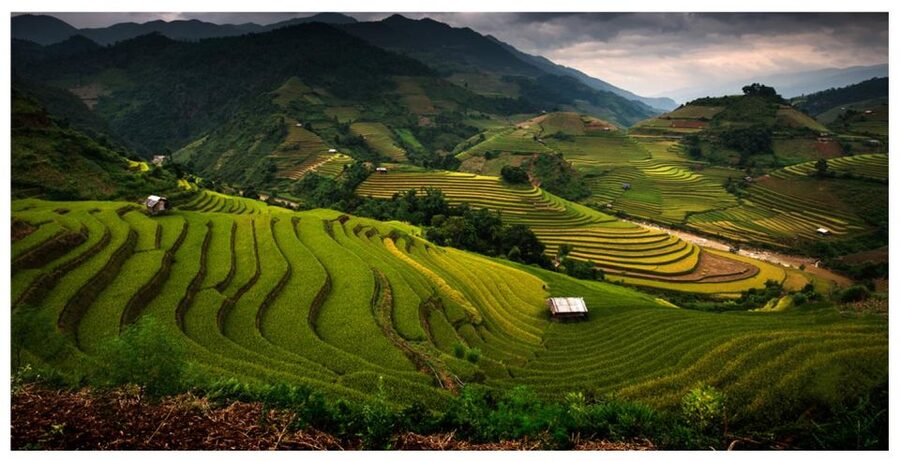
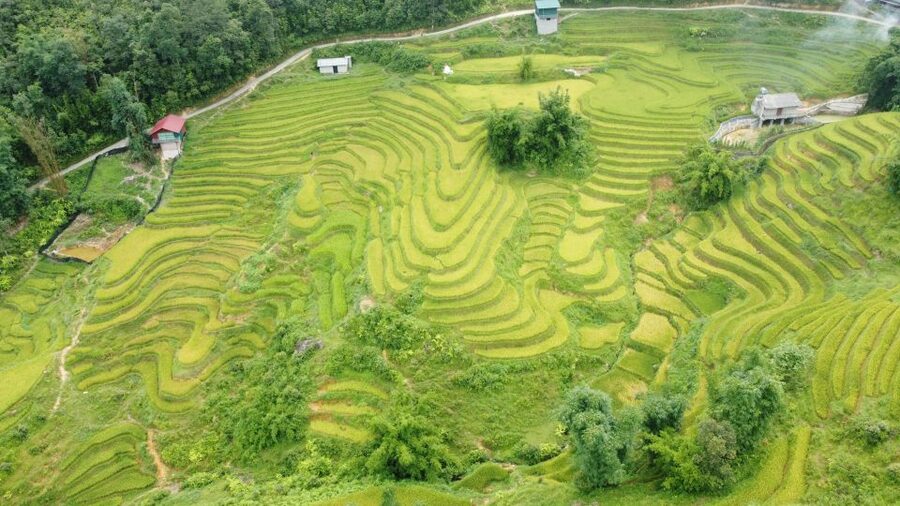
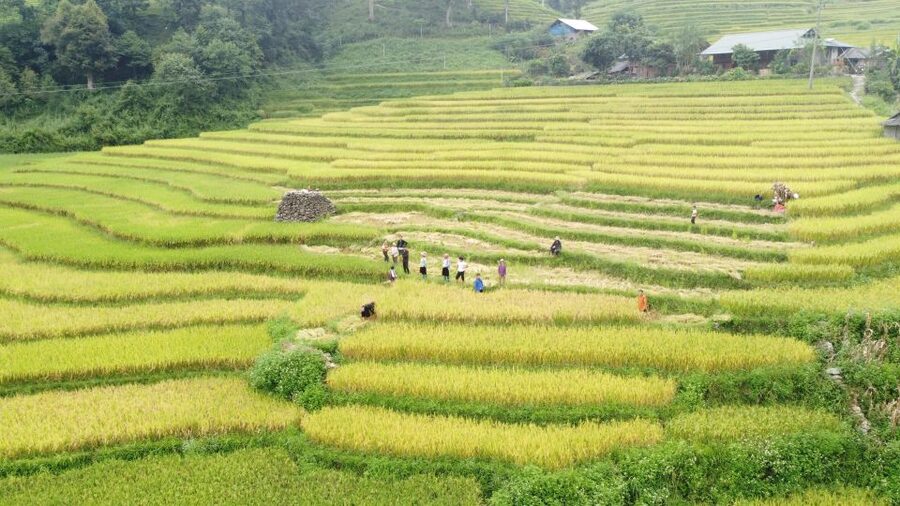
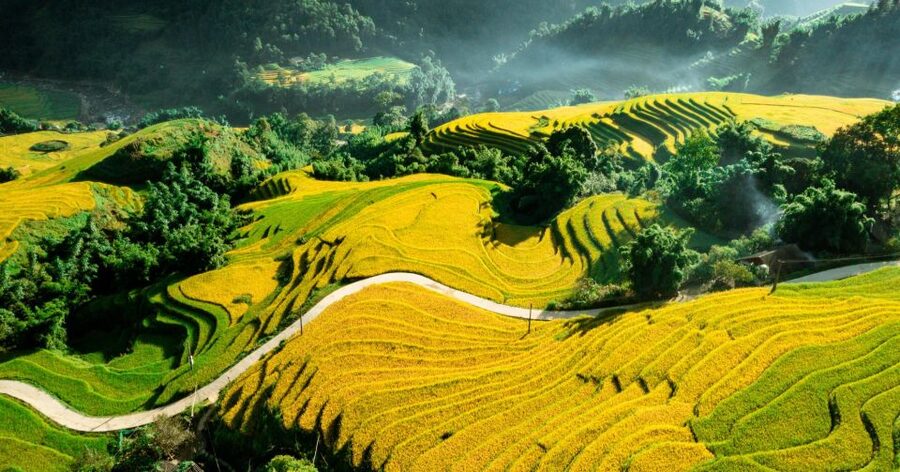
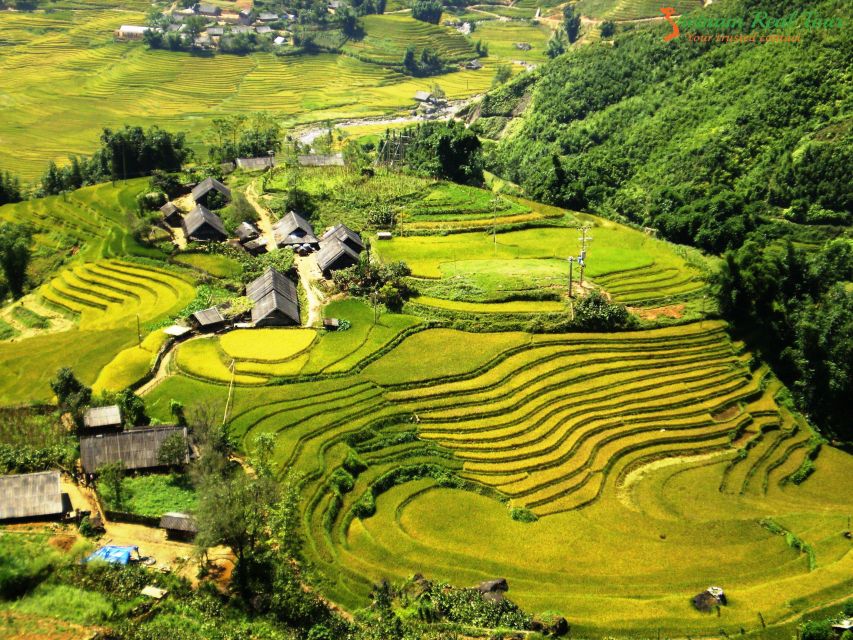
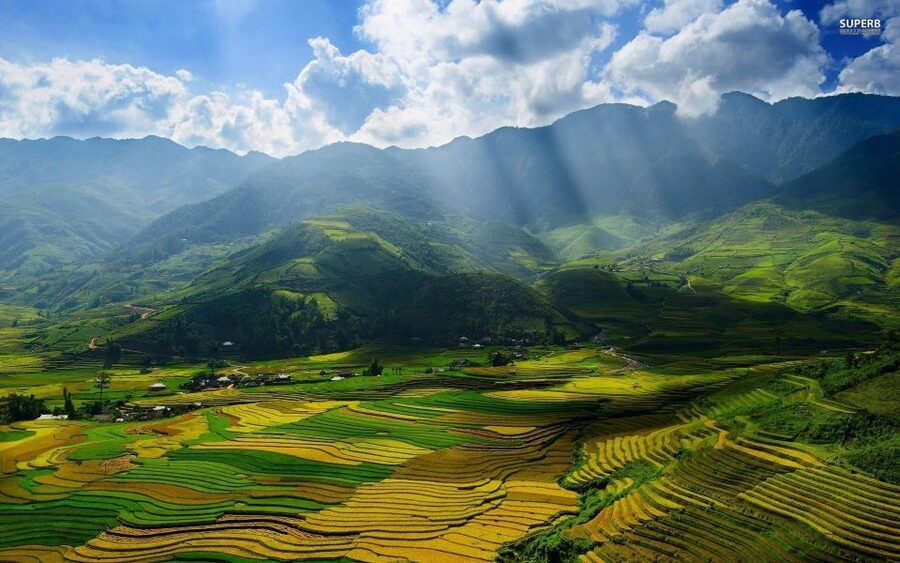
Once you leave town, the setting changes quickly. The walk follows a less touristy route through terraces planted with rice, corn, and potatoes. You get repeated views across the slopes, with one field dropping into another and villages appearing along the hills.
The rice terraces are the main reason to choose this outing. Sapa photographs well from a lookout, but walking through the fields gives you a better sense of how much work is packed into these slopes. You see the paths that connect homes, farms, and villages rather than simply viewing the terraces from a roadside.
The route is not described as a flat walk. One outing covered around 11 kilometers and included a bamboo forest and rice terraces. That is a useful guide to the level of effort, though your exact route may differ. If you usually enjoy half-day walks, you should still take the distance seriously because wet ground can slow you down.
Weather is the biggest variable. In fog, the views may fade, but the paths can become the bigger issue. Mud and slick ground were enough to make the route physically hard for one person, while another specifically recommended rubber boots in wet weather. Trekking poles and sturdy footwear can also help.
The tour information rules out people with back or heart problems, wheelchair users, children under five, people over 70, and anyone over 275 pounds or 125 kilograms. Those limits are practical rather than fussy. This is a rural walk on uneven ground, not a paved village promenade.
Lai Chai and the human side of the route
The walk leads toward Lai Chai, described as a small village on the tribal hill. Along the way, your guide explains local culture, customs, and habits. This is the part that gives the scenery meaning.
You are not only counting terraces or stopping for photographs. You are seeing how homes and fields fit together, and you get a closer look at the daily life of local ethnic minority communities. The wording about feeling part of a family should not be taken as a promise of a formal homestay, but the route does include contact with local homes and village life.
A guide named Mao has been especially attentive on one outing, answering questions and showing her house and family. That kind of personal exchange is a strong reason to choose a local guide rather than a standard sightseeing bus. It also means you should approach the visit with respect. Ask before taking close-up photographs, and listen when your guide explains customs.
One person found the route a little too touristy, so keep expectations in check. Sapa’s villages are visited by organized walks, and you will not have the area entirely to yourself. Still, a walking route through fields and small settlements offers more contact than simply stopping at a viewpoint for ten minutes.
The waterfall stop and time for photographs
A waterfall provides a natural pause during the trek. It is a chance to sit, catch your breath, and take photographs before continuing through the villages and fields.
The stop is valuable because the route is long enough to need a break. Do not think of it as a major attraction with a full set of facilities. The details provided do not specify its size, swimming conditions, or amenities, so plan on a scenic rest point rather than a developed park.
Fog may limit the wider views, but it can also change the mood of the walk. The paths are harder when wet, so keep your camera protected and watch your footing while stopping for pictures. A guide can be especially helpful here, since a local companion may know where the ground is safer.
Same mountains, a different route up:
- From Sapa: 1-Day Guided Trek to Lao Chai & Ta Van with Lunch
★ 4.9 · 416 reviews - Sa Pa Full Day Trekking Tour
★ 5.0 · 414 reviews - Sapa 1 Day Long Trek: Trek to Hau Thao and Sa Seng Villages
★ 4.6 · 344 reviews - Explore Sapa by TrekkingAdventures, Mountain,Rice fields
★ 4.9 · 229 reviews
Local lunch after the walk
After the trek, you eat at a local restaurant. Lunch is included, which makes the $22 price easier to justify and saves you from having to search for food while tired and muddy.
The meal is described as local cuisine with varied flavors, but no menu is provided. You should not book this expecting a specific dish or a choice of courses. Drinks are not included, so carry money for water or other beverages.
The timing also makes sense. You walk first, then eat, rather than stopping for a long restaurant break in the middle of the route. If you need regular snacks, bring your own, since the package lists lunch but does not promise extra food along the way.
A local meal is one of the better parts of the day because it connects the countryside walk with regional food. It also keeps the focus on a small, ordinary part of local life instead of turning the trip into a series of scenic photo stops.
Shuttle back to Sapa
The return is by shuttle bus to your hotel in Sapa. That is a small but important comfort. After several hours on muddy or uneven paths, you do not need to walk all the way back to town.
The bus also keeps the day efficient. You spend the main part of the outing on the trail, then use road transport for the return. Pickup and drop-off are included, along with village entry fees and the local guide, so there are few extra costs beyond drinks.
The seven-hour duration includes the morning hotel collection, trek, lunch, and return. Keep your evening flexible rather than booking a fixed activity too close to the expected finish. Pickup can take nearly 45 minutes, and weather may affect the walking pace.
How much value do you get for $22?
At $22, this is a strong-value day for anyone who wants more than a short viewpoint visit. The price covers hotel pickup and drop-off, the guided walk, village entry fees, an ethnic minority guide, local lunch, and the return shuttle.
You are also paying for local interpretation, not just transport. The guide explains customs and village life, and the route gives you access to fields and settlements that you would not see from a vehicle. That makes the tour more useful than a simple transfer to a photo stop.
The low price does come with limits. You do not get a published menu, a stated distance for every departure, or a guarantee of clear views. Group size is not specified, and the route can be muddy. If you want a private, highly tailored trek with a fixed distance and extensive equipment, this may feel basic.
For a budget-conscious visitor, though, the inclusions are sensible. You get a full day outside town, a local guide, food, and a ride back without having to arrange each part separately.
What to bring and how to prepare
Your footwear can make or break the day. In dry weather, sturdy walking shoes may be enough. In wet weather, rubber boots are the safer choice, and trekking poles can help on slick sections.
Bring water, since drinks are not included. A small snack is also sensible because the package only promises lunch. Wear clothing that can cope with mud, and protect your phone or camera if fog or rain is expected.
You should also leave room for a slower pace. The guide may stop to explain customs, answer questions, help with difficult footing, or pause at the waterfall. That is part of the value, not wasted time, but it means this is not a route for anyone chasing a strict mileage target.
The walk is best suited to adults and older children who are comfortable hiking for several hours. It is not suitable for children under five, people with back or heart problems, wheelchair users, people over 70, or people over 275 pounds or 125 kilograms.
Who should book this Sapa trek?
I would choose this for you if you want terrace views with real village contact, prefer walking to riding, and like learning from someone who belongs to the local community. It works particularly well for first-time visitors who want an organized day without paying for a private guide.
You should also enjoy a bit of uncertainty. Fog may hide distant views. Rain may turn the path into mud. The route can feel strenuous, and one person found the footing difficult enough to need help. Those are not reasons to avoid the trip, but they are reasons to prepare properly.
I would be more cautious if your main goal is a gentle walk or a polished cultural attraction. The route can feel touristy in places, and the town pickup takes time. The experience is strongest when you see it as a working countryside walk with scenery, not as a perfectly controlled excursion.
Free cancellation up to 24 hours before departure and the option to reserve now and pay later make it easier to fit into a changeable Sapa schedule. The guide picks you up from your hotel lobby, but only in Sapa Town, so confirm your accommodation is within that pickup area.
Should you book it?
Book this trek if you want a low-cost day among Sapa’s terraces, a local English-speaking guide, a village visit, and lunch without arranging transport yourself. The strongest parts are the personal guide contact, the route through rice, corn, and potato fields, and the shuttle ride home.
Skip it if uneven ground, mud, or a possible 11-kilometer walk sounds unpleasant. For everyone else, bring proper shoes, water, and patience for the weather. At $22, it offers a practical way to see Sapa beyond the town center while keeping the day simple.
FAQ
How long does the Sapa terrace fields trek last?
The activity lasts about seven hours. Pickup begins between 8:00 and 8:45 in the morning, followed by the trek, lunch, and shuttle return to Sapa.
Where does hotel pickup take place?
Pickup is available from the lobby of hotels in Sapa Town. The guide walks from hotel to hotel, and the collection process can take 30 to 45 minutes.
Is lunch included?
Yes. A local lunch at a restaurant is included. Drinks are not included, so you should carry money for beverages.
Is the return to Sapa included?
Yes. After lunch, you return to your hotel in Sapa by shuttle bus.
What language does the guide speak?
The live guide speaks English. The guide is from a local ethnic minority community and explains local customs, habits, and village life.
Who should not take this trek?
The activity is not suitable for children under five, people with back or heart problems, wheelchair users, people over 70, or people over 275 pounds or 125 kilograms.
New treks around Sa Pa
- Sapa: 2-Day Local Guided Valley Trek with Night Homestay★ 5.0 · 27 reviews
- SAPA: 1-DAY TREKKING TOUR WITH LOCALS, LUNCH & RICE FIELDS★ 4.7 · 18 reviews
- Sapa: 2-Day Local Guided Valley Trek with Night Homestay★ 4.8 · 5 reviews
- Sa Pa: Fansipan Peak One Day Trek with Local Guide★ 5.0 · 7 reviews
- Red Dao Village Trek and Herbal Bath★ 4.7 · 3 reviews
- Private Hoang Lien National Park & Tribal Village Trek★ 4.7 · 30 reviews
- Sapa: Private Muong Hoa Valley and Homestay Trekking 2-Day★ 4.8 · 4 reviews
- From Sapa: Muong Hoa Valley View & Village Trek 1-Day★ 5.0 · 21 reviews
Sapa Trekking Tours, side by side.
Sa Pa: Muong Hoa Valley Trek and Local Ethnic Villages
Read our review →
Sapa: Eco Adventure Terrace Fields and Local Villages Trek
Read our review →
Number one top rated ethical cultural trekking and homestay by ETHOS
Read our review →
From Sapa: 1-Day Guided Trek to Lao Chai & Ta Van with Lunch
Read our review →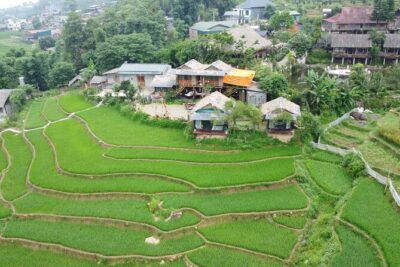
Sapa 1 Day Long Trek: Trek to Hau Thao and Sa Seng Villages
Read our review →
Explore Sapa by TrekkingAdventures, Mountain,Rice fields
Read our review →
EXPLORE SAPA: 2D1N TREKKING & HMONG CULTURE WITH DINH
Read our review →Lists this trek appears in