
Review · COLOMBIA
Coffee, Cocoa and Trekking Tour in Minca: Nature, Crops and Production
The best part of this Minca outing is that you see coffee and cocoa as working crops, not just products on a café menu. A local guide leads you from central Minca through forest trails to a small family farm, where you follow the crops from cultivation to handmade production. The coffee and cocoa tasting gives the walk a clear purpose, and the Sierra Nevada scenery keeps changing as you climb.
I like the direct contact with local farmers and the chance to learn how sustainable agriculture works in practice. I also like the natural finish: depending on conditions, you may have time to cool off in a small pool near a waterfall. The guide-led storytelling is another strength. Albert, John, and Jorge have each led this route with warmth and useful background on Minca.
The main consideration is the uphill hiking. This is not a flat farm visit with a short stroll attached. You need proper shoes, water, and enough comfort with heat, uneven trails, and a four-and-a-half-hour outing. Food, drinks, and transport to Minca are not included.
Key points to know before you book
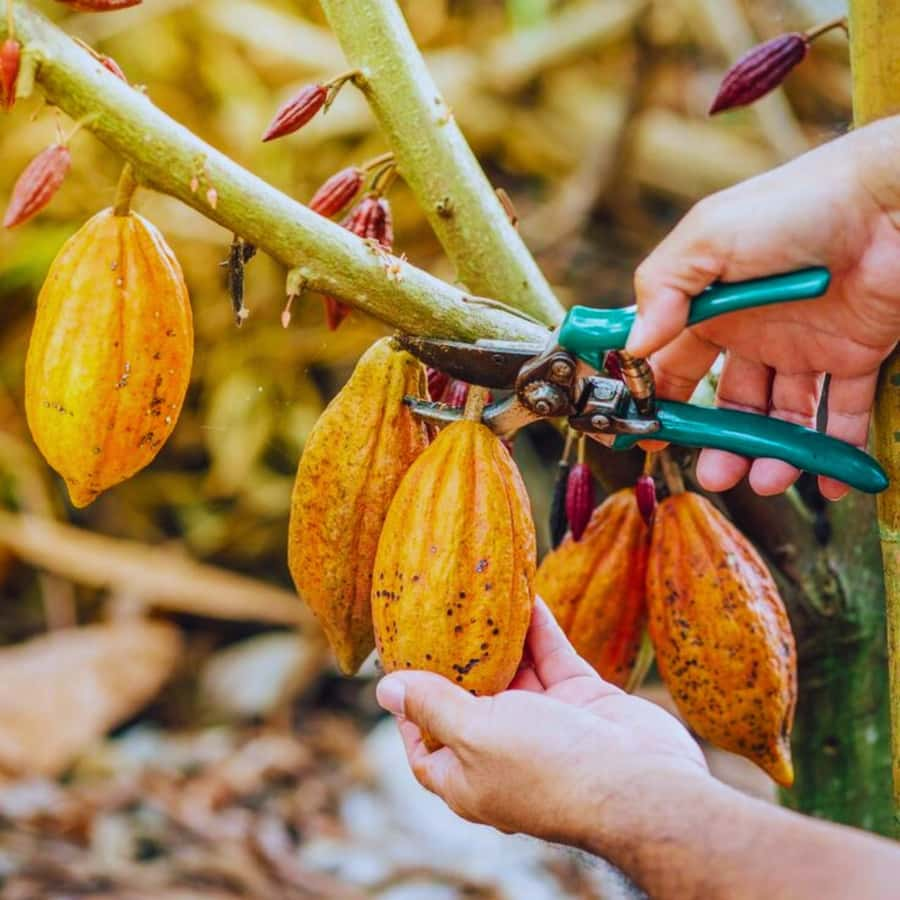
- Coffee and cocoa from crop to cup: See how local farmers cultivate, harvest, and process both products, including manual cocoa production.
- A real uphill walk: The route uses natural trails in the Sierra Nevada, so comfortable hiking shoes matter.
- Family-run farm visit: Finca San Rafael provides the close look at local agriculture that makes this more than a standard tasting.
- Waterfall and swimming possibility: The route includes natural water sources and may allow a short swim in a small pool.
- Strong local value: Your booking supports community-based tourism, farm families, and environmental conservation.
- Good guide support: Tours are offered in Spanish and English, with guides such as Albert, John, and Jorge leading recent departures.
Why this Minca tour feels different
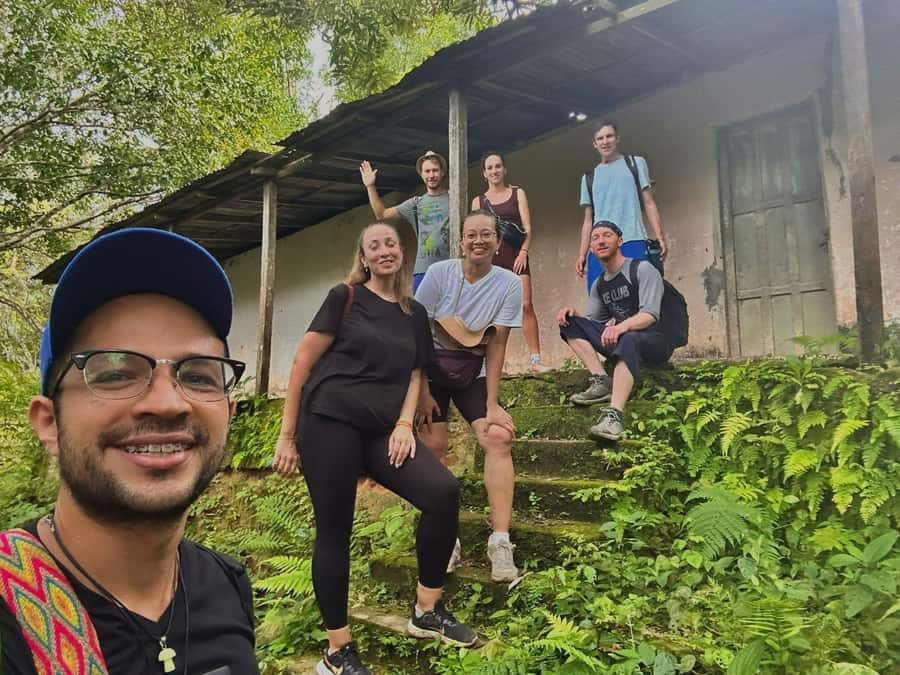
Minca is often treated as a quick escape from Santa Marta, but its appeal comes from seeing how people live and work in the mountain environment. This tour gives you a useful reason to walk beyond the central park. Coffee and cocoa are not decorative extras here. They connect farming, family income, local identity, and the ecology of the Sierra Nevada de Santa Marta.
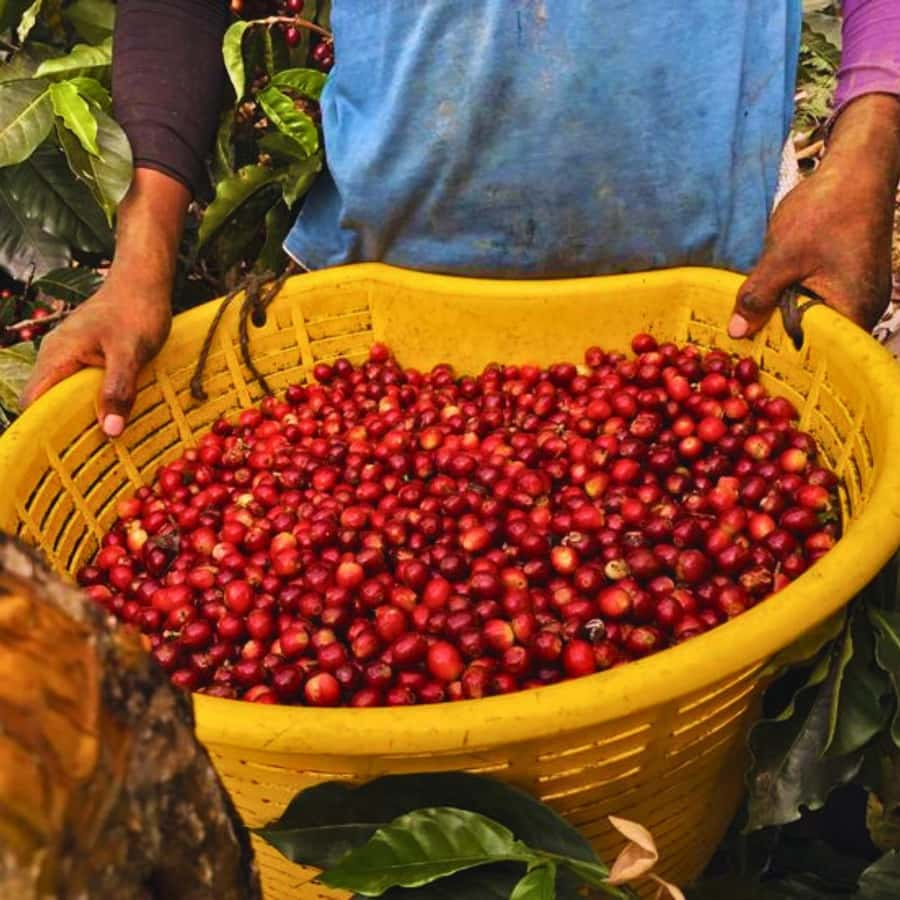
I like experiences that explain a place through something you can see, smell, and taste. Coffee beans and cacao pods make the lesson easy to follow. You can learn how cultivation and harvesting lead to drying, roasting, transforming, and serving. The cocoa side is especially hands-on, with manual production explained and shown at the farm.
The setting adds another layer. Minca sits within a region marked by different thermal zones, so the route passes through changing plant life and forest conditions. You may see native plants, old trees, and clear streams that feed the surrounding ecosystem. The views can include misty mountain slopes, thick green jungle, and the Caribbean Sea in the distance.
This is also a useful choice if you want your money to stay closer to the community. The experience works with a local farm and contributes directly to local tourism and environmental care. That does not make it a charity visit. You still receive a guided hike, farm lesson, tastings, and access to scenic rest points. It simply gives the outing a more grounded connection to Minca.
More coffee stops around the world
- Off the Map Chiang Mai Jungle Coffee Trek Roast and Brew
★ 5.0 · 107 reviews - Chiang Mai Coffee Full Day Tour: Trek, Brew & Roast Journey.
★ 5.0 · 38 reviews
Starting at Minca Park and crossing the bridge
You meet at the central park in Minca, near the church or small chapel. This is a simple and practical meeting point, but you should arrange your own transport to Minca because transfers are not included. The activity also finishes here, so you do not need to organize a second pickup point at the end.
The walk begins with a guided route through the village area and toward Puente de Minca. The bridge section is listed as roughly one hour of guided touring. It is not just a transfer between attractions. Your guide can introduce Minca’s past, explain how the town relates to the surrounding farms, and point out features of the natural setting.
This is where a good guide matters. Albert, John, and Jorge have each been praised for answering questions, explaining local history, and keeping the group engaged. You may not receive one of those guides on your date, but the experience is designed around a live guide in either Spanish or English.
Give yourself a little time before the start to use the restroom, fill your reusable bottle, and adjust your shoes. The route becomes more demanding once you leave the easy meeting area. Do not arrive with only casual sandals if you plan to walk the full route.
A three-hour walk through forest and farmland
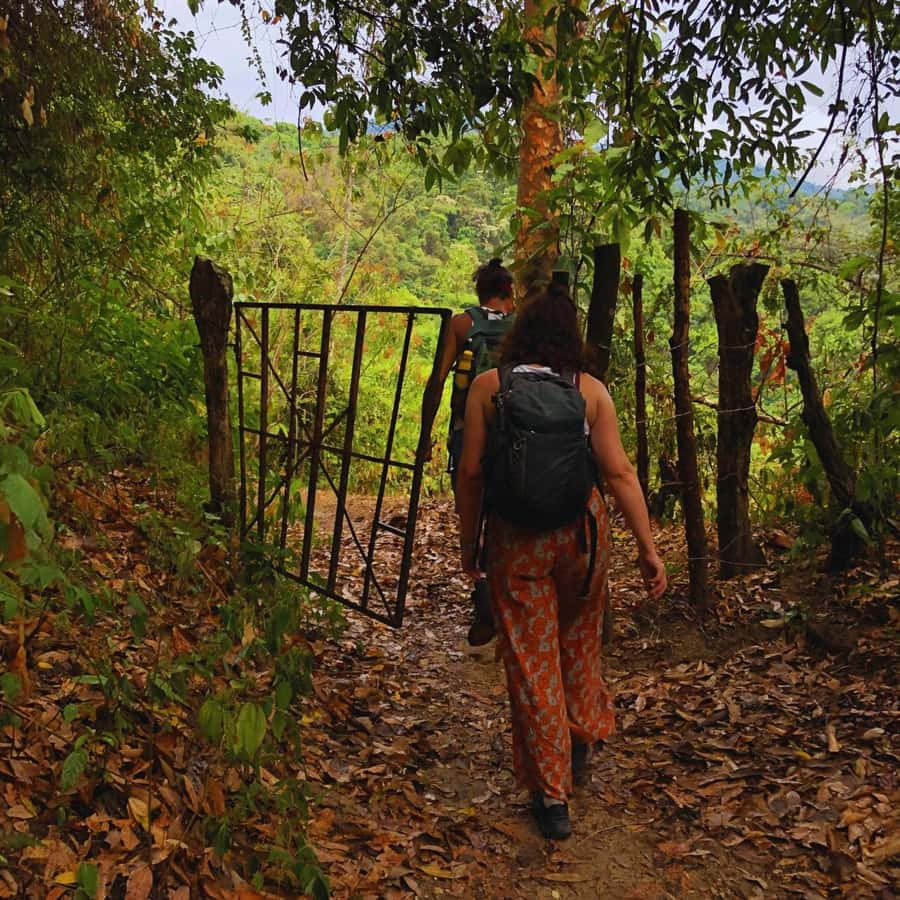
The main section returns through the Minca area and natural trails, taking about three hours. This is the part that makes the experience a trek rather than a simple plantation stop. You walk through tropical forest, pass native plants and large trees, and follow paths shaped by the mountain terrain.
I would expect a mix of uneven ground, inclines, and warm conditions. The information provided does not give a precise distance or difficulty grade, but the direct advice from the experience is clear: prepare for a hearty uphill hike. Your shoes should have a secure sole, and hiking pants or sports clothing will be more useful than city clothes.
Along the way, the guide discusses biodiversity and the relationship between the community and the land. That context matters. Coffee and cocoa do not grow in isolation, and the success of a farm depends on water, soil, shade, weather, and careful use of available land. You get a better sense of why agroecological methods can help farms remain productive while respecting the natural setting.
There are rest areas with broad views. From these points, you might see the contrast between forested mountains, mist, and the distant sea. The exact visibility depends on weather, but the route is planned to include places where you can pause and take in the mountain setting rather than walk nonstop.
Natural water sources are part of the outing. Bring a reusable bottle, since hydration is your responsibility. The tour does not include food or drinks, so carry what you need for four and a half hours. Biodegradable sunscreen and insect repellent are sensible choices for this type of forest walk.
Finca San Rafael and the coffee lesson
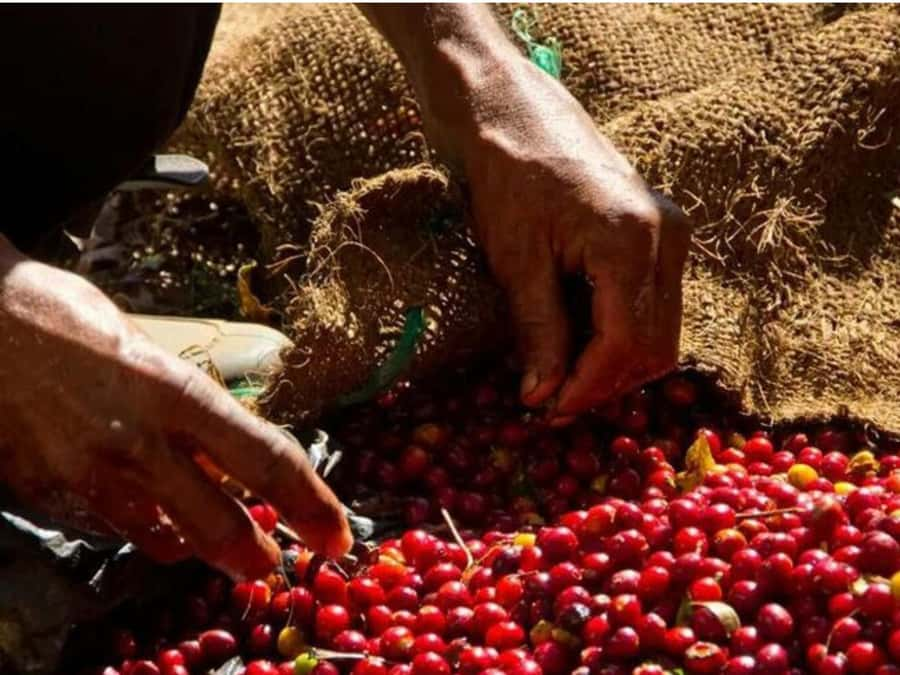
The farm visit at Finca San Rafael is the heart of the tour. The scheduled farm section is about 30 minutes, although the overall experience lasts four and a half hours. At the farm, you learn about the cultivation and production of coffee and cocoa from people connected to the work itself.
Coffee often becomes abstract once it reaches a café. Here, the process is explained from the agricultural side. You learn how the crop is grown and harvested before it becomes the drink you know. The tasting then gives you a chance to connect the explanation with the aroma and flavor of the finished product.
The experience does not promise a formal coffee class or a large commercial plantation. That is part of its appeal. This is a small, local setting where the family-run nature of the operation is central. The scale makes it easier to ask questions and understand how production works by hand.
You also get a useful look at the economic role of coffee in Minca. Farming is tied to household income and community identity, not simply to tourism. The guide helps place the crop within the broader story of the area and its changing methods.
More treks around the world:
- Mount Etna: Trek to 3000m with cable car and 4×4
★ 4.6 · 3,823 reviews - Bali: Mount Batur Sunrise Trek With Guide and Breakfast
★ 4.8 · 3,461 reviews - From Chania: Full-Day Samaria Gorge Trek Excursion & Guide
★ 4.6 · 3,191 reviews - Mount Etna: Summit Crater Trek with Cable Car
★ 4.8 · 1,875 reviews
Cocoa production by hand
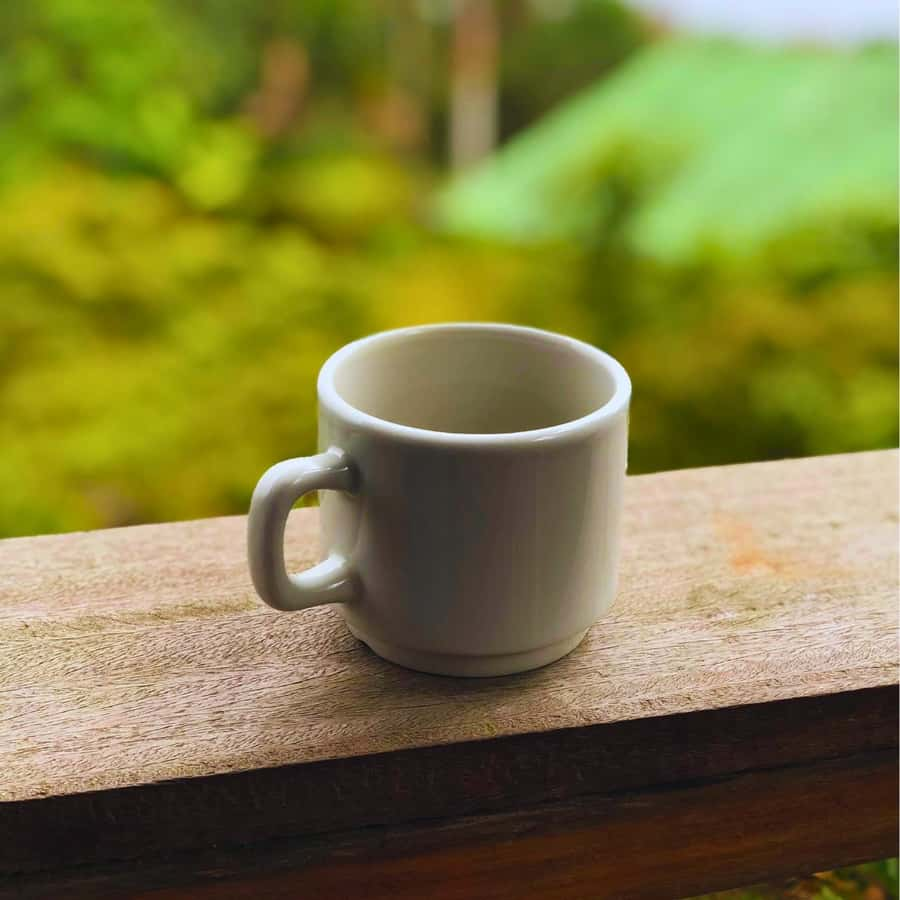
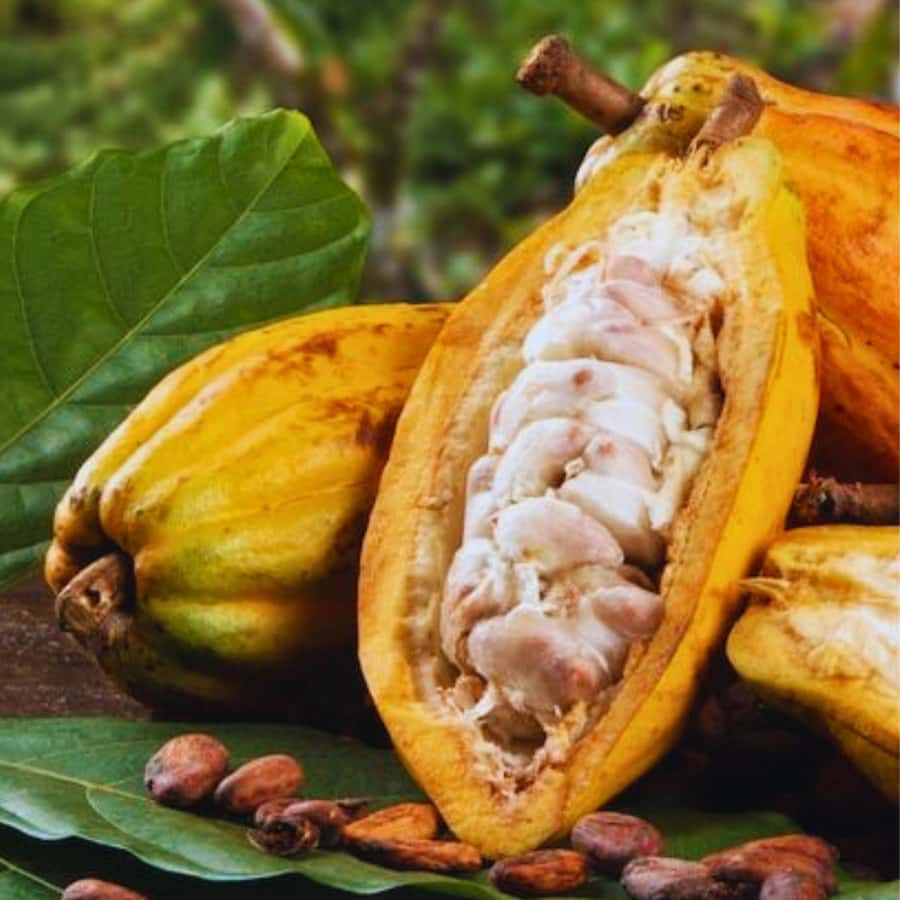
The cocoa portion is more than a second tasting. You see and hear how cacao is transformed manually into handmade products. This is a good reason to choose this tour over a standard coffee-only walk, especially if you are curious about what happens between the pod and the chocolate.
The exact products can vary, but the experience includes a taste of handmade cocoa. Expect a small-scale demonstration rather than a factory production line. That means you will not see industrial machines or a long technical presentation. Instead, you get a close look at the human work involved in turning a local crop into something ready to eat or drink.
I find this kind of demonstration valuable because it slows down the usual idea of a tasting. You are not only asked to judge flavor. You can connect the final taste to farming, processing, time, and manual effort. The coffee and cocoa become part of the story of Minca rather than souvenirs without a context.
The farm families are an important part of the experience. The welcome is personal, and the setting gives you a chance to ask practical questions about cultivation and production. If you are interested in sustainable agriculture, this is the section to listen closely to. The tour explains how traditional practices have changed toward more sustainable methods.
The waterfall stop and a cool break
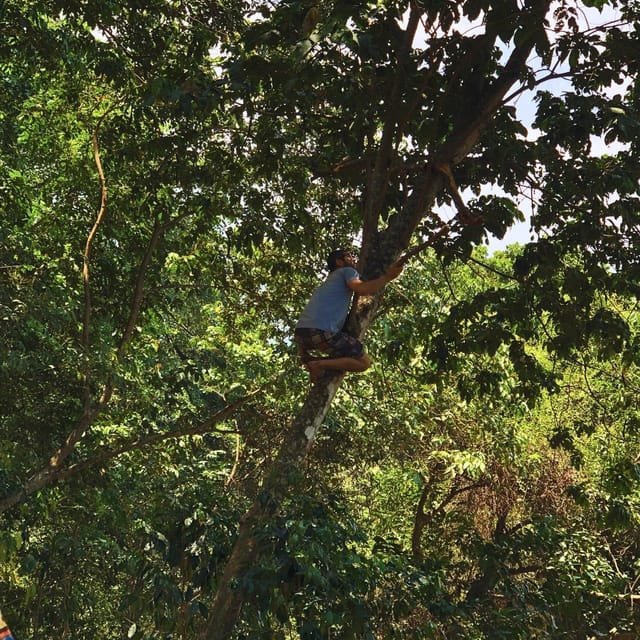
The route includes access to natural water sources, and a waterfall area may provide time for a short swim in a small natural pool. This detail has become one of the most appealing parts of the outing for me because it gives the hike a practical reward. After walking uphill in warm weather, cool water is welcome.
Do not treat the swim as guaranteed poolside time. The supplied details describe a short swim near a waterfall, but conditions can affect access and timing. You should bring clothing that can get wet or dirty, along with a towel if you want one. The tour does not list towels or changing facilities among its inclusions.
The water stop also keeps the tour connected to the environment. Streams and rivers are not just scenic features here. They nourish the farms and forest, and they show why water management matters to the community. Your guide can link the natural setting to the crops you have just been studying.
If you prefer not to swim, you can use the stop as a rest point. The activity is not presented as a dedicated waterfall excursion, so the main focus remains the trek, the farm, and the production lesson.
Is the $41 price good value?
At $41 per person, this is a fair price if you want several experiences combined into one half-day. You receive a local guide, a sustainable farm visit, coffee and cocoa tastings, a guided nature walk, biodiversity interpretation, scenic rest points, access to natural water areas, and assistance insurance.
The value is strongest for people who would otherwise pay separately for a plantation visit and a guided walk. You also support a local farm and community tourism rather than spending the entire budget on a large commercial attraction. The activity is not the cheapest way to see Minca, but it offers more substance than a short tasting alone.
Remember what the price does not cover. You pay for your own food, drinks, and transport to and from Minca. If you are staying in Santa Marta, budget extra time and money for reaching the meeting point at central Minca Park. The tour ends where it begins, which simplifies the return once you are back in town.
The booking terms are useful if your plans may shift. You can reserve now and pay later, and cancellation is free up to 24 hours before the activity for a full refund. Check the available starting times when booking, since the exact departure time is not fixed in the information provided.
Who should book this experience?
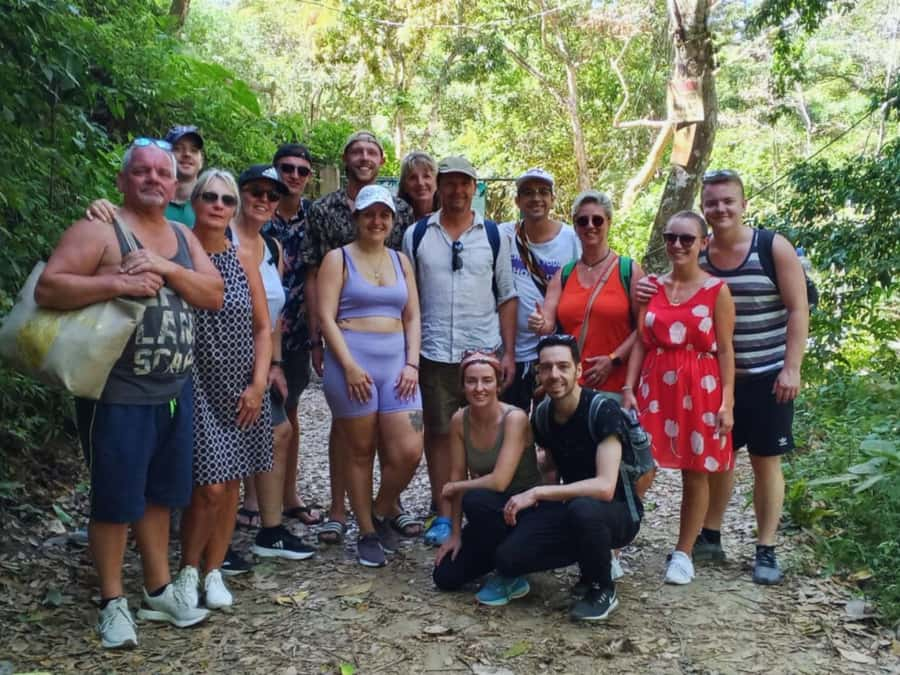
I would choose this tour if you want a manageable half-day introduction to Minca that combines scenery, farming, and food. It suits adults and children aged eight or older who can handle an uphill trail and do not mind clothes getting dusty or wet.
It is especially good for you if:
- You want a farm visit with explanation, not just a quick tasting.
- You care about community-based tourism and sustainable farming.
- You enjoy walking through forest and mountain terrain.
- You want both coffee and cocoa in the same outing.
- You like asking questions and learning from a local guide.
- You would enjoy a possible swim near a waterfall.
I would think twice if you want a completely relaxed activity, a guaranteed long swim, or transportation included from Santa Marta. The tour is not suitable for wheelchair users, pregnant women, people with respiratory issues, or children under eight. The supplied information also lists age restrictions for older participants, including people over 70, 80, and 95, so confirm your eligibility before booking if that applies to you.
Bring water, comfortable or hiking shoes, a hat, sunscreen, insect repellent, waterproof clothing, sportswear, and a reusable bottle. Avoid carrying weapons, sharp objects, alcohol, or drugs. Baby strollers are not suitable for the route.
Should you book the Minca coffee and cocoa tour?
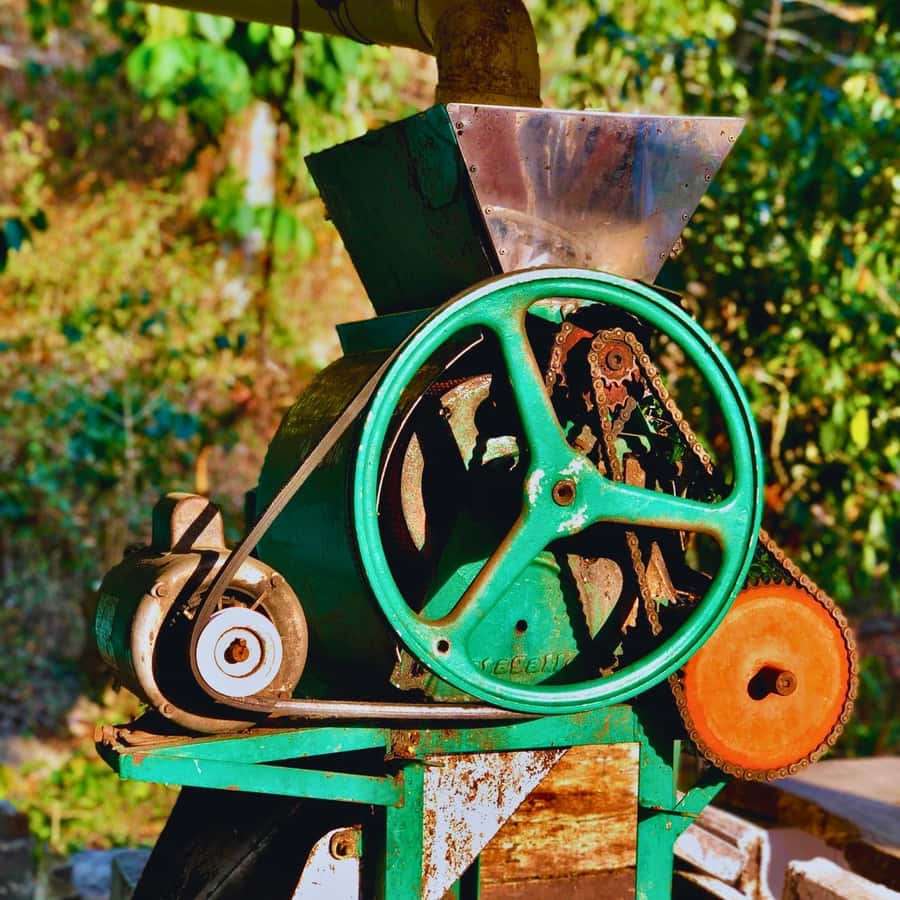
Book it if you want to understand Minca through its working farms and natural setting. The strongest parts are the family-run coffee and cocoa visit, the handmade cocoa demonstration, the warm guide service, and the chance to cool off near a waterfall after a real uphill walk.
Skip it if you want a gentle tasting with little walking, or if you need included transport and refreshments. For most active visitors who have half a day in Minca, the $41 price buys a useful mix of local contact, scenery, agriculture, and flavor. Wear proper shoes, arrive ready to walk, and treat the farm visit as the main event rather than a quick stop between photo opportunities.
FAQ
Where does the coffee and cocoa tour begin?
It begins at the central park in Minca, near the church or small chapel.
Where does the activity end?
The tour ends back at the same meeting point, Parque de Minca.
How long does the tour last?
The total duration is four and a half hours.
What languages are available?
The live tour guide is available in Spanish and English.
Is transportation included?
No. Transportation is not included, so you need to reach central Minca Park on your own.
Are food and drinks included?
No. Food and beverages are not included. Bring your own water in a reusable bottle.
What will I see at the farm?
You will visit a sustainable farm and learn about coffee and cocoa cultivation, harvesting, and production. The cocoa process includes a manual demonstration.
Is a coffee and cocoa tasting included?
Yes. The activity includes organic coffee and handmade cocoa tastings.
Can I swim during the tour?
A short swim in a small natural pool near a waterfall may be part of the route. Bring clothing that can get wet, but do not treat the swim as guaranteed.
Who should not take this tour?
The activity is not suitable for children under eight, pregnant women, wheelchair users, people with respiratory issues, or participants within the listed older-age restrictions. Check the booking conditions if any of these concerns apply to you.
New treks around the world
- Sapa: 2-Day Local Guided Valley Trek with Night Homestay★ 5.0 · 27 reviews
- SAPA: 1-DAY TREKKING TOUR WITH LOCALS, LUNCH & RICE FIELDS★ 4.7 · 18 reviews
- Sapa: 2-Day Local Guided Valley Trek with Night Homestay★ 4.8 · 5 reviews
- Santa Marta: Trekking in Minca Complete Waterfall Circuit★ 4.4 · 28 reviews
- Santiago: Longueira, Pico de Antónia & Monte Tchota Trek★ 4.8 · 10 reviews
- Santiago: Trek from Serra Malagueta to Rabelados Community★ 5.0 · 16 reviews
- Santiago Island: Serra Malagueta & Tarrafal Beach Trek Tour★ 4.8 · 61 reviews
- Santa Marta: Multi-Day Trek to The Lost City★ 4.8 · 40 reviews