
Review · BHUTAN
Best of Bhutan Tour( Culture- Hikes- Short Trek- Monastic Stay)
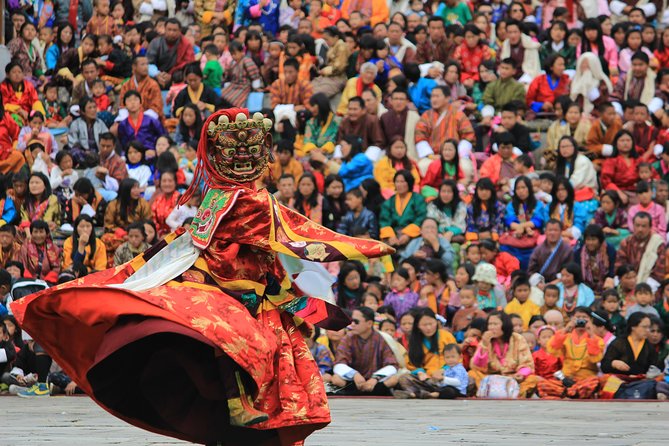
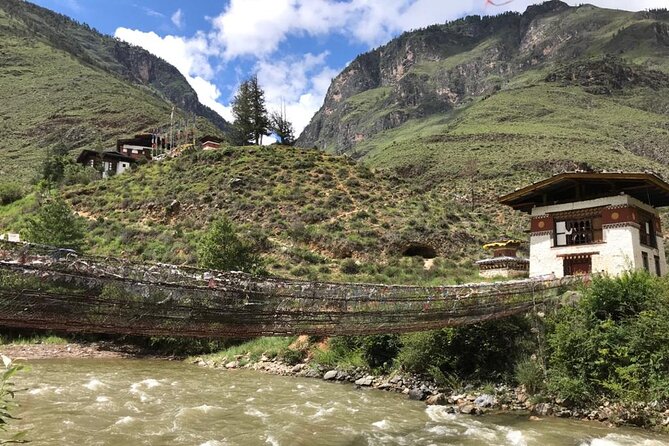
Bhutan’s most memorable moments often come on foot, and this five-day trip gives you plenty of them. You’ll cross a prayer-flagged iron bridge, hike through pine forest to Wangdi-tse, join morning prayer at Dodedrak Monastery, and climb to Tiger’s Nest above Paro. The big reward is a close look at daily religious and family life, not just a string of photo stops.
I like the private format, since your guide can adjust the pace and explain the places as you go. I also like that the price includes Bhutan’s USD 100 per-person, per-night Sustainable Development Fee, accommodation, meals, visa, transport, and guiding. That makes the headline price easier to understand.
The main catch is the pace. This is a full five days with several hikes, a monastery stay, a long transfer toward Punakha, and the Tiger’s Nest climb. Moderate fitness is essential, and four hours at Dodedrak and four hours at Tiger’s Nest can feel demanding if you are not used to hills.
Key points at a glance
- Tiger’s Nest is the grand finale: Allow about four hours for the climb to Paro Taktsang and time at the monastery.
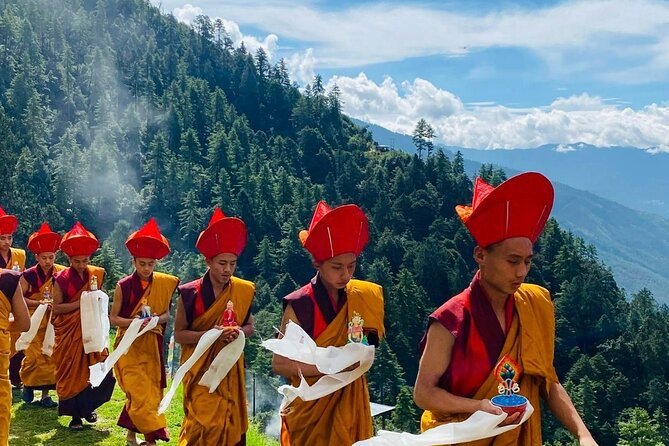
- A rare monastery stay adds depth: You spend the night at Dodedrak and attend morning prayer with monks.
- Short hikes are central to the plan: Wangdi-tse, Dodedrak, Chimi Lhakhang, and Tiger’s Nest are all reached partly on foot.
- The price includes major Bhutan costs: Visa, accommodation, private transport, guide, taxes, the daily SDF, and most meals are covered.
- Local contact is built in: A farm dinner gives you time with a Bhutanese family away from the main monuments.
- The trip is private: Only your own group takes part, with pickup at Paro International Airport.
Why this five-day route works
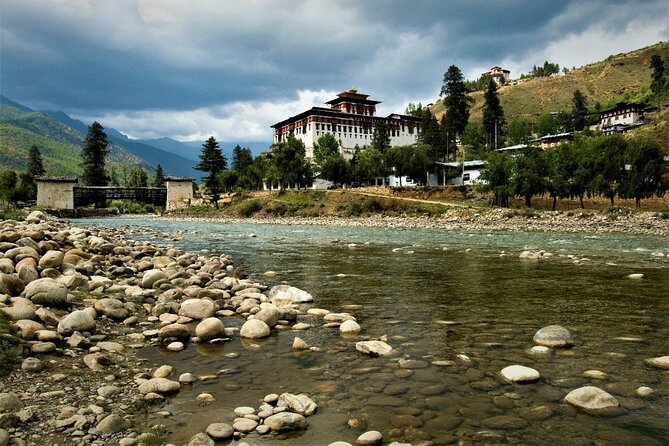
This is not a quick monument checklist. The route links Bhutanese architecture, Buddhist practice, village life, markets, forest walks, and high mountain views. You move between Paro, Thimphu, Dodedrak, and Punakha, then return to Paro for the final climb.
I like the mix because each day has a different rhythm. Day one combines historic buildings and a market. Day two is the most focused on hiking and monastic life. Day three links a religious morning with Bhutan’s classic road and temple sights. Day four gives you the trip’s main physical challenge.
The private vehicle matters here. Bhutan’s roads are mountainous, and the program covers a lot of ground. You can spend the drive looking out at valleys and villages, then walk when the destination calls for it. Guides connected with this operator include Tandin Dorji, Pema, and Tandin Wangchuk, although your assigned team can vary.
More treks around the world:
- Mount Etna: Trek to 3000m with cable car and 4×4
★ 4.6 · 3,823 reviews - Bali: Mount Batur Sunrise Trek With Guide and Breakfast
★ 4.8 · 3,461 reviews - From Chania: Full-Day Samaria Gorge Trek Excursion & Guide
★ 4.6 · 3,191 reviews
Day one: bridges, fortress walls, and Thimphu views
Your trip begins at Paro International Airport, with pickup included. The first stop is Tachogang Lhakhang Bridge, a historic iron bridge crossing the Paro River. Prayer flags fill the crossing with color, and the walk toward the temple gives you an early sense of Bhutan’s connection between rivers, roads, shrines, and daily life.
Next comes Simtokha Dzong, about five miles from Thimphu. It is Bhutan’s oldest fortress and sits on a ridge above the Thimphu Valley. Its central tower has 12 sides, a detail worth noticing as you walk through the complex. The stop lasts about 40 minutes, so your guide’s explanation will help you focus on the structure’s defensive and religious role without trying to see every corner.
At Kuensel Phodrang, the Buddha Dordenma rises 51.5 meters above the capital. You get about half an hour here, enough for the statue and broad views over Thimphu. This is a visual stop more than a long cultural visit, but it gives you a useful introduction to the scale of Bhutan’s modern religious monuments.
The day’s best walk leads to Wangdi-tse Monastery. The route takes about an hour and a half through pine forest, past apple farms and local houses. The total stop is listed at two hours, making this a good first hike because it is described as easy. You get fresh air, a quieter setting, and a closer look at the countryside around Thimphu.
You finish at Centenary Farmers Market, open Thursday through Sunday. Vendors sell regional foods, incense, spices, and unusual items such as yak legs. The market is not merely a shopping stop. It gives you a practical look at what people buy, cook, and trade, though the timing means this part of the day depends on the market being open.
Day two: Dodedrak and a night among monks
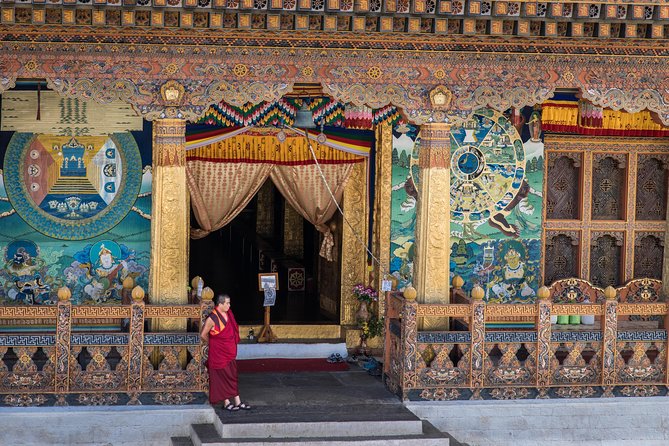
Day two begins at Pangri Zampa Monastery in the northern Thimphu Valley. The site includes a Buddhist college of astrology and a temple devoted to the 21 Tara Devi. You also walk along less-used tracks through the countryside. The stop lasts about 45 minutes, so expect a compact visit rather than a long lesson in astrology or theology.
The major activity is the hike to Dodedrak Buddhist Monastery. The listed time is four hours, and this is the point where the tour shifts from sightseeing to a real walking day. You climb toward a hilltop monastery with broad views and a quieter setting than the main city sites.
The monastery stay is one of the most unusual parts of the trip. You are not simply visiting, taking a photograph, and leaving before dinner. Staying overnight lets you experience the place at a slower pace and prepares you for the next morning’s prayer service.
This day requires honest self-assessment. The tour asks for moderate physical fitness, but four hours on a hill should not be treated as a casual stroll. Wear shoes with good grip, carry water, and keep your day pack light. Exact trail conditions are not provided, so your guide’s pace and advice will matter.
Day three: morning prayer, Dochula, and Punakha
At Dodedrak, you rise early for the sound of bells and attend morning prayer with the monks. This is the spiritual center of the tour. You do not need to understand every part of the service for it to be meaningful. The value comes from being present at the time when the monastery begins its day.
After breakfast, the route heads toward Punakha. The drive includes a stop at Dochula Pass, at 3,100 meters. The pass is marked by 108 Buddhist shrines, and on a clear day you may see Himalayan peaks to the northeast. Weather controls the views, so treat the mountain panorama as a bonus rather than a promise.
Prayer flags and high-altitude air make Dochula a good place to pause, but the stop is only about 30 minutes. If you are sensitive to altitude, take it slowly and follow your guide’s instructions. The tour does not provide a separate acclimatization day, so pacing matters.
Near Sopsokha Village, you walk about five minutes to Chimi Lhakhang Temple. The route passes paintings and village scenery before reaching the temple, which is popularly associated with a distinctive Bhutanese religious tradition. The visit lasts about an hour and adds a village-scale stop to a day otherwise centered on major institutions.
Punakha Dzong is the architectural highlight. Built where two rivers meet, this enormous fortress was Bhutan’s capital until 1955 and remains the winter residence of the central monk body. You get about an hour inside and around the complex. Look for the setting as much as the building itself: rivers, timber details, courtyards, and the scale of the structure work together.
Same mountains, a different route up:
- Mount Etna: Summit Crater Trek with Cable Car
★ 4.8 · 1,875 reviews - La Palma: Tajogaite Volcano Guided Trek
★ 4.8 · 1,810 reviews - Etna: summit craters trekking with volcano guide 3350mt
★ 4.7 · 1,712 reviews - From Rethymno: Samaria Gorge Full-Day Trek, Pickup & Guide
★ 4.5 · 1,610 reviews
Day four: the climb to Tiger’s Nest
The final full day begins with an early drive to Paro Taktsang, better known as Tiger’s Nest. The monastery sits at about 3,120 meters, attached to a cliff above the valley. The listed visit time is four hours, which gives you a realistic idea of the commitment required.
This is not a quick roadside viewpoint. You hike uphill, stop to catch your breath, and continue toward the monastery. The route can be strenuous, especially after the earlier walking days. Start steadily rather than racing, and use the time to enjoy the changing views.
Tiger’s Nest is Bhutan’s most famous sight for good reason. Its position on the cliff makes the approach dramatic, while the religious importance gives the visit more weight than a simple scenic overlook. Your guide can help you understand what you are seeing, but the climb itself is part of the experience.
You should plan for changing weather and allow enough time for the return walk. The tour requires good weather, and poor conditions can lead to a different date or a full refund. That policy matters here because the trail and cliffside setting make weather a real factor, not a minor inconvenience.
Day five: a simple airport departure
The last day is intentionally light. Your team drives you to Paro Airport and bids farewell. There is no sightseeing program listed, so keep your departure time in mind when planning flights.
That simple ending is useful after four active days. You do not need to squeeze in another monument or hike while worrying about luggage and airport timing.
What the $1,370 price really covers
The advertised price is $1,370 per person. That figure includes Bhutan’s Sustainable Development Fee at USD 100 per person per night, which is a major part of the country’s visitor cost. It also includes the Bhutan visa, accommodation, private transportation, guide, taxes, fees, and charges.
Meals included are five breakfasts, four lunches, and four dinners. You should still budget for alcohol and other beverages, since those are excluded. A single supplement of USD 300 applies if you want a private room without sharing.
For five days, this is not a budget backpacking trip. But comparing it fairly means adding the daily SDF, visa, transport, guide, accommodation, and meals that many tours list separately. The private vehicle and personal guiding also give you more control than a large group departure.
The value is strongest if you want a structured first visit to Bhutan and do not want to arrange permits, transport, and mountain transfers yourself. It is weaker if you prefer independent travel, long unscheduled stops, or a very slow pace.
Food, family contact, and the monastery stay
The farm dinner is an important part of the plan because it moves you beyond formal monuments. You sit down with a local family and see a different side of Bhutanese life. The provided details do not specify the farm’s exact location or menu, so ask your guide about timing and dietary needs before the evening.
The monastery stay gives the tour a second form of local contact. Instead of only viewing religious buildings during daylight hours, you experience the early morning routine at Dodedrak. These two parts, the farm meal and the morning prayer, help balance the grand dzongs and famous statue.
The meal plan is generous for a five-day trip, but beverages are not included. If you want wine, beer, soft drinks, or other drinks beyond what is provided, bring extra money.
Who should book this Bhutan tour?
You should consider this trip if you want culture and walking in equal measure. It suits visitors who value monasteries, local traditions, architecture, and mountain scenery more than nightlife or free time in cities.
It is also a good fit for solo visitors and couples who want a private arrangement. The operator has paired individual clients with a guide and driver, and the private format means you are not tied to the pace of a bus group.
You may want a longer or gentler trip if you dislike early mornings, steep paths, or frequent transfers. The Dodedrak hike and Tiger’s Nest climb are the key tests. The tour is described as requiring moderate fitness, so it is not designed for a completely sedentary holiday.
Pickup at Paro Airport is included, and confirmation is provided at booking. The experience runs Monday through Sunday from 9:00 AM to 5:30 PM during the stated operating period. Free cancellation is available up to 24 hours before the start time. If bad weather forces cancellation, you are offered another date or a full refund.
Should you book it?
Book this tour if you want Bhutan’s major cultural sights with meaningful time on foot and two memorable forms of local contact: a farm dinner and a monastery stay. The combination of private transport, guide, visa, SDF, accommodation, and meals makes the $1,370 price easier to justify.
Think twice if you want a relaxed schedule. The four-hour Dodedrak hike, early prayer, high Dochula Pass, and four-hour Tiger’s Nest visit make this a physically active five days. For fit visitors who want more than quick photographs, it offers a strong introduction to Bhutan without leaving the planning burden on your shoulders.
FAQ
Where does the tour begin?
The tour begins at Paro International Airport on Airport Road in Paro, Bhutan. Pickup is offered.
Where does the tour end?
The activity ends back at the meeting point, with the final day including transport to Paro Airport.
How long is the tour?
The tour lasts approximately five days.
Is the tour private?
Yes. Only your group participates in the activity.
Is Bhutan’s Sustainable Development Fee included?
Yes. The price includes Bhutan’s SDF at USD 100 per person per night.
Is the Bhutan visa included?
Yes. The Bhutan visa is included in the tour price.
Are meals included?
Yes. The package includes five breakfasts, four lunches, and four dinners.
Is the Tiger’s Nest hike included?
Yes. The visit to Paro Taktsang, including the hike, is included. The planned time is about four hours.
How fit do I need to be?
You should have a moderate level of physical fitness. The program includes a four-hour hike to Dodedrak and a four-hour visit involving the climb to Tiger’s Nest.
Can I cancel for a full refund?
Yes, if you cancel at least 24 hours before the experience start time. Cancellations made less than 24 hours in advance are not refunded.
New treks around the world
- Sapa: 2-Day Local Guided Valley Trek with Night Homestay★ 5.0 · 27 reviews
- SAPA: 1-DAY TREKKING TOUR WITH LOCALS, LUNCH & RICE FIELDS★ 4.7 · 18 reviews
- Sapa: 2-Day Local Guided Valley Trek with Night Homestay★ 4.8 · 5 reviews
- Santa Marta: Trekking in Minca Complete Waterfall Circuit★ 4.4 · 28 reviews
- Santiago: Longueira, Pico de Antónia & Monte Tchota Trek★ 4.8 · 10 reviews
- Santiago: Trek from Serra Malagueta to Rabelados Community★ 5.0 · 16 reviews
- Santiago Island: Serra Malagueta & Tarrafal Beach Trek Tour★ 4.8 · 61 reviews
- Santa Marta: Multi-Day Trek to The Lost City★ 4.8 · 40 reviews