
Review · SAPA
Half Day Sapa Trekking to Visit Lao Chai – Ta Van
The best part of this Sapa outing is the walk down into the valley, where rice terraces, mountain paths, and village life replace the town’s traffic and hotels. You follow the Muong Hoa Stream through Y Linh Ho and Lao Chai before finishing in Ta Van, home to the Dzay people. I like the short format and the fact that the guides are local. Soso, Sua, Tran, Tung, and others have been praised for sharing personal details about farming and village life.
I also like the $22 price, which covers transport, entrance fees, and an English-speaking guide. The main catch is the trail itself: it can be steep, muddy, slippery, and uneven. Local women may walk beside you and offer handmade goods, so bring patience, firm shoes, and a clear idea of what you do and do not want to buy.
Key points at a glance
- A real valley trek: Walk about 9 kilometers on village roads, dirt paths, farm tracks, and uneven mountain trails.
- Three distinct village areas: See Y Linh Ho, Lao Chai, and Ta Van, with Black Hmong and Dzay cultural connections.
- Strong local guiding: The tour uses local guides, with Soso, Sua, Tran, Tung, Song, and Ku among the names praised for friendly English explanations.
- A half-day schedule: Pickup is around 8:10 to 8:20 a.m., with a return to Sapa planned around noon.
- Weather changes the walk: Rain can turn paths into mud, while clouds can hide the Hoang Lien Son Mountain views.
- Expect craft selling: Village women may accompany you and offer souvenirs. It is part of the social and commercial side of the route, but some people find it tiring.
Why this half-day route works well in Sapa
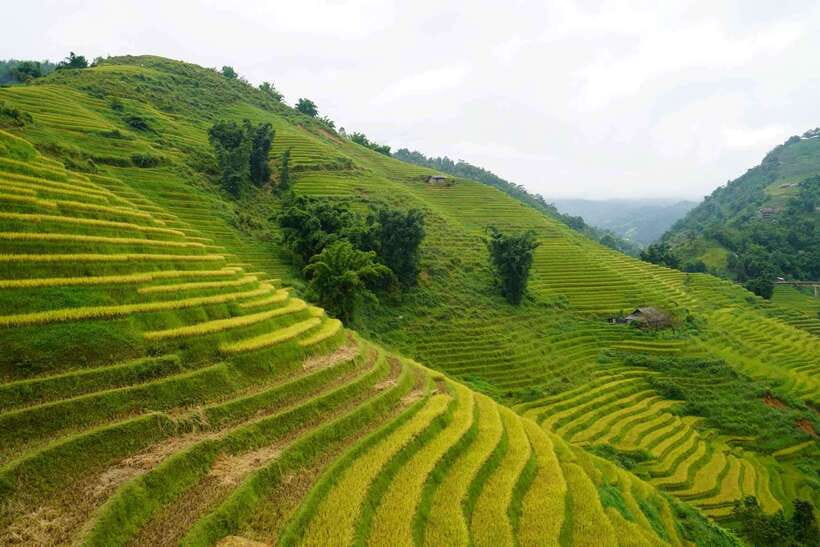
Sapa is easy to admire from a viewpoint, but the valley below gives you a better sense of how the region works. This walk takes you away from town and into fields, streams, villages, and paths used by local residents. You are not simply stopping at a viewing platform, taking a photo, and getting back on a bus.
The route is also a good compromise for a short stay. If you have only one night or about 24 hours in Sapa, a full-day trek may take too much of your schedule. This outing gives you a substantial walk in the morning and returns you to town in time for lunch.
At $22 per person, the value is strong. Your fee includes the air-conditioned bus from Sapa to the trail area, transport back from Ta Van, entrance fees, and a local guide who speaks English or Vietnamese. You still pay for drinks and personal purchases, but the main costs are covered.
The tradeoff is that the published schedule is tight. The overall duration is listed as 270 minutes, while the walking section is described as about four hours and the morning plan runs from roughly 8:10 a.m. to noon. A delayed start can shorten the route, as happened to one participant who could not complete the full walk. If seeing every section matters to you, be ready at pickup time.
More treks around Sa Pa:
- Sa Pa: Muong Hoa Valley Trek and Local Ethnic Villages
★ 4.6 · 864 reviews - Sapa: Eco Adventure Terrace Fields and Local Villages Trek
★ 4.9 · 636 reviews - Number one top rated ethical cultural trekking and homestay by ETHOS
★ 5.0 · 456 reviews
8:10 a.m. pickup and the first valley descent
The morning begins with hotel pickup in Sapa between 8:10 and 8:20. You should carry a light pack rather than a large suitcase. The bus takes you out toward the valley and the start of the walk, with an experienced driver handling the mountain roads.
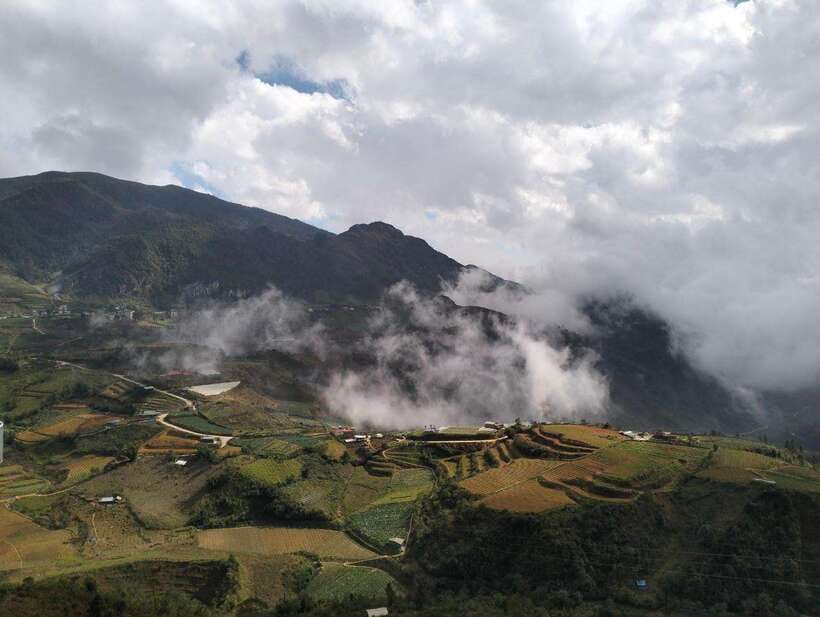
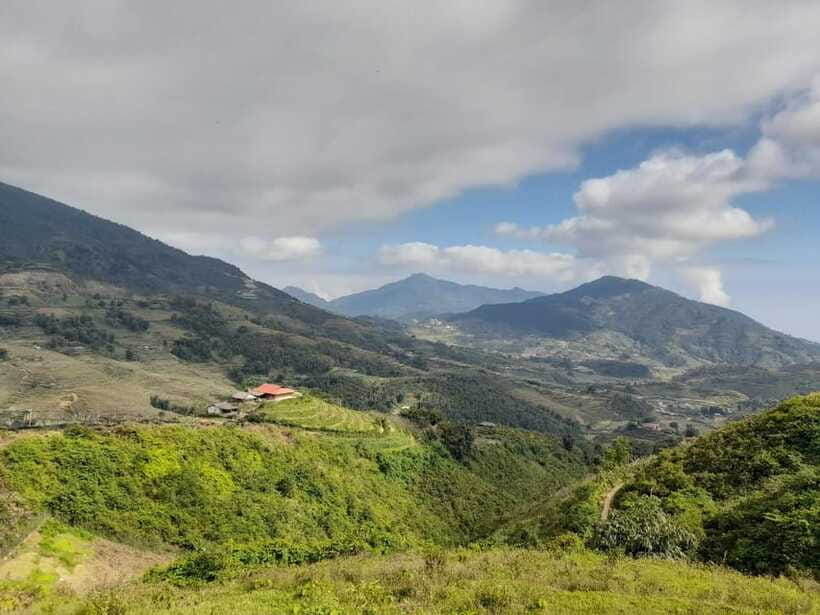
The first section leads toward Y Linh Ho. The change in setting is quick. Sapa’s built-up center gives way to open views, fields, and mountain slopes. On a clear day, the Hoang Lien Son range provides the dramatic backdrop. On a cloudy or rainy day, the same mountains can disappear behind mist, so the visual payoff depends heavily on weather.
You may pause for photographs and receive an introduction to the area from your guide. Guides such as Soso and Sua have been praised for making the cultural side personal, explaining farming practices and talking about their own villages rather than delivering only a memorized speech.
The route is downhill in places, and downhill does not always mean easy. Loose ground, stones, and wet soil can make the first part demanding on your knees and balance. Good sports shoes may work in dry conditions, but hiking shoes are the safer choice. After rain, some people have found rubber boots more practical.
Y Linh Ho and the rice terraces
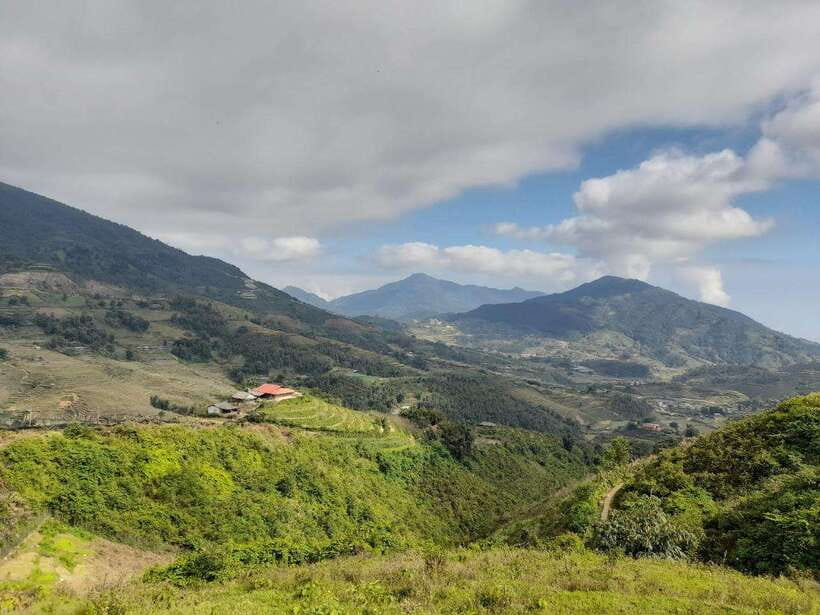
Y Linh Ho is where the walk begins to feel properly rural. You pass rice fields and farm areas, with the mountain slopes rising around the valley. Depending on the season and weather, you may see rice or corn fields, along with farmers working land that is still very much part of daily life.
This is a good place to pay attention to your guide. The scenery is attractive, but the explanation of how local families use the fields gives it meaning. Sua, for example, has taken people through her own fields and explained farming practices. That sort of detail helps you understand the work behind the terraces instead of seeing them only as a photo background.
The path can move between rural roads, village streets, and dirt tracks. It is not a polished walking trail with even paving throughout. You might need to slow down, step around puddles, or accept a little mud on your shoes.
The guide can help you manage awkward sections, but you still need to watch your footing. I would not choose this tour for someone who needs level, paved access. The activity is specifically marked as unsuitable for wheelchair users.
Lao Chai and the Black Hmong connection
From Y Linh Ho, the route continues through the terraces and along the Muong Hoa Stream toward Lao Chai. This is one of the most rewarding sections because the walk links the scenery with the Black Hmong community living in the area.
Your guide may explain local customs, village life, and personal experience as you go. Several guides have been praised for clear English and a good sense of humor, which matters on a walk where there are long stretches of scenery and plenty of time for questions.
Lao Chai is not just a quick photo stop. You have time to look around, hear about the community, and see how the village sits within the valley. The surrounding Hoang Lien Son Mountain views can be excellent when the clouds lift. One morning began under cloud before clearing to reveal the river, terraces, and villages below.
You should also be ready for a more commercial side of the visit. Local women may join the walk, offer help on muddy sections, and show you handmade goods. This can feel friendly at first, but the expectation to buy may become persistent. Children may also approach with items for sale.
I suggest carrying small amounts of cash only if you plan to shop, deciding your budget before you start, and giving a firm but polite no when you are not interested. You do not need to buy something from everyone who walks with you. At the same time, purchasing a small craft directly from a local seller can be a meaningful choice if you genuinely want it.
Same mountains, a different route up:
- From Sapa: 1-Day Guided Trek to Lao Chai & Ta Van with Lunch
★ 4.9 · 416 reviews - Sa Pa Full Day Trekking Tour
★ 5.0 · 414 reviews - Sapa 1 Day Long Trek: Trek to Hau Thao and Sa Seng Villages
★ 4.6 · 344 reviews - Explore Sapa by TrekkingAdventures, Mountain,Rice fields
★ 4.9 · 229 reviews
Walking beside the Muong Hoa Stream
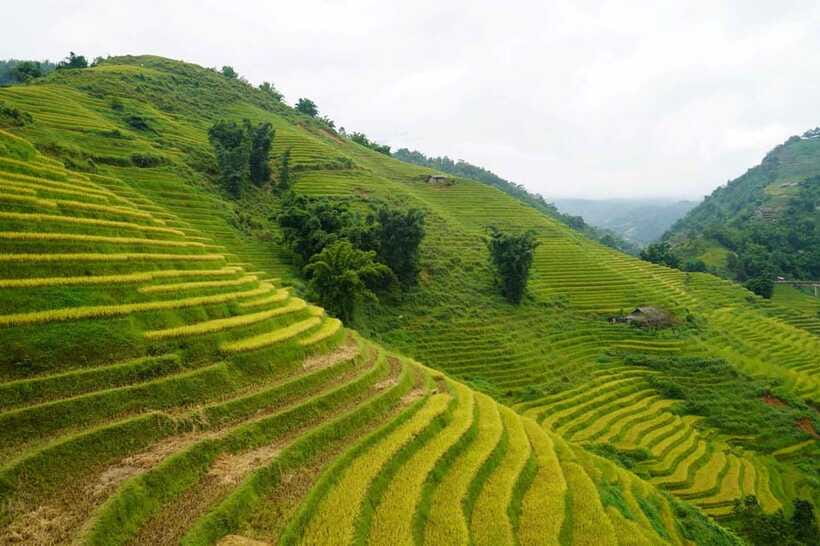
The Muong Hoa Stream gives the middle part of the trek a natural rhythm. Rather than moving from one attraction to another by vehicle, you spend time following water through the valley, with terraces and settlements around you.
The stream section is also where the route’s condition becomes important. Wet weather can make the ground slippery, and the trail may include narrow or uneven parts. One person described winding, wet, muddy tracks through farms, while another found the walk manageable but muddy after rain.
For that reason, this tour is best approached as a mountain walk, not a gentle stroll. You do not need to be an expert hiker, but you should be comfortable walking for several hours and handling uneven ground. Wear sportswear or hiking clothes that you do not mind getting dirty, and bring sunscreen, a sun hat, sunglasses, and water or other refreshments.
The tour information recommends a first aid kit. That is sensible for a rural trek, especially if you are traveling with children or are prone to blisters. The exact group size is not specified. Smaller groups may keep a more even pace, while larger groups can take longer at viewpoints and on narrow paths.
Ta Van, Dzay culture, and the end of the walk
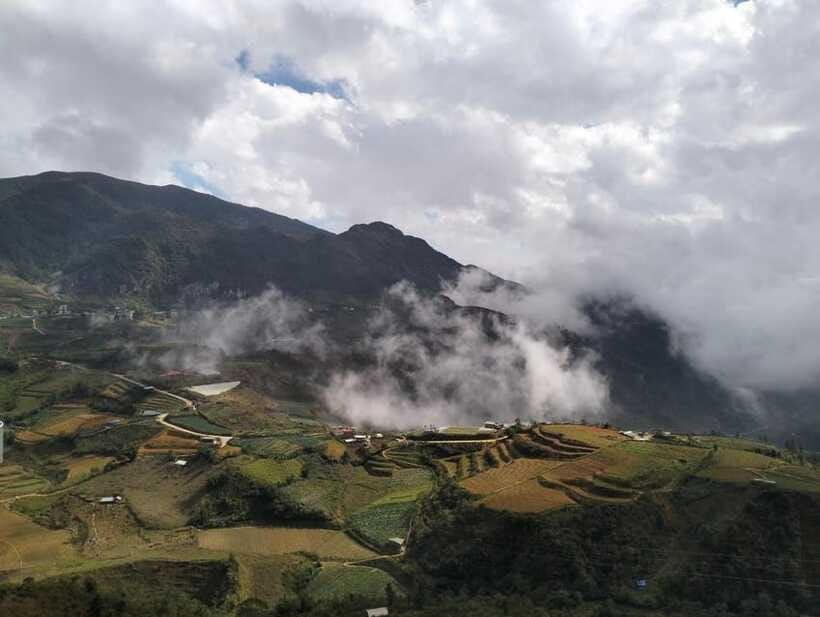
The route finishes in Ta Van, a village associated with the Dzay ethnic group. This gives the trek a useful cultural contrast with the Black Hmong connection at Lao Chai. Your guide can help explain differences in customs and village life as you walk through the area.
You have about an hour and a half scheduled here for a break, photographs, and a guided visit. That longer stop gives you time to catch your breath after the trail and look around without rushing from one viewpoint to the next.
Ta Van is also where the social side of the tour becomes most noticeable. People may offer local products, and you may have opportunities to meet residents. Keep your expectations realistic. This is a lived-in village, but it is also part of a popular Sapa route. You will see both ordinary community life and a tourism economy built around visitors.
Lunch is not included in the tour details, although one participant referred to a delicious lunch during the outing. I would not rely on lunch being provided unless your booking specifically confirms it. Bring a small snack if you need one, and ask about food arrangements before departure.
The bus back to Sapa
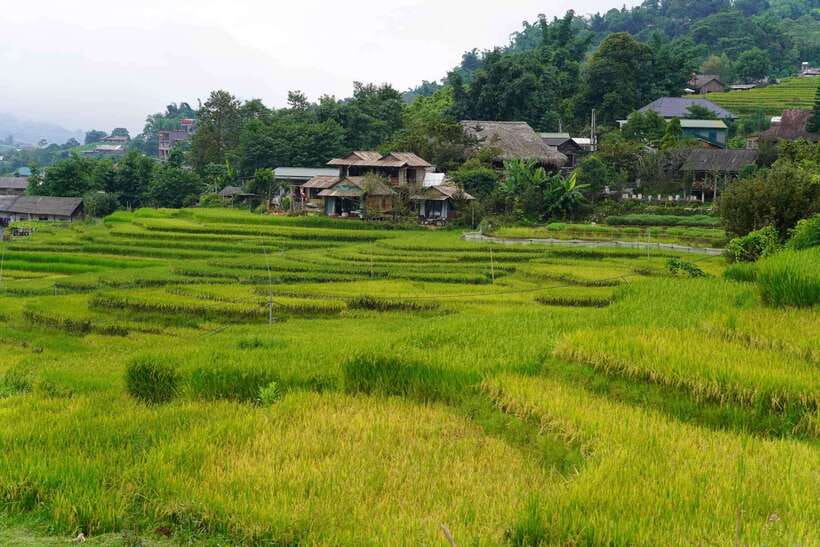
At about 11:30, the bus collects you at Ta Van Bridge for the return to Sapa. The ride is planned to take around 45 minutes, with the tour ending in town around noon. Some people have returned to their hotel by about 12:30, allowing time to clean up and eat before afternoon plans.
The air-conditioned bus is a useful part of the package. After several hours on wet or uneven paths, you will appreciate not having to walk back or arrange a separate taxi. It also makes the trip easier for families and people who want a proper trek without committing to an overnight village stay.
Allow some flexibility, though. Weather, group pace, and a late pickup can affect the timetable. If you have a train, another guided activity, or a fixed lunch reservation, do not schedule it too tightly after noon.
Guides make the cultural difference
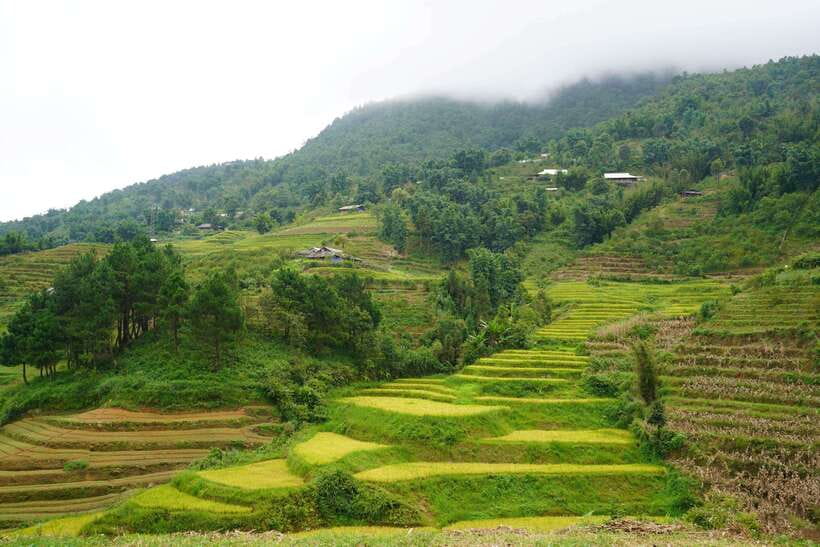
The strongest part of this experience is the local guiding. The route itself is scenic, but a guide gives you context about the people who farm the terraces and live in the villages.
Soso has been praised for excellent English, humor, and explanations of village life. Sua has shared her farming practices and brought a personal connection to the fields. Tran has led groups through wet and muddy tracks, while Tung has been singled out for clear English and an easy manner. Song and Ku have also been praised for explaining local customs and helping people along the route.
Guide quality can vary from one departure to another, so I would not book solely to get one particular person unless the operator confirms that guide. Still, the local guide setup is a major reason to choose this tour over simply hiring transport to a viewpoint.
What to pack for a safer, better walk
You need less than you might expect, but the right items matter. Bring:
- Hiking shoes with good grip, or rubber boots after heavy rain
- Sportswear and hiking pants that allow easy movement
- Sunscreen, sunglasses, and a sun hat
- A camera or phone with protection from rain
- A small first aid kit
- Water and a light snack, since drinks are not included
- A light pack rather than bulky luggage
Rain can arrive quickly in the mountains, while strong sun can make the walk tiring. Check the weather before leaving Sapa, but prepare for conditions to change. The path may be dry in town and muddy in the valley.
Who should book this Sapa trek?
I would choose this tour if you want a short but substantial introduction to Sapa’s valley villages. It suits people who want scenery, local culture, and a real walk without spending a full day on the trail.
Families can manage it if everyone is comfortable walking several hours. One family of five found the distance and timing suitable, but children still need proper shoes and supervision on slippery ground. You should also consider a private or smaller group if members of your party walk at very different speeds.
I would skip it if you need accessible paths, dislike mud, or want a quiet outing without sales approaches. The pressure to buy handmade goods is the most common irritation in an otherwise well-organized experience.
Free cancellation up to 24 hours before departure and reserve-now, pay-later booking make it easier to keep plans flexible. Just remember that the $22 price does not cover drinks, insurance, VAT, or personal spending.
Should you book the Lao Chai and Ta Van trek?
Yes, if you have half a day in Sapa and want more than a quick viewpoint visit. The combination of terraces, the Muong Hoa Stream, Black Hmong and Dzay villages, and a local guide gives you a useful feel for the valley at a modest price.
Book with sensible expectations. This is not a polished walking park. It is a mountain route that can be muddy, steep, and busy with sellers. Pack proper shoes, keep your schedule loose, and decide in advance how you will handle souvenir offers. If those conditions suit you, this is one of the more efficient ways to see rural Sapa before lunch.
FAQ
How long does the Sapa trek take?
The activity duration is listed as 270 minutes. The planned morning schedule runs from pickup around 8:10 to 8:20 a.m. until the return to Sapa around noon, with about four hours of trekking.
How far is the walking route?
The trekking distance is about 9 kilometers. The information also refers to preparing for a lighter pack for a long trek of 5 kilometers, but the detailed route describes approximately 9 kilometers from Y Linh Ho through Lao Chai to Ta Van.
Which villages does the trek visit?
The route visits Y Linh Ho, Lao Chai, and Ta Van. Lao Chai is associated with the Black Hmong community, while Ta Van is home to Dzay ethnic people.
Is transportation included?
Yes. The tour includes an air-conditioned bus from Sapa to the start area, transport to Ta Van, and the return bus from Ta Van Bridge to Sapa.
Is an English-speaking guide included?
Yes. The tour includes a local guide who can lead in English or Vietnamese. Guides named in the available information include Soso, Sua, Tran, Tung, Song, and Ku.
Are entrance fees included?
Yes. Entrance tickets for the indicated sites are included in the tour price.
What should I wear?
Wear hiking shoes or sports shoes with good grip, hiking pants, and comfortable sportswear. Rubber boots may be useful after rain because the paths can become muddy and slippery.
Is the trek suitable for wheelchair users?
No. The activity is not suitable for wheelchair users because the route includes uneven, steep, muddy, and slippery paths.
Are drinks and insurance included?
No. Beverages, travel insurance, VAT, and personal expenses are not included.
Can I cancel the booking?
You can cancel up to 24 hours in advance for a full refund. The activity also offers reserve-now, pay-later booking.
New treks around Sa Pa
- Sapa: 2-Day Local Guided Valley Trek with Night Homestay★ 5.0 · 27 reviews
- SAPA: 1-DAY TREKKING TOUR WITH LOCALS, LUNCH & RICE FIELDS★ 4.7 · 18 reviews
- Sapa: 2-Day Local Guided Valley Trek with Night Homestay★ 4.8 · 5 reviews
- Sa Pa: Fansipan Peak One Day Trek with Local Guide★ 5.0 · 7 reviews
- Red Dao Village Trek and Herbal Bath★ 4.7 · 3 reviews
- Private Hoang Lien National Park & Tribal Village Trek★ 4.7 · 30 reviews
- Sapa: Private Muong Hoa Valley and Homestay Trekking 2-Day★ 4.8 · 4 reviews
- From Sapa: Muong Hoa Valley View & Village Trek 1-Day★ 5.0 · 21 reviews
Sapa Trekking Tours, side by side.
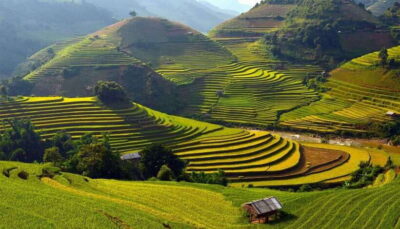
Sa Pa: Muong Hoa Valley Trek and Local Ethnic Villages
Read our review →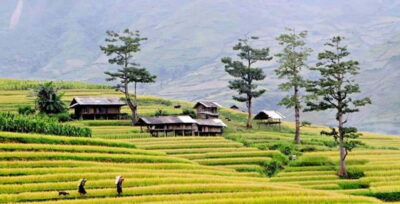
Sapa: Eco Adventure Terrace Fields and Local Villages Trek
Read our review →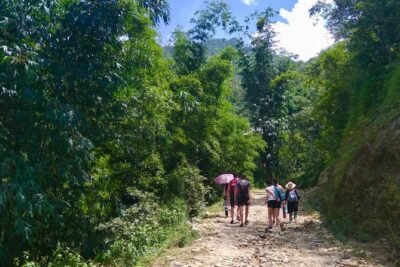
Number one top rated ethical cultural trekking and homestay by ETHOS
Read our review →
From Sapa: 1-Day Guided Trek to Lao Chai & Ta Van with Lunch
Read our review →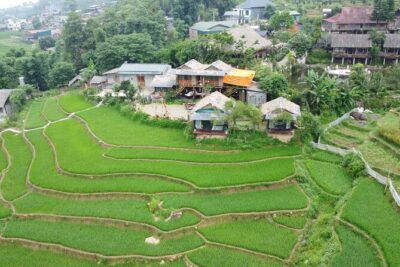
Sapa 1 Day Long Trek: Trek to Hau Thao and Sa Seng Villages
Read our review →
Explore Sapa by TrekkingAdventures, Mountain,Rice fields
Read our review →
EXPLORE SAPA: 2D1N TREKKING & HMONG CULTURE WITH DINH
Read our review →Lists this trek appears in