
Review · SAPA
From Hanoi: Sapa 3-Day Medium Trek and Limousine Trip
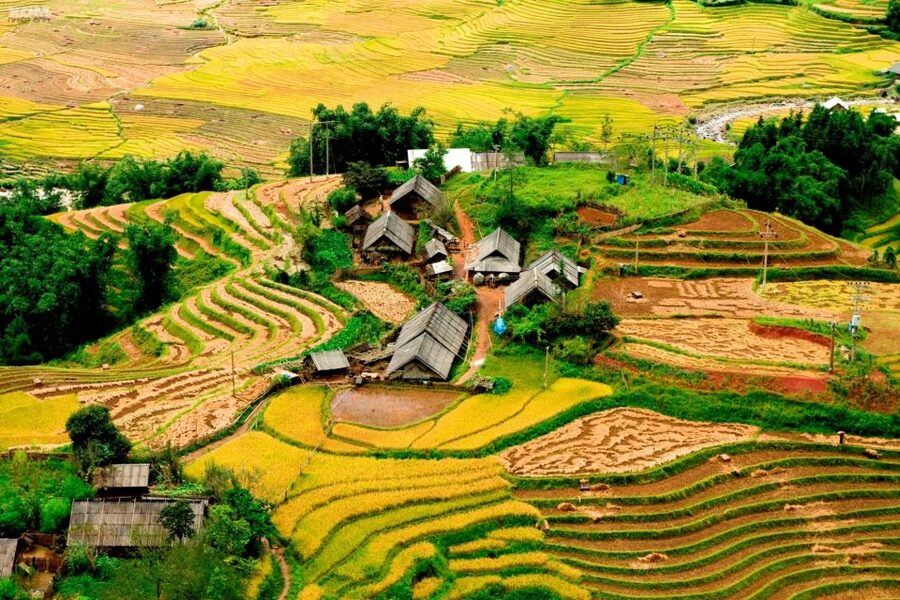
Sapa’s best moments come on foot, and this trip takes you beyond the town center to Black Hmong, H’mong, Zay, and Red Zao villages framed by rice terraces and the Hoang Lien Son range. I like the mix of village life and mountain views, and I like that the route includes a homestay rather than keeping you in a hotel every night.
The guide is a major part of the experience. Guides including Jo, Ai, May, and Ay have been praised for adjusting the pace, explaining local customs, and helping on muddy or difficult sections. The main drawback is the long road journey from Hanoi, plus occasional confusion over pickup times, stops, and the quality of the return drive.
Key points to know before booking
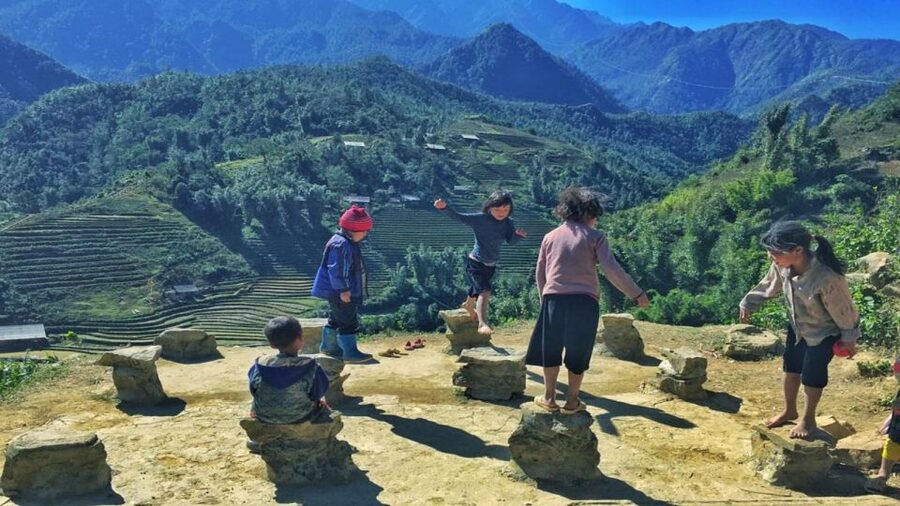
- Three different Sapa walking areas: Sin Chai, Muong Hoa Valley, and Giang Ta Chai each offer a different view of mountain life.
- A real homestay night: Expect basic facilities, shared sleeping arrangements in some cases, and a family-style meal rather than hotel comforts.
- About 9 kilometers of trekking: The route is not suitable for people with mobility impairments and may be too demanding for some older adults or children.
- Long but convenient transport: The limousine takes about six hours each way, with pickup in Hanoi’s Old Quarter and return late on day three.
- Meals are largely covered: The price includes two dinners, three lunches, two breakfasts, entrance tickets, transport, accommodation, and a guide.
- Sapa’s informal sales pressure: Local people may walk alongside you and offer goods at high prices. Stay with your guide and politely ignore unwanted sales approaches.
Why this Sapa trip works well for a short visit
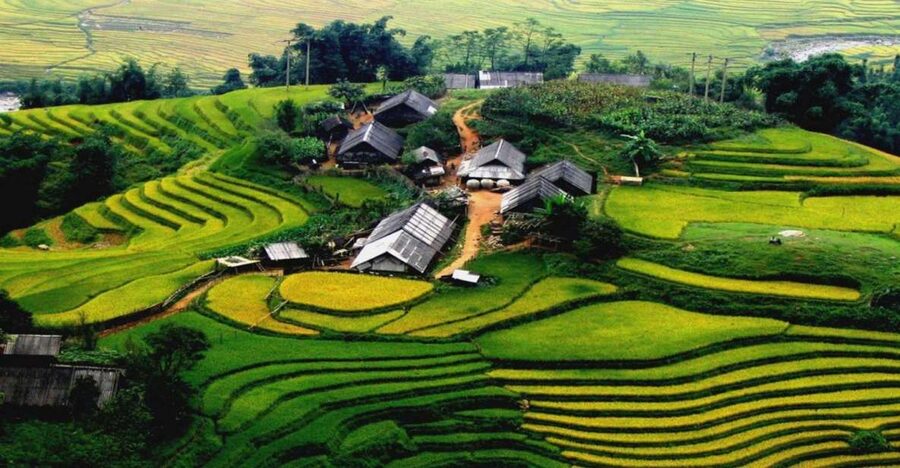
At $165 per person, this is a useful way to see Sapa if you have only three days and do not want to arrange transport, meals, village walks, and accommodation yourself. The price covers the major costs, including the Hanoi to Sapa road transfer, local transport, two nights of accommodation, meals, and an English-speaking guide.
The strongest part is the walking. You are not limited to Sapa town’s cafés and souvenir shops. Instead, you reach Sin Chai, Y Linh Ho, Lao Chai, Ta Van, and Giang Ta Chai, where the scenery and daily work of ethnic minority communities form the center of the trip.
There is a tradeoff. Two days are spent partly on the road, with the outward trip taking around six hours and the return taking five or six hours depending on traffic. You get a good introduction to northern Vietnam, but this is not a slow retreat in the mountains.
More three-day treks around Sa Pa
- Sapa Valley Trek and Homestay – 3D2N
★ 5.0 · 105 reviews - From Hanoi: 3-Day Sapa Trekking (sleep at hotel & homestay)
★ 5.0 · 2 reviews - Sapa 3 Days 2 Nights Trekking Tour (1 Night In Ta Van Village, 1 Night In Hotel)
★ 5.0 · 699 reviews
Day 1: Hanoi, Sapa, and Sin Chai village
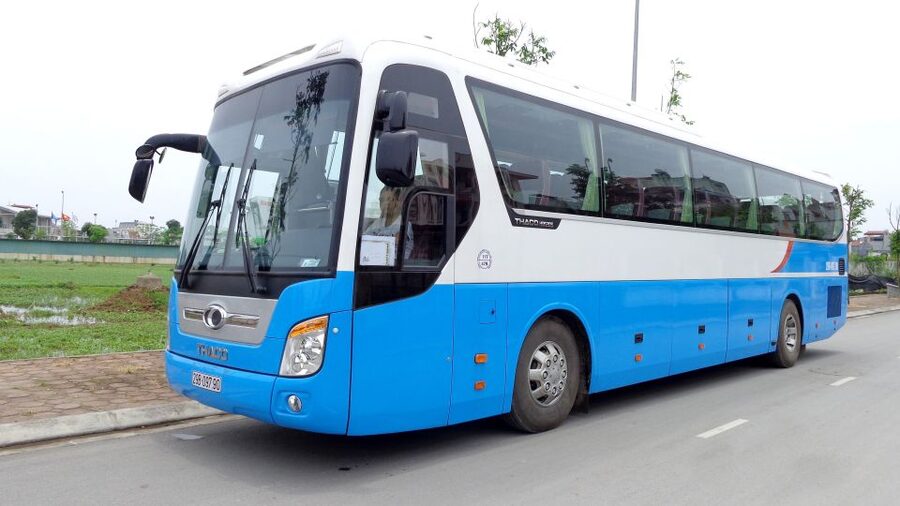
Pickup is from your accommodation in Hanoi’s Old Quarter at around 6:30 to 7:00 in the morning. The modern, air-conditioned limousine is meant to make the road journey easier than a basic bus, but you should still expect a full day of transport and changing road conditions.
The ride to Sapa takes about six hours. Two stops are planned for snacks and toilets, although timing can vary. Clear communication has not always been perfect, so keep your phone charged, watch for messages from the operator, and confirm where you should leave the vehicle at each stop.
After reaching Sapa, you have lunch at a local restaurant, check in to your accommodation, and get a short rest before the afternoon walk. This pause matters. The road trip is long, and starting the trek immediately after arrival would make the day feel rushed.
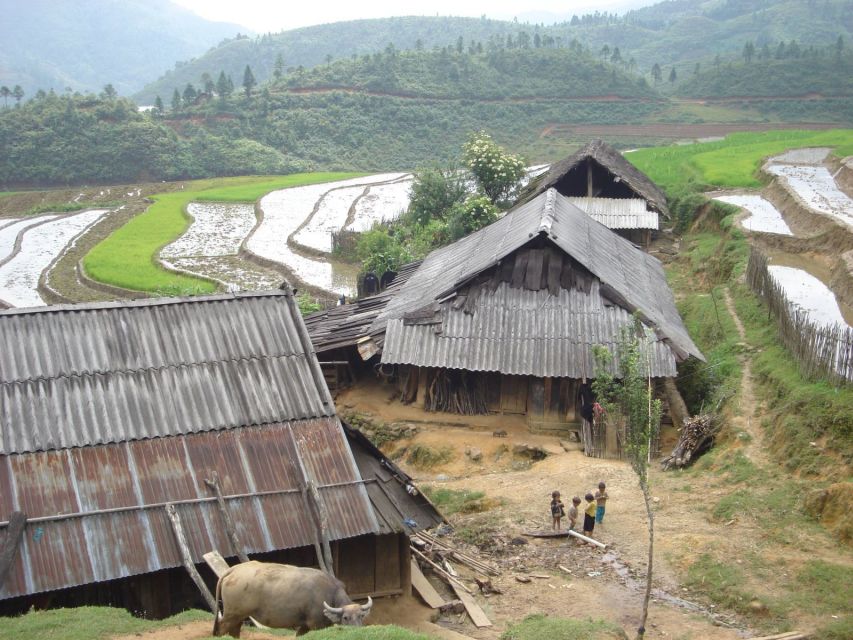
The first walk heads southwest from Sapa toward Sin Chai village, about four kilometers away. This is a modest, rustic settlement of the Black Hmong, with a simpler feel than the center of Sapa. The walk gives you an early look at village life without waiting for the longer Muong Hoa Valley route.
Sin Chai is especially useful as an introduction because you can watch the countryside change as you leave the town behind. The route is not only about taking photographs. Your guide can explain what you are seeing, including local homes, work, and the way villages fit into the hills.
After returning to Sapa, you have time to freshen up before dinner. If you still have energy, Sapa at night offers small pleasures such as roasted corn and baked eggs beside charcoal fires, along with local shopping.
The timing on day one can be a weak point if your transfer is late. One trip had a delayed arrival from Hanoi, and a late guide pickup pushed part of the walk toward darkness. The route was adjusted with a van near the end, but you should not assume every day will run exactly to the printed schedule.
Day 2: Muong Hoa Valley, Y Linh Ho, Lao Chai, and Ta Van
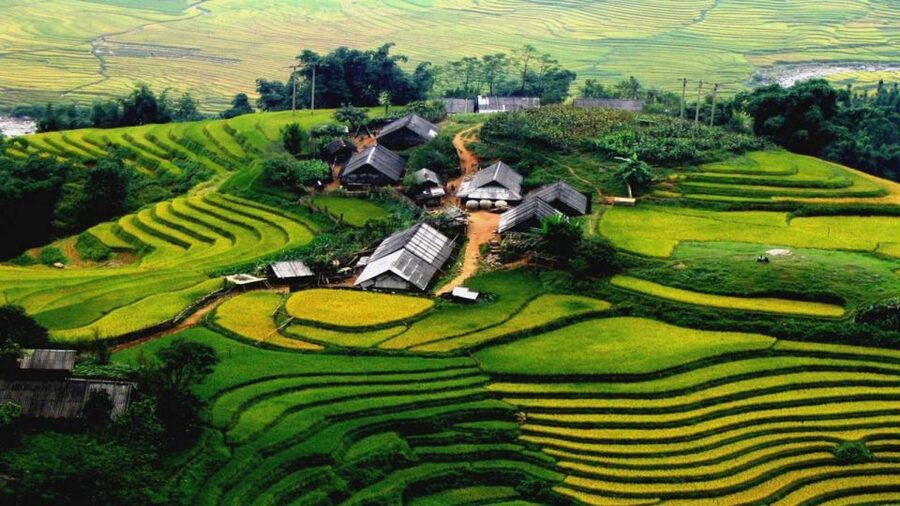
Day two is the main walking day. After breakfast, you check out and follow the road south for about an hour before taking a downhill footpath into Muong Hoa Valley.
This is where the trip earns its place on a Sapa itinerary. The valley opens toward the Hoang Lien Son mountain range, with rice terraces cut into the slopes. Views depend heavily on weather. Rain and mist can hide the distant peaks, but the terraces and village paths can still be striking in wet conditions.
You cross a suspension bridge to reach Y Linh Ho, where you can visit H’mong families and see aspects of their daily work. This stop gives the walk a human focus. You are not simply passing through a scenic valley, but seeing how homes and work areas connect to the terrain.
Lunch follows before the trail continues through the hills for about two hours to Lao Chai, a H’mong village. This section requires steady footing and comfortable shoes. The route can become slippery after rain, and the advertised trek is not suitable for people with mobility impairments.
From Lao Chai, the path follows the river toward Ta Van, home to the Zay people. You visit local homes and continue through the Muong Hoa scenery before spending the evening at a homestay.
The guide can make a big difference here. Jo has been praised for explaining arrival times, meal schedules, and when bags would be delivered. Ai has also been noted for changing the route to match hiking ability and offering help on more difficult sections. Guides named May and Ay have likewise led walks through rainy weather and less-used trails.
Do not expect a hotel room at the homestay. Facilities are more basic, and the sleeping arrangement may be an open dormitory with mattresses on the floor. One setup had about 20 mattresses in a shared space, little privacy, and only one bathroom for more than 10 people. That is a serious consideration if you need quiet, privacy, or a private bathroom.
Other homestays can be cleaner and more comfortable than expected, with welcoming hosts and shared meals. You may be able to help prepare food if you want to, but a private-room upgrade is not promised in the information provided. The overnight location can also change, with the homestay occurring on the first or second night depending on circumstances.
Think of this night as a cultural exchange with basic lodging, not as a hotel substitute. Bring warm clothing, accept that privacy may be limited, and keep your expectations practical.
Day 3: Bamboo forest, waterfall, and Giang Ta Chai
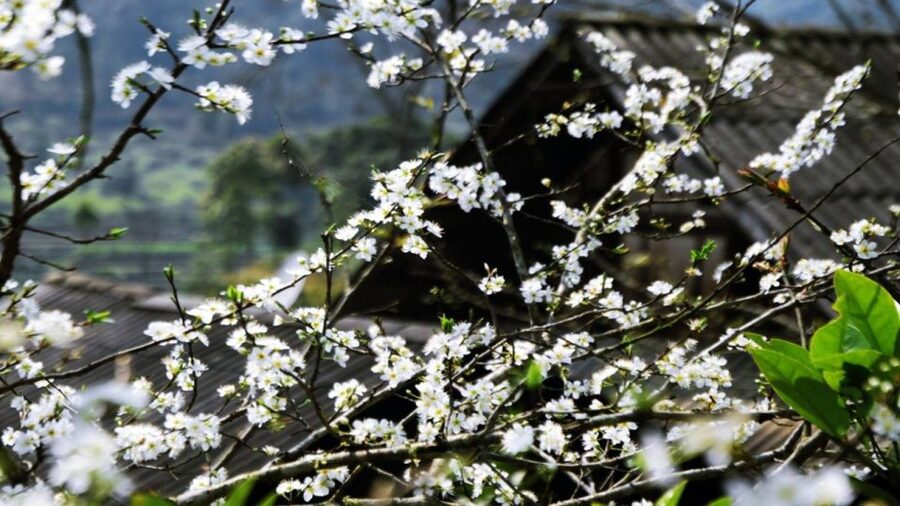
After breakfast, you leave Ta Van and follow an uphill trail through terraced fields and small H’mong hamlets. The climb is balanced by the scenery, but it adds another physical test after the longer walk on day two.
The route then passes through a bamboo forest before reaching a waterfall. This is a natural rest point, giving you time to cool down and recover before the final section. After roughly 30 minutes of further walking, you reach Giang Ta Chai village, associated with the Red Zao people.
The village adds another cultural layer to the trip. By this point you have passed through areas connected with several ethnic communities, including the Black Hmong, H’mong, Zay, and Red Zao. The value is not in collecting village names, but in seeing how communities differ across the same mountain region.
Lunch is served near the center, followed by time to rest and prepare for the return journey. The limousine pickup is scheduled for 2:00 in the afternoon. You should expect to reach Hanoi around 8:30 to 9:30 in the evening.
That late arrival matters if you have a flight, train, or fixed dinner booking the same night. Traffic can lengthen the return, so leave a generous buffer before any onward plans.
More treks around Sa Pa:
- Sa Pa: Muong Hoa Valley Trek and Local Ethnic Villages
★ 4.6 · 864 reviews - Sapa: Eco Adventure Terrace Fields and Local Villages Trek
★ 4.9 · 636 reviews - Number one top rated ethical cultural trekking and homestay by ETHOS
★ 5.0 · 456 reviews - From Sapa: 1-Day Guided Trek to Lao Chai & Ta Van with Lunch
★ 4.9 · 416 reviews
What the guide adds to the walk
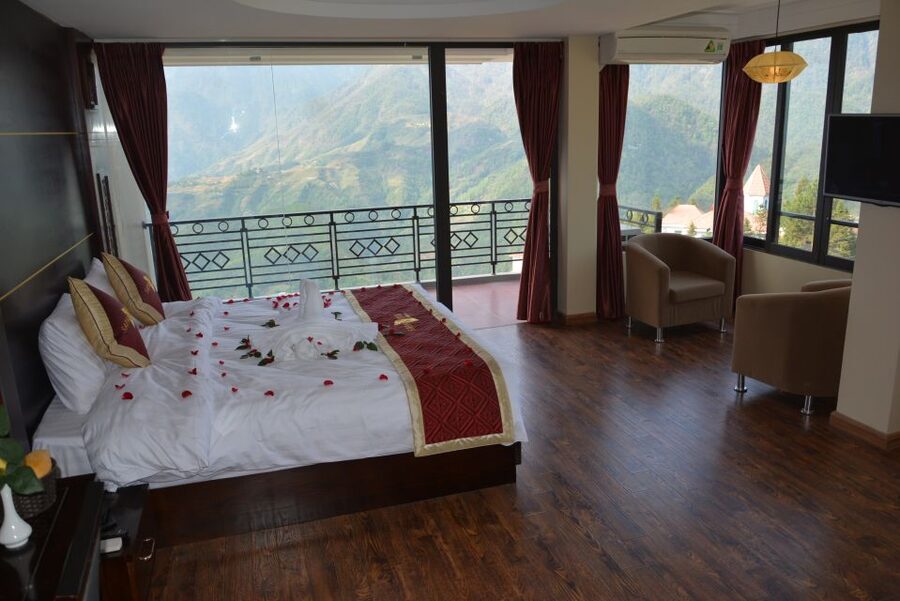
This route is better with a strong local guide than it would be with a map and a driver. The guide leads the footpaths, explains village life, helps set a manageable pace, and acts as your main point of contact when schedules change.
The best guide feedback centers on three things: local knowledge, flexibility, and care. Jo was noted for growing up in the area and sharing practical details about the region. Ai was praised for matching the route to the group’s ability. May continued with enthusiasm despite heavy rain, and Ay led off-track walks that reached quieter scenery.
Your guide may not be one of these people, so treat the names as examples rather than a guarantee. Still, the route clearly depends on having someone who knows the paths and can respond to weather, fitness levels, and delays.
You may also encounter local ethnic people who walk with the group and try to sell handmade goods or request money. The operator warns about this directly. If you do not want to buy anything, remain polite, do not engage in long negotiations, and stay with the official guide.
Transport from Hanoi: comfortable vehicle, uneven communication
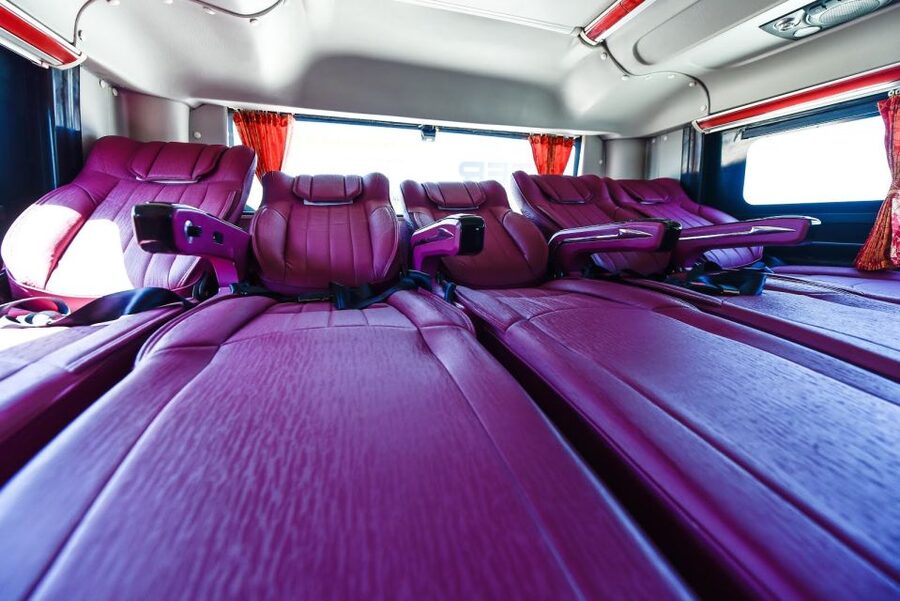
The limousine is a strong idea for this itinerary. A modern, air-conditioned vehicle is welcome after an early Hanoi pickup, and the ride includes planned rest stops.
The practical trouble is communication. Stop lengths may be shorter than announced, and passengers have sometimes been unsure when to get out at Sapa. Confirm the vehicle, pickup point, and expected stop time before leaving Hanoi.
The return journey has drawn more concern. Reports include aggressive overtaking, fast driving, fewer stops than expected, and a driver who appeared tired or unwell. This does not mean every departure will be the same, but it is fair to treat the road transfer as the least predictable part of the package.
The local bus used around Sapa is separate from the Hanoi limousine. It provides the connection between the walking areas and the accommodation, with an experienced driver listed as part of the service.
Food, accommodation, and what the $165 covers
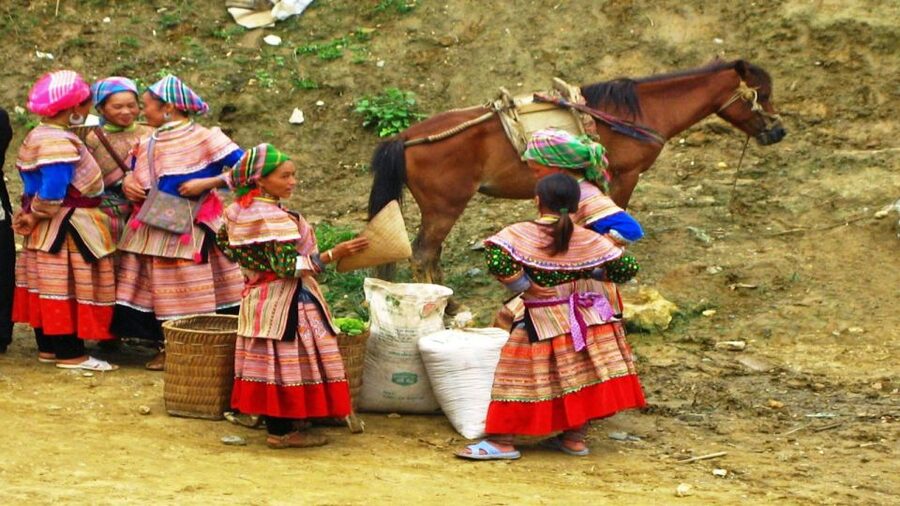
The $165 price includes two dinners, three lunches, and two breakfasts. That is good value if you would otherwise pay separately for meals and transport in a mountain region where arranging transfers can take time.
Drinks are not included, so budget for water, coffee, soft drinks, and any alcohol. Personal expenses are also extra. Bring Vietnamese dong in cash, since card and banking services in Sapa may not work reliably. US dollars, euros, and Australian dollars are also accepted, but local currency is the simplest choice for small purchases.
Two nights of accommodation are included, with the exact standard depending on the selected option and the arrangements for that departure. One night may be in a Sapa hotel and another in a village homestay, but the homestay timing can change.
Pack for a basic overnight stay. Take warm clothing, a scarf, hat or cap, trekking shoes, sunglasses, sunscreen, insect repellent, and any medicine you may need. Sapa is normally cold from September through March, and fog is common in December, January, February, and March. Rain can appear at any time, so a waterproof layer is sensible even though it is not specifically listed among the required items.
Who should book this three-day route?
I would choose this trip if you want a first look at Sapa without arranging every moving part yourself. It suits people who enjoy moderate mountain walking, village visits, shared meals, and simple accommodation.
It is also a good fit if you want rice terraces without spending several extra days reaching remote areas. The route gets you from Hanoi to the main walking zones, with guides and meals already organized.
I would hesitate if you need private bathrooms, predictable road travel, or a leisurely schedule. The walking is not recommended for older adults or children, and it is not suitable for people with mobility impairments. A 9-kilometer trek may sound manageable on paper, but hills, mud, heat, and altitude can make it feel harder.
The trip is also less suitable for anyone with a strict return deadline in Hanoi. The limousine may arrive as late as 9:30 in the evening, and traffic can alter the schedule.
Cancellation is flexible up to 24 hours before departure, with a full refund, and you can reserve without paying immediately. Those policies help if your Vietnam plans are still moving, but they do not change the physical demands of the walk or the basic nature of the homestay.
Should you book this Sapa experience?
Book it if you want mountain scenery, village paths, and a local overnight stay in one compact package. The guides are the strongest part, and a good guide can turn a demanding route into a rewarding one by adjusting the pace and explaining what you see.
Go in with clear expectations. The Hanoi road transfer is long, the homestay may be a shared dormitory, and communication around vehicle stops can be patchy. If those points sound acceptable, $165 is a fair price for the amount of transport, food, guiding, accommodation, and walking included.
FAQ
How long is the tour from Hanoi to Sapa?
The experience lasts three days. The limousine journey from Hanoi to Sapa takes about six hours, while the return takes five or six hours depending on traffic.
Where does pickup take place in Hanoi?
Pickup is included from accommodation in Hanoi’s Old Quarter, usually around 6:30 to 7:00 in the morning.
Which villages does the trek visit?
The route includes Sin Chai, Y Linh Ho, Lao Chai, Ta Van, and Giang Ta Chai. These villages are connected with the Black Hmong, H’mong, Zay, and Red Zao communities.
How much walking is involved?
The advertised trek is about 9 kilometers. The route includes downhill and uphill sections, village paths, rice terraces, a bamboo forest, and a walk to a waterfall.
Is the trek suitable for children or older adults?
The trek is not recommended for older guests or children. It is also not suitable for people with mobility impairments.
What is the homestay like?
The homestay facilities are not the same as hotel facilities. Sleeping arrangements may be shared, with mattresses on the floor and limited privacy. The homestay may take place on the first or second night depending on circumstances.
What meals are included?
The price includes two dinners, three lunches, and two breakfasts. Beverages and personal expenses are not included.
What should I bring?
Bring comfortable trekking shoes, warm clothing, a scarf, hat or cap, sunglasses, sunscreen, insect repellent, medicine, and cash in Vietnamese dong. Sapa weather can change quickly, and fog is common from December through March.
New treks around Sa Pa
- Sapa: 2-Day Local Guided Valley Trek with Night Homestay★ 5.0 · 27 reviews
- SAPA: 1-DAY TREKKING TOUR WITH LOCALS, LUNCH & RICE FIELDS★ 4.7 · 18 reviews
- Sapa: 2-Day Local Guided Valley Trek with Night Homestay★ 4.8 · 5 reviews
- Sa Pa: Fansipan Peak One Day Trek with Local Guide★ 5.0 · 7 reviews
- Red Dao Village Trek and Herbal Bath★ 4.7 · 3 reviews
- Private Hoang Lien National Park & Tribal Village Trek★ 4.7 · 30 reviews
- Sapa: Private Muong Hoa Valley and Homestay Trekking 2-Day★ 4.8 · 4 reviews
- From Sapa: Muong Hoa Valley View & Village Trek 1-Day★ 5.0 · 21 reviews
Sapa Trekking Tours, side by side.
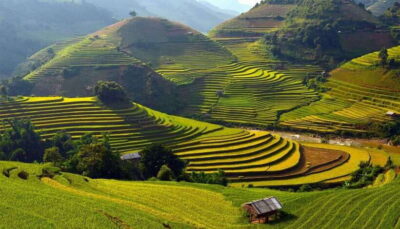
Sa Pa: Muong Hoa Valley Trek and Local Ethnic Villages
Read our review →
Sapa: Eco Adventure Terrace Fields and Local Villages Trek
Read our review →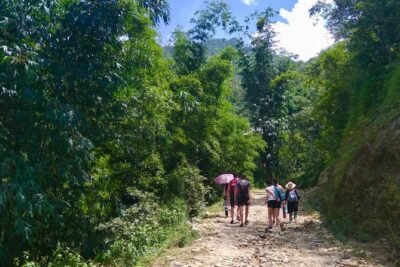
Number one top rated ethical cultural trekking and homestay by ETHOS
Read our review →
From Sapa: 1-Day Guided Trek to Lao Chai & Ta Van with Lunch
Read our review →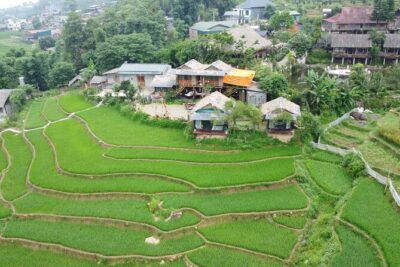
Sapa 1 Day Long Trek: Trek to Hau Thao and Sa Seng Villages
Read our review →
Explore Sapa by TrekkingAdventures, Mountain,Rice fields
Read our review →
EXPLORE SAPA: 2D1N TREKKING & HMONG CULTURE WITH DINH
Read our review →Lists this trek appears in