
Review · MEXICO
From Mexico City: 2-Day Pico de Orizaba Summit Trek
Pico de Orizaba is not a casual mountain walk. It is a serious two-day climb to 5,700 meters, Mexico’s highest point, with a pre-dawn push up the country’s largest glacier. The reward is sunrise over the surrounding valleys, with the first light catching the ice below the crater.
I like two things right away: the trip supplies the main technical gear, including crampons, an ice axe, a helmet, and a head lamp, and the guides take time to teach you how to use it. The other strength is the compact plan, with transport, hut lodging, meals, entrance fees, and accident insurance included. The catch is plain: you need excellent fitness, and the altitude is not something to treat lightly.
Key points before you book
- The summit reaches 5,700 meters: This is Mexico’s highest peak and a demanding high-altitude climb.
- Sunrise comes from the glacier: You begin before dawn and aim to reach the upper route as daylight spreads across the valleys.
- A real mountain hut night: Piedra Grande hut is basic, but it puts you close to the climb and includes dinner.
- Technical gear is supplied: Crampons, ice axe, helmet, head lamp, and other safety equipment are part of the package.
- Guides are central to the experience: English and Spanish support is available, with groups limited to 15 people.
- Preparation matters: Previous mountaineering experience is recommended, and you should plan acclimatization carefully.
From Mexico City to Tlachichuca and Piedra Grande
The trip begins at the corner of Vicente Suarez and Michoacan, at the benches in front of the market. From there, you leave Mexico City for Tlachichuca in Puebla. This first transfer is not just a ride between two points. It is the transition from city travel to a mountain expedition, and the schedule packs a lot into a short period.
In Tlachichuca, you transfer to a 4×4 for the rougher approach to Piedra Grande. That vehicle is important because the mountain hut is not reached by ordinary road transport. You should expect a practical, functional ride rather than a sightseeing trip. The point is to gain height and position you near the route.
The hut at Piedra Grande is your accommodation for the night. It is simple. Pack a sleeping bag, towel, toiletries, warm clothing, and a change of clothes. You do not need to expect hotel comforts here, and the overnight stay is part of the mountain experience rather than a luxury stop.
The benefit is obvious: you are already near the climb when morning comes. The drawback is also obvious: a basic hut may feel uncomfortable, especially if you are used to sleeping at lower elevations and in private rooms. Bring only what you need for the climb, but use the hut as a place to organize layers, food, gloves, head lamp, and technical equipment.
More two-day treks around the world
- Mt Toubkal Ascent Express Trek 2 Days 1 Nights
★ 4.7 · 962 reviews - Chiang Mai: 2-Day Jungle Trek with Elephant Farm & Raft Ride
★ 4.7 · 881 reviews - Marrakesh: 2-Day Mt. Toubkal Trek with 1-Night Stay & Meals
★ 4.7 · 795 reviews
The afternoon practice session at 4,000-plus meters
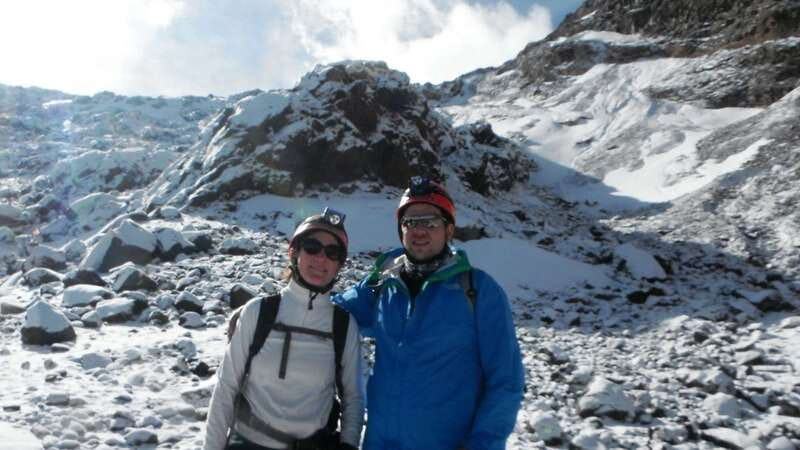
After arrival, you take an acclimatization walk. This is one of the most useful parts of the first day because it gives your body some time at altitude before the summit attempt. It also lets you see how the mountain feels before you commit to the long ascent.
You practice using crampons and an ice axe with the guide team. If you have never walked in crampons, do not brush this aside as a short lesson. The equipment changes how you place each foot, how you move over hard snow or ice, and how you use your balance. The ice axe is not a prop for photographs. You need to understand how to hold and use it before the route becomes steep or tiring.
This practice period is also a chance to ask direct questions. Guides named Alan, Bernardino, and Carlos have led highly praised departures, and one previous climber especially noted Alan’s patient pace and clear English. Another praised Bernardino’s instruction. Guide quality matters here because the mountain requires judgment, not just route finding.
You return to the hut for dinner, with the first day’s meal plan including lunch and dinner. The food is prepared from the camp kitchen, and a Mexican dinner has been a memorable part of the stay for past climbers. After eating, you prepare for the ascent and try to sleep.
That last part can be difficult. The start is before dawn, the hut is basic, and the next day will be physically demanding. Do not plan a late evening. Organize your daypack, put your warmest clothes where you can find them, and keep your head lamp and gloves ready.
A pre-dawn start on Pico de Orizaba
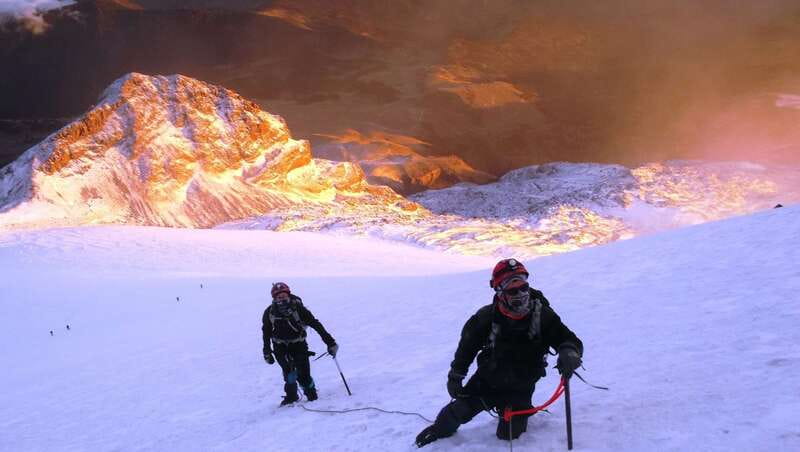
The second day begins early, before sunrise. You start in darkness, using the included head lamp while the guides lead the route. This timing serves a purpose. It gives you a chance to reach a strong viewing point as the sun rises, and it keeps the summit attempt within the planned two-day schedule.
The early hours are likely to be the hardest mentally. You are tired from travel and the hut night, the air is cold, and every step costs more at altitude. The mountain does not offer a quick summit stroll. One previous climber completed the route in about nine hours, while larger groups can take as long as 15 hours of continuous movement.
That range tells you more than a neat itinerary can. Your pace depends on fitness, altitude response, group size, weather, and how often the team needs to stop. A small group of up to 15 people gives the guides a workable number, but it is still not a private climb by default. If you are used to moving quickly, be ready for a group rhythm. If you are slower, the guide’s judgment and patience become especially important.
The supplied accident insurance and safety equipment add useful protection, but they do not remove the physical demands. You still need to arrive prepared, follow instructions, and tell the guide if you feel unwell. At this elevation, being stubborn is not a mark of strength.
Sunrise above the Mexican glacier
The strongest visual moment comes as daylight reaches the mountain. From the route, you can watch the first rays of sun spread across the valleys around Pico de Orizaba. The glacier catches the light, giving you a clear sense of the scale and cold of the climb ahead.
This is not just a scenic pause. It breaks up a long ascent and gives you a reason to look up when your legs are tired. Bring sunglasses and sunscreen even though the start is in darkness. The sun at high altitude can be harsh, and the snow and ice reflect it directly.
The route follows the glacier toward the crater. Crampons and an ice axe are part of the climb, so suitable hiking shoes, thermal clothing, gloves, a hat, and rain gear are essential. The operator supplies the technical equipment, but you supply the clothing that keeps you warm and dry. That distinction matters. Included gear does not mean you can arrive in ordinary city layers.
The guide team is there to watch your safety and comfort, but the experience still demands self-management. Eat when told, drink as needed, protect your eyes, and keep your daypack organized. You should not need to carry every item for the overnight stay on the summit push. A past climber found it useful to leave some belongings at the hut and change after the hike.
More treks around the world:
- Mount Etna: Trek to 3000m with cable car and 4×4
★ 4.6 · 3,823 reviews - Bali: Mount Batur Sunrise Trek With Guide and Breakfast
★ 4.8 · 3,461 reviews - From Chania: Full-Day Samaria Gorge Trek Excursion & Guide
★ 4.6 · 3,191 reviews - Mount Etna: Summit Crater Trek with Cable Car
★ 4.8 · 1,875 reviews
Reaching Mexico’s highest summit
At 5,700 meters, Pico de Orizaba is Mexico’s highest peak and the third-highest point in North America. The summit is the main goal, but the route to it is the true test. The altitude alone can make a fit person feel slow and heavy, and the glacier adds technical demands.
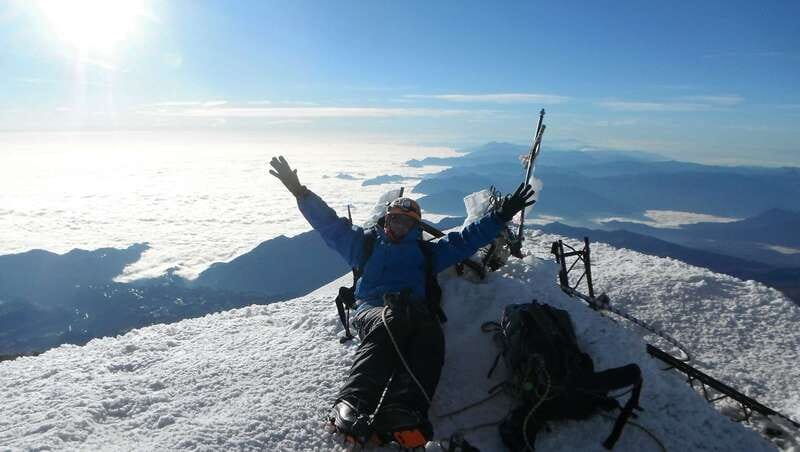
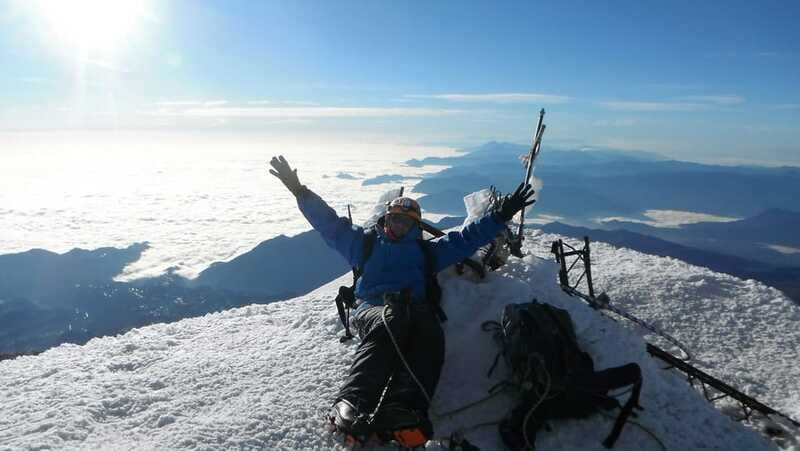
From the top, you can take in wide views of the valleys and the surrounding natural scenery. The summit moment is likely to be short compared with the effort needed to reach it. Cold, fatigue, and the need to descend mean that you will not linger indefinitely. Enjoy the views, take your photographs, and listen closely to the guide before turning back.
The trip is not presented as suitable for beginners in general. Excellent physical condition is required, and previous mountaineering experience is recommended. That recommendation is especially important if you have never used crampons or an ice axe. One past climber had no prior experience with snow and ice equipment and managed the climb with instruction, but that should encourage preparation, not overconfidence.
You should not book this as a first high-altitude outing simply because technical gear is included. If your background includes demanding mountain hikes or mountaineering, the trip may be a logical next challenge. If you have little experience above high elevations, plan acclimatization days before this departure.
The descent, hut meal, and return to Mexico City
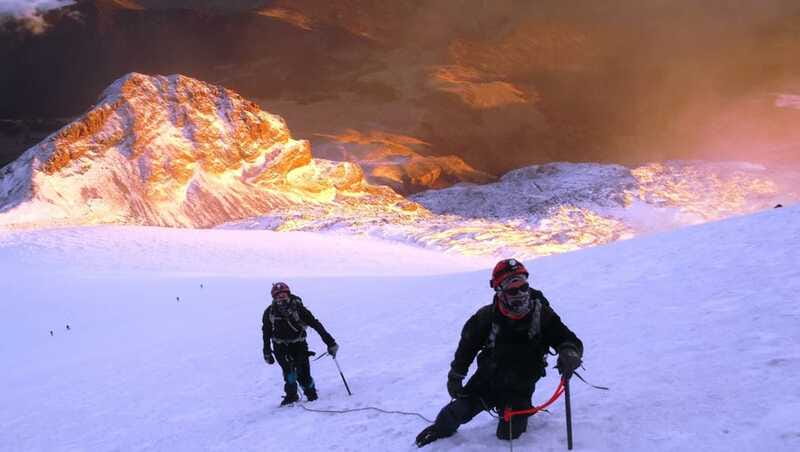
After the summit, you descend to Piedra Grande hut. Going down is not automatically easy. Your legs are tired, concentration may be lower, and the terrain still requires careful use of crampons and the ice axe. Stay with the group and follow the guide’s directions.
Transport waits at the hut to take you back to Tlachichuca. Once there, you receive a restorative meal before beginning the return journey to Mexico City. The second day includes breakfast and lunch, which is useful because food becomes part of your energy plan on such a long effort.
The return to the capital completes a very full two-day schedule. You should not expect much free time for sightseeing once you are back in Mexico City. This experience is built around the summit, not a relaxed Puebla visit or a mountain village stay.
What the $599 price really covers
At $599 per person, the cost is easier to judge when you look at what is included. You receive transport, a 4×4 mountain transfer, one night at the hut, four listed meals across the two days, entrance fees, accident insurance, qualified guides, and the main safety equipment.
The gear package has real value. Crampons, ice axe, helmet, and head lamp are not items most visitors carry in Mexico, and buying or renting them separately would add cost and planning. The guided format also matters because you are not left to manage a glacier route alone.
The price does not include alcoholic drinks, but that is a minor issue on a climb where hydration, warmth, and rest matter much more. The bigger extra cost may be preparation before the trip, especially if you need proper hiking shoes, thermal layers, gloves, sunglasses, sunscreen, a sleeping bag, or a daypack.
For a serious two-day ascent with transport and equipment, I see the package as practical value rather than a bargain activity. You are paying for access, logistics, instruction, and a guided safety structure. It is not good value if you are not physically ready to attempt the summit, because the included features cannot compensate for poor acclimatization or unsuitable clothing.
Who should choose this climb?
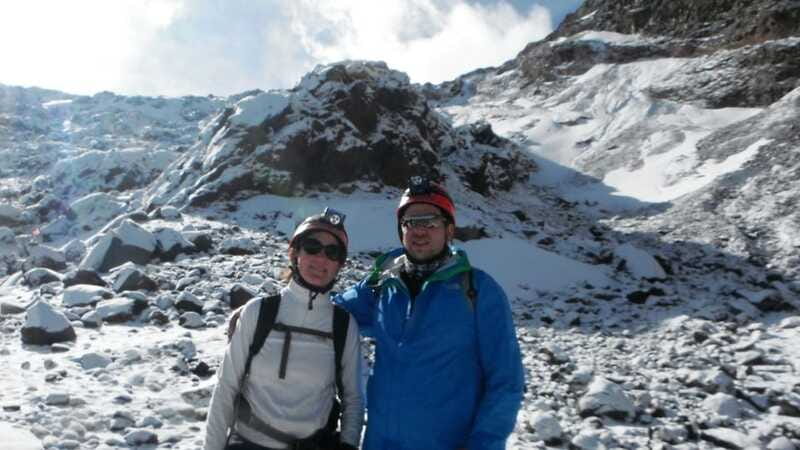
I would recommend it to a fit hiker or mountaineer who wants a short, focused attempt on Mexico’s highest peak. The English and Spanish guide options help, and the small-group limit keeps the operation more personal than a large coach excursion.
It suits you best if you are comfortable with early starts, a basic hut, cold conditions, long hours on your feet, and the possibility that altitude will slow you down. It also suits climbers who want instruction with crampons and an ice axe but do not want to arrange every transfer and mountain permit themselves.
I would think twice if you have no high-altitude experience, limited fitness, or little tolerance for basic sleeping conditions. The activity is not suitable for pregnant women or people with haemophilia, heart problems, or back problems. If any medical concern applies to you, get professional medical advice before booking.
Cancellation is flexible up to 24 hours before departure for a full refund, and you can reserve now and pay later. Those policies help with planning, but they do not change the need to prepare your body and gear well in advance.
Should you book Pico de Orizaba?
Book this if the glacier sunrise and the summit of Mexico’s highest peak are worth a hard, highly structured two-day effort. The strongest parts are the experienced guide support, included technical equipment, clear transport plan, mountain hut night, and dramatic early-morning climb.
Do not book it as a sightseeing add-on from Mexico City. The altitude, nine to 15 hours of climbing, basic hut, and need for excellent fitness make this a true mountaineering trip. If you prepare properly and respect the mountain, the combination of sunrise ice, wide valley views, and a 5,700-meter summit can be a powerful achievement.
FAQ
How long is the Pico de Orizaba experience?
The activity lasts two days, including travel from Mexico City, the hut overnight stay, the summit attempt, and the return to Mexico City.
Where is the meeting point?
Meet at the corner of Vicente Suarez and Michoacan, at the benches in front of the market.
What languages do the guides speak?
Guides are available in English and Spanish.
How large is the group?
The group is limited to 15 participants.
Is technical climbing equipment included?
Yes. The package includes a helmet, crampons, an ice axe, and a head lamp, along with other safety equipment.
What meals are included?
Lunch and dinner are included on the first day. Breakfast and lunch are included on the second day.
What should I bring?
Bring a towel, sleeping bag, sunscreen, hiking shoes, sunglasses, thermal clothing, warm clothing, a hat, daypack, gloves, toiletries, a change of clothes, and rain gear.
New treks around the world
- Sapa: 2-Day Local Guided Valley Trek with Night Homestay★ 5.0 · 27 reviews
- SAPA: 1-DAY TREKKING TOUR WITH LOCALS, LUNCH & RICE FIELDS★ 4.7 · 18 reviews
- Sapa: 2-Day Local Guided Valley Trek with Night Homestay★ 4.8 · 5 reviews
- Santa Marta: Trekking in Minca Complete Waterfall Circuit★ 4.4 · 28 reviews
- Santiago: Longueira, Pico de Antónia & Monte Tchota Trek★ 4.8 · 10 reviews
- Santiago: Trek from Serra Malagueta to Rabelados Community★ 5.0 · 16 reviews
- Santiago Island: Serra Malagueta & Tarrafal Beach Trek Tour★ 4.8 · 61 reviews
- Santa Marta: Multi-Day Trek to The Lost City★ 4.8 · 40 reviews