
Review · SAPA
From Hanoi: 2-Days Sapa Trek Lao Chai/Cat Cat, Fansipan Peak
Sapa’s best scenery arrives in two very different forms: a village trek through rice fields and stilt-house communities, followed by a cable-car ride to Fansipan, Indochina’s highest peak. This two-day trip gives you both without asking you to organize buses, lodging, meals, and permits yourself.
I like the choice between Cat Cat and Lao Chai and Ta Van. Cat Cat is shorter and closer to Sapa, while the Muong Hoa Valley route offers more open mountain views and village walking. I also like the efficient setup, with hotel accommodation, meals, a local English-speaking guide, and round-trip transport handled together.
The main consideration is cost. The advertised price is $137 per person, but the Fansipan cable car costs another 800,000 Vietnamese dong, about $32. You also need comfortable shoes, and the bus ride from Hanoi takes a large part of both days.
Key points to know
- Fansipan reaches 3,143 meters, with a cable-car ride and summit pagoda complex above Sapa.
- You choose one afternoon trek, either Cat Cat or the longer-feeling Lao Chai and Ta Van route.
- The sleeper bus saves money, but you spend several hours traveling from Hanoi and back.
- Two lunches, dinner, breakfast, one hotel night, and entrance fees are included.
- The extra cable-car ticket matters, so budget roughly $169 per person before any holiday or room surcharges.
- The tour suits first-time Sapa visitors who want a packed introduction rather than a slow, independent mountain stay.
What this two-day Sapa trip really covers

This is a compact introduction to northern Vietnam’s mountain country. You leave Hanoi by sleeper bus, reach Sapa around midday, spend the afternoon in one ethnic minority area, sleep in town, and use the second morning for Fansipan.
That schedule is useful if your Vietnam trip is tight. You get mountain scenery, village life, a major viewpoint, and organized transport in one booking. The tradeoff is pace. You are not spending several days on a quiet trek, and the bus journey leaves limited time for wandering around Sapa itself.
The route also combines two kinds of sightseeing that do not always come together. The village walk is grounded and local, with paths, homes, bridges, farms, and daily routines. Fansipan is more grand and formal, with a cable car, summit facilities, and a pagoda complex high above the Hoang Lien Son range.
More Fansipan treks around Sa Pa:
- 1 day Fansipan Trekking
★ 5.0 · 180 reviews - 2 Days Fansipan Trekking
★ 5.0 · 84 reviews - 2-Day Fansipan Mountain Trek – Indochina’s Highest Peak
★ 4.3 · 42 reviews
The sleeper bus from Hanoi to Sapa
Your journey begins on a sleeper bus from Hanoi. This is usually a practical choice for the budget, since it combines transport and a reclining berth rather than requiring a separate train and transfer arrangement.
You pass through countryside on the way north, with the road gradually leading toward the mountains. The journey takes much of the morning, so bring water, a light snack if needed, and anything that helps you rest. The tour includes the bus both ways, but the exact comfort level can vary with your expectations. This is transport first, not a sightseeing coach with a running commentary.
Arrival is planned for around midday. You then have lunch before the afternoon activity. That timing keeps the first day moving, though it leaves little room for a leisurely hotel check-in or independent exploration before the trek.
The organized transfer is one of the tour’s strongest practical features. You do not need to work out how to reach Sapa, locate the hotel, arrange a local guide, or buy village entry permits separately. One recent booking was described as well organized, quick to respond, and accommodating, which matters when a short trip leaves little room for mistakes.
Choosing between Cat Cat and Lao Chai and Ta Van
The afternoon walk is the most important choice you make on day one. You select either Cat Cat Village or Lao Chai and Ta Van. Both routes introduce you to ethnic minority communities, but the feel is different.
Cat Cat Village and the waterfall
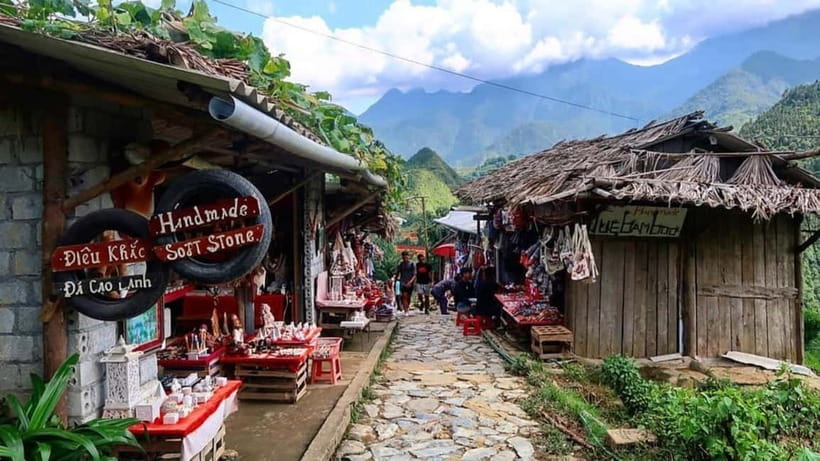
Cat Cat sits close to Sapa and is reached by a downhill walk. The route takes you past traditional wooden houses and village scenes before reaching the Cat Cat waterfall, surrounded by green terraces and mountain scenery.
I would choose Cat Cat if you want a shorter, simpler introduction or prefer to keep some energy for the next morning. The downhill approach makes the walk approachable, though remember that any route with a descent requires an uphill return or onward climb. Comfortable trekking shoes are important here, especially if paths are damp.
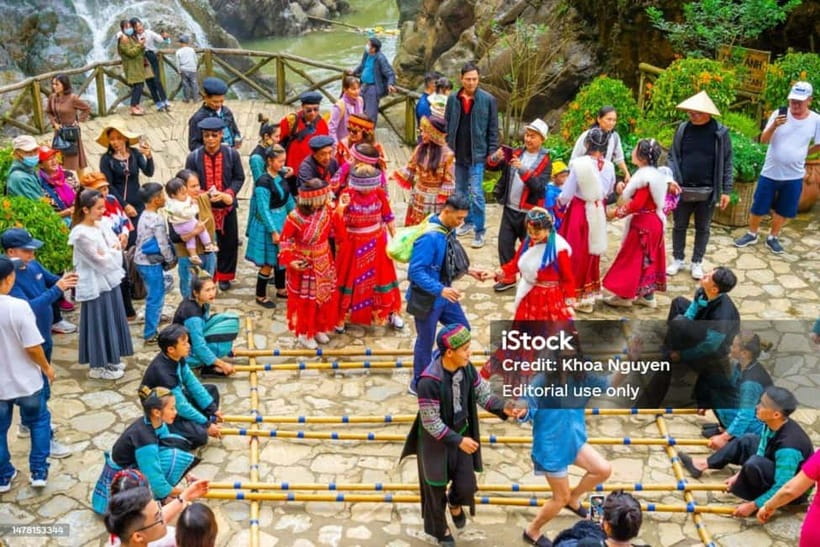
Cat Cat is also the better pick if your main goal is photography. You have a waterfall, rustic homes, terraces, and close views of village life in a relatively compact area. The setting can feel more arranged for visitors than a remote rural walk, so it may offer less solitude than you expect. Still, it gives you a clear picture of the Black Hmong community and local architecture without requiring a full-day trek.
The experience is not only about scenery. Your guide helps explain daily life, and you have chances to meet local people along the route. Keep your attention on the details: wooden construction, hillside farming, footpaths, and the way homes sit within the valley.
More two-day treks around Sa Pa
- EXPLORE SAPA: 2D1N TREKKING & HMONG CULTURE WITH DINH
★ 4.9 · 191 reviews - Sa Pa: 2-Day Trekking Trip with Ethnic Minority Homestay
★ 4.7 · 145 reviews - Sapa : 2-Day Trek & Heartwarming Homestay with an Ethnic Family
★ 5.0 · 143 reviews - SAPA: 2-DAY 1-NIGHT TREKKING & CULTURE WITH HMONG GUIDE LINH
★ 4.9 · 126 reviews
Lao Chai and Ta Van in Muong Hoa Valley
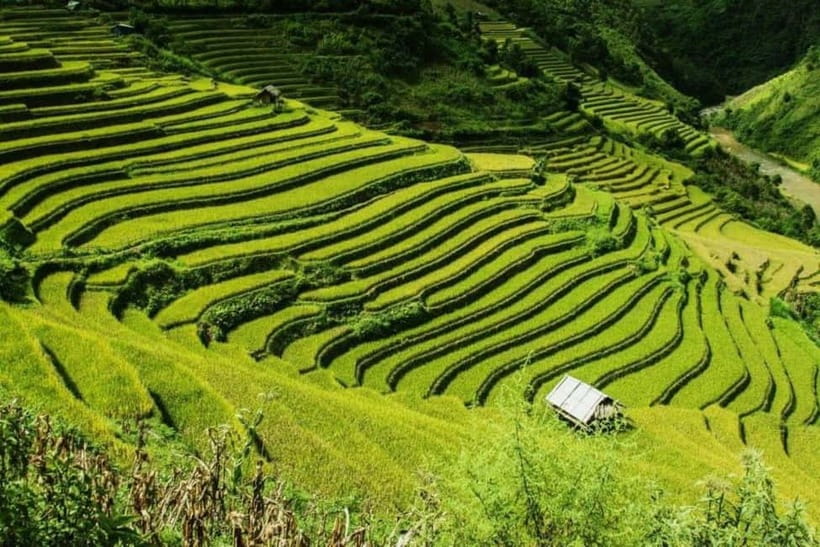
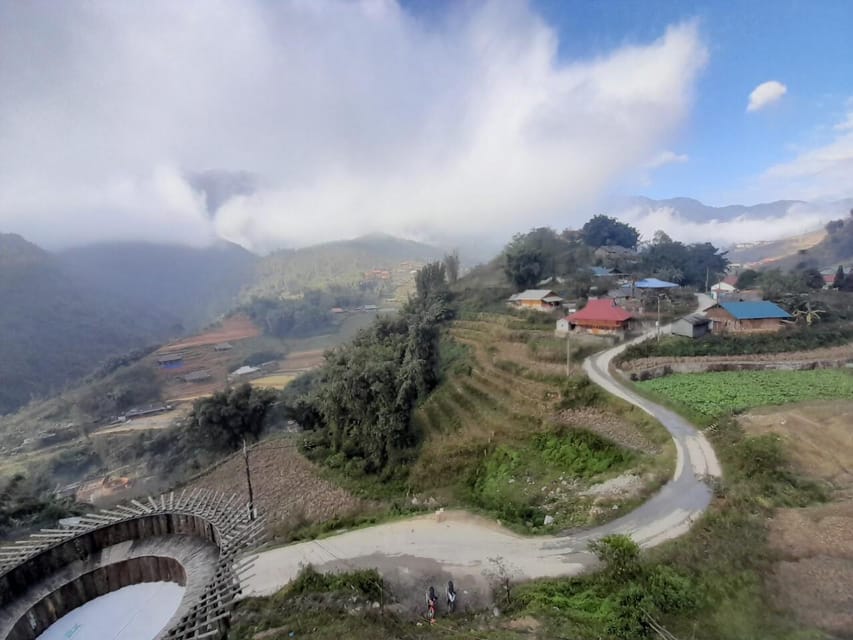
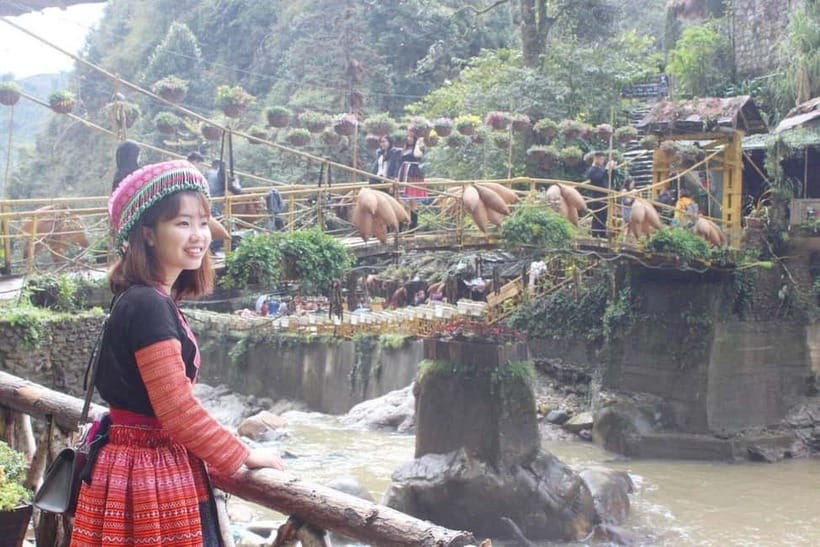
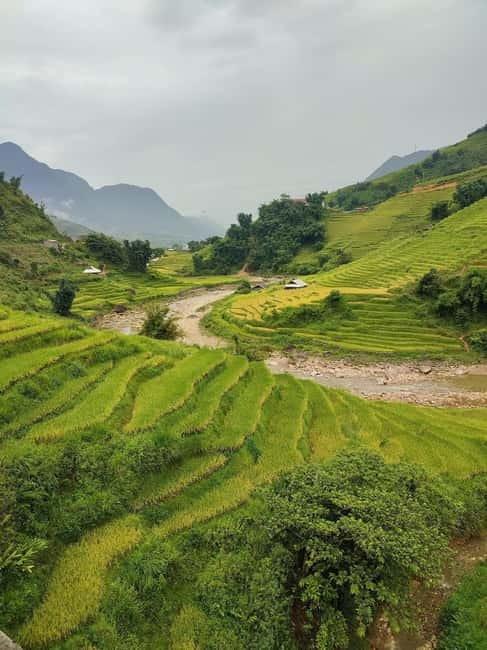
The Lao Chai and Ta Van route is the stronger choice for broad mountain views and a longer village walk. You follow a scenic trail through the Muong Hoa Valley, pass rice paddies, cross suspension bridges, and reach communities associated with the Black Hmong and Day people.
This is the route I would favor if you want the more open countryside experience. The valley gives the walk room to breathe, while the rice fields and mountain slopes provide the classic Sapa views people come to see. The route also offers more variety in its walking: fields, bridges, village paths, and stilt houses rather than one main waterfall stop.
The condition of the terraces and the amount of green scenery can vary with the season. The provided plan does not promise a particular rice-growing stage, so you should think of the route as a mountain and village walk first, and a guaranteed postcard view second.
The trail may feel more demanding than Cat Cat simply because you spend more time walking through the valley. You should be comfortable on uneven paths and ready for changing weather. The reward is a closer look at rural life and a stronger sense of moving through the countryside rather than visiting one compact attraction.
Meeting Black Hmong and Day communities
The cultural value of this tour comes from the route itself. Cat Cat introduces you to Black Hmong life, while the Lao Chai and Ta Van option brings you into areas associated with both Black Hmong and Day communities.
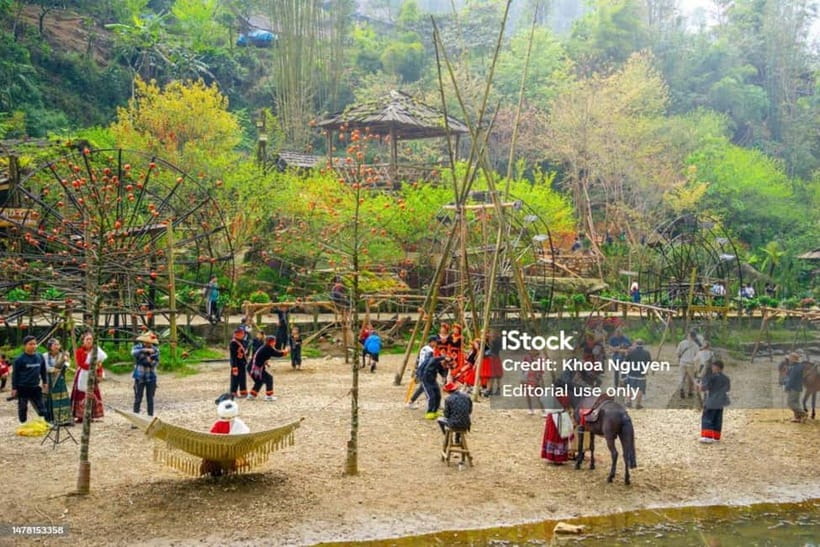
You will see traditional stilt houses and rural homes, and your guide can help put daily activities into context. The best approach is simple: observe respectfully, listen when people speak, and treat photographs as a privilege rather than an automatic right.
Do not expect a museum-style presentation. The point is to see communities where people still live and work. That can be more meaningful than a formal cultural show, but it also means the experience changes with weather, farming activity, and the pace of the group.
In the evening, you return to Sapa town, check into the hotel, and have dinner. The overnight stop keeps the trip practical, although it is not a homestay. If sleeping in a local village is your main goal, this is not the right format. You get a town hotel and a guided village walk instead.
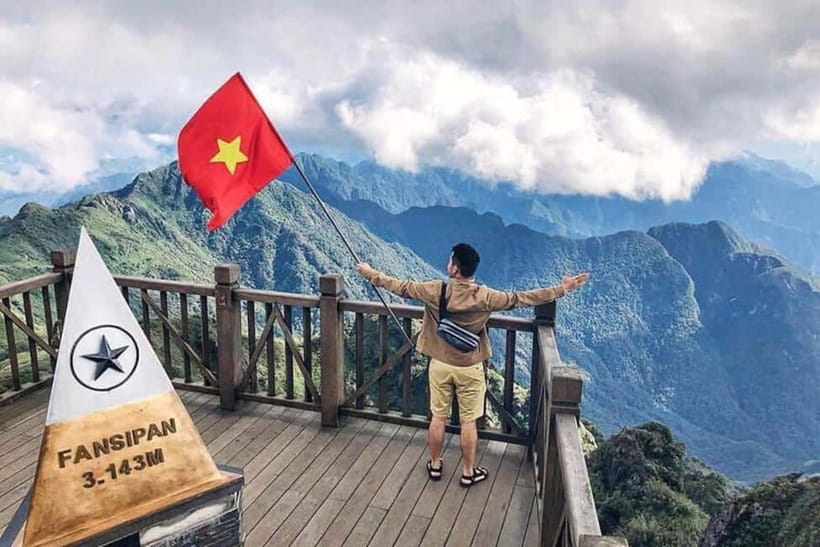
Fansipan at 3,143 meters
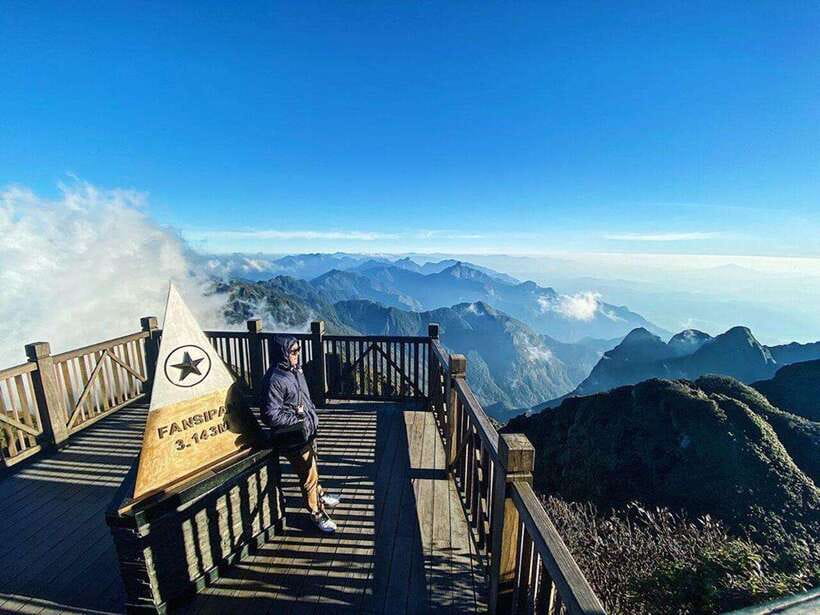
Day two centers on Fansipan, the highest peak in Indochina. After breakfast, you go to the cable-car station and ride upward to an altitude of 3,143 meters.
The cable car changes the nature of the visit. You gain access to high mountain views without making a strenuous summit trek, which makes Fansipan possible within this short itinerary. As the car rises, you can look across the Hoang Lien Son mountain range and see the valleys and slopes from above.
At the top, you can walk around the summit pagoda complex and take in the feeling of being above the clouds. Weather is a key part of the experience. Clear conditions can provide wide views, while mist may limit visibility but create a cooler, atmospheric mountaintop setting. The tour promises the summit visit, but it cannot promise clear skies.
The cable car is not included in the $137 price. The extra charge is 800,000 Vietnamese dong, approximately $32. That puts the likely basic cost at about $169 per person before any other surcharge. Read the price this way: you are paying for a coordinated two-day package with transport, lodging, meals, guide service, and the village activity, then adding the major Fansipan ride separately.
After descending, you have lunch in Sapa before boarding the sleeper bus back to Hanoi in the early afternoon. You arrive in Hanoi in the evening, so do not plan a tight connection or an important late-night activity unless you have plenty of flexibility.
What is included, and what still costs extra
The package includes a useful range of essentials:
- Round-trip sleeper bus transport between Hanoi and Sapa
- One night of hotel accommodation
- Two Vietnamese lunches
- One dinner and one breakfast
- An English-speaking local guide
- The Cat Cat or Lao Chai and Ta Van trek
- Entrance fees and permits
The Fansipan cable car is the big omission. You also pay a single-room service charge if you travel alone. Holiday surcharges apply during major Vietnamese holidays, including New Year, Lunar New Year, Labor Holiday, Independence Day, and New Year’s Eve.
A luxury limousine upgrade is available for an extra charge. I would view that as a comfort decision rather than a sightseeing upgrade. The regular sleeper bus is the value option, while the limousine may appeal if you dislike long bus rides and want a more polished transfer.
Other guide languages are available with a surcharge. English is included, while German, French, Japanese, and Chinese are listed as possible alternatives. Confirm the language and added cost before booking if that matters to you.
Is $137 a fair price?
For a two-day trip from Hanoi, the price is reasonable if you value convenience. You are not only paying for a trek. You are also covering long-distance transport in both directions, a hotel, four meals, a guide, entrance fees, and local arrangements in Sapa.
The real price is closer to $169 once you add the cable car. Solo visitors should also check the single-room charge, and holiday dates can add more. Even so, arranging each part independently would take time, and a short visit makes that coordination valuable.
The package is less attractive if you already have your own transport and hotel or if you want a slow, flexible schedule. Independent visitors can spend more time on one trail, choose their own lodging, and decide whether Fansipan fits their budget. This tour earns its value through efficiency and response time, not through luxury.
Who should book this experience?
I would recommend it to a first-time Sapa visitor with only two days available from Hanoi. It suits you if you want a clear plan, a local guide, an ethnic minority village walk, and Fansipan without handling each booking separately.
It also works well for people who want scenery but do not want to climb Fansipan on foot. The cable car handles the major ascent, while the first-day walk gives you a more active taste of the region.
You may want a different plan if you dislike sleeper buses, need a very relaxed pace, or want a multi-day trek with village homestays. This itinerary is full, and the return to Hanoi on day two means the trip is designed for coverage rather than lingering.
Pack comfortable trekking shoes and sunscreen. Mountain weather can shift, so light layers are sensible, though only footwear and sunscreen are specifically required. You can reserve now and pay later, and cancellation is available up to 24 hours in advance for a full refund.
Should you book the Sapa and Fansipan trip?
Book this tour if you want the most important Sapa sights in a short, organized package. The strongest choice is Lao Chai and Ta Van for wider valley scenery and more village walking. Choose Cat Cat if you prefer a shorter route with a waterfall and easier access from town.
The main warning is to budget for the extra cable-car ticket and accept the long bus transfers. If those points work for you, this is a practical way to combine local culture, mountain scenery, and Fansipan in one compact trip. Its best qualities are the clear organization, helpful response from the operator, and the useful mix of experiences packed into two days.
FAQ
How long is the tour?
The experience lasts two days, beginning with a sleeper bus from Hanoi to Sapa and ending with an evening return to Hanoi on the second day.
Is the Fansipan cable car included?
No. The cable-car ticket costs 800,000 Vietnamese dong, approximately $32, and is paid separately.
Which village trek can I choose?
You can choose between Cat Cat Village or the Lao Chai and Ta Van route through Muong Hoa Valley.
Which ethnic communities are connected with the trek?
Cat Cat is associated with the Black Hmong. Lao Chai and Ta Van are home to Black Hmong and Day communities.
What meals are included?
The tour includes two Vietnamese lunches, one dinner, and one breakfast.
Is hotel accommodation included?
Yes. One night of hotel accommodation in Sapa is included.
Is a guide provided?
Yes. An English-speaking local guide is included. German, French, Japanese, and Chinese guide services are available for an additional charge.
What should I bring?
Bring comfortable trekking shoes and sunscreen. These are specifically recommended for the walking portions of the tour.
New treks around Sa Pa
- Sapa: 2-Day Local Guided Valley Trek with Night Homestay★ 5.0 · 27 reviews
- SAPA: 1-DAY TREKKING TOUR WITH LOCALS, LUNCH & RICE FIELDS★ 4.7 · 18 reviews
- Sapa: 2-Day Local Guided Valley Trek with Night Homestay★ 4.8 · 5 reviews
- Sa Pa: Fansipan Peak One Day Trek with Local Guide★ 5.0 · 7 reviews
- Red Dao Village Trek and Herbal Bath★ 4.7 · 3 reviews
- Private Hoang Lien National Park & Tribal Village Trek★ 4.7 · 30 reviews
- Sapa: Private Muong Hoa Valley and Homestay Trekking 2-Day★ 4.8 · 4 reviews
- From Sapa: Muong Hoa Valley View & Village Trek 1-Day★ 5.0 · 21 reviews
Fansipan Treks, side by side.



From Hanoi: 2-Day Sapa-Fansipan Peak & Trek & Ha Giang Bus
Read our review →
From Hanoi: 3 Days Luxury Sapa Trek & Fansipan Peak with Dcar
Read our review →
2-Day Fansipan Mountain Trek – Indochina’s Highest Peak
Read our review →
2 Night Lao Chai-Ta Van Homestay- Trekking & Fansipan Visit
Read our review →
Sa Pa: Fansipan Peak One Day Trek with Local Guide
Read our review →Lists this trek appears in