
Review · SAPA
Sapa The Hidden Trail Trek 1 Day – Mountain & Rice Valley
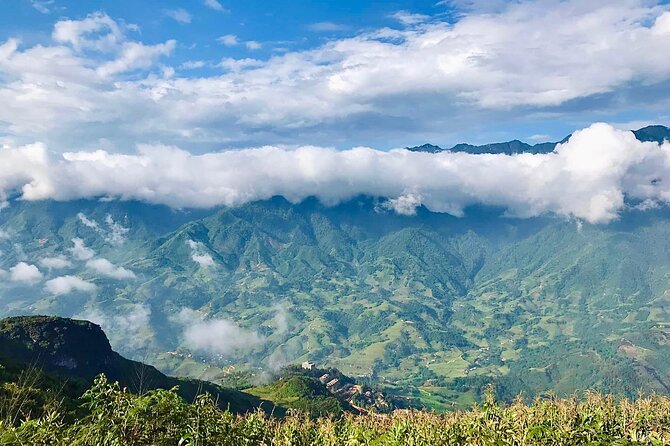
The best part of this trek is the change in scenery as you climb out of Sapa. From the high ridge near Dragon Jaw Mountain, you can look across Sapa town, scattered villages, and the Muong Hoa Valley before dropping onto narrower paths through bamboo, farms, and rice terraces. I like the strong mix of mountain views and local life, and I like that your guide can explain the Hmong and Dao communities you meet along the route.
I also appreciate the personal guiding. Guides such as Nhu, Zo, Chu, Phenh, and TJ have helped set a comfortable pace and explain local customs, plants, clothing, and family life. The main caution is the terrain: this is not a gentle stroll. Steep climbs, uneven ground, mud, and a long descent can make the day tiring, especially after rain.
Key points at a glance
- Dragon Jaw views: Climb from Sapa toward a high point described at about 1,970 meters, with broad views over town and the Muong Hoa Valley.
- Local village life: Visit Hang Da, Hau Chu Ngai, and Giang Ta Chai, with connections to Black Hmong and Red Dao communities.
- A demanding route: Plan for roughly 5 to 6 hours, though the walking can take longer at a slow pace or in wet conditions.
- Guides make the difference: Nhu, Zo, Phenh, Chu, TJ, and other local guides have helped with pacing, translation, and cultural explanation.
- Lunch and transport included: Bottled water, lunch, entry fees, a local guide, and the ride back to Sapa are included in the $35 price.
- Private group format: Only your group takes part, useful if you want the pace adjusted for a mixed-ability party.
Climbing from Sapa toward Dragon Jaw Mountain
The day begins at 9 a.m. in central Sapa. Your guide picks you up at your hotel or meets you near Sapa Church, then explains the route before you set off.
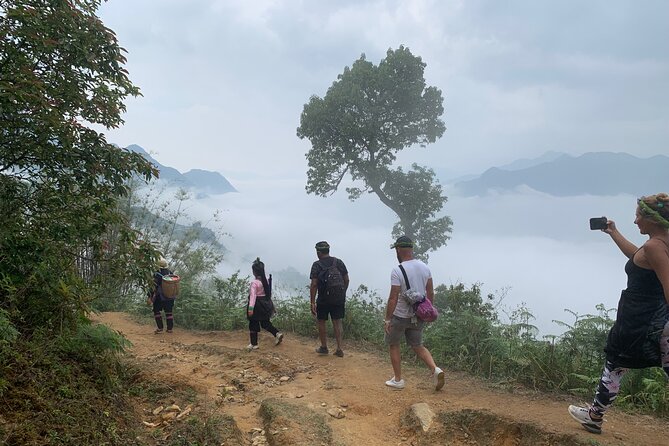
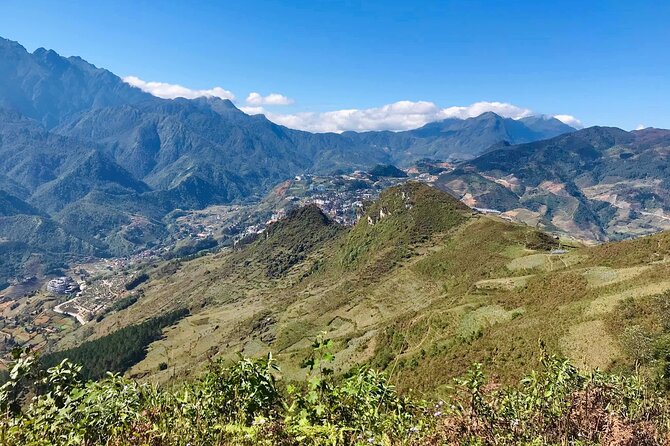
The first section leads from town toward Ham Rong Mountain and the high ground associated with Dragon Jaw Mountain. The names can be presented slightly differently along the route, but the point is the same: you are climbing above Sapa for the views. The summit area is described at about 1,970 meters, and this is where you get the broadest look back toward the town and across the valley.
This opening climb is the hardest part for many people. You will deal with inclines, uneven surfaces, and changing conditions underfoot. Several people have needed a slower pace early in the day, and guides such as Nhu have adjusted the route when a less experienced hiker struggled.
I would not book this as a casual sightseeing walk. You need moderate fitness and enough stamina for repeated uphill sections. One useful tip is to bring walking poles, especially if you are over 40 or simply prefer extra support on steep ground. They help on the descent as much as on the climb.
The reward is visual variety. On a clear day, you may see Sapa below, mountain ridges beyond the town, and rice fields spread through the Muong Hoa Valley. On wet days, cloud can cover the views completely. The trail still has its appeal in mist and rain, but you should not assume the famous valley panorama will appear.
More one-day treks around Sapa
- From Sapa: 1-Day Guided Trek to Lao Chai & Ta Van with Lunch
★ 4.9 · 416 reviews - Sapa 1 Day Long Trek: Trek to Hau Thao and Sa Seng Villages
★ 4.6 · 344 reviews - 1-day Authentik trek & Panorama valley views
★ 5.0 · 189 reviews
Hang Da Village and the first look into local life
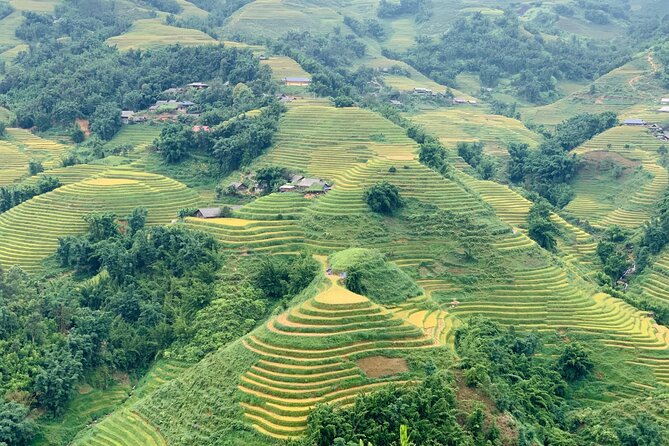
After the mountain section, the route continues toward Hang Da Village, a Hmong settlement known for large rocks, mountain scenery, and views over the Sapa area. This is a useful point in the walk because the day shifts from high viewpoints to village paths and human-scale details.
Hang Da is associated with the Black Hmong people. Your guide can explain local life and customs as you walk, which gives the scenery more meaning than a quick photo stop. You might see homes, farmland, animals, and paths used for daily travel, although the exact views depend on weather and the season.
The route through this section is not polished for sightseeing. That is part of its appeal, but it also means you should watch each step. Mud can be heavy after rain, and the ground may be slippery. One person recorded about 20,000 steps, or roughly nine miles, on a version of the walk, with nearly half the distance uphill. The exact total can vary, but that gives you a useful idea of the physical effort.
The guide is especially important here. Nhu has been praised for answering questions about family life and Hmong culture. Zo has explained tribal differences, plants, and local customs in clear English. Chu has also been valued for giving background on the area and the Hmong people. The quality of your day depends heavily on how much you ask and how willing you are to walk at the group’s pace.
Lunch after the long morning walk
Lunch comes after the uphill and village sections, around the middle of the day. The meal is included, along with bottled water, so you do not need to organize a separate lunch stop.
The food has received mixed but generally positive reactions. Some meals have included local dishes and rice from the Sapa terraces, while another meal was described as tasty but plain. The important practical point is that lunch may be served at a small local restaurant rather than inside a family home. If you are expecting a private home meal, adjust that expectation.
This is also a good time to take stock of your energy. The route continues after lunch, and the afternoon includes more walking rather than a short sightseeing stop. If you are hiking with children, older relatives, or a friend who is new to mountain walking, tell the guide early. The pace can be adjusted, and in at least one case a guide changed to an easier route so a novice hiker could continue comfortably.
Hau Chu Ngai and the bamboo forest paths
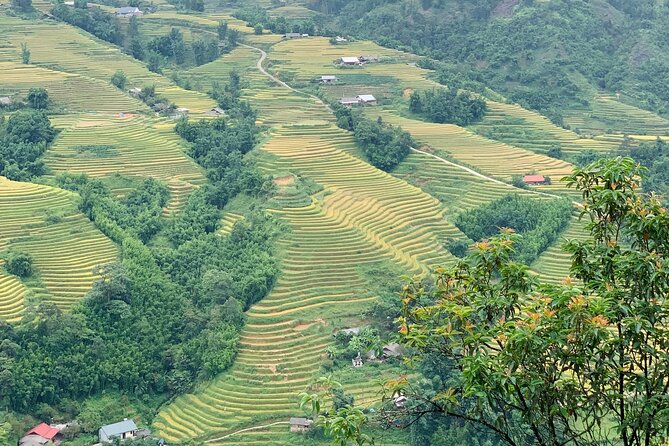
After lunch, you continue toward Hau Chu Ngai along village roads and short trails through a small bamboo forest. This section provides a welcome change from the exposed climb. Bamboo, narrow paths, and mountain greenery make the walk feel quieter and more enclosed.
The route then heads down toward Giang Ta Chai. This descent is often where tired legs become noticeable. Coming down can be harder than expected when the ground is muddy or slick, and the uneven surfaces require steady attention. A guide who stays near the slowest person is valuable here. TJ, Nhu, and other local guides have been praised for patience and for helping people through difficult sections.
The walk is flexible in spirit, but you should not confuse that with an easy route. Guides can pause for breaks and alter the pace, yet the group still has to cover the mountain paths. Wear shoes with a secure grip, bring clothing that can handle mud, and carry only what you need.
The bamboo section is also one of the more atmospheric parts of the day. It is less about one major viewpoint and more about seeing how footpaths link villages, fields, and forested slopes. If you value a slower walk with room for questions, this part can be more rewarding than racing from one photo stop to another.
More treks around Sapa:
- Sa Pa: Muong Hoa Valley Trek and Local Ethnic Villages
★ 4.6 · 864 reviews - Sapa: Eco Adventure Terrace Fields and Local Villages Trek
★ 4.9 · 636 reviews - Number one top rated ethical cultural trekking and homestay by ETHOS
★ 5.0 · 456 reviews - Sa Pa Full Day Trekking Tour
★ 5.0 · 414 reviews
Giang Ta Chai Village and the small museum
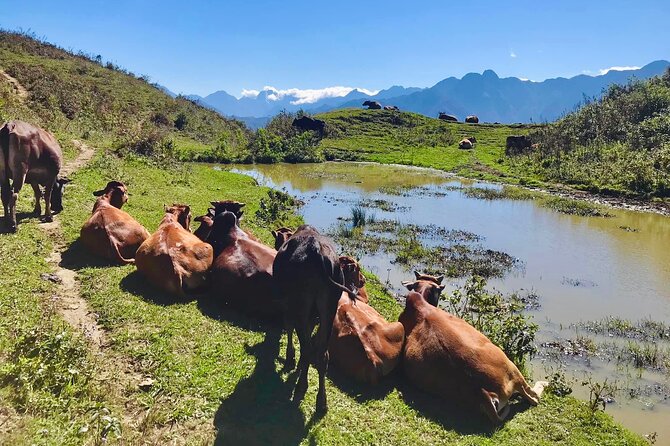
Giang Ta Chai is the final main village visit. The area is associated with Black Hmong and Red Dao people, and your guide introduces aspects of local clothing, customs, and daily culture.
A small museum is included in the visit. You can see traditional clothing and learn about local practices, with the guide providing context. This stop lasts about 30 minutes, so it is not a long formal museum tour. Think of it as a compact cultural visit that adds detail to what you have seen on the paths.
The Red Dao connection is particularly useful because it lets you compare community traditions encountered during the day. The best guides do not simply point out clothing or identify an ethnic group. They explain how customs fit into family life and the wider mountain setting. That is where guides such as Zo, Nhu, Chu, and Phenh add real value.
After Giang Ta Chai, transportation takes you back to Sapa. The ride is included, which matters after several hours on foot. The published duration is about 5 to 6 hours, but accounts of the walk have reached 6 to 7 hours when the group moves slowly, stops often, or faces rain and slippery ground. Keep your evening plans loose.
What the $35 price really covers
At $35 per person, this is a strong-value way to see several parts of the Sapa region in one day. The price includes a local guide, lunch, bottled water, village entry fees, and transport back to town. Those inclusions remove several small costs that can otherwise add up.
The private format is another advantage. Only your group takes part, so you are not tied to a large mixed crowd. Group discounts are also offered, though the exact discount is not specified. If your party includes both experienced walkers and beginners, the private setup gives the guide more room to adjust the pace.
The price does not include tips, personal expenses, or insurance. You should also budget for suitable footwear and rain protection if you do not already have them. The tour is good value because it combines scenery, villages, lunch, guiding, and return transport, not because it offers a short or effortless walk.
Weather, fitness, and the right season
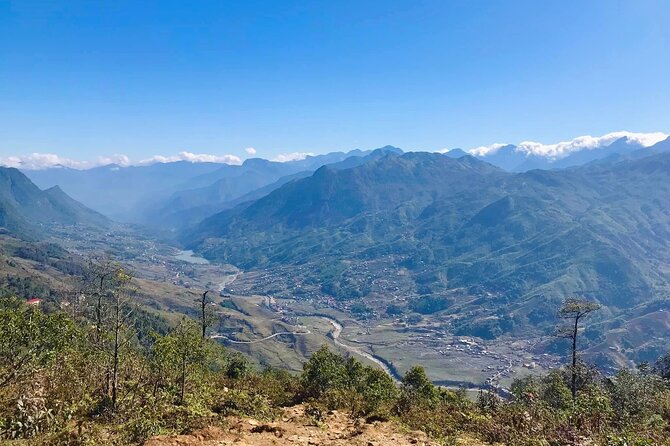
Your weather choice can shape the day. Rain turns parts of the route muddy and slippery, and cloud can hide the valley and mountain views. One June walk had heavy rain, limited visibility, and a slower pace because of the wet ground.
March and April, along with September and October, have been suggested as better periods for trekking. That does not guarantee clear weather, but these months may offer a better balance for walking and views than the rainy conditions described in June.
You need a moderate level of physical fitness. The route includes long climbs, uneven paths, a descent, and approximately five to six hours of activity. Some people have completed it at a manageable pace with regular breaks, including a group ranging from age 15 to 51. Still, basic stamina matters more than age alone.
I would not choose this activity if you want a short, flat introduction to Sapa. I would choose it if you want exercise, mountain scenery, and real village routes in one day. Beginners can take part, but they should tell the guide if they need a slower pace or an easier option.
Who will enjoy this Sapa trek most
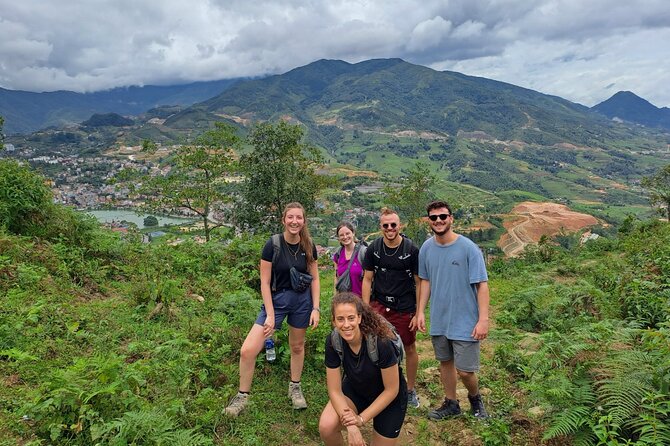
This trek suits you if you want more than a viewpoint and a quick photo. It gives you a full day of movement, with time to ask questions and see several communities connected by mountain paths.
It is particularly good for:
- Active first-time visitors to Sapa: You get a strong introduction to the town, mountains, rice valleys, and village culture.
- Small private groups: The guide can respond to your pace and interests more easily than on a large group outing.
- People interested in local culture: Hmong and Dao traditions are explained throughout the day, then reinforced at the Giang Ta Chai museum.
- Photographers: Dragon Jaw, Hang Da, rice terraces, bamboo trails, and village paths offer varied subjects, though clear views depend on weather.
- Hikers who prefer guidance: The route includes difficult sections where local knowledge and steady encouragement are useful.
It is less suitable if you have limited mobility, dislike mud, or want a predictable finish time. The route is physically active, and the walking time can stretch beyond the stated duration.
Small details that improve the day
Start with practical clothing rather than city clothes. Wear shoes with good grip, carry rain protection, and keep your hands free for balance on steep or slippery sections. A walking pole is worth considering for the climb and descent.
Ask questions as you go. Guides such as Nhu, Zo, Phenh, Chu, TJ, and Keyni have been appreciated for explaining culture, plants, clothing, and family life. You will get more from the day if you treat the guide as a local interpreter, not just someone who leads the way.
Bring patience for changing conditions. A clear morning can become cloudy, and a dry path can turn muddy after rain. The mountain views are a major reason to book, but the village roads, bamboo forest, and cultural stops still give the day value when the clouds move in.
Free cancellation is available if you cancel at least 24 hours before the 9 a.m. start. Changes or cancellations made later are not accepted for a refund, so keep that deadline in mind when planning around Sapa weather.
Should you book this Dragon Jaw and Muong Hoa trek?
I would book it if you have one active day in Sapa and want a balanced introduction to the region. The combination of high views, rice terraces, Hmong and Dao villages, a local lunch, and a private guide gives you more depth than a simple town excursion.
I would skip it only if steep paths and mud sound unpleasant, or if your main goal is a relaxed ride to scenic viewpoints. For everyone else, $35 is a fair price for a demanding but substantial day. Go with sturdy footwear, a flexible schedule, and realistic expectations about the climb. The best part is not just reaching the high point. It is seeing how the mountain, villages, farms, and people fit together along the way.
FAQ
Where does the trek start?
It starts in Sa Pa, Lao Cai, Vietnam, at 9 a.m. Your guide can pick you up at your hotel or meet you at Sapa Church.
How long does the activity take?
The stated duration is approximately 5 to 6 hours. The walk may take 6 to 7 hours if the group moves slowly, takes more breaks, or encounters rain and slippery ground.
What places does the route visit?
The route includes Ham Rong Mountain, Dragon Jaw Mountain, Hang Da Village, Hau Chu Ngai, a small bamboo forest, the Muong Hoa Valley area, and Giang Ta Chai Village.
Is lunch included?
Yes. Lunch and bottled water are included. The meal may be served at a small local restaurant rather than in a local family home.
What ethnic communities are connected to the route?
Hang Da is associated with the Black Hmong people. Giang Ta Chai is connected with Black Hmong and Red Dao communities.
Is the trek physically difficult?
You should have a moderate level of physical fitness. The route includes steep climbs, uneven paths, mud, and a descent. Walking poles can help on the steeper sections.
Is the tour private?
Yes. Only your group takes part in the activity. The guide can adjust the pace and may be able to use an easier route if someone in your group is struggling.
What is included in the price?
The $35 price includes a local guide, bottled water, lunch, village entry fees, and transportation back to town. Tips, personal expenses, and insurance are not included.
New treks around Sapa
- Sapa: 2-Day Local Guided Valley Trek with Night Homestay★ 5.0 · 27 reviews
- SAPA: 1-DAY TREKKING TOUR WITH LOCALS, LUNCH & RICE FIELDS★ 4.7 · 18 reviews
- Sapa: 2-Day Local Guided Valley Trek with Night Homestay★ 4.8 · 5 reviews
- Sa Pa: Fansipan Peak One Day Trek with Local Guide★ 5.0 · 7 reviews
- Red Dao Village Trek and Herbal Bath★ 4.7 · 3 reviews
- Private Hoang Lien National Park & Tribal Village Trek★ 4.7 · 30 reviews
- From Sapa: Muong Hoa Valley View & Village Trek 1-Day★ 5.0 · 21 reviews
- Sapa: Private Muong Hoa Valley and Homestay Trekking 2-Day★ 4.8 · 4 reviews
Sapa Trekking Tours, side by side.
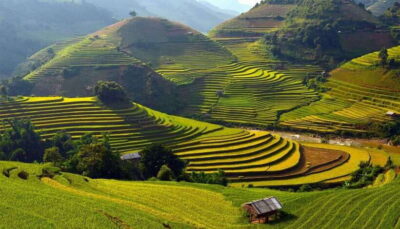
Sa Pa: Muong Hoa Valley Trek and Local Ethnic Villages
Read our review →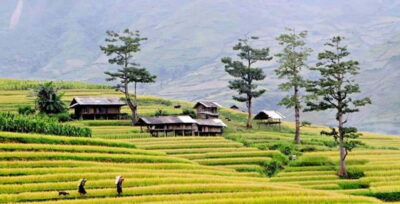
Sapa: Eco Adventure Terrace Fields and Local Villages Trek
Read our review →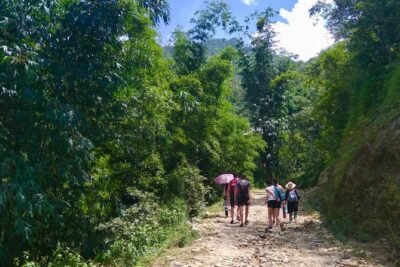
Number one top rated ethical cultural trekking and homestay by ETHOS
Read our review →
From Sapa: 1-Day Guided Trek to Lao Chai & Ta Van with Lunch
Read our review →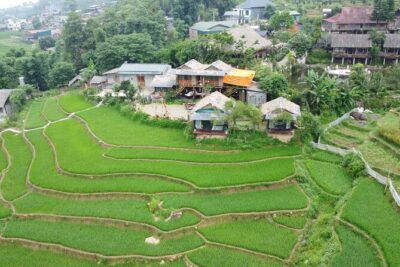
Sapa 1 Day Long Trek: Trek to Hau Thao and Sa Seng Villages
Read our review →
Explore Sapa by TrekkingAdventures, Mountain,Rice fields
Read our review →
EXPLORE SAPA: 2D1N TREKKING & HMONG CULTURE WITH DINH
Read our review →Lists this trek appears in