
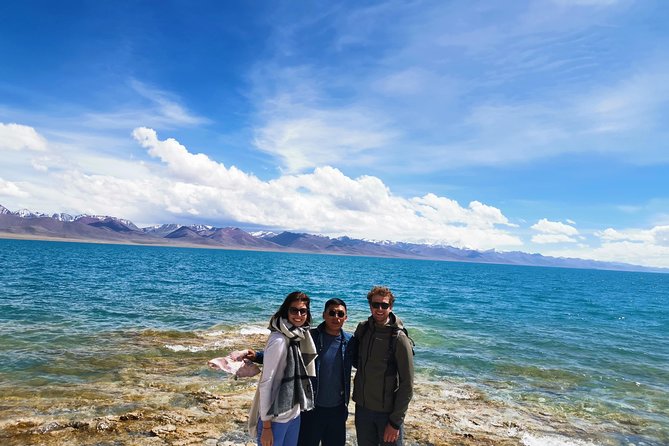
Review · CHINA
Tibet Tour 15 Days Lhasa to Kailash Trekking Small Group via EBC
Mount Kailash is the heart of this trip, but the route earns its keep long before the trek begins. You move from Lhasa’s temples to Everest Base Camp, then across the high plateau to Manasarovar and the three-day kora around sacred Kailash. It is a serious high-altitude journey, not a soft sightseeing holiday.
I like the small group of up to 12 and the practical setup: airport or train pickup, permits, a local English-speaking guide, a minibus, oxygen in the vehicle, and entrance fees are arranged. I also like the range of places covered, from Potala Palace and Jokhang Temple to Rongbuk Monastery, Sakya, and the huge views from Gyawula Pass.
The main caution is altitude. The trek crosses Dromala Pass at 5,630 meters, after several days of driving above 4,000 meters. Long road days, basic overnight stops, changing weather, and unclear meal details mean you should read the fine print and confirm the current arrangements before paying.
Key points at a glance
- Mount Kailash kora: Three trekking days include the demanding crossing of Dromala Pass at 5,630 meters.
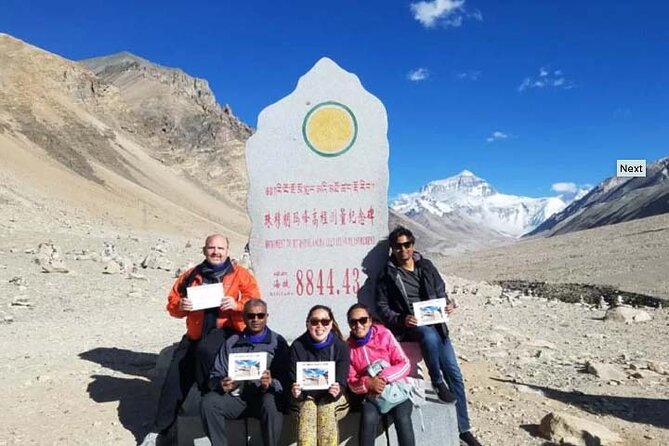
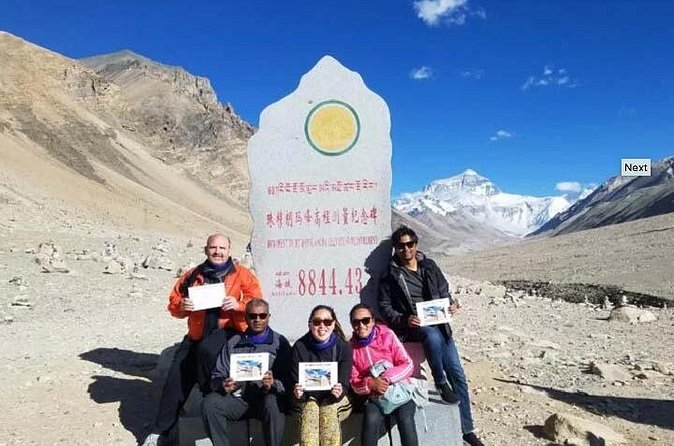
- Everest by road: Reach the Everest Base Camp area through Gyatsola Pass and Gyawula Pass, with a chance to see Everest at sunrise.
- Lhasa culture first: Visit Potala Palace, Jokhang Temple, Barkhor Street, Drepung, and Sera before heading west.
- A capable guide matters: Lhakpa Tenzin and Dicky are named in the tour feedback as calm, helpful, and strong with local history and practical support.
- Permits and transport included: Tibet permits, a Chinese visa invitation letter if needed, airport transfers, a minibus, and an oxygen cylinder in the vehicle are part of the package.
- Check the meal wording: The inclusion list mentions lunch and dinner, then says all lunches and dinners are excluded. Get written clarification.
Lhasa gives you three days to adjust
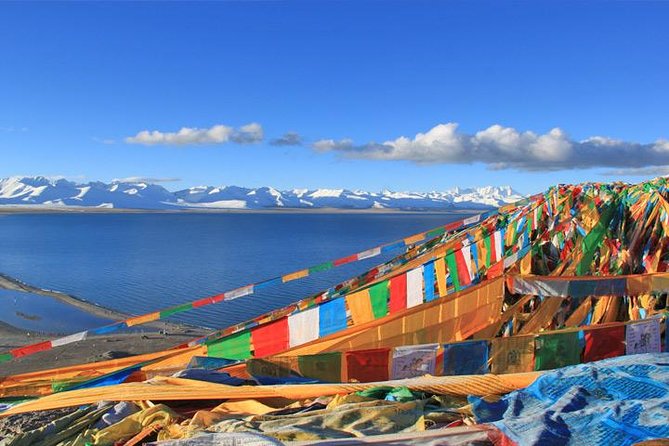
The trip begins with pickup at Lhasa airport or the train station, followed by transfer to your hotel. Day one is intentionally light. You check in, rest, and begin adjusting to the altitude rather than rushing into monuments.
That pause is useful. The itinerary later reaches much higher ground, so the first day is not wasted time. The tour lists three nights in Lhasa, with twin-sharing accommodation and breakfast arrangements. A single room costs extra if available.
Day two begins with Potala Palace, the former winter palace of the Dalai Lama. Allow about 90 minutes inside. The palace is not simply a grand photo stop. Its rooms, religious objects, and collections give you a first look at Tibetan Buddhist power and devotion. The visit is timed and structured, so listen closely to the guide rather than expecting a slow, free-form wander.
After lunch, Jokhang Temple brings you closer to the living religious center of Lhasa. Inside, the statue of Buddha Sakyamuni is the focus. Outside, Barkhor Street gives you room to walk the kora with local pilgrims and browse the old market. You may also taste Tibetan tea in a local teahouse. This is one of the best parts of the opening days because it connects the grand monuments with ordinary religious practice.
Day three adds Drepung Monastery and Sera Monastery. The route also includes Dadong Village, described as an old Tibetan village about 25 kilometers southwest of Lhasa. Drepung receives about two hours, while Sera is scheduled for two hours in the afternoon.
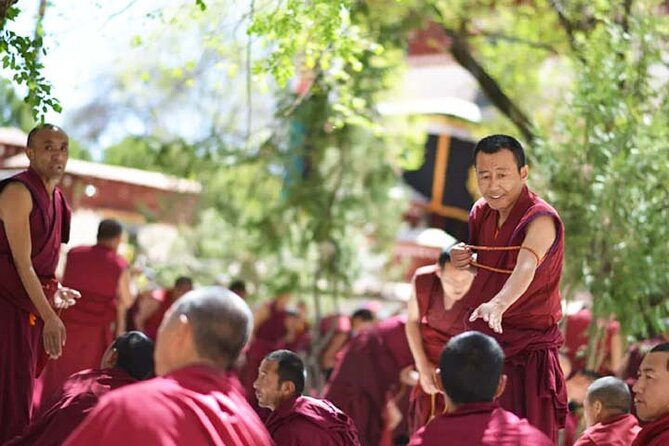
Time your expectations around Sera’s famous monk debates, usually held from about 3 to 5 p.m. The sharp gestures and rapid exchanges are memorable, but the schedule can feel full if you want long, quiet visits. The benefit of a guide is clear here. Names, sects, religious customs, and monastery details are much easier to follow with explanation.
More treks around the world:
- Mount Etna: Trek to 3000m with cable car and 4×4
★ 4.6 · 3,823 reviews - Bali: Mount Batur Sunrise Trek With Guide and Breakfast
★ 4.8 · 3,461 reviews - From Chania: Full-Day Samaria Gorge Trek Excursion & Guide
★ 4.6 · 3,191 reviews
Yamdrok and Gyantse bring the first long road day
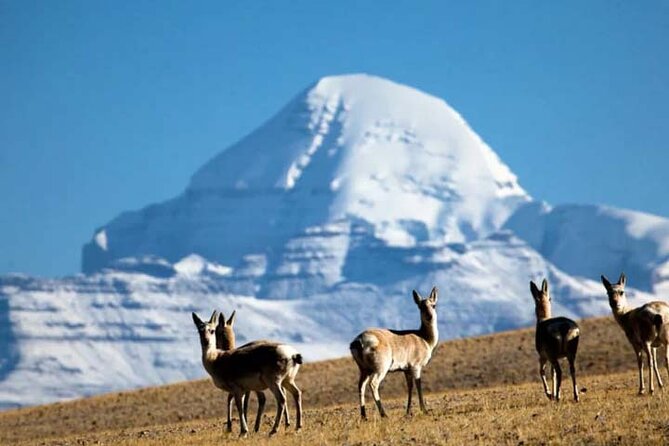
Day four leaves Lhasa for Shigatse, with stops at Yamdrok Yumtso, Karo La Glacier, and Palkhor Monastery. The road climbs Gampala Pass at 4,790 meters, and Yamdrok Lake sits at about 4,400 meters. You get roughly 40 minutes at the lake, enough for photographs and a first look at the huge scale of the plateau, but not enough for a long walk.
The route continues past Karo La Glacier and Manak Dam Lake, where you can hang prayer flags at Simila Mountain Pass. These stops break up the drive, though the day remains road-heavy. If you dislike long stretches in a vehicle, this is an important part of the decision.
Gyantse was once Tibet’s third-largest city after Lhasa and Shigatse. Palkhor Monastery and the Gyantse Kumbum are the key visits. The Kumbum, a large Buddhist stupa with murals and religious images, is one of the more distinctive architectural stops on the route. You also get a view toward Gyantse Fortress.
The tour uses a comfortable van or minibus with an experienced local driver, and fuel is included. A group capped at 12 should make stops and loading easier than a large coach tour, though actual group size depends on bookings.
Shigatse leads into Everest country
On day five, Tashilhunpo Monastery introduces you to the religious home of the Panchen Lama. Give it about 90 minutes. It is a major monastery visit, but this is also the point when the trip shifts from cultural touring to remote road travel.
After the necessary travel permit arrangements in Shigatse, you drive toward Lhatse for lunch, then continue toward the Everest region. The route crosses Tsola Pass at about 4,600 meters and Gyatsola Pass at 5,248 meters. Inside Qomolangma National Nature Preserve, the view from Gyawula Pass, about 5,198 meters, can open across the Himalayas.
This day includes about 12 hours at the nature preserve and involves a great deal of driving. Weather controls the payoff. On a clear day, you may see Everest and other Himalayan peaks. On a cloudy day, the road and high passes still define the experience, but the mountain views may be limited.
Day six starts with a possible Everest sunrise from the lodging area. The wording matters: it is available if weather permits. Do not treat the view as guaranteed.
Rongbuk Monastery is another strong stop. It is described as the highest monastery, with nuns and monks living together. Afterward, the route heads toward Saga, with views of Shishapangma and Pekutso Lake. The changing scenery helps, but you should prepare for long hours, basic conditions, and limited control over the pace.
The Kailash kora is the physical center of the trip
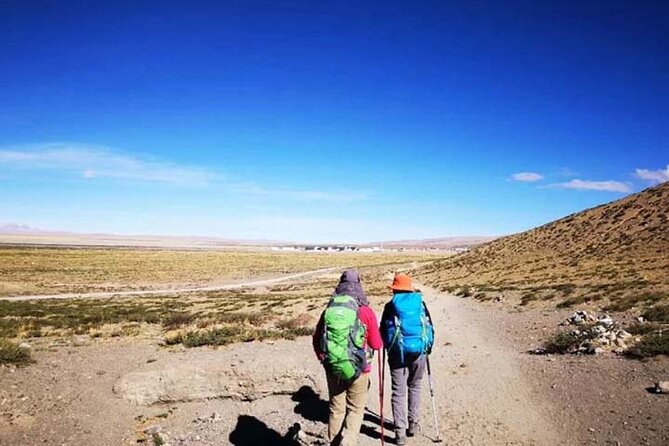
From Saga, the route reaches the Manasarovar area and then Darchen, the usual base for the Kailash trek. Day seven includes the Manasarovar wetlands and views across the Saga valley between the Gangdise and Himalayan ranges. Grassland and local villages appear along the way.
Day eight begins the kora. An eco-bus takes you from Darchen to Sarshung Valley, where you meet yaks and porters. Their fees are not included, so budget separately if you want help carrying equipment or supplies. The first trekking day is listed at about 12 hours, which signals a demanding schedule even before the highest pass.
The route passes religious sites and high open ground, with local Tibetans completing prostrations along the kora path. You may also see Kadoe Lake. The power of this section comes from the mix of pilgrimage and scenery. This is not a regular mountain walk. Kailash has major meaning in several Asian religious traditions, and the path remains an active place of devotion.
Day nine crosses Dromala Pass at 5,630 meters, the highest point of the kora. A teahouse offers a place to rest along the way. The altitude is the central issue here. Even fit walkers should take the pace seriously, follow the guide’s instructions, and understand that the group must deal with weather, fatigue, and individual limits.
Day ten is shorter, with about 7 kilometers of trekking to Zongto. Mani stones line the route, and a bus takes you back to Darchen around midday. The afternoon is set aside for rest, with an optional activity mentioned but not clearly described in the supplied details.
This section is the reason to book the trip, and also the reason not to book it casually. The tour says most people can participate, but a 5,630-meter pass and multi-day trek demand careful preparation. The included oxygen cylinder is carried in the vehicle, not presented as a substitute for acclimatization or medical care.
Same mountains, a different route up:
- Mount Etna: Summit Crater Trek with Cable Car
★ 4.8 · 1,875 reviews - La Palma: Tajogaite Volcano Guided Trek
★ 4.8 · 1,810 reviews - Etna: summit craters trekking with volcano guide 3350mt
★ 4.7 · 1,712 reviews - From Rethymno: Samaria Gorge Full-Day Trek, Pickup & Guide
★ 4.5 · 1,610 reviews
The return route adds Manasarovar, Sakya, and Nyemo
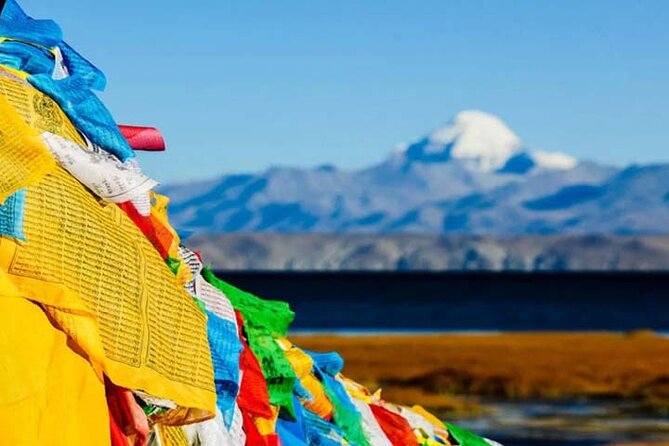
Day eleven drives from Darchen to Saga via Lake Manasarovar. Day twelve continues from Saga to Sakya. These are long transfer days, but they prevent the trip from simply retracing the same route and add a chance to see more of the high plateau.
Sakya receives its own visit on day thirteen. The monastery is known here for murals, scriptures, and statues. You then drive to Shigatse. After the physical effort of the kora, this is a quieter cultural stop, but it still involves road time.
Day fourteen follows the Yalong Valley back toward Lhasa. At a viewing platform, you can look over the broad Yalong River bed. The route may also include a water mill used in making Tibetan incense material during summer, if time allows. The final evening is in Lhasa, and day fifteen marks the end of the more than 2,000-kilometer journey.
The ending is practical rather than ceremonial. If you need a later airport or train transfer, the operator can arrange it for an additional service, so confirm the timing of your onward ticket before the final day.
What the $2,069 price really covers
At $2,069 per person, the price is attractive for a 15-day route covering Lhasa, Everest, Kailash, Manasarovar, Shigatse, and Sakya. Permits in Tibet can be complicated, and the package includes the Tibet Travel Permit and other required permits, though not the Chinese L visa itself.
You also receive airport or train transfers, transportation, fuel, an English-speaking Tibetan guide, drinking water, liability travel insurance, an oxygen cylinder in the vehicle, a Tibet map, listed entrance tickets, and the Everest Base Camp shuttle bus and platform fee. Hotels with breakfast are specified in Lhasa and Shigatse, based on twin sharing.
There is one important pricing problem. The inclusion list says lunch and dinner are included, then the exclusion list says all lunches and dinners are not included. Those statements conflict. Ask the operator to confirm exactly what meals, if any, are covered before booking. Breakfast is listed as seven meals, not 14, so do not assume every meal is included.
A single room supplement applies and depends on availability. Tips for the guide and driver are not included. Your flight or train to Lhasa is also separate, although the operator says it can help arrange it.
Guides, permits, and the paperwork you cannot ignore
The best part of an organized Tibet trip is the paperwork. You need to book at least 20 days ahead so the operator can obtain permits, and you must provide passport and Chinese visa copies at least 20 days before departure. Confirmation is normally issued within 48 hours, subject to availability.
Visa rules depend on your route into Tibet. If you fly from Kathmandu, do not apply for a Chinese L visa in advance. The supplied instructions say you need a Tibet Group Visa through the Chinese Embassy in Kathmandu, arranged with the travel agency and its invitation letter. If you enter from another Chinese city by flight or train, you need a Chinese L visa from the Chinese Embassy in your home country.
The guide can make a major difference on this route. Lhakpa Tenzin is praised for clear explanations, local knowledge, calm support, humor, and attention to safety. Dicky is also described as helpful with daily plans, food choices, and practical problems. Guide assignment can change, so treat these names as examples rather than a promise.
Who should book this high-altitude route
I would choose this tour if you want one organized trip that combines major Tibetan monasteries, Everest views, and the Kailash kora. It suits someone who values local explanation and permit support more than independent control over the schedule.
I would think twice if you want comfortable hotels every night, short drives, flexible meal stops, or a gentle introduction to mountain walking. The itinerary has several very long driving days and includes overnight conditions that are not fully described. The Kailash section is physically serious.
The group limit of 12 is a useful middle ground. You get more company and shared transport without the scale of a large coach. Still, ask about the exact vehicle, room arrangements outside Lhasa and Shigatse, meal coverage, and the current trek lodging before committing.
Should you book it?
Book this tour if Kailash is your main goal and you also want Lhasa, Everest Base Camp, and western Tibet in one carefully arranged route. The permits, local guide, transportation, and long list of entrance fees add real value at $2,069.
Do not book until you clarify the meal contradiction, accommodation outside the named cities, single-room cost, and current permit timing. If those details are acceptable and you are ready for extreme altitude, this is an ambitious and unusually broad introduction to Tibet. If comfort and slow travel matter more, choose a shorter Lhasa-focused trip.
FAQ
How long is the Tibet and Kailash tour?
The tour lasts 15 days and covers more than 2,000 kilometers, beginning and ending in Lhasa.
What is the highest point on the Kailash trek?
The kora crosses Dromala Pass at approximately 5,630 meters.
Is the tour suitable for most people?
The supplied information says most travelers can participate, but the itinerary includes high-altitude driving and trekking. The Kailash kora is demanding, so you should consider your own ability carefully.
Are Tibet permits included?
Yes. The Tibet Travel Permit and other necessary Tibet permits are included. The Chinese L visa is excluded.
Is transportation from the Lhasa airport or train station included?
Yes. Pickup and drop-off between Lhasa airport or the train station and the city are included, but the supplier must arrange the service.
Are meals included?
The information is inconsistent. One section lists lunch and dinner as included, while another says all lunches and dinners are excluded. Confirm the meal arrangement in writing before booking. Breakfast is listed as seven meals.
New treks around the world
- Sapa: 2-Day Local Guided Valley Trek with Night Homestay★ 5.0 · 27 reviews
- SAPA: 1-DAY TREKKING TOUR WITH LOCALS, LUNCH & RICE FIELDS★ 4.7 · 18 reviews
- Sapa: 2-Day Local Guided Valley Trek with Night Homestay★ 4.8 · 5 reviews
- Santa Marta: Trekking in Minca Complete Waterfall Circuit★ 4.4 · 28 reviews
- Santiago: Longueira, Pico de Antónia & Monte Tchota Trek★ 4.8 · 10 reviews
- Santiago: Trek from Serra Malagueta to Rabelados Community★ 5.0 · 16 reviews
- Santiago Island: Serra Malagueta & Tarrafal Beach Trek Tour★ 4.8 · 61 reviews
- Santa Marta: Multi-Day Trek to The Lost City★ 4.8 · 40 reviews