
Review · CUSCO
Cusco: 4-Day Lares Trek to Machu Picchu with Panoramic Train
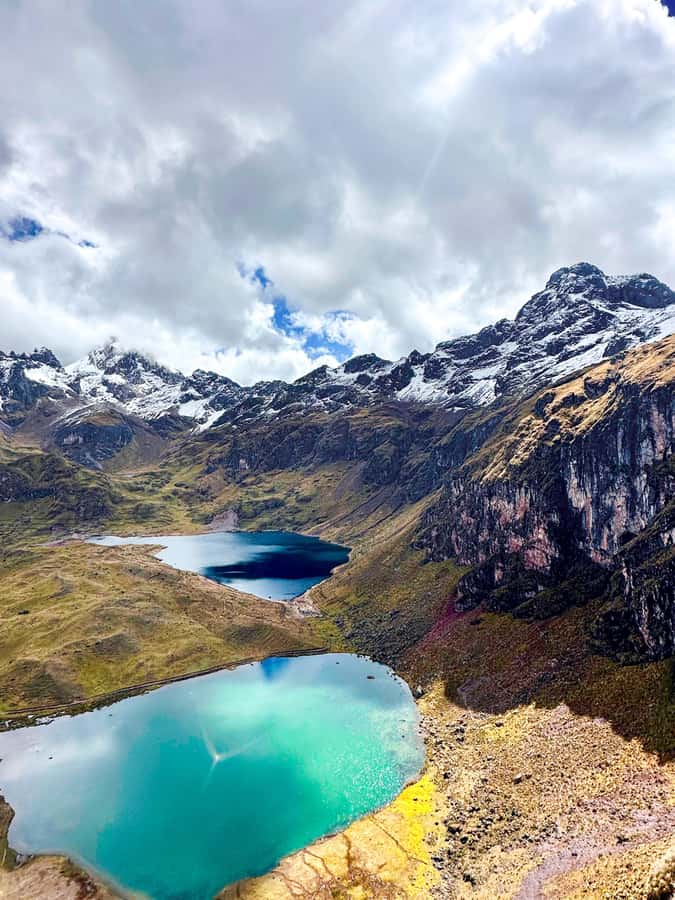
The best part of this four-day trip is the way it reaches Machu Picchu by a quieter route. You spend two nights camping among potato fields, alpacas, lakes, and snowy peaks before joining the Sacred Valley route by van and train. Condor Pass at 4,750 meters is the big physical test, but it rewards you with huge views and a real sense of the Andes.
I like the hot springs at Lares, which give you a warm start before the trek, and I like the visits to weaving communities and Canchacancha village. These stops add human contact to what could otherwise be just a mountain walk. The main catch is altitude: cold nights, thin air, and a long climb make this a serious trek, even though the pace can be adjusted.
- Condor Pass at 4,750 meters: The highest and hardest point, with snowy peaks and turquoise lakes below.
- Two nights under canvas: Camp beside mountain scenery, with cooks preparing three dinners, three lunches, and four breakfasts.
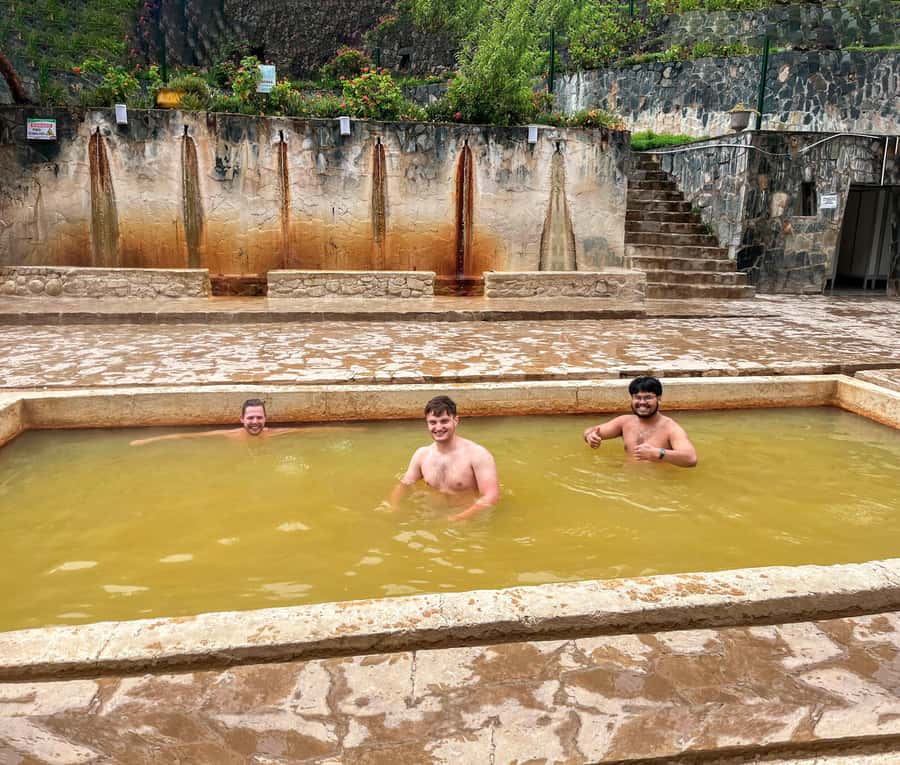
- Lares hot springs: A warm soak with mountain views before the walking begins.
- Andean village visits: Meet weaving families, see Canchacancha homes and school, and learn simple Quechua phrases.
- A strong finish: Combine Maras, Ollantaytambo, Machu Picchu, and the Vistadome train without adding a separate tour.
- Helpful support: Muleteers carry food and equipment, plus up to 7 kilograms of your personal camping gear.
Why the Lares route is worth your time
Many people reach Machu Picchu by the classic Inca Trail or by train from the Sacred Valley. This route takes a different path. It gives you a two-day mountain trek, but also makes space for local communities, traditional weaving, hot springs, salt production, and Ollantaytambo.
That mix is the real value. You are not simply walking toward an archaeological site. You are seeing how highland families work with alpacas, potatoes, wool, water, and steep valleys. The trip also avoids the need to arrange several separate day tours.
At $690 per person, the price is not low, but it covers a lot: transport from Cusco, entrance fees, two nights of camping, a hotel night, meals during the trek, mule support, the Machu Picchu bus, and the Vistadome return train. You also receive a duffle bag carried by muleteers, with a limit of 7 kilograms.
The main question is not simply if the price is fair. It is whether you want this level of support and a tightly planned four-day route. Booking each part alone might look cheaper at first, but you would then need to coordinate mountain transport, food, camping equipment, rail tickets, and Machu Picchu entry times.
Day one, from Calca market to Blue Lagoon
Pickup begins early from Cusco or the Sacred Valley. You first stop in Calca, where the market gives you a quick look at everyday food and trade in the region. It is a useful contrast to the polished visitor areas around Cusco.
The ancient site of Ancashmarca follows. This is a small archaeological stop rather than a full-day ruin visit, but it helps set the scene before you reach the high plateau. You also stop to see Puyas de Raimondi, a rare giant bromeliad known for its tall flowering stalk.
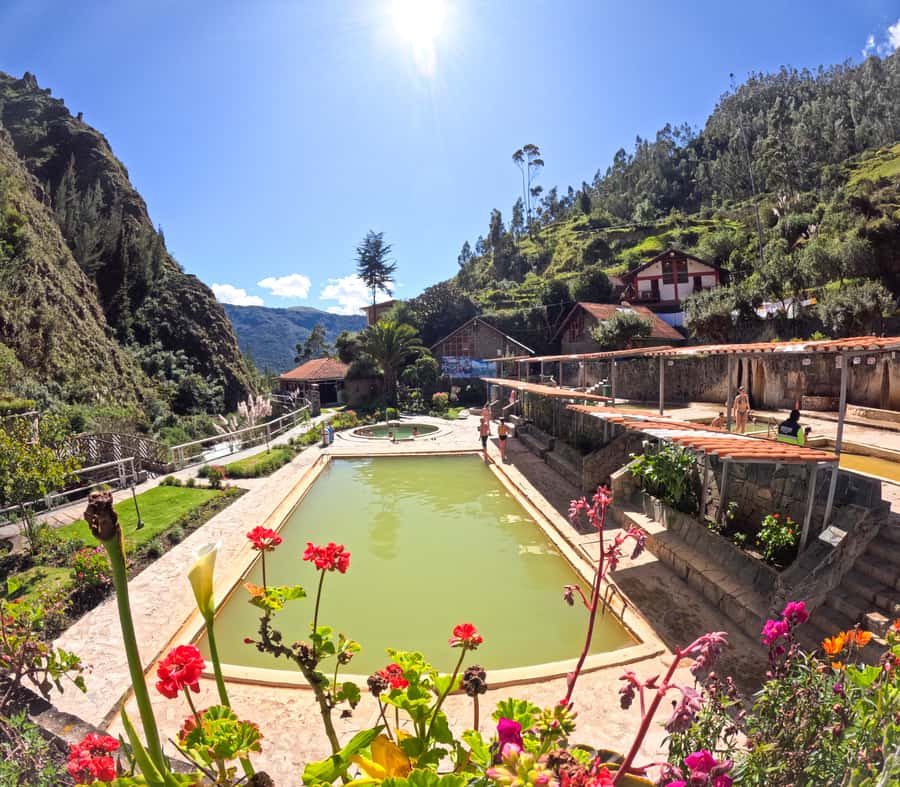
The first major comfort stop is Lares Hot Springs. Breakfast is served here, and you have time to relax in the pools with mountain views. This is more than a pleasant extra. Starting a high-altitude trek after a warm soak can help you settle into the slower pace you will need for the next two days.
After Lares, you visit a weaving cooperative. The focus is on Andean textile traditions, and the visit supports women-run community work. You can expect an explanation of the weaving process and a chance to see the skill behind the patterns and wool garments sold in the region.
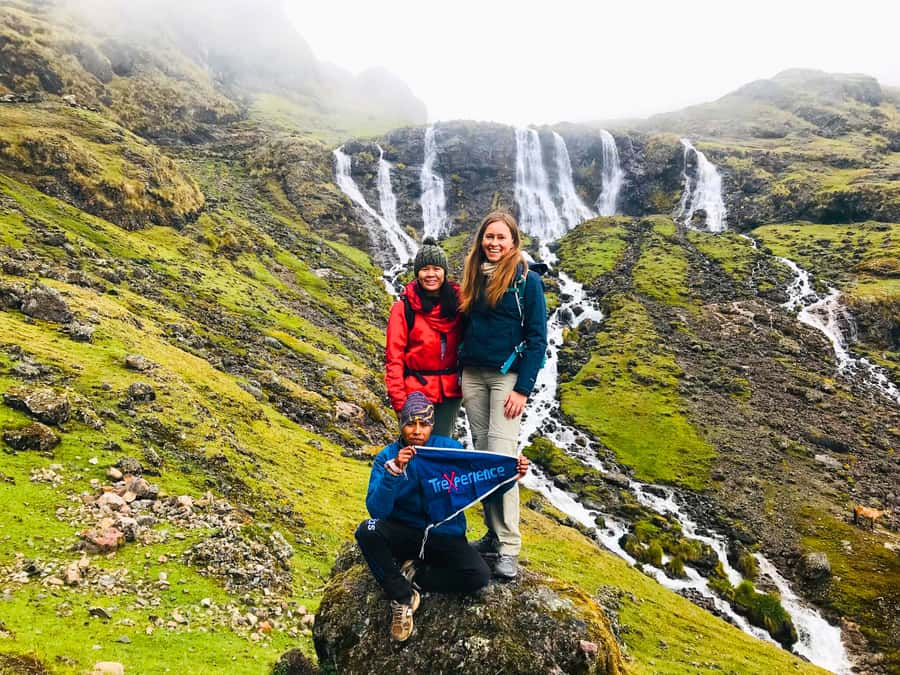
The drive continues to Pampacorral, where the trek begins. The first walking section passes alpaca-dotted valleys and potato fields. You stop in Kiswarani for a fresh lunch, then follow a waterfall toward the Blue Lagoon campsite at 3,900 meters.
That altitude matters. Even a short walk can feel harder than expected, especially if you have arrived in Cusco recently. You finish the day with coca tea, dinner, and night skies around camp. Bring warm layers. A Danish family specifically noted that the camping nights were very cold, and that is easy to underestimate when the daytime sun feels strong.
More Inca Trail treks around Cusco:
- Salkantay Trek Challenge – 3 Days / 2 Nights
★ 5.0 · 101 reviews - Choquequirao Trek 4 days and 3 nights
★ 5.0 · 81 reviews - Machu Picchu: 5-Day Salkantay Trek with Panoramic Train
★ 5.0 · 79 reviews
Day two, the hard climb to Condor Pass
The day starts with coca tea or coffee at your tent, followed by breakfast. Then the trail rises through valleys dotted with lakes and Andean wildlife. The walking is steady rather than technical, but the altitude turns the climb into the toughest part of the trip.
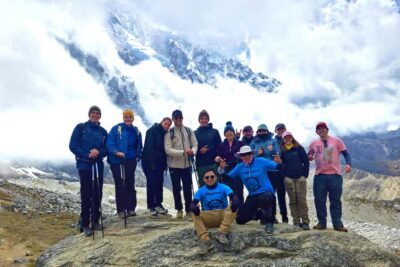
Condor Pass reaches 4,750 meters. At this height, the thin air is the issue, not just the distance. Walk slowly, drink regularly, and use the guide’s pace. A French family described the route as manageable for people in good condition, while also warning that low oxygen and cold reduce your strength.
At the pass, you get wide views of snowy peaks and turquoise lagoons. A traditional offering ceremony takes place before the descent, giving the high point of the trek a cultural purpose rather than making it only a photo stop.
The trail drops to Acopata for a hot lunch. After that, you continue through valleys with llamas and alpacas toward Canchacancha at 3,750 meters. The descent is easier on your lungs, but it can still work your knees and legs.
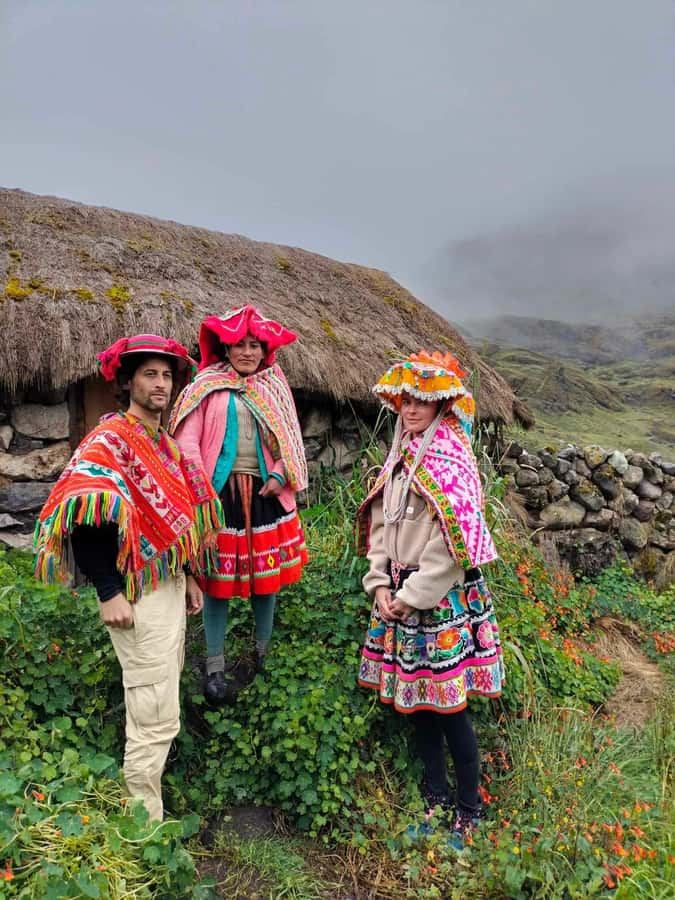
Canchacancha is one of the most valuable stops on the route. You meet local families, hear a few Quechua phrases, and spend the evening with mountain views. The experience is simple and direct. There is no large attraction here, and that is exactly the point.
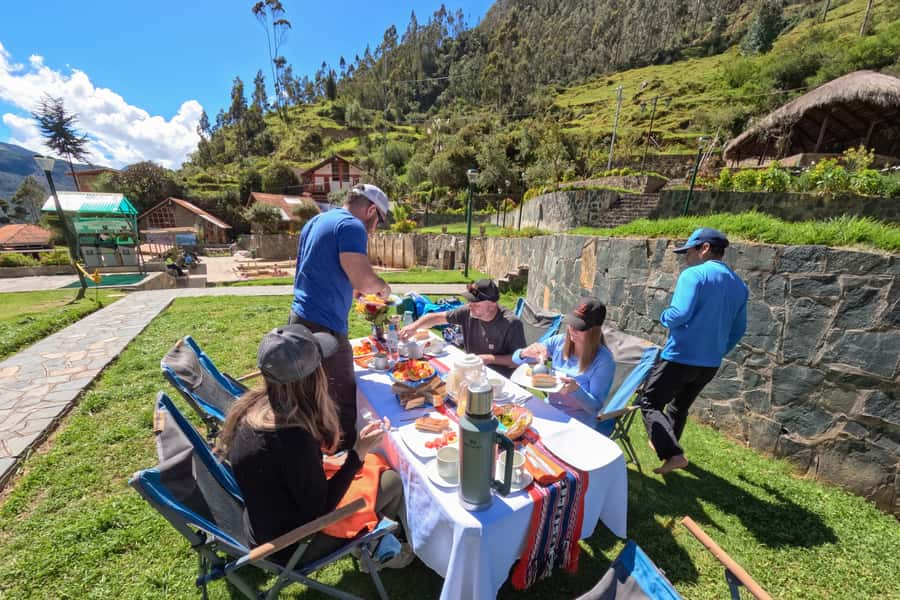
The camp meals deserve attention. The trekking chefs prepare three dinners, three lunches, and four breakfasts across the trip. Special diets should be given at booking. Vegan meals were handled successfully on one trip, so this is worth arranging early rather than hoping for a solution at camp.
Day three, from village life to the Sacred Valley
Breakfast comes with mountain views, then you spend more time in Canchacancha. You can visit homes and the local school, with an opportunity to donate supplies. Keep this respectful and practical. The visit is about meeting people in their home setting, not treating the village as a staged attraction.
The hike down to Huaran takes about four hours. You pass through a clear change in farming zones: potato fields give way to corn and avocado crops as the altitude drops. This is one of the best walking sections for understanding how climate and elevation shape local agriculture.
In Huaran, at 2,700 meters, you eat a picnic lunch and say goodbye to the muleteers and chef. These workers make the camping portion possible. They carry food and equipment, while your personal duffle holds up to 7 kilograms of camping gear. You still carry your daypack, so pack only what you need during the walk.
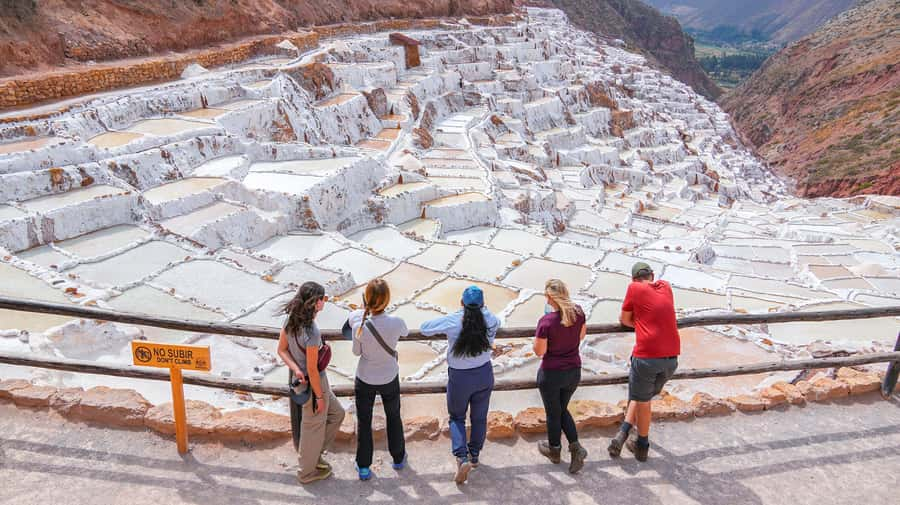
A private van then takes you to the Salineras of Maras. The salt pools are built into the mountainside and fed by a natural saltwater source. You learn how salt is collected through traditional methods. The site is photogenic, but the practical story is stronger than the photos: families have long worked these small salt ponds as a local source of income.
Next comes Ollantaytambo, described as the last living Inca town. Its stone streets and terraces remain part of a functioning town rather than a dead archaeological zone. The stop gives you time to see how Inca planning still shapes daily movement through the Sacred Valley.
After dinner, you board the train to Aguas Calientes, also called Machu Picchu Pueblo. Your hotel is a comfortable three-star property. This change from tent to hotel is welcome after two cold nights, though the day is long, with a four-hour hike, van transfers, sightseeing, dinner, and the train all packed together.
Day four, sunrise at Machu Picchu
You eat breakfast early, then take the bus up to Machu Picchu. The goal is to reach the citadel around sunrise, when the first light reaches the stone terraces and surrounding peaks. Weather can affect the view, so bring a rain layer even if the morning begins clear.
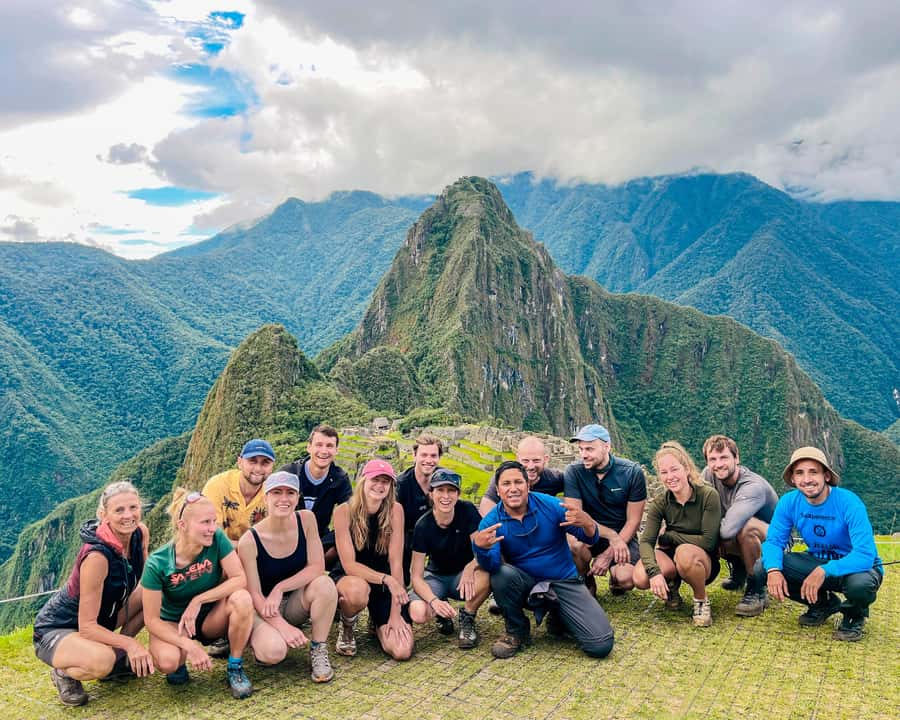
Your guide leads a two to three-hour walking tour. The focus is on Inca engineering, history, and daily life, with stops at major viewpoints and important parts of the citadel. This guided time is useful because Machu Picchu can otherwise feel like a maze of walls and terraces without a clear explanation of how the site worked.
The return bus takes you to Aguas Calientes. Lunch on this final day is not included, so budget for it separately. You have some leisure time before boarding the Vistadome train to Ollantaytambo.
The panoramic train is a fitting finish. Large windows give you better valley views than a standard enclosed carriage, and the ride lets your legs recover after the morning at Machu Picchu. From Ollantaytambo, a private transfer returns you to Cusco by evening.
The schedule is efficient, but not leisurely. If you want a long, unhurried afternoon in Aguas Calientes, this trip may feel tight. If you want to see Machu Picchu and return to Cusco the same day, the plan works well.
More train journeys around Cusco
- Cusco: 4-Day Salkantay Trek to Machu Picchu, Panoramic Train
★ 4.3 · 17 reviews - Tour with the Mountain Train, Trek to Mystic Forest and Castle
★ 5.0 · 101 reviews - 5-Day Classic Salkantay Trek to Machu Picchu return by Train
★ 5.0 · 3 reviews
Guides, meals, and the level of support
The experience is led in English or Spanish by a certified guide. Specific guides praised on past departures include Manolo and Filio. Manolo was singled out for being an excellent guide, while Filio led a departure that happened to have only one booking party. You should not assume either person will lead your date, but these names show the kind of guide support the operator has provided.
The guide also controls the walking rhythm. You can take breaks as needed, which matters at Condor Pass and on the first day above 3,900 meters. This is not a private fitness test. It is still demanding, but you are not expected to race.
Food is another strong point. The trekking chefs prepare hot meals at camp and accommodate special dietary needs when told in advance. A good appetite helps here, but do not rely on food alone for energy. Carry cash for personal purchases and enough water for the day as directed by your guide.
The muleteers carry supplies and your duffle. A 7-kilogram limit is generous for camping gear, but it is not a full suitcase. Store extra luggage in Cusco, which is included, and pack a separate day bag with rain gear, sunscreen, water, medication, and warm clothing.
What to pack for cold nights and high sun
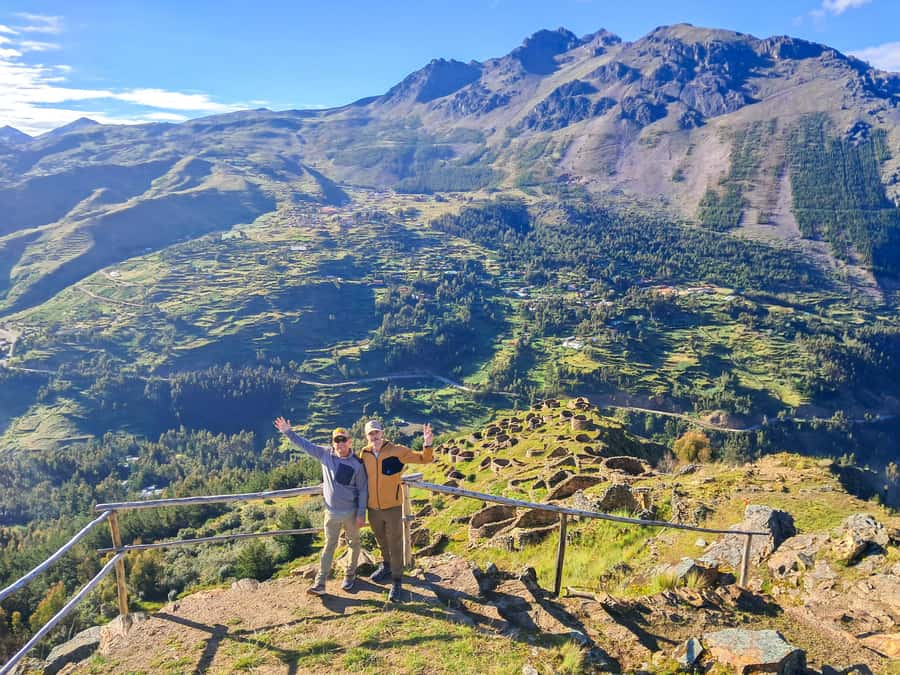
The Andes can give you strong sun, cold air, rain, and wind in the same day. Bring hiking shoes, comfortable clothing, hiking pants, sunglasses, a sun hat, sunscreen, and rain gear.
You should also pack insect repellent, toiletries, hand sanitizer or tissues, a camera, and cash. Warm layers are especially important for Blue Lagoon and Canchacancha. The sleeping bag, air mattress, and trekking poles are not included, but each can be rented if requested.
Your passport is required, and passport details must be provided when booking. Sleeping arrangements are camping for two nights, followed by one night in a three-star hotel. Pregnant people and those with back, heart, or mobility problems should not book this trek. Wheelchair access is not available, and children must be accompanied by an adult.
Machu Picchu Mountain and Huayna Picchu require separate entrance tickets. They are optional add-ons, not part of the standard plan. Since the final morning already includes a two to three-hour guided visit, decide carefully before adding another steep climb.
Who should book this four-day trip
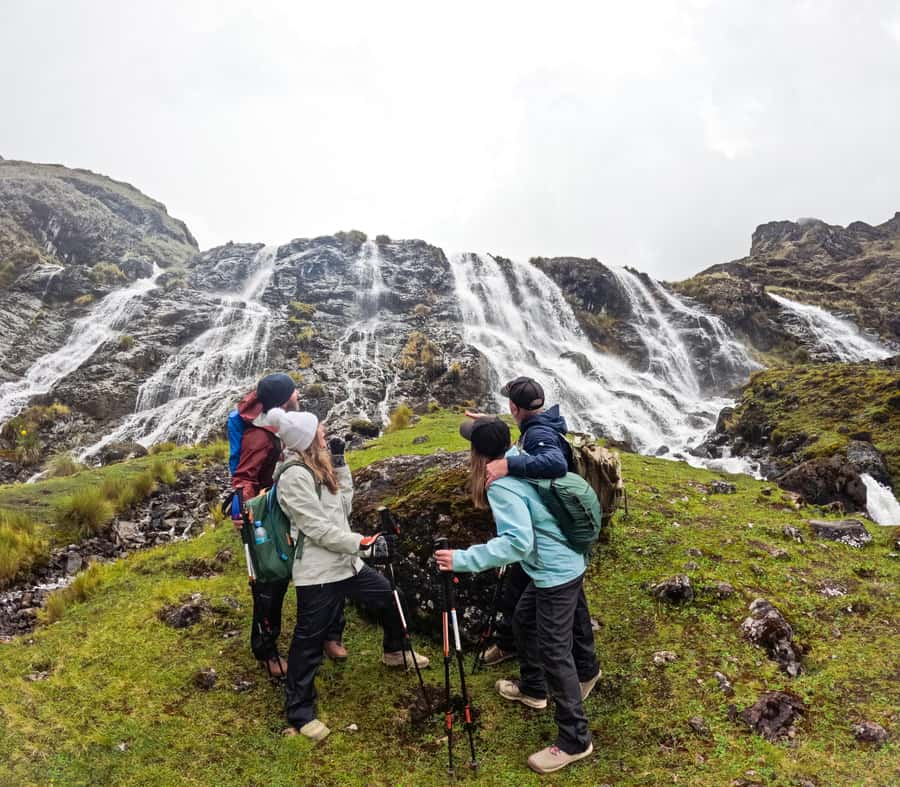
I would choose this route if you want more than a direct train ride to Machu Picchu. It suits you if you enjoy mountain walking, cultural visits, simple camping, and a full schedule with plenty of transport already arranged.
It is also a good choice for families with older children or active friends who want a challenging but supported trek. One family described the difficulty as manageable, but also stressed the need for reasonable fitness. That is the right way to view it.
I would not choose it if you dislike cold camping, have not adjusted to altitude, or want a relaxed holiday. The route reaches 4,750 meters, and the lack of oxygen can affect even fit people. The two camp nights are basic, and day three asks you to hike downhill before several more stops.
The non-refundable booking condition makes planning important. Check your schedule, health, passport details, and dietary needs before paying. Travel insurance is recommended, though it is not included.
Should you book the Lares Trek?
Book this trip if you want a complete mountain-to-Machu-Picchu experience rather than a simple sightseeing transfer. The hot springs, weaving cooperative, Condor Pass, Canchacancha, Maras, Ollantaytambo, and Vistadome train give the four days real variety.
Skip it if your priority is comfort, easy walking, or plenty of free time. At $690, the value comes from the amount of support and transport included, not from luxury. For a fit person who wants Andean scenery, local encounters, strong meals, and a well-organized route to Machu Picchu, it is a persuasive package.
FAQ
How difficult is the Lares Trek?
The trek is suitable for people in good physical condition, but it is not easy. The highest point is Condor Pass at 4,750 meters, and cold nights and thin air can reduce your strength. The guide can set a steady pace and allow breaks.
How many nights do I spend camping?
You spend two nights camping, at Blue Lagoon and Canchacancha. The third night is in a comfortable three-star hotel in Aguas Calientes.
What does the $690 price include?
The price includes guided transport and trekking, entrance fees to Machu Picchu, Maras Salt Mines, and Lares Hot Springs, two camping nights, one hotel night, trek meals, mule support, a 7-kilogram duffle service, the Machu Picchu bus, and the Vistadome return train.
Is lunch on the final day included?
No. Lunch in Aguas Calientes on the final day is not included, so you should budget separately for it.
Can I rent camping equipment?
Yes. Sleeping bags, air mattresses, and trekking poles are available to rent upon request.
Which languages are available?
The live guide service is available in English and Spanish.
More four-day treks around Cusco
- Ancascocha Trek To Machu Picchu 4 Days And 3 Nights
★ 5.0 · 77 reviews - Cusco: Machu Picchu Inca Trail 4-Day Trek
★ 5.0 · 2 reviews - Pokhara: 4-Day Ghorepani, Poonhill & Ghandruk Mountain Trek
★ 5.0 · 132 reviews - TOUR PACKAGE (jungle trekking, taxi, Room) 4 DAYS 3 NIGHTS in BUKIT LAWANG
★ 5.0 · 118 reviews
New treks around Cusco
- Salkantay Humantay lake trek with Domes-2d-1n★ 5.0 · 2 reviews
- Salkantay Trek to Machu Picchu 5D/4N or 4D/3N by glamping★ 4.4 · 35 reviews
- Rainbow Mountain Trek 1 Day★ 5.0 · 2 reviews
- Rainbow Mountain and Red Valley Hike trek adventure★ 4.5 · 2 reviews
- Tour Pallay Punchu Trek Full Day★ 4.2 · 3 reviews
- Cusco: Machu Picchu Inca Trail 4-Day Trek★ 5.0 · 2 reviews
- From Cusco: Salkantay Trek to Machu Picchu 5D/4N or 4D/3N★ 5.0 · 3 reviews
- Cusco: 4-Day Salkantay Trek to Machu Picchu, Panoramic Train★ 4.3 · 17 reviews
Machu Picchu and Inca Trail Treks, side by side.
Machu Picchu: 5-Day Salkantay Trek with Panoramic Train
Read our review →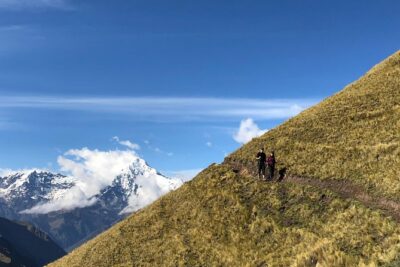
Ancascocha Trek To Machu Picchu 4 Days And 3 Nights
Read our review →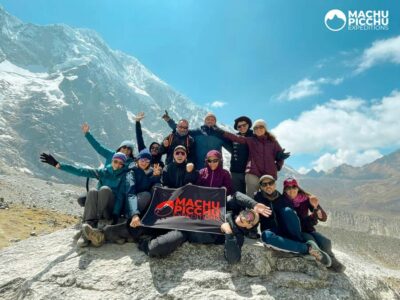
Salkantay Trek to Machu Picchu 5D/4N or 4D/3N by glamping
Read our review →
4 days/3 nights: Inka Jungle Trek to Machu Picchu
Read our review →
5-Day Salkantay Trek to Machupicchu Sky Lodge Dome
Read our review →
From Cusco: 5-Night Trip with Salkantay Trek & Machu Picchu
Read our review →Lists this trek appears in