
Review · CAPE VERDE
Cova–Paúl Valley Trek: Santo Antão Day Trip by Ferry
The best part of this Santo Antão day trip is the change in scenery. You leave dry, sea-facing São Vicente, cross the channel by ferry, and reach Cova de Paul, where a volcanic crater opens onto one of Cape Verde’s greenest valleys. From there, the route drops through farms and villages toward Cabo de Ribeira.
I like the downhill route, which lets you save your legs for the views, and the way the day connects nature with daily life. You see sugarcane, bananas, coffee, fruit trees, and working farms rather than simply stopping at a viewpoint. The main caution is simple: this is a long day with a rough, sometimes demanding descent, not a gentle sightseeing outing.
Key points to know before booking
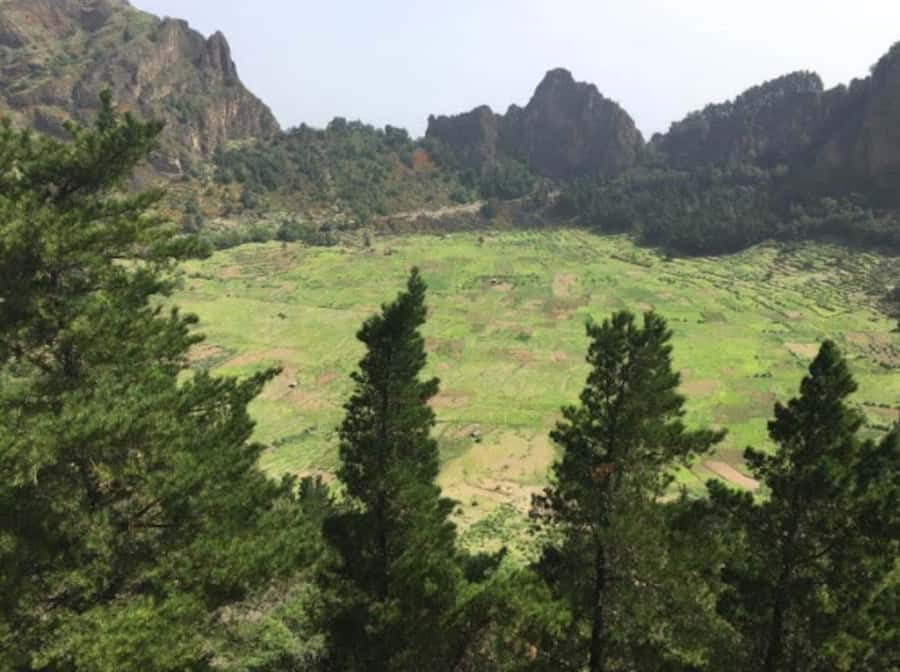
- Cova crater to Paul Valley: The hike begins high above the valley and descends on stony, uneven paths toward Cabo de Ribeira.
- A full island day: Expect about 11 hours, including two ferry crossings, mountain roads, the hike, lunch, and a distillery visit.
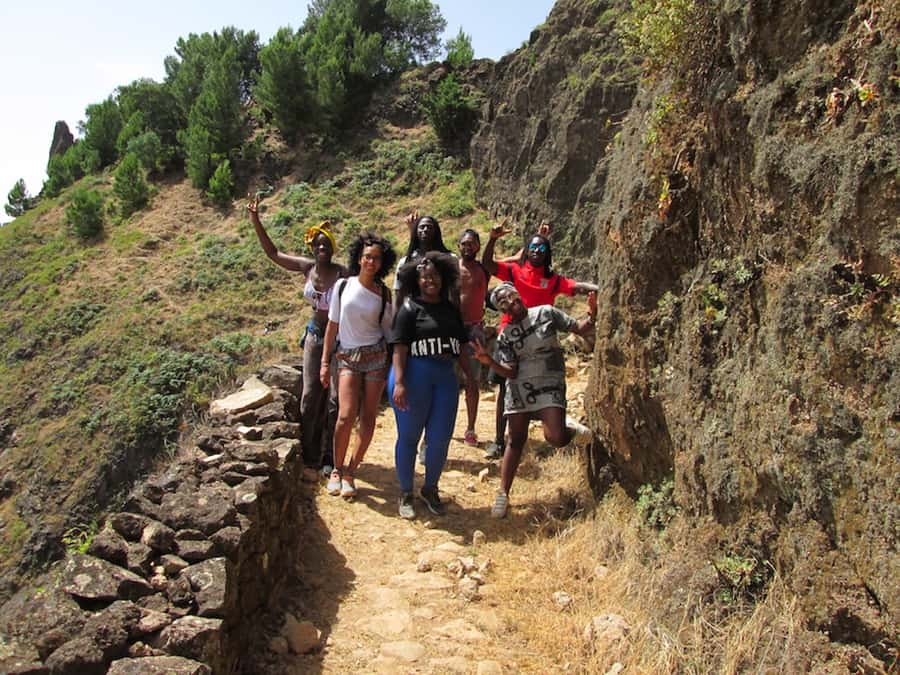
- Guides who shape the experience: Madu, Sonia, Danny, and Carlos have led this trip, with particular praise for friendly pacing and explanations of island life.
- Lunch is extra: The local restaurant stop lasts about 1.5 hours, but food and drinks are not included, and the restaurant accepts euros and Cape Verdean escudos, not cards.
- Bring ferry and hiking essentials: Carry your passport, water, jacket, sun protection, and proper hiking shoes.
- Good value for an ambitious day: At $141 per person, the price covers ferry tickets, hotel transfers in Mindelo, private transport, a guide, insurance, and the distillery entrance.
Why Cova de Paul is worth the early start
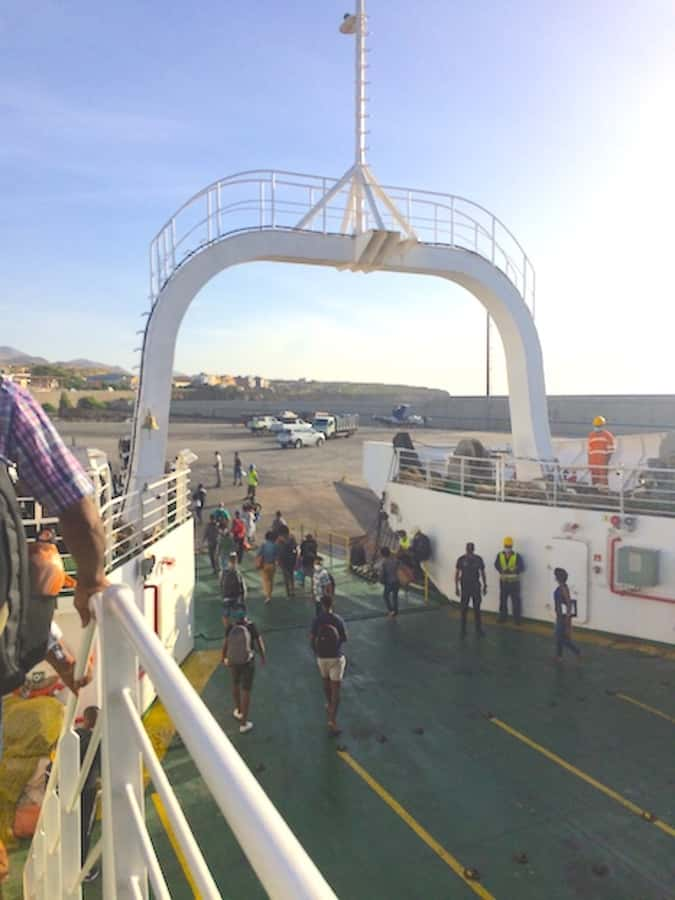
Your day begins with pickup at your accommodation in Mindelo, usually followed by a short transfer to the harbor. The early start is not glamorous, but it is necessary. Santo Antão is across the channel, and the trip packs a lot into one day.
The ferry ride takes up to an hour. You can sit in the comfortable seats or step outside to watch for dolphins, flying fish, and other marine life. Sea conditions depend on the wind. The crossing is often calm, but if you get seasick, prepare for it before boarding.
As the ferry approaches Porto Novo, the dry, rugged character of Santo Antão comes into view. Your local guide meets you after you leave the terminal, then you begin the drive into the mountains. The road climbs for about 40 minutes toward Cova de Paul.
This transfer is part of the experience. Santo Antão is famous for sharp mountain roads, high passes, and sudden changes in vegetation. The drive takes you from the port environment into cooler mountain air. A jacket is useful, especially from November through March, when the higher sections can feel cool.
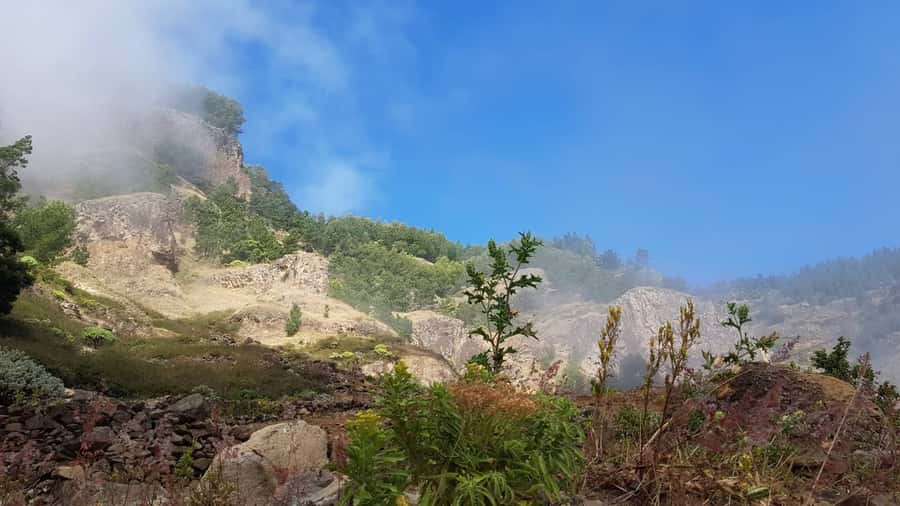
At Cova de Paul, the first major stop is the crater rim. This is where the trip earns its keep. You look down into an immense bowl of cultivated land, with the Paul Valley spreading toward the coast and Vila das Pombas in the distance.
The crater is not just a dramatic scenic stop. It helps explain why this part of Santo Antão supports so much farming. Moisture and fertile volcanic soil make the valley a productive growing area, even though other parts of Cape Verde can look far drier.
More one-day treks around the world
- From Sapa: 1-Day Guided Trek to Lao Chai & Ta Van with Lunch
★ 4.9 · 416 reviews - Sapa 1 Day Long Trek: Trek to Hau Thao and Sa Seng Villages
★ 4.6 · 344 reviews - Doi Inthanon National Park with Nature Trail Trekking 1-Day Tour
★ 4.5 · 230 reviews
The downhill hike into Paul Valley
The guided hike lasts about 2 hours and 45 minutes, including a safety briefing and time to take in the views. The route descends from Cova toward Cabo de Ribeira and into the Paul Valley.
The word downhill may sound easy, but do not treat it as a casual stroll. Sections are rocky and uneven, and the descent can be hard on your knees and thighs. One participant described serious muscle soreness afterward, which is a useful warning if you are not used to long mountain walks.
Wear hiking shoes with a firm sole. Comfortable clothing, a hat, sunglasses, and water are also important. A walking stick is optional, but it could help on loose or uneven sections. You should not book this outing if you have mobility problems, serious back trouble, fear of heights, or altitude sickness.
The payoff comes at each turn. The view changes as you lose elevation. At the top, you see the valley as a whole. Lower down, you begin to notice individual plots, homes, paths, trees, and fields. The walk gives you time to understand how the valley works, rather than reducing it to a quick photo stop.
Your guide is a key part of this section. Madu has led the walk with a warm, good-humored approach and clear explanations of local culture, plants, and farming. Sonia has been praised for adjusting the pace to suit the group and adding plenty of island information. Danny has also guided the route, offering background on agriculture and everyday life. The assigned guide can vary, but the trip is designed around a local guide who walks with you rather than simply dropping you at a viewpoint.
Farms, villages, and the working valley
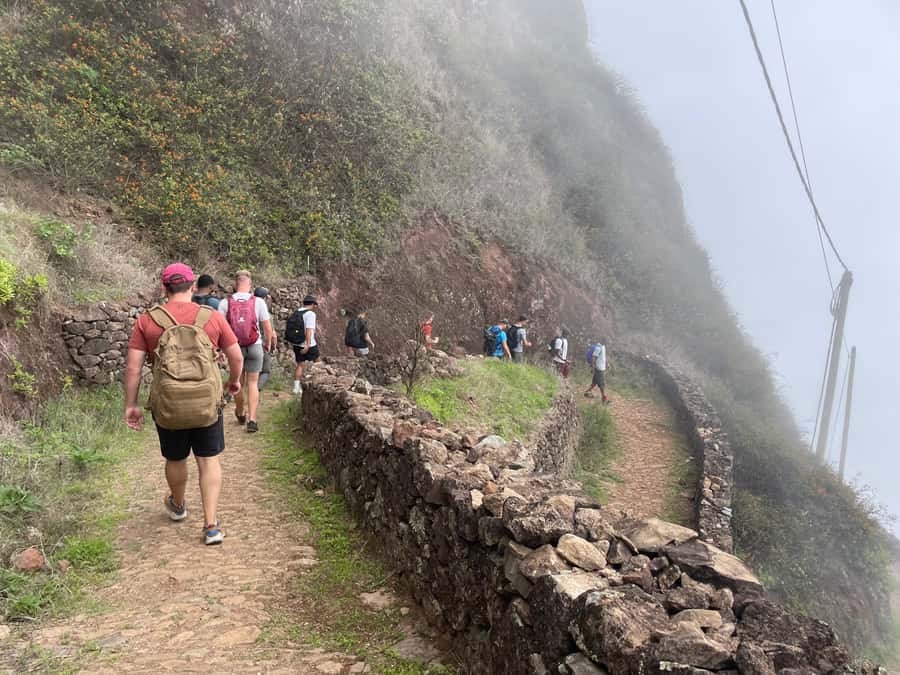
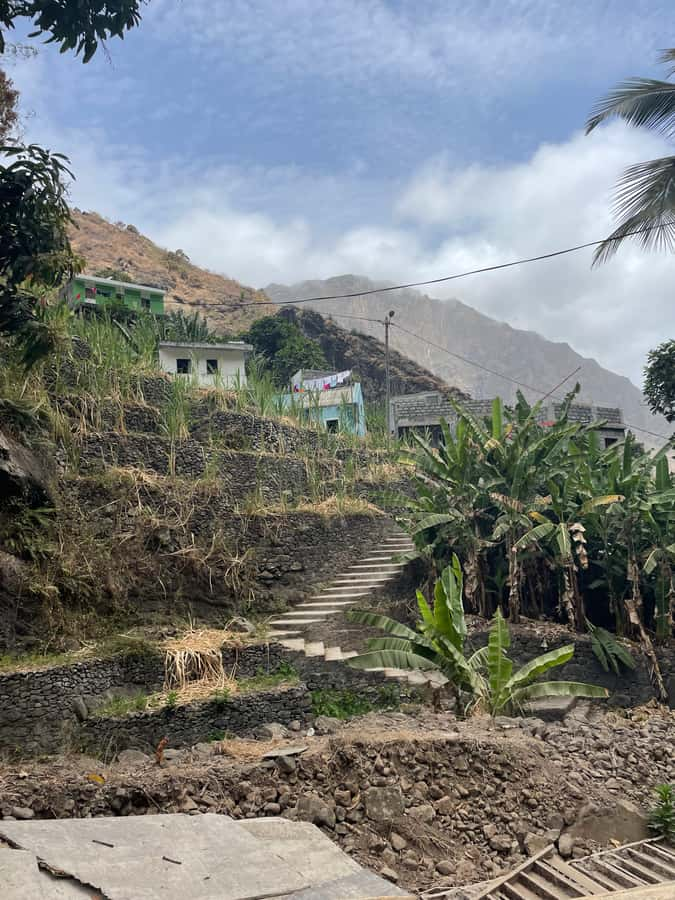
As you move toward Cabo de Ribeira, the scenery becomes more intimate. You pass small villages and cultivated plots where agriculture is part of ordinary life. The plant list alone shows how fertile the valley is: mango, papaya, guava, oranges, apples, passion fruit, and avocados grow here, along with sugarcane, bananas, and coffee.
That variety is one of the strongest reasons to choose this route. You are not only looking at mountains. You are seeing food production, homes, paths, and the way people use the land. Your guide can explain what you are seeing and connect the plants to local life.
The pace matters here. A rushed transfer would miss the point. The walk gives you a chance to stop, ask questions, and notice how quickly the vegetation changes as you descend. It also gives you a more direct sense of Santo Antão than a road-only tour.
Still, the physical demands remain. A downhill trail may be less tiring than a long climb, but it can be rough underfoot. If you are between a city walking tour and a serious mountain hike, this trip leans toward the hiking side. You need enough balance and stamina to manage several hours on uneven ground.
Lunch in Ribeira Grande, with a practical catch
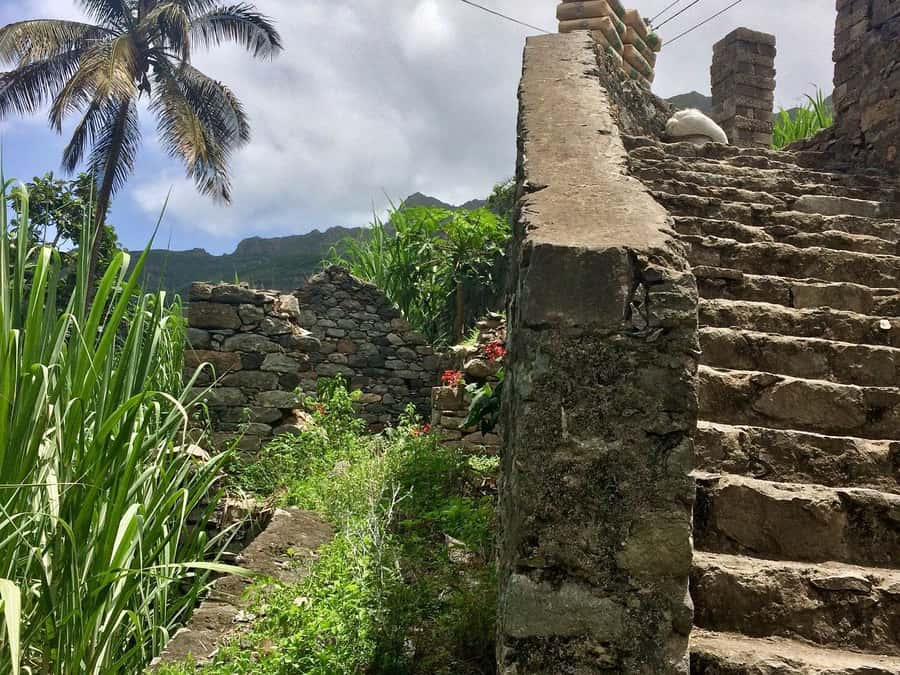
After the hike, you travel by van to Ribeira Grande for a lunch stop lasting about 1.5 hours. The meal is at a typical local restaurant, and this is a good chance to rest after the descent.
Lunch is not included in the $141 price, so budget separately for food and drinks. The restaurant accepts euros and Cape Verdean escudos, but not credit cards. Bring cash in one of those currencies, and tell the operator in advance about food allergies or dietary restrictions.
The meal is more than a fuel stop. After a walk through farms and villages, eating in a local restaurant keeps the day tied to the island rather than turning it into a series of coach stops. The exact menu is not specified, so you should not book expecting a particular dish. The useful point is that you have time for a proper meal, not just a quick snack.
The lunch break also breaks up the long day. You have already crossed the channel, driven into the mountains, and completed the main hike. A comfortable meal gives you a chance to recover before the afternoon drive and distillery visit.
More treks around the world:
- Mount Etna: Trek to 3000m with cable car and 4×4
★ 4.6 · 3,823 reviews - Bali: Mount Batur Sunrise Trek With Guide and Breakfast
★ 4.8 · 3,461 reviews - From Chania: Full-Day Samaria Gorge Trek Excursion & Guide
★ 4.6 · 3,191 reviews - Mount Etna: Summit Crater Trek with Cable Car
★ 4.8 · 1,875 reviews
Seeing how Cape Verdean grogue is made
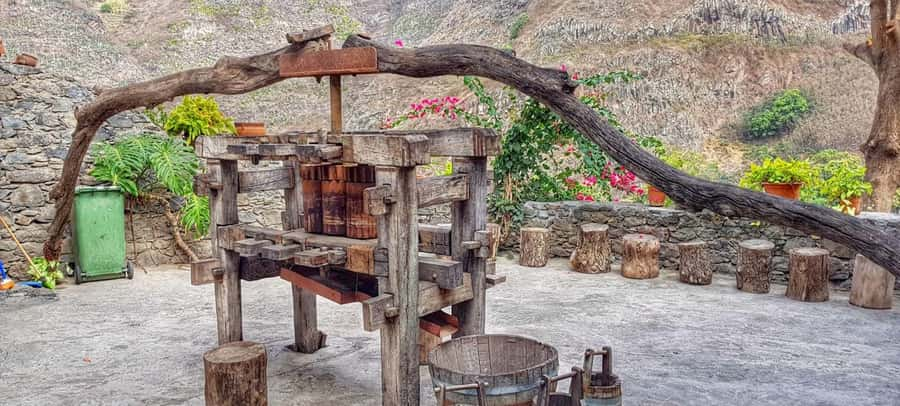
The next stop is a grogue distillery in Paul, with about 20 minutes set aside for the visit. Grogue is Cape Verdean sugarcane rum, and the stop shows another use of the valley’s agriculture.
Because sugarcane is one of the crops you see along the route, the distillery adds a useful connection between field and finished product. You are not simply sampling a drink without context. You can see how a local agricultural product becomes part of Cape Verdean food and drink culture.
The distillery entrance is included, but beverages and personal expenses are not. If tasting or buying anything is offered, you should expect to pay separately. The stop is short, so think of it as a focused introduction rather than a long workshop.
The coastal road back to Porto Novo
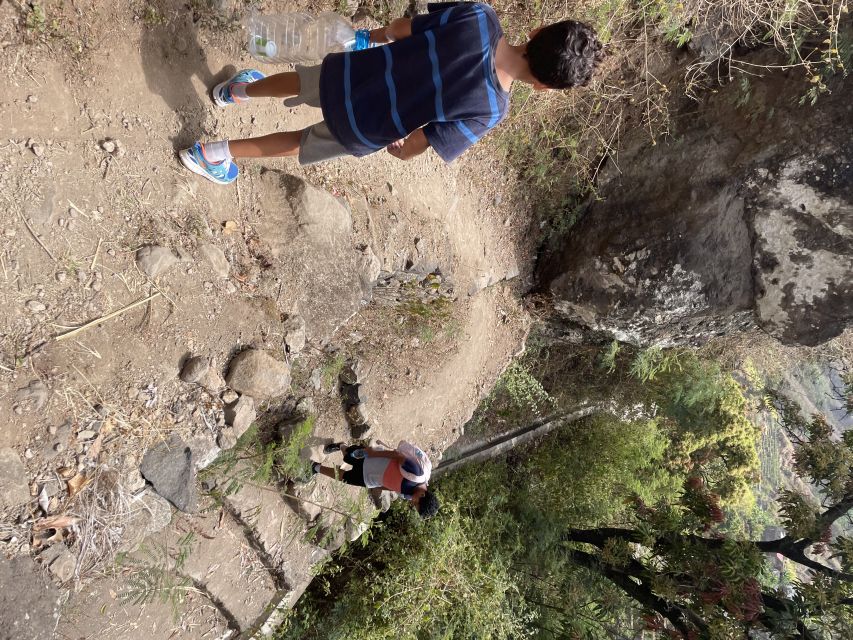
After Paul, the van takes about an hour to return toward Porto Novo. This drive uses the striking coastal road, passing through mountain tunnels and colorful villages.
By this point, you may be tired, but the return route gives you a different view of Santo Antão. The morning took you upward and then down through the interior. The afternoon brings you back toward the port through a changing mix of mountains, settlements, and sea views.
The road can be winding and high. The driver has an important job here, and the tour includes private transportation rather than asking you to manage a complicated sequence of local connections. If you dislike mountain roads, this part may test you. If you enjoy seeing how a mountainous island is linked together, it is one of the day’s strengths.
You return to Porto Novo in time for the ferry back to São Vicente. The second crossing takes about an hour, followed by a short transfer from the Mindelo harbor to your accommodation.
Is $141 a fair price?
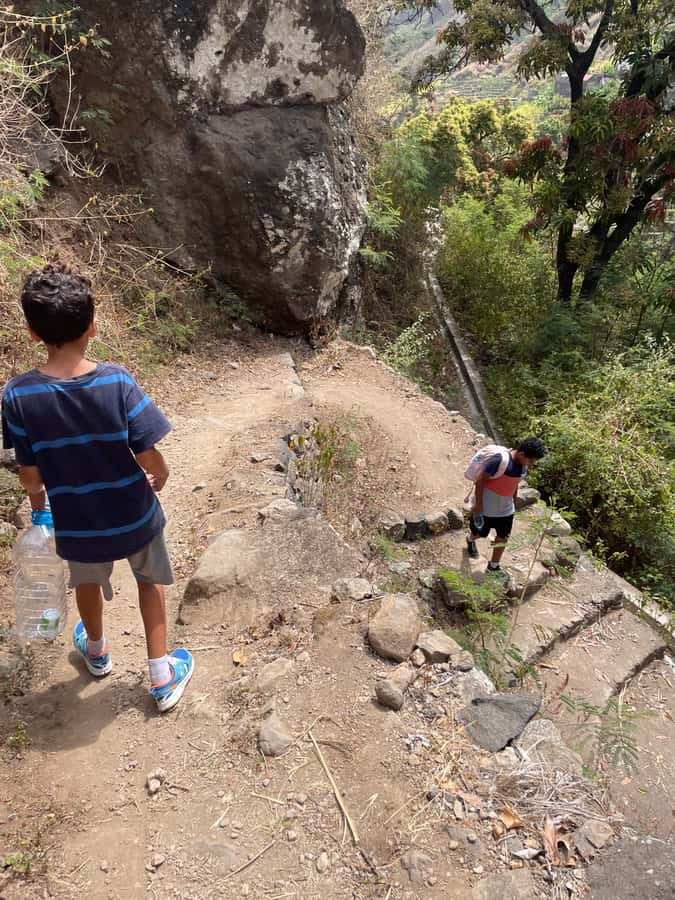
At $141 per person, this is not a cheap add-on, but it covers the expensive and time-consuming parts of a Santo Antão day trip. You get pickup and drop-off in Mindelo, roundtrip ferry tickets, private transportation on Santo Antão, a local guide, liability insurance, and entry to the grogue distillery.
You still pay for lunch, drinks, and personal purchases. That makes the final cost higher than the advertised price, so include a meal and some cash when comparing it with other options.
I think the price is reasonable if you want to see Santo Antão in one day without arranging ferry tickets, port transfers, a mountain driver, and a guide on your own. The value is strongest for visitors based in Mindelo who do not have enough time to spend several nights on Santo Antão.
The tradeoff is time. You spend much of the day in transit, and the ferry schedule dictates the shape of the excursion. An overnight stay on Santo Antão would give you more freedom and less pressure, but it would also require more planning and accommodation.
Who will enjoy this day trip most?
I would choose this tour if you want a full introduction to Santo Antão and are comfortable with a demanding day. It suits people who enjoy walking, mountain views, local agriculture, and conversations about island life.
It is also a good fit if you value a guide. The strongest part of the experience is not only the crater view. It is having someone explain the crops, villages, customs, and geography as you move through them. Guides such as Madu, Sonia, Danny, and Carlos have brought warmth and flexibility to the day, though your guide will depend on the departure.
You should think twice if you want a relaxed sightseeing trip, dislike ferries, or have trouble with steep and uneven paths. The tour is not suitable for children under five, people with mobility impairments, people with back problems, people afraid of heights, or people with altitude sickness.
The schedule is long, and the route is active. You need to be ready at the start, carry water, and accept that the final transfer back to Mindelo may feel tiring. The guide can adjust the walking pace, but the terrain itself cannot be changed.
What to bring and what to arrange
You must bring your passport for ferry travel. The operator asks for passport information at least 24 hours before the excursion, including your full name, document number, date of birth, expiration date, and country of issue. Bring the passport with you even though one participant found the information was not ultimately requested.
Pack hiking shoes, water, a jacket, a hat, sunglasses, and suitable trekking clothing. The high mountain air can be cooler than Mindelo, and the ferry can also feel chilly. Sun protection matters even when the air is cool.
If you are prone to seasickness, bring whatever preparation works for you. The channel crossing is commonly calm, but wind can change conditions. Also carry euros or escudos for lunch, since the restaurant does not take cards.
The activity offers free cancellation up to 24 hours before departure and allows you to reserve while paying later. Pickup is available at Mindelo accommodation, or you can meet at the harbor.
Should you book the Cova to Paul trek?
Book it if Santo Antão is high on your list and you want to see its most fertile valley without arranging an overnight trip. The combination of Cova crater, a downhill mountain walk, working farms, a local lunch, a grogue distillery, and the coastal road makes this a varied day rather than a single scenic stop.
I would not book it just to collect a quick view of Santo Antão. The ferry crossings and long transfers take time, and the hike requires real effort. But if you bring proper shoes, accept the early start, and budget for lunch, this is a strong-value way to connect São Vicente with the mountains and farming life of Santo Antão.
FAQ
How long does the Cova to Paul Valley trip last?
The full experience lasts about 11 hours, including pickup in Mindelo, both ferry crossings, van transfers, the hike, lunch, and the grogue distillery visit.
Where does the tour begin?
Pickup is available at your accommodation in Mindelo. You may also meet the group at the harbor.
How long is the ferry ride?
Each ferry crossing takes up to about one hour. The trip includes a crossing from Mindelo to Porto Novo and a return crossing to São Vicente.
Is lunch included in the price?
No. Lunch and beverages are not included. The restaurant accepts euros and Cape Verdean escudos but does not accept credit cards.
What should I bring for the hike?
Bring your passport, hiking shoes, water, a jacket, trekking clothing, a hat, and sunglasses. A walking stick is optional.
Do I need to bring my passport?
Yes. You must bring your passport for ferry travel. The operator also asks for passport details before the excursion.
Which languages can the guide speak?
Guiding is available in English, Portuguese, Spanish, and French.
Is the hike suitable for everyone?
No. The activity is not suitable for children under five, people with back problems, mobility impairments, fear of heights, or altitude sickness. The descent includes rocky and uneven sections, so good hiking shoes are important.
New treks around the world
- Sapa: 2-Day Local Guided Valley Trek with Night Homestay★ 5.0 · 27 reviews
- SAPA: 1-DAY TREKKING TOUR WITH LOCALS, LUNCH & RICE FIELDS★ 4.7 · 18 reviews
- Sapa: 2-Day Local Guided Valley Trek with Night Homestay★ 4.8 · 5 reviews
- Santa Marta: Trekking in Minca Complete Waterfall Circuit★ 4.4 · 28 reviews
- Santiago: Longueira, Pico de Antónia & Monte Tchota Trek★ 4.8 · 10 reviews
- Santiago: Trek from Serra Malagueta to Rabelados Community★ 5.0 · 16 reviews
- Santiago Island: Serra Malagueta & Tarrafal Beach Trek Tour★ 4.8 · 61 reviews
- Santa Marta: Multi-Day Trek to The Lost City★ 4.8 · 40 reviews