
Review · SAPA
Sapa: Eco Adventure Terrace Fields and Local Villages Trek
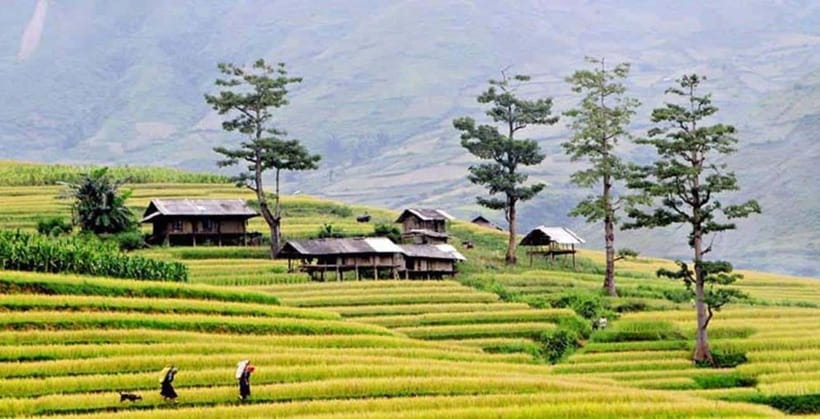
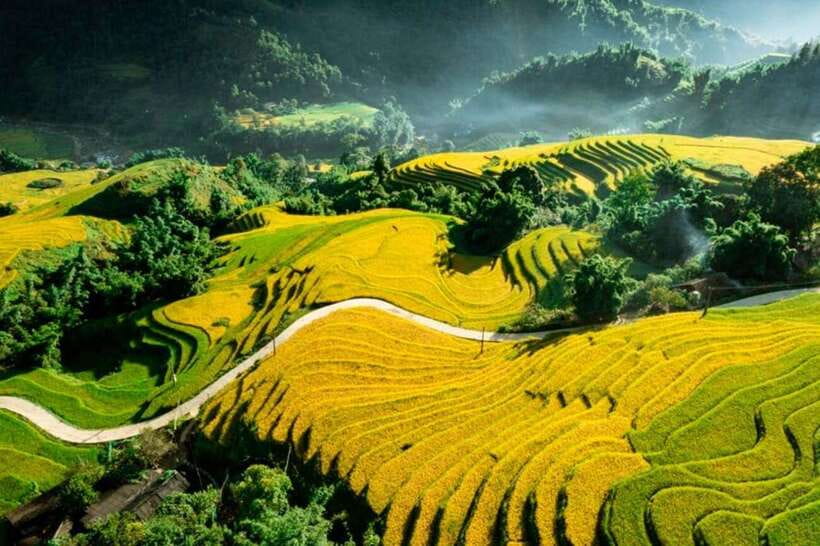
Sapa’s best moments often come below town, where rice terraces fold around the Muong Hoa Valley and farmers still work narrow fields by hand. This trek takes you through three Hmong and Dzay villages, past wooden homes, streams, water buffalo, ducks, and mountain views that can change by the minute.
I like the small group of no more than 10 and the way local guides such as Chai and Vu turn a scenic walk into a lesson in village life. I also like the included lunch with a Hmong family, though you should know this is a real 10 to 12 kilometer hike, not a gentle stroll, and wet weather can make the opening trail very muddy and slippery.
Key Points
- Three village route: Walk through Y Linh Ho, Lao Chai, Lao Chai Sang, and Ta Van in the Muong Hoa Valley.
- Local guides: English-speaking Hmong guides, including Chai and Vu on many departures, explain customs, clothing, farming, and daily life.
- Proper half-day hike: Expect 10 to 12 kilometers, with steep, uneven, and sometimes muddy sections.
- Traditional lunch: Stop around 12:30 PM for local food in Lao Chai Sang, with vegetarian and vegan choices available according to recent experience.
- Changing mountain views: Fansipan and the rice terraces may be clear, misty, or hidden by fog depending on the day.
- Useful preparation: Bring warm clothes, hiking shoes, insect repellent, and clothes that can get dirty.
Why This Sapa Trek Is More Than a Rice-Field Walk
The big attraction here is the combination of scenery and contact with local life. You are not simply driven to a viewpoint, given a few minutes for photos, and returned to town. You walk down into the valley, cross a small bridge, follow village paths, and spend time learning how Hmong and Dzay families live.
That difference matters. The terraces are beautiful, but the people give the route its meaning. Your guide can explain how rice farming shapes the seasons, why traditional clothing matters, and what daily life is like in the mountain villages. Guides such as Chai have been especially praised for clear English, humor, patience, and personal stories.
The price is $27 per person. For that, you get a local English-speaking guide, entrance fees, and lunch. Since the outing lasts about six and a half hours and covers a long walking route, I consider it good value, especially compared with a private guide or a short sightseeing transfer.
You do need to factor in what is not included. Drinks, personal purchases, and transport back to town are not covered as separate listed inclusions. The meeting point is in front of Sapa Church, and you should provide a WhatsApp number so the guide can contact you easily.
More treks around Sa Pa:
- Sa Pa: Muong Hoa Valley Trek and Local Ethnic Villages
★ 4.6 · 864 reviews - Number one top rated ethical cultural trekking and homestay by ETHOS
★ 5.0 · 456 reviews - From Sapa: 1-Day Guided Trek to Lao Chai & Ta Van with Lunch
★ 4.9 · 416 reviews
Starting at Sapa Church and the Fansipan Viewpoint
Meet your guide in front of Sapa Church at 9:00 AM. The center of Sapa is compact, but allow a little time to find the church and organize your day before setting off.
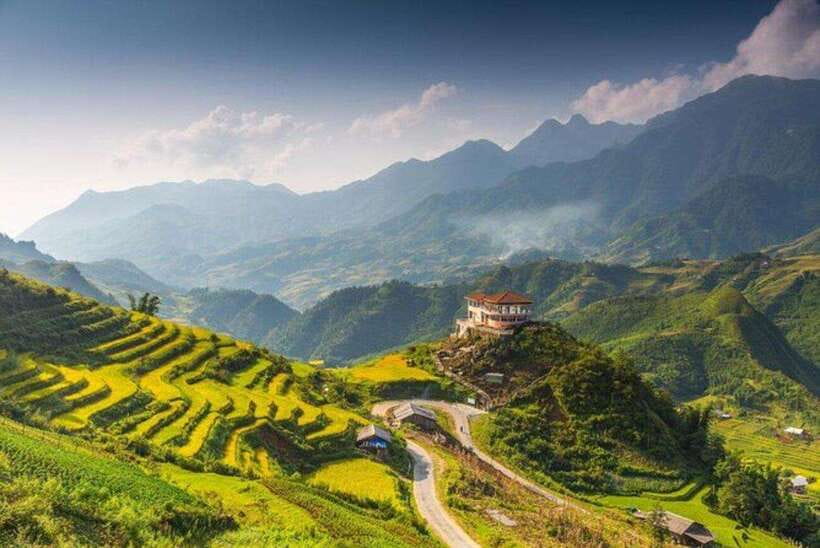
The first stop is a small hill viewpoint looking toward Fansipan Peak. On a clear morning, this gives you a useful sense of the mountains ahead and the steep drop from town toward Muong Hoa Valley.
Do not count on a clear view. Sapa is famous for mist and fog, and the weather can change quickly. Several departures have had poor morning visibility, followed by clearer conditions later in the day. That is not a reason to skip the trek, but it is a reason to keep your expectations flexible.
I like this early viewpoint because it helps you understand the route. You can see that the day will involve a descent into the valley rather than a flat walk around town. That also gives you an early warning about footwear and effort.
Muong Hoa Valley and the First Muddy Section
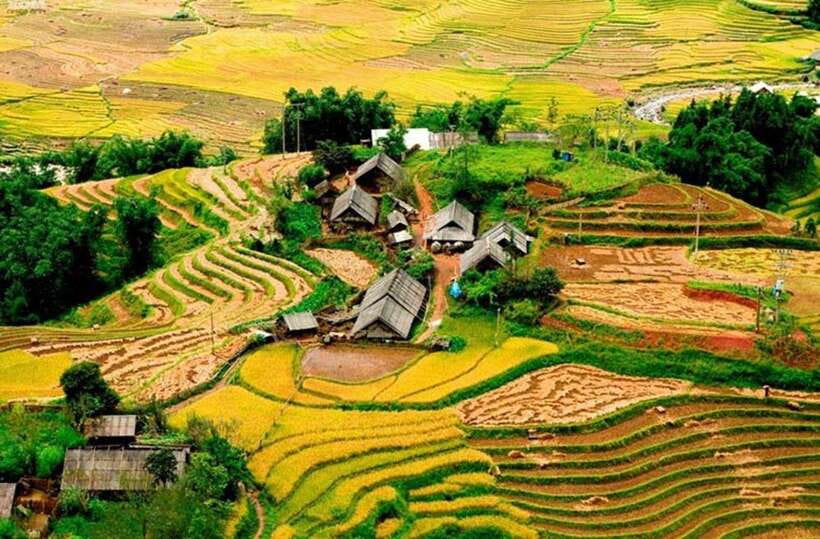
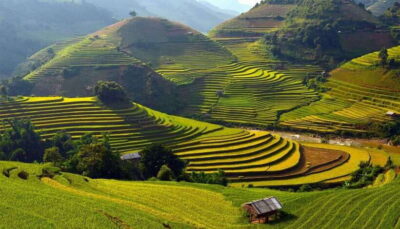
From the viewpoint, the route continues into Muong Hoa Valley. The terraces are the star here, with layered fields climbing and dropping across the hills. Depending on the season, you may see farmers planting or harvesting rice, while other times the fields will have a quieter, more open appearance.
The first part can be the hardest. Recent conditions have included muddy paths, slippery slopes, and steep sections, especially after rain. Some people have rented rubber boots before starting, and that can be a sensible choice if the ground is wet. At other times, sturdy hiking shoes are enough.
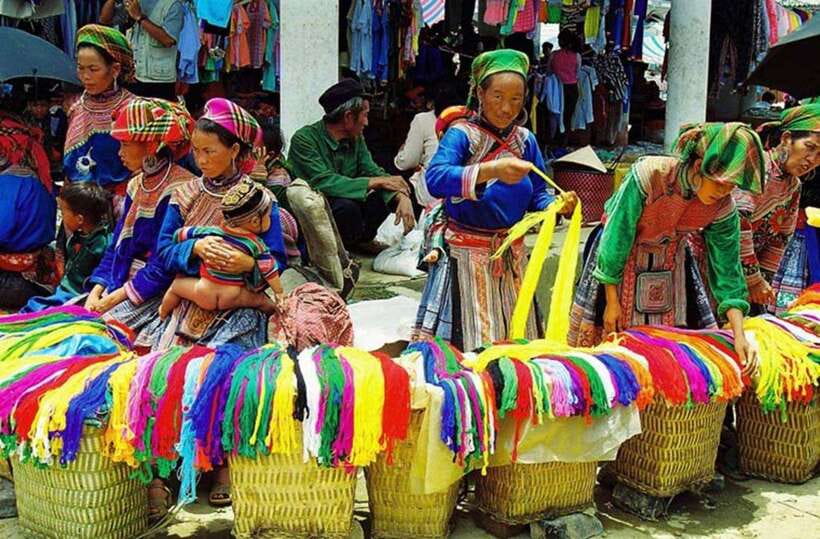
Local women may walk alongside the group on difficult sections and offer a hand on slippery descents. This assistance can be helpful, particularly if you are not used to uneven mountain paths. They also sell handmade clothing and bags. You are not required to buy anything, but bringing some cash lets you support local sellers if you find something you like.
The route is not a forest hike. Much of it passes through open fields, village paths, paved stretches, and roads. That means you get broad views, but also some less scenic walking between the main sights.
Y Linh Ho: Hmong Culture Below the Terraces
Around 11:00 AM, you reach Y Linh Ho Village, a Hmong community in the valley. The approach includes a small bridge over a scenic river, followed by trails toward Lao Chai Sang.
This section gives you a better feel for the scale of the valley. You can look back toward the slopes, watch water moving below the bridge, and see traditional wooden houses set among fields and trees. Farmers may be working nearby, and animals such as pigs, chickens, ducks, dogs, and water buffalo are part of the rural scene.
Your guide is the key to making sense of what you see. A good guide will explain more than the names of the villages. You might learn about Hmong clothing, farming routines, family life, and the difficulties faced by people living in remote mountain communities.
The cultural side is strongest when you ask questions. Guides such as Chai, Vu, Wu, and others have been praised for talking openly about their own lives and local customs. Since guides can vary by departure, do not expect one specific person, but you can expect a local English-speaking guide assigned to the group.
Same mountains, a different route up:
- Sa Pa Full Day Trekking Tour
★ 5.0 · 414 reviews - Sapa 1 Day Long Trek: Trek to Hau Thao and Sa Seng Villages
★ 4.6 · 344 reviews - Explore Sapa by TrekkingAdventures, Mountain,Rice fields
★ 4.9 · 229 reviews - EXPLORE SAPA: 2D1N TREKKING & HMONG CULTURE WITH DINH
★ 4.9 · 191 reviews
Lao Chai Sang and Lunch Around 12:30 PM
Around 12:30 PM, the walk pauses for lunch in Lao Chai Sang. The meal is described as home-cooked food with local Hmong hospitality, though some departures have eaten in a small village restaurant with a fine view.
This is a welcome break. By lunchtime, you may already have handled the steepest and muddiest part of the route, so sitting down with food and a drink gives your legs a chance to recover. The meal is included, while drinks are not, so carry money for anything extra.
Food is one of the practical strengths of the outing. Several meals have been described as very good, and vegetarian and vegan options have been available. If you have a specific dietary need, it is still wise to mention it when booking or at the start of the day rather than assume every request can be met.
The lunch stop also gives you time to speak with your guide away from the trail. This is often where the day becomes more personal. You can ask about work, schooling, local traditions, and how village life changes with the seasons.
Lao Chai Village and Traditional Clothing
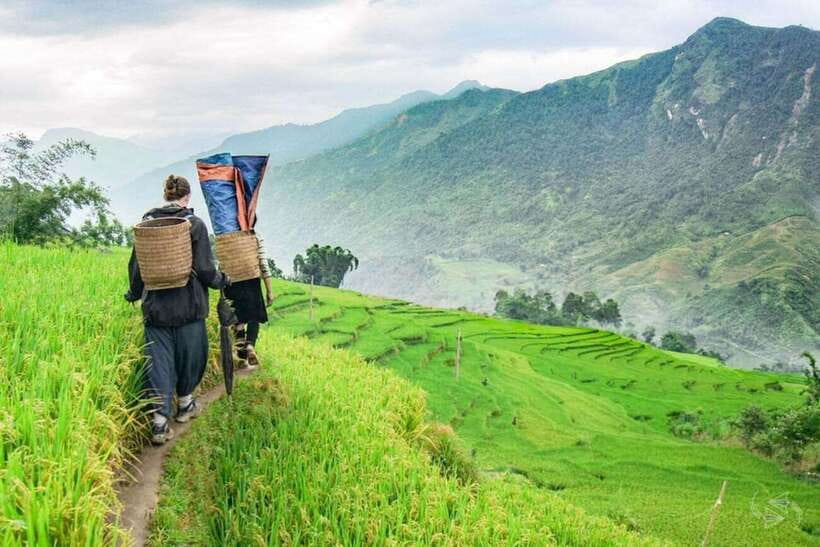
After lunch, continue toward Lao Chai Village. This section is often easier than the opening descent, with more village paths and paved stretches. You may see people planting or harvesting rice, depending on the time of year.
The scenery remains the main reward, but the details are just as useful. Look for houses, field walls, water channels, farm animals, and the narrow paths linking one settlement to another. The route shows how closely village life is tied to the terraces.
Later, the guide introduces you to Hmong daily life and traditional clothing-making. This is a more focused cultural stop than simply passing through a village. Clothing can show identity and tradition, and seeing how handmade items are produced gives you a better understanding of the work behind the bags, garments, and textiles offered for sale.
Keep your approach respectful. These are working villages, not open-air museum sets. Ask before taking close-up photographs of people or entering a home. One departure included the chance to look inside a local house, but that should be treated as a special invitation, not a guaranteed part of every outing.
Ta Van and the Dzay Community
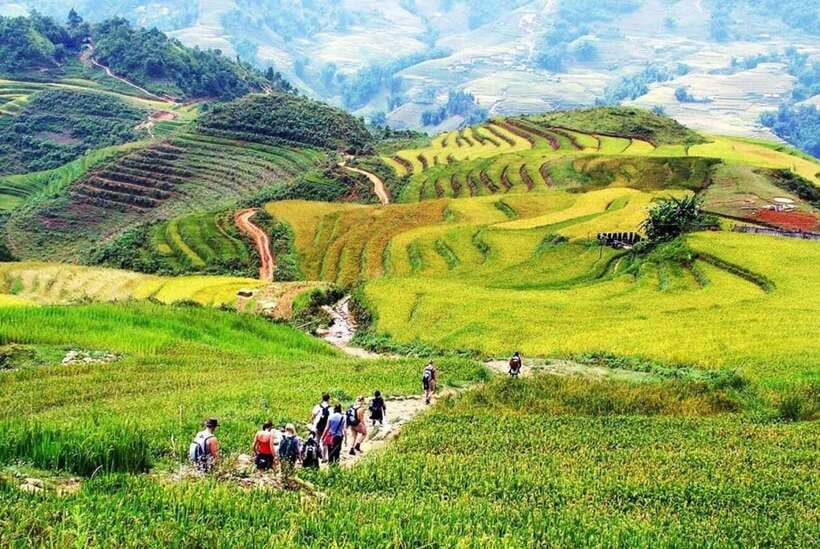
The trek continues to Ta Van Village, home to the Dzay minority. This adds another cultural layer to the day. You have already spent time learning about Hmong life, and Ta Van lets you compare traditions, homes, and village settings rather than treating every ethnic community in the area as the same.
The route toward Ta Van is generally easier than the muddy opening, but it is still a long day on foot. Even if the trail feels manageable at first, the distance adds up. A 10 to 12 kilometer route can be tiring if your knees are weak or if you are not used to walking on uneven ground.
The group size helps here. With up to 10 participants, the guide can usually keep an eye on different walking speeds and help with tricky sections. Recent departures have praised guides for waiting, offering route choices, and helping people down slippery slopes.
There is no vehicle support during the walk. Transport is used at the end to return to Sapa, so do not plan to leave the group halfway through unless you have arranged something separately. That makes the fitness warning important, not decorative.
Weather, Mud, and What to Wear
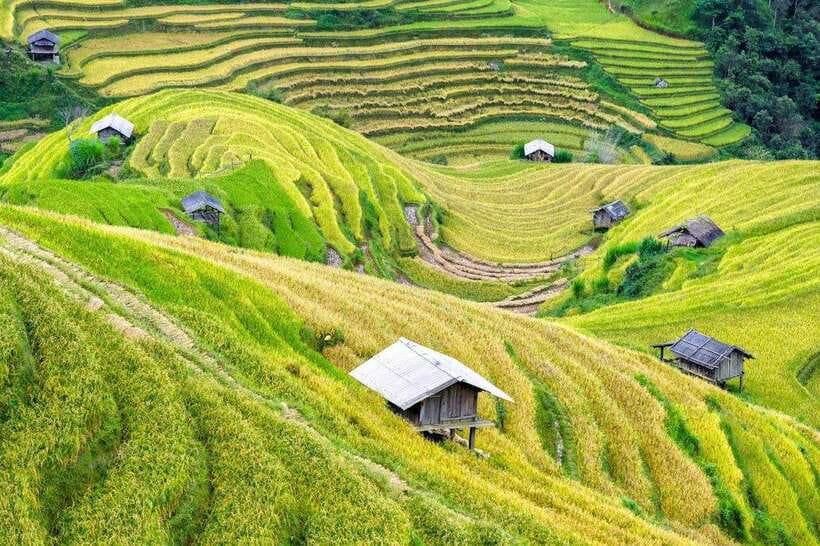
Sapa weather can change the character of this experience. In clear weather, the terraces and mountains are the stars. In fog, views may disappear, but the mist can give the valley a quiet, atmospheric feel. Rain creates the biggest practical problem because the first trails can become very slippery.
Bring:
- Hiking shoes with good grip
- Warm clothing, even if Sapa feels mild at the start
- Insect repellent
- Clothes that can get muddy
- Cash for drinks or handmade items
- A phone with WhatsApp for contact with the guide
Rubber boots can be useful after rain. Some people have rented them locally before the trek, while others have managed with hiking shoes. I would not wear sandals, smooth-soled trainers, or anything you want to keep clean.
A walking stick is not listed as part of the activity, so bring one only if you normally use one. The local women who assist on difficult sections can help, but that support should not replace proper footwear or basic fitness.
Who Will Enjoy This Route Most
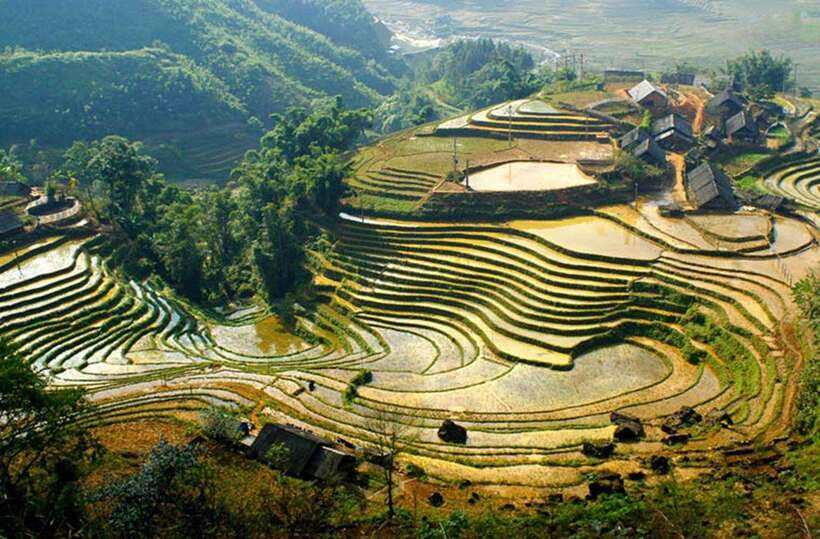
This outing suits you if you want a cultural trek with real walking, not just a photo stop. It is a good match for active couples, solo visitors, small groups, and families with older teenagers. One family with teenagers completed it happily, but younger children may struggle with the distance and rough ground.
It is not suitable for children under five, pregnant women, wheelchair users, people with mobility impairments, or anyone over 75. Those limits are sensible given the steep paths, slippery sections, and distance.
You should also think about your knees and balance. The hardest parts can involve muddy downhill walking, and several people found the route more demanding after rain. If you want an easy countryside outing, this is not the right choice. There is sometimes an easier road option, but that means giving up some of the more adventurous trail experience.
How the Price and Small Group Work for You
At $27, the cost is modest for a guided day covering roughly six and a half hours. Entrance fees, a local English-speaking guide, and lunch are included. You are paying not only for the walk but also for interpretation, route management, and access to village areas that would be harder to understand on your own.
The small-group limit of 10 is important. A large group can make narrow trails slow and noisy, while a smaller group gives you more room to ask questions and walk at your own pace. It also makes the lunch stop and cultural conversations feel less like a scheduled performance.
The value drops if you dislike walking or if thick fog ruins the views you came to see. Still, the village visits and cultural explanations remain worthwhile in poor weather. If your schedule allows, choosing a day with a better forecast gives you the best chance of seeing the terraces clearly.
You can cancel up to 24 hours ahead for a full refund, and you can reserve now and pay later. Those options are useful in Sapa, where weather can change your plans.
Should You Book the Sapa Terrace Fields Trek?
Book it if you want to combine mountain scenery with a direct look at Hmong and Dzay life. The strongest parts are the local guide, the long valley route, the included meal, and the chance to see village work rather than only town attractions.
I would choose this over a shorter viewpoint visit if you have the stamina for 10 to 12 kilometers. Guides such as Chai and Vu have been warmly praised for their English, humor, care, and personal stories, though your assigned guide may be someone else.
Skip it if you need a flat route, guaranteed clear views, or transport available throughout the day. If you are prepared for mud, changing weather, and tired legs, this is a very good-value way to spend a day in Sapa.
FAQ
Where does the trek begin?
The guide meets you in front of Sapa Church at 9:00 AM.
How long does the activity last?
The experience lasts about 390 minutes, or six and a half hours. The planned return to Sapa is around 3:30 PM, though one departure finished closer to 4:00 PM.
How far will I walk?
Expect approximately 10 to 12 kilometers of walking and hiking.
Which villages does the route visit?
The route includes Y Linh Ho, Lao Chai Sang, Lao Chai, and Ta Van.
Which ethnic communities will I learn about?
The trek focuses on the Hmong people in villages such as Y Linh Ho and Lao Chai Sang, then visits Ta Van, home to the Dzay minority.
Is lunch included?
Yes. A local lunch is included, usually around 12:30 PM in Lao Chai Sang. Drinks are not included.
Is the tour suitable for vegetarians or vegans?
Vegetarian and vegan meal choices have been available on departures, but you should state your dietary needs in advance.
What should I wear?
Wear hiking shoes, warm clothing, and clothes that can get dirty. Insect repellent is also recommended.
Can I join if I have limited mobility?
No. The activity is not suitable for people with mobility impairments or wheelchair users. It is also not suitable for pregnant women, children under five, or people over 75.
How many people are in the group?
The group is limited to 10 participants, with a live English-speaking local guide.
Can I cancel the booking?
Yes. You can cancel up to 24 hours in advance for a full refund. You can also reserve now and pay later.
New treks around Sa Pa
- Sapa: 2-Day Local Guided Valley Trek with Night Homestay★ 5.0 · 27 reviews
- SAPA: 1-DAY TREKKING TOUR WITH LOCALS, LUNCH & RICE FIELDS★ 4.7 · 18 reviews
- Sapa: 2-Day Local Guided Valley Trek with Night Homestay★ 4.8 · 5 reviews
- Sa Pa: Fansipan Peak One Day Trek with Local Guide★ 5.0 · 7 reviews
- Red Dao Village Trek and Herbal Bath★ 4.7 · 3 reviews
- Private Hoang Lien National Park & Tribal Village Trek★ 4.7 · 30 reviews
- Sapa: Private Muong Hoa Valley and Homestay Trekking 2-Day★ 4.8 · 4 reviews
- From Sapa: Muong Hoa Valley View & Village Trek 1-Day★ 5.0 · 21 reviews
Sapa Trekking Tours, side by side.
Sa Pa: Muong Hoa Valley Trek and Local Ethnic Villages
Read our review →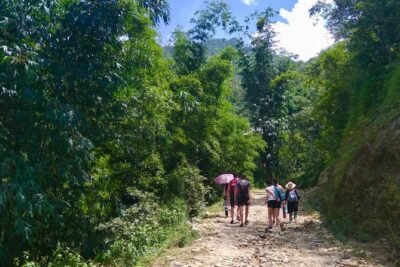
Number one top rated ethical cultural trekking and homestay by ETHOS
Read our review →
From Sapa: 1-Day Guided Trek to Lao Chai & Ta Van with Lunch
Read our review →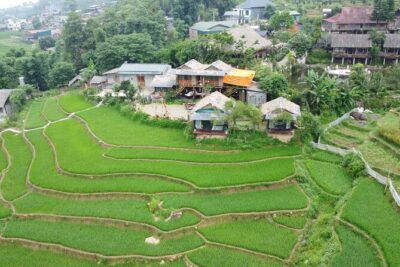
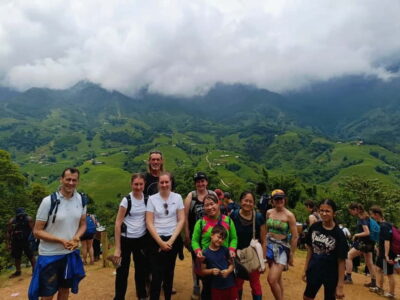
Sapa 1 Day Long Trek: Trek to Hau Thao and Sa Seng Villages
Read our review →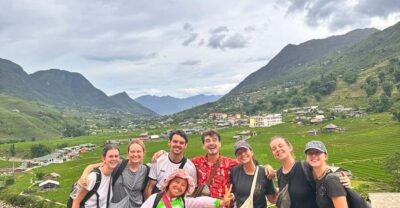
Explore Sapa by TrekkingAdventures, Mountain,Rice fields
Read our review →
EXPLORE SAPA: 2D1N TREKKING & HMONG CULTURE WITH DINH
Read our review →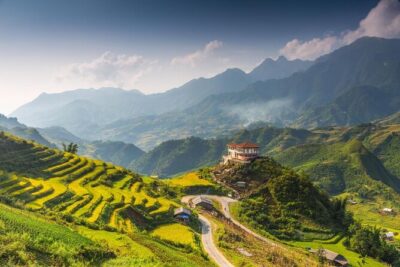
Lists this trek appears in