
Review · POKHARA
Pokhara: 4-Day Beautiful Ghorepani Poon Hill & Ghandruk Trek
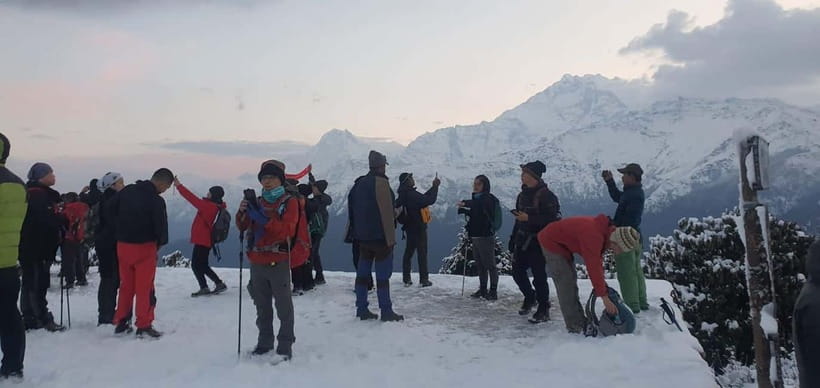
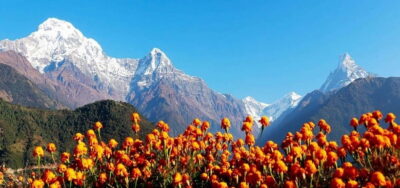
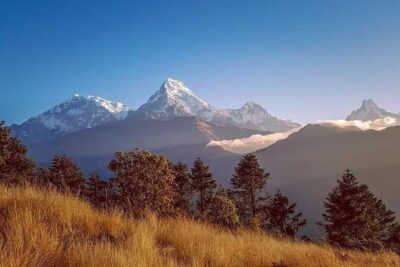
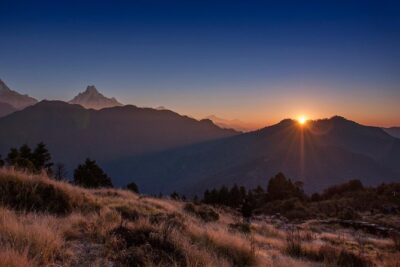
Poon Hill gives you a sunrise worth the early alarm: a broad sweep of Annapurna peaks, Mt. Fishtail, and as many as 15 mountain summits catching the first light. I like that this route also brings you into Magar villages, stone stairways, rhododendron woods, and farming country instead of keeping you on a viewpoint-only outing.
I especially like the practical four-day shape and the help of guides such as Tanka and Tonka, who are praised for adjusting the pace and making time for photos. The main caution is the walking itself: long stair sections, a six-hour day, and an early climb to Poon Hill make this a proper trek, not a casual village stroll.
Key points at a glance
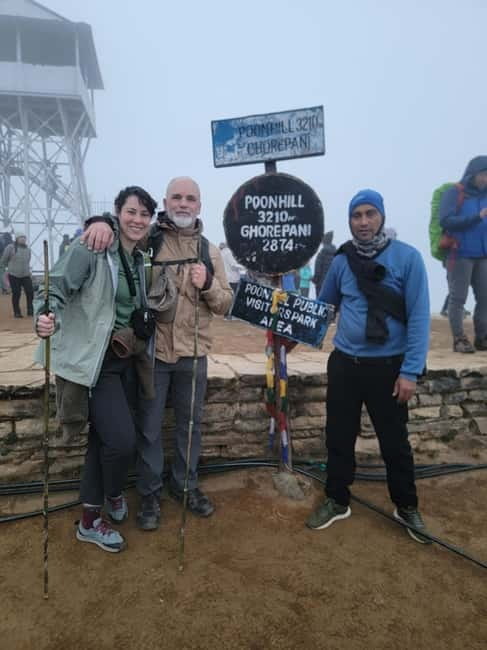
- Sunrise at Poon Hill: Start early from Ghorepani for views across roughly 15 mountain peaks.
- A real mountain route: Walk stone steps, forest trails, ridges, and village paths rather than simply driving to viewpoints.
- Four traditional stops: Sleep in Ulleri, Ghorepani, and Tadapani before reaching Ghandruk.
- Useful guide support: English-speaking guides set the pace, explain the area, and carry a first-aid kit and water purification tablets.
- Good Pokhara access: Hotel pickup, ground transport, and the return ride to Pokhara are included.
- Budget-friendly structure: At $200 per person, the price covers three nights, permits, taxes, transport, and guiding, but not meals or a porter.
Why this short Annapurna trek works
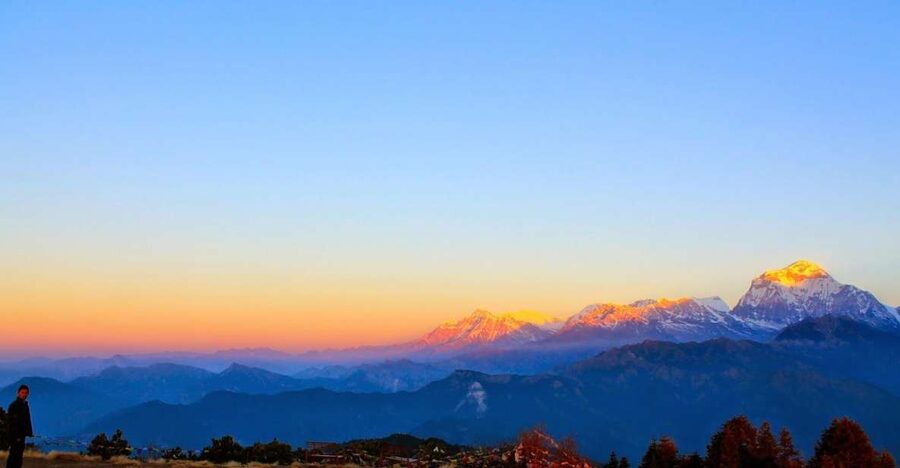
This trip packs several of Nepal’s best-known mountain experiences into four days. You begin near Pokhara, travel by road to Birethanti, and then walk upward through villages and forest toward Ghorepani. From there, Poon Hill supplies the big sunrise scene, while the route to Tadapani and Ghandruk gives you quieter walking and a closer look at rural life.
I like this balance. The trip is not only about standing at a famous viewpoint for ten minutes. You spend nights in teahouse lodges, pass homes with thatch and slate roofs, and walk beside farming terraces. Those details give the mountains a human setting.
At the same time, four days means the schedule is fairly tight. You cannot treat every morning as a slow start. Day two lasts about six hours, and day three begins before dawn for Poon Hill. If you want long pauses, side trips, or a gentler walking rhythm, a longer Annapurna route may suit you better.
The price is also worth looking at closely. At $200, you receive hotel transfers, all ground transport, three nights of accommodation, permits and taxes, a guide, a first-aid kit, and water purification tablets. You still pay separately for breakfast, lunch, dinner, drinks, travel insurance, and porter service. For a short guided trek with those fixed costs included, the package offers solid value, but you should budget for food and personal gear.
More Poon Hill treks around Pokhara:
- Poon hill Trek 3 days
★ 5.0 · 176 reviews - Pokhara: 4-Day Ghorepani, Poonhill & Ghandruk Mountain Trek
★ 5.0 · 132 reviews - Ghorepani – Poon Hill Trek 3N-4D
★ 5.0 · 125 reviews
From Pokhara to Ulleri on day one
Pickup begins at your hotel in Pokhara, or at the entrance of your residential apartment. You are asked to wait in the lobby or at the entrance five to ten minutes before the arranged time. The drive to Birethanti takes about one hour, and this is where the walking begins.
The first day climbs through a route lined with teahouses and mountain scenery. After roughly two hours of ascent, you reach Ulleri, a Magar village and your first overnight stop. The short walking time can sound easy on paper, but uphill steps feel different after a road journey, especially if you are new to trekking.
Ulleri is a useful introduction to the rhythm of the route. You are moving from Pokhara’s road-based comfort into a walking journey where villages, lodges, and footpaths set the pace. A teahouse stay also means you should pack for simple mountain accommodation rather than a hotel room.
Keep your day bag light. Carry the items you need for the walk, evening, and next morning, while leaving anything nonessential at your Pokhara hotel if that is practical. The required packing advice includes comfortable trekking shoes, socks, a jacket, toiletries, a towel, sun protection, mosquito repellent, toilet paper, and a change of clothes.
Stone steps and alpine forest to Ghorepani
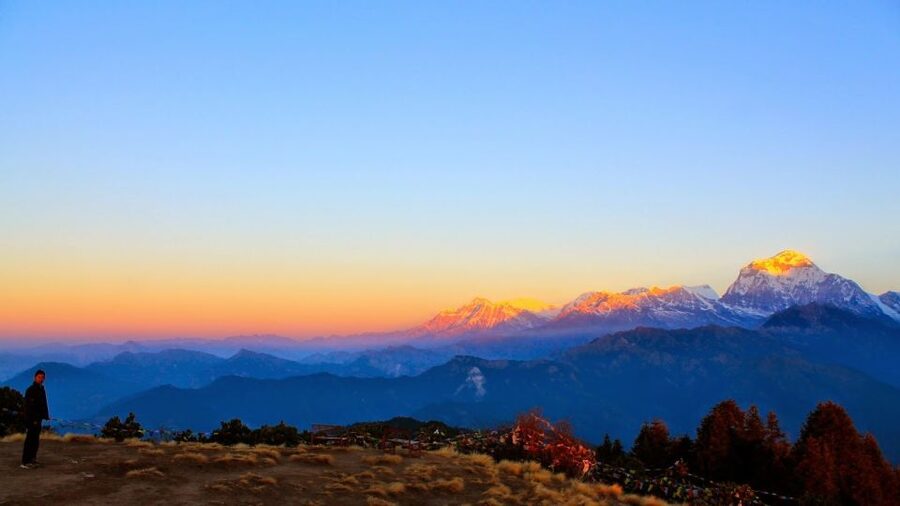
Day two is the most demanding stretch described in the schedule. You spend about two hours on stone steps, then continue upward through alpine forest. Annapurna and Mt. Fishtail, also known as Machapuchare, provide the main mountain views as you gain height.
The route has teahouses where you can stop for a break. That matters because this is a long walking day of about six hours before reaching Ghorepani. Take the pace seriously. A guide can help you avoid rushing early in the day, and the guides praised for this route, particularly Tanka and Tonka, are known for matching the walking rhythm to the person in front of them.
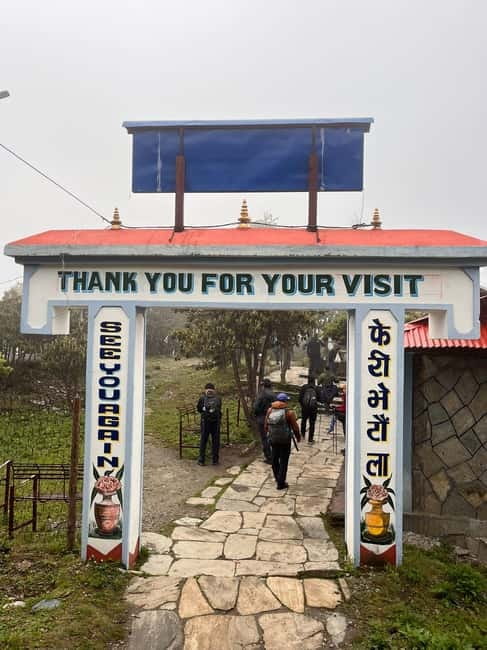
Ghorepani is more than a bed for the night. It is the base for the next morning’s Poon Hill climb and offers views toward the world’s deepest valley. The timing can feel a little frustrating because you reach the village after a long ascent, then need to prepare for another early start. Still, that early alarm is the reason this route is so popular.
Your accommodation is in a teahouse lodge. Facilities can vary, so bring realistic expectations and personal hygiene supplies. One especially encouraging detail from the experience is that the lodges have been described as offering good food, warm water, and fine views, but meals are not included in the tour price. Keep cash available for what you eat and drink during the trek.
Poon Hill sunrise before breakfast
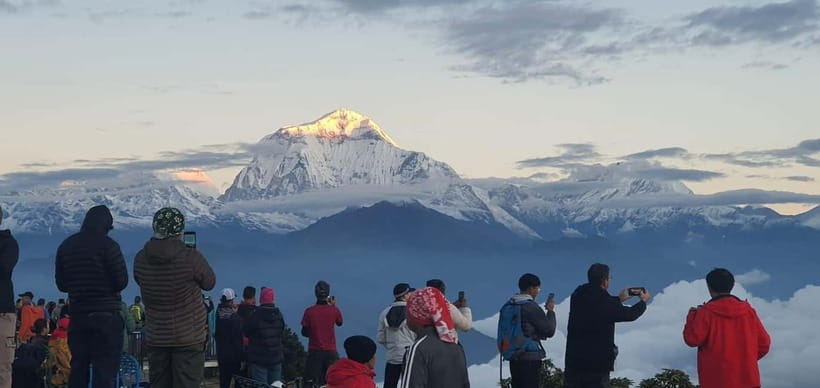
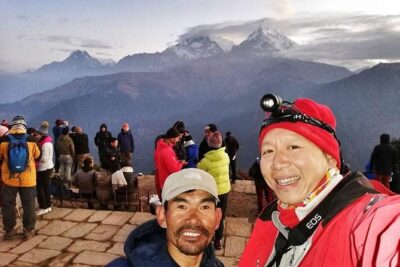
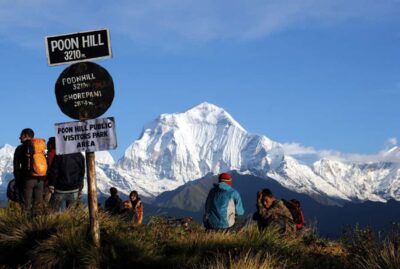
Day three begins early. You walk up to Poon Hill before sunrise, then wait for the mountains to catch the light. This is the trip’s central moment, and the view is broad rather than limited to a single peak. The route description points to around 15 mountain summits, including major Annapurna views and some of the highest peaks in the region.
The weather controls how much you see. In June, cloud and rain can interrupt the panorama, so you should enjoy the walk and village stops even if the sunrise is not perfectly clear. The mountain scenery can appear in short openings rather than one uninterrupted view. Bring a jacket, hat, and comfortable layers because the pre-sunrise wait is the coldest part of the day mentioned in the schedule.
After returning to Ghorepani, you follow a trail through rhododendron forest and over mountain ridges toward Tadapani. This section changes the mood of the trek. The sunrise is a concentrated viewpoint experience, while the walk to Tadapani gives you several hours of changing forest and ridge scenery.
You spend the night at another teahouse lodge in Tadapani. The route does not promise a completely easy afternoon after the early start, so use the return to Ghorepani to eat, drink, and reset before continuing. Your guide carries a first-aid kit, and water purification tablets are included, but you remain responsible for bringing suitable personal medication and arranging travel insurance.
More four-day treks around Pokhara
- Pokhara: 4-Day Mardi Himal Trek
★ 4.9 · 59 reviews - Pokhara: 4-Day Private Trek Tour
★ 4.9 · 43 reviews - From Pokhara: 4-Day Mardi Himal Base Camp Trek
★ 4.9 · 31 reviews - Pokhara: 4-Day Poon Hill and Ghandruk Guided Trek
★ 5.0 · 14 reviews
Ghandruk’s roofs, terraces, and village streets
The fourth day is shorter and heads downhill to Ghandruk. After several days of climbing and ridge walking, this descent may feel welcome, though downhill stone paths can still test your knees. Comfortable shoes matter here more than fashionable footwear.
Ghandruk is one of the most appealing stops because the village itself is part of the experience. You can walk among houses with thatch and slate roofs and see farming terraces shaped into the hillsides. This is a chance to notice how people live in the mountains, rather than simply photographing distant peaks.
A lunch stop provides views toward Annapurna South and Huinchuli. The itinerary then calls for about one more hour of trekking before you catch a vehicle back to Pokhara. That final ride returns you to your hotel, so the day combines a village visit, a last walk, and a fairly efficient transfer.
Ghandruk also gives the trip a satisfying ending. Poon Hill is the high point for mountain views, while Ghandruk brings the focus back to homes, streets, farms, and local routines. I prefer this combination to a route that finishes at a viewpoint and sends you straight back to a city.
What the guide adds to the walk
The guide is not just there to point out the next staircase. An English-speaking guide can help with pacing, lodge arrangements, route decisions, and communication during the trek. The strongest feedback attached to this experience centers on that personal care.
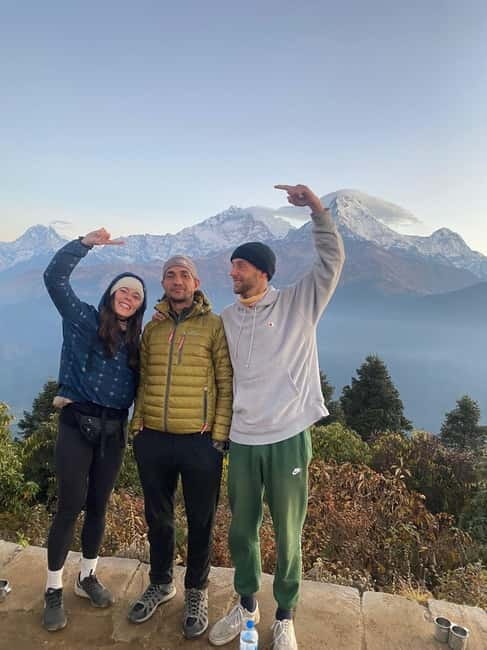
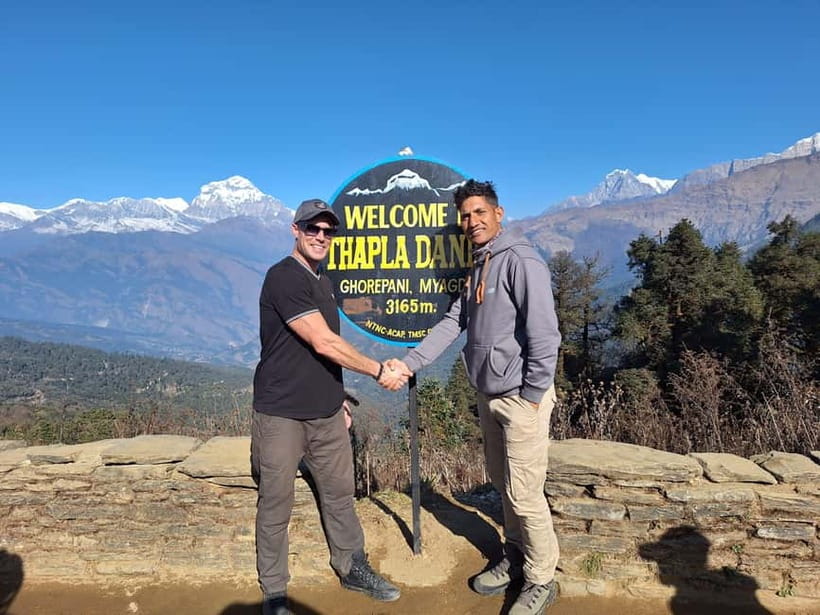
Tanka is singled out for speaking English very well, explaining the mountains and Nepal, and adapting the pace to suit the group. Tonka is praised for looking after a first-time trekker, checking that she had enough food and water, and allowing time for photography without making the day feel rushed. The names may not tell you who will lead your departure, but they show the kind of guide support this operator has provided.
You should still speak clearly about your needs before walking. Tell your guide if you want more time for photos, need a slower pace, or have concerns about food and water. One useful strength of this route is that the guide can provide conversation when you want context, then give you quiet time to enjoy the woods and ridges.
A porter is not included. That means you should plan to carry your own daypack and arrange porter service separately if you do not want to carry your belongings. The information provided does not specify luggage weight limits or porter pricing, so ask before booking if you need this service.
Food, rooms, and daily costs
Meals and drinks are excluded, including breakfast, lunch, and dinner. That keeps the headline price down, but it means the final cost will be higher than $200. Bring a sensible food budget and money for drinks along the route.
The overnight stays are in teahouse lodges in Ulleri, Ghorepani, and Tadapani. Accommodation is part of the price, and the experience includes reports of good food and warm water at the lodges. You should not expect city-hotel standards, and the available information does not specify private bathrooms or room arrangements.
Pack toiletries, a towel, toilet paper, and a change of clothes. A light day bag is also listed, along with sunscreen, sunglasses, a sun hat, a camera, and personal hygiene products. A jacket is important for the early Poon Hill start and higher sections.
The operator includes water purification tablets. That is useful, but the provided details do not state how much drinking water is supplied each day. Ask your guide about refills and carry enough water for each walking section.
Who should book this four-day route
I would recommend it to you if you want a first taste of Himalayan trekking without committing to a much longer journey. The schedule gives you a clear route, three nights on the trail, village scenery, a famous sunrise, and a return to Pokhara within four days.
It is also a good fit if you value a guide who can explain the mountains and help adjust the pace. The route has enough structure for a first-time trekker, but it still asks for effort. You need to be comfortable walking uphill, descending on mountain paths, and managing an early morning start.
I would hesitate to recommend it if you dislike stairs, have a heart problem, or are pregnant. The activity specifically excludes people with heart problems and pregnant women. Travel insurance is not included, so arranging your own cover is important.
Weather can also shape the experience. Clear days may bring the full mountain panorama, while cloud can reduce the views. The trek remains worthwhile for the villages and forest, but you should not book it solely on the assumption of a perfect sunrise.
Booking details worth knowing
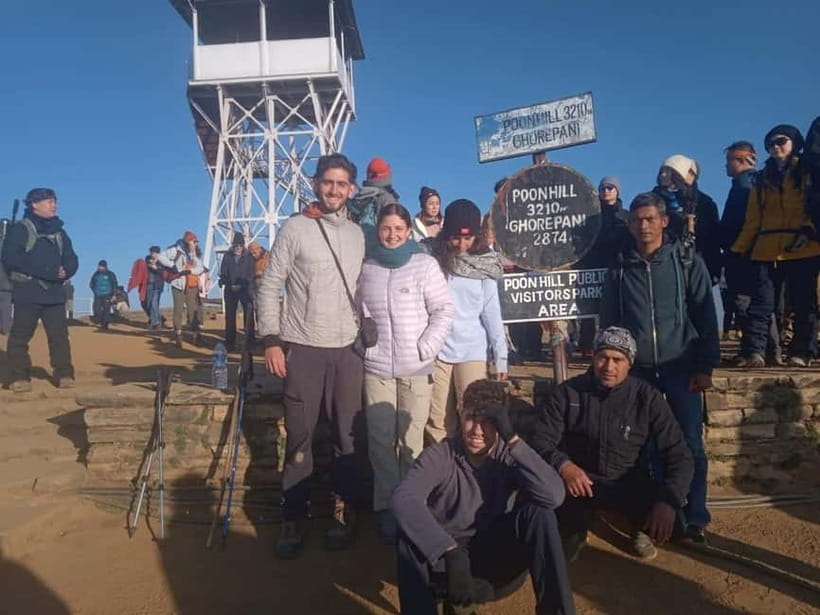
The tour costs $200 per person and lasts four days. Hotel pickup and drop-off in Pokhara are included, as are ground transport, permits, taxes, guiding, three nights of accommodation, a first-aid kit, and water purification tablets.
The activity is offered with a live English-speaking guide. You must bring a scanned copy of your passport and a passport-sized photo, along with your passport or ID card. Comfortable trekking shoes, sun protection, a jacket, toiletries, and a light daypack are essential parts of your preparation.
Free cancellation is available up to 24 hours before the activity for a full refund. You can also reserve now and pay later, which helps if your Pokhara schedule is still changing. Starting times depend on availability, so confirm the departure time before you settle your hotel plans.
Should you book the Ghorepani, Poon Hill, and Ghandruk trek?
Book it if you want a compact Annapurna experience with a strong mix of sunrise views and village life. The route gives you more than a quick mountain lookout: you walk through Ulleri, Ghorepani, rhododendron forest, Tadapani, and Ghandruk, with a guide and transport taking care of the main logistics.
Go in with open eyes about the work involved. Six hours of walking on day two, stone steps, a pre-dawn climb, separate meal costs, and no included porter service all matter. For a fit visitor who wants four focused days near Pokhara, the $200 price is attractive. For anyone seeking a very gentle holiday, it is better to choose a less demanding outing.
FAQ
How long is the Ghorepani, Poon Hill, and Ghandruk trek?
The trek lasts four days and includes hotel pickup and drop-off in Pokhara.
What is the tour price?
The price is $200 per person.
Is a guide included?
Yes. An English-speaking live tour guide is included.
Are meals included?
No. Breakfast, lunch, dinner, and drinks during the trek are not included.
Where do you stay overnight?
You spend three nights in teahouse accommodation in Ulleri, Ghorepani, and Tadapani.
Is porter service included?
No. Porter service is not included in the price.
What should you bring for the trek?
Bring your passport or ID card, a scanned passport copy, a passport-sized photo, trekking shoes, comfortable clothing, a jacket, socks, sun protection, toiletries, toilet paper, a towel, a light daypack, and personal hygiene products.
Is the trek suitable for pregnant women or people with heart problems?
No. The activity is not suitable for pregnant women or people with heart problems.
Can you cancel the booking?
Yes. You can cancel up to 24 hours in advance for a full refund. Reserve now and pay later is also available.
New treks around Pokhara
- Pokhara: 9-Day Annapurna Base Camp Trek with Poon Hill★ 5.0 · 6 reviews
- Pokhara: 5-Day Trek to Annapurna Base Camp and Hot Springs★ 5.0 · 4 reviews
- Pokhara: Majestic Mardi Base Camp Guided Trek with HotSpring★ 5.0 · 6 reviews
- Pokhara: 5-Day Ghorepani and Poon Hill Private Trek★ 5.0 · 4 reviews
- Pokhara: 7-Day Annapurna Base Camp Trek & Hot Spring★ 4.0 · 3 reviews
- Pokhara:4-Day Ghorepani Poon Hill Guided Trek via Ghandruk★ 5.0 · 3 reviews
- Pokhara: 4-Day Poon Hill and Ghandruk Guided Trek★ 5.0 · 14 reviews
- Pokhara: 4-Day Private Trek Tour★ 4.9 · 43 reviews
Poon Hill Treks, side by side.
Pokhara: 4-Day Ghorepani, Poonhill & Ghandruk Mountain Trek
Read our review →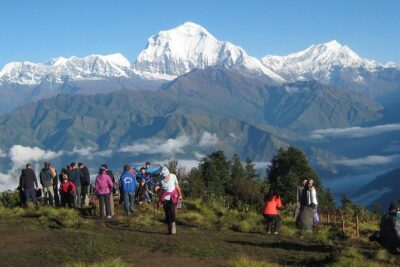
From Pokhara: 3-Day Ghorepani Poon Hill Trek with Guide
Read our review →
Pokhara: 3-Day Ghorephani and Poon Hill Private Trek
Read our review →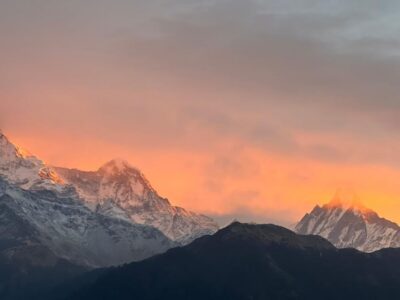
From Pokhara: 2 Day 1 Night Ulleri,Ghorepani Poon Hill Trek
Read our review →Lists this trek appears in