
Review · PERU
Salkantay trek to Machu Picchu – 5D/4N – Premium
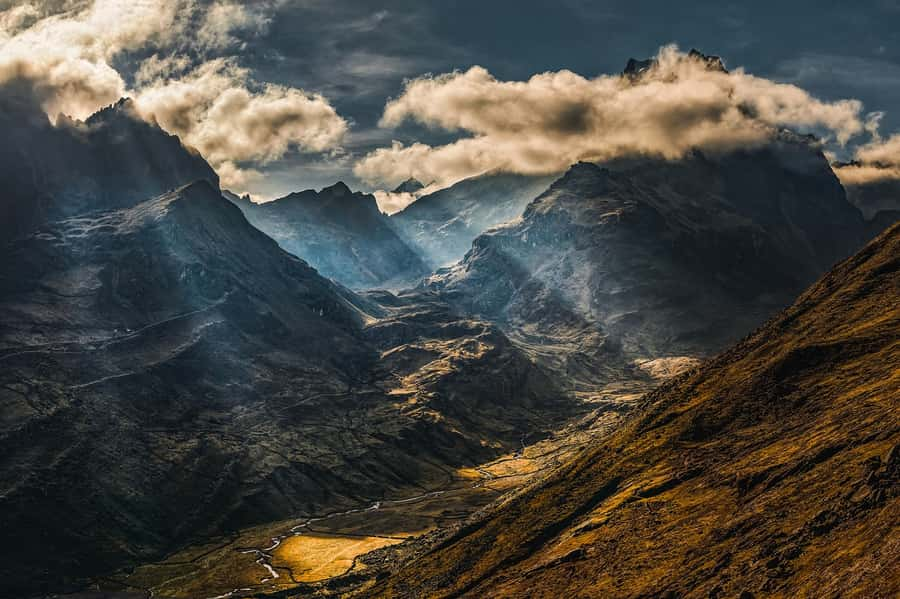
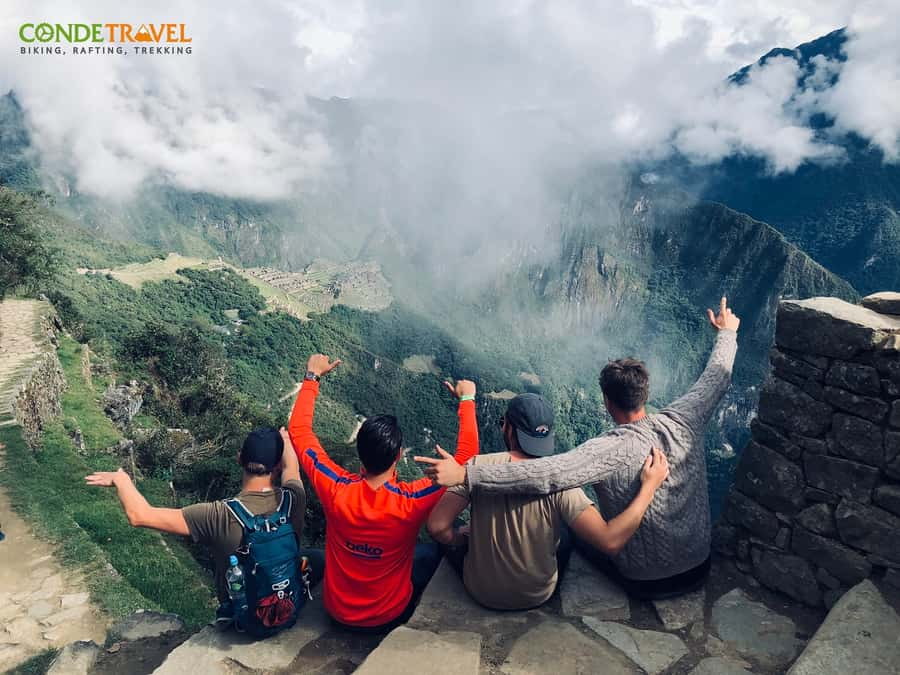
The best part of this Salkantay route is the changing scenery: Humantay Lake, high mountain country, cloud forest, coffee growing country, and finally Machu Picchu. You cover 64 kilometers in four hiking days, with three nights camping and one night in Aguas Calientes.
I like the small group of up to 15 people and the practical package, which includes meals, a chef, camping gear, Machu Picchu entry, buses, and the return train. I also like the authentic SalkantayPampa basecamp, though you should know the organization has not been consistent on every departure. One January trip involved several guide changes, missed arrangements, and poor support when a participant became ill.
Key points before you book
- Humantay Lake begins the trip with a major scenic payoff, followed by a long 16 kilometer first day.
- SalkantayPampa gives you a real camping night, not simply a hotel-based walking tour.
- The route covers 64 kilometers, with daily distances from 14 to 18 kilometers.
- A chef, assistants, dining tent, kitchen, sleeping bag, and vegetarian meals are included.
- Your final night is in Aguas Calientes, making the Machu Picchu visit easier the next morning.
- The $510 price is strong for an all-in trek, but operational reliability deserves careful attention.
Why this route appeals to independent-minded hikers
The Salkantay Trek is the best-known alternative to the Inka Trail, and it offers a different kind of approach to Machu Picchu. You are not simply walking through archaeological sites. You move through several natural zones, beginning near Cusco and ending at the Urubamba valley town of Aguas Calientes.
That variety gives the route its appeal. The trip includes a lake, high country, remote camps, greener lower valleys, Llactapata, the hydroelectric area, and finally Machu Picchu. I like that the route feels like a journey rather than a single attraction with a long walk attached.
The tradeoff is effort. This is described as moderate to challenging, and the daily distances are not short. The longest day covers about 18 kilometers, while the first and third days each run about 16 kilometers. You need to be comfortable walking for roughly six to seven hours a day.
The price is $510 per person. For that amount, you receive transport, food listed in the schedule, three campsite nights, one hotel night, a bilingual guide, a chef and assistants, camping equipment, Machu Picchu entry, round trip buses at the citadel, and the return train to Ollantaytambo. Transportation from Ollantaytambo back to Cusco is also included.
That is a useful bundle. A self-arranged version would require you to coordinate several moving parts, especially the train, Machu Picchu entry, local transfers, meals, and camps. Still, the value depends on the operation being well organized. One poorly managed departure had three different guides instead of one continuous guide, and the group lost two days in Aguas Calientes dealing with tickets. That is a serious warning, not a minor nuisance.
More Inca Trail treks around Peru:
- Salkantay Trek Challenge – 3 Days / 2 Nights
★ 5.0 · 101 reviews - Choquequirao Trek 4 days and 3 nights
★ 5.0 · 81 reviews - Machu Picchu: 5-Day Salkantay Trek with Panoramic Train
★ 5.0 · 79 reviews
Day 1: Cusco to Humantay Lake and SalkantayPampa
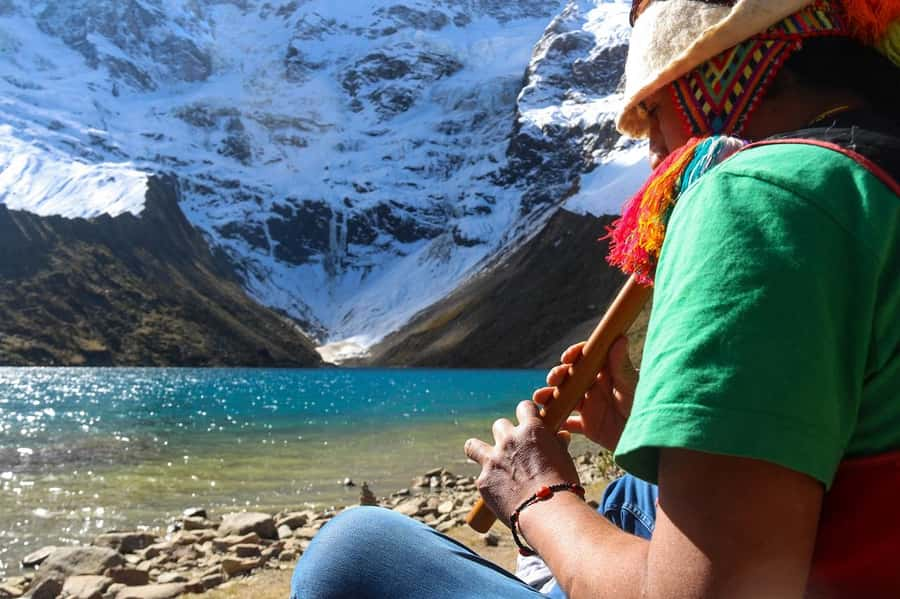
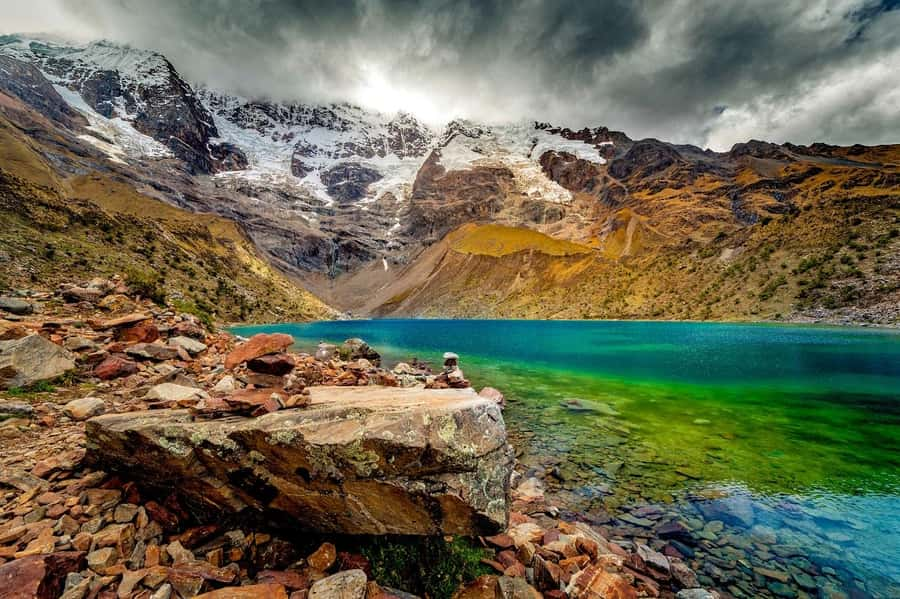
The first day combines one of the trip’s most famous sights with a demanding walk. From Cusco, you travel toward the Mollepata and Salkantay route, then visit Humantay Lake before continuing to the SalkantayPampa basecamp.
The hiking distance is about 16 kilometers, or roughly seven hours. That makes the opening day important for setting your pace. Humantay Lake is the big visual reward, but it comes before the rest of the day is finished. You should not treat the lake as the end of your effort.
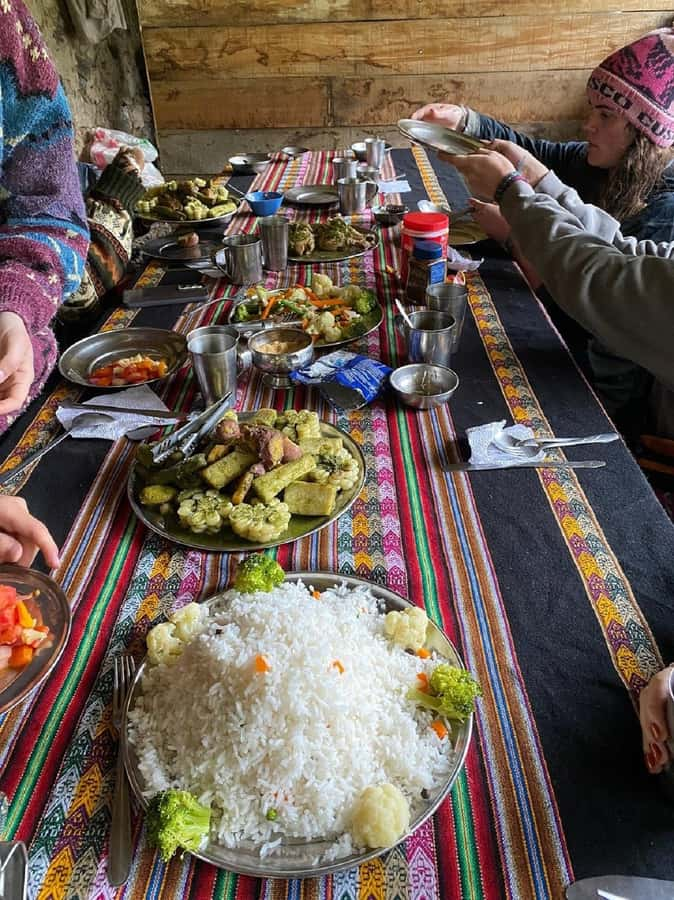
SalkantayPampa is one of the more appealing parts of the package. The camp is presented as an authentic camping base rather than a quick stop with minimal facilities. Three campsite nights are included overall, and the team provides a spacious dining tent and kitchen. A chef and assistants prepare the included meals, with vegetarian options available.
You receive a sleeping bag, but you still need suitable clothing. The packing advice specifically calls for snow clothing, comfortable clothes, a hat, closed-toe shoes, a flashlight, and a daypack. Bring a change of clothes too. Camping in a high mountain setting is not the place to rely on one thin layer and a phone flashlight.
The first day also shows why you should take the difficulty rating seriously. A 16 kilometer walk after early transport and a major lake visit can feel long even before you reach camp. Keep your daypack light, carry personal medication, and bring cash for personal needs.
Day 2: SalkantayPampa to Chaullay
The second day is the longest, at about 18 kilometers and seven hours. You leave the SalkantayPampa basecamp and continue toward Chaullay.
This is the day when the trip changes from an exciting first-day outing into a genuine multi-day trek. Your legs have already worked hard, and the route still asks for a full day on foot. I would pay close attention to the guide’s pace here rather than trying to stay with the fastest walkers in the group.
Chaullay is a practical overnight stop in the route. The information provided does not promise a particular type of accommodation there beyond the included camping arrangement, so you should expect the basic rhythm of a multi-night outdoor trip: walk, reach camp, eat, organize your sleeping gear, and rest.
The small group limit matters on a day like this. With no more than 15 participants, the guide should be able to keep track of the group more easily than on a large coach-style departure. Still, that does not remove the need for you to monitor your own energy and communicate early if you are struggling.
A useful strength of the package is the food support. Meals mentioned in the schedule are included, and vegetarian food is available. The presence of a chef and assistants is more valuable after a seven-hour walking day than a simple packed snack would be.
Day 3: Chaullay through the lower valleys to Lucmabamba
The third day covers about 16 kilometers in six hours, ending at Lucmabamba. This section gives the trek its biggest change of mood.
Instead of staying in the starkest high-country setting, you move toward greener, lower country. Lucmabamba is known in the route description as part of the transition toward the valley, and its location makes it a key point before the final approach to Machu Picchu.
This is also where a good guide can make a real difference. Eduardo, one guide associated with a particularly strong departure, was praised for explaining the area’s nature, traditions, and people. That kind of interpretation adds meaning to a long walk. You are not just counting kilometers. You are learning how the route connects mountain environments with local life.
The guide quality is the most encouraging part of the feedback. One five-star account described Eduardo as attentive and informative, especially on nature, traditions, and local communities. That is exactly the sort of guidance I want on a trek. It helps you notice more than the next bend in the path.
The concern is consistency. On one January departure, the group was told it would keep the same guide but ended up with three different guides. If continuity matters to you, ask the operator before departure how guide assignments are handled and what happens if a guide must be replaced.
More treks around Peru:
- From Arequipa: Sillar Route Trek
★ 4.2 · 461 reviews - From Cusco: 7 Lakes Ausangate Trek with Breakfast and Lunch
★ 4.8 · 360 reviews - From Arequipa: 2-Day Colca Canyon Trekking Tour
★ 4.8 · 243 reviews - Cusco: Full-Day Rainbow Mountain & Red Valley Trekking Tour
★ 4.5 · 121 reviews
Day 4: Lucmabamba, Llactapata, Hydroelectric, and Aguas Calientes
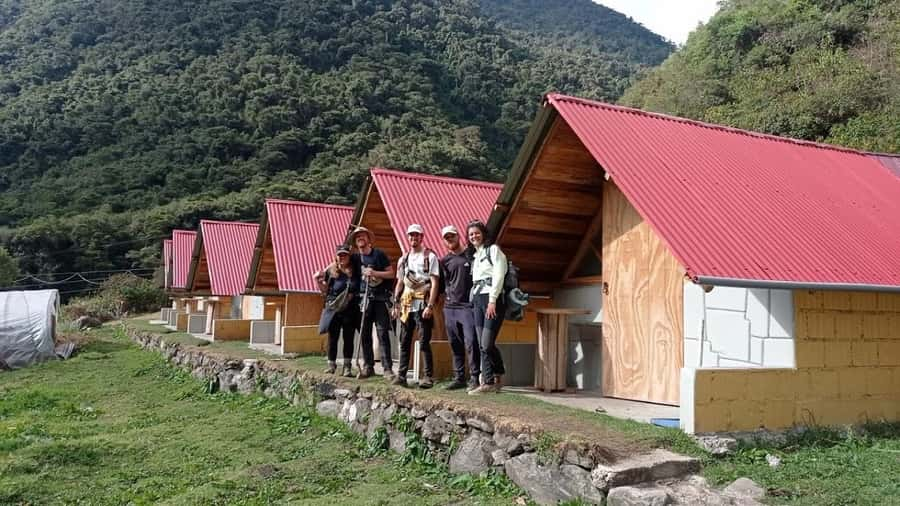
The final hiking day covers about 14 kilometers in roughly six hours. You leave Lucmabamba, pass Llactapata, continue to the hydroelectric area, and then reach Aguas Calientes.
The shorter distance is welcome after the first three days. It is still a full walking day, but the schedule leaves you closer to the evening hotel stay. Llactapata gives the day an archaeological and scenic focus before the route turns toward the rail and road connections around Hydroelectric.
Aguas Calientes, also called Machu Picchu Pueblo, is your one hotel night. This is a sensible arrangement because it avoids forcing the Machu Picchu visit immediately after a long camping night. You can sleep indoors, organize your belongings, and prepare for the citadel visit.
The train back to Ollantaytambo is included, as is transport from Ollantaytambo to Cusco. That matters because the return is not a simple walk back to the starting point. The package handles the major connection after you leave the mountains.
One warning deserves attention here. A January participant reported losing two days in Aguas Calientes while dealing with tickets. The available information does not explain precisely how that happened, but it shows why you should confirm your Machu Picchu entry arrangements and visit timing before setting out. Ask which day and time your entry is scheduled for, and keep all ticket details accessible.
Day 5: Machu Picchu and the return to Cusco
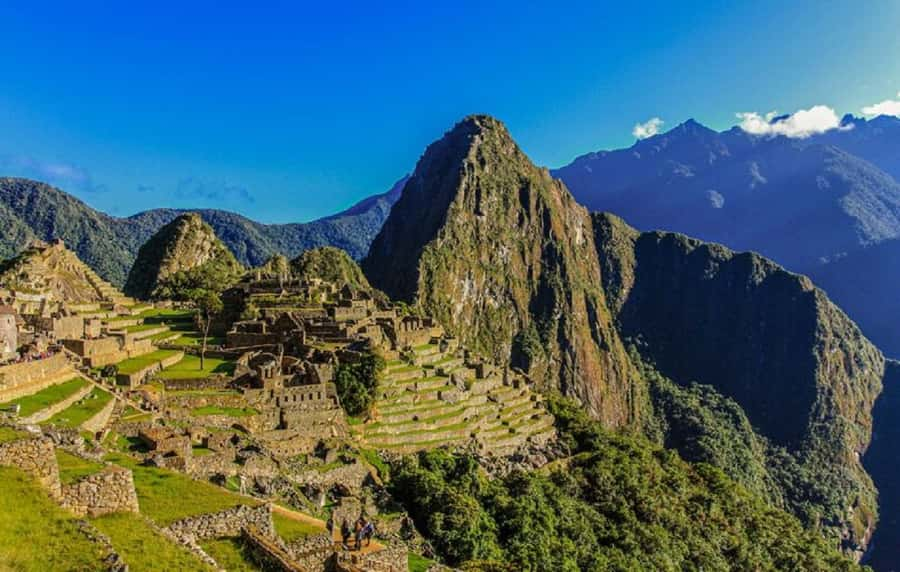
The fifth day is devoted to Machu Picchu, the final destination of the trek. Entrance to the citadel is included, as are the round trip buses between Aguas Calientes and Machu Picchu.
The buses are a useful inclusion. After four days on foot, you do not need another steep approach added to the morning. The exact starting time is not stated, so you should check availability and departure details when booking.
Huayna Picchu and Machu Picchu Mountain are not included. If you want either additional climb, you need to arrange and pay for the extra entrance separately. The base package is for Machu Picchu citadel itself, not those optional mountain permits.
Lunch and dinner on the last day are not included. The first breakfast is also excluded, so budget for those meals. The listed included meals cover the main trekking portion, but you should not assume every meal from pickup in Cusco through your return is provided.
Camping, food, and what $510 really covers
The strongest value here comes from the number of services bundled into the price. You receive:
- All stated transfer services
- Three nights at campsites
- One hotel night in Aguas Calientes
- A professional English speaking bilingual guide
- A chef and assistants
- A dining tent and kitchen
- A sleeping bag
- Meals listed in the schedule
- Vegetarian meal options
- Route entry for the Mollepata and Salkantay section
- Machu Picchu entry
- Machu Picchu buses
- Train to Ollantaytambo
- Transport from Ollantaytambo to Cusco
At $510, that is a fair package for someone who wants one booking to handle the major costs. The price is especially useful if you value the chef, camping setup, and train connection.
It is not an all-expenses-paid holiday. You need to pay for the first breakfast, final lunch and dinner, personal care items, and any Huayna Picchu or Machu Picchu Mountain entry. You should also carry cash, a flashlight, a garbage bag, and personal medication.
The non-refundable cancellation rule raises the stakes. Before paying, check your dates, fitness, passport, and plans carefully. A non-refundable trek is a poor match for a schedule that may change.
The practical concerns you should not ignore
The largest weakness is not the scenery or the route. It is trip management.
One January departure began badly when a participant became ill on the first day. The group reportedly had no emergency radio available, and when the person had to leave for a hotel the next day, no assistance or small compensation was provided. That points to questions about emergency communication, evacuation support, and what the operator does when someone cannot continue.
I would ask these questions before booking:
- Is an emergency communication device carried by the guide?
- What happens if you become ill or need to leave the route?
- Will one guide stay with the group for all five days?
- When and how are Machu Picchu tickets confirmed?
- What transport is provided if you cannot complete a walking day?
The tour is limited to 15 people and includes pickup from your hotel. You are asked to wait in the lobby 10 minutes before the scheduled pickup, and the driver will carry a sign with your surname and the company logo. Those details are simple, but they make the early start less stressful.
The operator is Grupo Conde Travel. The listed tour language is English. Keep your passport ready, since it is required, and do not bring oversized luggage. Open-toed shoes, alcohol, drugs, baby strollers, electric wheelchairs, crutches, and other listed restricted items are not allowed.
This trek is not suitable for children under five, pregnant women, people with back, heart, or mobility problems, wheelchair users, or people over 70. Those restrictions are broad, but the distance and camping conditions explain why the operator sets them.
Who will enjoy this Salkantay route most
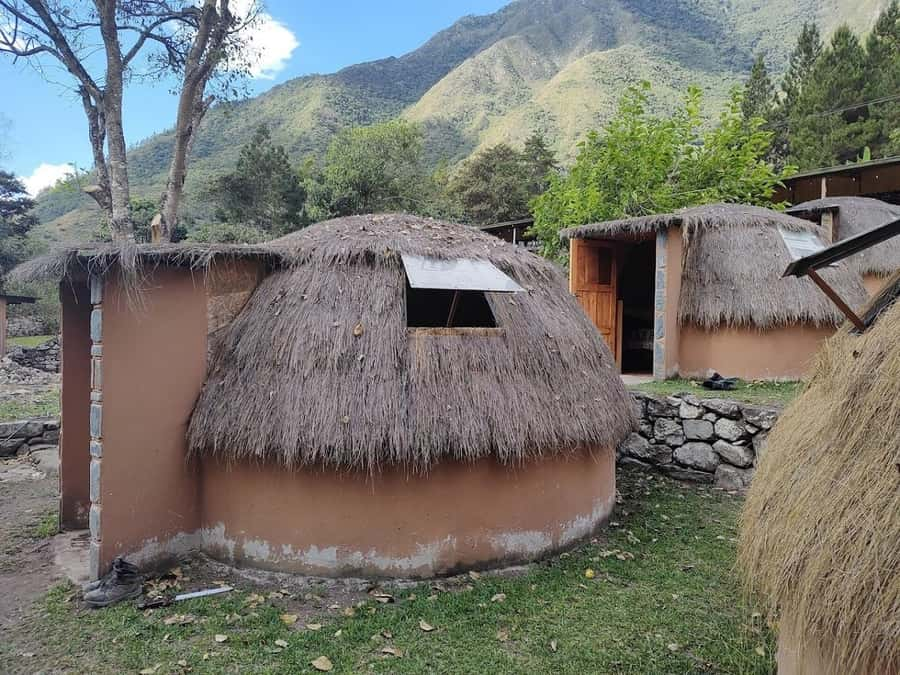
I would choose this trip if you want a physically active route to Machu Picchu and like the idea of combining camping with a hotel night. It suits someone who wants more natural variety than a direct rail visit and who appreciates having meals, equipment, trains, buses, and entry tickets organized together.
It is less suitable if you need polished logistics, guaranteed guide continuity, or strong support when plans go wrong. The scenery can be excellent, but beautiful surroundings do not compensate for unclear ticket handling or weak emergency arrangements.
You should also be honest about the walking. Four days of hiking, with up to seven hours and 18 kilometers in one day, is a real commitment. Comfortable clothes and shoes are not enough unless you are prepared for sustained effort.
Should you book the Premium Salkantay Trek?
Book it if the $510 price fits your budget, you want a compact group, and camping is part of the appeal rather than a compromise. The route has real variety, the SalkantayPampa basecamp adds character, and the included chef, sleeping bag, train, buses, and Machu Picchu entry make the package convenient.
Before committing, contact Grupo Conde Travel and get the guide plan, ticket schedule, emergency procedure, and illness policy in writing. The strongest experience appears to depend heavily on the guide and local organization. Eduardo’s thoughtful nature and cultural explanations show what the trip can be at its best, while the January departure shows what can go wrong.
My call: good value for an adventurous hiker, but book only after confirming the operational details.
FAQ
How long is the Salkantay Trek to Machu Picchu?
The trip lasts five days and four nights. The hiking distance is about 64 kilometers, or 39 miles.
How difficult is the trek?
It is rated moderate to challenging. The daily walks range from about 14 to 18 kilometers and take roughly six to seven hours.
Where do you sleep during the trip?
You spend three nights at campsites and one night in a hotel in Machu Picchu Pueblo, also called Aguas Calientes.
Is food included?
Food listed in the schedule is included, and vegetarian options are available. The first breakfast and the final day’s lunch and dinner are not included.
Is the train back to Cusco included?
The train from Aguas Calientes to Ollantaytambo is included. Transportation from Ollantaytambo to Cusco is also included.
Are Huayna Picchu and Machu Picchu Mountain included?
No. Entrance to Huayna Picchu and Machu Picchu Mountain is not included in the package.
What language is the tour operated in?
The tour has a live English speaking guide. The group is limited to 15 participants.
New treks around Peru
- Salkantay Humantay lake trek with Domes-2d-1n★ 5.0 · 2 reviews
- Salkantay Trek to Machu Picchu 5 Days with Sky Lodge Domes★ 5.0 · 5 reviews
- 5-Day Classic Salkantay Trek to Machu Picchu return by Train★ 5.0 · 3 reviews
- From Cusco: 5-Night Trip with Salkantay Trek & Machu Picchu★ 4.7 · 6 reviews
- Salkantay Trek to Machu Picchu 5D/4N or 4D/3N by glamping★ 4.4 · 35 reviews
- Rainbow Mountain Trek 1 Day★ 5.0 · 2 reviews
- Rainbow Mountain and Red Valley Hike trek adventure★ 4.5 · 2 reviews
- Tour Pallay Punchu Trek Full Day★ 4.2 · 3 reviews
Machu Picchu and Inca Trail Treks, side by side.
Machu Picchu: 5-Day Salkantay Trek with Panoramic Train
Read our review →
Ancascocha Trek To Machu Picchu 4 Days And 3 Nights
Read our review →
Salkantay Trek to Machu Picchu 5D/4N or 4D/3N by glamping
Read our review →
4 days/3 nights: Inka Jungle Trek to Machu Picchu
Read our review →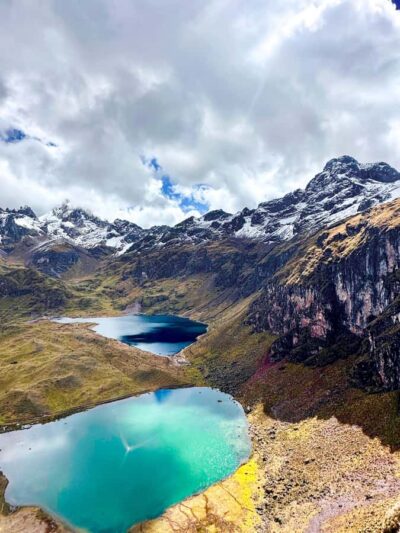
Cusco: 4-Day Lares Trek to Machu Picchu with Panoramic Train
Read our review →
5-Day Salkantay Trek to Machupicchu Sky Lodge Dome
Read our review →Lists this trek appears in