
Review · PERU
Inka Jungle trek to Machu Picchu 3 D/ 2 N
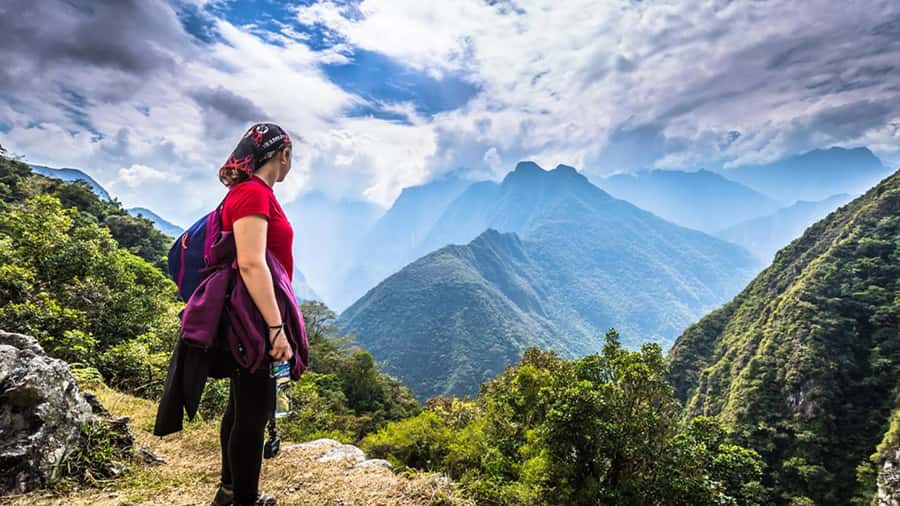
The Inca Jungle route reaches Machu Picchu the adventurous way: by bicycle from high mountain country, on foot through warm jungle valleys, and along the railway to Aguas Calientes. I like the mix of cycling and jungle walking, plus the chance to add rafting and zip lining instead of spending three days simply riding in a bus.
I also like that the $410 price includes Machu Picchu entry, two nights of lodging, most meals, transport, equipment, and the return train. The main consideration is physical: a long bike descent, a three-hour walk, and an early climb to Machu Picchu make this a poor fit if you have back trouble, are pregnant, or need wheelchair access.
Key points to know before booking
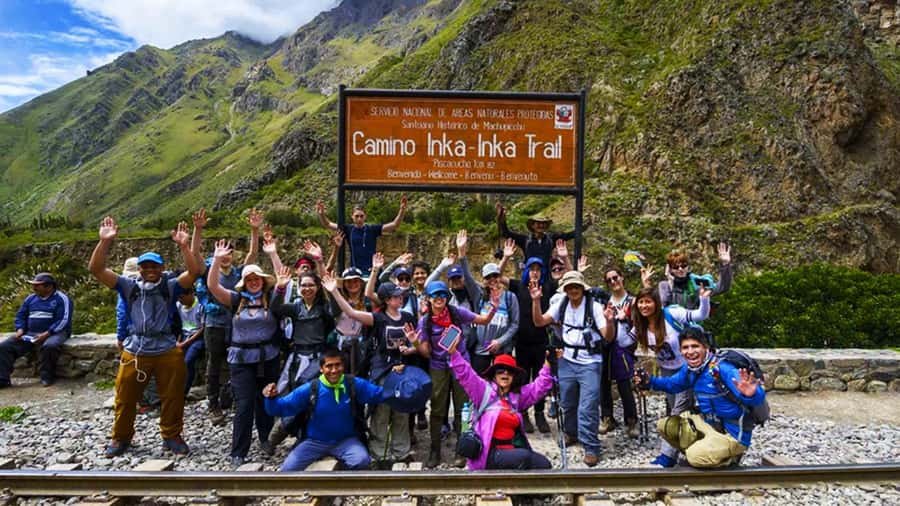
- Abra Málaga starts the adventure high above the jungle, with a 3 to 4-hour bicycle descent toward Santa María.
- The scenery changes quickly, from mountain roads to warm valleys filled with coffee, coca, bananas, cocoa, citrus, and tropical fruit.
- Rafting depends on river conditions from January 1 through March 31, and there is no refund if high water cancels it.
- The three-hour walk from Hidroeléctrica to Aguas Calientes follows the railway and gives you views toward Machu Picchu Mountain.
- Machu Picchu entry and the return train are included, but the bus from Aguas Calientes to the ruins costs an extra $24.
- A group of up to 18 people keeps the trip social while still small enough for a guide to manage the activities.
Why the Inca Jungle route is different
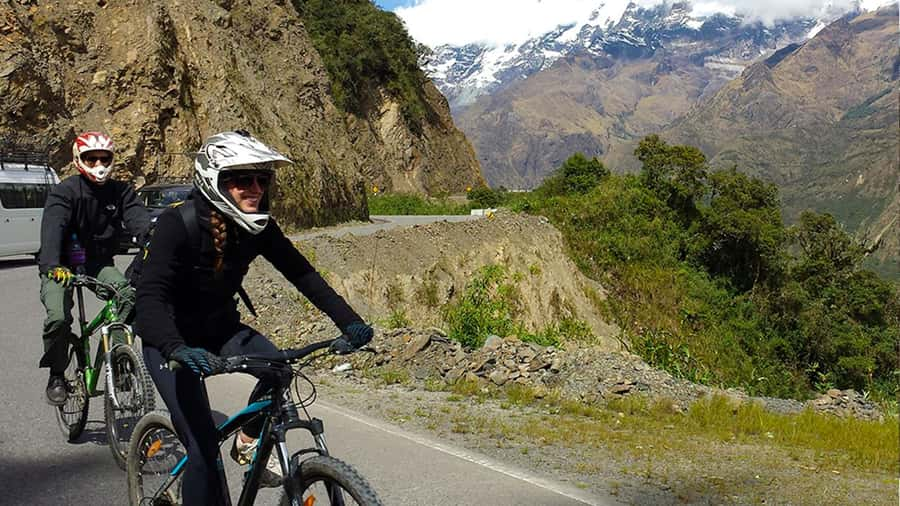
Most Machu Picchu trips focus on one kind of transport. This one keeps changing the pace. You begin in a vehicle, switch to a bicycle, may add rafting, travel by car, walk through the jungle, ride a zip line, follow the train tracks, and finish at the Inca citadel.
That variety is the central appeal. You are not only going to Machu Picchu. You are watching the climate and plant life change as you leave the highlands and reach warmer country. The route offers mountain views, jungle birds, medicinal plants, waterfalls, and small agricultural areas where coffee, avocado, mango, pineapple, papaya, coca, bananas, cocoa, and oranges grow.
You should book this trip for activity and scenery, not for a quiet, polished retreat. The accommodations are described as hostels, and the schedule involves early starts, road transfers, exercise, and changing transport. That trade-off keeps the price well below many fully arranged Machu Picchu packages while giving you more action along the way.
More Inca Trail treks around Peru:
- Salkantay Trek Challenge – 3 Days / 2 Nights
★ 5.0 · 101 reviews - Choquequirao Trek 4 days and 3 nights
★ 5.0 · 81 reviews - Machu Picchu: 5-Day Salkantay Trek with Panoramic Train
★ 5.0 · 79 reviews
Day 1: From Cusco to Abra Málaga by 6 a.m.
Pickup is scheduled for 6:00 in the morning from your hotel lobby. The first leg takes about four hours by tourist transport to Abra Málaga, where the cycling begins.
The pass is the dramatic starting point because you begin in high mountain country and ride toward warmer, lower areas. The descent lasts about three to four hours, so this is not a token bicycle ride. You need to be comfortable on a bike and ready for a long stretch on the road.
Your equipment is supplied: bicycle, helmet, gloves, arm protection, and knee pads. A first aid kit is also included. Even with that equipment, you should bring sunscreen, water, sunglasses, and personal medication. The route can feel demanding because the day begins before breakfast, and breakfast on the first day is not included.
The ride ends in Santa María. Along the way, you can see Huamanmarca, an archaeological center, and watch the scenery shift from steep mountain terrain to thick jungle growth. The route also gives you a look at local agriculture and daily life, with fruit trees, coffee, coca leaves, and medicinal plants appearing along the way.
The rafting portion of the first day needs a careful note. Rafting is listed among the included activities, but it operates only when conditions allow. From January 1 through March 31, high river levels can cancel it, and no refund is offered in that case. If rafting is a major reason you are booking, treat it as a possible extra rather than a guarantee.
After lunch, the program transfers you by car to Santa Teresa, where you spend the night. The written schedule places the overnight stay in Santa Teresa, even though the first-day description also refers to Santa María as the end of the cycling route. The practical point is simple: biking finishes around Santa María, then the group continues by vehicle to Santa Teresa.
Santa Teresa and the optional hot springs
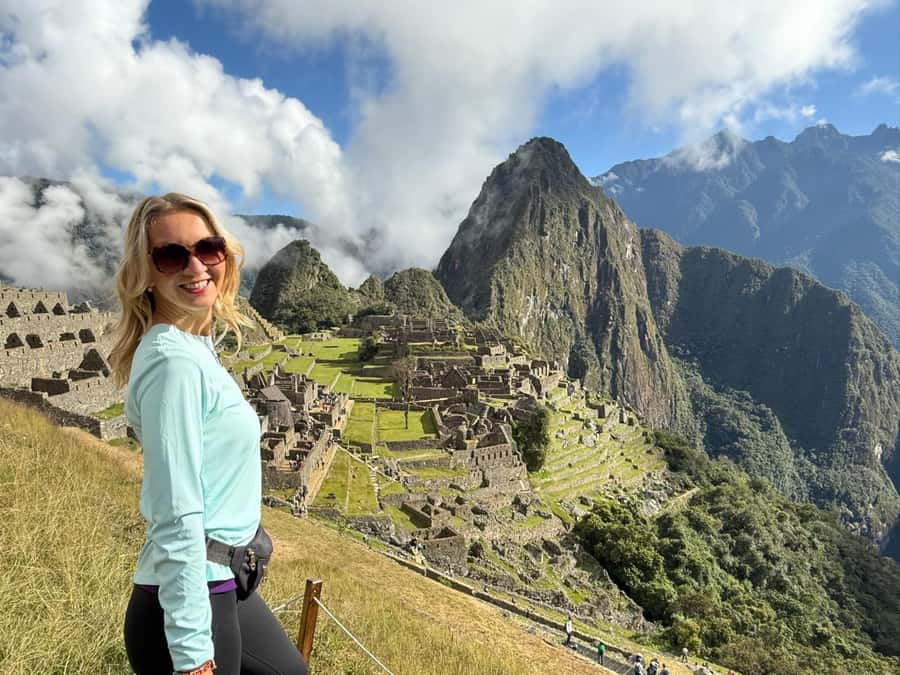
Santa Teresa is your first night’s base. The town is also where you can choose to visit the Cocalmayo hot springs, with admission paid separately.
This option makes sense if you want to loosen up after the long bike descent. It is not part of the included price, so carry cash if you hope to go. The tour includes dinner and hostel accommodation, but the hot springs entrance is extra.
The day combines a lot of movement. You have an early pickup, four hours of transport, a lengthy cycling section, a possible rafting activity, lunch, and another vehicle transfer. I would not count on the first evening as free time. The hot springs are best viewed as an optional add-on if your energy and timing allow.
Day 2: Zip lining, waterfalls, and the walk to Aguas Calientes
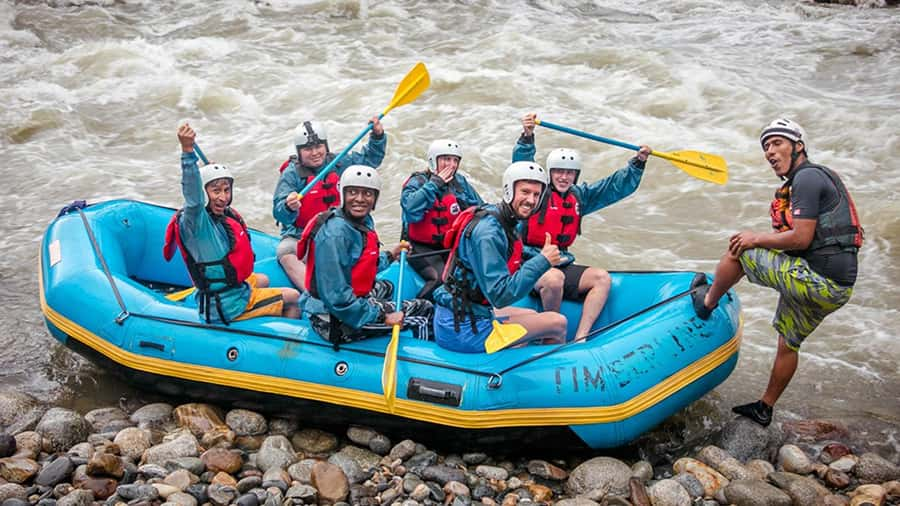
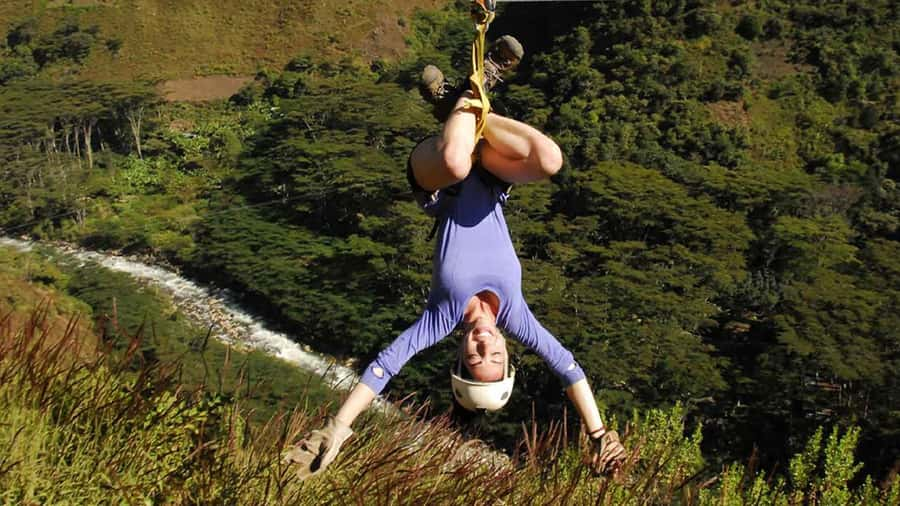
The second morning begins with breakfast and an optional zip line at Cola de Mono. Zip lining is listed as part of the adventure program, but the wording describes it as an option, so confirm the exact arrangement when you book.
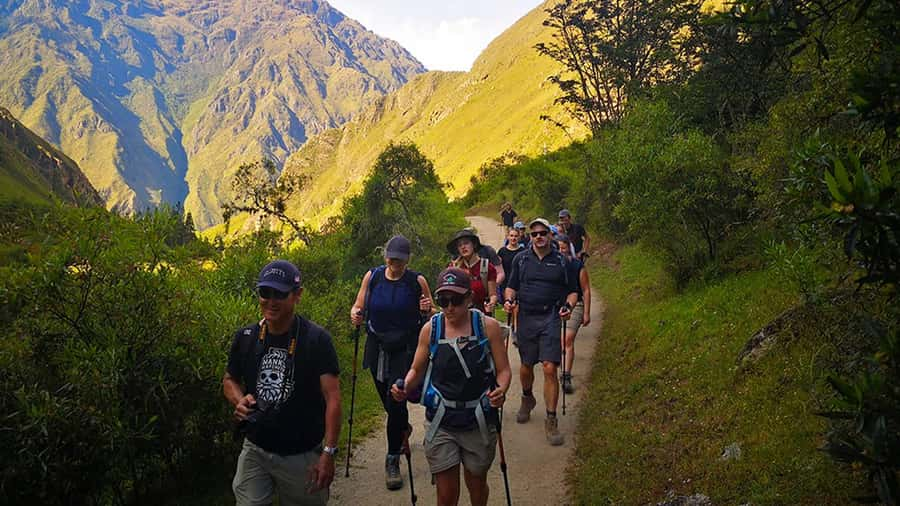
After breakfast, you walk toward Hidroeléctrica. The route passes through a narrow canyon with a warm climate. You can expect waterfalls, thick plant growth, and cultivated areas with bananas, mangoes, avocados, cocoa, oranges, and coca.
The route is valuable because it shows how closely daily life is tied to the climate. This is not a viewpoint-only excursion. You move through areas where fruit and plantation crops are part of the local economy, and the guide can point out plants and farming along the way.
Lunch is served at Hidroeléctrica. Afterward, you follow the railway for roughly three hours to Aguas Calientes, also called Machu Picchu Pueblo. The walk is generally the most important physical section of the second day. It is long enough that comfortable shoes, water, snacks, and sun protection matter.
The railway walk has a clear reward. As you approach Aguas Calientes, you can see Machu Picchu Mountain and the steep walls of the surrounding country. It is a slower arrival than taking the train, but it lets you reach the town on foot and keeps the route active.
You spend the second night at a hotel in Aguas Calientes. The town’s hot springs are available if you want another paid soak, but entrance is not included. Dinner and accommodation are included, while lunch in Aguas Calientes on the third day is not.
More Jungle Treks in Peru:
- 4 days/3 nights: Inka Jungle Trek to Machu Picchu
★ 4.7 · 25 reviews - Chiang Mai: 2-Day Jungle Trek with Elephant Farm & Raft Ride
★ 4.7 · 881 reviews - 3-Day Ethical Orangutan Jungle Trek | Bukit Lawang, Sumatra
★ 5.0 · 401 reviews - Monkey Business 3 days – 2 nights Jungle trekking (including rafting)
★ 5.0 · 294 reviews
Day 3: Entering Machu Picchu before the crowds build
The final morning starts early. After breakfast, you walk up toward Machu Picchu, with the chance to see sunrise along the way. The schedule is designed to place you among the first groups entering the site.
You can also take the shuttle bus from Aguas Calientes to the entrance, but the round-trip bus costs $24 and is not included. Walking saves that expense, though it adds another uphill effort after the previous day’s three-hour route. Decide based on your energy, not pride. Machu Picchu is worth arriving ready to enjoy.
Inside the citadel, an official professional guide leads a tour of about two and a half hours. The route includes major places such as the Inti Watana, Temple of the Condor, and Sacred Rock. The included guide service matters here because the ruins are easier to understand when you know how each area fit into Inca ceremonial and practical life.
The entrance ticket to Machu Picchu is included. Wayna Picchu is not. If you want to climb that mountain, the optional ticket is listed at $65. That is a separate choice and should not be confused with standard entry to the citadel.
After the visit, you return to Aguas Calientes and take the tourist train to Ollantaytambo. A tourist bus then continues to Cusco and drops you at your hotel. The included transport is a strong part of the package value because the return journey involves several connected legs.
The schedule also describes an alternative involving a walk back to Hidroeléctrica and a vehicle to Cusco. Confirm which return arrangement applies to your booking, since the listed inclusions specify either the train to Ollantaytambo or transport from Hidroeléctrica.
What the $410 price covers
At $410 per person, this is not simply a guided hike. The package includes:
- Tourist transport from Cusco to Abra Málaga
- An English or Spanish adventure guide
- Machu Picchu entry
- Two nights of hostel or hotel accommodation
- Two breakfasts, two lunches, and two dinners during the route
- Bicycle and safety equipment
- The return train to Ollantaytambo, or the stated Hidroeléctrica transport option
- Tourist transport from Ollantaytambo to Cusco
- Zip lining and rafting, subject to the stated conditions
- First aid support
That list gives the price solid value if you plan to use the activities and included transport. Booking the same parts separately would require more planning, especially the Machu Picchu entry, return train, guide, lodging, and transfers.
You still need money for the first breakfast, lunch in Aguas Calientes, Santa Teresa hot springs, the $24 shuttle bus, and the $65 Wayna Picchu option. You should also carry cash for snacks and other personal purchases.
The price is less attractive if you plan to skip the bike ride, zip line, rafting, and long walk. In that case, you would be paying for an adventure itinerary you do not intend to use. This route earns its value through variety and included logistics.
Food, altitude, and what to pack
Meals use ingredients from the Peruvian Andes and the warm valleys along the route. Vegetarian and vegan meals are available, but you need to request them when booking.
The food plan covers two breakfasts, two lunches, and two dinners. Since the first breakfast and your third-day lunch are excluded, bring snacks for the early start and the long walking sections. Water, sunscreen, sunglasses, and a camera belong in your day kit.
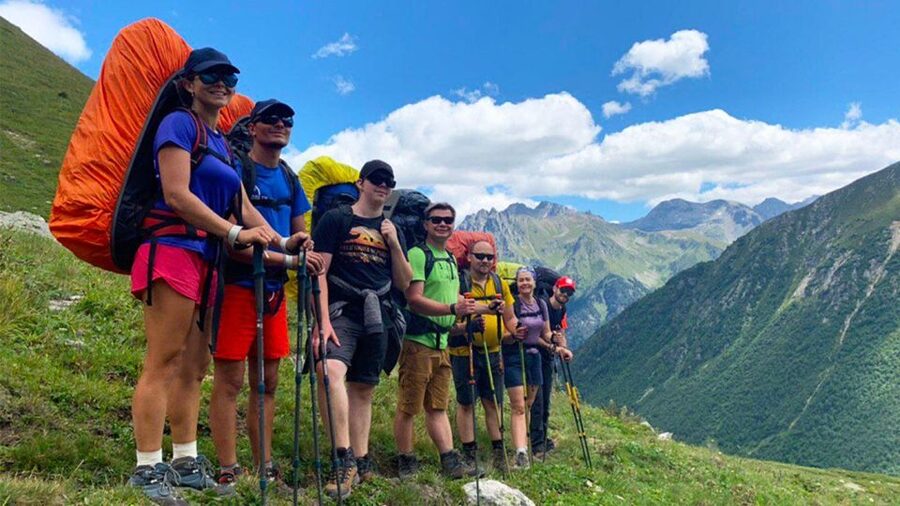
A valid passport is required on the day of travel. Bring personal medication and cash. The instructions say backpacks are not allowed, so confirm what type of small day bag or personal carrier is permitted before departure. That detail is worth settling in advance because you will need water, sun protection, snacks, and medication close at hand.
Coca tea before the trip is suggested as a way to help prevent altitude sickness. It is practical to take altitude seriously: the route begins near Abra Málaga before dropping into warmer country, so your body experiences a major change in elevation and climate during the first day.
Do not bring alcohol, drugs, or pets. The activity is not suitable for people with back problems, pregnant women, or wheelchair users.
Who should choose this three-day route
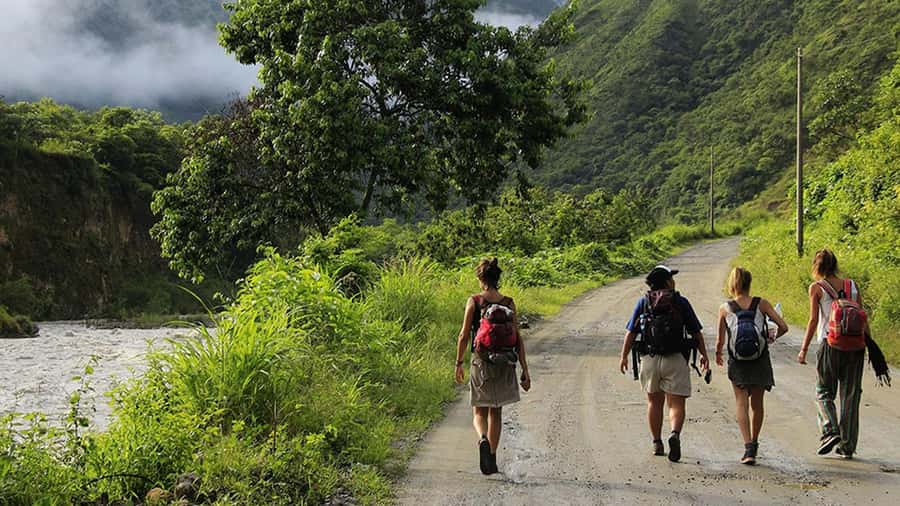
I would choose this trip if you want Machu Picchu paired with outdoor activities rather than a straightforward rail journey. It suits people who enjoy cycling, walking, warm jungle conditions, and a little uncertainty around weather-dependent activities.
It also works well if you want a small group without paying for a private tour. The maximum group size is 18, and English and Spanish guiding are available.
You should think twice if you dislike early starts, long road transfers, basic hostel accommodation, or changing plans when river conditions shift. The first day is especially full, and the second day’s railway walk is not a short stroll.
Free cancellation is available up to 24 hours before the activity for a full refund, and you can reserve now and pay later. Those terms give you some flexibility, but they do not remove the need to check the exact transport plan, activity schedule, and bag rules before departure.
Should you book the Inca Jungle trek?
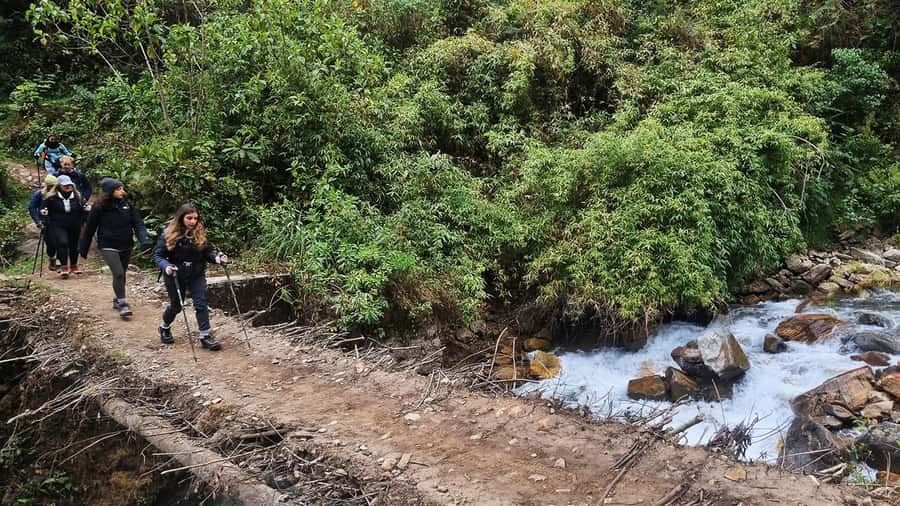
Book it if you want the most varied route to Machu Picchu at a reasonable package price. The bike descent, agricultural valleys, waterfalls, railway walk, guided citadel visit, and return train create a full three-day program with very little dead time.
Skip it if your priority is comfort, a slow pace, or guaranteed rafting. You should also skip it if your body is not ready for a long descent and several hours of walking.
For an active visitor who wants more than a standard train ride, this route gives you a lively way to reach Machu Picchu and a useful mix of included transport, meals, gear, lodging, and guided sightseeing.
FAQ
How long is the Inca Jungle trek to Machu Picchu?
The activity lasts three days and includes two nights of accommodation.
What languages are available for the tour guide?
Guiding is available in English and Spanish.
How large is the group?
The tour is limited to 18 participants.
Is Machu Picchu entrance included?
Yes. Entrance to Machu Picchu is included in the price.
Is the bus from Aguas Calientes to Machu Picchu included?
No. The round-trip bus costs $24. You can also walk from Aguas Calientes to Machu Picchu.
Is rafting guaranteed?
No. Rafting depends on weather and river conditions. From January 1 through March 31, high water can cancel the activity, and no refund is provided if it does not take place.
What is not included in the price?
The first-day breakfast, lunch in Aguas Calientes, Santa Teresa hot springs entry, Wayna Picchu entry, and the Aguas Calientes to Machu Picchu bus are not included.
New treks around Peru
- Salkantay trek to Machu Picchu – 5D/4N – Premium★ 3.3 · 3 reviews
- Salkantay Humantay lake trek with Domes-2d-1n★ 5.0 · 2 reviews
- Salkantay Trek to Machu Picchu 5 Days with Sky Lodge Domes★ 5.0 · 5 reviews
- 5-Day Classic Salkantay Trek to Machu Picchu return by Train★ 5.0 · 3 reviews
- From Cusco: 5-Night Trip with Salkantay Trek & Machu Picchu★ 4.7 · 6 reviews
- Salkantay Trek to Machu Picchu 5D/4N or 4D/3N by glamping★ 4.4 · 35 reviews
- Rainbow Mountain Trek 1 Day★ 5.0 · 2 reviews
- Rainbow Mountain and Red Valley Hike trek adventure★ 4.5 · 2 reviews
Machu Picchu and Inca Trail Treks, side by side.
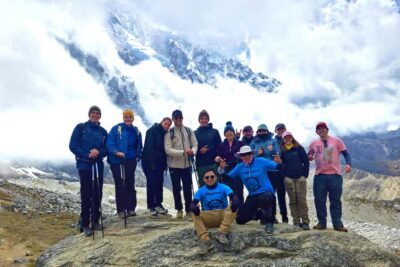
Machu Picchu: 5-Day Salkantay Trek with Panoramic Train
Read our review →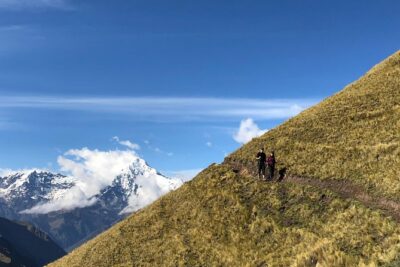
Ancascocha Trek To Machu Picchu 4 Days And 3 Nights
Read our review →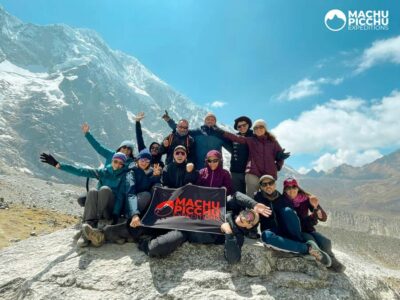
Salkantay Trek to Machu Picchu 5D/4N or 4D/3N by glamping
Read our review →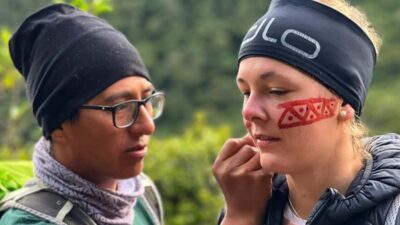
4 days/3 nights: Inka Jungle Trek to Machu Picchu
Read our review →
Cusco: 4-Day Lares Trek to Machu Picchu with Panoramic Train
Read our review →
5-Day Salkantay Trek to Machupicchu Sky Lodge Dome
Read our review →Lists this trek appears in