
Review · PERU
From Cusco: 7 Lagoons of Ausangate Trek with Hot Springs
Ausangate’s seven turquoise lagoons make this one of the most striking day trips from Cusco, but the real story is the altitude. You climb as high as 4,867 meters, with the snowy Ausangate massif filling the horizon and thin air shaping every step. I like the combination of stark Andean scenery and a warm soak at Pacchanta afterward. I also like that breakfast and a typical lunch are included.
This is a demanding day, not a quick photo stop with a little walking. The 4:30 AM pickup and high altitude require stamina, warm clothing, and sensible preparation. A verified booking review gives special credit to the guide Ozuna Baby for staying attentive and helping people who needed it, but also makes the key point clearly: this route is not an outing to book on impulse.
Key points to know before you book
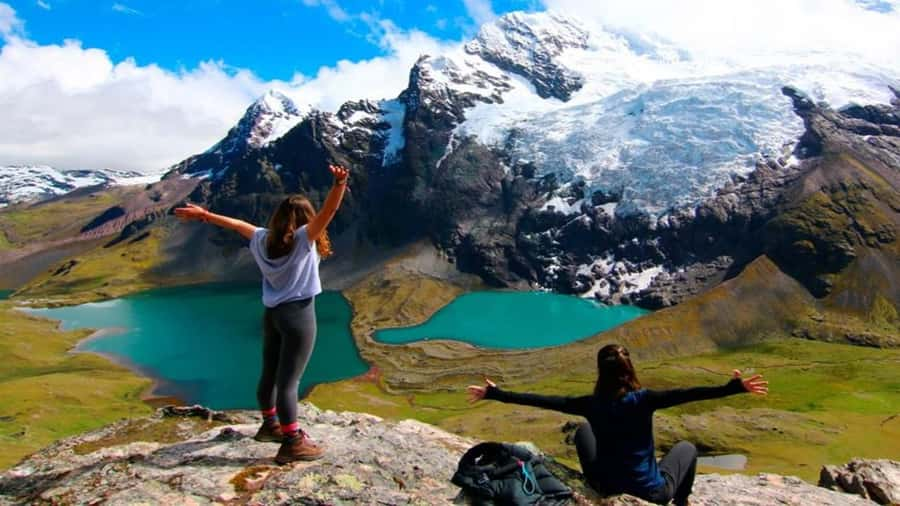
- The highest lagoon reaches about 4,867 meters, so altitude matters more than distance alone.
- You visit seven named lagoons, including Azulcocha, Otorongo, Pucacocha, and Q’omercocha.
- The day begins at 4:30 AM and returns to Cusco at about 6:30 PM.
- Pacchanta’s hot springs follow the trek, giving your legs a welcome rest before lunch.
- Breakfast, typical lunch, transport, and a guide are included, but entrance fees and personal costs are extra.
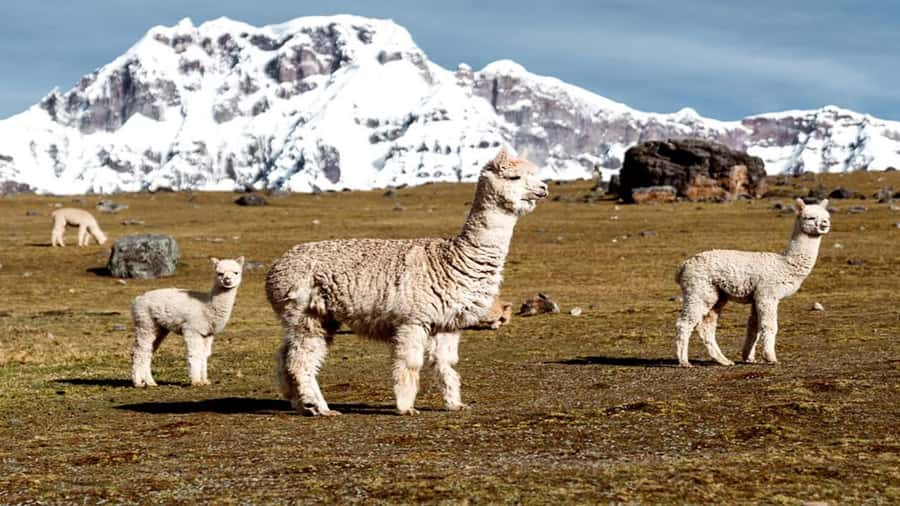
- Llamas, alpacas, vizcachas, and possibly an Andean condor add life to an otherwise wild mountain route.
Why the seven lagoons are worth the early start
The trip begins before sunrise, with pickup from one of several Cusco points: Cusco Plaza Hostel, Plaza San Francisco, Limacpampa, Plazoleta de San Blas, or Avenida El Sol. The early departure is not glamorous, but it allows you to reach the mountains with enough daylight for the walk and still return to Cusco the same evening.
The drive to Pacchanta takes about two hours. Once there, you have breakfast and gather energy for the trek. This is useful rather than decorative. At this altitude, starting with food in you can make the first climb feel more manageable.
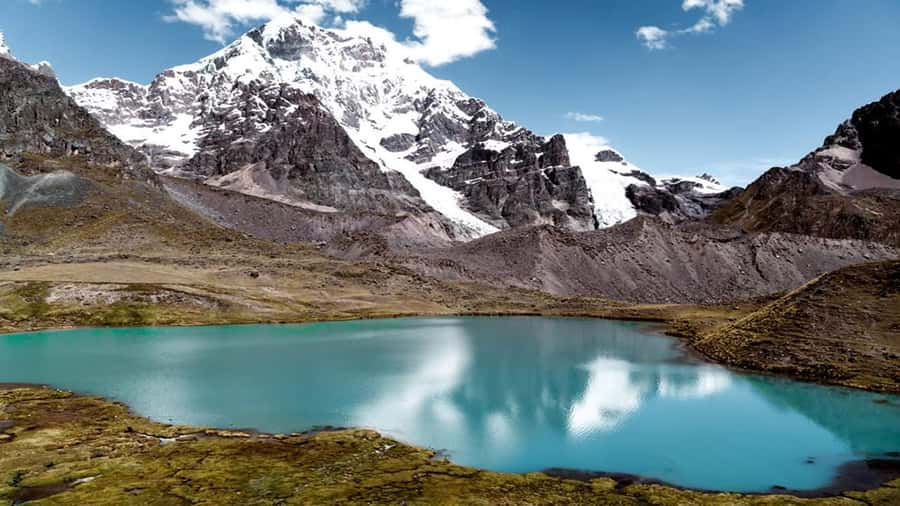
From Pacchanta, the route leads toward the Ausangate mountain and its chain of high lakes. The color of the water can shift with the light, weather, and surrounding rock, but the setting remains the main attraction: broad Andean slopes, snow-covered peaks, open sky, and very little built development.
The seven lagoons have individual names and elevations:
- Azulcocha, about 4,618 meters
- Otorongo, about 4,620 meters
- Oq’ecocha, about 4,631 meters
- Pucacocha, about 4,670 meters
- Pachaspata, about 4,867 meters
- Alqacocha, about 4,752 meters
- Q’omercocha, about 4,666 meters
You are not simply walking to one viewpoint and turning around. The route includes stops at the different lagoons, with time for photographs, guided visits, and views across the high Andes. That variety gives the day a sense of progress, though the elevation also means you may need to slow down.
More Hot Spring Treks in Peru:
- Private Tour Mount Batur Sunrise Trekking and Natural Hot Spring
★ 5.0 · 431 reviews - Mount Batur Sunrise Trek & Natural Hot Spring Experience
★ 5.0 · 95 reviews - 3D/2N Rinjani trekking summit,lake and hot springs.
★ 5.0 · 85 reviews
The seven lagoon route, from Azulcocha to Q’omercocha
Azulcocha and Otorongo are among the first named lagoons on the route. At roughly 4,618 and 4,620 meters, they already place you in serious high-altitude country. Their appeal comes from the contrast between colored water, rocky ground, and the snowy bulk of Ausangate.
Oq’ecocha follows at about 4,631 meters. By this point, you should pay attention to your breathing rather than race ahead for photographs. The guide’s role becomes important here, since the group needs to move at a sensible pace and stop when people need support.
Pucacocha sits around 4,670 meters. The rising elevation is easy to underestimate because the route may not feel like a technical climb. Still, walking at this height takes more effort than the same path near Cusco, and cold wind can make the conditions feel tougher.
Pachaspata is the high point at approximately 4,867 meters. This is the section that turns the trip from a scenic outing into a genuine mountain trek. If you have a low level of fitness, a history of altitude sickness, or trouble with strenuous walking, this is the point to think seriously about skipping the tour.
Alqacocha, at about 4,752 meters, and Q’omercocha, at about 4,666 meters, complete the set. The route does not offer just one famous lake, so you get repeated changes in angle, color, and mountain backdrop. That makes the walking feel worthwhile for people who enjoy scenery more than a single landmark.
The tour information describes the trek as moderate, but that label needs context. Moderate at low altitude is not the same as moderate above 4,500 meters. Your experience depends on your fitness, acclimatization, weather, and pace. Take the description seriously, bring water and snacks, and do not treat the outing as an easy day from Cusco.
Ausangate, animals, and Andean meaning
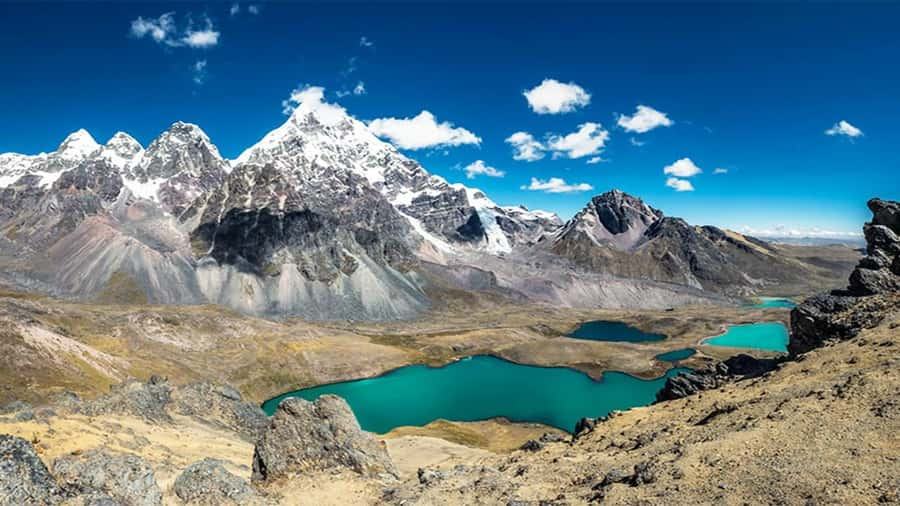
Ausangate is more than a dramatic mountain behind the lakes. In Inca mythology, the mountain and nearby waters are linked with the masculine force that fertilizes Pachamama, Mother Earth. The story also connects the waters to the Milky Way, known in Quechua as Willkamayu, the River of Stars.
You do not need to be a mythology specialist to appreciate this setting. The belief gives the mountain a place in local culture beyond its appearance in photographs. The high lakes are part of a living Andean world, not just scenic objects on a day-trip schedule.
The Chillca community, made up largely of llama and alpaca herders, is described as a guardian of this area. Longer routes connected with the Path of the Apu Ausangate spend nights in lodges or tambos, including Machuracay Tambo. This one-day outing gives you only a taste of that larger trekking region, but it helps explain why the area matters to local communities.
Keep an eye out for llamas and alpacas along the route. Vizcachas, small mountain mammals, may also appear among the rocks. An Andean condor is possible if conditions are favorable, but it should be treated as a lucky sighting, not a promised part of the program.
The area also has a strong religious connection. Each year, the Qoyllur Rit’i pilgrimage takes place on the northern side of Ausangate before Corpus Christi. Thousands of Quechua pilgrims travel to the Lord of Qoyllur Rit’i at the Sinakara temple, a rock painting. The pilgrimage is recognized on the Representative List of the Intangible Cultural Heritage of Humanity.
This background adds weight to the views, but the day trip itself is not a festival visit. You will not be attending Qoyllur Rit’i on this schedule. Think of the cultural information as context for the place you are walking through.
The guide can make a hard route manageable
A live guide is provided in English or Spanish. That matters here for more than identifying the lagoons. At high altitude, a guide can help the group keep a sensible rhythm, point out animals and cultural details, and notice when someone is struggling.
The named guide in the supplied booking feedback is Ozuna Baby. The specific praise is practical: he stayed attentive throughout the excursion and gave timely help to people who needed it. That is exactly the kind of support you want on a route where the main challenge is not technical climbing but the combination of thin air, cold, and sustained walking.
Guide quality can vary from departure to departure, so I would not book solely on the expectation that the same person will lead every outing. Still, the experience is designed around guided stops, and having someone manage the route is valuable when the scenery is spread across several high points.
You should also remember that a guide cannot remove the effects of altitude. The best preparation is your own: arrive ready for cold conditions, follow sensible pacing, and be honest if you feel unwell. People with altitude sickness should not take this tour, and the activity is not suitable for pregnant women, people with back problems, or people with low fitness.
More treks around Peru:
- From Arequipa: Sillar Route Trek
★ 4.2 · 461 reviews - From Cusco: 7 Lakes Ausangate Trek with Breakfast and Lunch
★ 4.8 · 360 reviews - From Arequipa: 2-Day Colca Canyon Trekking Tour
★ 4.8 · 243 reviews - Cusco: Full-Day Rainbow Mountain & Red Valley Trekking Tour
★ 4.5 · 121 reviews
Pacchanta hot springs are the day’s smart finale
After visiting the lagoons, you return to Pacchanta for free time in the hot springs. This is a well-placed finish. Your legs have done the hard part, and the warm water gives you a chance to rest before lunch and the drive back to Cusco.
The hot springs do not turn the trek into an easy outing, but they improve the balance of the day. Without them, the schedule would be a long high-altitude walk followed by a ride home. With them, you get a genuine change of pace.
You should bring a towel only if the operator confirms one is not provided, since the supplied details do not specify towel arrangements. The same caution applies to entrance fees. Entrance is listed as an extra, so bring cash and allow for personal expenses. There may not be ATMs available.
After the hot springs, you eat a typical lunch in Pacchanta. The meal is included, as is breakfast before the walk. Dinner is not included, but you should be back in Cusco around 6:30 PM, finishing near Plaza Regocijo. The exact return time can be affected by road conditions and group pace, so do not schedule a tight evening commitment.
What the $43 price really covers
At $43 per person, the tour offers good value if you want a full-day mountain outing without arranging each part yourself. Hotel pickup, transport, breakfast, a typical lunch, and a live guide are included. Those basics would be inconvenient to organize independently, especially with a 4:30 AM start.
The price is not all-inclusive. Entrance fees, dinner, and personal expenses are extra. Bring cash for any required admission and for snacks or other purchases. Since there may be no ATMs, relying on a card alone is a poor plan.
The main value is time and structure. You get transport from Cusco, a route through seven named lagoons, guidance in English or Spanish, a meal, and hot springs in one day. The tradeoff is a long schedule and little room for a slow, private pace.
A private arrangement might suit you better if you want to linger at each lagoon or move at your own speed. For $43, though, this is aimed at people who want the major sights and practical transport in a single organized outing.
How to prepare for 4,867 meters
Pack for conditions that can change quickly. The required list includes comfortable shoes, warm clothing, a hat, sunscreen, water, snacks, and a camera. All of those make sense, but warm layers deserve special attention because the morning and evening can be very cold.
Altitude sickness medication is recommended in the tour information. Speak with a medical professional before relying on any medication, and do not use pills as a reason to ignore serious symptoms. A high point of 4,867 meters is a major fact, not a footnote.
You will also want:
- Shoes with a secure grip
- Enough water for the walking period
- Small snacks for the route
- Sun protection for exposed high-altitude areas
- Cash for entrance and personal expenses
- Layers you can add or remove during the day
Smoking is not allowed. The tour also excludes pregnant women, people with back problems, people with altitude sickness, and people with low fitness. Those limits are sensible for a route with cold conditions and substantial elevation.
The day begins very early, so arrange your clothing and bag the evening before. At 4:30 AM, searching for sunscreen or a warm hat is a bad way to start a mountain day.
Who should book this Ausangate day trip?
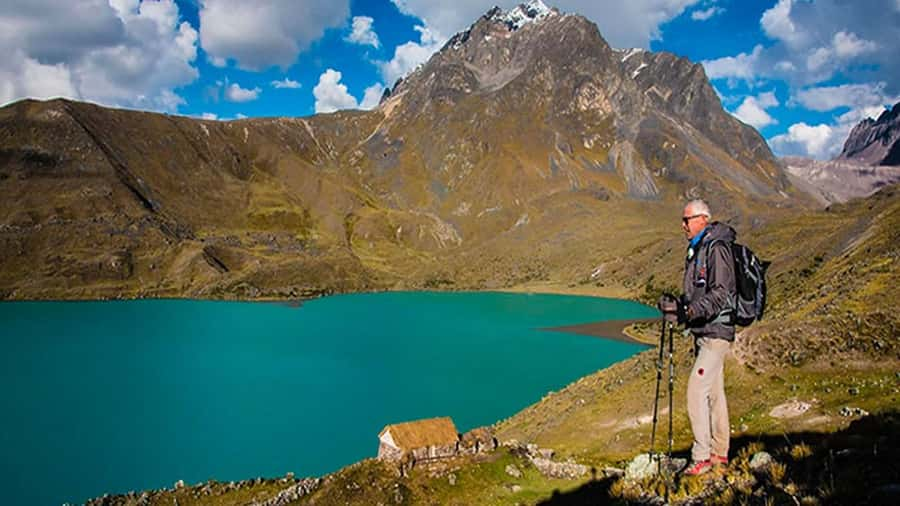
I would choose this tour if you have limited time in Cusco but want a serious high-Andes experience. You get far more than a city excursion: snowy peaks, seven lagoons, local animals, mountain mythology, hot springs, and meals in one long day.
It suits hikers with a reasonable fitness level who are prepared for altitude. It also works well for people who value logistics. The early pickup, included transport, guide, breakfast, lunch, and return to central Cusco remove much of the planning burden.
I would hesitate if you are not acclimatized, have had altitude sickness, dislike cold mornings, or want a gentle sightseeing day. The tour is scenic, but the scenery comes with a demanding setting. The phrase Instagrammable should not fool you into thinking this is effortless.
Should you book it?
Book it if the idea of reaching seven high lagoons appeals more than the idea of spending a relaxed day in Cusco. The combination of Ausangate scenery and Pacchanta hot springs gives the day real variety, and the $43 price covers the main practical pieces.
Skip it if you have health or fitness concerns, or if you cannot prepare for a 4:30 AM start and high altitude. If you do go, bring cash, warm layers, water, snacks, and a realistic attitude. The reward is a memorable view of one of Peru’s great mountain regions, but you need to earn it with steady walking.
FAQ
How early is pickup for the Ausangate tour?
Pickup begins at 4:30 AM from listed Cusco points, including Cusco Plaza Hostel, Plaza San Francisco, Limacpampa, Plazoleta de San Blas, and Avenida El Sol.
How long does the tour last?
It is a one-day experience. You should expect to leave Cusco early and return around 6:30 PM, finishing near Plaza Regocijo.
Which lagoons do you visit?
The route includes Azulcocha, Otorongo, Oq’ecocha, Pucacocha, Pachaspata, Alqacocha, and Q’omercocha lagoons.
How high does the trek go?
The highest listed lagoon is Pachaspata, at approximately 4,867 meters above sea level.
Is lunch included?
Yes. Breakfast and a typical lunch are included. Dinner is not included.
Are the hot springs included in the tour?
The schedule includes free time to relax in the Pacchanta hot springs after the trek. Entrance fees are not included, so bring cash for admission and personal expenses.
What languages does the guide speak?
The live guide service is available in English and Spanish.
New treks around Peru
- Salkantay trek to Machu Picchu – 5D/4N – Premium★ 3.3 · 3 reviews
- Salkantay Humantay lake trek with Domes-2d-1n★ 5.0 · 2 reviews
- Salkantay Trek to Machu Picchu 5 Days with Sky Lodge Domes★ 5.0 · 5 reviews
- From Cusco: 5-Night Trip with Salkantay Trek & Machu Picchu★ 4.7 · 6 reviews
- Salkantay Trek to Machu Picchu 5D/4N or 4D/3N by glamping★ 4.4 · 35 reviews
- 5-Day Classic Salkantay Trek to Machu Picchu return by Train★ 5.0 · 3 reviews
- Rainbow Mountain Trek 1 Day★ 5.0 · 2 reviews
- Rainbow Mountain and Red Valley Hike trek adventure★ 4.5 · 2 reviews
Hot Spring Treks, side by side.
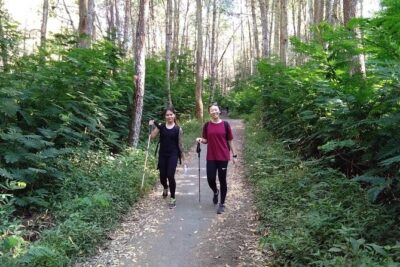
Private Tour Mount Batur Sunrise Trekking and Natural Hot Spring
Read our review →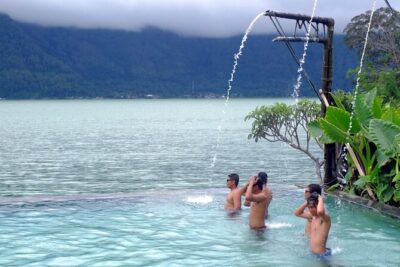
Mount Batur Sunrise Trek & Natural Hot Spring Experience
Read our review →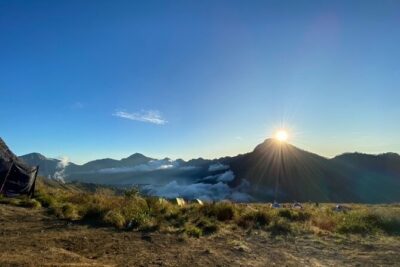
3D/2N Rinjani trekking summit,lake and hot springs.
Read our review →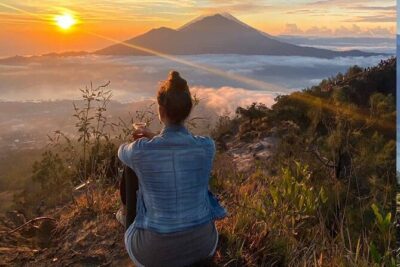
Mount Batur Sunrise Trekking & Natural Hot Spring – All Inclusive
Read our review →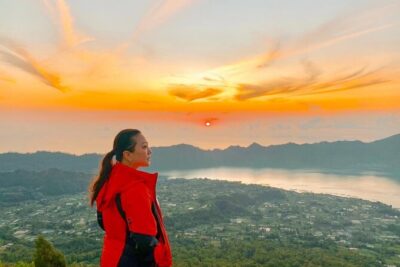
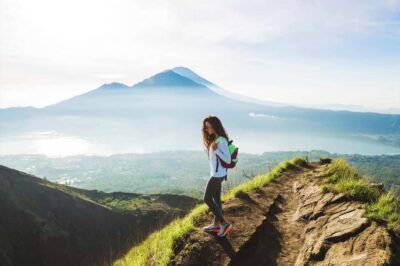
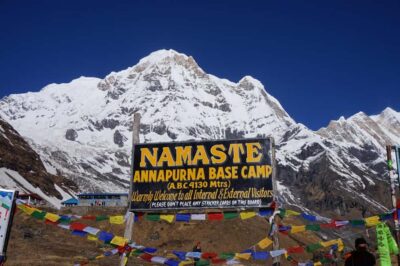
Pokhara: 5 Day Annapurna Base Camp Trek & Natural Hot Spring
Read our review →
All inclusive Mount Batur Trekking with Hot Spring tour
Read our review →Lists this trek appears in