
Review · SICILY
Etna – Trekking to the summit craters (only guide service) experienced hikers
Etna’s north side gives you a close look at an active volcano without the heavy traffic of the southern station. You ride through lava fields and old eruption craters before hiking toward the summit area, where the route may reach about 3,323 meters if volcanic conditions allow.
I like the quieter setting at Piano Provenzana and the fact that a licensed volcano guide stays with you throughout. I also like the practical equipment package, including trekking poles, shoes, a helmet, warm jacket, socks, and spare backpack. The main caution is simple: this is a serious mountain day, not a casual stroll. The long descent can punish tired knees.
Key points to know before booking
- Start at Piano Provenzana: Etna’s less crowded north-side base has cafés, restrooms, parking, and a striking connection to the 2002 lava flow.
- Ride to 2,960 meters: An authorized 4×4 carries you up the rough northern track before the main hike begins.
- Reach the summit area: The route aims toward Etna’s four main craters, but the guide chooses the safest accessible point each day.
- Allow about six hours: The full route is roughly 12 to 13 kilometers, with a demanding climb and a very long walk down.
- Bring cold-weather extras: You need your own hat and gloves in autumn, winter, and spring, plus sun protection and long trousers.
- Budget for the mountain transport: The one-way off-road vehicle ride from 1,800 to 2,825 meters costs €50 per person on site.
Starting at Piano Provenzana after the 2002 eruption
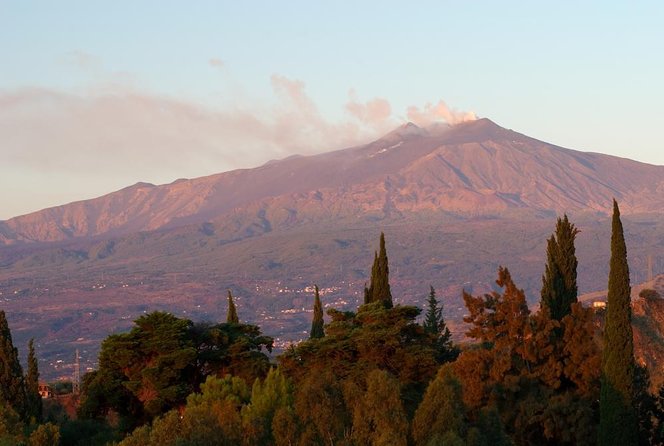
Piano Provenzana is on Etna’s north side, above Linguaglossa. You reach it by paved public road in your own car or rental car. The area was destroyed by the October 27, 2002 eruption, and the rebuilt tourist station now sits among pine trees, black lava, and broad open views.
That history matters. This is not just a parking lot with a mountain behind it. You are meeting the volcano in a place recently changed by volcanic force. The setting feels more rugged and less commercial than Etna’s southern approach, although you still have cafés, bars, souvenir shops, restrooms, and places to refill water.
Arrive for the 7:45 a.m. meeting time. Departure is usually between 8:00 and 8:15 a.m. An afternoon start at 1:00 p.m. operates from May through October, but the morning schedule is the better choice if you want cooler conditions and more time on the mountain.
The café is useful before departure. You can have coffee or tea, a pastry, and a final restroom stop. Eat enough to get through the climb, and bring lunch or substantial snacks because the mountain section does not include a meal stop.
Parking costs €5 for the full day on weekdays and €8 on Sundays and public holidays. In winter, carry snow chains or use winter tires. The meeting point is the Chiosco Bar Mareneve di Ferraro at Etna Nord, Piano Provenzana.
More volcano treks around Italy:
- Mount Etna: Trek to 3000m with cable car and 4×4
★ 4.6 · 3,823 reviews - Mount Etna: Summit Crater Trek with Cable Car
★ 4.8 · 1,875 reviews - Etna: summit craters trekking with volcano guide 3350mt
★ 4.7 · 1,712 reviews
The briefing and mountain gear
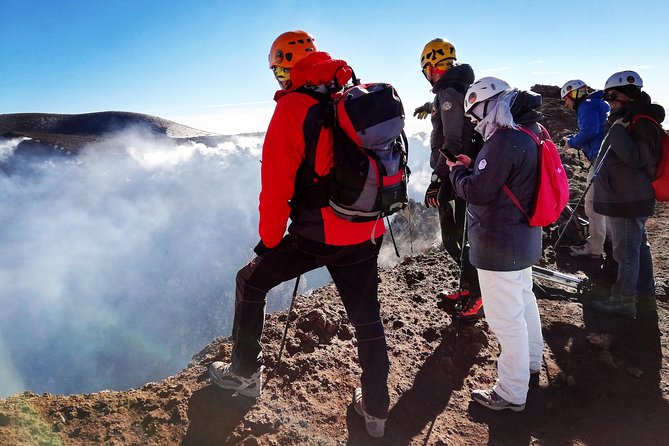
Before setting off, the guides explain the route, weather, volcanic conditions, and safety rules. You receive the equipment needed for the hike, including trekking poles, trekking shoes, a helmet, warm jacket, extra socks, and an additional backpack.
This is a real advantage for visitors who did not pack for a high-altitude volcano. The shoes matter most. The route crosses loose scoria, sand, unstable volcanic rock, and rough stone. Without suitable footwear, your accident insurance does not cover you.
Still, do not treat the supplied jacket and shoes as a reason to arrive unprepared. Wear long trousers, a warm base layer, and sturdy clothing. Bring a hat and gloves in autumn, winter, and spring because those items are not included. Sunglasses and sunscreen are also sensible. Volcanic ash can irritate your eyes, and contact lenses are discouraged because of ash and volcanic gases.
The group limit is 12 people. That is small enough for the guide to keep an eye on everyone and explain what you are seeing without shouting across a crowd. The pace includes breaks, but you should still be fit and comfortable walking for several hours on uneven ground.
The 9.5-kilometer 4×4 ride up Etna’s north slope
The first mountain section is by authorized off-road vehicle. The route climbs from about 1,800 meters to the upper starting point, crossing a 9.5-kilometer track on the north flank.
The drive is part of the experience, not merely a transfer. You pass through pine forest, older and newer lava flows, eruptive fractures, lateral craters, and a lava-flow channel. Some lateral craters are more than 40 meters deep. The scenery changes quickly, from green woodland to open black volcanic ground and finally to a high, almost barren zone.
On clear days, you may see northern Sicily, the Aeolian Islands, Calabria, the Strait of Messina, and both the Ionian and Tyrrhenian seas. The guide may point out the Madonie range, the Gulf of Catania, Syracuse, Augusta, and the huge Valle del Bove. Visibility is never guaranteed, so do not book this day only for distant views. Etna’s volcanic forms remain interesting even in cloud.
The listed tour price is $139.13 per person, but read the transport details carefully. The one-way off-road vehicle ride from 1,800 to 2,825 meters costs €50 per person, paid locally. A public transport return from 2,850 to 1,800 meters is listed at €70 instead of €50. This extra cost changes the true value, so include it in your budget before comparing this outing with other Etna options.
Hiking from 2,960 meters toward the summit
The main hike begins at roughly 2,960 meters. From there, the planned route climbs about five kilometers and gains around 550 meters, reaching the summit area at approximately 3,323 meters.
At that height, even a fit person may feel the effort. You can experience fatigue, breathlessness, or mild altitude effects. The ground makes the work harder, too. You walk over soft scoria, sandy gullies, recent lava, and unstable rocks. Trekking poles are useful for balance, especially on the loose upper slopes.
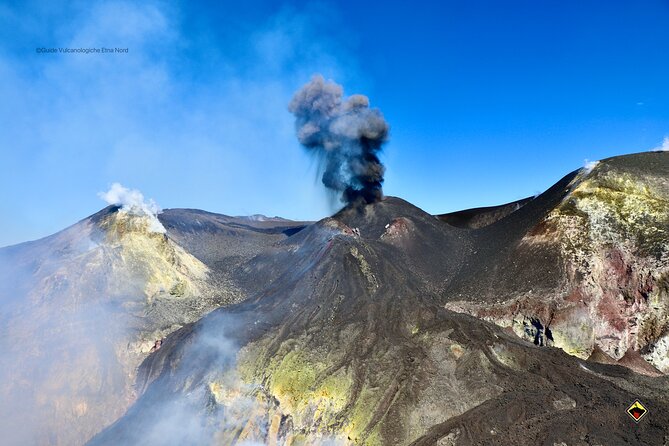
The aim is to see Etna’s four principal summit craters: the North-East crater, Voragine, Bocca Nuova, and South-East crater. You will not follow a fixed sightseeing script. The guide chooses the route according to gas, heat, fractures, explosions, and official restrictions.
That flexibility is essential on an active volcano. The most interesting crater is not always the safest one to approach. If volcanic activity or weather changes, the guide may stop below the planned height or take a different route. The day may finish at 3,000, 3,100, or 3,200 meters rather than the maximum point.
This is the one area where expectations need careful handling. The experience is sold as a summit-crater trek, but reaching the highest point is never guaranteed. Access rules can change quickly, and all volcano guides must follow the limits set by the authorities. A past outing was restricted because of continuing activity, while another reached the highest safe point in excellent weather. The guide’s decision is the final one, and safety comes first.
More guided trips around Italy
- Mount Etna: Guided Trek 3,000 Meters to the Summit
★ 4.8 · 1,407 reviews - Mount Etna: scenic Summit Trek with a volcano Guide and Gear
★ 4.5 · 284 reviews - Mount Etna: North Upper Craters Guided Tour by 4×4 with Trek
★ 4.6 · 243 reviews - Nicolosi: Mount Etna Central Crater Guided Trekking Tour
★ 4.8 · 182 reviews
What the crater section feels like
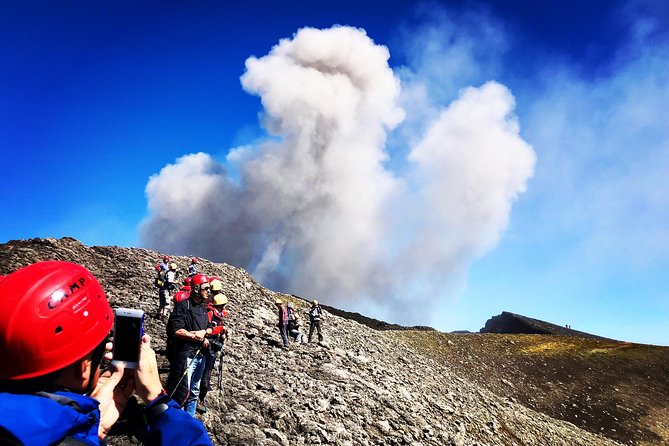
The appeal here is not simply standing at a number on an altitude sign. You are walking along crater edges and viewing recent volcanic formations at close range. You may see steam or gas rising from the ground, and under suitable conditions you may hear or see active volcanic behavior.
That proximity can be thrilling, but it also requires attention. The crater rims can cause dizziness, and the surface is not firm like a paved trail. Stay with the guide, watch where you step, and do not wander toward unstable ground for a better photograph.
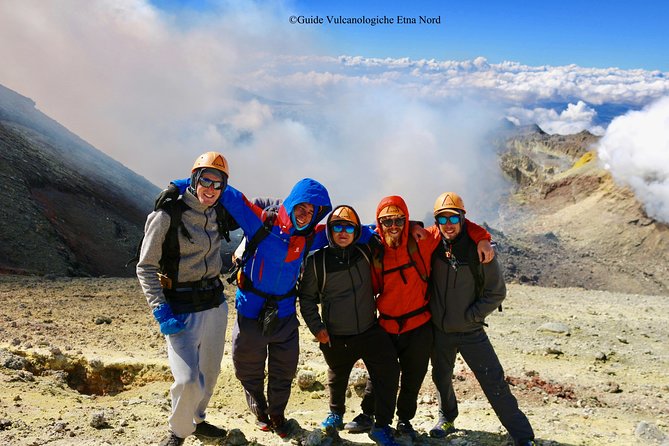
Guides such as Poldo, Nikos, Daniele, Paolo, Raphael, and Vincenzo have been singled out for clear explanations, humor, encouragement, and careful pacing. The strongest part of the guiding is the link between what you see and how Etna works. You learn about lava flows, crater formation, eruption history, gas, and the changing shape of the volcano rather than simply being led uphill.
English is offered. Some guides are especially praised for making geology easy to understand, which helps when the setting is dramatic but the details are unfamiliar. The group generally stops often enough for explanations and recovery, and the guide does not intentionally leave slower walkers behind.
The descent is the part to respect
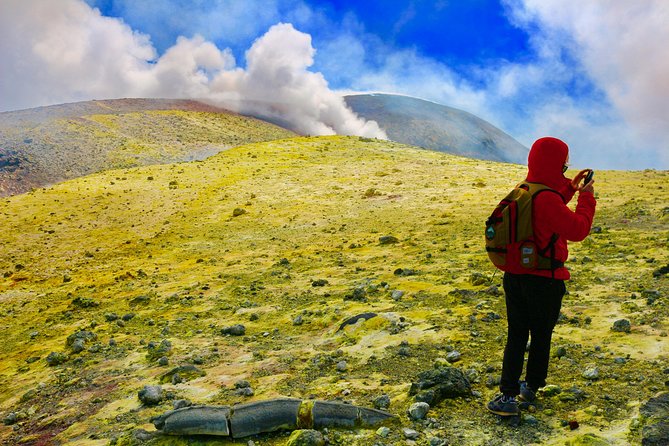
After the summit section, you descend on foot from around 3,300 meters to 1,800 meters. That is about seven kilometers and 1,500 meters of negative gain. The entire route usually totals 12 to 13 kilometers and takes around six hours, though timing can vary.
Many people focus on the uphill climb and underestimate the return. The descent runs through soft sand and loose volcanic grit, where you may slide and fill your shoes with small stones. Long socks and trousers that cover the tops of your boots help. The route later crosses about 2.5 kilometers of ski slopes with rougher, stony ground.
Strong knees matter here. The way down can feel harder than the ascent, especially after several hours at altitude. If you have a history of knee trouble, weak ankles, breathing problems, hypertension, or another medical condition, discuss it with the guide before departure and consider if this is the right outing.
One practical point: the stated duration is approximately five and a half hours, while the mountain program itself is often described as about six hours. Allow extra time for the full day, including the briefing, equipment fitting, vehicle movement, breaks, and changing volcanic conditions. A reported schedule ran closer to six and a half hours from meeting time to return.
Price, group size, and overall value
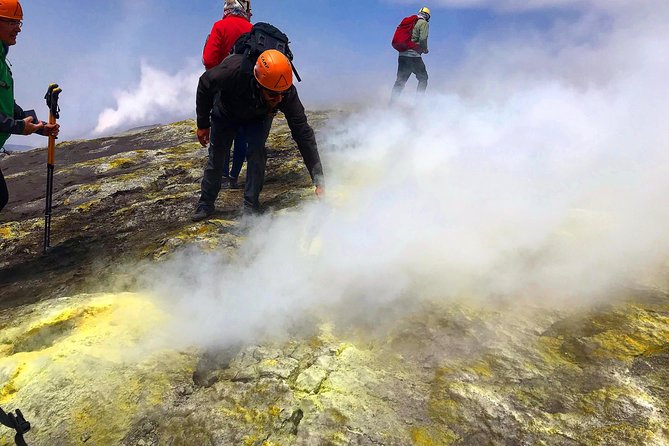
At $139.13 per person, the tour includes a licensed volcano guide, insurance for accidents, access to Mount Etna, and the listed hiking equipment. A group of no more than 12 keeps the outing more personal than a large coach-based excursion.
The value is strongest if you want a guide-led route into the high volcanic zone and do not own proper equipment. Renting or receiving shoes, poles, a jacket, socks, and a helmet saves you from assembling a mountain kit for one day. The guide’s knowledge also matters because the route can change with little warning.
The extra €50 off-road transport charge is the main financial catch. It is not hidden if you read the details, but it is easy to overlook when comparing headline prices. Add parking, food, and any personal clothing purchases before deciding.
You also receive no accommodation pickup. You must reach Piano Provenzana yourself by car or public transport. That makes this more suitable for people based near Etna’s north side or those comfortable arranging their own transport.
Who should book this Etna hike
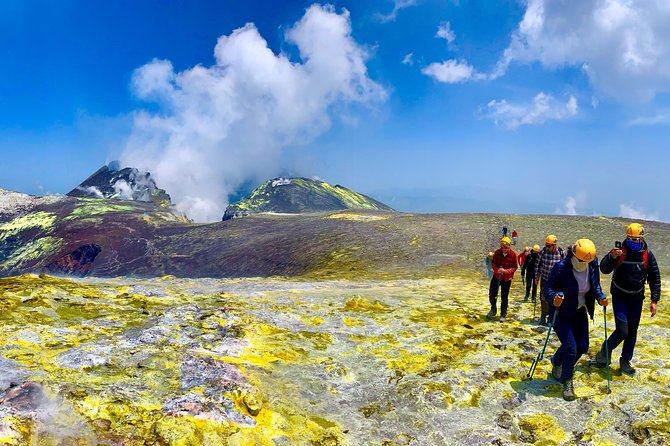
I would choose this trip if you want Etna’s high craters, prefer the quieter north side, and enjoy a demanding mountain walk. It is particularly good for fit hikers who want geology and volcanic activity explained along the way rather than a short viewpoint visit.
The route is not suitable for children under 12. The stated standard is strong physical fitness, and that should be taken seriously. A healthy person with limited hiking experience may manage the climb at a steady pace, but the uneven ground, altitude, and long descent still demand preparation.
Do not book it expecting a guaranteed summit, a gentle family walk, or a fixed route. Weather, snow, gas, explosions, fractures, and official restrictions can change the day. Poor weather can lead to a different date or a full refund, and the guide may interrupt the outing if conditions become unsafe.
Free cancellation is available up to 24 hours before the start time. Changes or cancellations inside that period are not accepted for a refund unless the provider cancels because of conditions or insufficient numbers.
Should you book it?
Book this Etna north-side trek if you want the most serious version of a guided Etna visit offered here: high altitude, crater edges, volcanic geology, a small group, and a long walk through fresh-looking volcanic terrain. The guides receive strong praise for their warmth, clear explanations, and care with pacing.
Skip it if you want a short scenic ride, dislike loose ground, or are not prepared for the descent. Check the extra €50 mountain transport cost, arrive with warm layers and gloves, and accept that volcanic safety rules may limit the height. If you can handle those conditions, this is a memorable way to meet Etna on its own rough terms.
FAQ
Where does the Etna summit-crater trek start?
It starts at Chiosco Bar Mareneve di Ferraro at Piano Provenzana on Etna’s north side, Via Provenzana, 95015 Linguaglossa.
What time should I arrive?
The meeting time is 7:45 a.m., with departure usually between 8:00 and 8:15 a.m. An afternoon departure at 1:00 p.m. operates from May through October.
How long does the experience take?
The advertised duration is about five and a half hours, while the mountain itinerary is described as roughly six hours. Allow extra time because weather, volcanic conditions, equipment, and breaks can affect the schedule.
How far do you walk?
The full route is about 12 to 13 kilometers. The climb from approximately 2,960 meters to the summit area covers about five kilometers, followed by a long descent of around seven kilometers.
Does the tour always reach 3,323 meters?
No. The guide chooses the highest safe route according to volcanic activity, gas, heat, fractures, weather, and official restrictions. The final height may be lower.
Is the off-road vehicle included in the price?
The authorized 4×4 ride is an additional €50 per person for the one-way journey from 1,800 to 2,825 meters, paid on site. A listed public transport return from 2,850 to 1,800 meters costs €70 instead of €50.
What equipment is supplied?
The package includes a licensed volcano guide, trekking poles, trekking shoes, helmets, a warm jacket, extra socks, an additional backpack, accident insurance, and entry to Mount Etna.
What should I bring myself?
Bring a hat and gloves in autumn, winter, and spring, along with suitable clothing, long trousers, sun protection, and food or snacks. Contact lenses are not recommended because of ash and volcanic gases.
Is the hike suitable for children?
The excursion is not suitable for children under 12. You should also have a strong fitness level and be in good physical health, since the route reaches high altitude and includes unstable volcanic ground and a long descent.
New treks around Italy
- Motta Camastra: River Trekking Tour in the Alcantara Gorges★ 4.4 · 15 reviews
- River Trekking Gole Alcantara★ 5.0 · 11 reviews
- Portofino Park Trekking- Discover San Fruttuoso Bay★ 5.0 · 3 reviews
- Private Cinque Terre Trekking Tour★ 5.0 · 3 reviews
- Piano Provenzana: Guided Mt. Etna Snowshoeing Trek★ 5.0 · 3 reviews
- Palermo: Monte Gallo Trekking Tour with Picnic★ 5.0 · 2 reviews
- Etna Southern Slope Guided Easy Trek★ 4.8 · 36 reviews
- Mount Etna: Private Trek on the North Slope Craters★ 5.0 · 4 reviews
Volcano Treks, side by side.
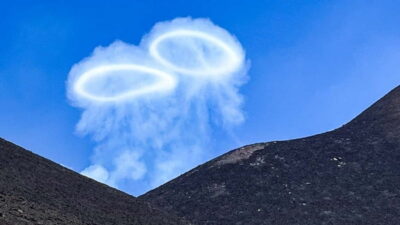
Mount Etna: Trek to 3000m with cable car and 4×4
Read our review →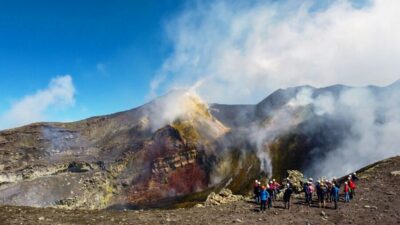
Mount Etna: Summit Crater Trek with Cable Car
Read our review →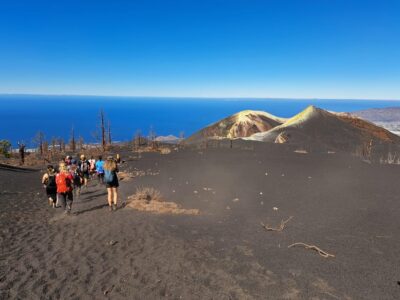
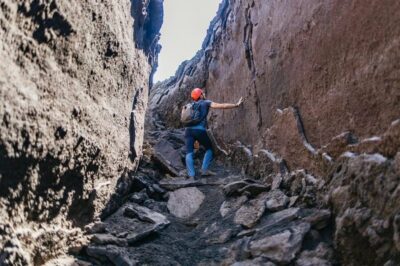
Etna: summit craters trekking with volcano guide 3350mt
Read our review →
Catania: Mount Etna Trekking Tour Beyond the Tourist Trails
Read our review →
Mount Etna: Guided Trek 3,000 Meters to the Summit
Read our review →
Etna Sunset Tour: Volcano trek, Cave & tasting from Catania
Read our review →
Lists this trek appears in