
Review · ITALY
Mount Etna: Trek to 3000m with cable car and 4×4
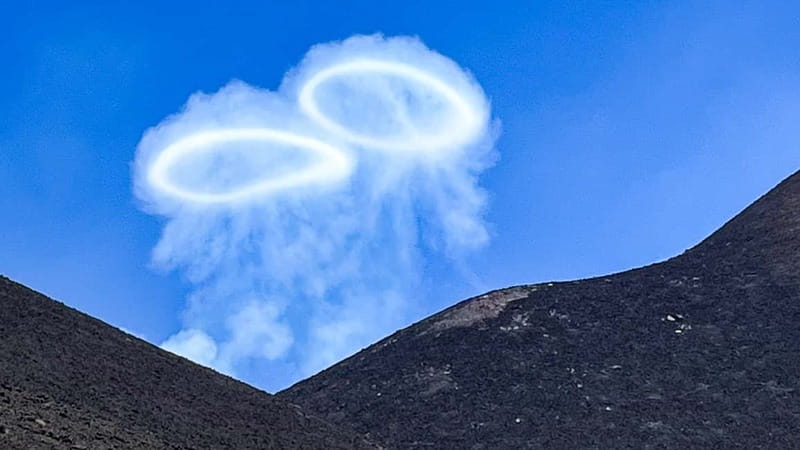
Mount Etna gives you a close look at an active volcano without requiring a full summit climb. The cable car lifts you to about 2,500 meters, a 4×4 takes you higher, and then you walk across black sand and broken lava toward 3,000 meters, with the summit craters and Bove Valley in view. The changing volcanic ground is the real attraction, not just the altitude.
I like the way the tour combines transport with a proper hike, and I like that equipment such as boots, socks, helmets, jackets, backpacks, and trekking poles is available. Guides such as Antonio, Giuseppe, Michele, and Dario are repeatedly praised for explaining the geology clearly and keeping mixed-age groups together. The main catch is the extra €45 for the cable car and 4×4, paid in cash on site. The walk is moderate to challenging, especially on loose, steep ground at nearly 3,000 meters.
Key points to know before you go
- You walk to about 3,000 meters: The final section begins at roughly 2,800 meters and includes three to four hours of walking.
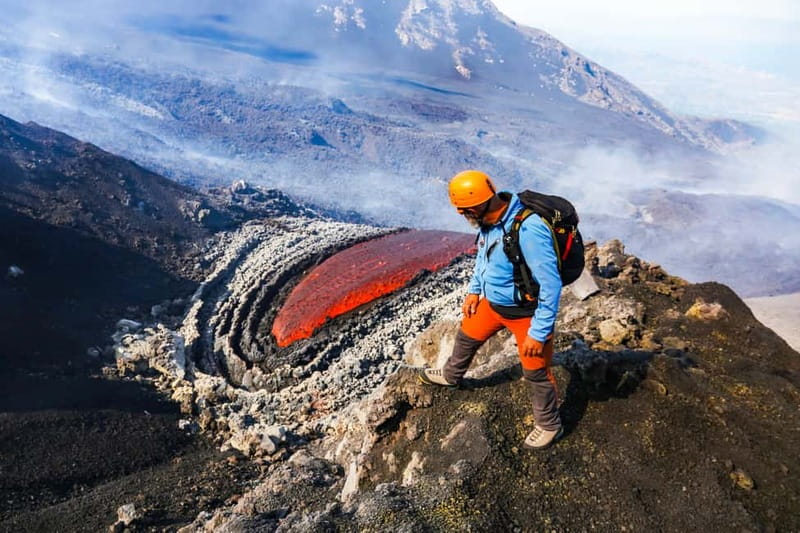
- The route reaches recent volcanic features: Expect lateral craters, the Barbagallo crater, old lava flows, a lava channel, and an effusive vent linked to the 2002 eruption.
- The transport saves your legs for the best part: You ride the cable car up to about 2,500 meters, then continue by 4×4 to around 2,800 meters.
- The €65 price is not the full cost: Add €45 per person for the cable car and 4×4, paid at the meeting point.
- Weather can change fast: Bring sunglasses, sunscreen, rain gear, long trousers, water, and food. It can be cold and windy even when Sicily below is warm.
- Your guide matters: English, French, and Italian tours are offered, with guides such as Antonio, Giuseppe, Michele, Dario, and Gianni receiving especially strong praise.
Why the 3,000-meter route works so well
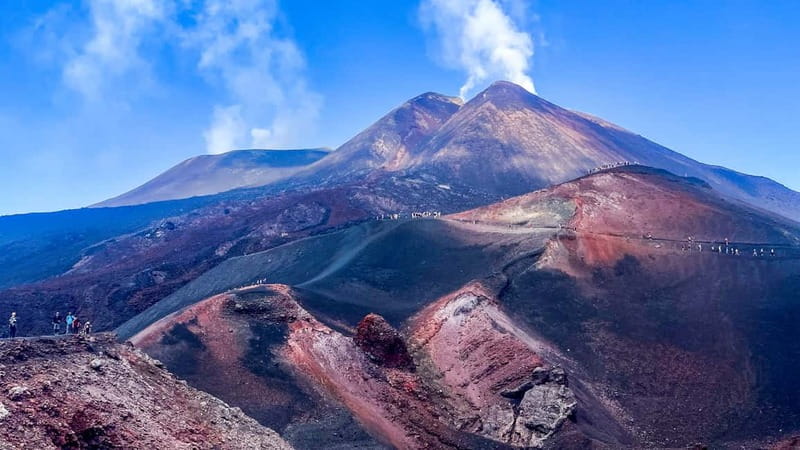
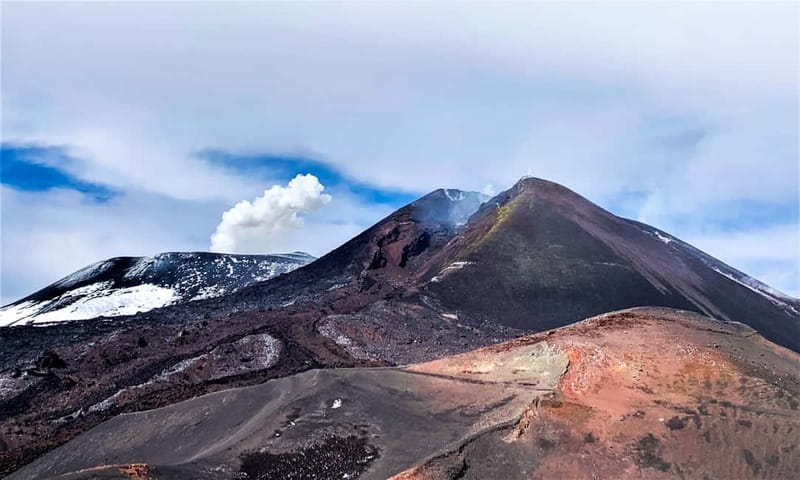
Mount Etna is best understood on foot. From the lower visitor area near Rifugio Sapienza, the mountain can look like a broad cone covered in dark gravel. Higher up, it becomes more dramatic. The ground turns into ash, rough lava, ridges, pits, and crater rims, with views that can stretch toward the Ionian coast and inland Sicily on a clear day.
This excursion is a useful middle ground. You do not spend the whole day making a hard ascent from the base, but you still get several hours of walking in the active upper zone. The cable car and 4×4 handle much of the height gain, leaving you to explore the volcanic features that make Etna special.
The experience is also more substantial than a short viewpoint stop. You walk beside lateral craters, cross black volcanic sand, inspect recent lava, and enter a lava channel. The guide explains how eruptions alter the mountain, rather than simply pointing out scenery and moving on.
The published duration is about five hours, including transport and preparation. The walking portion is listed as three to four hours, though the actual timing can change with weather, group pace, cable car operation, and queues. Some groups finish in around four hours, while others take closer to five. If you have a flight, bus, or other fixed appointment, leave plenty of time.
More volcano treks around Italy:
- Mount Etna: Summit Crater Trek with Cable Car
★ 4.8 · 1,875 reviews - Etna: summit craters trekking with volcano guide 3350mt
★ 4.7 · 1,712 reviews - Catania: Mount Etna Trekking Tour Beyond the Tourist Trails
★ 4.9 · 1,596 reviews
Starting at Rifugio Sapienza
The meeting point is the Guide Alpine Etna Sud shelter beside Rifugio Giovanni Sapienza. You should arrive about 45 minutes before departure, with advertised departures at 9:30 and 10:30. That early arrival matters because staff need to check clothing, fit boots, organize groups, and collect the transport payment.
The equipment fitting is one of the tour’s practical strengths. You can borrow ankle trekking boots, thick socks, a helmet, a disposable liner for the helmet, a Kway jacket, a backpack, and, when available, trekking poles. This is especially useful if Etna is only one stop on a wider Sicily trip and you do not want to pack mountain gear.
The supplied gear is helpful, but do not treat it as a complete answer to mountain weather. Bring your own warm layers, gloves if visiting in the cooler months, and waterproof protection. Several people found the provided jackets useful but not always sufficient, and some borrowed boots had seen heavy use. Wear long trousers. Shorts are not allowed.
The meeting area can become crowded, and the first part may feel less polished than the mountain itself. The equipment handout and transport queue can take longer than planned, especially in busy periods. The operation generally gets moving, but a little patience is part of the deal.
Cable car to 2,500 meters
The cable car carries you from the Rifugio Sapienza area to roughly 2,500 meters in about 20 minutes. This is more than a scenic ride. It quickly moves you above the lower slopes and gives you a useful sense of how sharply the setting changes with altitude.
The ride also saves energy. Starting from the lower station and walking all the way to 3,000 meters would turn this into a much harder outing. Here, you reach the high volcanic zone before the main walk begins.
The cable car does not always operate. Wind, technical problems, or volcanic conditions can stop it. When that happens, the operator may use 4×4 vehicles for more of the climb. You should not count on the cable car view as a guaranteed part of the day, even though the high-altitude walk can still go ahead.
The transport cost is separate from the advertised tour price. You pay €45 per person at the meeting point for the cable car and 4×4 service. Cash is preferred because it speeds up check-in. That means the practical cost is $65 plus €45, before food, drinks, and any other personal expenses.
The 4×4 ride to around 2,800 meters
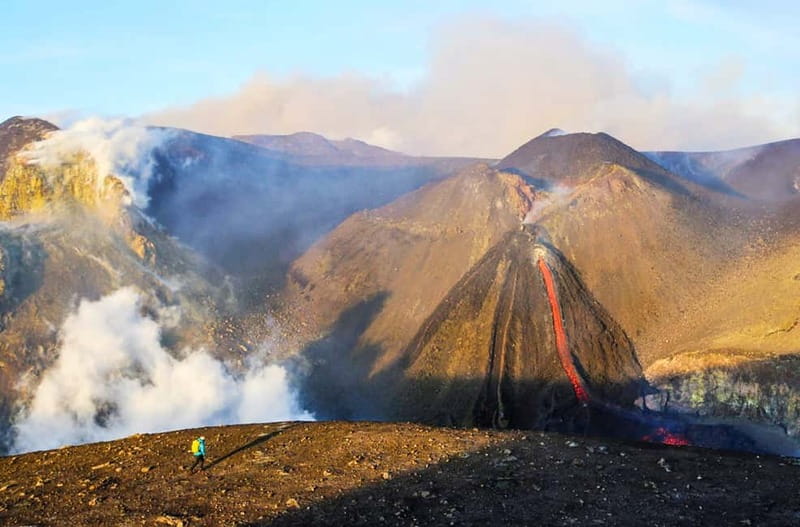
From the upper cable car station, a 4×4 bus carries you to roughly 2,800 meters. The ride takes about 20 minutes and brings you close to the start of the walking route. The vehicle is not the main event, but it makes this excursion possible for people who want high volcanic scenery without a full-day climb from below.
Transport arrangements can change. If the cable car is closed, 4×4 vehicles may take you higher and, in some cases, back down as well. This is useful, but it may also mean missing the cable car ride and spending more time waiting for vehicles.
Once you step out, the air is thinner and the temperature can drop quickly. The first uphill section is often the most demanding because your body is adjusting to the altitude. Go slowly, drink water, and tell the guide if you feel unwell. The excursion is not a race, and the guides commonly stop to let the group catch its breath.
More treks around Italy:
- Mount Etna: Guided Trek 3,000 Meters to the Summit
★ 4.8 · 1,407 reviews - Stromboli: Sunset Trekking at Sciara del Fuoco
★ 4.6 · 1,372 reviews - Etna Sunset Tour: Volcano trek, Cave & tasting from Catania
★ 4.8 · 1,290 reviews - From Catania: trek on Mount Etna, Lava Cave & tasting Tour
★ 4.8 · 563 reviews
Walking across black sand and lateral craters
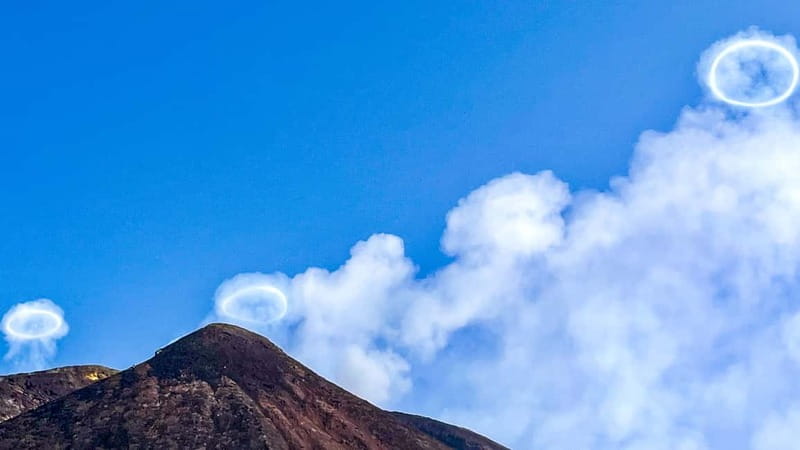
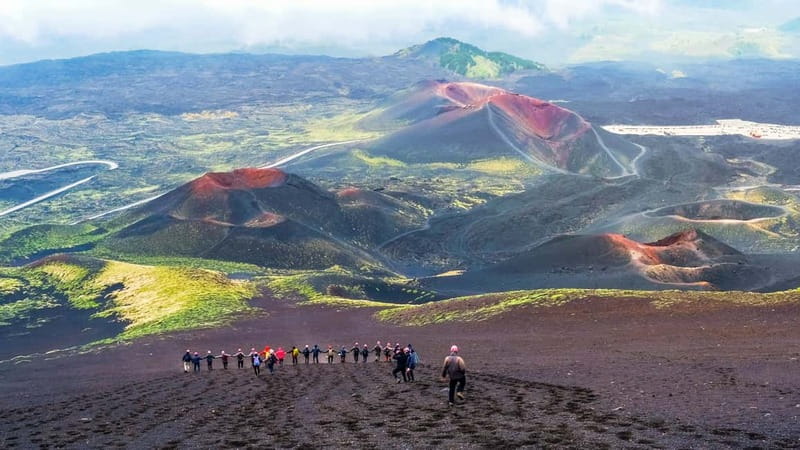
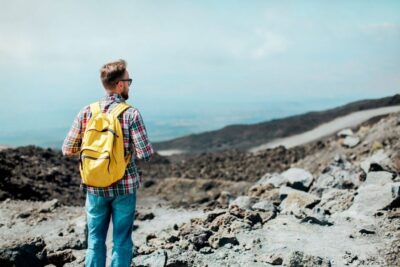
The walking section is the heart of the excursion. From around 2,800 meters, you climb toward 3,000 meters over loose volcanic ground. Black sand shifts under your boots, and rocky slopes can be slippery. This is not a smooth park path.
The reward comes from the variety of the ground. You may walk along crater edges, across ash-covered slopes, and beside broken lava formations. The route includes the Barbagallo crater at about 2,900 meters, along with other lateral craters and volcanic mounds.
You need reasonable fitness and some comfort on uneven ground. The route is manageable for many people in average shape, but it is not a gentle stroll. One section may feel steep, another loose, and a narrow ridge or high edge can make anyone who dislikes heights uncomfortable. The guide controls the pace and helps people through awkward sections, but you still need to place your feet carefully.
Snow can cover the ground in colder months. That can make the outing beautiful, but also colder, wetter, and more slippery. Proper layers matter more than fashion here. A tank top and light jacket may be enough for a sunny lower section, but wind at the top can make you reach for every layer you packed.
Seeing the lava channel and the 2002 eruption
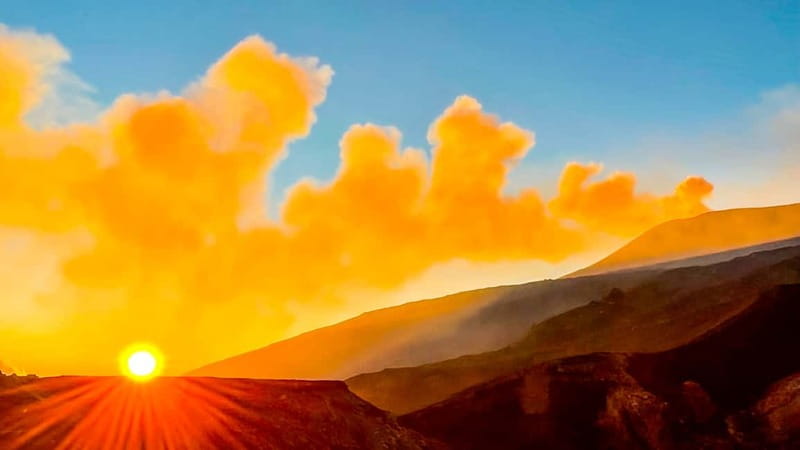
One of the most unusual parts of the route is entering a lava channel. Rather than viewing a distant flow from a roadside stop, you get close to a channel formed by moving lava. The guide puts the feature into context and shows how the volcanic material traveled and cooled.
The route also visits an effusive vent connected with the 2002 eruption. Etna’s eruptions do not all look like explosive blasts. An effusive eruption sends out flowing lava, and the remains of these events help you read the mountain’s recent activity.
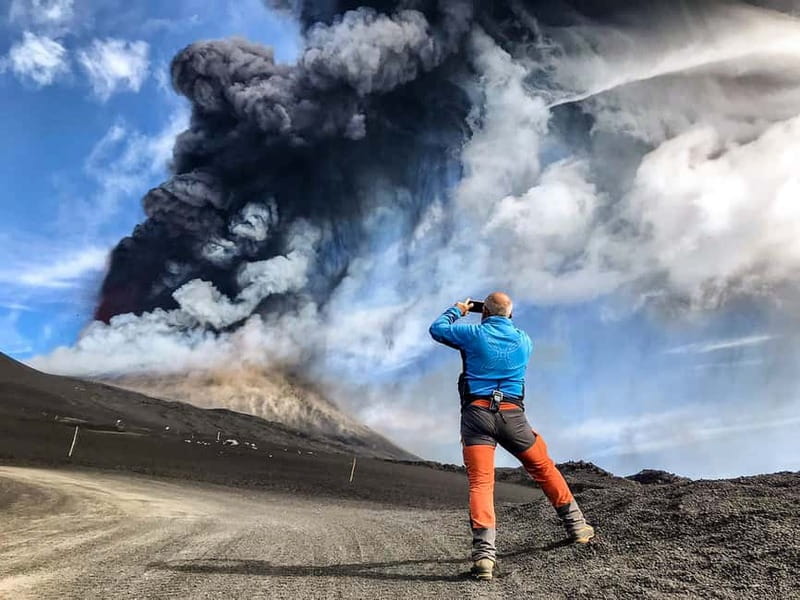
The phrase last lava flow should not make you expect glowing lava on every departure. Volcanic conditions change, and the visible feature may be solid, dark, and cooled. The value is in seeing a fresh-looking volcanic surface and learning how recently the mountain changed.
Some departures offer an optional chance to see an active lava funnel or fresh lava area for an extra charge and extra time. That is not the standard experience described here, so ask at check-in if it is available and clarify the added cost before agreeing.
Summit craters, Bove Valley, and the return
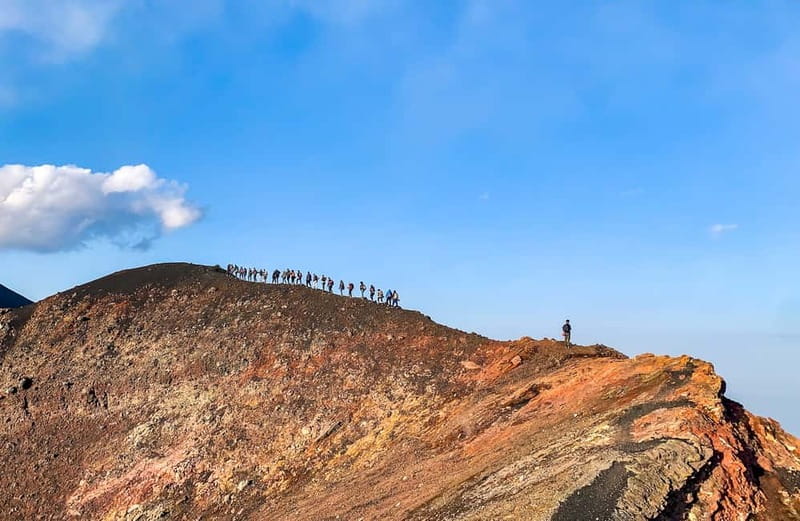
The high route gives you views toward Etna’s summit craters, though access and visibility depend on volcanic restrictions and weather. You are not promised a walk onto the summit crater itself. This excursion is presented as an alternative to a summit crater visit, with the route reaching Torre del Filosofo at about 3,000 meters.
The return route follows volcanic sandbanks toward the cable car station. Walking downhill on loose sand can be easier on your lungs than climbing, but it still demands attention. Your boots may slide, and trekking poles can help if a pair is available.
A particularly good viewpoint looks toward Bove Valley. On a clear day, the view can sweep from the Ionian coast toward the interior of Sicily. Clouds may hide much of it, though. Etna creates its own weather, and a morning of fog can turn into a clear view later, or the reverse.
The standard description includes a cable car ride down. If the cable car is closed, the descent may be handled by 4×4 vehicles. This is another reason not to plan a tight onward connection.
Guides, languages, and group size
The guide is central to the quality of this experience. Antonio is often singled out for explaining volcanic formations clearly, adjusting his pace, and looking after people of different ages and fitness levels. Giuseppe is praised for energy, patience, and strong explanations in English. Michele, Dario, Gianni, Marco, Paride, and others also lead groups in English, French, or Italian.
The best guides do more than recite facts. They draw diagrams in the ash, explain how eruptions reshape the slopes, answer questions, and connect the geology with local myths and stories. That makes the black rock easier to read and helps you understand why one crater matters more than another.
Group size can vary. Some departures have around ten people in a language group, while others may reach 20 or more. Larger groups can slow the start and make explanations harder to hear, although guides may divide people by language. Tell the guide at the beginning if you need to catch public transport afterward.
The tour can run in English, French, and Italian. Do not assume every guide will speak all three languages equally well on every departure. If language is important to you, confirm it when booking and make sure you are placed in the right group.
Is the $65 price good value?
The $65 tour price is reasonable for a five-hour guided high-altitude outing, especially with boots, socks, helmets, jackets, backpacks, and a guide included. The equipment saves suitcase space and avoids the cost of buying or renting mountain gear elsewhere.
But the headline price does not include the €45 transport fee. Add that before comparing this tour with other Etna options. You also need to bring or buy water and lunch. There may be a bar near the starting area, but a packed snack is simpler, particularly if the schedule runs late.
For the total cost, you receive a guided route to about 3,000 meters and access to volcanic features that would be hard to understand on your own. I think the value is strongest if you want explanation, safety support, and gear. If you only want a quick high-altitude photo, a less expensive viewpoint visit may suit you better.
Who should book this Etna hike?
Book it if you want to walk on recent volcanic ground, learn how lava forms channels and craters, and reach the upper mountain without climbing from the base. It is a good match for people with basic hiking experience and a reasonable level of fitness.
You should think twice if you dislike heights, struggle with loose rocky ground, or have heart, respiratory, or mobility problems. The activity is not suitable for wheelchair users, visually impaired people, pregnant women, people with motion sickness, children under six, or anyone over 95. People with health concerns should not treat the supplied gear or guide as a substitute for medical advice.
Families with older children may find the route manageable, but the age restriction and walking demands still apply. A 70-year-old participant completed the hike, while other people stopped early because the altitude was difficult. Your own fitness and response to thin air matter more than the number on your passport.
Practical tips for a smoother morning
Arrive early at the Guide Alpine Etna Sud shelter, especially if you are using the AST bus from Catania. The bus can be practical, but seats fill quickly, so reach the departure point well ahead of its scheduled time. The trip from Catania can make this a long day.
Wear long trousers and sturdy footwear for the journey to the meeting point, even though boots are supplied. Pack sunglasses, sunscreen, water, food, rain gear, and warm layers. Gloves are a sensible addition in colder months.
Carry only what you need. You will receive a backpack, and a heavy personal daypack becomes tiresome on steep, loose ground. Keep your phone and camera easy to reach, but do not overload yourself with spare items.
Finally, keep your schedule flexible. Cable car queues, equipment fitting, weather, and group pace can all affect the end time. Do not book a close flight or depend on catching the only bus down.
Should you book this Mount Etna tour?
I would book this excursion if your main goal is to understand Etna up close, not simply see it from a distance. The combination of cable car, 4×4, lateral craters, black sand, a lava channel, and a 2002 eruption vent gives you a strong range of volcanic sights in one half-day.
The €45 extra transport cost is easy to miss, and the walk is harder than the headline price and short description may suggest. Go prepared for cold, wind, thin air, loose footing, and delays. If you do, this is a well-equipped and substantial way to meet Europe’s most active volcano.
FAQ
How high does the excursion go?
The route reaches about 3,000 meters at Torre del Filosofo. You travel by cable car to around 2,500 meters, continue by 4×4 to roughly 2,800 meters, and walk the final section.
How long does the tour last?
The total experience takes about five hours. The walking section takes approximately three to four hours, though timing can vary with weather, queues, group pace, and transport conditions.
Is the cable car and 4×4 included in the $65 price?
No. The cable car and 4×4 cost €45 per person and must be paid at the meeting point. Cash is preferred to speed up check-in.
What equipment is provided?
The tour provides a guide, ankle trekking boots, thick socks, helmets, disposable helmet liners, Kway jackets, backpacks, and a limited number of trekking poles.
What should I bring?
Bring sunglasses, sunscreen, rain gear, long trousers, water, and a packed lunch or snack. Warm layers are important because the upper mountain can be cold and windy.
Can I join if I have never done a serious hike?
The route is manageable for people with basic hiking experience and reasonable fitness, but it includes three to four hours on uneven, rocky, and sometimes steep ground. The air is thinner at nearly 3,000 meters.
What happens if the cable car is not operating?
The transport plan may change, with 4×4 vehicles used for more of the ascent or descent. The cable car may not be available because of weather, technical issues, or mountain conditions.
Which languages are available?
Guided departures are available in English, French, and Italian. Groups may be divided according to language.
Can I cancel or pay later?
You can cancel up to 24 hours before the activity for a full refund. A reserve-now, pay-later option is also available.
New treks around Italy
- Motta Camastra: River Trekking Tour in the Alcantara Gorges★ 4.4 · 15 reviews
- River Trekking Gole Alcantara★ 5.0 · 11 reviews
- Portofino Park Trekking- Discover San Fruttuoso Bay★ 5.0 · 3 reviews
- Private Cinque Terre Trekking Tour★ 5.0 · 3 reviews
- Piano Provenzana: Guided Mt. Etna Snowshoeing Trek★ 5.0 · 3 reviews
- Palermo: Monte Gallo Trekking Tour with Picnic★ 5.0 · 2 reviews
- Etna Southern Slope Guided Easy Trek★ 4.8 · 36 reviews
- Mount Etna: Private Trek on the North Slope Craters★ 5.0 · 4 reviews
Volcano Treks, side by side.
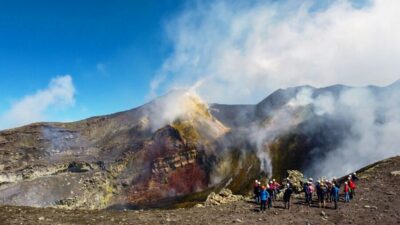
Mount Etna: Summit Crater Trek with Cable Car
Read our review →
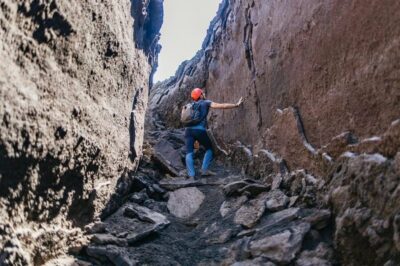
Etna: summit craters trekking with volcano guide 3350mt
Read our review →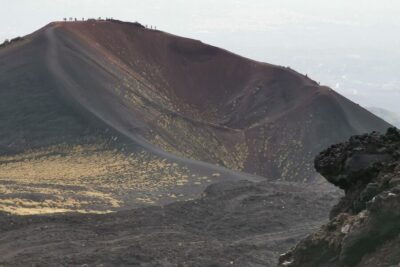
Catania: Mount Etna Trekking Tour Beyond the Tourist Trails
Read our review →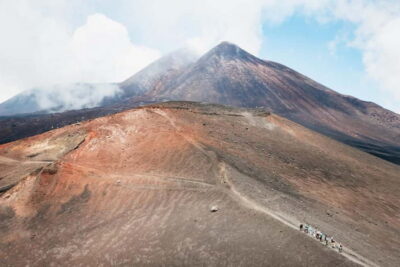
Mount Etna: Guided Trek 3,000 Meters to the Summit
Read our review →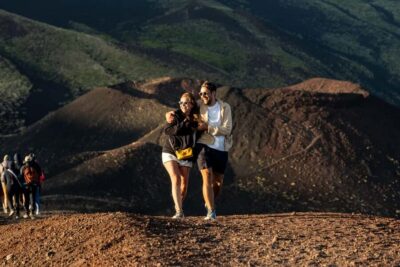
Etna Sunset Tour: Volcano trek, Cave & tasting from Catania
Read our review →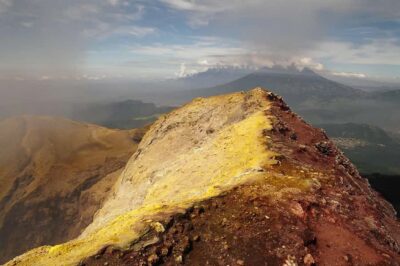
From Catania: trek on Mount Etna, Lava Cave & tasting Tour
Read our review →Lists this trek appears in