
Review · ITALY
Mount Etna: Craters of the 2002 Eruption Trekking Experience
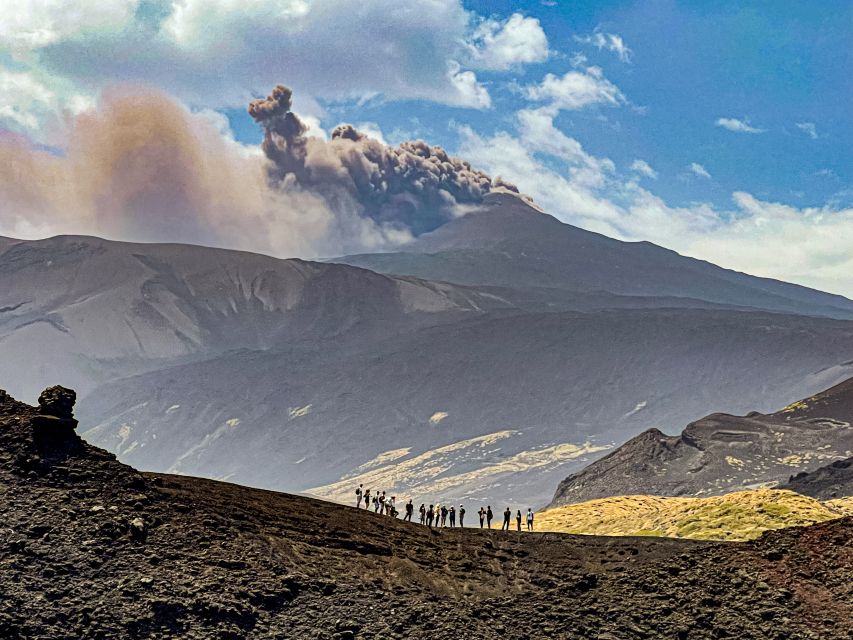
The most striking part of this Mount Etna trek is seeing where the 2002 eruption tore across the north side. Lava buried the Hotel delle Betulle, left great black flows in the forest, and created a line of craters above Piano Provenzana. You are not simply looking at a volcano from a viewpoint. You are walking through the evidence.
I like the small-scale volcanic features, especially the hornitos and cinder cones, because they make Etna’s eruptions easier to understand. I also like the three-hour length and strong guiding, with guides such as Daniele, Vincenzo, Davide, and Niko praised for clear explanations, humor, and careful pacing.
The catch is that this is not a flat nature walk. Loose volcanic soil, crater edges, wind, and uphill sections demand moderate fitness. Some older hikers have found it hard going, and poor weather can change or stop the route.
Key points to know before walking Etna
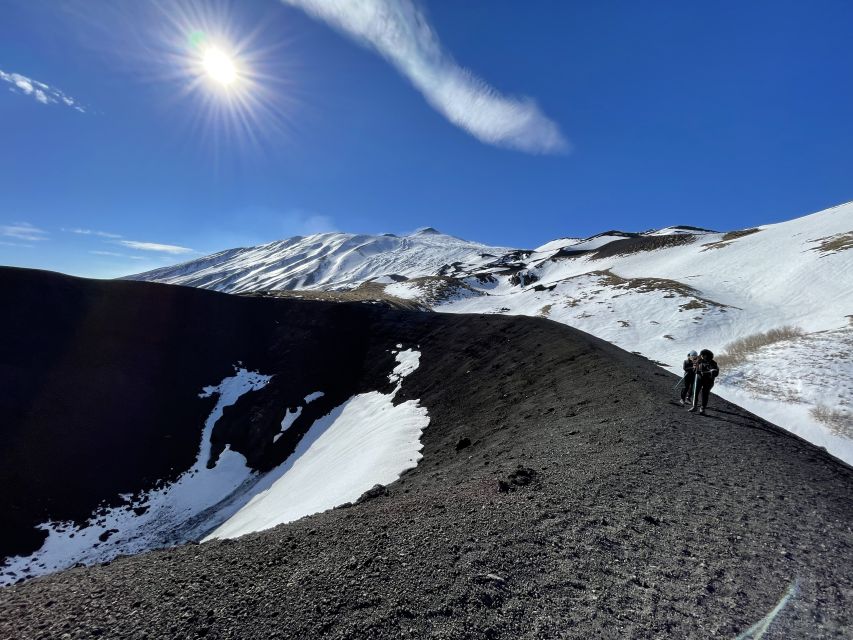
- Follow the 2002 eruption trail: See the buried Hotel delle Betulle, lava streams, eruptive fractures, and the craters that threatened Piano Provenzana and nearby Linguaglossa.
- Expect a real hike: The route includes ascents, crater edges, loose ground, and a sandy descent. It is not recommended if you do no regular physical activity.
- Bring proper gear: Wear hiking shoes, carry water and snacks, and pack a windbreaker, jacket, gloves, and hat in cooler seasons.
- Use the north-side meeting point: Meet at Chiosco Bar Mareneve, near the winter chairlift, not the lower Chiosco Bar Etna Nord.
- Allow for weather changes: Wind, snow, rain, and volcanic conditions can alter or interrupt the route at the guide’s discretion.
- Good value at $42: The fee includes an official volcano guide and accident insurance, but gear rental, parking, food, and transport to Piano Provenzana cost extra.
Why the 2002 eruption makes this trek special
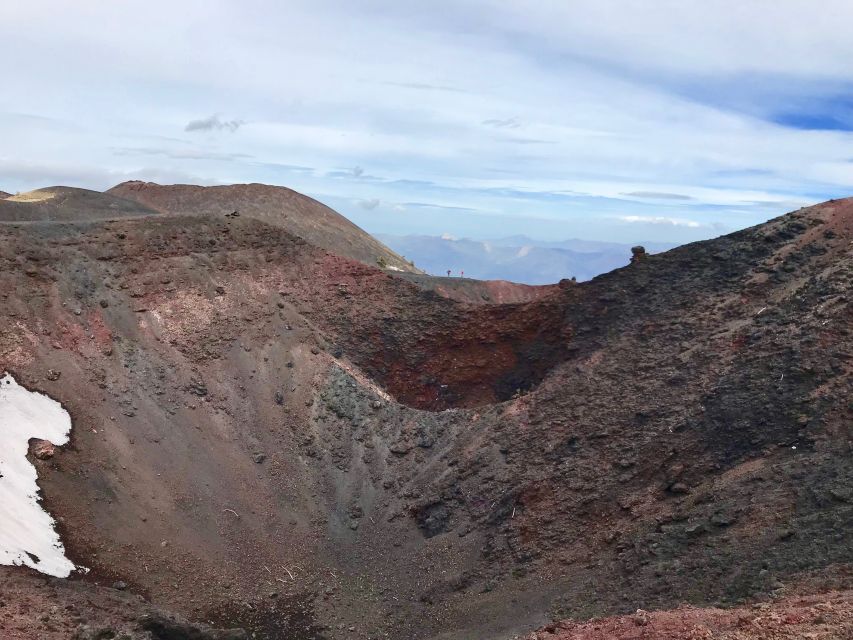
Etna is famous for its summit, but the north side gives you a close look at how a flank eruption changes a mountain. The 2002 event produced lava flows, fractures, cones, and channels that remain easy to read on the ground.
The eruption also damaged Piano Provenzana, a ski and excursion area on Etna’s northern flank. The buried Hotel delle Betulle is a memorable early stop because it gives the destruction a human scale. A volcanic flow can sound abstract in a guidebook. Seeing one surviving structure surrounded by hardened lava makes the event much more immediate.
The route also links the 2002 eruption with older activity. You will study volcanic forms from several periods, including the Bottoniera del 1911. This is useful because you begin to see Etna not as one single cone, but as a mountain repeatedly opened by eruptions along its sides.
A guide makes a real difference here. The rocks can look like a jumble of black ridges until someone points out a fracture, a lava channel, or a small cone and explains how it formed. Guides have included Daniele, Davide, Vincenzo, and Niko, with tours offered in Italian, English, and French. The strongest guiding style combines geology with simple explanations and a bit of humor.
More volcano treks around Italy:
- Mount Etna: Trek to 3000m with cable car and 4×4
★ 4.6 · 3,823 reviews - Mount Etna: Summit Crater Trek with Cable Car
★ 4.8 · 1,875 reviews - Etna: summit craters trekking with volcano guide 3350mt
★ 4.7 · 1,712 reviews
Meeting at Piano Provenzana without a wrong turn
The meeting point is Chiosco Bar Mareneve di Ferraro Giuseppa, in the parking area near the chairlift used by skiers in winter. It is described as the second house among the four buildings in the lot.
Do not go to Chiosco Bar Etna Nord in the lower parking area. That distinction matters, since the two names are close enough to cause confusion. I would arrive early, especially if you need to park, rent shoes, or collect a jacket.
The information supplied for the tour gives two different parking amounts. One note lists €5 for a weekday and €8 on Sundays and public holidays, while another says the parking ticket costs €3 and is paid after the excursion. Treat the parking charge as changeable and confirm it locally before setting out.
There is no pickup from your accommodation. You need to reach Piano Provenzana yourself, and the $42 price does not include transport. The tour also requires at least four participants in total, so keep that condition in mind when planning around a tight schedule.
The 15-minute safety briefing and first steps
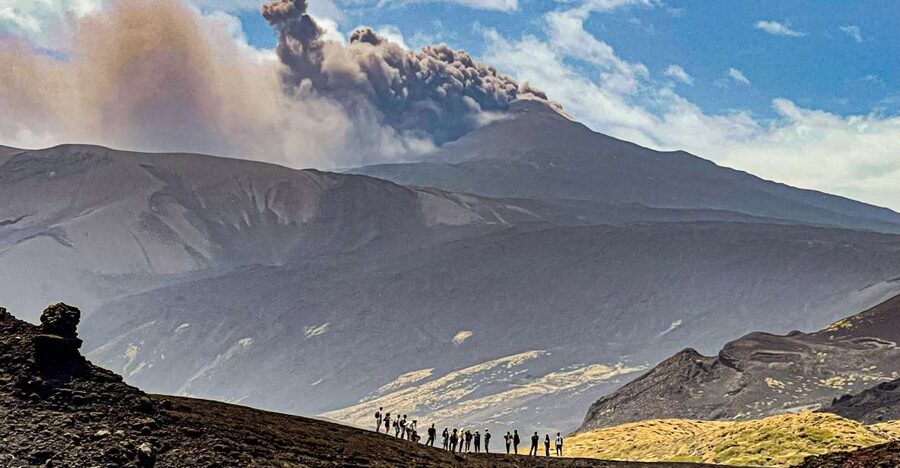
The trek begins with a briefing from Guide Vulcanologiche Etna Nord. This is more than a routine introduction. The volcanic soil can be loose and unstable, and the route reaches crater edges where dizziness or vertigo can become a problem.
The guide will also set the pace for the group. The total time is listed as three hours, but the actual duration depends on how quickly everyone walks. That is good news if you need time for photos and explanations, but it means you should not schedule a tightly timed activity immediately afterward.
The route begins along the dirt road from Piano Provenzana toward the summit craters. You pass through forest and over areas shaped by lava and older eruptions. The north side can feel exposed, particularly in strong wind, so do not assume that a warm day in Catania means warm conditions at the meeting point.
The buried Hotel delle Betulle
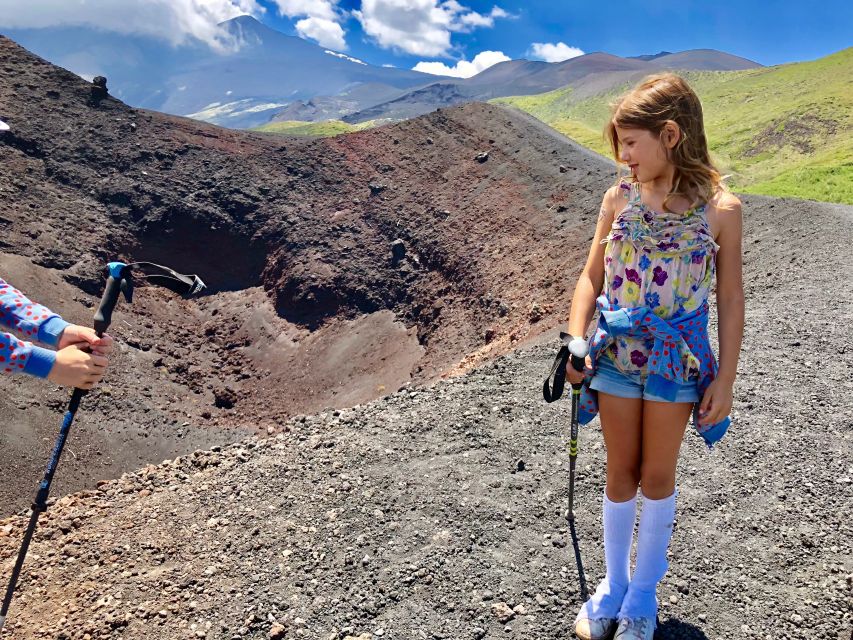
The first named stop is the Hotel delle Betulle, or more precisely, the remains of the hotel buried by the 2002 lava flow. You get around ten minutes here for a break, photographs, and an explanation from the guide.
This is a short stop, but it helps frame everything that follows. The route is not just about unusual rocks. It shows the force of an eruption that reached developed areas and threatened the town of Linguaglossa.
The stop also gives you an early chance to check your footwear and clothing. If your shoes already feel slippery on the volcanic ground, the later crater sections will not become easier. Trekking shoes can be rented from authorized providers for €5, but I would arrange that before the walk begins rather than wait until the route is underway.
More treks around Italy:
- Catania: Mount Etna Trekking Tour Beyond the Tourist Trails
★ 4.9 · 1,596 reviews - Mount Etna: Guided Trek 3,000 Meters to the Summit
★ 4.8 · 1,407 reviews - Stromboli: Sunset Trekking at Sciara del Fuoco
★ 4.6 · 1,372 reviews - Etna Sunset Tour: Volcano trek, Cave & tasting from Catania
★ 4.8 · 1,290 reviews
The 1911 Bottoniera and Etna’s smaller volcanic forms
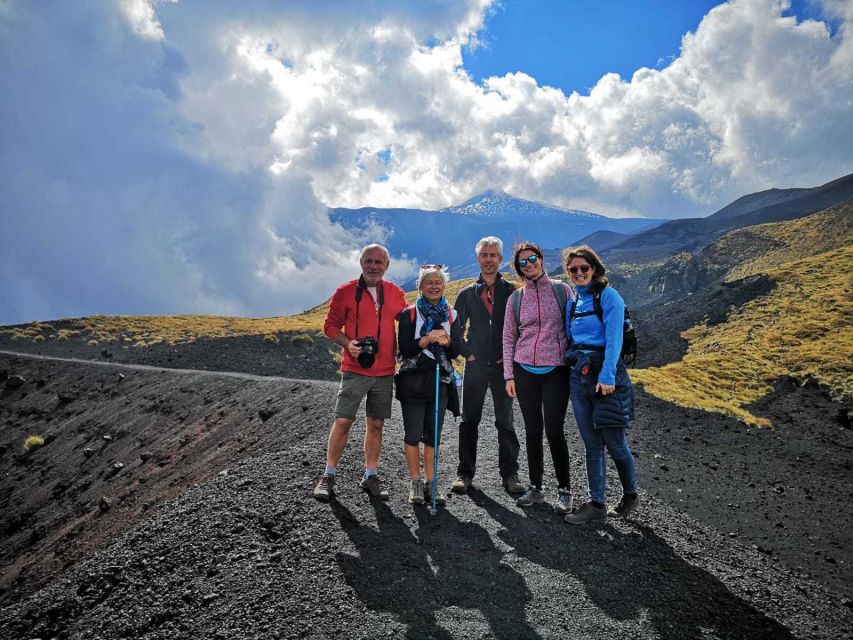
The next major stop is the Bottoniera del 1911, with about 25 minutes for walking, sightseeing, photographs, and free time. The name refers to a line of small volcanic cones, and this is where the guide can help you notice forms that are easy to miss.
You will see hornitos, a term meaning small ovens. These structures form around volcanic vents and fractures. They are not as grand as the summit craters, but they show how eruptive activity can build small features along a fissure.
You also go up along cinder cones. The climb is part of the appeal, but loose volcanic material makes every step less secure than on a firm trail. Trekking poles are not included, though one instruction specifically recommends using walking poles offered locally. They can help with balance, particularly on the ascent and on the return through sandy ground.
This section suits anyone who likes the details of volcanoes rather than only the big view. You will get more from it if you ask questions. The guides are there to explain the shapes, colors, and layers, not just to lead you from one photo stop to the next.
The 2002 fire belt and crater-edge views
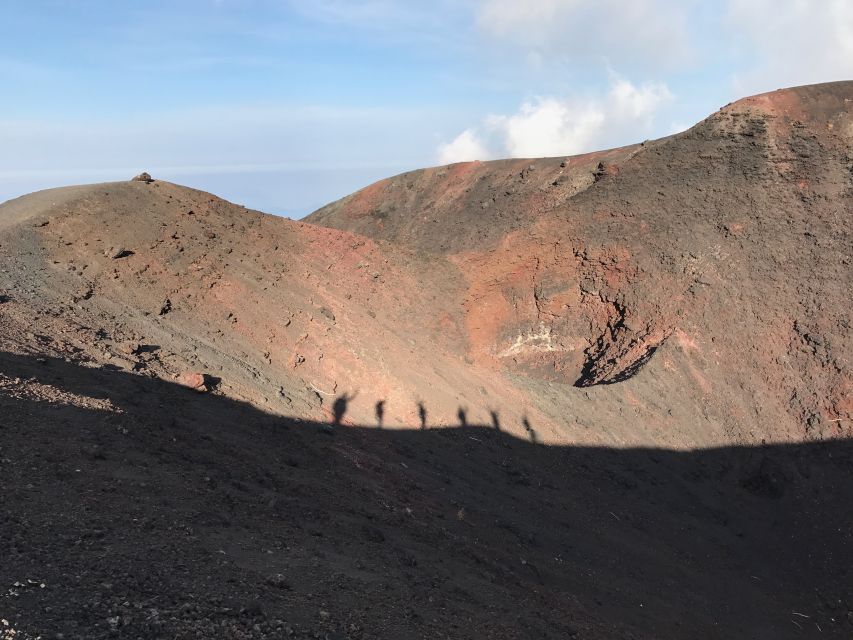
The longest part of the trek is the Cerniera di fuoco 2002, with about an hour and a half for walking, explanations, views, and stops. This is the heart of the experience.
Here you follow the scars of the 2002 eruption across lava fields and eruptive fractures. You can look across the broad eruptive theater and, on clear days, toward the Calabrian Coast. The view gives the walk a wider sense of place, but the ground beneath you remains the main attraction.
Walking along crater edges is exciting, yet it deserves care. The route can cause dizziness for people who are susceptible, and the activity is specifically not suited to people with vertigo or a fear of heights. Keep your attention on your footing instead of trying to walk while looking through a camera.
The guide may also show photographs or videos connected with the eruption. One guide was able to use personal images and video to make the 2002 event easier to picture. That kind of explanation adds value because you can compare the present rock formations with what happened during the eruption.
Returning through the sandy channel
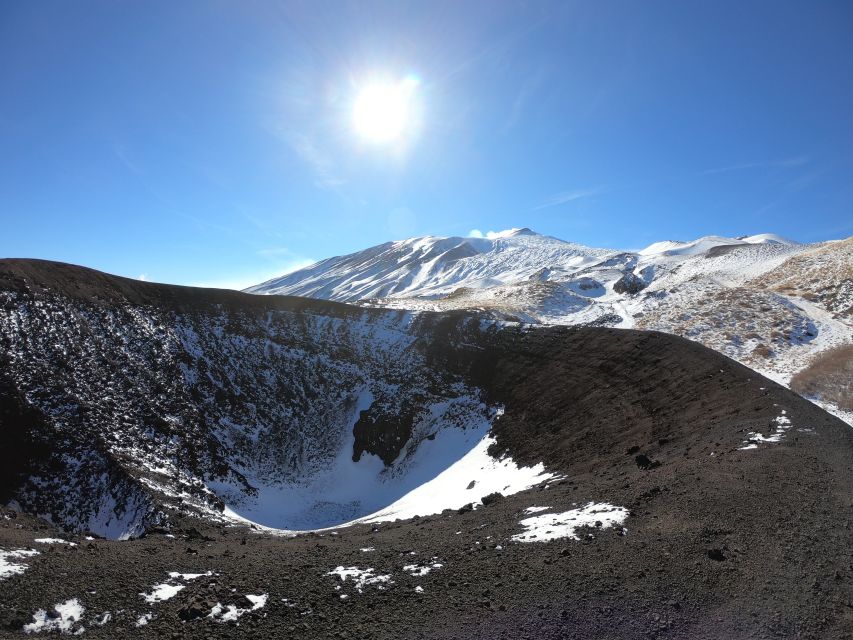
After reaching the upper craters, the route returns through a sandy channel toward the starting point. This is not simply a reverse walk along the dirt road. The descent gives you a different view of the volcanic forms, but it can be awkward because sand and loose material move beneath your feet.
This is where good shoes matter most. Sandals, flip-flops, slippers, high heels, and ordinary unsuitable footwear are not allowed. The activity also notes that you are not covered by insurance without adequate shoes, so proper hiking footwear is a safety requirement, not just a comfort tip.
The return section can be easy for a fit hiker and tiring for someone unused to uneven ground. One older couple described the three-hour route as worth the effort but hard going. That is a fair way to think about it: the distance is moderate, but the surface makes the walk more demanding than the time suggests.
How hard is the trek?
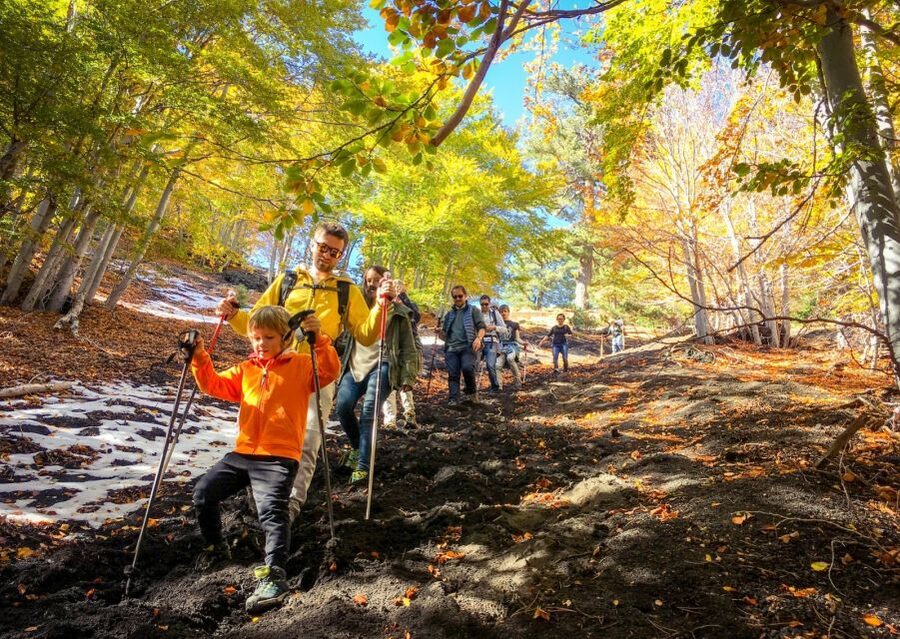
The tour is described for hikers with medium training. It is not recommended for people who do no regular physical activity, and it is not suitable for children under six, pregnant women, or people with back, heart, mobility, respiratory, or epilepsy-related concerns.
There is also a practical age lesson here. The route has worked for some families and older walkers, but reports of an 80-year-old completing a similar outing should not be treated as a promise that the trail is easy. Your own fitness, footwear, weather, and comfort on loose ground matter more than age alone.
I would rate this as a moderate volcanic walk rather than a gentle stroll. You should be comfortable with uphill walking, uneven surfaces, crater edges, and a descent through loose sand. If you are fit but short on time, it offers a useful taste of Etna without committing to a longer, more demanding hike.
Weather, clothing, and rental costs
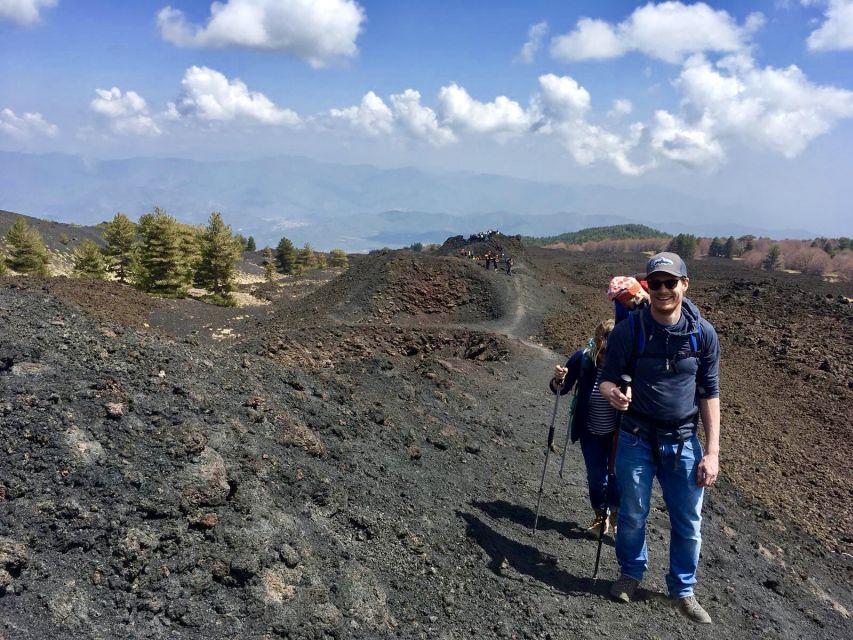
Etna’s conditions can shift quickly, and wind was the main complaint in one otherwise positive account. Bring a windbreaker, jacket, sunglasses, sunscreen, water, snacks, and a daypack. Wear comfortable clothing that suits the forecast, but prepare for colder conditions than you expect at lower elevations.
Gloves and hats are not included. They are especially important in winter, spring, and autumn. During December, January, February, and March, snowshoes may be needed and can be rented on site for €12 per person.
A windbreaker can be rented for €5, and trekking shoes for €5. These extra costs are modest, but they affect the real price of the outing. You may also need to budget for parking and snacks. The $42 base price is good value for a three-hour guided walk, particularly because it includes an official volcano guide and accident insurance, but it is not an all-inclusive fee.
Is $42 a fair price?
For $42 per person, you get a focused north-side Etna excursion with a guide, interpretation, and insurance. You are paying for access to a route that is much more rewarding when someone explains the eruption features rather than simply pointing out the craters.
The value is strongest if you have only a short time in Sicily or prefer a shorter walk. The route offers the buried hotel, the 1911 volcanic forms, the 2002 craters, forest, lava fields, and a coastal view in three hours.
The price is less attractive if you already plan to spend a full day on Etna with a longer hike and a specialist guide. In that case, this shorter route may repeat some of what you will see elsewhere. For a first introduction, though, it is a sensible middle ground between a quick viewpoint visit and a strenuous summit outing.
Free cancellation up to 24 hours before departure and the option to reserve now and pay later make the booking easier to fit around uncertain weather. They do not remove the need to check the forecast, since the guide can alter or stop the excursion for environmental, climatic, or volcanic reasons.
Who should book this Etna walk?
I would choose this trek if you want a clear introduction to Etna’s north side, have moderate fitness, and care more about understanding the volcano than checking off a summit. It also suits you if you prefer a three-hour route rather than a full-day mountain outing.
The multilingual guiding is useful for mixed-language groups. English, Italian, and French are offered, and individual guides have been praised for combining scientific information with humor and patient explanations.
I would choose another activity if you have mobility limitations, respiratory problems, heart problems, epilepsy, serious back trouble, vertigo, or a strong fear of heights. I would also think twice if you dislike loose ground or do not exercise regularly.
Should you book the Craters of the 2002 Eruption Trek?
Book it if the image of walking beside fresh-looking lava flows, eruptive fractures, and large 2002 craters appeals to you. The route gives you a direct look at Etna’s power, and the guides add the context that makes the rocks meaningful.
Do not book it expecting a paved path or a casual sightseeing stop. Bring serious footwear, layers, water, and patience for wind and uneven ground. If you accept those limits, this is a well-priced, compact way to experience the north side of Mount Etna without spending an entire day on the mountain.
FAQ
How long does the Mount Etna crater trek last?
The activity is scheduled for three hours. The exact time can depend on the group’s pace and on conditions along the route.
Where does the trek meet?
Meet at Chiosco Bar Mareneve di Ferraro Giuseppa, near the chairlift used by skiers in winter. It is the second house of the four buildings in the parking area.
Is Chiosco Bar Mareneve the same as Chiosco Bar Etna Nord?
No. The instructions specifically direct you to Chiosco Bar Mareneve and warn you not to go to Chiosco Bar Etna Nord in the lower parking lot.
What languages does the guide speak?
Guiding is offered in Italian, French, and English.
What is included in the price?
The price includes an official volcano guide and accident insurance.
Is transport from my accommodation included?
No. Transport from your accommodation to the meeting point is not included.
Do I need hiking shoes?
Yes. Hiking shoes are required for the volcanic ground, and the activity states that insurance does not cover you without adequate shoes. Shoes can be rented from authorized providers for €5 per pair.
Can I join the trek if there is snow?
The route can change with conditions. During December, January, February, and March, snowshoes are recommended if needed and can be rented on site for €12 per person.
Is the trek suitable for children?
Children under six are not suitable for this activity. The route is also not recommended for people who do no regular physical activity.
Can the excursion be changed or canceled because of weather?
Yes. The guide may alter or interrupt the excursion because of environmental, climatic, or volcanic conditions. You can cancel up to 24 hours in advance for a full refund.
New treks around Italy
- Motta Camastra: River Trekking Tour in the Alcantara Gorges★ 4.4 · 15 reviews
- River Trekking Gole Alcantara★ 5.0 · 11 reviews
- Portofino Park Trekking- Discover San Fruttuoso Bay★ 5.0 · 3 reviews
- Private Cinque Terre Trekking Tour★ 5.0 · 3 reviews
- Piano Provenzana: Guided Mt. Etna Snowshoeing Trek★ 5.0 · 3 reviews
- Palermo: Monte Gallo Trekking Tour with Picnic★ 5.0 · 2 reviews
- Etna Southern Slope Guided Easy Trek★ 4.8 · 36 reviews
- Mount Etna: Private Trek on the North Slope Craters★ 5.0 · 4 reviews
Volcano Treks, side by side.
Mount Etna: Trek to 3000m with cable car and 4×4
Read our review →
Mount Etna: Summit Crater Trek with Cable Car
Read our review →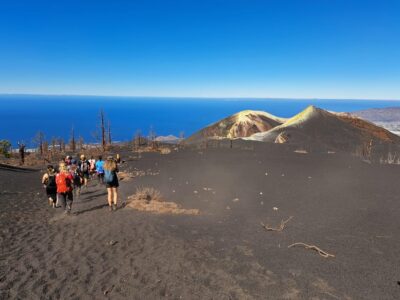
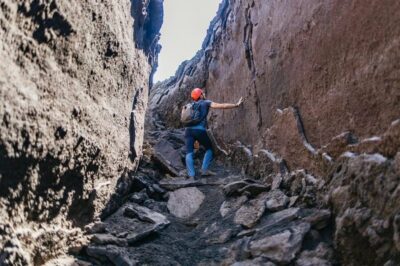
Etna: summit craters trekking with volcano guide 3350mt
Read our review →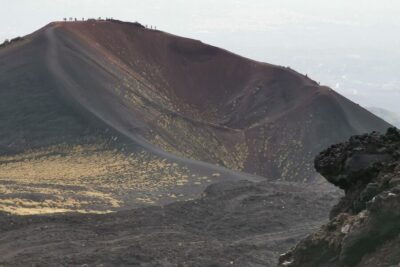
Catania: Mount Etna Trekking Tour Beyond the Tourist Trails
Read our review →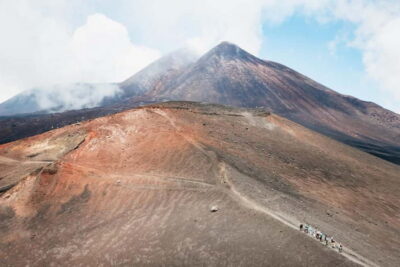
Mount Etna: Guided Trek 3,000 Meters to the Summit
Read our review →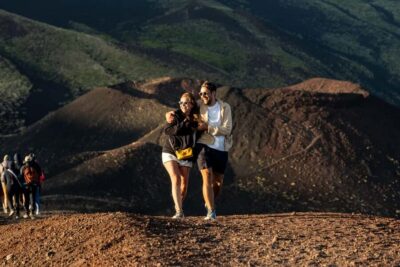
Etna Sunset Tour: Volcano trek, Cave & tasting from Catania
Read our review →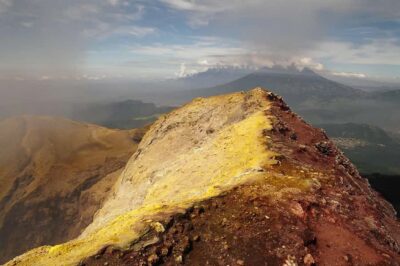
Lists this trek appears in