
Review · CATANIA
Mount Etna: Day trip to the high altitude craters at 3000 meters trekking
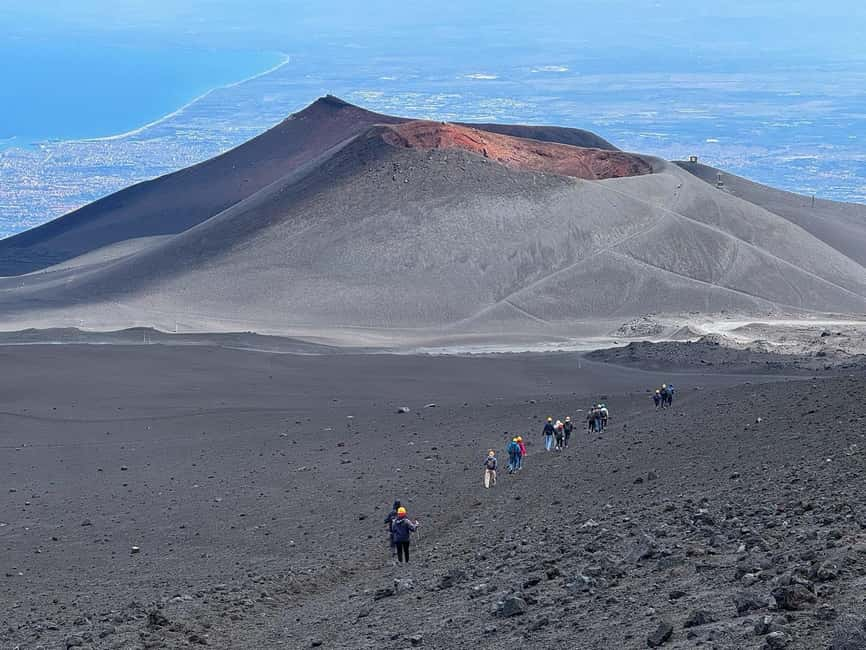
At 3000 meters, Mount Etna feels less like a mountain walk and more like a journey across another planet. You’ll cross black lava, inspect steaming fumaroles, peer into old side craters, and walk near recent flows under the guidance of a Sicilian volcano specialist. The most striking feature is the high-altitude volcanic terrain, where the ground itself tells the story of Etna’s eruptions.
I like the small-group format and the practical gear included, especially the trekking shoes, poles, and protective helmet. I also like that the route can include lava channels and hot spots, not just a quick viewpoint near the lift station. The main consideration is cost: the €55 tour fee does not include the cable car or 4×4 connection, which can add substantially to your day.
Key points at a glance
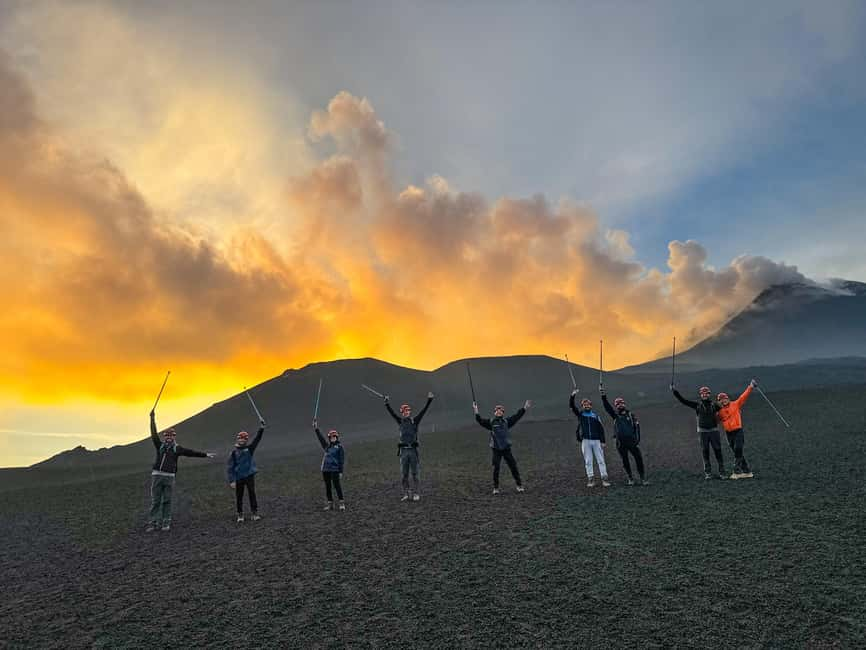
- Walk at roughly 2850 to 3000 meters: Reach Etna’s high volcanic zone by cable car and possibly 4×4 bus before starting on foot.
- See active volcanic features: Expect fumaroles, steam emissions, hot spots, lava channels, and recent lava flows, depending on conditions.
- Explore without ordinary hiking trails: Parts of the route cross loose volcanic ground and may feel exposed.
- Get useful equipment included: Trekking poles, a mountaineering helmet, trekking shoes, insurance, and a guide are part of the tour.
- Plan for a long mountain outing: The guided trek lasts about 4.5 hours, and you must bring water, lunch, warm layers, and sun protection.
- Meet at Rifugio Sapienza: The starting point is Bar Terrazza dell’Etna on Etna’s southern slope.
Reaching Etna’s high craters from Rifugio Sapienza
Your day begins at Bar Terrazza dell’Etna at Rifugio Sapienza, the meeting point on Mount Etna’s southern slope. This is not a city sightseeing tour with a bus taking you from door to door. You must arrange your own transport to the starting point, then meet the guide and complete the registration forms.
Before heading uphill, the guide checks your equipment and provides protective helmets and trekking shoes. Trekking poles are also included. This preparation matters because the route is not a smooth mountain path. Volcanic ground can be loose, uneven, and tiring, particularly at high altitude.
The lift tickets are purchased on site. Depending on the day, conditions, and operating arrangements, you may use the cable car and possibly a 4×4 bus to reach about 2850 meters. The final walking section takes you toward the high craters and the base of Etna’s summit area, reaching roughly 3000 meters.
The altitude is the central fact of this outing. Even people accustomed to walking should take the elevation seriously. You are not simply gaining height on a regular trail. You are walking above the usual tree line, in open terrain, with weather that can shift quickly. The guide may adjust the route and maximum altitude if volcanic activity or weather closes the upper area.
More volcano treks around Catania:
- Mount Etna: Guided Trek 3,000 Meters to the Summit
★ 4.8 · 1,407 reviews - Etna Sunset Tour: Volcano trek, Cave & tasting from Catania
★ 4.8 · 1,290 reviews - From Catania: trek on Mount Etna, Lava Cave & tasting Tour
★ 4.8 · 563 reviews
Walking across Etna’s black lava desert
Once you leave the lift area, the character of the day changes. The paved access and machines give way to a broad volcanic zone shaped by eruptions, ash, and cooling lava. The black surface absorbs the sun, reflects very little color, and makes the red or orange tones near hot spots especially memorable.
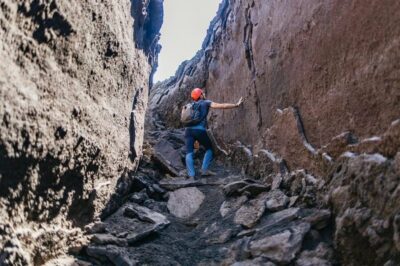
The route may include recent lava flows, inactive side craters, and channels where molten rock once moved downhill. These features help you read Etna as a working volcano rather than a dormant peak. A good guide can explain how lava travels, how channels form, and why some areas remain warm after an eruption.
Fabrizio, named in the available feedback, received especially strong praise for his friendly manner, safety focus, and clear explanations of volcanic features. One detail is worth noting: the group encountered actual lava during the August 2025 outing. That does not mean every departure will include visible molten lava. Volcanic activity changes, and access rules can change with it, but it shows the kind of live geological setting you are entering.
The experience is most rewarding when you accept that the route may not feel like a classic hike. You may walk on loose ash, hard lava crust, or rough stone without a marked trail. The supplied information says some sections may be exposed, so this is best for people who are athletic and already comfortable walking over uneven ground.
Fumaroles, hot spots, and steam from the volcano
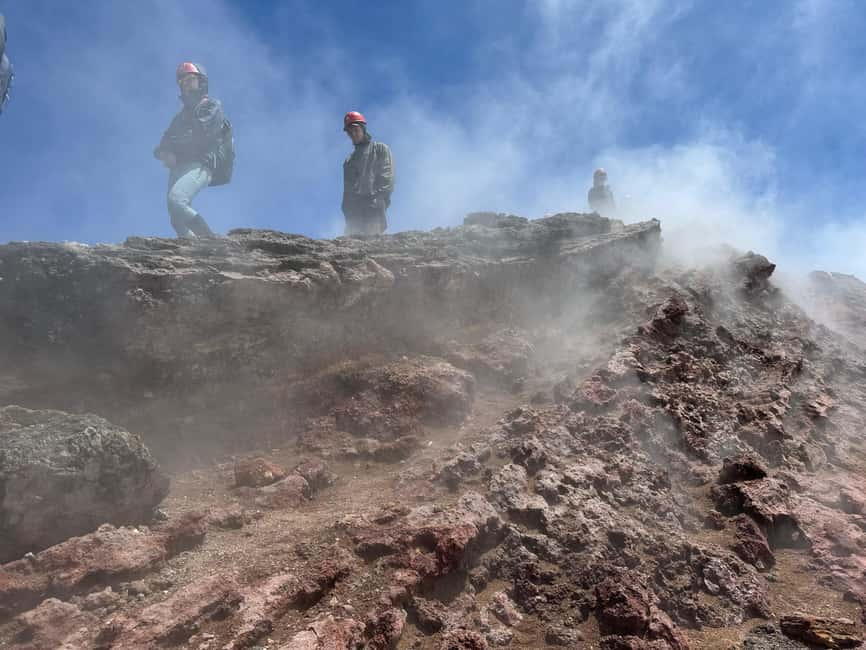
The high craters are not only about views. You will also look for the small signs that Etna remains active. Fumaroles release steam and volcanic gases through cracks in the ground. Some hot areas can be felt or seen, but you must follow the guide’s instructions closely and stay within the permitted route.
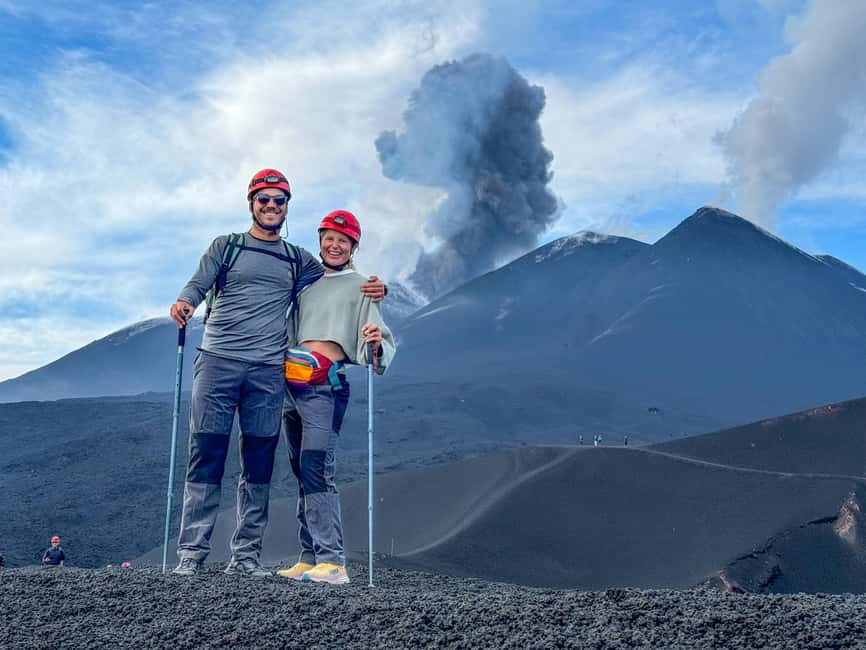
This is where the helmet and guided format make sense. You are visiting a high-altitude volcanic zone, not wandering through a normal park. The guide leads you around features that can look harmless but require care. A helmet is not a souvenir item here. It is part of the safety equipment for a rough volcanic environment.
The steam can make the visit feel dramatic, particularly against the dark lava. It also gives you a closer connection to the volcano than a distant viewpoint does. You are seeing heat and gas emerge from the ground, with the source of the activity below your feet.
Conditions matter. If the high-altitude area is closed because of strong volcanic activity, the outing continues at the highest permitted altitude instead. That may mean you do not reach the exact crater area advertised for the best-case route. The tradeoff is sensible: Etna is an active volcano, so safety rules have to control the itinerary.
The lava channel and high-altitude side craters
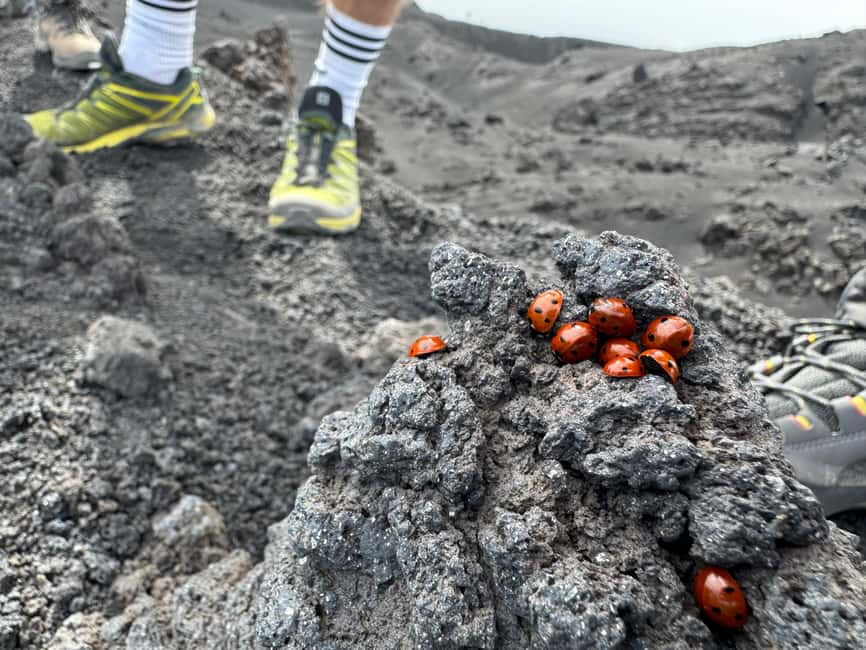
A lava channel is one of the more distinctive features promised on this route. These channels form when flowing lava develops a path, sometimes with a hardened surface around or above the hotter material beneath. Seeing one gives you a better sense of how an eruption reshapes the mountain.
The high-altitude side craters offer another kind of interest. Unlike the main summit, these smaller cones show how volcanic activity can open along the mountain’s flanks. Walking among them makes the route feel less like a single climb and more like a geological field trip.
You should not expect a polished attraction with rails, signs, and a neat walking loop. The appeal is the raw setting. The drawback is that the same rough ground that makes the route authentic can make it physically demanding. Comfortable shoes and steady footing matter more here than speed.
The provided equipment helps, but it does not replace proper clothing. Bring long pants, long socks, a sweatshirt, a windbreaker, gloves, a neck warmer, and sunglasses. Warm jackets are not included, though they are available to hire. You should ask the guide about the forecast before setting out because conditions at the summit zone can differ sharply from those at the coast.
More one-day treks around Catania
- From Sapa: 1-Day Guided Trek to Lao Chai & Ta Van with Lunch
★ 4.9 · 416 reviews - Sapa 1 Day Long Trek: Trek to Hau Thao and Sa Seng Villages
★ 4.6 · 344 reviews - Doi Inthanon National Park with Nature Trail Trekking 1-Day Tour
★ 4.5 · 230 reviews - 1-day Authentik trek & Panorama valley views
★ 5.0 · 189 reviews
Valle del Bove and the lunch stop
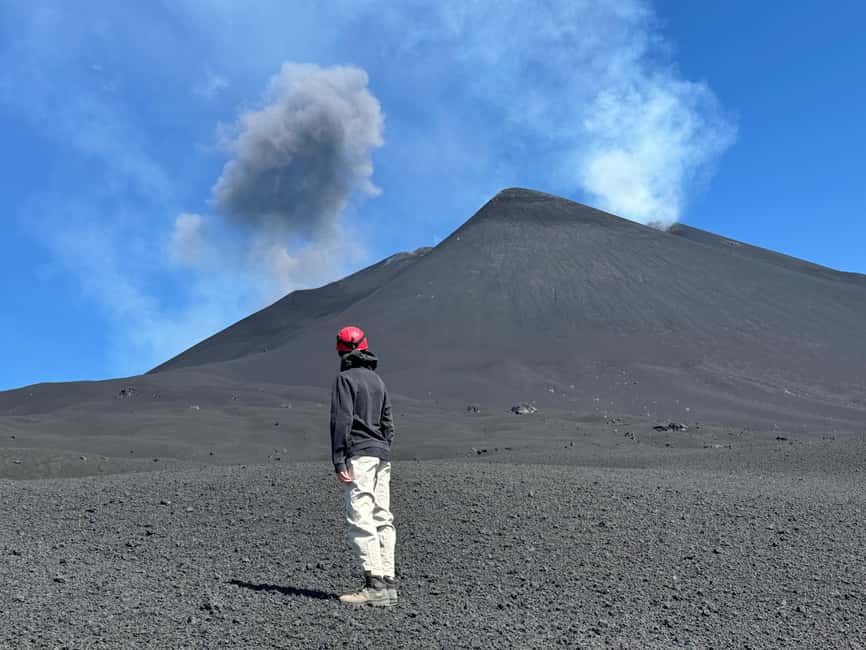
The route includes views toward the immense Valle del Bove, one of the major visual rewards of the day. From high on Etna, the valley gives scale to the mountain. The dark upper slopes, broad volcanic depression, and distant views create a sharp contrast with the more enclosed feeling around the craters.
A packed lunch is required, and the plan allows you to eat with a panoramic view. That sounds simple, but it is a practical advantage. At this altitude, you need food and water to maintain energy, and stopping outdoors gives you time to take in the setting instead of rushing from one feature to the next.
Bring at least 1.5 liters of water per person, plus a snack and packed lunch. A 10 to 20 liter backpack is recommended. The lunch is not supplied as part of the tour, so you need to arrange it yourself before arriving. There are no details provided about shops or food options at the meeting point, so do not rely on finding a suitable meal at the last minute.
Sun protection is also important. Bring sunscreen and sunglasses, even if the morning begins cool or cloudy. The open high-altitude terrain offers little shelter, and the combination of wind, sun, and volcanic ground can make the day feel harder than the distance suggests.
What the €55 fee really covers
The listed tour price is €55 per person, roughly matching the advertised $64 price after currency conversion. That fee covers the Sicilian Region Volcanological Tour Guide, liability insurance, trekking poles, a protective mountaineering helmet, trekking shoes, and the guided walk.
The cable car ticket is separate at €52. A 4×4 bus ticket may also be required at €28. These payments are made in cash on site, and no advance payment is required for the lift or bus. Depending on the exact transport combination used, your final cost can be much higher than the headline tour price.
There is some variation in the supplied pricing details, including a reference to a free Etna entrance ticket and separate charges for the cable car and 4×4 bus. I would treat the lift and bus prices as the amounts to budget for, then confirm the exact transport plan before departure. The cable car may take you partway up, while a 4×4 connection may be used for an additional section, but the final arrangement depends on access and conditions.
At its best, the value is strong for a visitor who wants a guided high-altitude walk and does not own suitable volcanic trekking gear. The guide, insurance, footwear, helmet, and poles save you from assembling everything separately. The value is weaker if you only want a short look at Etna from near the lower station, because the lift and transport costs add up and the actual walking is demanding.
Who will enjoy this Etna trek
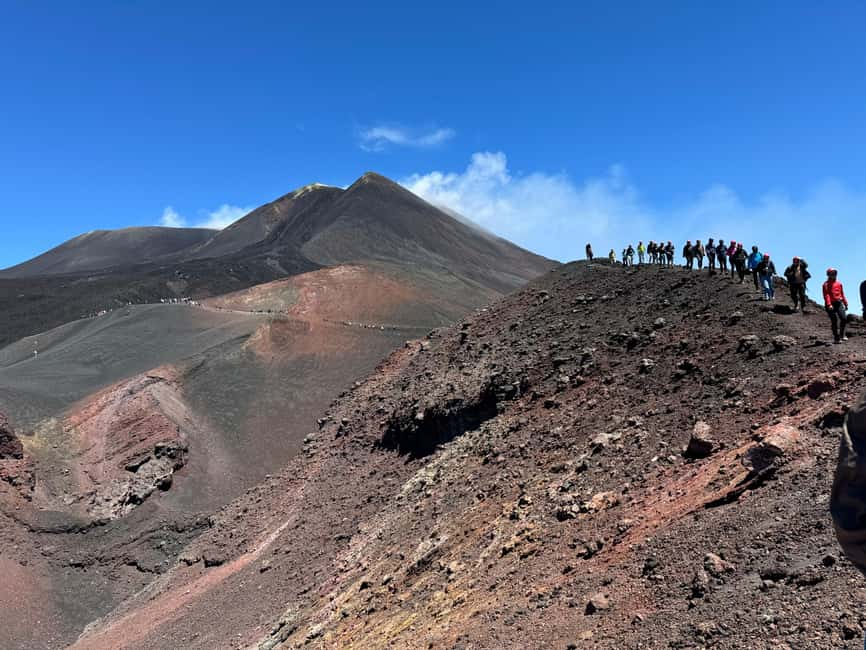
This outing suits you if you are accustomed to walking and want more than a viewpoint. It is aimed at people who can handle rough ground, altitude, and a route that may not follow ordinary paths. You do not need to be a mountaineer, but you should be athletic and comfortable with several hours outdoors.
It is a good match for you if volcanic geology interests you. The guide can connect the visible features, such as fumaroles, lava channels, craters, and recent flows, to the active forces beneath Etna. The day feels more educational than a simple lift ride.
It may not suit you if you want a relaxed excursion with fixed timing and easy surfaces. Starting times can change with weather, and the trek may be canceled if fewer than four people are registered. Strong volcanic activity can also force a route change, while bad weather may lead to cancellation or rescheduling.
The activity is offered in English and Italian. If you need a particular language, check availability before booking. The guide’s role is important here, since the route, safety instructions, and explanations all take place on open volcanic ground.
Practical preparation for a 4.5-hour walk
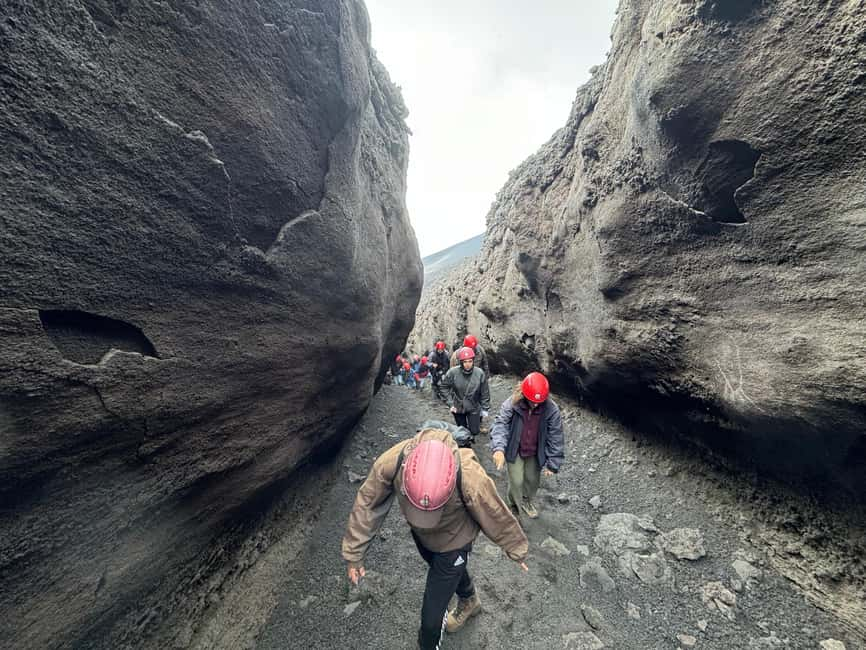
Wear sports clothing suited to the season, but pack for colder conditions than you may expect at lower elevations. Your basic list should include:
- Long pants and long socks
- Trekking shoes, supplied if needed
- A windbreaker and sweatshirt
- Gloves and a neck warmer
- Sunglasses and sunscreen
- At least 1.5 liters of water
- A snack and packed lunch
- A 10 to 20 liter backpack
The tour supplies trekking shoes, but you may prefer to confirm sizing and fit when you register. Warm jackets and backpacks are available for hire, but they are not included. If you already own comfortable high-altitude clothing and a suitable pack, bring your own.
Allow a full day in your schedule even though the guided walk lasts about 4.5 hours. You need time to reach Rifugio Sapienza, complete registration, receive equipment, buy lift tickets, and return from the mountain. The exact start time may vary with the day and weather.
Free cancellation is available up to 24 hours before the activity, and you can reserve without paying immediately. Those policies help if your Sicily plans are still shifting, but they do not remove the weather and volcanic risks that can affect the day.
Should you book the 3000-meter Etna trek?
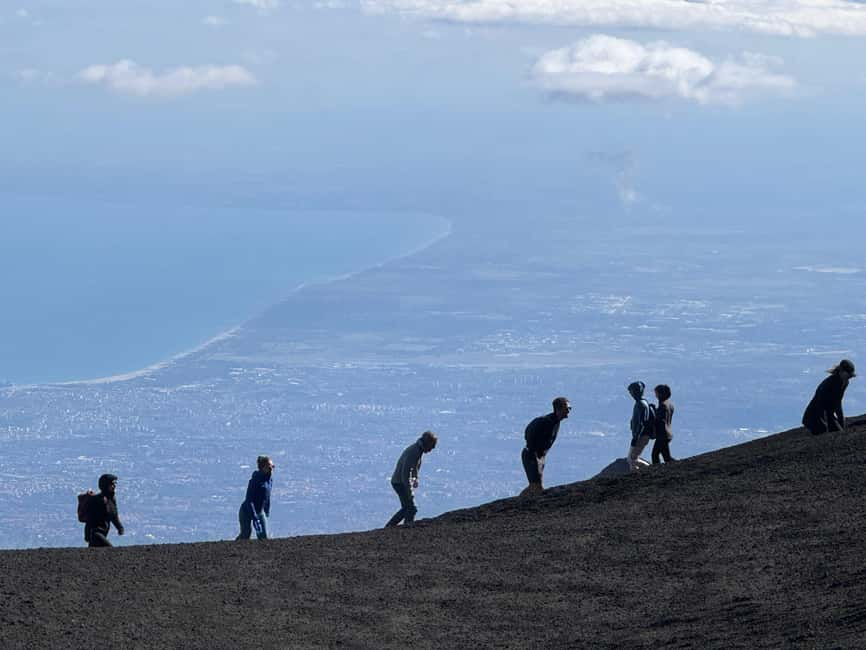
Book it if you want a serious, close-up look at an active volcano and you are prepared to walk for hours over rough ground. The strongest reasons are the high elevation, the chance to see steaming fumaroles and recent lava features, the view into Valle del Bove, and the practical support from a guide such as Fabrizio.
Skip it if you want an easy excursion, dislike changing plans, or are not comfortable with exposed sections and uncertain weather. Also price the lift and possible 4×4 costs before booking. The €55 base fee is reasonable for the guide and equipment, but your full mountain transport cost may approach or exceed the tour fee itself.
For fit walkers who want Etna to feel like a living volcano rather than a scenic backdrop, this is the better choice. Bring warm layers, water, lunch, and a flexible attitude. The mountain decides some of the details.
FAQ
Where does the Mount Etna trek meet?
The meeting point is Bar Terrazza dell’Etna at Rifugio Sapienza on the southern slope of Mount Etna.
How long does the guided trek last?
The high-altitude guided trek lasts approximately 4.5 hours.
How high does the activity go?
The lift section reaches about 2850 meters, and the walking route visits craters at roughly 3000 meters near the base of the summit.
Is the cable car included?
No. The return cable car ticket costs €52 and is paid on site in cash.
Is the 4×4 bus included?
No. If the 4×4 bus is needed, the ticket costs €28 and is paid on site in cash.
What equipment is provided?
The tour includes trekking poles, a protective mountaineering helmet, and trekking shoes. Warm jackets and backpacks are available for hire but are not included.
What should I bring?
Bring a 10 to 20 liter backpack, at least 1.5 liters of water, a snack, packed lunch, long pants, long socks, a windbreaker, sweatshirt, gloves, neck warmer, sunglasses, and sunscreen.
Is this suitable for all walking abilities?
It is suitable for people accustomed to walking, particularly those who are athletic and comfortable walking without marked trails. Some sections may be exposed.
What happens if the weather or volcanic activity is poor?
If strong volcanic activity closes the high-altitude area, the tour continues to the maximum permitted altitude. In bad weather, the activity may be canceled or rescheduled, and the operator says you will be informed as soon as possible.
New treks around Catania
- Piano Provenzana: Guided Mt. Etna Snowshoeing Trek★ 5.0 · 3 reviews
- Mount Etna: trek with vintage car, tasting sicilian produtcs★ 5.0 · 5 reviews
- From Syracuse: Mount Etna Volcano Morning Trekking Tour★ 5.0 · 3 reviews
- From Catania: Mount Etna Trekking Private Experience★ 4.6 · 11 reviews
- Etna: Trekking to the summit craters at 3340 meters★ 4.0 · 10 reviews
- Catania: Etna Sunset Trekking with Hotel Pickup★ 5.0 · 2 reviews
- Catania: Etna Morning or Sunset Trek with Lava Tunnel & Gear★ 5.0 · 27 reviews
- Etna: Jeep excursion and trekking suitable for everyone. Shoes and jacket provided free of charge.★ 4.9 · 15 reviews
Volcano Treks, side by side.
Mount Etna: Trek to 3000m with cable car and 4×4
Read our review →
Mount Etna: Summit Crater Trek with Cable Car
Read our review →
Etna: summit craters trekking with volcano guide 3350mt
Read our review →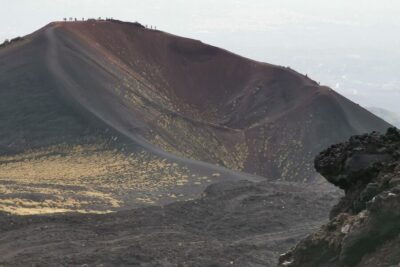
Catania: Mount Etna Trekking Tour Beyond the Tourist Trails
Read our review →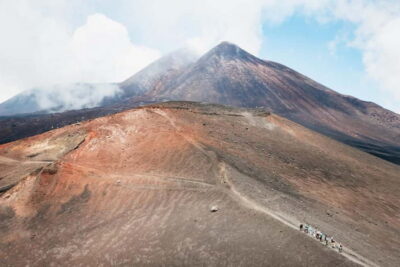
Mount Etna: Guided Trek 3,000 Meters to the Summit
Read our review →
Etna Sunset Tour: Volcano trek, Cave & tasting from Catania
Read our review →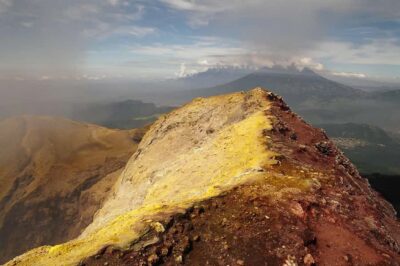
Lists this trek appears in