
Review · AREQUIPA
4 hours Tour: Route of Sillar with Trek in Culebrillas
The most memorable part of this half-day outing is seeing sillar being made at a working quarry, not just admiring it in Arequipa’s churches and old buildings. You will also walk into Culebrillas canyon, where tall ignimbrite walls lead to ancient Wari petroglyphs.
I like the direct look at the stonemasons’ work, including the chance to try cutting a block yourself. I also like the mix of geology, living craft, old culture, and volcano views packed into one short trip. The main drawback is the brisk pace. A delayed departure or language issue can leave you with too little time at the stops.
Key points to know before you book
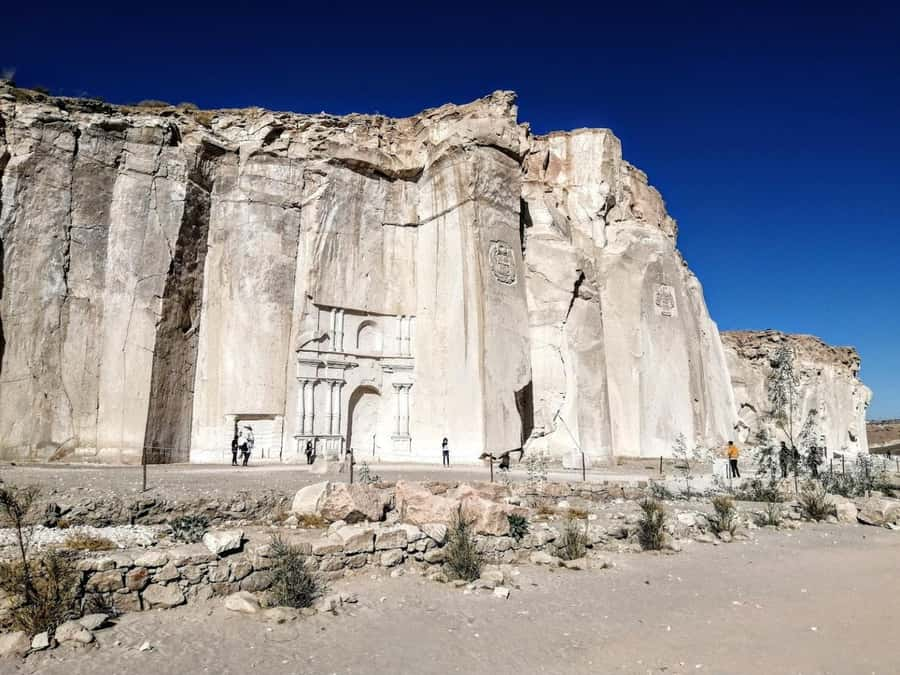
- Añashuayco is a working sillar quarry: You see extraction areas, high stone walls, and a large carving of the Church of the Company of Jesus.
- Culebrillas adds a short canyon walk: The route takes about 20 minutes inside a narrow canyon and ends near Wari petroglyphs more than 1,000 years old.
- The tour offers strong value at $11: Transport and a professional guide are included, but entrance fees total 18 soles.
- The views begin before the quarry: A viewpoint looks toward the volcanoes and the Chilina Valley, with a possible seasonal change to another traditional viewpoint.
- The schedule is compact: The morning departure is listed at 9:15 am, with arrival back in central Arequipa around 1:30 pm. A 2:00 pm departure is also available.
- English and Spanish are offered: Confirm the language at booking, since a guide illness once caused one departure to run only in Spanish.
Why sillar tells Arequipa’s story
Arequipa is closely tied to sillar, the pale volcanic stone used in many of the city’s notable buildings. This tour takes you away from finished facades and into the places where the stone is cut from ignimbrite, the volcanic material that forms the quarry walls.
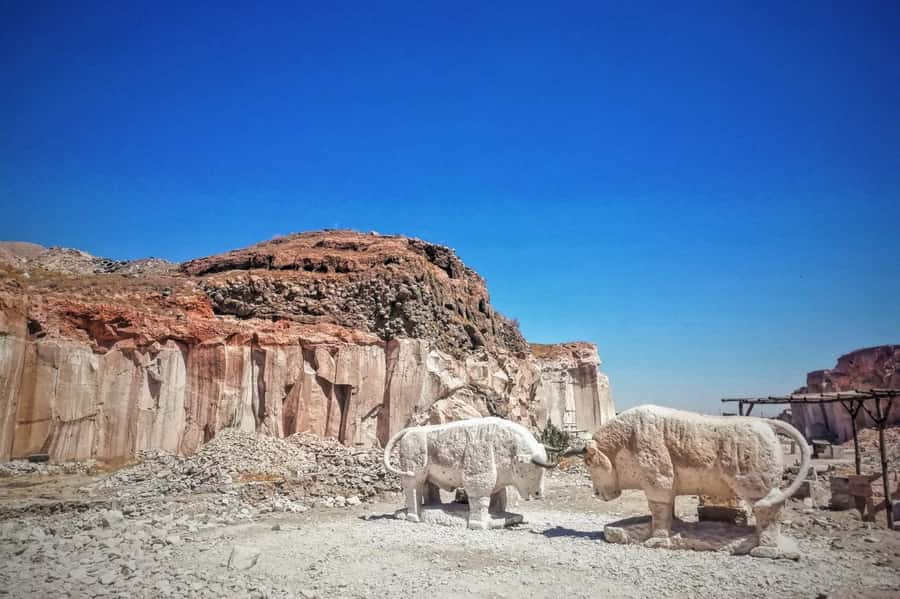
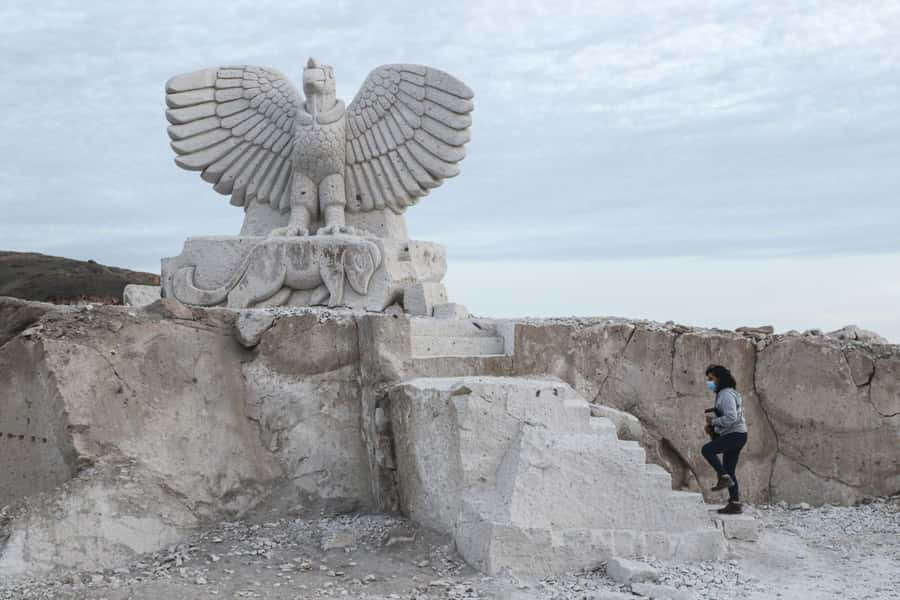
That shift matters. In the city, sillar can look decorative and polished. At Añashuayco, you see the harder work behind it: extraction, shaping, carving, and the physical skill needed to turn rough blocks into building material.
Your guide explains the stone’s history, how it is produced, and how it has been used over time. The setting makes those details easier to grasp. Instead of hearing a short description and moving on, you look across an immense quarry cut into high cliffs and see the marks left by stone removal.
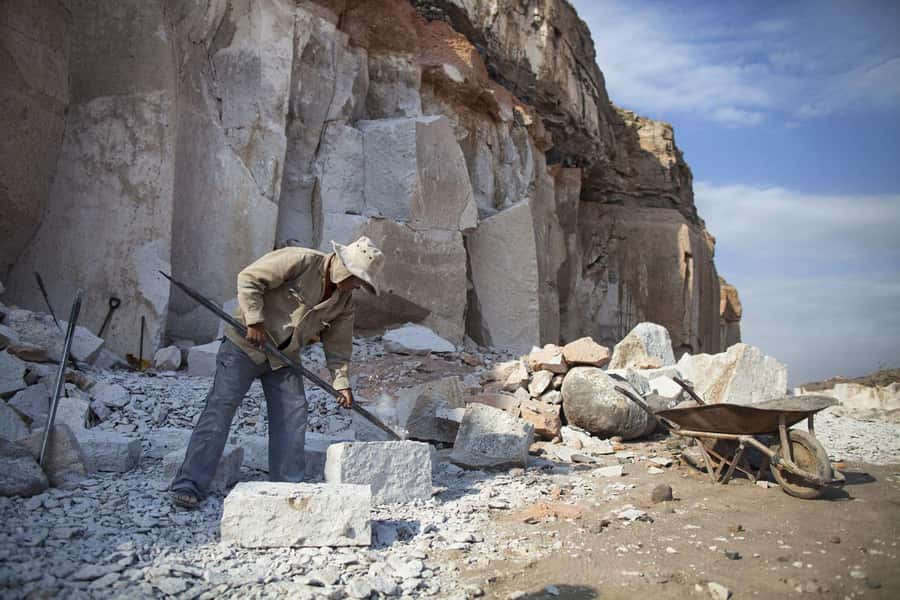
The quarry is still active. The stonemasons work early in the day, so the morning departure is useful if you want the best chance of seeing the work in progress. The activity is not presented as a museum demonstration. It is part of a continuing local trade.
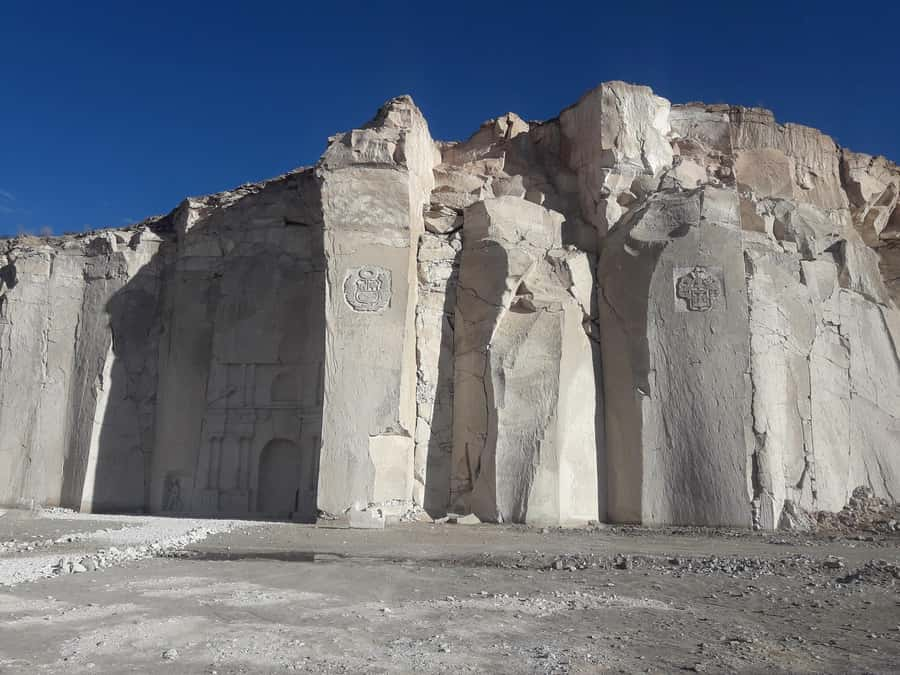
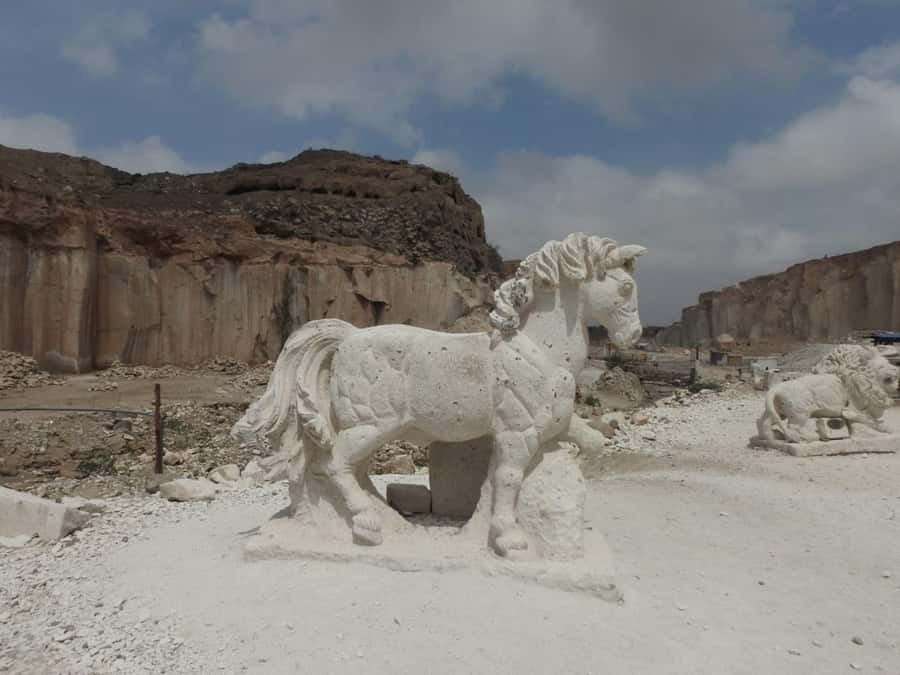
One of the quarry’s most eye-catching features is a large carving of the Church of the Company of Jesus. It gives you a quick connection between raw sillar at the quarry and the elaborate stonework in central Arequipa. The carving was made by the stonemasons themselves, which adds a personal touch to the stop.
You may also visit one of the workers, hear about the daily routine, and try cutting a stone block. This is a small hands-on moment, but it helps you understand how much patience and control the craft requires. Do not expect a long workshop. The tour keeps moving, and the main value is getting a brief, genuine look at the work.
More treks around Peru:
- From Arequipa: Sillar Route Trek
★ 4.2 · 461 reviews - From Cusco: 7 Lakes Ausangate Trek with Breakfast and Lunch
★ 4.8 · 360 reviews - From Arequipa: 2-Day Colca Canyon Trekking Tour
★ 4.8 · 243 reviews
The first stop: volcanoes and the Chilina Valley
The trip begins from the office at C. Álvarez Thomas 115. After boarding the tourist van, you ride for about 25 minutes to a viewpoint.
This first stop gives the tour some visual scale. You can see the volcanoes and the Chilina Valley, a useful introduction to Arequipa’s setting before the quarry visit. The tour description allows for a different traditional viewpoint depending on the season, so the exact first photo stop can change.
Expect about 20 minutes for a break, photographs, and a guided explanation. That is enough time to take in the view without turning the stop into a long pause. If you want detailed volcano photography, you may find the visit short, but the purpose here is to set the scene for the rest of the morning.
The viewpoint also helps explain why the stone around Arequipa looks the way it does. The region’s volcanic past is not an abstract idea. It is visible in the surrounding peaks and in the pale rock used throughout the city.
Reaching Añashuayco after 45 minutes on the road
From the viewpoint, the van continues for roughly 45 minutes to Añashuayco Quarry. That is the longest ride between the early stops, so settle in for a road transfer rather than expecting a continuous stream of sights.
The quarry visit lasts about 50 minutes in the planned schedule. You have time for a guided explanation, photographs, free time, and some walking. The stop is not simply a photo opportunity. It is the main educational part of the outing.
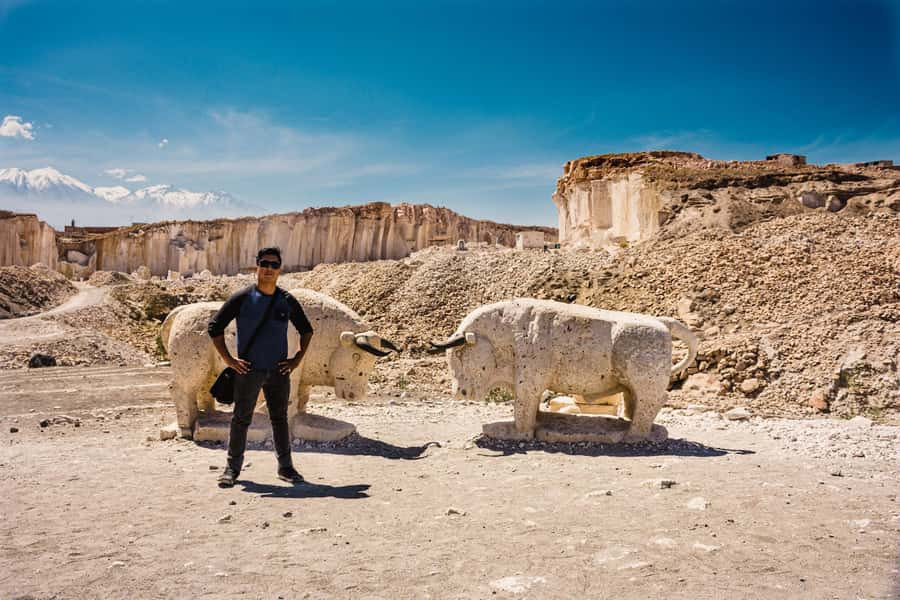
Look for the tall ignimbrite walls created as workers extract stone. The cliffs can rise several meters above you, and the scale changes the way you think about the small blocks used in buildings. The quarry is cut by human labor, but it still feels shaped by volcanic forces.
The guide explains the origin of sillar and the ways it has been used. This is where a good guide matters most. The stone itself is pale and easy to photograph, but the story of how it is extracted and shaped gives the visit its meaning. The available guides speak English or Spanish, although you should confirm your preferred language before departure.
The large church carving makes a natural focal point. It is a clear visual link between the quarry and Arequipa’s historic center. If you are staying near the Plaza de Armas, it is worth looking at the city’s sillar architecture before or after this tour so you can recognize the material in context.
The hands-on cutting activity adds variety. You get a small sense of the effort involved, though the tour does not promise a full lesson or a finished object to take home. If the quarry is busy, the visit may feel more like an observation than a workshop.
A short walk into Culebrillas canyon
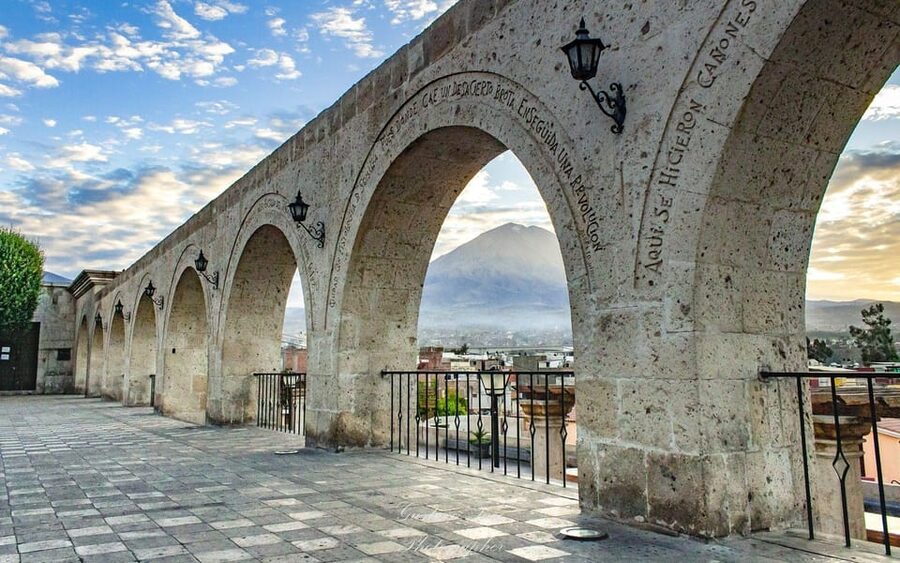
The next drive takes about 30 minutes to Quebrada de Culebrillas. Here the focus changes from an active quarry to a narrow natural passage shaped by water.
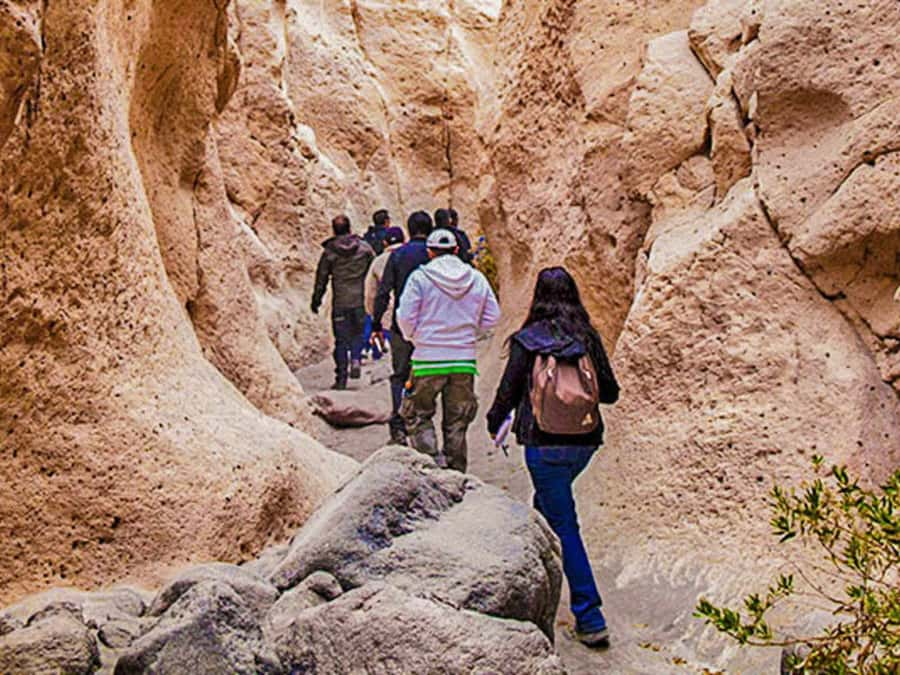
The walk inside the canyon takes approximately 20 minutes, while the full stop is listed at about 30 minutes. The route follows the canyon floor between walls that reach roughly 15 to 20 meters high. As you move farther in, the walls become taller, making the passage feel more enclosed.
This is the only real trek on the tour, and it is short. You do not need to plan for a long hike, but you should be ready to walk on uneven ground inside the canyon. The tour information does not give a difficulty rating or specific footwear requirements, so practical walking shoes are the sensible choice.
The canyon’s appeal comes from its changing proportions. At the entrance, it may seem like a modest rocky cut. Farther in, the walls rise around you and the space narrows. That gradual change gives the walk more character than a simple stop beside a road.
At the end of the walk, you can see petroglyphs linked to the Wari culture and dated to more than 1,000 years ago. These markings add an archaeological layer to the morning. You are not only looking at volcanic rock and modern quarry work. You are also seeing signs of people who used this area long before present-day Arequipa.
The description does not give a detailed account of the symbols or their exact location, so your guide’s explanation will shape this part of the visit. Do not expect a large archaeological site. The attraction is the combination of the canyon setting and the ancient markings.
Same mountains, a different route up:
- Cusco: Full-Day Rainbow Mountain & Red Valley Trekking Tour
★ 4.5 · 121 reviews - Salkantay Trek Challenge – 3 Days / 2 Nights
★ 5.0 · 101 reviews - From Cusco: Rainbow Mountain Trek
★ 4.5 · 98 reviews - 2 Day 1 Night Trek / Colca Canyon
★ 4.5 · 92 reviews
Apachetas and the journey back to Arequipa
Before leaving Culebrillas, you will see apachetas, small stone formations made by placing stones one on top of another. They are described as symbols of gratitude toward nature and as good-luck attractions.
This is a brief cultural detail rather than a separate major stop. Still, it gives the end of the canyon visit a different mood. The quarry showed practical labor, the canyon showed natural forces, and the petroglyphs pointed to the past. The apachetas add a simple present-day expression of respect and belief.
The return drive is listed at about 50 minutes. The planned morning return begins around 12:30 pm, with arrival near central Arequipa at about 1:30 pm. The stated duration is 270 minutes, so the exact timing may shift depending on traffic, departure time, and how long the group spends at each stop.
The van finishes near Av. La Marina, close to the center. That makes the tour easy to pair with an afternoon in Arequipa, assuming the schedule stays close to plan. If you have a fixed lunch reservation or a timed afternoon activity, leave some extra room.
What the $11 price really covers
At $11 per person, this is one of the cheaper ways to reach the Sillar Route and Culebrillas without arranging separate transport. The price includes tourist transport and a professional guide, which covers the two things that would be most inconvenient to organize independently.
You must pay an additional 18 soles in total for entrance fees to the places visited. That cost is easy to miss when comparing prices, so add it to your budget before booking. Even with that extra payment, the outing remains a low-cost half-day option.
The value is strongest if you want several different sights in one trip: a volcano viewpoint, a working quarry, a major stone carving, a canyon walk, Wari petroglyphs, and apachetas. If you want a slow, detailed visit to one quarry, this is not the right format. The route is designed to give you a broad look in a limited time.
The vehicle quality appears to be a positive point. A recent departure used a new vehicle, which matters on a route involving several road transfers. The tour does not state the group size, so you should not book it expecting a private outing or guaranteed small group.
Timing, language, and the main practical caution
The regular morning departure begins at 9:15 am from C. Álvarez Thomas 115. At the office, your name is checked against the list, and staff provide instructions before departure. The coordinates provided for the meeting point are -16.4003911, -71.5370347.
A 2:00 pm departure is also available. The afternoon option may suit a later morning, but the quarry activity is described as taking place very early, so the morning departure is the safer choice if seeing active stonemasons is important to you.
English and Spanish guide service is offered. Still, language availability can change if a guide becomes ill. One departure started 30 minutes late because the English-speaking guide was unavailable, and the group proceeded only in Spanish. The company offered a later date, but that did not help people with other plans.
My advice is simple: confirm the guide language shortly before setting out, especially if you do not speak Spanish. Also keep your schedule loose. A short tour loses much of its value when a delay cuts into the quarry or canyon stop.
The tour has free cancellation up to 24 hours before departure, with a full refund, and you can reserve now and pay later. Those terms help if your Arequipa plans are still changing. They do not remove the need to check the start time and language that you actually need.
Who should book this half-day route
I would choose this tour if you want an affordable introduction to Arequipa’s volcanic stone and nearby cultural sites. It suits you especially well if you have limited time, prefer a guided route, and want more than a viewpoint or city walk.
It is a good match for:
- First-time visitors who want to connect Arequipa’s buildings with their source material
- People interested in traditional craft and working quarries
- Anyone who likes short walks rather than a full-day trek
- Visitors who want volcano views, geology, and archaeology in one outing
- Budget-minded visitors who do not want to arrange transport to the quarries
I would hesitate if you dislike van transfers, need a leisurely pace, or want a long hike. The canyon walk is brief, and the quarry visit combines several activities within about 50 minutes. You will see a lot, but you will not study every place at length.
The tour also depends on clear communication. If English is essential, confirm that the guide is available. A language change or a 30-minute delay can make a compact route feel rushed.
Should you book the Sillar Route and Culebrillas tour?
Book it if you want a short, inexpensive, varied outing that connects Arequipa’s architecture to the volcanic stone beneath it. The working quarry, church carving, canyon walls, and Wari petroglyphs give the morning more substance than a simple sightseeing drive.
Skip it if you want extended time at Añashuayco or a serious canyon hike. For most visitors with half a day to spare, though, the price is hard to argue with. Just budget the extra 18 soles, choose the morning if quarry activity matters, and allow room for timing changes.
FAQ
How long does the tour last?
The activity is advertised as 270 minutes. The morning schedule begins at 9:15 am and returns to central Arequipa at about 1:30 pm, though exact timing can change.
Where does the tour begin?
The meeting point is the main office at C. Álvarez Thomas 115, Arequipa. Your name is checked there before departure, followed by basic instructions.
What is included in the price?
Tourist transport and a professional guide are included.
Are entrance fees included?
No. Entrance fees total 18 soles and are paid separately.
Is the tour offered in English?
English and Spanish guide service are offered. Guide availability can change, so confirm your preferred language before departure.
What will I see at Añashuayco Quarry?
You will see a working sillar quarry, high ignimbrite walls formed by stone extraction, an extensive carving of the Church of the Company of Jesus, and stonemasons’ work. You may also try cutting a block of stone.
How long is the walk at Culebrillas?
The walk inside the canyon takes about 20 minutes. The full stop at Quebrada de Culebrillas is listed at approximately 30 minutes.
Is there an afternoon departure?
Yes. A 2:00 pm departure is available in addition to the morning shift.
New treks around Peru
- Salkantay trek to Machu Picchu – 5D/4N – Premium★ 3.3 · 3 reviews
- Salkantay Humantay lake trek with Domes-2d-1n★ 5.0 · 2 reviews
- Salkantay Trek to Machu Picchu 5 Days with Sky Lodge Domes★ 5.0 · 5 reviews
- 5-Day Classic Salkantay Trek to Machu Picchu return by Train★ 5.0 · 3 reviews
- From Cusco: 5-Night Trip with Salkantay Trek & Machu Picchu★ 4.7 · 6 reviews
- Salkantay Trek to Machu Picchu 5D/4N or 4D/3N by glamping★ 4.4 · 35 reviews
- Rainbow Mountain Trek 1 Day★ 5.0 · 2 reviews
- Rainbow Mountain and Red Valley Hike trek adventure★ 4.5 · 2 reviews
Arequipa Trekking Tours, side by side.
From Arequipa: 2-Day Colca Canyon Trekking Tour
Read our review →
Arequipa: Colca Canyon Trekking 2 days and 1 night + food
Read our review →
Lists this trek appears in