
Review · PERU
3-day trek to the Colca Canyon from Arequipa ending in Puno
Colca Canyon is best understood on foot, and this trip takes you from a condor lookout into the canyon itself, through small villages and old farming terraces, then onward to Puno. I like the local family lodging and the chance to see places such as San Juan de Chuccho, Cosñirhua, and Malata rather than simply stopping at a viewpoint. I also like that the tour connects two major destinations without sending you back to Arequipa.
The main caution is the schedule. Day three begins with a steep three-hour climb at 5 a.m., and breakfast comes only after you reach Cabanaconde. An earlier delay can also shorten time at Cruz del Cóndor and remove a planned volcano viewpoint, so this suits you best if you can handle an early start and a little uncertainty on the road.
Key things to know before you book
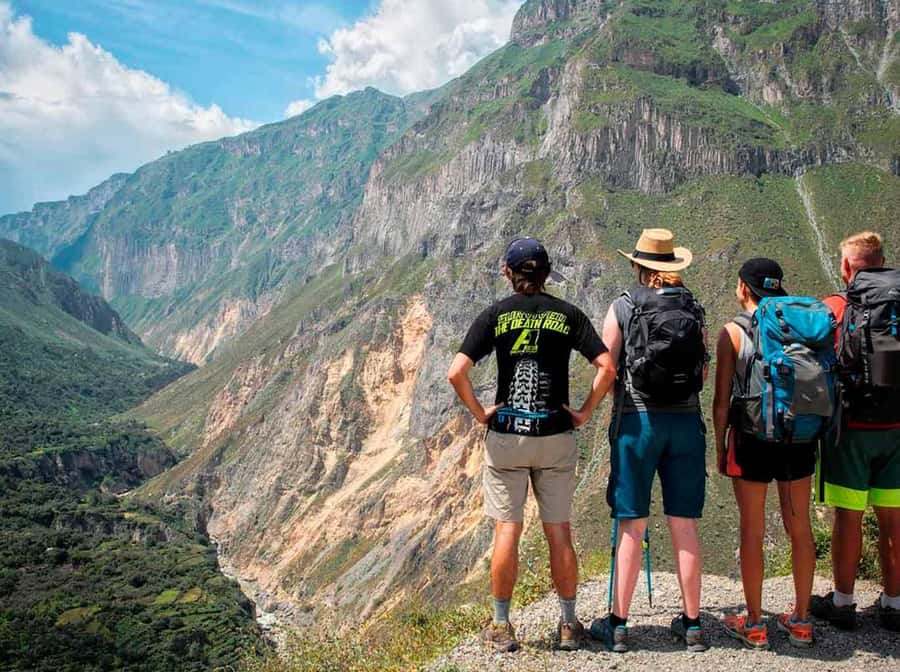
- You walk down into Colca Canyon and climb out again: The trek is more than a scenic drive, with a 3.5-hour descent on day one and a three-hour uphill walk on day three.
- You sleep in two simple local lodgings: San Juan de Chuccho uses basic dormitories in a family home, while Sangalle offers accommodation beside the oasis.
- You see the famous condors early in the trip: Cruz del Cóndor is a major stop, but delays can cut short your time there.
- You finish in Puno instead of returning to Arequipa: This makes the tour useful for a wider Peru itinerary.
- The $175 price covers a lot: Transport, three breakfasts, two lunches, two dinners, two nights of lodging, a guide, and the transfer to Puno are included.
- You need extra money for required and optional costs: The Colca tourist ticket is 70 soles, lunch in Chivay is not included, and the hot springs cost extra.
Why three days works for seeing Colca Canyon
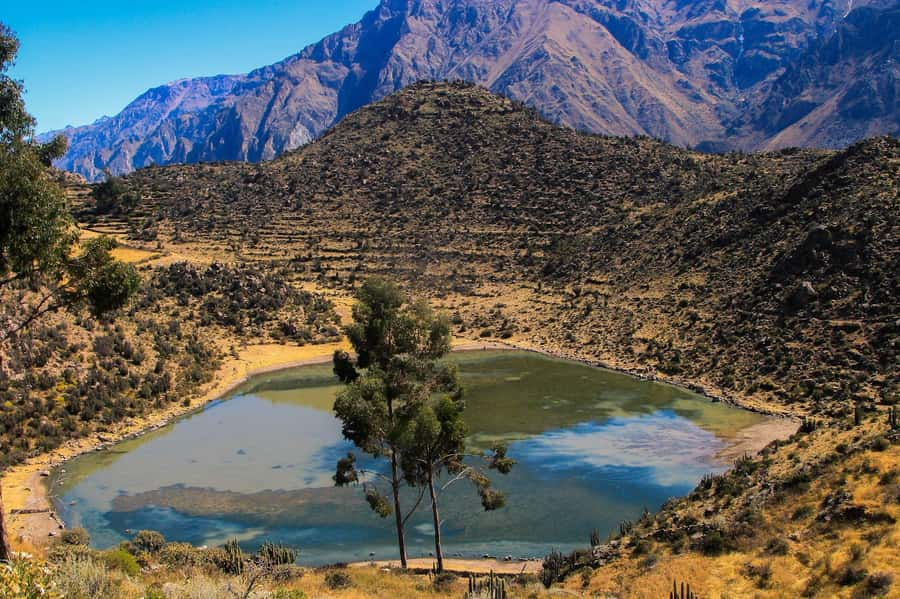
The appeal here is not only the canyon’s size. You get time to move through it slowly, pass working terraces, and spend the night in places that feel far removed from a standard coach excursion. The walking is the point. From the rim near Cabanaconde, you descend into the canyon, sleep below the high viewpoints, then climb back out.
That format also gives you a practical route to Puno. Rather than spending a fourth day retracing your route to Arequipa, you cross the high plateau after the trek. The final drive includes volcano viewpoints, alpacas, vicuñas, hot springs, and Lagunillas Lagoon before reaching Puno around 7 p.m.
At $175 per person, the package offers solid value if you want transport and meals arranged. It includes two nights of lodging, six listed meals, the guide, and the long transfer to Puno. The price does not cover the 70-sol Colca tourist ticket, the final lunch in Chivay, or the hot springs, so your real cost will be higher.
I would choose this trip for a route that combines walking and transport. If you only want the canyon, a shorter trek may be enough. One German booking described the third day as more effort than necessary, saying two days would have been sufficient. That is a fair point: the third day is useful for reaching Puno, but it is not a relaxed sightseeing day.
More three-day treks around Peru
- Salkantay Trek Challenge – 3 Days / 2 Nights
★ 5.0 · 101 reviews - From Arequipa: 3-Day Colca Canyon Trek
★ 5.0 · 2 reviews - Sapa 3 Days 2 Nights Trekking Tour (1 Night In Ta Van Village, 1 Night In Hotel)
★ 5.0 · 699 reviews
3 a.m. departure and the Cruz del Cóndor
You leave your Arequipa hotel at about 3 a.m. and travel toward Chivay. Breakfast comes there before the group continues to Cruz del Cóndor, one of the best-known viewpoints in Colca Canyon.
The early timing matters. Condors are a central reason many people visit this part of Peru, and the viewpoint lets you watch them ride the rising air above the canyon. You also get a sense of the canyon’s scale before starting the walk. The walls drop away below the lookout, while the birds give the scene motion and a useful sense of proportion.
There is a practical weakness here. The route depends on an early pickup and a long drive, and a delayed departure can reduce time at the viewpoint. One delayed group missed the planned Mirador de los Volcanos stop and had only a short visit at Cruz del Cóndor. If these stops matter greatly to you, ask the operator how strictly the morning schedule is managed.
After the viewpoint, the vehicle continues to Cabanaconde. This is where the trip changes from a sightseeing transfer to a proper walk. Make sure your day pack is ready before leaving Arequipa. You will want water, sun protection, a warm layer, and a small snack for the first descent.
Day one: Cabanaconde to San Juan de Chuccho
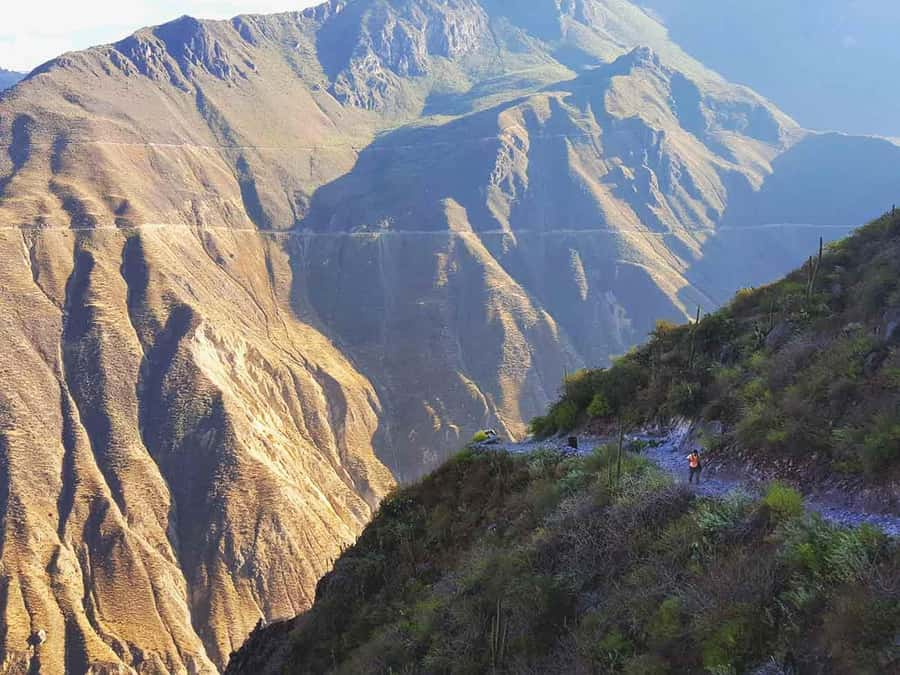
From Cabanaconde, you begin walking down into the canyon. The first day’s walk takes about 3.5 hours, with time afterward to visit San Juan de Chuccho and see the local terraces.
This descent is rewarding because you watch the canyon change as you go. From above, it looks like a giant geological cut. Inside, the terraces and settlements show how people use the slopes and valley floor. The visit is not just a photo stop. You have free time to meet local people and look around before dinner.
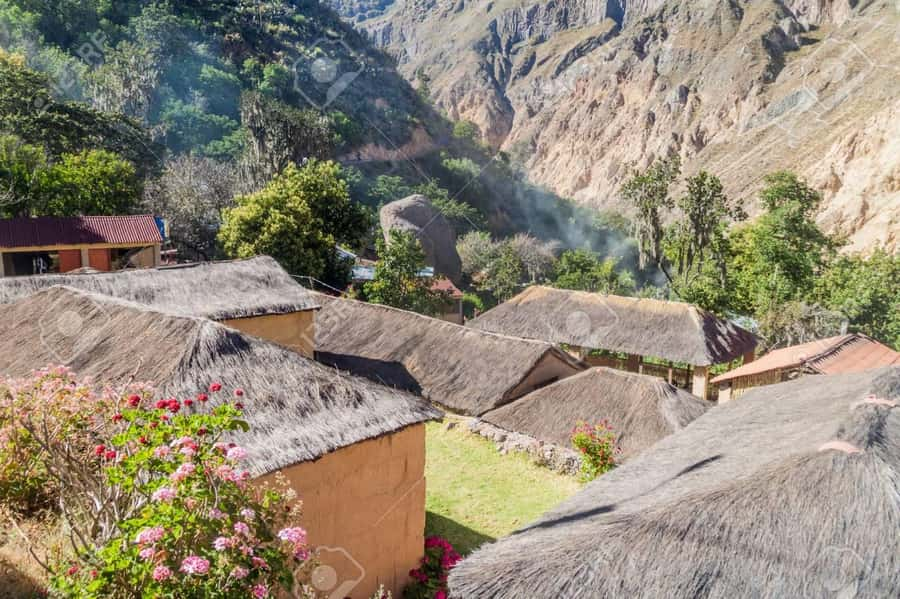
San Juan de Chuccho is also your first overnight stop. You sleep in a local family’s home in basic dormitory-style rooms. That means you should expect simple rather than polished accommodation. The tradeoff is direct contact with village life and a night inside the canyon instead of another hotel in a larger town.
The food is included, with dinner served at the lodge. Several parts of the package received strong praise for organization, meals, and lodging, and one booking specifically rated the guide, food, and accommodation highly. Still, pack a few snacks. Small shops exist along parts of the route, but water and food can cost much more in remote settlements. One useful tip from the trip record is to compare prices before buying water, since a cheaper shop was found close to the first lodging.
Day two: village paths to Sangalle Oasis
After breakfast, you walk for about three hours toward Sangalle. The route passes through Cosñirhua and Malata, giving you a look at several canyon settlements instead of a single overnight village.
I like this section because it adds human scale to the canyon. You are not simply walking through empty rock. The route links communities, terraces, and small roadside stops, and the guide can help explain how the area is used. José, one guide named in the feedback, was praised for explaining Peru’s plants, animals, and wider culture. Ask questions as you walk, since the slower pace gives you time to learn.
Sangalle is often called the oasis because of its pools and lower, warmer setting. After lunch, you have a free afternoon to rest and use the pools. This is the easiest day physically, at least compared with the long descent and the steep climb out.
The free afternoon is a real benefit. You can recover your legs instead of rushing from one stop to another. At the same time, the oasis is not a luxury resort. The lodging is part of a basic trekking route, so bring a flexible attitude and do not expect the service level of a city hotel.
Dinner and the second night’s accommodation are included. You should also keep some cash available for water and small purchases. The tour includes meals, but not every drink or snack you may want during the trek.
More treks around Peru:
- From Arequipa: Sillar Route Trek
★ 4.2 · 461 reviews - From Cusco: 7 Lakes Ausangate Trek with Breakfast and Lunch
★ 4.8 · 360 reviews - From Arequipa: 2-Day Colca Canyon Trekking Tour
★ 4.8 · 243 reviews - Cusco: Full-Day Rainbow Mountain & Red Valley Trekking Tour
★ 4.5 · 121 reviews
Day three: the 5 a.m. climb out
The toughest section begins at 5 a.m. You climb from Sangalle to Cabanaconde, a walk of about three hours. This is a sustained ascent, not a gentle morning stroll, and breakfast waits until you reach town.
That breakfast timing is important. Bring a snack for the climb, even though three breakfasts are included overall. Starting without food can make the effort feel harder, especially after two days of walking. A headlamp may also be useful for an early departure, although the supplied details do not specify whether one is provided.
Once you reach Cabanaconde, you eat breakfast and rejoin the vehicle. The walking portion is over, but the day is still long. You continue toward Chivay, stopping at towns, viewpoints, and the Chacapi Thermal Baths.
The hot springs offer about 40 minutes of free time. The entrance fee is not included. The supplied details list the charge as 15 soles in one section and also give a separate dollar figure in the day description, so confirm the current price before setting out. Either way, keep local currency ready if you want to enter.
Chivay, Patapampa, and the road to Puno
Chivay is the lunch stop, but your meal there is not included. After lunch, the guide transfers you to another tourist bus for the journey to Puno. This change of vehicle is worth noting because the final part of the trip is a long overland transfer rather than a continuation of the canyon trek.
At Pampas Apachetas de Patapampa, you stop at a high point for views of mountains and volcanoes. Toccra Pampa offers a chance to see alpacas and vicuñas in their natural area. These stops break up the drive and give you a taste of the high plateau beyond Colca.
Patahuasi provides a facilities stop, while Lagunillas Lagoon is used as a viewing point for migratory birds. The sequence gives the final day more variety than a straight ride to Puno. You should still expect a tiring day, since the climb begins before dawn and the arrival in Puno is around 7 p.m.
The trip ends in Puno. That transfer is one of the strongest reasons to choose this specific route. If Puno is your next stop, you save the trouble of arranging separate transport from Arequipa after the canyon.
Guides, meals, and the level of comfort
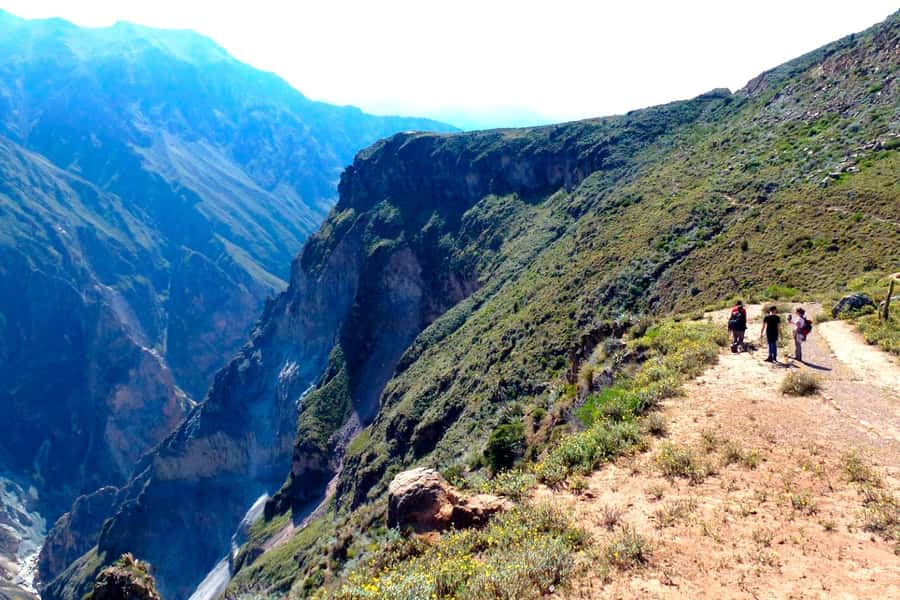
The tour provides an official guide in English or Spanish. Guide quality matters here because the walk is not difficult only in a physical sense. You pass through villages, terraces, plants, and animal habitats, and a good guide helps connect those details.
José received particularly warm praise for explaining Peru’s wildlife and flora. Other feedback described the guide, meals, and lodging as well organized. The overall rating is 4.2 from three ratings, which suggests a generally positive experience but not a flawless one.
The main concern is consistency. One booking reported that the guide appeared unwell on the morning climb and that the delayed start caused missed viewpoints. That is a serious complaint on a fixed three-day trip. You should confirm pickup timing and tell the operator promptly if your group is waiting. A delay on day one can affect both the condor stop and the later schedule.
Meals included are three breakfasts, two lunches, and two dinners. The final lunch in Chivay is your responsibility. You should also carry extra snacks because the last day’s breakfast comes after the climb and remote food prices can be high.
Who should choose this trek?
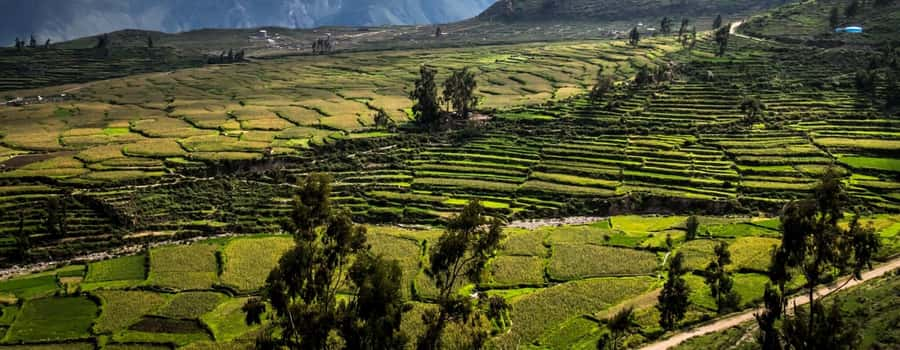
I would recommend it to you if you want to walk inside Colca Canyon, prefer local lodging to a chain hotel, and need to travel onward to Puno. It works especially well for people who want a compact route with scenery, village visits, and a guided structure.
You should be comfortable with basic dormitory accommodation, early starts, mountain walking, and a long final transfer. The biggest physical test is the uphill walk from Sangalle to Cabanaconde. The biggest scheduling risk is the early Arequipa pickup and the possibility that delays cut into the first morning’s stops.
If you want a slower canyon visit, consider staying longer in the area. If you want the most direct route from Arequipa to Puno and like the idea of earning the views on foot, this three-day plan makes sense.
Should you book this Arequipa to Puno trek?
Book it if the combination of canyon walking, village stays, and onward transport to Puno is more important to you than a relaxed schedule. The price includes the core services you need, and the route gives you much more contact with the canyon than a rim-only day tour.
Skip it if you dislike basic lodging, cannot manage a three-hour uphill walk, or want guaranteed time at every viewpoint. Pack snacks, budget for the 70-sol Colca ticket, lunch in Chivay, hot springs, drinks, and water. Also confirm the pickup point, since the details refer both to hotel pickup and waiting at the main square.
FAQ
How long is the Colca Canyon trek?
The activity lasts three days. Walking takes about 3.5 hours on day one, about three hours on day two, and about three hours uphill on day three.
Where does the tour start and finish?
It starts with pickup in Arequipa and finishes in the city of Puno at about 7 p.m. on the third day.
Where do you sleep during the trek?
You spend the first night in basic dormitories at a local family home in San Juan de Chuccho. The second night is at accommodation in Sangalle Oasis.
Is the Colca tourist ticket included?
No. The mandatory Colca tourist ticket costs 70 soles and must be paid separately.
Are the hot springs included?
No. The Chacapi Thermal Baths visit includes about 40 minutes of free time, but entry costs extra. The supplied details list the charge as 15 soles in one section, so confirm the current amount.
What meals are included?
The tour includes three breakfasts, two lunches, and two dinners. Lunch in Chivay on the final day is not included.
New treks around Peru
- Salkantay trek to Machu Picchu – 5D/4N – Premium★ 3.3 · 3 reviews
- Salkantay Humantay lake trek with Domes-2d-1n★ 5.0 · 2 reviews
- Salkantay Trek to Machu Picchu 5 Days with Sky Lodge Domes★ 5.0 · 5 reviews
- Salkantay Trek to Machu Picchu 5D/4N or 4D/3N by glamping★ 4.4 · 35 reviews
- 5-Day Classic Salkantay Trek to Machu Picchu return by Train★ 5.0 · 3 reviews
- From Cusco: 5-Night Trip with Salkantay Trek & Machu Picchu★ 4.7 · 6 reviews
- Rainbow Mountain Trek 1 Day★ 5.0 · 2 reviews
- Rainbow Mountain and Red Valley Hike trek adventure★ 4.5 · 2 reviews
Peru Trekking Tours, side by side.
From Cusco: 7 Lakes Ausangate Trek with Breakfast and Lunch
Read our review →
From Arequipa: 2-Day Colca Canyon Trekking Tour
Read our review →
Cusco: Full-Day Rainbow Mountain & Red Valley Trekking Tour
Read our review →
Lists this trek appears in