Review · SAPA
Sapa Valley Trek and Homestay – 3D2N
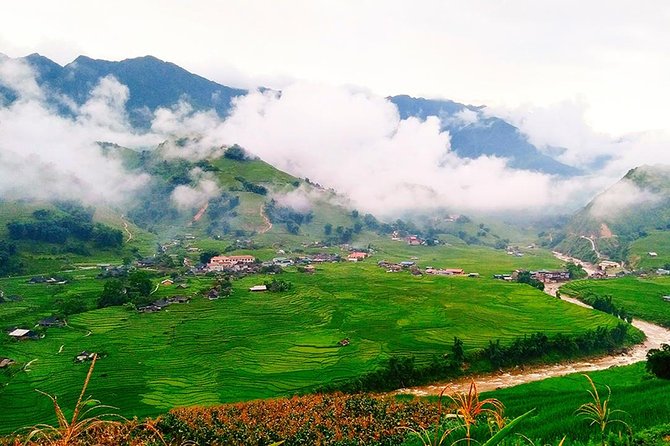
Sapa’s best views come with muddy shoes. This three-day trek leads you from town into rice terraces, waterfalls, and mountain villages linked to the Hmong, Giay, Tay, and Red Dao communities. The scenery is the headline, but the guide’s explanations of house building, farming, marriage customs, and daily work give the walk its meaning.
I like the route’s local focus and its sensible pace over three days. You sleep with a village family, eat included meals, and have time to see more than the usual short walk to Ta Van. The main caution is physical: some paths are long, steep, and slippery, especially after rain.
Key points at a glance
- Five village areas: Visit Y Linh Ho, Ta Van, Giang Ta Chai, Su Pan, Ban Ho, and Nam Tong along the route.
- Three ethnic cultures: Learn about Hmong, Giay, Tay, and Red Dao life through a local guide.
- One village homestay: Stay in Ta Van, with a hot shower, dinner, and breakfast included.
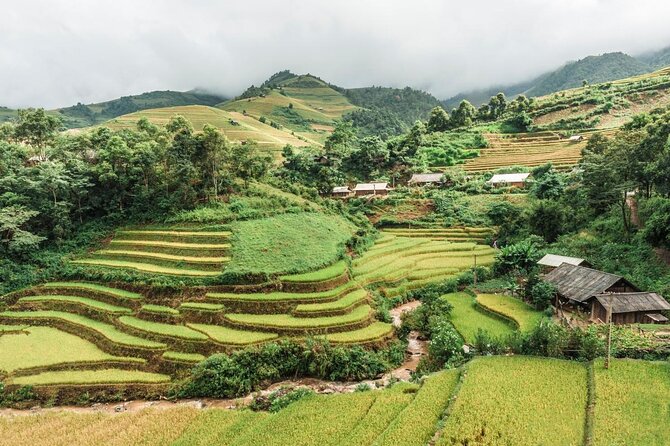
- Big mountain views: Expect rice terraces, Sapa’s largest river and valley, waterfalls, and bamboo forest.
- Small-group format: The maximum group size is 15 people.
- Good value at $170: The price covers guiding, village fees, meals, water, lodging, and transport back to Sapa.
Why three days works better than a quick Sapa trek
Sapa is famous for its terraces, but a short outing can feel like a photo stop with a walk attached. This route gives you three days to move through several communities and spend a night away from town. That extra time matters. You get breakfast in the village, see the area around the homestay, and continue farther into the mountains.
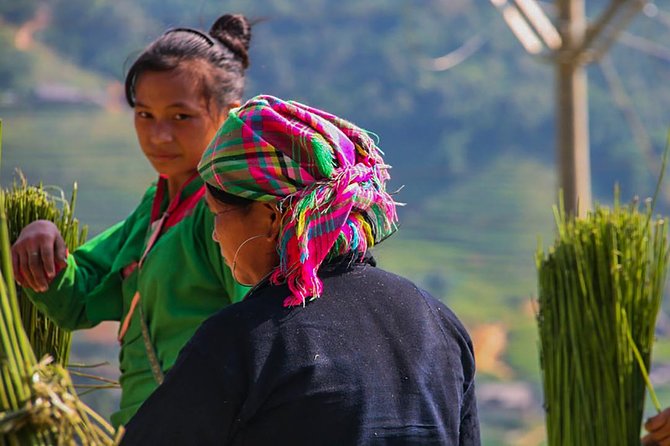
The route introduces you to several groups rather than presenting Sapa as one single culture. Your guide may explain how Hmong families work rice fields, build houses, and mark marriage traditions. In other villages, you learn about Giay or Tay life, with Red Dao communities also part of the route.
I especially like the role of the local guides. Soso, Ly, Mae, May, Dom, and Sush are among the guides associated with this experience, though your guide is assigned for your departure. The strongest part of the guiding is not simply pointing out a waterfall. It is having someone explain what you are seeing and answer questions about life in the villages.
The group limit of 15 keeps the outing from becoming a large procession. Still, this is a walking trip, not a gentle sightseeing tour. You should be comfortable with several hours on uneven mountain paths and accept that weather can change the footing quickly.
More Homestay and Village Treks in Sapa
- Number one top rated ethical cultural trekking and homestay by ETHOS
★ 5.0 · 456 reviews - Sa Pa: 2-Day Trekking Trip with Ethnic Minority Homestay
★ 4.7 · 145 reviews - Sapa : 2-Day Trek & Heartwarming Homestay with an Ethnic Family
★ 5.0 · 143 reviews
Meeting at Sapa Church at 9 a.m.
The tour begins at 9 a.m. at Sapa Church on P. Ham Rong in central Sapa. Pickup is offered from a hotel in Sapa Town, or you can meet the guide in front of the main church. Confirmation is provided when you book, and the meeting point is close to public transportation.
The opening transfer takes you about 2 kilometers down the road toward Cat Cat. From there, the walking begins in earnest. This setup saves you from spending the first part of the morning on town streets and puts you closer to the village paths.
Bring only what you need for three days. You will want comfortable walking shoes with reliable grip, a light rain layer, and clothing that can handle mud. A large suitcase is a poor companion here. The included water is one large bottle per person, so plan carefully for your own extra drinks.
Day 1: Y Linh Ho and the Giay homes of Ta Van
The first day begins with Y Linh Ho, one of the route’s key mountain villages. The exact walking distance and timing can vary with the path and group, but the route quickly leaves the busy center of Sapa behind. You get open views of steep hillsides, terraced fields, and the valley below.
Y Linh Ho is a good first lesson in why Sapa trekking takes effort. The route combines village lanes and rougher tracks, with changes in elevation along the way. Your guide can help set the pace, and guides on this route have adjusted the difficulty when walkers needed it. That flexibility is useful for families and mixed-ability groups, though it does not turn a mountain walk into an easy stroll.
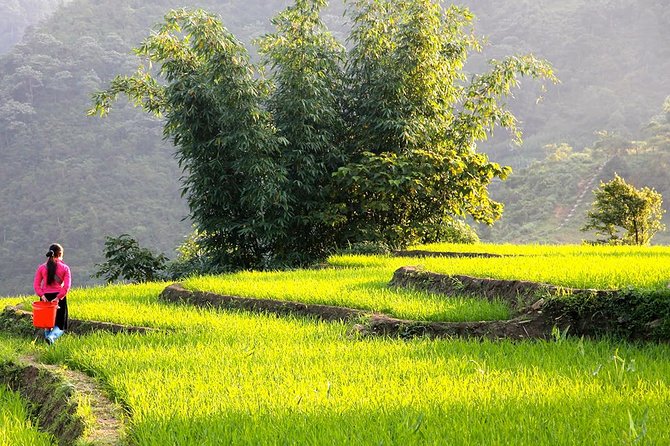
The big reward is the changing view. Rice terraces are not just decorative bands on a hillside. They show how farming has been adapted to steep ground, seasonal rain, and limited flat land. Ask your guide about the work behind them. The tour specifically covers rice-field work and local house-building methods, so the scenery becomes easier to understand.
After the first section, you continue toward Ta Van, a village associated with the Giay people. Ta Van is where the village stay begins. Your host family welcomes you, and you have time to rest, take a hot shower, and prepare for dinner.
That pause is important. A full afternoon on mountain paths leaves you wanting a clean-up before a meal. The homestay is intended to be comfortable and practical rather than luxurious. It gives you a direct look at village life and lets you spend the evening in the community instead of returning to a hotel in Sapa.
Dinner and breakfast are included, and the route includes a total of two dinners and two breakfasts. The supplied details specify one included homestay night, so confirm the exact sleeping arrangement for your departure if the schedule you receive uses the plural term homestays.
What the Ta Van homestay adds
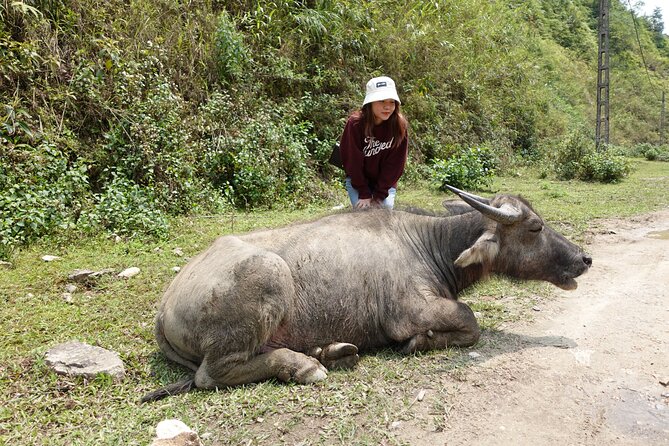
The overnight stay is more than a place to sleep. You have time to notice the rhythm of the village and talk with the family through the guide. Some departures may include hands-on cooking, such as making fried spring rolls, but this is not presented as a guaranteed part of every departure.
The homestay has been described as cosy, clean, and equipped with what you need for the night. Keep expectations sensible. You are choosing a family stay in a mountain village, not a private resort room. If you need a particular room arrangement or have concerns about comfort, ask the operator before departure.
The local setting also makes the cultural side of the trip more natural. It is easier to understand how a community works when you are not rushing through it between a vehicle and a viewpoint. You may also find that the evening is the most relaxed time to ask about food, family customs, farming, and village buildings.
More Homestay and Village Treks in Vietnam
- Private Hoang Lien National Park & Tribal Village Trek
★ 4.7 · 30 reviews - Sapa: 2-Day Local Guided Valley Trek with Night Homestay
★ 5.0 · 27 reviews - From Sapa: Muong Hoa Valley View & Village Trek 1-Day
★ 5.0 · 21 reviews - Discover Sapa: 2D1N Trekking Adventure & Cozy LaLa Homestay
★ 4.9 · 17 reviews
Day 2: Giang Ta Chai waterfalls and the road to Ban Ho
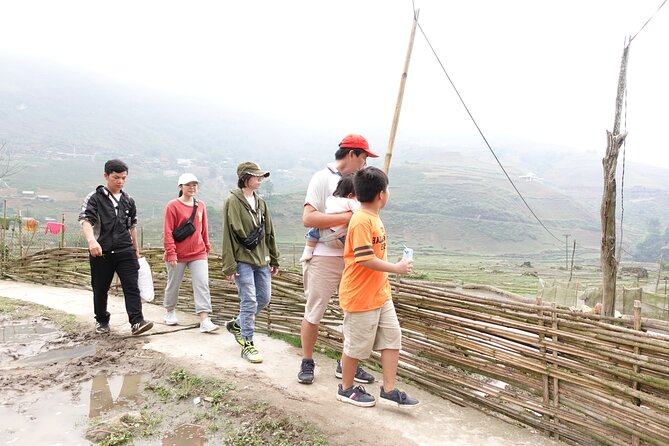
Day two starts with tea or coffee and time to look around the homestay area and nearby fields. That gentle start is welcome after the first day’s walking. You then head uphill toward the waterfalls at Giang Ta Chai.
Giang Ta Chai gives the route a different mood. Instead of focusing only on terraces and ridge views, you follow the mountain toward running water and woodland. The waterfall stop is brief in the published schedule, but the route around it is part of the walking experience. Conditions underfoot can be slick, so your shoes matter more here than they do on a dry village road.
After the waterfall, the route continues toward Su Pan, a community linked with the Black Hmong, and then onward to Ban Ho. This is one of the longer sections of the trip and one of the places where you feel the benefit of having a guide who can monitor the group.
Ban Ho brings several communities into view, including Red Dao and Tay people. That mix makes the second day particularly useful for comparison. You are not simply collecting village names. You can ask how clothing, homes, farming, and customs differ from one community to another.
The route description also points to bamboo forest and excellent views. These details may vary with the exact path and weather, but you should expect a full day outdoors, not a series of roadside stops. If you have trekking experience, you may find the route manageable. If you rarely walk on uneven ground, the distance and hills may feel demanding.
Day 3: Tay homes and Nam Tong village
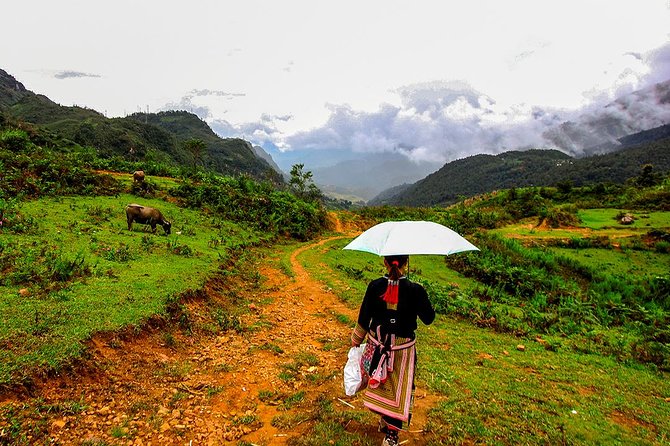
The final morning begins in Ban Ho with breakfast and a closer look at traditional houses. This is a quieter cultural stop than a waterfall or viewpoint, but it may be one of the most useful. You can see how homes are arranged and hear more about Tay culture from the guide.
The route then continues to Nam Tong village. The supplied schedule gives only a short description of this morning, so the exact walking time and sequence should be confirmed with the local office. What is clear is that the final day remains focused on village life rather than returning immediately to Sapa.
At the end of the village route, transport takes you back to Sapa. The activity ends at the meeting point. That return transfer is included, which saves you from arranging a separate car from a remote village.
What you learn beyond the views
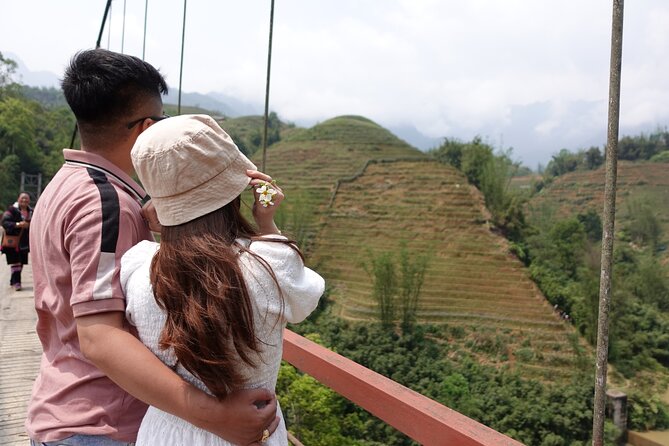
The most useful part of this trek is the connection between the guide and the setting. A good guide can explain why terraces are placed where they are, how homes are built, and how family customs shape village life. The experience specifically covers Hmong marriage traditions, rice-field work, house-building techniques, and the customs of several ethnic groups.
The guides associated with the trip have different personalities and strengths. Soso has been singled out for helping with every practical need and making the route feel welcoming. Ly has been praised for clear explanations of ethnicity and daily life. Mae is known for strong English and for adding a home-cooked meal on one outing, while May has helped walkers on slippery sections. Dom has adjusted the walking difficulty to suit the group, and Sush has been praised for making people feel comfortable.
Those details give you a useful expectation: the guide is not just there to lead from one point to the next. Communication and local perspective are central to the experience. Still, guide assignments can change, and no particular guide is guaranteed.
Is $170 a fair price?
At $170 per person, this is not the cheapest way to see Sapa. It is also not a simple day walk. The price includes village entry fees, a local guide, one homestay night, three lunches, two breakfasts, two dinners, one large bottle of water per person, and transport back to Sapa.
That bundle makes the cost reasonable for a three-day route. You are paying for the guide’s time, meals across the trek, village access, overnight arrangements, and the return transfer. Booking each element separately would take more planning and would make it harder to compare the total cost.
Extra drinks at the homestay are not included. Personal travel insurance and tips are also left out. Carry some cash for drinks and possible gratuities, but do not assume that every small village stop accepts cards.
The maximum group size is 15. A smaller group may be possible depending on the departure, but it is not promised. If you want a private guide or a specific guide by name, ask before booking.
Who should book this Sapa trek?
I would choose this trip if you want more than the standard Ta Van walk and are comfortable spending long days outdoors. It suits people who care about local culture as much as viewpoints, and it works well for families with older children who already have some hiking experience.
One family completed the longer distances with children aged 12 to 16, which shows that the route can work for active teenagers. That does not mean every child will enjoy it. The operator asks for moderate physical fitness, and the route can be long and difficult. Young walkers should be used to hills and uneven ground.
You may prefer a shorter excursion if you dislike mud, shared village accommodation, or changing weather. Sapa’s paths can become slippery, and the tour requires good weather. If poor conditions cancel the outing, you are offered another date or a full refund. You can also cancel for a full refund up to 24 hours before the 9 a.m. start, but late cancellations and late changes are not accepted.
Should you book it?
Book this trek if you want Sapa through its villages, farms, and local guides rather than from a hotel viewpoint. The strongest reasons are the three-day pace, the range of communities, the included meals, and the chance to ask questions while walking with someone from the area.
Skip it if you want a soft adventure with fixed surfaces and hotel comforts. This route asks you to work for its views, and the homestay is part of the cultural experience, not a luxury upgrade. For an active visitor who wants rice terraces, waterfalls, village life, and a practical introduction to Hmong, Giay, Tay, and Red Dao communities, $170 is a solid value.
FAQ
Where does the Sapa trek begin?
It begins at Sapa Church on P. Ham Rong in Sapa Town. Pickup from a hotel in Sapa Town is offered, and the start time is 9 a.m.
Where does the experience end?
The activity ends back at the meeting point in Sapa after transport returns you from the villages.
How long is the tour?
The tour lasts approximately three days and two nights.
How many villages does the route visit?
The tour is described as visiting five different villages. The named stops include Y Linh Ho, Ta Van, Giang Ta Chai, Su Pan, Ban Ho, and Nam Tong.
Which ethnic communities do you learn about?
The route introduces you to Hmong, Giay, Red Dao, Tay, and Black Hmong communities.
Is accommodation included?
Yes. One night of homestay accommodation is included.
Are meals included?
Yes. The package includes three lunches, two breakfasts, and two dinners.
Is transport included?
Transport back to Sapa after the village portion of the tour is included.
How large can the group be?
The maximum group size is 15 people.
What level of fitness is needed?
You should have a moderate level of physical fitness. The trek includes long and difficult sections, uneven paths, hills, and possible slippery ground.
More three-day treks around Sapa
- From Hanoi: Sapa 3-Day Medium Trek and Limousine Trip
★ 4.5 · 59 reviews - From Hanoi: 3-Day Sapa Trekking (sleep at hotel & homestay)
★ 5.0 · 2 reviews - Sapa 3 Days 2 Nights Trekking Tour (1 Night In Ta Van Village, 1 Night In Hotel)
★ 5.0 · 699 reviews - 3-Day Trekking Adventure of Sapa from Hanoi – Stay Ta Van Village
★ 5.0 · 611 reviews
New treks around Sapa
- Sapa: 2-Day Local Guided Valley Trek with Night Homestay★ 5.0 · 27 reviews
- Sapa: 2-Day Local Guided Valley Trek with Night Homestay★ 4.8 · 5 reviews
- SAPA: 1-DAY TREKKING TOUR WITH LOCALS, LUNCH & RICE FIELDS★ 4.7 · 18 reviews
- Sa Pa: Fansipan Peak One Day Trek with Local Guide★ 5.0 · 7 reviews
- Red Dao Village Trek and Herbal Bath★ 4.7 · 3 reviews
- Private Hoang Lien National Park & Tribal Village Trek★ 4.7 · 30 reviews
- Sapa: Private Muong Hoa Valley and Homestay Trekking 2-Day★ 4.8 · 4 reviews
- From Sapa: Muong Hoa Valley View & Village Trek 1-Day★ 5.0 · 21 reviews
Homestay and Village Treks, side by side.
From Hanoi: 2-Day Sapa Trekking Trip with Homestay & Meals
Read our review →
Number one top rated ethical cultural trekking and homestay by ETHOS
Read our review →
2-Day Sa Pa Ethnic Homestay Tour & Trek with Limousine Bus
Read our review →
Hanoi – Sapa 3 Day 2 Night Trekking With Hotel & Homestay
Read our review →
Sa Pa: 2-Day Trekking Trip with Ethnic Minority Homestay
Read our review →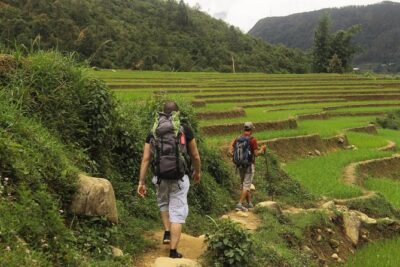
Sapa : 2-Day Trek & Heartwarming Homestay with an Ethnic Family
Read our review →
3 Day Trek in the Atlas Mountains and Berber Villages from Marrakech
Read our review →