
Review · BALI
From Bali: Private Mount Ijen Crater Volcano Midnight Trek
Mount Ijen is not a quick Bali outing. It is a midnight mountain hike in Java, reached by road and ferry, with a sulphur crater, possible blue flames, and sunrise views waiting at the top. The night sky stop adds a nice touch, especially if your guide helps you use your camera.
I like the small group size, limited to five people, and the fact that hotel pickup, ferry-area transfers, entry fees, a local guide, and breakfast are covered. I also like the human side of the trip: guides such as Ijen, who once worked in the mine, and Dewa have earned strong praise for care, humor, photos, and local insight.
The catch is the schedule. This is a very long day, and transport problems can cause major delays. One booking started the hike hours later than planned, while another group had car trouble after Ijen and found little help from the operator. Bring patience along with your hiking shoes.
Key points
- A true midnight start: The uphill walk begins around midnight, usually taking about two hours to reach the rim.
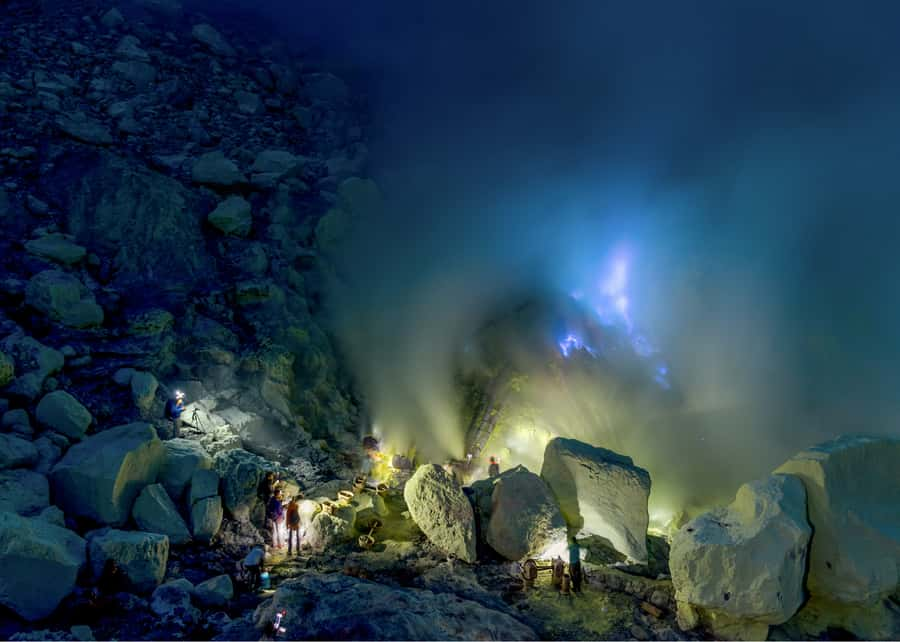
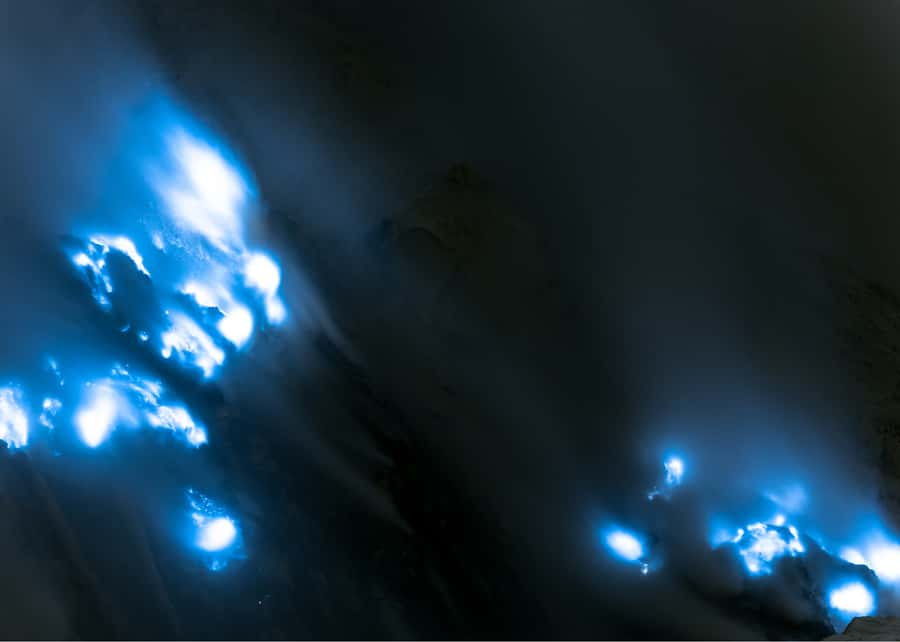
- Blue flames may be possible: Some groups saw them, but the experience depends on timing and conditions, so do not book on that promise alone.
- Ferry travel is part of the adventure: You cross from Bali to Java at Gilimanuk and return the same way.
- A small group feels personal: The tour is limited to five participants, with an English-speaking guide.
- The sunrise is the reward: From the crater rim, you can look across the sulphur lake and surrounding scenery as daylight arrives.
- Pack for cold and wet conditions: Warm clothing, long pants, hiking shoes, rain gear, trekking equipment, and a flashlight are listed as essential.
Why Mount Ijen requires a full night
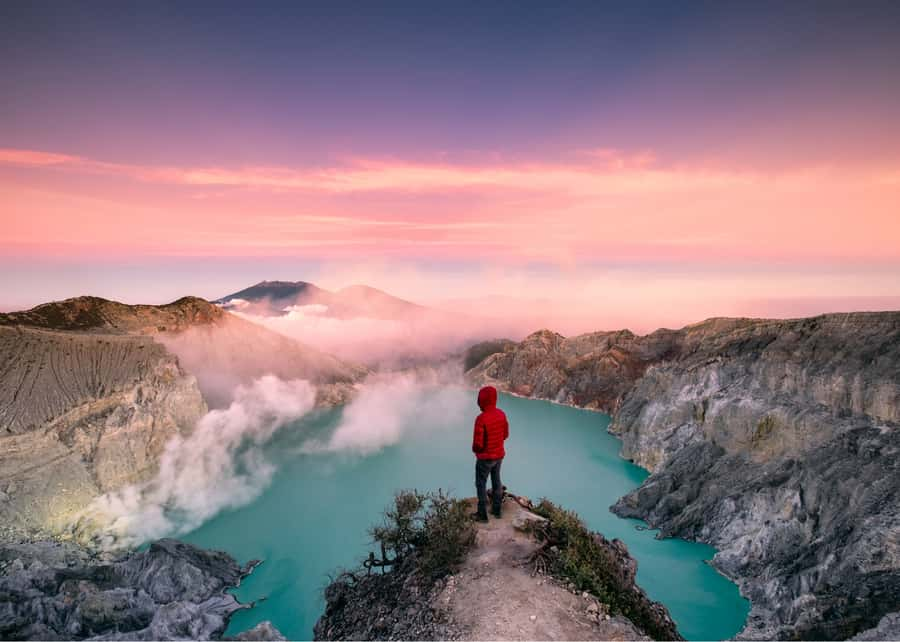
The appeal here is simple: you leave Bali after dark, cross to Java, walk up a volcano before dawn, and watch the crater change from a black outline into a broad view of sulphur water and mountain scenery. It feels far more adventurous than a standard day trip.
The price is $139 per person, which is reasonable if you value door-to-door transport and a private or very small group arrangement. You are not just paying for a hike. The cost also covers hotel pickup and drop-off in Bali, local guiding, entry and toll fees, and breakfast after the climb.
Still, you should understand the time commitment. The trip is sold as one day, but it functions like a full 24-hour outing. You spend hours on the road, cross by ferry, eat dinner in Java, hike at midnight, and return to Bali after sunrise. That can mean arriving back tired and late in the day.
The tour is run by TripGuru and has an overall rating of 3.9 from 27 bookings. That number tells you something useful: the mountain experience can be excellent, but the transport and operator support are less consistent than the guides on the trail.
More volcano treks around Bali:
- Mount Etna: Trek to 3000m with cable car and 4×4
★ 4.6 · 3,823 reviews - Mount Etna: Summit Crater Trek with Cable Car
★ 4.8 · 1,875 reviews - La Palma: Tajogaite Volcano Guided Trek
★ 4.8 · 1,810 reviews
Leaving Bali for Gilimanuk Harbour
Pickup is provided from your Bali hotel. The first road section takes about four hours to reach Gilimanuk Harbour, at the western end of Bali. That is a long ride before the actual mountain walk begins, so use the time to rest if you can.
The harbor is not the main attraction. It is the gateway to Java, and you pass through it rather than tour it. The ferry crossing is an important part of the route because Mount Ijen is on Java, not Bali.
This arrangement makes the tour practical for people staying in Bali who do not want to arrange separate transport, a ferry ticket, a Java guide, and a return journey. The tradeoff is clear: you spend a great deal of the day in a vehicle. If you dislike long transfers, a short Bali activity will suit you better.
Transport quality deserves attention. One driver was praised for caring for the group from pickup to drop-off, while another apparently took several wrong turns and added about two hours to the return. The road portion is therefore a real part of the risk calculation. You may get a helpful, capable driver, but the day can become much harder when the schedule slips.
Dinner in Kalipuro before the climb
After arriving in Java, the route pauses in Kalipuro for about an hour for dinner. This is your chance to eat before the mountain section begins, and you will want proper fuel for the climb.
The meal is not included in the listed inclusions. Personal expenses and meals are excluded, although breakfast after the hike is included. Bring or budget for dinner rather than assuming all food is covered.
The timing matters. You may eat in the evening, then wait for the transfer to the mountain base. The drive from Kalipuro to Ijen is listed at about an hour and a half. By the time you reach the starting point, you will have already been traveling for many hours.
That is why I would avoid treating this as a casual sightseeing day. Eat enough, drink water, and save your energy. The climb starts around midnight, when your body may prefer sleep.
The midnight hike up Mount Ijen
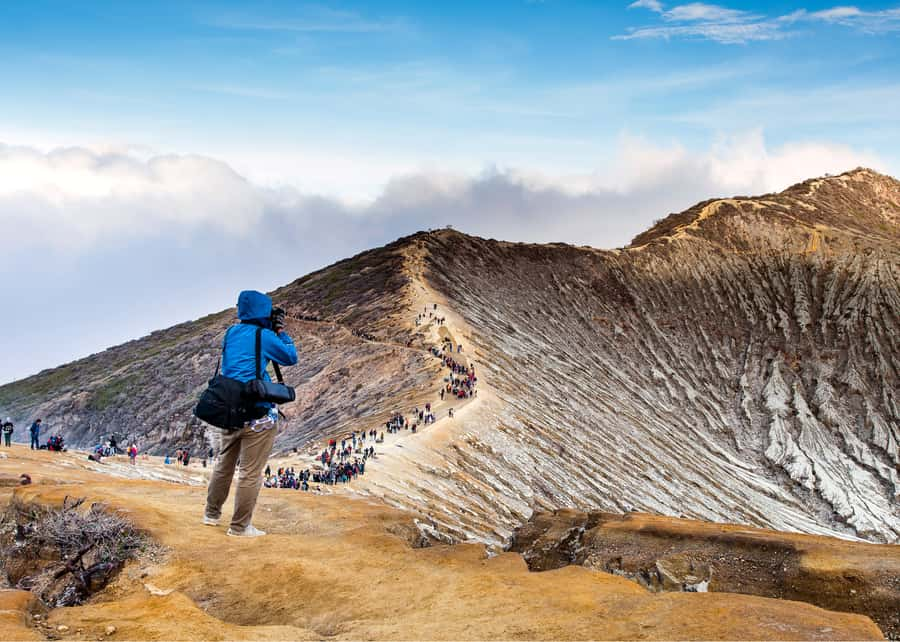
The walk begins in near darkness, with the uphill section taking roughly two hours. Another description of the route puts the guided mountain portion at about one and a half hours, so allow some flexibility. Your pace, stops, weather, and trail conditions will affect the actual time.
You need a reasonable level of fitness. The experience is not suitable for people with mobility impairments, heart problems, respiratory issues, or back problems. It is also not suitable for wheelchair users or pregnant women.
For a fit person, the climb may feel manageable rather than extreme, but the timing makes it tougher. Walking uphill after a long drive and little sleep is different from taking the same trail in daylight after a good night’s rest.
The guide is important here. Strong guides have helped with photos, watched the group’s comfort, and explained the area. One guide named Ijen had previously worked in the mine, giving him a useful connection to the mountain and its sulphur work. Dewa was also praised for his good humor and care.
Do not expect a silent private walk if the trip fills its five-person limit. You will still have a small group, but everyone must follow a shared pace. That can be helpful if you want company in the dark, though it may feel slow if you are much fitter than the rest of the group.
More treks around Bali:
- Mount Batur Sunrise Trekking Private Tour with Breakfast and Hotel Transfer
★ 5.0 · 885 reviews - Private Tour Mount Batur Sunrise Trekking and Natural Hot Spring
★ 5.0 · 431 reviews - Bali: Mount Batur Sunset Trek with Picnic
★ 4.7 · 345 reviews - Bali: Mount Batur Guided Sunrise Trek with Breakfast
★ 4.6 · 321 reviews
A night-sky stop and the chance of blue flames
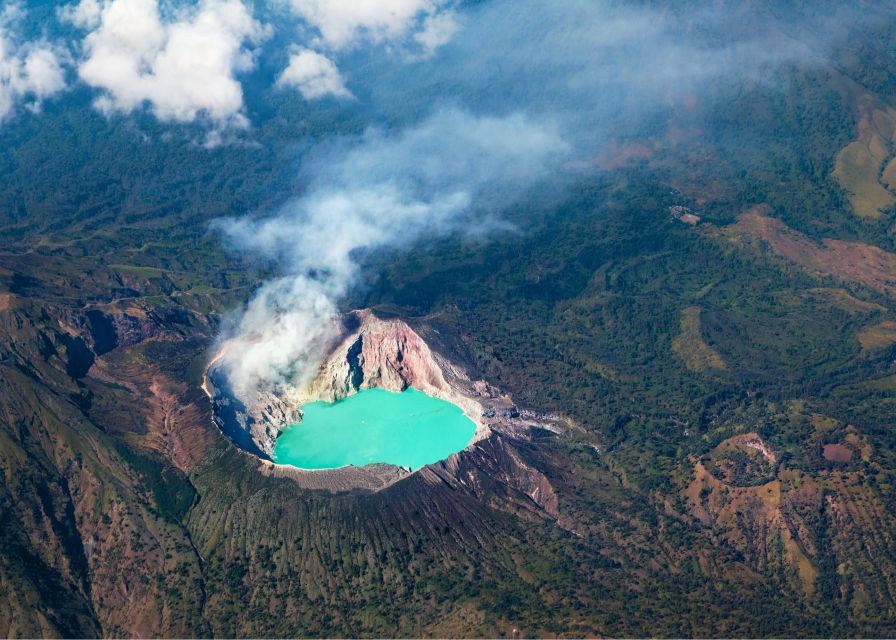
The first stop offers a view of the night sky. The photographer on the trip can show you how to take star photos, which is a thoughtful addition for anyone carrying a phone or camera.
This stop also gives you a chance to catch your breath. A midnight hike should not be treated as a race. The best guide will help you balance the desire to reach the crater with the need to keep the group comfortable and safe.
Some groups also saw Ijen’s famous blue flames. This is one of the most unusual sights connected with the volcano, but you should treat it as a possibility rather than a guarantee. One account described the flames and views as breathtaking, while another noted that you need to move fairly quickly uphill to have a chance of seeing them.
The description of the route says you then head down toward the crater for about 40 minutes. This section is not just a viewpoint stop. It adds another descent and later a return to the crater rim, making the whole night more demanding than a simple uphill walk.
Follow your guide’s instructions carefully around the crater area. The tour information does not promise a particular viewing position or exact access conditions, so conditions on the mountain may shape what you can see.
Sunrise over the sulphur lake
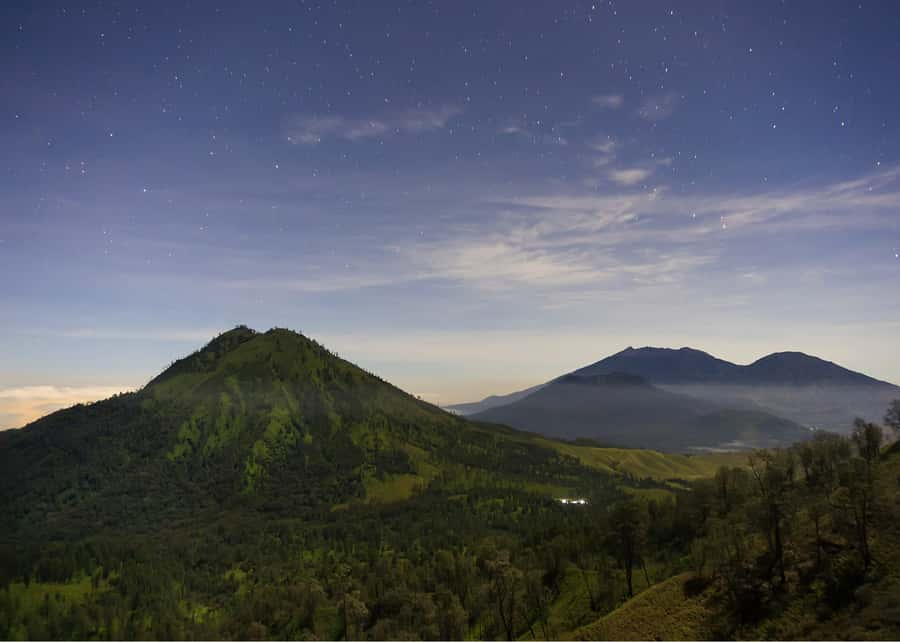
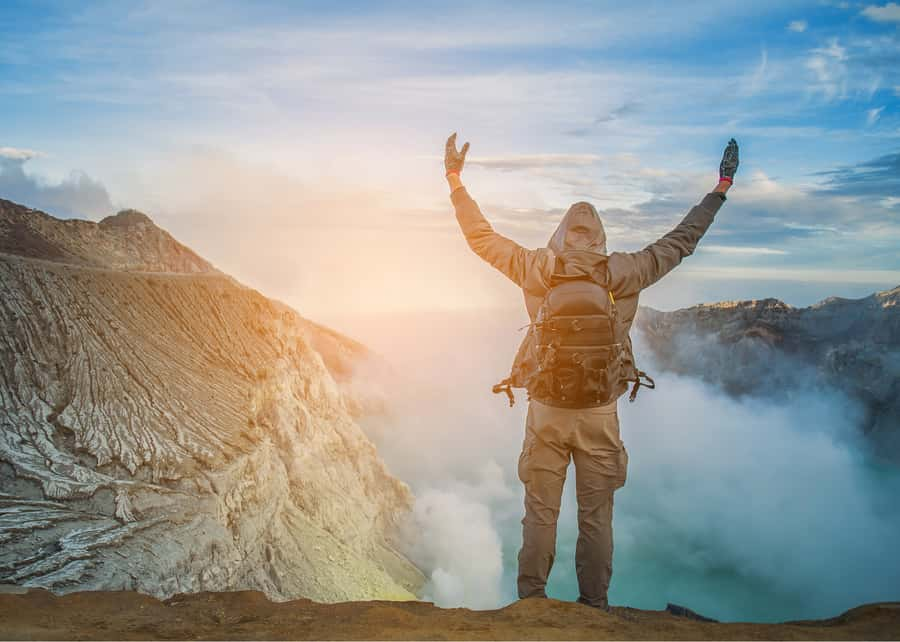
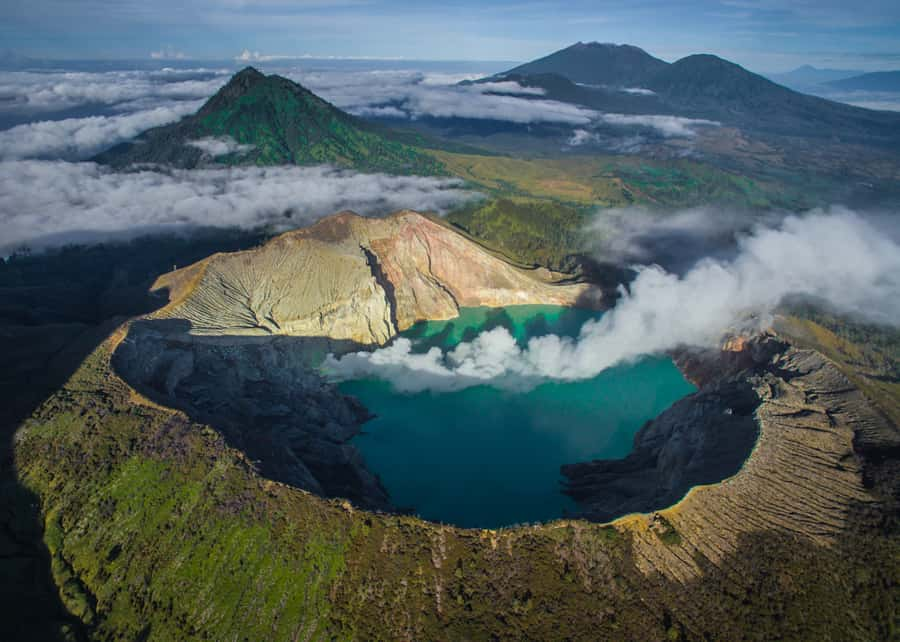
The sunrise is the main payoff. At the crater rim, darkness gives way to a broad view of the sulphur lake and the surrounding scenery. The same place that felt mysterious and difficult to read at midnight becomes much easier to understand in daylight.
This is where the trip feels most worthwhile. You have crossed from Bali to Java, walked through the night, and earned a view that a normal road trip cannot provide. The sulphur lake gives the crater a strong visual focus, while the changing light brings out the scale of the mountain.
The experience is weather dependent. Clear skies can produce the panoramic views promised by the tour, while cloud, rain, or poor visibility can reduce the reward. That uncertainty is part of mountain travel, not a flaw unique to this excursion.
The sunrise stop also helps explain why the schedule starts so early. You are not simply hiking to the crater at a convenient hour. The darkness, the first light, and the sudden appearance of the lake are central to the experience.
Breakfast at a local warung
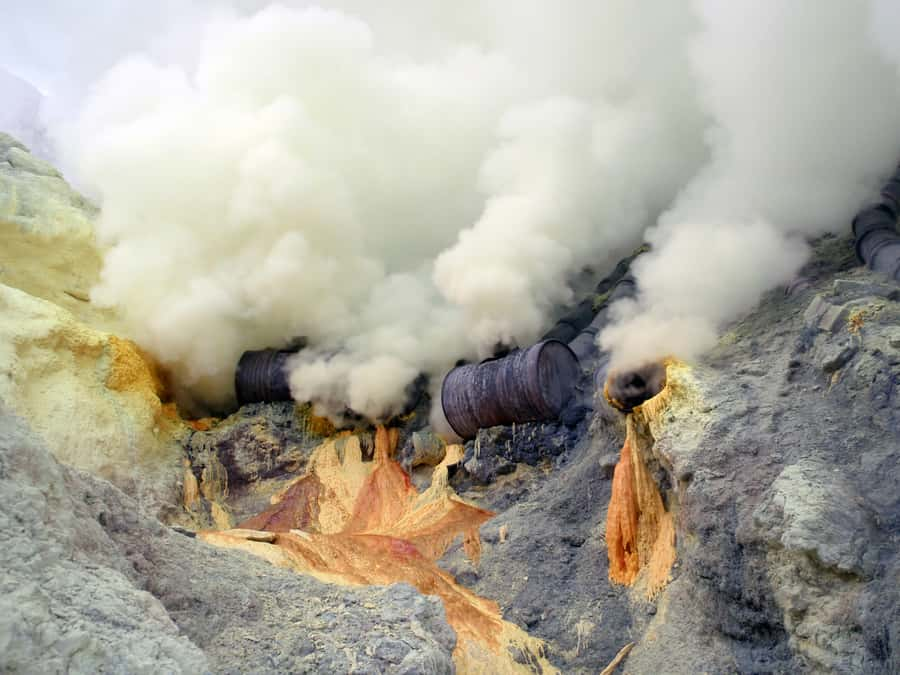
After the hike, the route ends at a local warung for breakfast. This is a practical and welcome finish after a night without sleep. It also gives you a more local setting than a hotel buffet or a roadside chain restaurant.
Breakfast is included, but other meals are not. The food quality can vary. One account described a disappointing later meal of dry rice and a small piece of chicken, so I would keep expectations modest and carry a snack if you need something specific after the climb.
The warung stop is less about a long food experience and more about recovery. Sit down, eat, drink, and let your legs settle before the return trip. You will still have the ferry and the long drive back to Bali ahead of you.
The return journey and the value of a small group
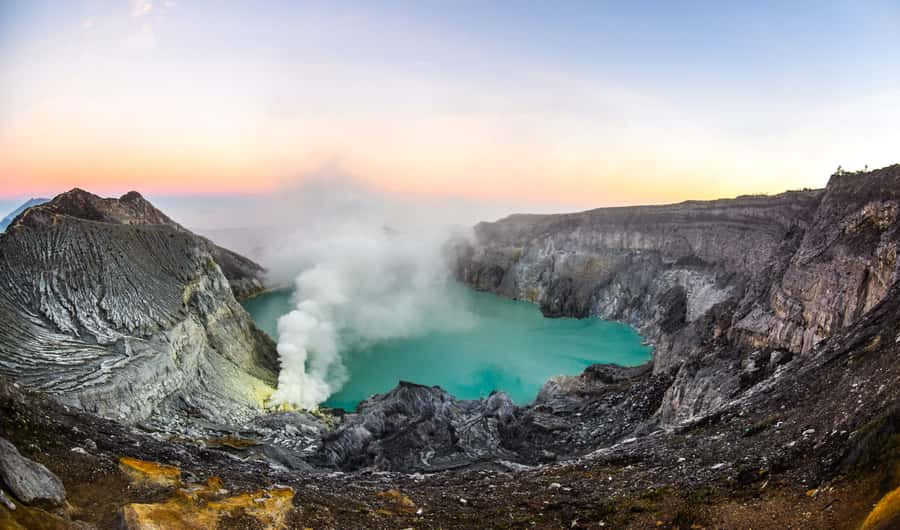
The return route takes you back toward Gilimanuk Harbour, across to Bali, and then to your hotel. This is where the tour’s convenience matters. You do not need to coordinate the ferry, find a driver on Java, or work out how to reach your hotel after an exhausting hike.
It is also where the biggest practical concerns appear. A car problem after leaving Ijen left one group without much support from the operator, even though the driver worked to contact them. A separate delay came from a driver getting lost several times.
These incidents do not erase the mountain experience, but they matter when judging value. The best part of the tour is the local guiding and the volcano itself. The weakest part may be communication when plans go wrong.
A maximum of five participants helps in other ways. You can ask questions, receive more direct help on the trail, and avoid the feel of a large coach excursion. It also makes it easier for a guide to take photos, as happened for several groups.
What to pack for the volcano
The supplied packing advice is sensible. Bring:
- Warm clothing, because the summit can feel cold
- Long pants
- Hiking shoes with dependable grip
- Rain gear
- A flashlight
- Trekking gear suited to an uphill night walk
Do not rely only on Bali’s warm coastal weather. Mount Ijen is a different setting, and the temperature and conditions at the top can be unpleasant without layers.
A flashlight is especially important because the climb starts in darkness. Even if the guide carries lighting, your own light helps you see the path and manage your footing.
Wear clothes you can move in and protect from rain. You may start warm at sea level and feel cold at the crater rim. Pack simply, but do not cut corners on warmth or footwear.
Who should book this Ijen trip?
I would recommend it to a fit person who wants a demanding, unusual day from Bali and is comfortable with long transfers. It suits you if a volcano sunrise matters more than comfort, and if crossing into Java feels like part of the fun rather than an inconvenience.
It is also a good match if you want a small group and an English-speaking guide. The strongest part of the experience is the personal attention on the mountain. Guides such as Ijen and Dewa show how much the trip can improve when the local leader is attentive and good-humored.
I would hesitate if you need a tightly controlled schedule. The advertised midnight timing is important, and a delay of several hours can mean missing the intended sunrise or blue flames. The experience also demands patience with ferry travel, road conditions, and the possibility of weak operator communication.
At $139, I see fair value for the included transport, guide, entry fees, tolls, breakfast, and small group size. You are paying for convenience as much as scenery. The price is less attractive if your main goal is a guaranteed blue-flame sighting or a perfectly timed sunrise.
Should you book it?
Book this Mount Ijen trip if you want a serious overnight-style adventure, can handle a roughly 24-hour schedule, and accept that nature and transport may disrupt the plan. Pack warm layers, eat well before the climb, and keep your expectations focused on the crater and sunrise rather than a guaranteed blue-flame display.
Skip it if you need easy access, regular sleep, a short transfer, or dependable backup when the vehicle has trouble. For the right person, the sulphur lake, night sky, and sunrise can justify the fatigue. Just remember that the mountain guides may be the reliable heart of the experience, while the road logistics require patience.
FAQ
How long does the Mount Ijen tour take?
It is described as a one-day experience lasting about 24 hours, including hotel pickup in Bali, the road journey, ferry travel, dinner, the midnight hike, breakfast, and the return to Bali.
Where does the tour start?
Pickup is provided from hotels in Bali. The route then travels by road to Gilimanuk Harbour before crossing to Ketapang in Java.
Is the ferry crossing included?
Ferry travel is part of the described route, and entry and toll fees are included. The information does not list a separate ferry ticket charge.
How many people are in the group?
The tour is limited to five participants, making it a small-group experience.
Is the guide available in English?
Yes. The tour includes a live English-speaking guide.
What time does the hike begin?
The trek to the summit is scheduled to start around midnight. Starting times can vary, so you should check availability when booking.
How long is the hike?
The uphill walk is described as taking about two hours. The route then includes about 40 minutes heading down to the crater, with the guided mountain section also listed as about one and a half hours.
Can I see blue flames?
Blue flames were seen by some groups, but they are not guaranteed in the supplied tour information. Reaching the upper mountain quickly may be needed to have a chance of seeing them.
Is breakfast included?
Yes. Breakfast at a local warung is included after the hike. Dinner and other meals are not included, and personal expenses are excluded.
Who should not take this hike?
The activity is not suitable for pregnant women, people with back, heart, respiratory, or mobility problems, or wheelchair users.
New treks around Bali
- From Ubud: 3-Hour Tropical Trek and Taro Village Tour★ 5.0 · 2 reviews
- Bali: Sambangan Waterfalls Trekking, Sliding, & Jumping Trip★ 5.0 · 31 reviews
- Bali: Twin Lakes, Handara Gates, and Forest Trekking Tour★ 3.9 · 11 reviews
- Bali’s Mystical Jungle Trek & Hidden Waterfall Adventure★ 4.3 · 3 reviews
- Bali/Mount Agung: Sunrise Trekking Adventure With Transfers★ 4.6 · 55 reviews
- Bali: Mount Batur Sunrise Trek & Lake Batur Canoe Tour★ 5.0 · 3 reviews
- Jungle Trekking at Mt. Batukaru, scenic Waterfall & village life★ 5.0 · 5 reviews
- Bali Jungle Trekking in Beautiful Rainforest★ 4.5 · 8 reviews
Volcano Treks, side by side.
Mount Etna: Trek to 3000m with cable car and 4×4
Read our review →
Mount Etna: Summit Crater Trek with Cable Car
Read our review →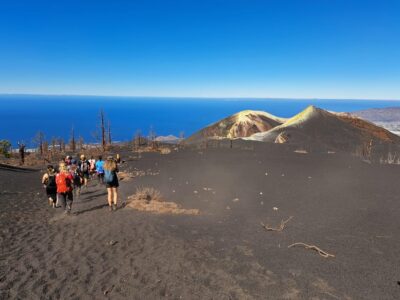
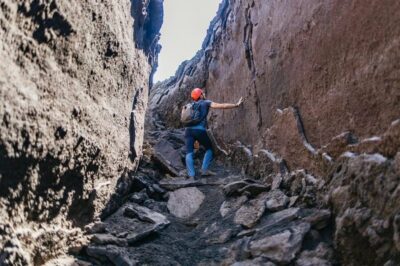
Etna: summit craters trekking with volcano guide 3350mt
Read our review →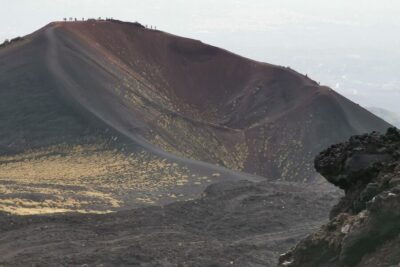
Catania: Mount Etna Trekking Tour Beyond the Tourist Trails
Read our review →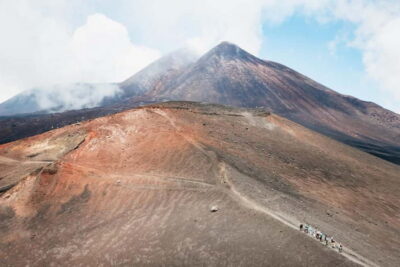
Mount Etna: Guided Trek 3,000 Meters to the Summit
Read our review →
Etna Sunset Tour: Volcano trek, Cave & tasting from Catania
Read our review →
Lists this trek appears in