
Review · BRAZIL
Trekking the valley of the pat 3 days/ GUIDE TUTY CHAPADA DIAMANTINA
The best part of this trek is the way it moves through the Vale do Pati’s remote mountain scenery rather than simply stopping at one viewpoint. You cross open highlands, bathe beneath waterfalls, squeeze through a quartzite cave, and sleep in homes run by people who live in the valley. I like the local focus and the chance to see the area at walking speed. I also like that guide Tuty is a Lençóis native, photographer, and flexible with pace and plans.
This is not a soft stroll. You need a moderate level of fitness, and the schedule includes long uphill and downhill sections, uneven ground, heat, and a six-hour day. The program also has a small point to clarify: it gives a 7:00 am meeting time, while Day 1 says the car leaves at 8:00 am, and Day 3 lists dinner and accommodation even though the tour is described as ending back in Lençóis. Confirm the final timing before you set out.
Key points to know before booking
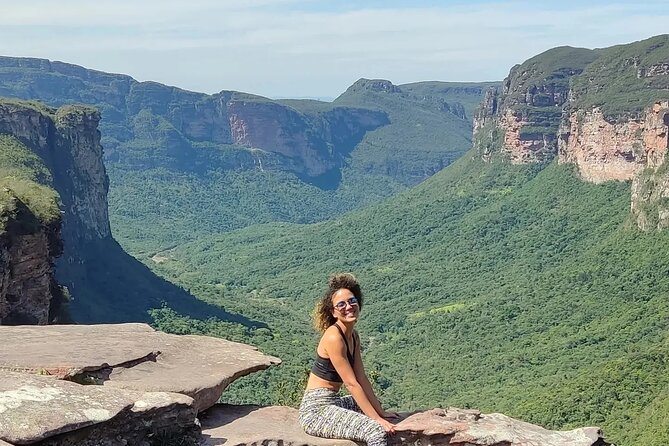
- Cachoeira dos Cristais on Day 1: Your first trail break includes time for a swim beneath a waterfall.
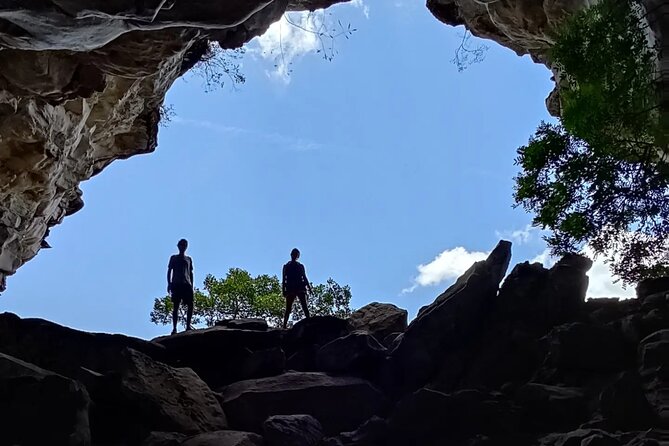
- Morro do Castelo cave: You cross a quartzite cave by flashlight before reaching a high viewpoint over lower Pati.
- Cachoeirão do Pati: Day 3 brings the trek to one of the valley’s major overlooks, with views toward the Empire ascent.
- Local homes instead of standard hotels: Nights are spent with residents such as D. Raquel, Mr. Wilson, or Seu João, with meals made from farm ingredients.
- Tuty’s personal approach: He is a local guide who adjusts the pace and route to suit the group and is also known for taking photographs.
- Small-group format: The maximum group size is 10, making it easier to walk at a sensible pace and ask questions.
Why the Vale do Pati is worth three days
Chapada Diamantina National Park is best understood on foot. The Vale do Pati is not a quick roadside attraction. Its appeal comes from the changing ground under your boots: broad open plateaus, steep valley edges, native plants, river crossings, waterfalls, and long views across the Serra do Sincorá.
A three-day plan gives you more than a rushed sample. You have time to reach the valley, spend a full day on Morro do Castelo, and walk toward Cachoeirão do Pati. The route also gives you two nights in local accommodation, which changes the feel of the trip. You are not simply ticking off viewpoints and returning to town each afternoon.
The price is $421.82 per person. That is a serious outlay, but it covers a private guide-led trek with transport from Lençóis, local lodging, meals, and a maximum of 10 people. The value is strongest if you want a guided route, local knowledge, and the comfort of having food and overnight arrangements handled in a remote valley.
You should not book it only because the photos look good. The trail is demanding, and the remote setting means you cannot treat it like a casual day trip. Still, for someone already planning time in Lençóis and wanting a real walking experience, the length and local stays make the cost easier to justify.
More three-day treks around the world
- Sapa 3 Days 2 Nights Trekking Tour (1 Night In Ta Van Village, 1 Night In Hotel)
★ 5.0 · 699 reviews - 3-Day Trekking Adventure of Sapa from Hanoi – Stay Ta Van Village
★ 5.0 · 611 reviews - From Marrakech: 3-Day Mount Toubkal Climbing Trek
★ 4.7 · 597 reviews
Day 1: From Guinea to Gerais do Vieira
The first morning begins with a car ride from Lençóis toward Guinea, the starting point for the Pati trail. The meeting information gives 7:00 am as the start time, while the day plan says you leave after breakfast at 8:00 am. Ask Tuty or the agency to confirm the exact pickup time so you are not standing outside with a packed bag before sunrise for no reason.
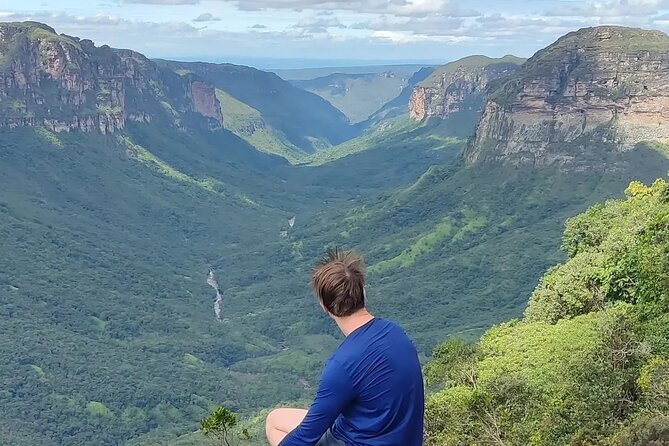
Once on the trail, you cross the Gerais do Vieira. These are broad, rolling highlands crossed by rivers and waterfalls. The open setting gives you a strong first taste of Chapada Diamantina. Instead of walking through dense forest all day, you get wide views and exposed stretches where the sun can feel direct.
Your first special stop is Cachoeira dos Cristais. The plan includes a trail snack beside the falls and time for a swim. This is a smart place for a break because the route has only just begun, and a cool bath can make the rest of the morning more pleasant.
Bring swimwear where you can reach it without unpacking your whole bag. Also carry water, sun protection, and a hat. The supplied information does not give exact mileage or elevation gain, so Tuty’s advice on the day matters more than trying to judge the route from the three-hour stop estimate.
The Tropeiros route and your first night in Pati
After Cachoeira dos Cristais, you continue along the Trilha dos Tropeiros. This old route offers views toward the Serra do Sincorá and passes through rupestrian fields, a highland plant zone known for orchids, insectivorous plants, and evergreens called Paepalanthus.
The vegetation is one reason a local guide adds real value. Tuty can point out details that are easy to walk past, including the saw-footed hawks often seen in pairs. The route is not just a march from one waterfall to another. It gives you a chance to notice how plants and birds fit this high, rocky environment.
The listed walking time for this part is about three hours, but do not read that as a precise door-to-door figure. Stops, photos, weather, group pace, and the condition of the trail can all affect the day. Tuty’s past approach has been to explain the difficulty and timing according to the group rather than force everyone into a rigid schedule.
Lodging is in the upper Pati at the home of local residents, listed as D. Raquel or Mr. Wilson. Another local home, Casa de João, is also praised in the supplied information for its cleanliness, food, welcome, and views. The exact house may depend on availability, so ask which one is planned for your departure.
This is simple mountain lodging, not a resort. That is part of the point, but it also means you should pack with care and keep your expectations practical. The reward is a more direct connection with the valley and meals made with farm ingredients. Dinner is intended to restore energy after the first full walking day.
Day 2: Morro do Castelo and the quartzite cave
Day 2 is the most concentrated day in the schedule, with about six hours listed for the route. After breakfast, you climb Morro do Castelo. The climb is a central test of the trek, so this is the day when a basic level of fitness matters most.
At about 1,470 meters, you reach a quartzite cave. You cross it with a flashlight and continue to an observation point overlooking Pati de Baixo. The cave is not just a scenic stop. It adds a short, unusual adventure to the climb, and the view on the far side gives the effort a clear payoff.
Bring a headlamp if you have one, even though the plan says flashlight. A reliable light keeps both hands available and is more convenient in a cave. The supplied details do not state the cave’s length or whether special equipment is provided, so ask about lighting before departure.
The viewpoint is a natural place for lunch. Eating your trail meal above the valley is one of the day’s best features, but remember that an exposed viewpoint can be hot, windy, or tiring after the climb. Keep some water and food accessible rather than buried at the bottom of your pack.
On the return, you stop at Funis Waterfall for a bath and rest. This rhythm works well: a demanding ascent, a high viewpoint, then cool water and a slower finish. If you are not a strong hiker, tell Tuty early in the day. The guide is described as adapting the route to the group’s rhythm, and that is far more useful when he knows your limits before the steepest section.
Dinner and another night in local accommodation follow. The home-cooked meals are a real part of the value here. Food made at the house, served after a long day outside, is more than a pleasant extra. It removes the need to carry every meal and gives you a better sense of daily life in the valley.
More guided trips around the world
- Bali: Mount Batur Sunrise Trek With Guide and Breakfast
★ 4.8 · 3,461 reviews - From Chania: Full-Day Samaria Gorge Trek Excursion & Guide
★ 4.6 · 3,191 reviews - La Palma: Tajogaite Volcano Guided Trek
★ 4.8 · 1,810 reviews - Etna: summit craters trekking with volcano guide 3350mt
★ 4.7 · 1,712 reviews
Day 3: The long view at Cachoeirão do Pati
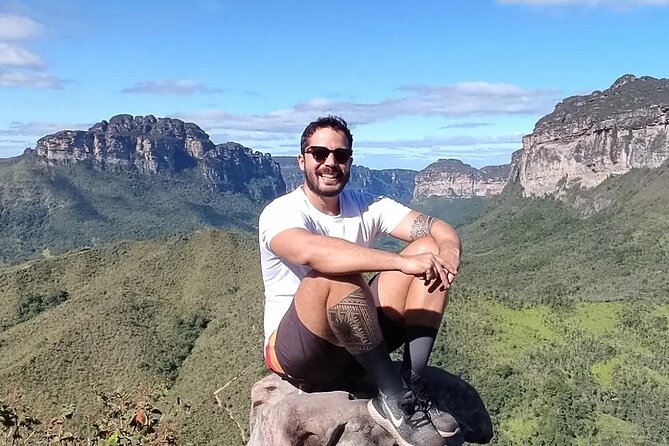
The final route crosses the open areas around Rio Preto and heads to Cachoeirão do Pati. The viewpoint reaches across a major sweep of the valley toward the ascent of the Empire. It is the kind of place where the scale of the valley becomes clear: the trail you have walked is only one line through a much larger mountain basin.
The program also calls out the red-tie hummingbird, an endemic bird of Chapada, and a prehistoric fern. These details reward slow walking. Keep your eyes open near the plants and listen when Tuty stops to point something out. You may not see every species, but the route is designed to include more than grand views.
The schedule’s Day 3 wording needs clarification. It says you will have dinner and accommodation at the home of local residents, but the tour details also say the activity ends back at the meeting point in Lençóis. A three-day trek commonly involves a return plan after the final walk, but the exact transport and overnight arrangement are not stated here. Ask specifically:
- Do you return to Lençóis on the third day?
- Is the final night in the valley or back in town?
- Is the car transfer included after Cachoeirão do Pati?
- What time should you expect to reach the meeting point?
That small conversation can prevent a major surprise, especially if you have a bus, flight, or hotel reservation after the trek.
What Tuty adds to the walk
Tuty is the named guide for this experience and is described as a native of Lençóis who created his own local company. That background matters in a route where practical judgment is as important as facts about plants and viewpoints.
The strongest pattern in the feedback is his communication, calm manner, and willingness to adapt. He has adjusted plans when conditions or group preferences changed, and he is described as paying attention to each person’s walking ability. That does not make the trail easy, but it can make a hard day feel more manageable.
Safety is another repeated strength. Tuty is described as giving clear guidance and keeping people calm on demanding sections. You should still take responsibility for your own pace, hydration, and footwear, but a local guide who knows the route can help you make better decisions.
He is also an enthusiastic photographer. If you want good memories of the trip, tell him early that you would like photos. The information suggests he knows scenic angles and viewpoints, but do not assume professional photography is a separate service or that every image is guaranteed.
Meals, homes, and what to pack
The overnight homes are a major reason to choose this trek over a standard hotel-based tour. You sleep in the valley and eat food prepared by local residents. The meals are described as generous, fresh, and made with farm ingredients, with coffee prepared during a trail break.
Let the company know about food restrictions before departure. The supplied information specifically notes that this is discussed during the planning process. That is especially important on a multi-day route where you cannot simply buy a replacement meal at the next corner.
Pack light, but do not cut the essentials:
- Comfortable hiking shoes with good grip
- A flashlight or headlamp for Morro do Castelo
- Swimwear for Cachoeira dos Cristais and Funis Waterfall
- Sun protection and a hat
- A refillable water container
- A small personal bag for the trail
- Any personal medication and basic rain protection
The exact baggage arrangements are not stated, so ask whether your full luggage stays in Lençóis or goes with you. Keep valuables and items you need each day in a waterproof bag.
Who should book this trek
I would recommend this trip to you if you want a full mountain trek rather than a string of quick stops. It suits people who enjoy long walks, local food, simple lodging, and scenery that changes with every hour on the trail.
It is also a good fit if you value a small group. With no more than 10 people, the guide has a better chance of noticing different walking speeds and adjusting breaks. Solo participants and small groups of friends can benefit from that personal attention.
I would hesitate to recommend it to anyone looking for easy access, hotel comfort, or a tightly timed sightseeing program. The trail is demanding, exact distances are not provided, and the remote setting calls for patience. The Day 3 accommodation and return details also need confirmation.
The experience has a 4.9 rating from 78 reviews, with 99 percent of people recommending it. Those figures support the idea that the combination of Tuty, local homes, food, and scenery works very well for the right kind of hiker. They do not remove the need to prepare for the physical effort.
Should you book the Vale do Pati trek?
Book it if you want to walk deep into Chapada Diamantina, sleep in the valley, and have a local guide manage the route, meals, and daily decisions. Tuty’s local background, flexible style, and photography skills add useful value, while the waterfalls, Morro do Castelo cave, and Cachoeirão do Pati give the three days a strong shape.
Before paying, confirm the 7:00 versus 8:00 start time, the exact homestay, what equipment is supplied, and how you return after Day 3. If you are moderately fit and comfortable with simple accommodation, this is a strong way to experience the Vale do Pati. If you prefer short walks and predictable hotel logistics, choose a shorter Chapada outing instead.
Free cancellation is available up to 24 hours before the start time. Poor weather or an insufficient minimum group can also lead to a new date or a full refund.
FAQ
Where does the trek start?
The meeting point is Av. Sete de Setembro, 34, Lençóis, Bahia, Brazil.
What time does the experience start?
The meeting information gives a 7:00 am start time. The Day 1 plan says the car leaves for Guinea at 8:00 am after breakfast, so confirm the exact pickup time when booking.
How long is the trek?
The experience lasts approximately three days.
How difficult is the route?
You should have a moderate level of physical fitness. The schedule includes climbs, uneven trail sections, open highland walking, and a six-hour route on Day 2.
Where do you sleep?
Accommodation is in homes run by local residents in the upper Vale do Pati, with D. Raquel or Mr. Wilson named in the schedule. Casa de João is also identified as a possible local accommodation.
Are meals included?
The program includes trail snacks, trail lunches, breakfast, and dinners at the local homes. Meals use farm ingredients, and the company should be told about food restrictions in advance.
Is the group large?
The maximum group size is 10 people.
Can you cancel for a full refund?
You can cancel at least 24 hours before the experience starts for a full refund. Changes or cancellations made less than 24 hours before the start are not accepted, and poor weather or failure to meet the minimum group size may lead to a different date or a full refund.
New treks around the world
- Sapa: 2-Day Local Guided Valley Trek with Night Homestay★ 5.0 · 27 reviews
- SAPA: 1-DAY TREKKING TOUR WITH LOCALS, LUNCH & RICE FIELDS★ 4.7 · 18 reviews
- Sapa: 2-Day Local Guided Valley Trek with Night Homestay★ 4.8 · 5 reviews
- Santa Marta: Trekking in Minca Complete Waterfall Circuit★ 4.4 · 28 reviews
- Santiago: Longueira, Pico de Antónia & Monte Tchota Trek★ 4.8 · 10 reviews
- Santiago: Trek from Serra Malagueta to Rabelados Community★ 5.0 · 16 reviews
- Santa Marta: Multi-Day Trek to The Lost City★ 4.8 · 40 reviews
- Santiago Island: Serra Malagueta & Tarrafal Beach Trek Tour★ 4.8 · 61 reviews