
Review · CHIANG RAI
Chiang Rai Trek: 4 Hilltribes Villages & Waterfall Only Walk
The best part of this Chiang Rai day is the mix of village life and forest walking. You move from a hot spring into bamboo forest, stop at Lisu, Chinese, Akha, and Lahu communities, cook lunch over firewood, and finish with a swim beneath one of the area’s major waterfalls. I like the hands-on cooking and the chance to taste local plants, fruit, and spices along the way. I also like that the walk passes tea, pineapple, rice, coffee, and chocolate fields instead of staying on a single jungle trail.
The main caution is the effort. About 10 kilometers and five hours on foot means steep climbs and few flat stretches. Pickup can also run late, so allow patience at the start. For fit adults who want a full day outside Chiang Rai, this is a strong value at $82. It is not a gentle sightseeing trip.
Four hilltribe villages, one long walk, and a very local lunch
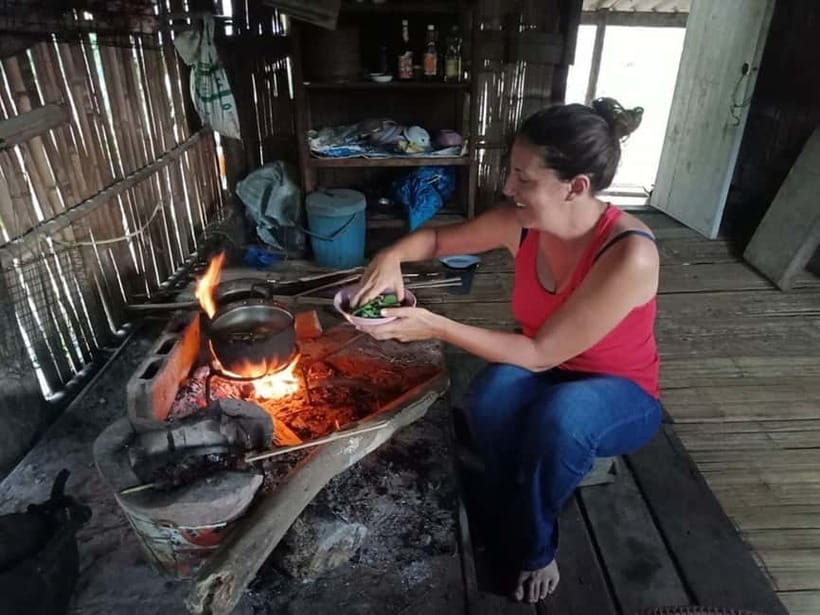
- Firewood cooking in a Lisu bamboo hut: Help prepare lunch in a traditional kitchen without LPG.
- A changing route through Lam Nam Kok National Park: Walk through forest, bamboo, farms, and village paths rather than following one repetitive trail.
- A swim at Huay Kaew Waterfall: Bring swimwear for a cooling break at Chiang Rai’s second largest waterfall.
- Tea fields in the Chinese village: See how the rural setting changes from forest paths to cultivated slopes.
- Plant knowledge along the way: The guide explains edible leaves, herbs, fruit, spices, and other plants you encounter.
- A hot spring finish: End the walk with a mineral bath before returning to Chiang Rai by car.
What this Chiang Rai trek is really like
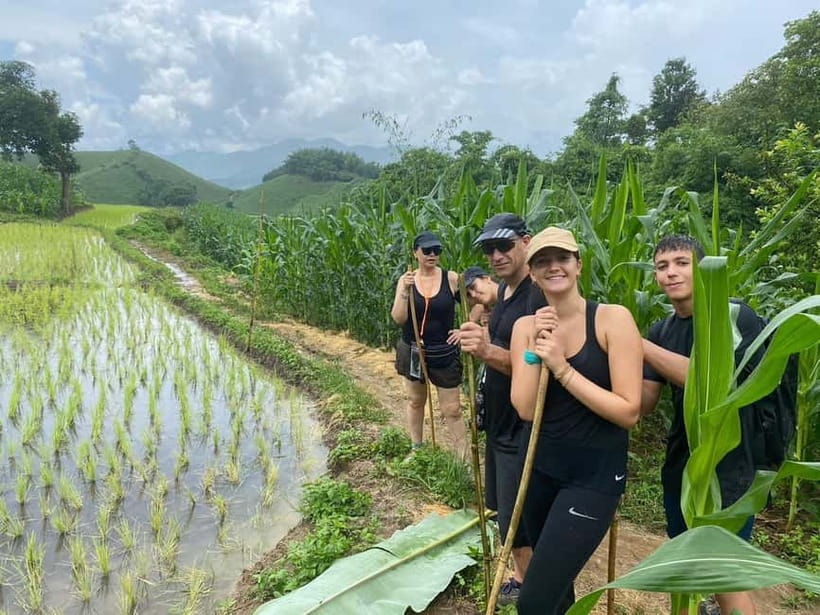
This is a full-day walking experience, usually around eight hours from hotel pickup to return. The route begins and ends in Chiang Rai, with transport taking you to the trekking area in Lam Nam Kok National Park.
I would think of it as a countryside and culture walk with a waterfall in the middle, not as a formal village tour with short stops. You spend much of the day moving between forest, farmland, and hill communities. That gives the day a natural rhythm, but it also means the walking is the main event.
The route covers roughly 10 kilometers. The total walking time is about five hours, with uphill sections and no promise of level paths. You do not need to be a top athlete, but you should be comfortable walking for several hours on uneven ground. Children under 10 and people over 70 are not considered suitable for this outing, and it is not designed for wheelchair users.
The small-group format matters here. A group that stays compact can move more easily through village paths and make the cooking stop feel less like a staged demonstration. The guide also has more time to explain plants, customs, and local life.
More Waterfall Treks in Thailand
- Chiang Rai: 2-Day Jungle Trek only walk with Waterfall
★ 4.8 · 17 reviews - Khao Sok: Private Waterfalls and Wildlife Half-Day Trek
★ 4.5 · 337 reviews - Trekking to Waterfall Adventure Tubing 45 mins. (Only Khao lak)
★ 5.0 · 111 reviews
Starting at the hot spring and entering the forest
The drive from Chiang Rai takes you to the trekking area, where the walk begins at a hot spring. The hot spring is both a useful starting marker and the place where you return at the end, creating a satisfying loop in the day.
From there, the path heads through forest and bamboo. Bamboo changes the feel of the walk quickly. Instead of an open road or a busy attraction, you are following a rural route where the guide can point out vegetation and explain how plants are used.
This is where the guide’s role becomes important. The strongest part of the experience is not simply seeing trees. It is learning which leaves, herbs, fruits, and spices can be eaten or used. You might taste freshly picked pineapple or other local produce, and you may encounter coffee, rice, chocolate, and farm crops along the route.
Do not expect a botanical lecture with labeled plants. The information is practical and tied to what you see underfoot. That makes it easier to remember, especially if you enjoy food and rural life.
The Lisu village lunch is the day’s centerpiece
The stop in the Lisu village gives the trek its most hands-on moment. Lunch is prepared in a bamboo hut using a traditional kitchen and firewood rather than an LPG stove.
I like this detail because it changes your role. You are not simply being served a meal and moving on. You can take part in cooking, see how the kitchen works, and watch the guide and local hosts prepare food in a setting connected to village life.
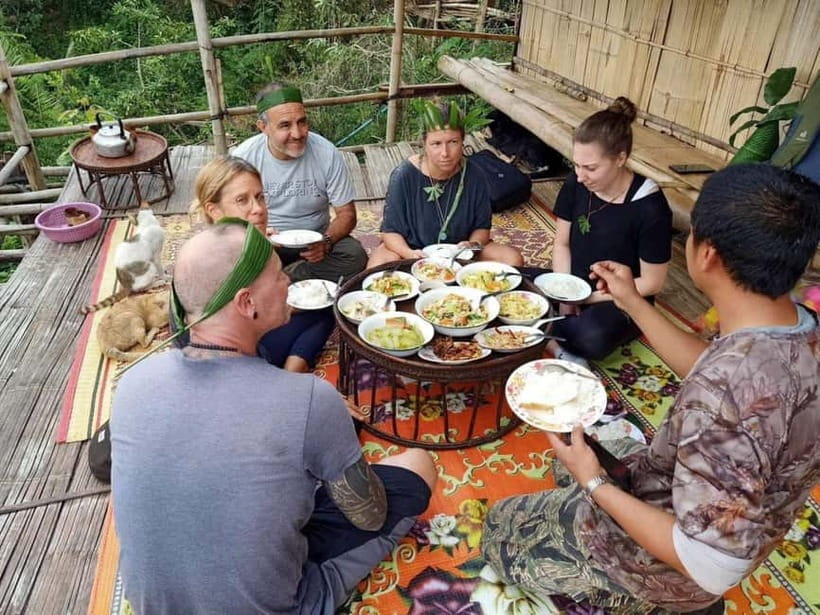
The meal is included, along with drinking water, but the exact menu is not specified. You should expect food connected to the available local ingredients rather than a fixed restaurant-style selection. The chance to try plants and spices makes the meal more interesting than a standard packed lunch.
This stop also gives your legs a break. By this point, you will have walked through forest and bamboo, so sitting in a village hut is welcome. Lunch is not just a pause for fuel. It is the clearest window into the daily routines the tour aims to show you.
You should approach the village visit with respect. The appeal is seeing a working community and learning about its way of life, not treating the village as a photo set. A good guide helps that exchange feel natural, and the guide on this trip is described as attentive, friendly, and able to explain local customs clearly.
Tea fields and the Chinese village
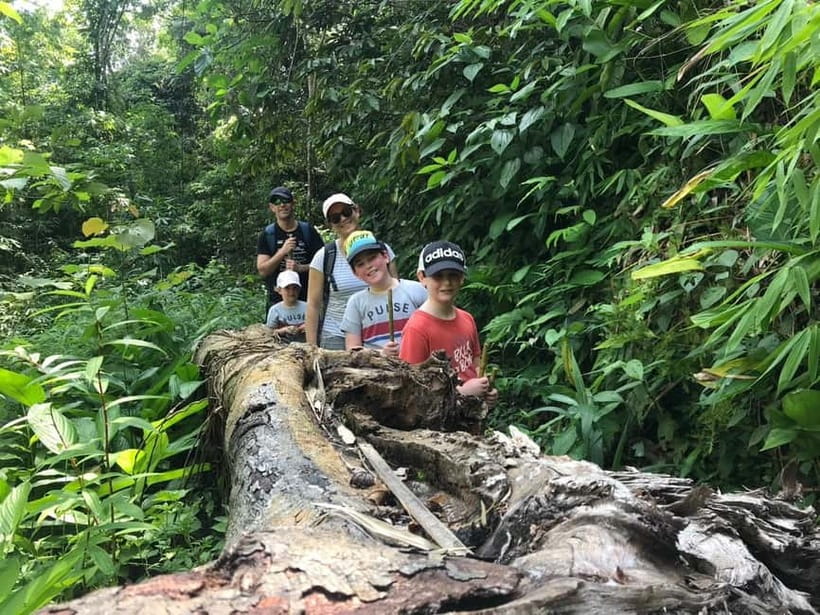
After lunch, the route continues to a Chinese village and a tea plantation. This part breaks up the forest walking with cultivated land and open rural views.
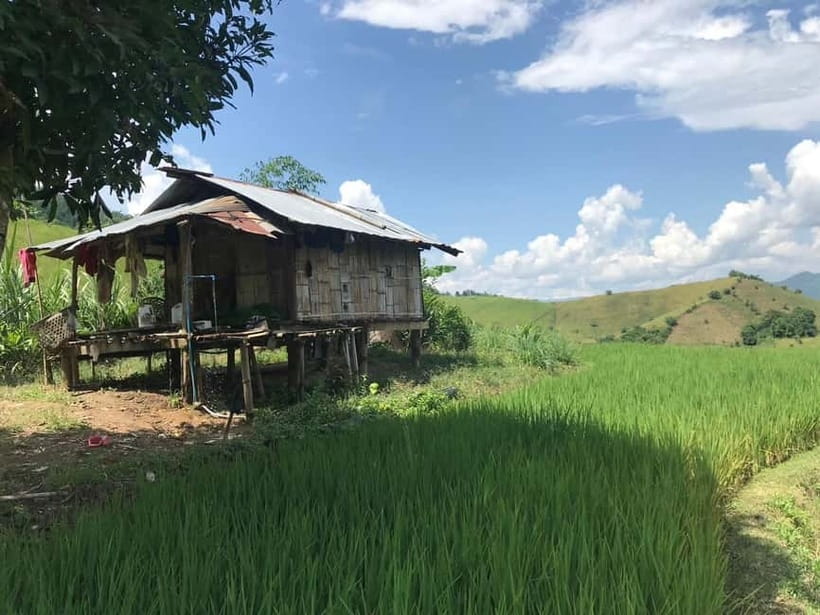
The tea plantation is especially useful for anyone who wants to understand how the surrounding communities make a living. You see agriculture as part of the scenery rather than as a separate attraction. The route also passes pineapple, rice, coffee, and chocolate fields, giving you a wider picture of local farming.
The word plantation can sound grander than the actual stop may feel. This is a working rural area, not necessarily a polished visitor center with displays and scheduled tastings. Its value is in the setting and the guide’s explanation.
The open fields also provide some visual relief after the bamboo forest. You get changing views, small paths, crops, and village areas instead of one unbroken stretch of jungle. If you enjoy taking photographs, this is likely one of the better parts of the walk, though the route remains active and you should not expect long, leisurely photo stops.
More Waterfall Treks in Chiang Rai:
- Bali: Munduk Waterfalls Trek, Twin Lakes and Temple Tour
★ 4.8 · 545 reviews - Selogriyo Temple and Trekking Java Rice Terraces, hidden waterfall -Nature Java
★ 5.0 · 179 reviews - Ubud: Rice Terrace, Holy Water Temple & Waterfalls Trek Tour
★ 4.9 · 115 reviews - Chiang Mai: 2-Days Jungle Trek, Waterfalls and Karen Village
★ 4.8 · 103 reviews
Huay Kaew Waterfall and a well-earned swim
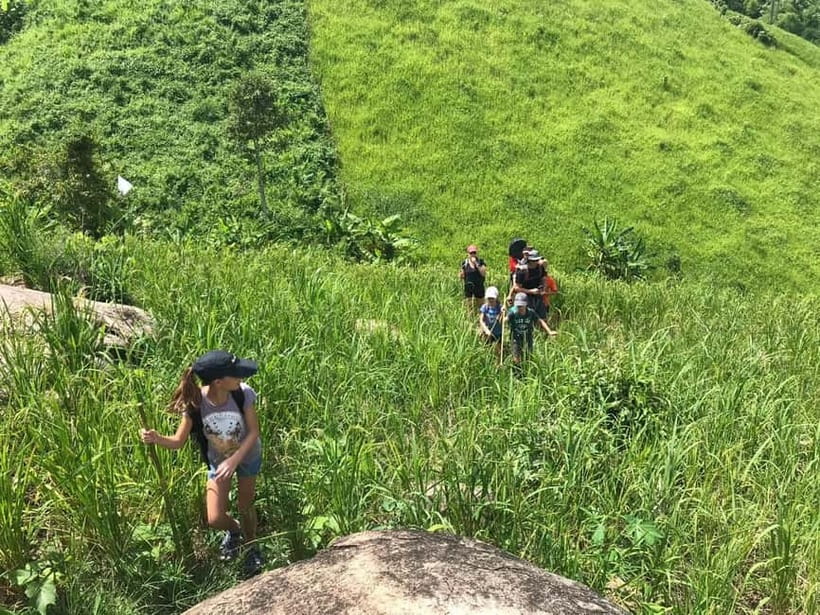
The route continues to Huay Kaew Waterfall, described as the second largest waterfall in Chiang Rai. This is the most obvious place to cool off, so pack swimwear and a change of clothes.
A swim makes sense here because the walking day is long and warm conditions are possible. The waterfall is not just another viewpoint on the route. It gives you a proper rest, a chance to get wet, and a natural break before the walk continues.
Water conditions can vary, and no specific facilities or changing rooms are promised. I would bring a towel, keep your belongings simple, and wear footwear that remains secure on wet ground. The practical advantage of a small group is that the stop can feel calmer than a crowded attraction, but you should still follow the guide’s advice around the water.
The waterfall comes partway through the day, not at the end. That is worth noting. You will need to change back into walking clothes and continue toward the Akha and Lahu areas, so carry a dry change rather than assuming the swim finishes the active portion.
Akha farms, Lahu country, and the return to the hot spring
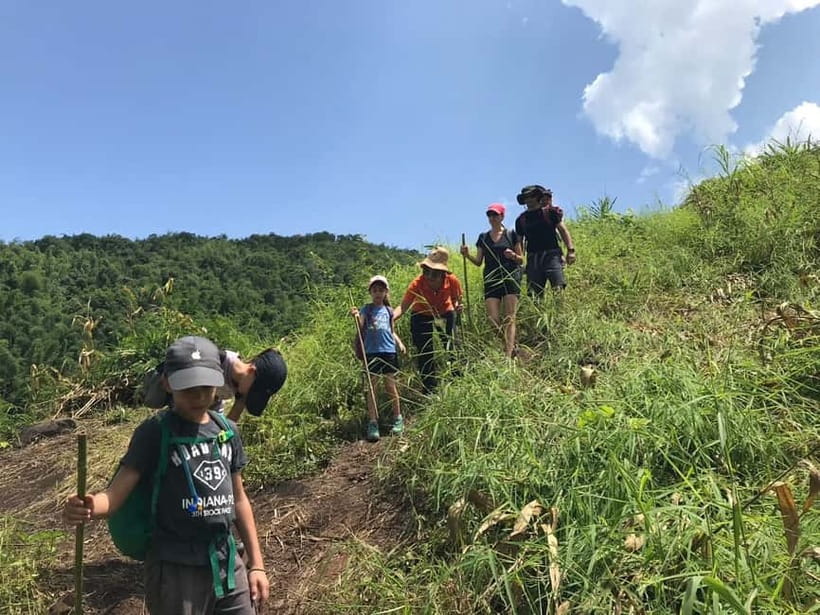
After the waterfall, the route heads toward Akha farmland and then a Lahu hilltribe village. This final stretch adds more countryside and village life, but it is also when tired legs may make the uphill sections feel harder.
The Akha farm areas offer broad rural views and a chance to see how paths, crops, and homes connect. The Lahu village provides another cultural setting rather than a repeat of the Lisu stop. Seeing several communities in one day can help you notice differences in village environments and traditions, though the visits are part of a moving trek, not long standalone cultural workshops.
The walking pace is described as manageable for active people, but the route is not flat. I would save some energy for this section and avoid treating the waterfall as the end of the workout. Comfortable shoes with good grip are more important than specialized hiking gear.
The walk finishes back at the hot spring. Here you can take a mineral hot bath before the car ride to Chiang Rai. The warm water is a pleasant contrast with the waterfall, though anyone who dislikes heat after exercise may prefer to keep the soak brief.
The guide, group size, and what makes the day work
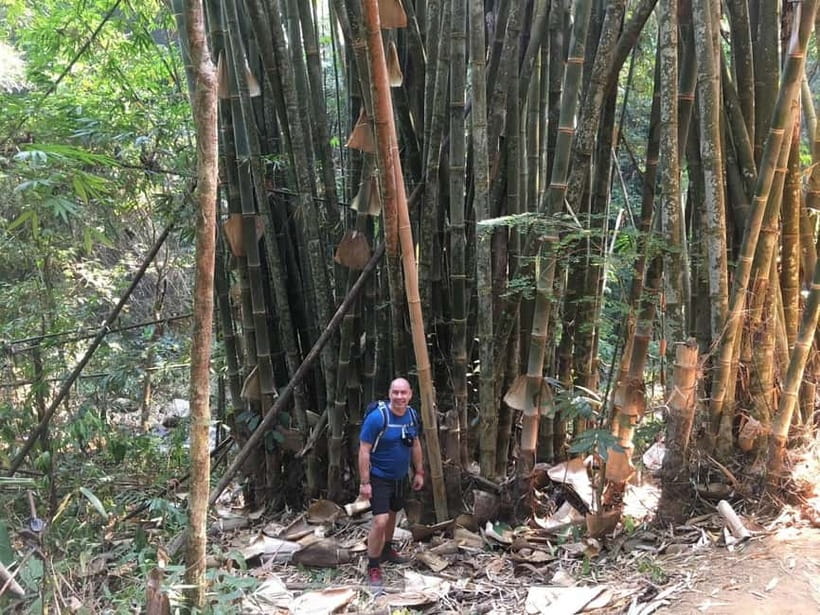
The guide is the key to this experience. You are not paying only for transport between attractions. You are paying for someone who can explain plants, farming, village customs, and the local way of life while keeping the walk moving.
The guide is described as friendly, attentive, and able to identify edible plants and herbs. That matters because much of the route’s interest is easy to miss if you do not know what you are looking at. A leaf beside the path becomes more memorable when you learn whether it is used in cooking or traditional practice.
The tour is offered in English. If you want detailed explanations about local communities, ask questions as you go. The format seems best suited to curious people who like conversation and practical details, not those who prefer a quiet walk with minimal commentary.
A small group should also help with the cooking stop and village visits. The exact maximum group size is not provided, so I would not assume a private tour. If only one person wants to join, contact the operator directly to confirm whether the group will run.
Is $82 good value?
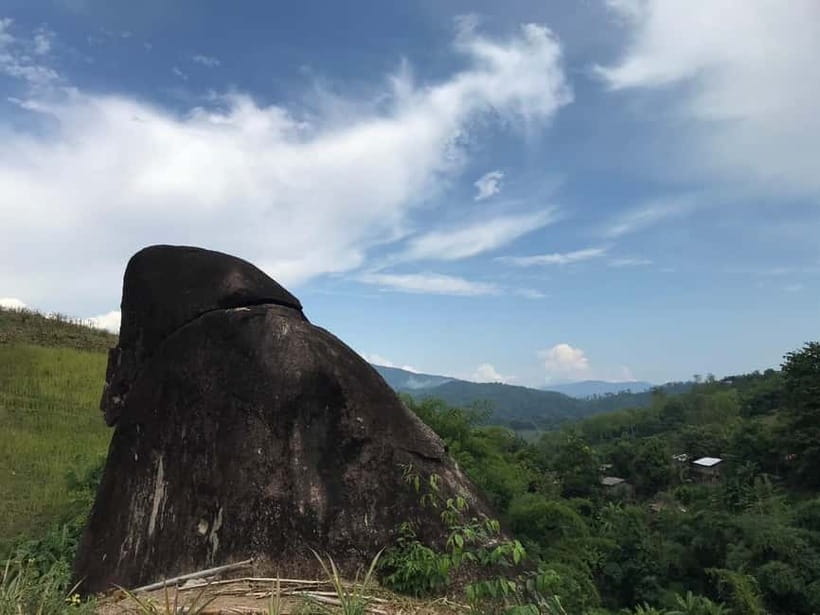
At $82 per person, the price includes transportation, an English-speaking guide, lunch, drinking water, and travel insurance. It also covers a full day of walking, four village areas, the tea plantation, waterfall stop, hot spring, and the guided cooking experience.
That is a fair package if you value time outdoors and cultural contact more than luxury. You are not paying for a polished resort excursion. You are paying for a long route, local food preparation, transport from Chiang Rai, and a guide who adds meaning to the plants and communities you pass.
The value is strongest for active visitors who would otherwise need to arrange transport, find a guide, plan a rural route, and organize lunch themselves. It is weaker if you want a short, easy outing or a highly structured cultural show.
Other expenses are not included, so carry some money for personal purchases or anything outside the stated package. The booking allows you to reserve and pay later, and cancellation is available up to 24 hours before departure for a full refund.
What to bring for a comfortable day
The official packing advice is simple, but each item has a clear purpose:
- Wear a hat for exposed farm paths and open areas.
- Bring swimwear for Huay Kaew Waterfall.
- Pack a complete change of clothes after the swim.
- Carry water, even though drinking water is included.
- Use insect repellent for the forest and farm sections.
- Choose secure walking shoes with grip.
- Keep your bag light, since you will carry it for much of the day.
Alcohol and drugs are not allowed, and pets cannot join. The walk is active enough that heavy luggage will become annoying long before the hot spring.
Pickup is from Chiang Rai and return is to Chiang Rai. If you stay outside the normal pickup radius, contact the operator before booking. Pickup may not run to the minute, so I would avoid arranging a tight connection afterward. One pickup window can stretch later than expected, and waiting outside for an extended period is possible.
Who should book this experience?
I would choose this trek if you want a full countryside day with several different settings: forest, bamboo, farms, villages, tea fields, waterfall, and hot spring. It suits adults and older children who are used to active walking and enjoy learning through food, plants, and conversation.
It is especially good for people who want more than a viewpoint and a quick photograph. The firewood cooking, local ingredients, and guide’s plant knowledge give the day a practical connection to northern Thai life.
I would skip it if you want a relaxed schedule, smooth paths, air-conditioned sightseeing, or a short cultural stop. The five-hour walk is real, and the steep sections matter. I would also avoid booking it if you cannot manage uneven ground or if a swim and hot spring are not appealing.
Final verdict: book it for the walking, not just the waterfall
I recommend this Chiang Rai trek for active visitors who want a varied day with genuine contact with rural communities. The strongest elements are the Lisu bamboo-hut cooking, the guide’s explanations of edible plants, the changing farm route, and the two very different water stops.
Book it if you can handle about 10 kilometers, steep paths, and a flexible pickup. Skip it if you need an easy excursion or a tightly timed day. At $82, it offers good value when you see it as a guided cultural walk with transport and lunch, not simply a waterfall trip.
FAQ
Where does the Chiang Rai trek start and finish?
It starts from Chiang Rai, travels to the trekking area in Lam Nam Kok National Park, and ends back in Chiang Rai.
How long does the experience last?
The full experience takes about eight hours. The total walking time is around five hours.
How far do you walk?
The route is approximately 10 kilometers.
Which villages do you visit?
The route includes Lisu, Chinese, Akha, and Lahu hilltribe villages or village areas.
Is lunch included?
Yes. Lunch is included and is prepared in a bamboo hut using a traditional firewood kitchen.
Can I swim during the trek?
Yes. You can swim at Huay Kaew Waterfall, so bring swimwear and a change of clothes.
Is there a hot spring stop?
Yes. The walk begins and ends at a hot spring area, and you can take a mineral hot bath before returning to your hotel.
Is transportation included?
Yes. Transportation from Chiang Rai to the trekking area and back to Chiang Rai is included.
What language does the guide speak?
The guide speaks English.
Is the trek suitable for children and wheelchair users?
It is not suitable for children under 10, people over 70, or wheelchair users. The route includes steep uphill sections and uneven paths.
New treks around Chiang Rai
- Cultural trekking and boat trip★ 5.0 · 5 reviews
- Chiangrai: Group Trekking with Bamboo Cooking★ 4.8 · 5 reviews
- Chiang Rai Trek:Jungle Hike, Bamboo-Cooked Lunch & Boat Ride★ 5.0 · 7 reviews
- Chiang Rai: The Adventure of Trekking & Bamboo Cooking★ 5.0 · 3 reviews
- Chiang Rai 1 Day Jungle Trek with Bamboo Lunch & Local Guide★ 5.0 · 5 reviews
- Chiang Rai: 2-Day Jungle Trek only walk with Waterfall★ 4.8 · 17 reviews
- Chiang Rai Jungle Trek & Bamboo Tube Cooking Adventure★ 5.0 · 5 reviews
- Akha & Lahu village trekking 1 day★ 4.8 · 18 reviews
Waterfall Treks, side by side.

Bali: Munduk Waterfalls Trek, Twin Lakes and Temple Tour
Read our review →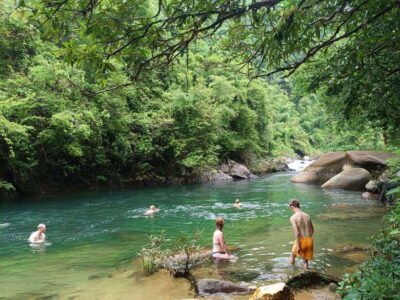
Khao Sok: Private Waterfalls and Wildlife Half-Day Trek
Read our review →
Selogriyo Temple and Trekking Java Rice Terraces, hidden waterfall -Nature Java
Read our review →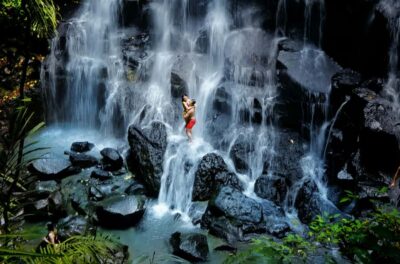
Ubud: Rice Terrace, Holy Water Temple & Waterfalls Trek Tour
Read our review →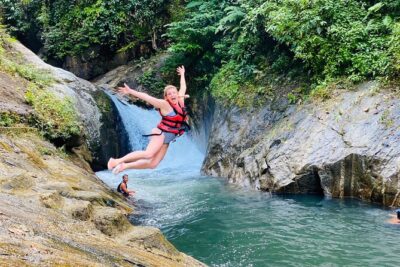
Trekking to Waterfall Adventure Tubing 45 mins. (Only Khao lak)
Read our review →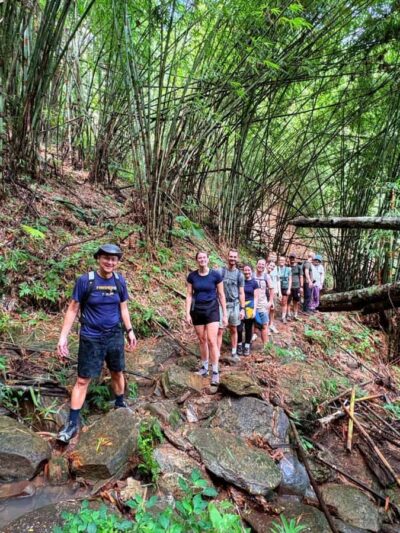
Chiang Mai: 2-Days Jungle Trek, Waterfalls and Karen Village
Read our review →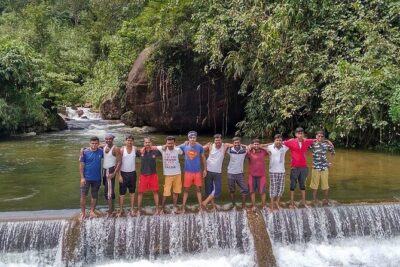
Wild Elephant Anakulam & Waterfalls Tour(munnar valley Trekking)
Read our review →
Tamanique Waterfalls Complex Trek + El Tunco Beach
Read our review →Lists this trek appears in