Review · CHIANG RAI
Chiang Rai: 2-Day Jungle Trek only walk with Waterfall
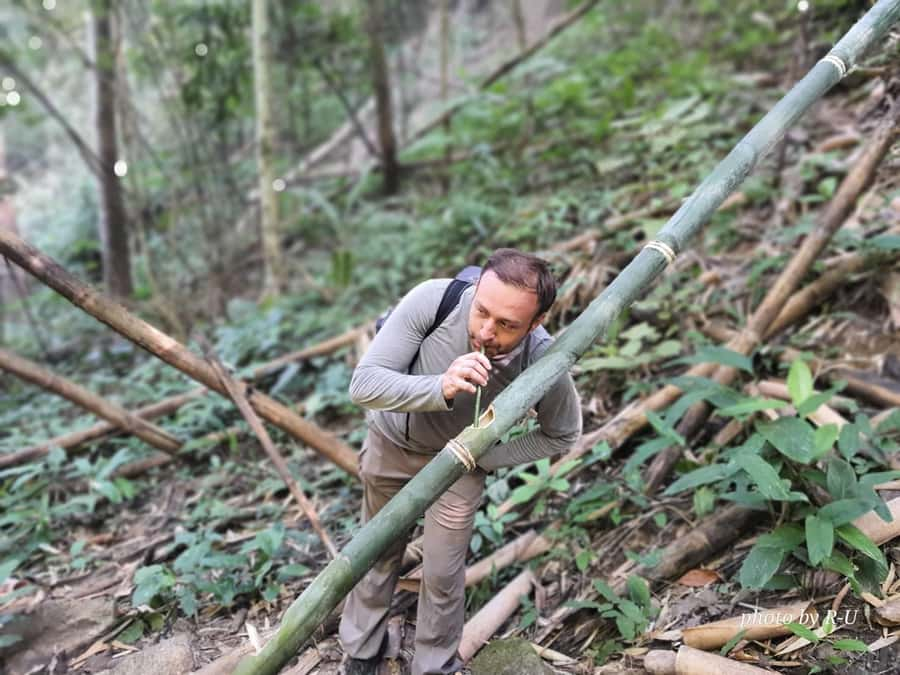
Chiang Rai’s best lesson here is simple: the jungle is not just scenery. With a traditional long-bladed knife, you’ll learn to cut bamboo, make cups and chopsticks, and prepare food with very little equipment. The two-day route links Lisu, Chinese, Akha, and Lahu villages with tea plantations, bamboo forest, and mountain trails.
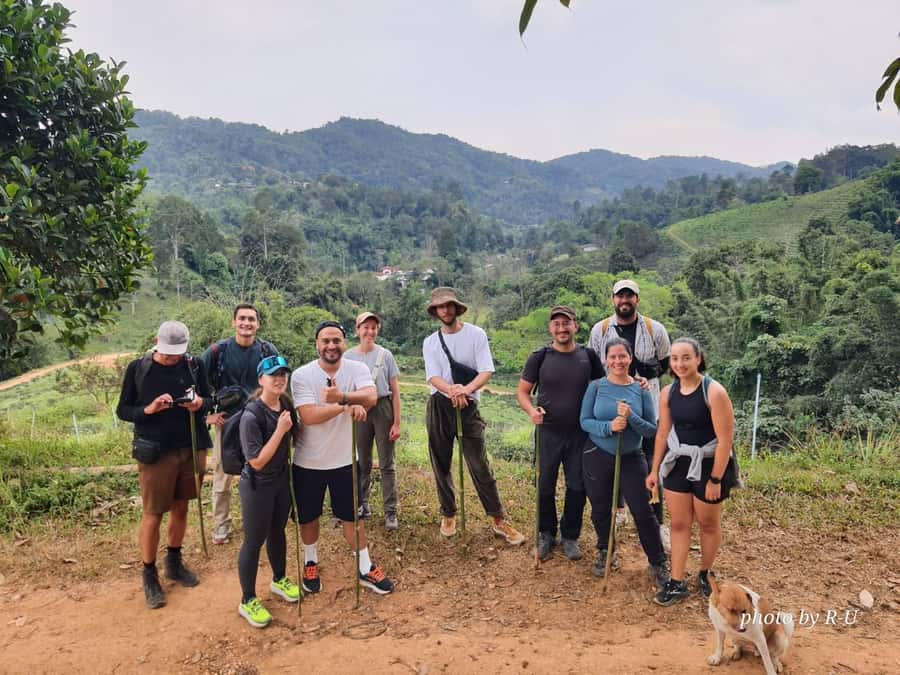
I like the strong local feel, especially the overnight stay in an Akha village and the chance to share a meal with a host family. I also like the practical teaching: guides such as Mo, RU, and Aryu have shown guests how people use plants, bamboo, and natural resources in daily life.
The catch is the walking. You cover about 10 kilometers per day, with steep climbs and uneven ground. This is not a gentle forest stroll, and waterfall conditions can vary. One person found the trek too demanding and the cascade less rewarding than expected, so take the fitness warning seriously.
What makes this trek special
- Bamboo becomes your camp kitchen: Cut cups and chopsticks, then cook lunch in bamboo.
- Four hill communities in two days: Visit Lisu, Chinese, Akha, and Lahu villages along the route.
- A real village overnight: Sleep on a thin mattress in a simple bamboo house in an Akha village.
- Guides with local ties: Mo has led guests through the Lisu village where he grew up, while RU and Aryu are also praised for jungle and cultural knowledge.
- Water in two forms: Swim at a waterfall when conditions permit, then relax in a hot spring pool.
- A small-group outing: The group is limited to 10, and some departures may feel almost private.
From Chiang Rai to the first mountain trail
Pickup is provided from downtown Chiang Rai, within about 3 kilometers of the center. Be ready in your hotel lobby between 9 and 9:30 a.m. The opening drive takes you toward the hot spring area, where the walking begins.
The schedule gives you two full days rather than a rushed day trip. That matters in northern Thailand. You have time to move through several communities, stop for explanations, eat locally prepared food, and reach the overnight village without trying to squeeze every sight into a few hours.
The guide is central to the quality of the day. Mo is described as relaxed, funny, and especially good at jungle cooking and bamboo work. RU has adapted routes for guests with injuries and handled vegetarian and vegan meals. Aryu has also led small groups through the area, answering questions and sharing local stories.
Your guide will not simply point out trees as you walk. The idea is to show how plants and natural materials can be used. Still, the amount of explanation can depend on the guide and the group. One person felt the first day lacked enough detail about the environment and traditions, so if you want more context, ask questions as you go.
More Jungle Treks in Thailand
- Chiang Rai: Jungle Adventure-Group Trekking & Bamboo Cooking
★ 4.9 · 166 reviews - Authentic trek only walk in Chiang Rai jungle
★ 5.0 · 90 reviews - Chiang Rai Trek:Jungle Hike, Bamboo-Cooked Lunch & Boat Ride
★ 5.0 · 7 reviews
The first climb through bamboo and jungle
The opening walk introduces the practical side of the trek. You carry a traditional long-bladed jungle knife, usually described as a machete, and learn how it can help with basic camp tasks. The emphasis is not on roughing it for its own sake. It is on seeing how much can be made from bamboo and other materials found nearby.
You may help shape cups and chopsticks, and you’ll see how a meal can be prepared with simple tools. This hands-on work is one of the most memorable parts of the trip because it turns a forest walk into a lesson in daily life.
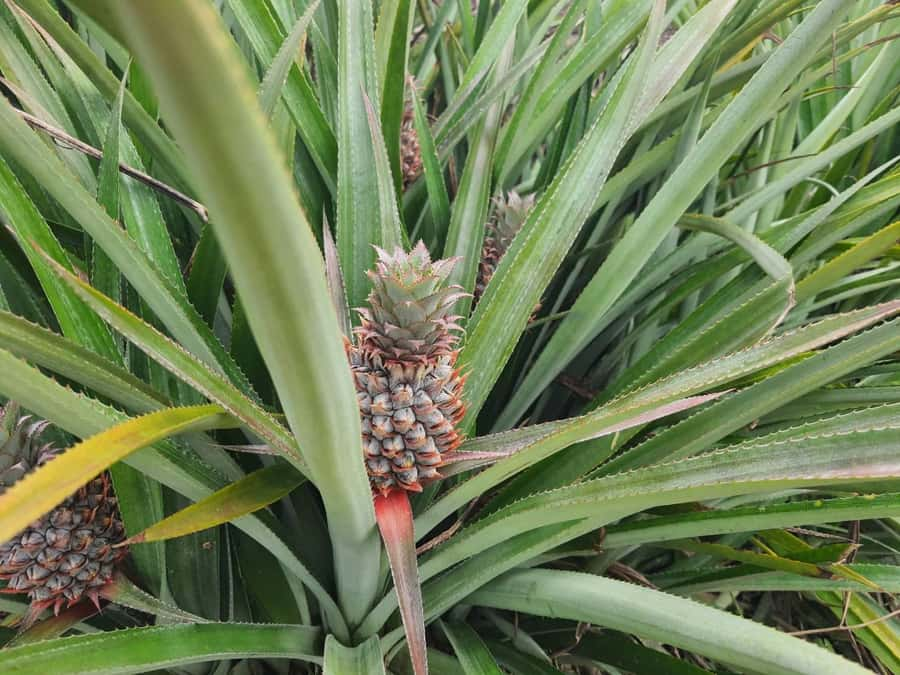
Expect changing ground and some climbing. The route passes through jungle, rice fields, tea plantations, pineapple areas, and bamboo forest. The scenery changes often, but the trail still demands steady effort. Rest stops are built into the walk, and guides have adjusted the pace or route for individual needs, but you should not expect an easy path.
Wear proper walking shoes with good grip. Bring a hat, sunscreen, insect repellent, water, and snacks. A reusable bottle is especially useful, since drinking water is included but you’ll want to stay comfortable between stops.
Lunch in the Lisu village
The first village visit is to a Lisu community, where lunch is served. This is more than a convenient meal stop. It gives you a chance to see village life up close and to understand how the communities fit into the mountain setting.
The experience can feel especially personal with a guide who has local roots. Mo grew up in the Lisu village included on the route, which gives the visit a human connection that a standard sightseeing stop cannot easily match. You may hear about local customs, family life, farming, and the way people use the surrounding land.
Treat the village as a home, not a stage set. Dress respectfully, ask before taking photographs, and follow your guide’s advice. The tour asks you to respect local customs and not touch plants, and that is good advice throughout the walk.
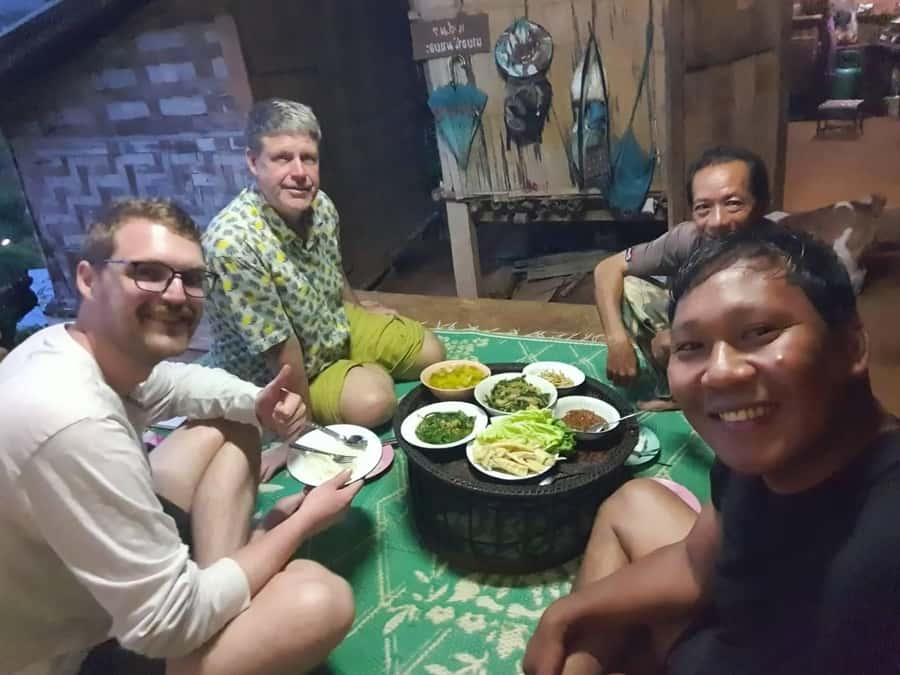
Four meals are included: lunch and dinner on the first day, then breakfast and lunch on the second. Food is a real strength of the outing, especially for anyone curious about how local dishes are prepared. Vegetarian and vegan needs have been accommodated, but tell the operator in advance rather than assuming.
Tea fields, a waterfall, and the Akha overnight stay
After lunch, the route continues toward a Chinese village and a large tea plantation. Tea fields add a more open, cultivated view after the forest trail. The combination of jungle, farmland, and mountain villages makes the day feel varied rather than like one long walk beneath the same trees.
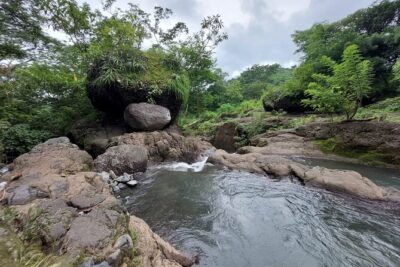
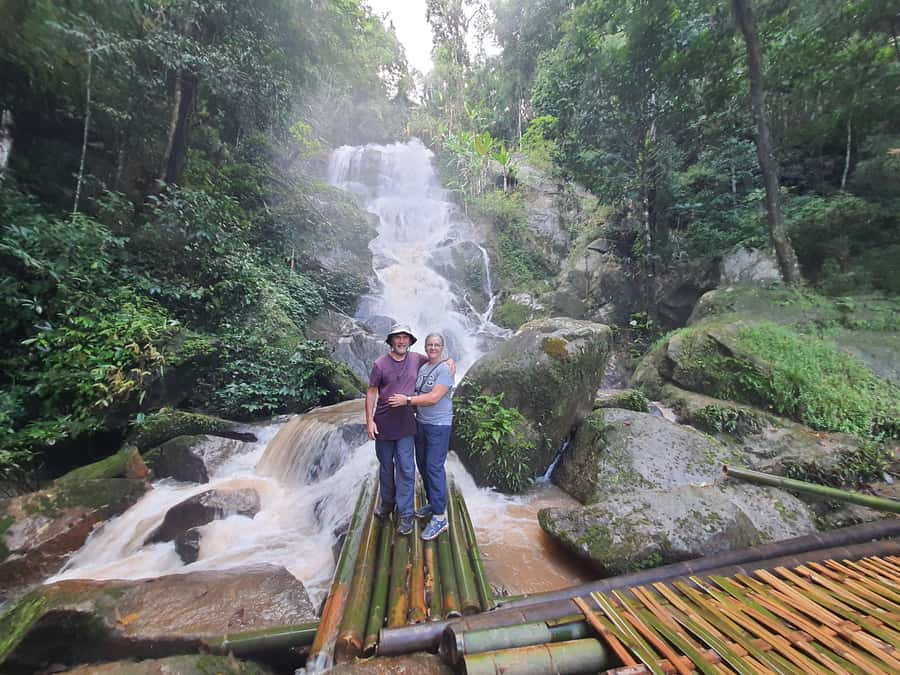
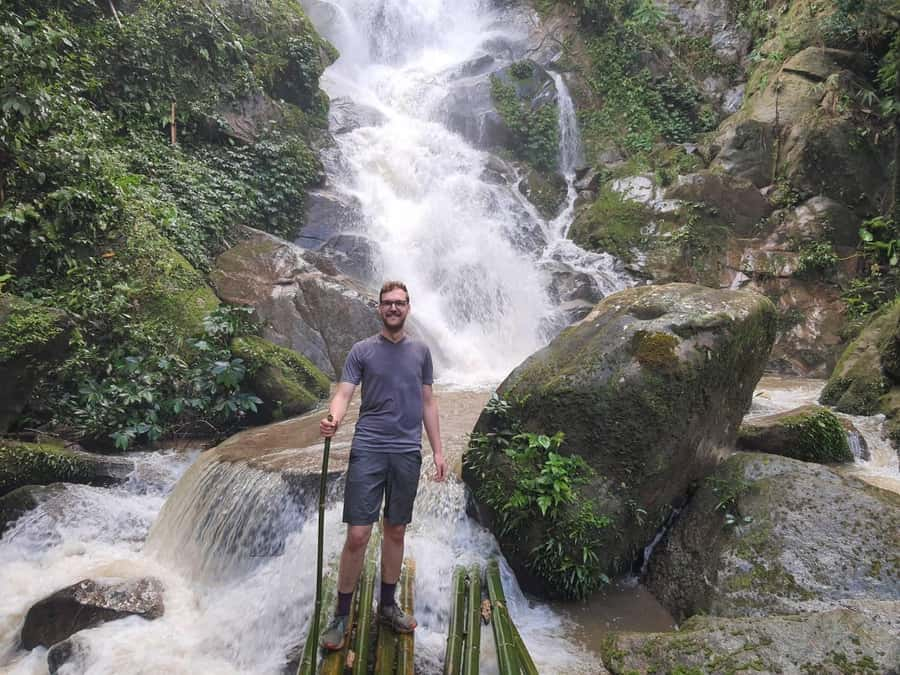
A waterfall provides the planned cooling stop. The activity describes a chance to swim, so pack swimwear, a towel, and dry clothes. Conditions can affect the actual experience. One account described a smaller cascade where swimming was not possible, so do not book this solely for a guaranteed waterfall swim.
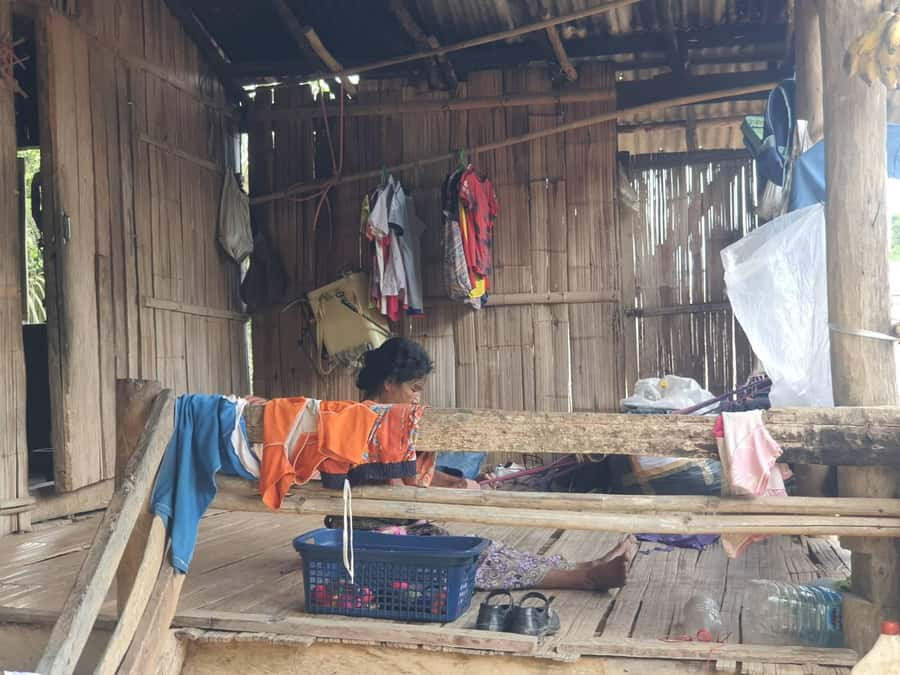
From the waterfall, you continue to an Akha village for the night. This is where the trip becomes more than a hike. The overnight stay is simple, with a thin mattress on a bamboo floor. If you need hotel comfort, this may feel basic. If you want to see how people sleep in the village, it is part of the point.
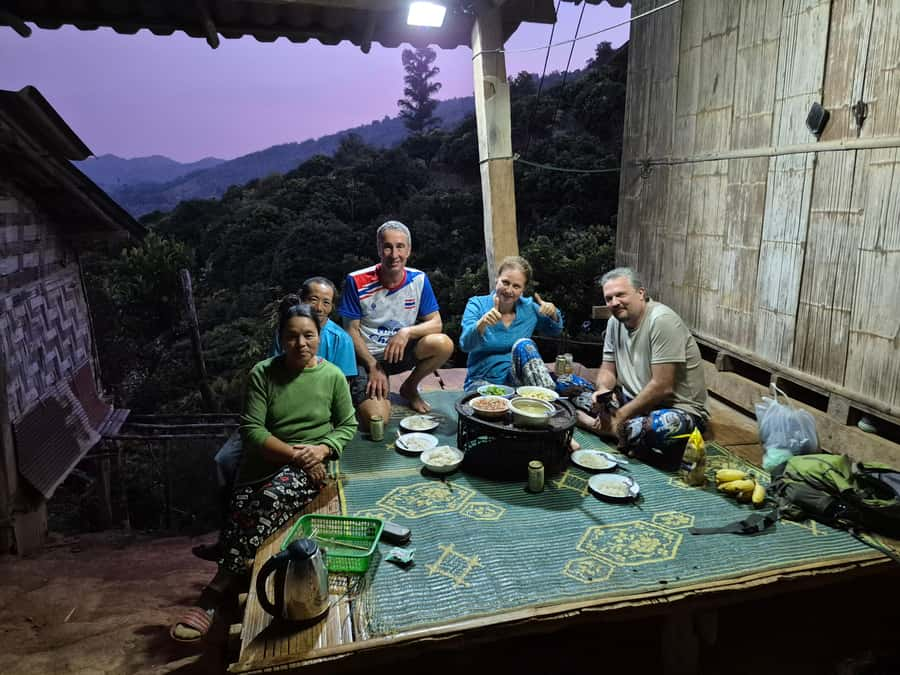
The accommodation has been described as a bamboo house high above the Akha village, with sunset views and a welcoming host couple. Dinner is served locally, and the evening may include songs, dancing, smiles, and time with children from the community. The mood is social, but do not expect a polished cultural show or resort-style entertainment.
Bring only what you need for the night. A small backpack is easier than a large suitcase, especially after a full day on foot. A change of clothes and a towel are listed as essentials, and a light layer may help if the mountain air feels cooler after sunset.
More Waterfall Treks in Thailand
- Chiang Rai Trek: 4 Hilltribes Villages & Waterfall Only Walk
★ 4.8 · 8 reviews - Khao Sok: Private Waterfalls and Wildlife Half-Day Trek
★ 4.5 · 337 reviews - Trekking to Waterfall Adventure Tubing 45 mins. (Only Khao lak)
★ 5.0 · 111 reviews - Chiang Mai: 2-Days Jungle Trek, Waterfalls and Karen Village
★ 4.8 · 103 reviews
Day two: bamboo cooking in the mountains
After breakfast, the second day returns to the jungle trails. The practical lesson becomes more hands-on as you cut bamboo for cups and chopsticks, then use bamboo in preparing lunch.
This is one of the tour’s clearest strengths. You are not only looking at local skills from the outside. You take part in a simple process and see how cooking works without a full kitchen. Guides have also demonstrated how to use natural resources and make useful objects with very few tools.
A meal cooked this way can be surprisingly good. The bamboo cooking is not a novelty added for a quick photograph. It is tied to the wider lesson of how people manage in the forest and mountains. You’ll also see how the guide handles a campfire, though the rules are strict: do not make your own fire, litter, or touch plants.
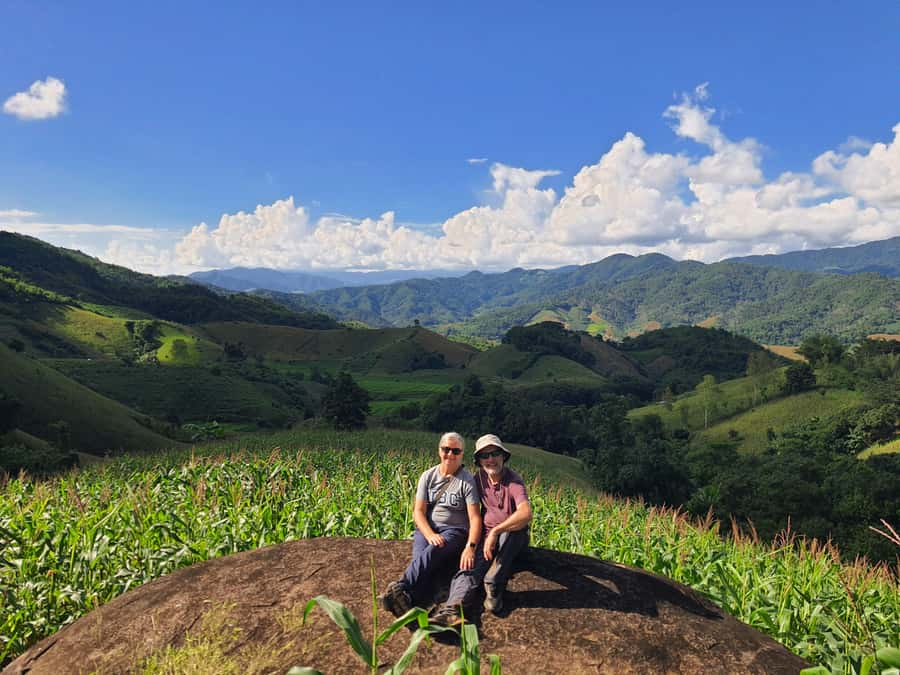
The trail continues to a Lahu village in the high mountains. This part is likely to feel remote, with more climbing and fewer easy sections. The views open onto mountain scenery, but the reward comes with physical effort. Pace yourself early. If you push too hard on the first day, the second day will feel much longer.
The Lahu village and Pasoet Hot Spring
The Lahu village is another chance to see how different hill communities live in the Chiang Rai region. The route does not treat each stop as a major attraction with a long formal presentation. Much of the value comes from walking through the area, observing the setting, and asking the guide about customs and daily routines.
After the village, the trek continues to Pasoet Hot Spring. Here you can swim in a hot spa pool and let tired legs recover before the drive back to Chiang Rai. The hot spring is not included in the tour price, so budget an additional 100 baht for the swimming pool ticket.
That final soak is well placed. After roughly another 10 kilometers of walking, a warm pool can make the return journey far more pleasant. Bring your swimsuit and towel in an easy-to-reach part of your bag instead of burying them under your overnight clothes.
Once you leave the hot spring, transportation returns you to the same downtown meeting area. The exact arrival time is not provided, so avoid booking a tight evening connection or fixed dinner reservation.
How hard is the 20-kilometer route?
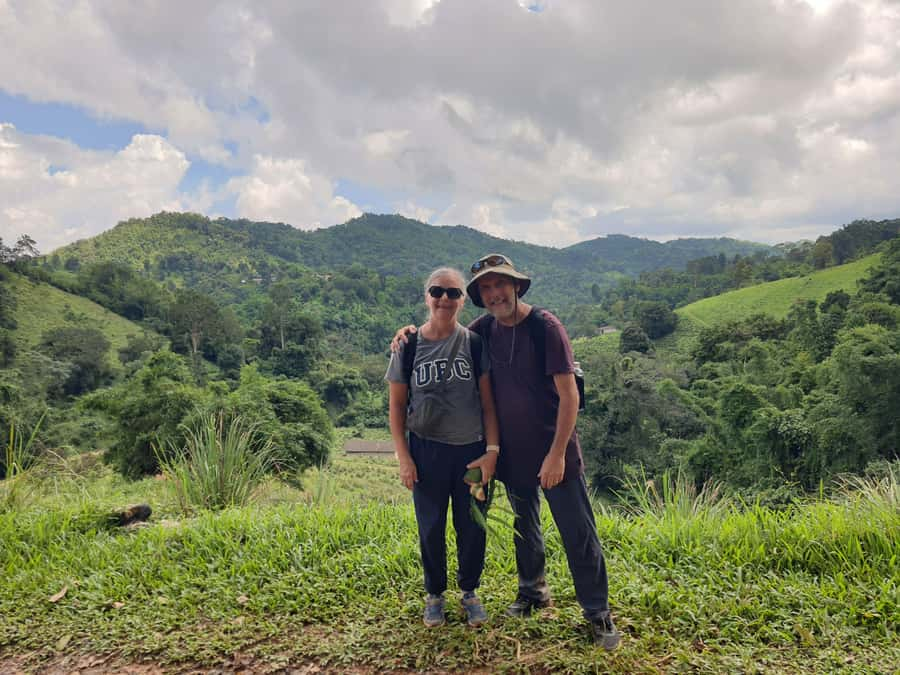
The stated distance is about 10 kilometers each day, with a moderate activity level. In practice, the steep sections matter more than the total distance. You will walk over uneven ground, climb through mountain terrain, and deal with changing weather.
This trek suits people who regularly walk and are comfortable spending several hours outdoors. It is a good fit if you want a physical challenge mixed with culture, food, and nature. It is less suitable if you want a relaxed sightseeing tour with short, flat paths.
Do not choose it if you are pregnant, have back or heart problems, use a wheelchair, or are over 70. Babies under one year are also not suitable for the activity. These limits are sensible given the distance, village accommodation, and mountain trails.
Fitness levels within a small group can differ. The guide may slow down, add rest stops, or adjust a route, but there are limits to how much the group can change. Tell the operator about injuries or dietary needs before the trip. A previous route was adjusted for a guest with a knee ligament injury, which suggests some flexibility, but you should not count on a complete replacement for the standard trek.
Is $122 good value?
At $122 per person, the price includes hotel pickup and return, a trekking guide, drinking water, insurance, four meals, and an overnight stay. You also receive the village visits, jungle instruction, bamboo cooking, and the hot spring transfer.
That is a fair package for a two-day outing, particularly because the overnight stay and meals are built in. You are paying for access to a route that would be difficult to arrange alone, along with local guiding and transport between Chiang Rai and the mountains.
You should add the 100-baht hot spring entrance fee, plus money for soft drinks, alcohol, and personal expenses. The tour does not include those extras. It is also wise to carry snacks, even though meals are provided, since the walking days are long.
The value depends on what you want. If you only want a waterfall and hot spring, a shorter day trip may make more sense. If you want a small-group trek with cultural contact and practical jungle skills, the overnight stay makes the price more convincing.
Who should book this Chiang Rai trek?
I would choose this trip if you want:
- A serious but manageable two-day hike
- Local village contact rather than only major tourist stops
- Hands-on lessons in bamboo carving and cooking
- A simple homestay instead of a standard hotel
- Tea fields, rice fields, jungle, and mountain views in one route
- An English-speaking guide who can explain local plants and customs
- A small group, limited to 10 people
I would hesitate if you dislike basic sleeping arrangements, steep trails, or uncertain weather. The Akha overnight stay is part of the cultural value, but the thin mattress on a bamboo floor is not luxury. The waterfall may also be less impressive or less suitable for swimming depending on conditions.
The small group is a useful middle ground. You are not on a large coach tour, but you may not get a private guide either. Some departures have had only two participants, while the official limit is 10.
Practical details before you go
Pickup is between 9 and 9:30 a.m. from a hotel or meeting point in central Chiang Rai, within 3 kilometers of downtown. The language offered is English, and the guide leads the trek throughout both days.
Pack comfortable trekking shoes, a hat, swimwear, a towel, a change of clothes, sunscreen, insect repellent, snacks, a camera, and a reusable water bottle. Weather can change in the mountains, so bring clothing that works across warm, wet, and cooler conditions.
Smoking, littering, making fires, and touching plants are not allowed. Those rules protect the villages, the forest, and you. Follow the guide closely, especially when using the jungle knife or walking on steep sections.
Cancellation is free up to 24 hours before departure, and you can reserve now and pay later. That flexibility is useful if your Chiang Rai plans are still shifting.
Should you book it?
Book this trek if you want to work for your views and learn something useful along the way. The strongest parts are the local guides, the Akha homestay, the bamboo cooking, and the chance to move through several communities without spending the whole trip in a vehicle.
Go in ready for a real hike, not a simple forest walk. Expect basic bedding, changing trail conditions, and a waterfall experience that may depend on weather and water levels. If you accept those limits, this is a thoughtful way to see northern Thailand through its forests, food, and mountain villages.
FAQ
How far do you walk each day?
The trek covers approximately 10 kilometers each day, for about 20 kilometers over two days. The route includes steep climbs and uneven mountain trails.
Where does pickup take place?
Pickup is available from hotels or meeting points in downtown Chiang Rai, within 3 kilometers of the city center. Wait in the lobby between 9 and 9:30 a.m.
Where do you sleep overnight?
You spend the night in an Akha village in simple local accommodation. Sleeping arrangements may include a thin mattress on a bamboo floor.
Are meals included?
Yes. The tour includes lunch and dinner on day one, breakfast and lunch on day two, for four meals total. Soft drinks, alcohol, and personal expenses are not included.
Is swimming included?
The route includes a waterfall swimming stop when conditions allow, plus swimming in a hot spring pool at Pasoet Hot Spring. The hot spring swimming pool requires an additional 100-baht ticket.
What should I bring?
Bring comfortable trekking shoes, a hat, swimwear, a towel, a change of clothes, sunscreen, insect repellent, snacks, water, and a camera. A reusable water bottle is recommended.
More Jungle Treks in Chiang Rai
- Chiang Rai 1 Day Jungle Trek with Bamboo Lunch & Local Guide
★ 5.0 · 5 reviews - Chiang Rai Jungle Trek & Bamboo Tube Cooking Adventure
★ 5.0 · 5 reviews - Chiang Mai: 2-Day Jungle Trek with Elephant Farm & Raft Ride
★ 4.7 · 881 reviews - 3-Day Ethical Orangutan Jungle Trek | Bukit Lawang, Sumatra
★ 5.0 · 401 reviews
More Waterfall Treks in Chiang Rai
- Bali: Munduk Waterfalls Trek, Twin Lakes and Temple Tour
★ 4.8 · 545 reviews - Selogriyo Temple and Trekking Java Rice Terraces, hidden waterfall -Nature Java
★ 5.0 · 179 reviews - Ubud: Rice Terrace, Holy Water Temple & Waterfalls Trek Tour
★ 4.9 · 115 reviews - Wild Elephant Anakulam & Waterfalls Tour(munnar valley Trekking)
★ 5.0 · 98 reviews
New treks around Chiang Rai
- Cultural trekking and boat trip★ 5.0 · 5 reviews
- Chiangrai: Group Trekking with Bamboo Cooking★ 4.8 · 5 reviews
- Chiang Rai Trek: 4 Hilltribes Villages & Waterfall Only Walk★ 4.8 · 8 reviews
- Chiang Rai Trek:Jungle Hike, Bamboo-Cooked Lunch & Boat Ride★ 5.0 · 7 reviews
- Chiang Rai: The Adventure of Trekking & Bamboo Cooking★ 5.0 · 3 reviews
- Chiang Rai 1 Day Jungle Trek with Bamboo Lunch & Local Guide★ 5.0 · 5 reviews
- Chiang Rai Jungle Trek & Bamboo Tube Cooking Adventure★ 5.0 · 5 reviews
- Akha & Lahu village trekking 1 day★ 4.8 · 18 reviews
Waterfall Treks, side by side.

Bali: Munduk Waterfalls Trek, Twin Lakes and Temple Tour
Read our review →
Khao Sok: Private Waterfalls and Wildlife Half-Day Trek
Read our review →
Selogriyo Temple and Trekking Java Rice Terraces, hidden waterfall -Nature Java
Read our review →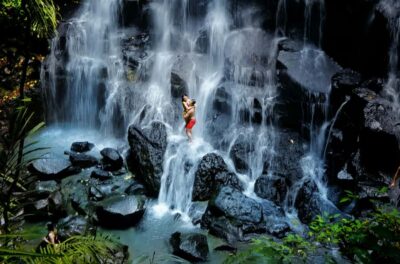
Ubud: Rice Terrace, Holy Water Temple & Waterfalls Trek Tour
Read our review →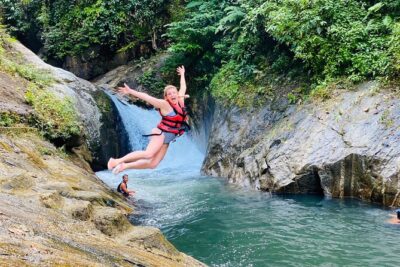
Trekking to Waterfall Adventure Tubing 45 mins. (Only Khao lak)
Read our review →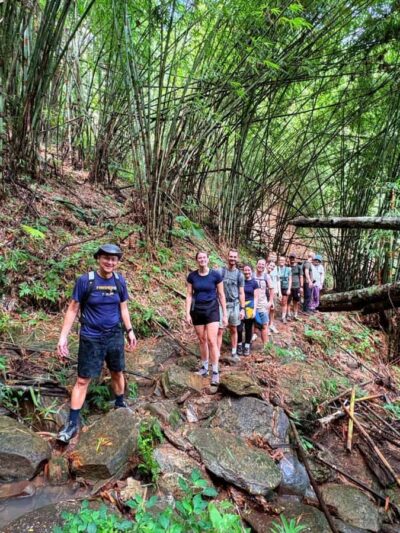
Chiang Mai: 2-Days Jungle Trek, Waterfalls and Karen Village
Read our review →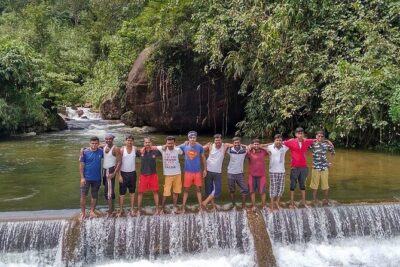
Wild Elephant Anakulam & Waterfalls Tour(munnar valley Trekking)
Read our review →