
Review · CATANIA
Special trekking on the most authentic and wild side of Etna
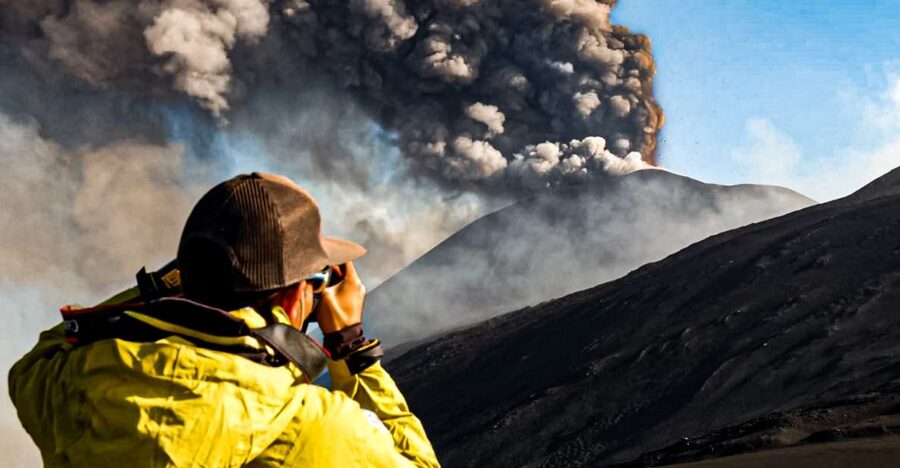
Etna’s north side feels far removed from the busy summit routes. This four-hour trek takes you past fresh-looking lava flows, old eruption cones, ground fractures, and a perfectly intact volcanic chimney, with an authorized volcanological guide explaining what you are seeing. You also reach the highest point safely allowed on the day, depending on volcanic conditions.
I like two things right away: the route gives you real volcanic features instead of a quick viewpoint stop, and the 4×4 ride cuts out a long, rough climb from 1,800 to 2,800 meters. The trek is also a strong substitute when the summit craters are closed. The catch is the extra €50 transport charge, plus a €3 parking fee, and this is not a casual walk for anyone unused to high altitude.
Key things to know before you book
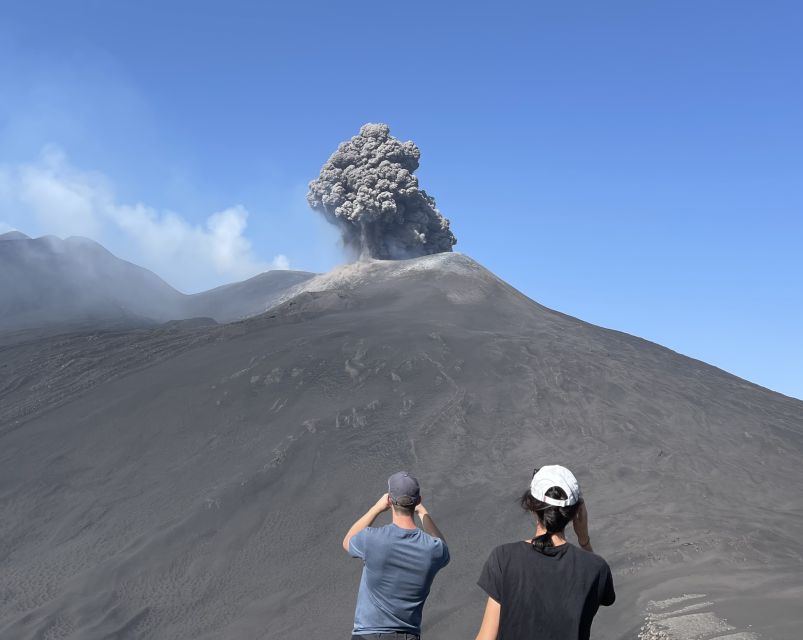
- The route visits Etna’s north-side craters: You walk around eruptions from 1911, 1923, 1947, 1974 to 1975, and 2002.
- The 4×4 ride is essential: It carries you from 1,800 to 2,800 meters over rough volcanic ground, with another transfer later in the route.
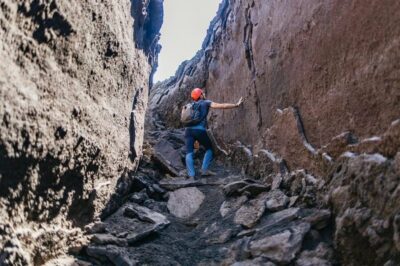
- You enter a volcanic chimney: Protective helmets let you step inside an intact cone and see the mouth that once carried lava.
- The scenery can reach Taormina and the Aeolian Islands: Visibility depends on weather, but the high viewpoint gives you a grand view of Sicily.
- The total transport cost is higher than the headline price: Add €50 per person for the vehicles and €3 for parking.
- You need moderate fitness and a steady head: The trail follows crater rims, ash slopes, and high-altitude paths that may trigger dizziness.
Why Etna’s north side feels different
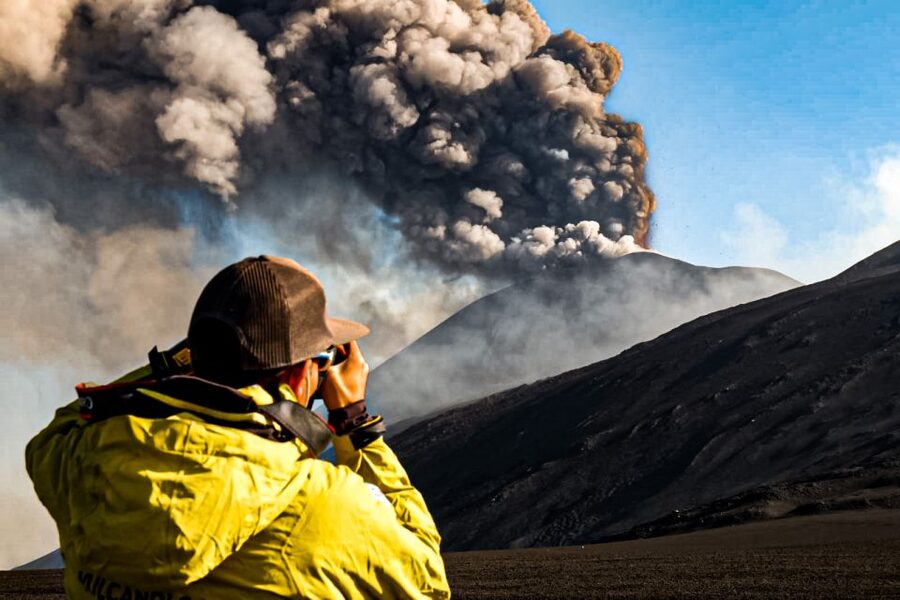
Most visitors come to Etna looking for the summit craters. That makes sense, but volcanic access changes with Civil Protection rules, weather, and eruptions. This route gives you a more dependable way to see the volcano while staying within the safety limits set for that day.
The north side is the less frequented side, with long stretches of black volcanic ground and fewer signs of heavy foot traffic. You are not simply walking to a lookout, taking a photo, and returning. The route links several eruption sites, fractures, lava passages, and ash slopes into one long geological lesson.
I especially like the way the trip uses both transport and walking. The 4×4 gets you high without spending the entire morning climbing. Then the walking begins where the volcano becomes most interesting, among crater rims and lava channels rather than at a lower forest trail.
The tour lasts about four hours, though the exact pace depends on the group, weather, and safety limits. Groups are divided among guides according to size and language, which helps avoid one large crowd moving as a single pack.
More volcano treks around Catania:
- Mount Etna: Guided Trek 3,000 Meters to the Summit
★ 4.8 · 1,407 reviews - Etna Sunset Tour: Volcano trek, Cave & tasting from Catania
★ 4.8 · 1,290 reviews - From Catania: trek on Mount Etna, Lava Cave & tasting Tour
★ 4.8 · 563 reviews
Meeting near Piano Provenzana
The meeting point is Chiosco Bar Mareneve, near the chairlift used by skiers in winter. It is the second of four buildings in the parking area. Arrive a little early so you have time to find the correct building, meet the guide, and prepare your equipment.
Parking costs €3 for the full day. You pay this after the excursion, not as part of the online price. The activity ends back at the same meeting point, so you do not need to arrange a separate return from another part of Etna.
The advertised price is $62.63 per person, but that covers the guide service, not the mountain transport. The 4×4 vehicles cost €50 per person on site, and you should also allow for lunch, drinks, snacks, and parking. That makes the true cost noticeably higher than the first figure suggests.
Still, the value is reasonable if you want a serious introduction to Etna’s geology. You are paying for an authorized guide, specialist equipment, insurance, and access to a route that would be difficult to understand on your own. If you only want a short walk and a photo from a high viewpoint, this may feel expensive.
The 4×4 climb from 1,800 to 2,800 meters
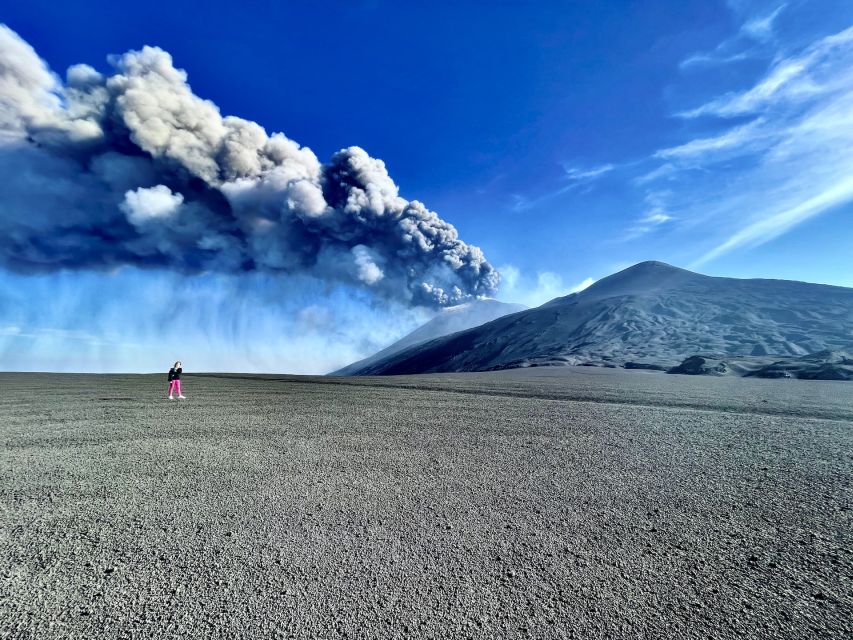
The first vehicle section climbs about eight kilometers from 1,800 meters to the Volcanological Observatory at roughly 2,800 meters. This is not ordinary road travel. The vehicle crosses extremely rough volcanic ground, so expect a bumpy ride rather than a smooth shuttle.
The guide begins explaining Etna during the drive. That matters because the terrain can look like a field of dark rock at first. With context, you begin to notice old lava paths, crater shapes, and the way eruptions have built one layer over another.
At the observatory, the first walk rises from about 2,800 to 2,900 meters. It is a short section, but altitude makes even modest slopes feel harder. Take your time, drink water, and tell the guide about any health concern before setting out.
The reward is a high panoramic point with views toward the summit craters, recent lava flows, Taormina, and, on a clear day, the Aeolian Islands. Weather controls this part of the trip. Clouds, wind, or haze may hide the distant views, so you should book for the volcanic route itself rather than treating the panorama as guaranteed.
Inside the 1947 eruption cones
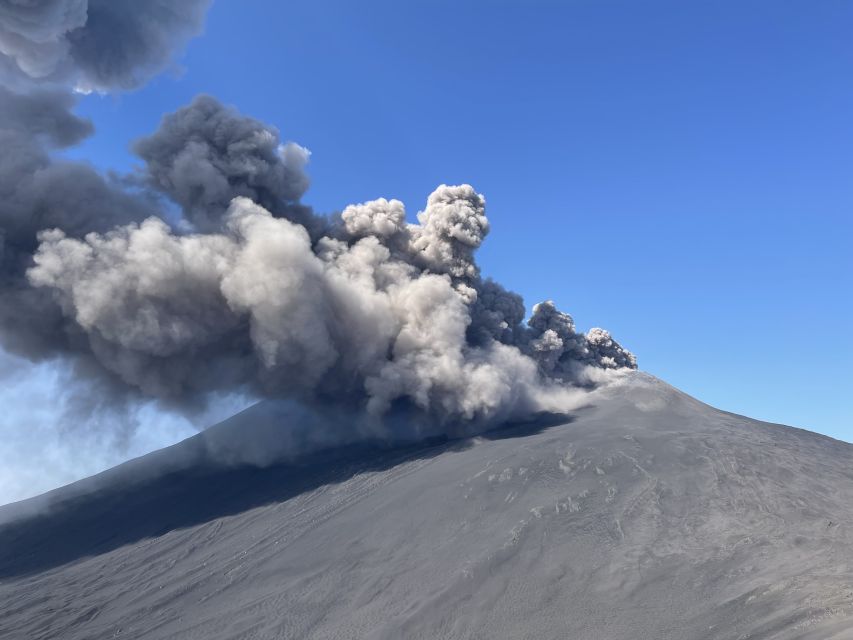
After the high viewpoint, the 4×4 takes you toward one of the major craters on Etna’s north side. This is where the main walk begins. The route eventually covers about six kilometers on foot back toward Piano Provenzana, with several stops that make the geology easier to understand.
One highlight is the fracture known as the Rift on the north side of Etna. A volcanic fracture is not just a crack to photograph. It shows where the ground opened during an eruption and helps explain how lava can find a path away from the summit.
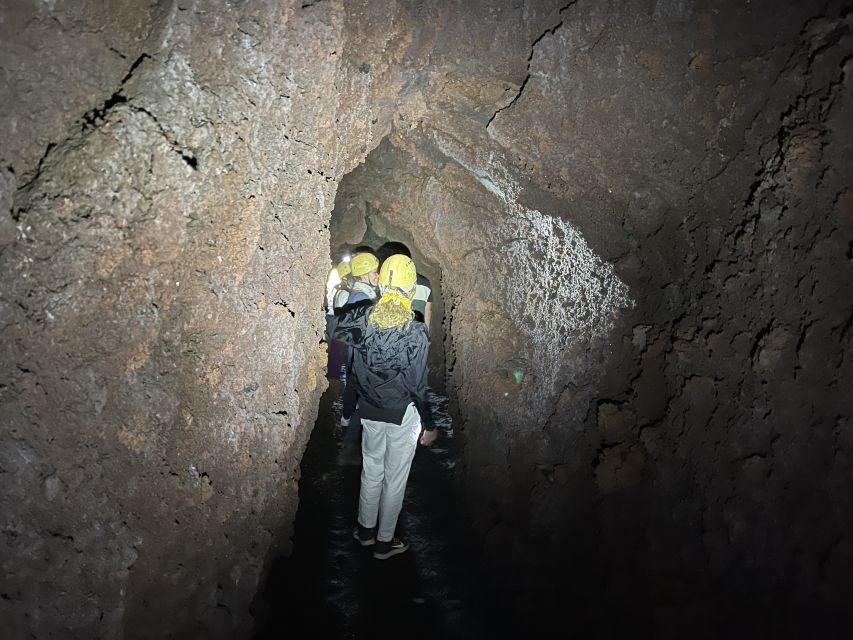
You also visit the craters formed during the eruption of February 24, 1947. The route allows you to enter the chimney of an intact volcanic cone while wearing a protective helmet. This is a rare chance to look into the internal structure of a cone rather than viewing it only from the outside.
The guide explains how eruptions work, including the route taken by molten magma and the way lava reaches the surface. Ciccio, one of the guides associated with this experience, has been praised for explaining eruption mechanics carefully and for combining scientific detail with the story of the mountain.
The enclosed sections are memorable, but they are not suitable for everyone. The activity specifically excludes people with claustrophobia, and you should take that warning seriously. The route also includes steep crater edges and loose volcanic material, so people with vertigo or a strong fear of heights may find it uncomfortable.
More treks around Catania:
- Mount Etna: North Upper Craters Guided Tour by 4×4 with Trek
★ 4.6 · 243 reviews - Catania: Mount Etna Sunset Trekking with Wine Tasting
★ 5.0 · 140 reviews - Catania: Etna Morning or Sunset Trek with Lava Tunnel & Gear
★ 5.0 · 27 reviews - Etna: Jeep excursion and trekking suitable for everyone. Shoes and jacket provided free of charge.
★ 4.9 · 15 reviews
Ash slopes, lava mouths, and a long descent
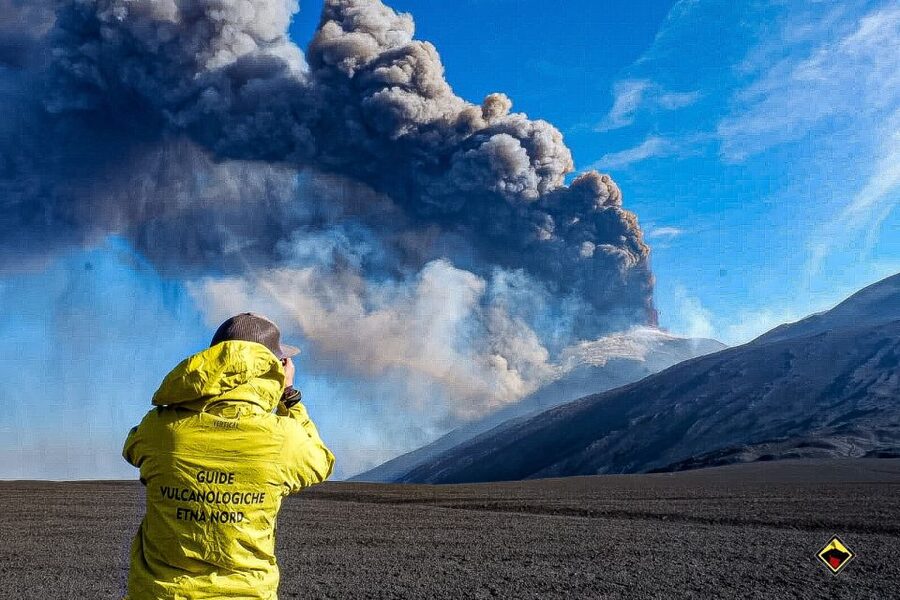
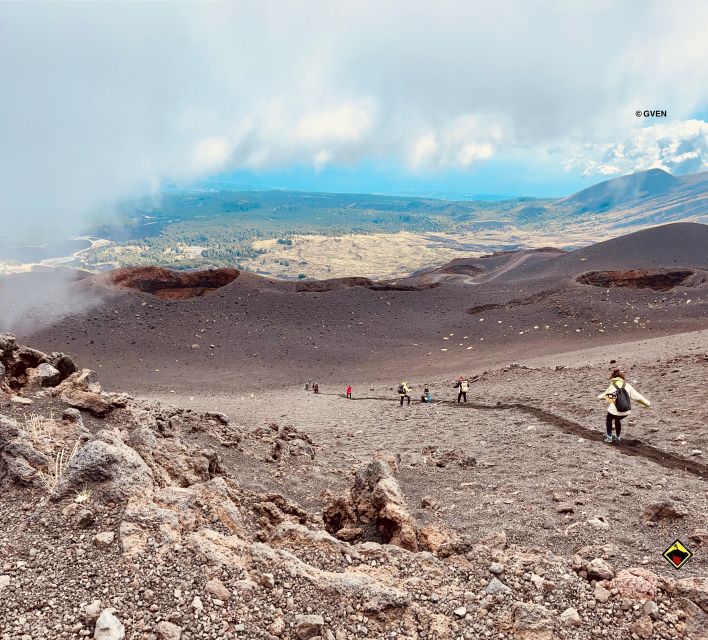
The walking route continues along the rims of large explosive craters. You move across slopes of volcanic ash and among cones created by side eruptions from several periods: 1809, 1874, 1879, 1911, 1923, 1974 to 1975, and 2002.
The dates are more than a list. They show how Etna keeps changing. You can walk through an area shaped by eruptions separated by decades, then see how each event added another cone, ridge, or lava channel to the north side.
Several mouths produced lava flows, and the route takes you inside volcanic openings connected with those events. The guide’s explanation is important here. Without it, one black opening can look much like another. With the right context, you can understand the difference between a crater, a fracture, a lava passage, and a volcanic supply duct.
The descent is the most demanding part for many people. Volcanic ash shifts underfoot, and walking down crater slopes calls for controlled steps. Trekking poles are included, and I would use them even if you normally walk without poles. They help with balance and reduce strain on the knees.
The route eventually returns to Piano Provenzana. Though the path is downhill overall, the high altitude and loose surface make it a proper hike. This is not suitable for people with a low fitness level, no hiking experience, recent surgery, back problems, heart problems, respiratory issues, epilepsy, or altitude sickness.
What equipment is supplied, and what you should bring
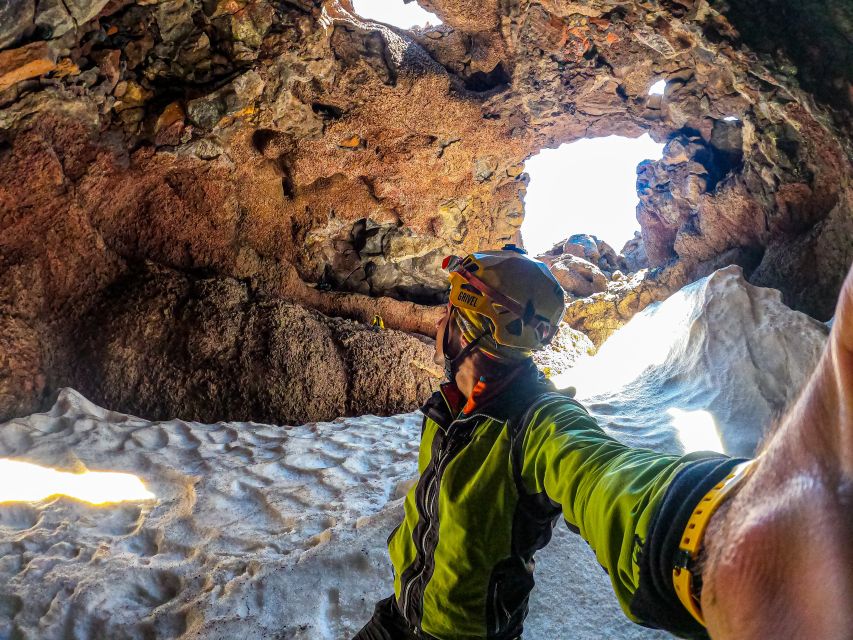
The operator supplies trekking poles, protective helmets, accident insurance, trekking shoes, warm jackets, extra socks, and a backpack. That is a useful package, especially if you are visiting Sicily in warm weather and did not pack for a cold, windy volcano.
A jacket is still worth bringing. The supplied clothing may help, but the summit area can feel very different from the coast. Pack a windbreaker or rain jacket, long trousers, sunglasses, sunscreen, drinks, snacks, and a packed lunch if you need one.
A K-way, or lightweight rain jacket, is not included. Lunch, bottled water, and snacks are also not included. You should not rely on finding food during the route, since the walking section is centered on volcanic ground rather than a series of cafés.
Wear proper closed hiking shoes. Sandals, flip-flops, open-toed shoes, and high heels are not allowed. The insurance does not cover you without suitable footwear, so this is both a comfort issue and a safety condition.
Alcohol is not allowed in the vehicle. That rule is easy to follow and sensible on a rough ride at high altitude.
How hard is the trek?
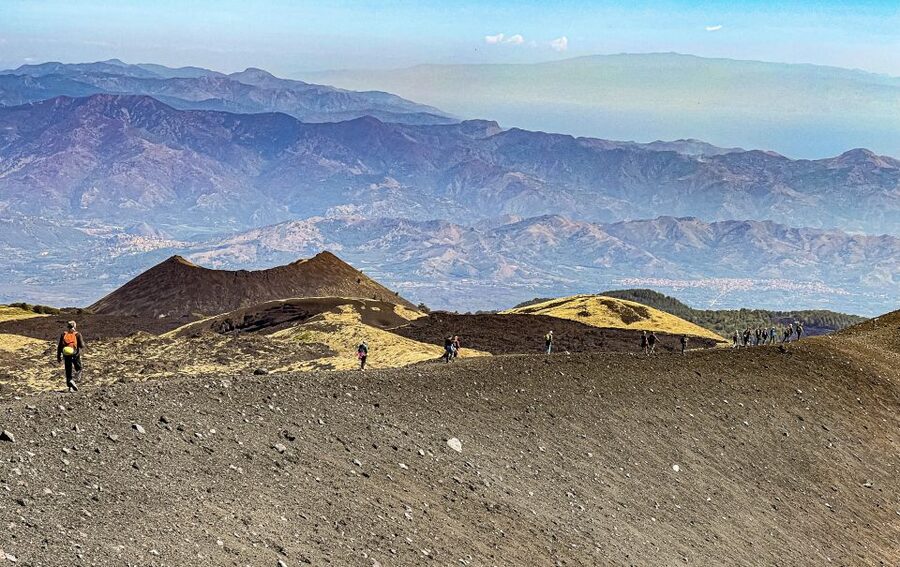
The activity is designed for moderately trained hikers. You do not need to be an expert mountaineer, but you should be comfortable walking for several hours on uneven ground, climbing around crater edges, and descending loose ash.
Altitude is the main factor. The route reaches about 2,900 meters, and the air is thinner than at the coast. The trip information specifically excludes people with altitude sickness, heart or respiratory problems, and low fitness. Tell your guide about relevant health conditions before walking.
Crater rims may cause dizziness, even for fit people. Keep a sensible distance from edges, follow the guide’s instructions, and do not hurry to keep up with a faster group.
Weather can also change the plan. If conditions become unsafe, the excursion may be postponed or cancelled. That is not a flaw in the trip. On an active volcano, safety limits matter more than forcing a promised viewpoint or altitude.
Languages, group size, and the guide’s role
Guiding is available in English, Italian, and French. The guide is an authorized volcanological guide, meaning the route is carried out according to current volcanic risk notices and the safety altitudes allowed by local rules.
The activity needs at least eight participants in total. If that minimum is not reached, the trek may be cancelled. Ask about this possibility if your schedule on Sicily is tight, since a small number of available tour dates can make a change inconvenient.
The group is divided among guides based on numbers and language. That is helpful on a technical route. A guide can explain a volcanic chimney or a fracture more clearly when everyone can hear and the group is not spread too far along the trail.
The best guides make the mountain readable. Ciccio’s explanations, especially about eruption mechanics and the volcanic cone, show what you should hope for: clear science, useful history of the eruptions, and practical help on rough sections.
Is the €50 vehicle charge worth paying?
The extra charge is significant. Add it to the advertised price and the parking fee, then allow for food and water. You should compare the full cost rather than judging the excursion by the initial figure alone.
For me, the transport earns its place. The 4×4 ride reaches 2,800 meters from the 1,800-meter starting elevation, crossing ground that would make the walking day much longer and harder. It also lets you spend your energy on the craters, fractures, and lava features that give this route its character.
This is especially useful if summit access is closed. You still reach the highest point permitted by the safety rules and walk among major volcanic features. You are not guaranteed to visit the summit craters, but you get a serious alternative rather than a watered-down short outing.
If your priority is the cheapest possible Etna visit, choose a lower-cost viewpoint or a shorter walk. If you want a guide-led route through the north-side eruption zones, the added transport fee is easier to justify.
Who should book this Etna trek?
Book it if you want geology, unusual volcanic formations, and a route away from the busiest side of the mountain. It suits people who enjoy learning while walking and who do not mind rough transport, ash underfoot, and changing weather.
It is also a good choice for visitors who had hoped to reach the summit craters but need a safe alternative because access has been restricted. The route still gives you high views and a close look at the volcano’s working parts.
Think twice if you want an easy nature walk, have limited fitness, dislike enclosed spaces, or feel uneasy on exposed crater rims. The route is not suitable for people with mobility impairments, back problems, heart or breathing problems, epilepsy, recent surgery, vertigo, or a fear of heights. It is also not intended for people without hiking experience or those over 95.
Free cancellation is available up to 24 hours before the start, with a full refund. Since weather and participant numbers can affect the outing, that flexibility is useful.
My verdict on the wild north-side route
I would book this trek for an active day on Etna, especially when summit access is uncertain. The strongest features are the north-side setting, the chance to enter an intact volcanic chimney, the sequence of eruption sites, and the clear guide-led explanation of how lava and craters form.
Go in knowing the true cost, the high-altitude effort, and the possibility of poor visibility. Bring water, food, warm layers, and proper shoes, then let the guide set the pace. If you want Etna as a living volcano rather than a backdrop for a quick photo, this is one of the more rewarding ways to meet it.
FAQ
Where does the Etna trek start?
It starts at Chiosco Bar Mareneve near the winter chairlift on the north side of Etna. It is the second of four buildings in the parking area.
Where does the activity end?
The trek ends back at the original meeting point near Chiosco Bar Mareneve.
How long does the excursion last?
The stated duration is four hours. Starting times vary, so you need to check availability for the date you want.
Is 4×4 transport included in the listed price?
No. The guide service price does not include the 4×4 vehicles. You pay €50 per person on site for the transport sections.
What does the 4×4 vehicle do?
It carries you from about 1,800 meters to 2,800 meters over roughly eight kilometers of rough volcanic ground, with another vehicle section later in the route.
What equipment is provided?
The excursion provides an authorized volcanological guide, trekking poles, protective helmets, accident insurance, trekking shoes, warm jackets, extra socks, and a backpack.
What should I bring?
Bring a windbreaker or rain jacket, sunglasses, snacks, drinks, sunscreen, comfortable clothing, long trousers, hiking shoes, and a packed lunch. A K-way rain jacket is not included.
Is the trek suitable for beginners?
It is intended for moderately trained hikers and is not suitable for people without experience or with a low fitness level. The route includes high-altitude walking, crater edges, ash slopes, and descents.
What happens if the weather is bad or summit access is restricted?
The excursion follows current volcanic safety rules. Bad weather can lead to postponement or cancellation, while closed summit craters make this route a valid alternative up to the highest point safely allowed that day.
New treks around Catania
- Piano Provenzana: Guided Mt. Etna Snowshoeing Trek★ 5.0 · 3 reviews
- Mount Etna: trek with vintage car, tasting sicilian produtcs★ 5.0 · 5 reviews
- Mount Etna: Day trip to the high altitude craters at 3000 meters trekking★ 5.0 · 2 reviews
- From Syracuse: Mount Etna Volcano Morning Trekking Tour★ 5.0 · 3 reviews
- From Catania: Mount Etna Trekking Private Experience★ 4.6 · 11 reviews
- Etna: Trekking to the summit craters at 3340 meters★ 4.0 · 10 reviews
- Catania: Etna Sunset Trekking with Hotel Pickup★ 5.0 · 2 reviews
- Catania: Etna Morning or Sunset Trek with Lava Tunnel & Gear★ 5.0 · 27 reviews
Volcano Treks, side by side.
Mount Etna: Trek to 3000m with cable car and 4×4
Read our review →
Mount Etna: Summit Crater Trek with Cable Car
Read our review →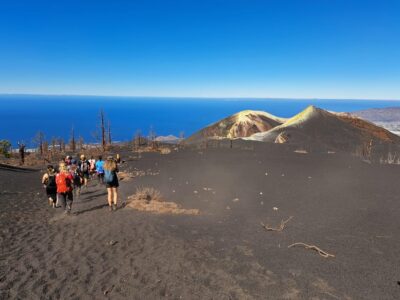
Etna: summit craters trekking with volcano guide 3350mt
Read our review →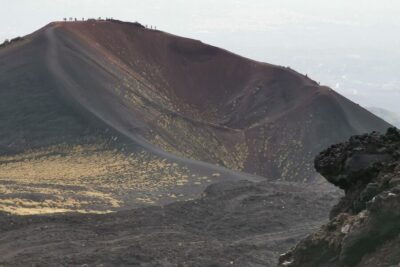
Catania: Mount Etna Trekking Tour Beyond the Tourist Trails
Read our review →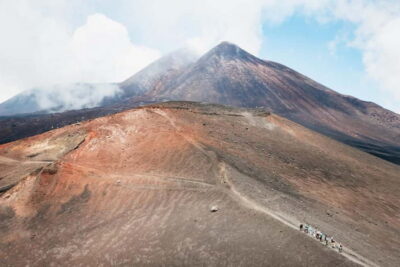
Mount Etna: Guided Trek 3,000 Meters to the Summit
Read our review →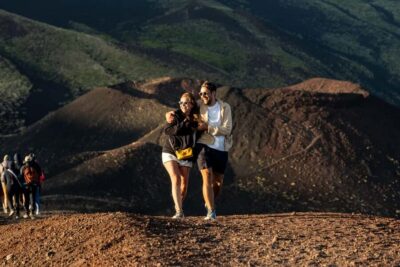
Etna Sunset Tour: Volcano trek, Cave & tasting from Catania
Read our review →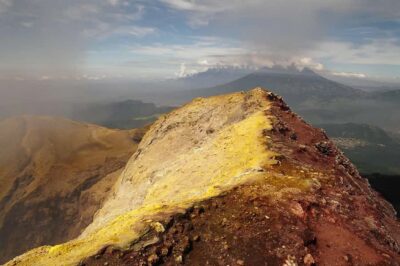
Lists this trek appears in